
Reviewed · TRASTEVERE TOURS
2/3 Hours Art Stained Glass Course in Trastevere
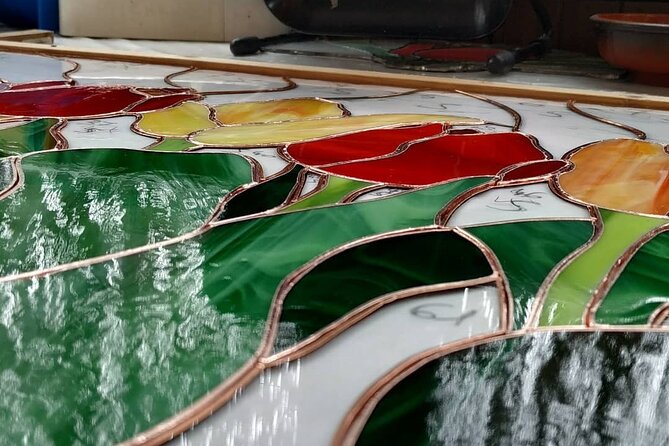
The best part of this Trastevere workshop is that you do not simply watch an artisan work. You make a small stained-glass piece yourself, from the first design lines to the final soldered join. Michela guides you through each stage, including oil-glass-cutter work, careful breaking with pliers, and the fiddly business of fitting the pieces together.
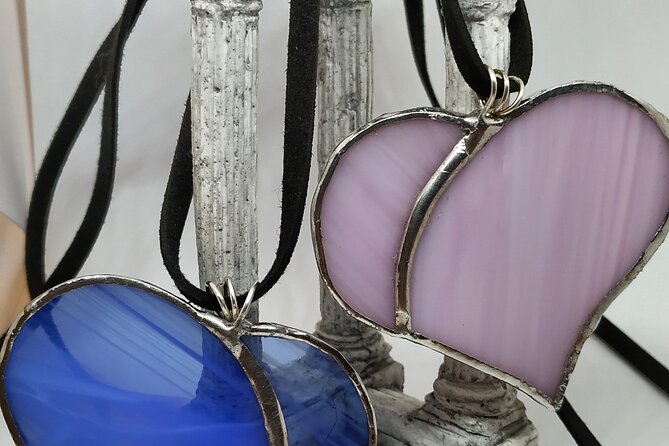
I like the tiny group size, limited to two people, and the personal teaching that comes with it. I also like the chance to take home a wearable keepsake, such as a pendant, necklace, flower, or turtle. The main consideration is that this is hands-on glasswork, not a relaxed craft demonstration. You need steady attention, moderate physical fitness, and comfort using tools around cut glass.
Key points to know before you book
- Michela teaches every step: Expect clear instruction in English, from the first sketch to soldering.
- You make a wearable keepsake: Finished projects can include a small pendant, necklace, or other compact stained-glass design.
- The class is genuinely small: A maximum of two people means plenty of individual guidance.
- You handle real tools: You may use an oil glass cutter and special pliers to cut and shape the glass.
- Coffee and tea are included: There is a short break with drinks, and past sessions have also included biscotti.
- Plan for either two or three hours: The listed duration is about two hours, but the experience is also described as a three-hour class, so confirm the length when booking.
Making stained glass instead of just looking at it
Rome gives you no shortage of churches, mosaics, frescoes, and grand decorative arts. This workshop offers a different angle: you get to understand the craft through your hands.
The session begins with a short introduction to stained glass and its long artistic tradition. Michela then explains the materials used for a small project. This opening matters because stained glass can look simple from a distance. Once you begin, you see how much planning sits behind every clean line and neat join.
You start by choosing a design. There are templates to select from, which helps if you arrive without an idea already drawn. You might choose a small animal, a flower, or another compact shape. The modest size is sensible for a first attempt. It gives you a finished object without asking you to manage a large panel or a complicated pattern.
If you are ambitious, keep your design manageable. One participant found the class ran beyond the booked time after choosing a design that was too ambitious. That can be a nice problem if the schedule allows it, but you should not count on extra time if you have dinner plans or another appointment.
More Trastevere tours:
- Winner 2025 Rome Twilight Trastevere Food Tour by Eating Europe
★ 5.0 · 5,157 reviews - Rome: Trastevere or Jewish Quarter Street Food Tour
★ 4.8 · 3,839 reviews - Rome: Trastevere Food tour with Free-Flowing Fine Wine
★ 5.0 · 2,853 reviews
From paper template to colored glass
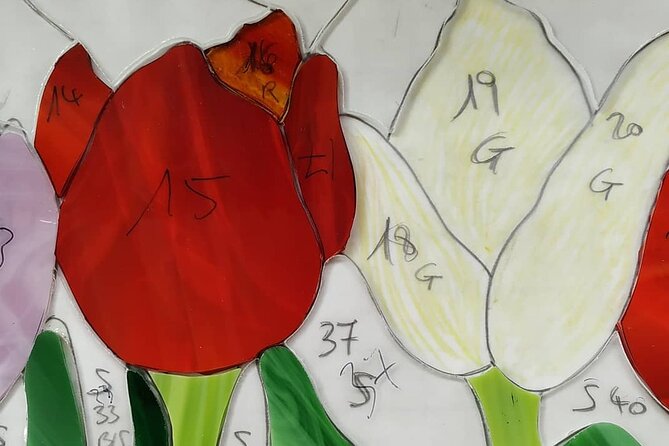
After you choose your design, you work with cardboard templates. The pattern is divided into small sections, and those pieces guide the cutting process. This is where the workshop shifts from a simple art class to a real introduction to stained-glass technique.
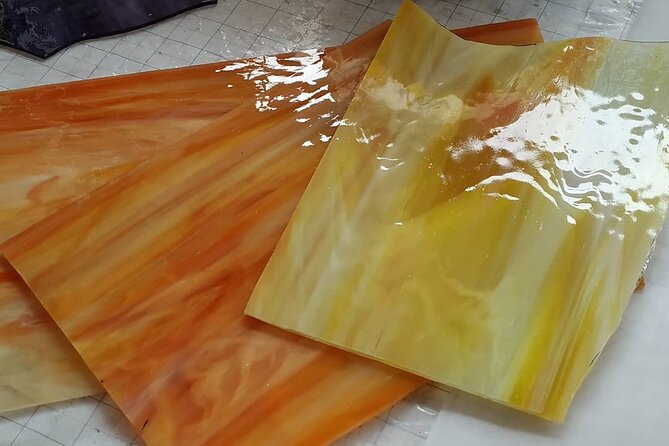
Michela helps you trace the pattern onto selected pieces of glass. The color choice is part of the pleasure. You can compare a good range of glass colors and decide how you want the finished piece to look. A flower can feel soft and bright, while an animal shape can take on a bolder character with darker glass.
The class does not present the process as magic. You learn that the glass has to be marked carefully and cut along the planned lines. A small error can affect how the pieces fit together. That is useful knowledge to take home, even if you never set up a stained-glass workspace of your own.
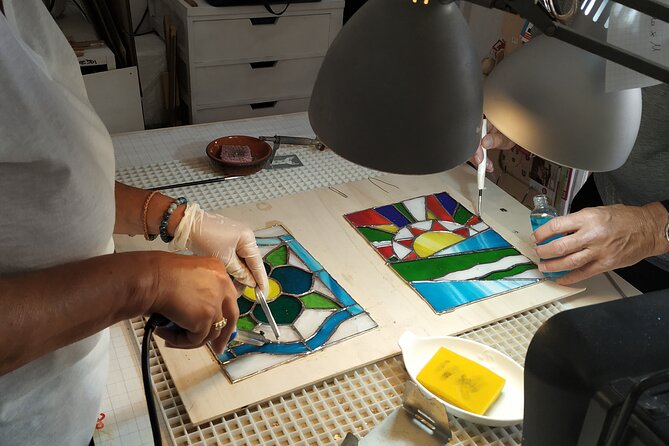
The tools require care. You use an oil glass cutter to score the surface, then special pliers to separate the piece. The cutting is not described as a demonstration where Michela does everything for you. The goal is for you to take part in the work, with her explaining and correcting as needed.
That hands-on approach is one of the strongest reasons to book. You leave with more than a souvenir. You understand why the craft takes patience, why clean cuts matter, and why a small finished piece can represent several careful stages.
The satisfying, slightly nerve-racking cutting stage
Cutting glass is likely to be the moment when you pay closest attention. You may feel unsure at first, especially if you have never used a glass cutter. That is normal. Michela’s role is to explain the movement and help you work through the difficult parts.
One participant described struggling with the glass cutting but still enjoying the process and completing a flower. That is a fair expectation. This is not a class where every attempt will be perfect. The appeal comes partly from learning a demanding skill in a controlled setting.
The workshop is aimed at adults because you handle glass and trade tools. That does not mean you need past craft experience. The instructions are designed for beginners, and several people have completed a first project with Michela’s help. Still, you should listen closely, work at a steady pace, and accept that the final object may have small signs of being handmade.
Families should pay attention to the age point. One session was enjoyed by a parent and son, and the activity can be educational for younger participants, but the stated guidance proposes the workshop for an adult audience. If you hope to bring a child, confirm suitability before booking rather than assuming every age is accepted.
Soldering brings the little artwork together
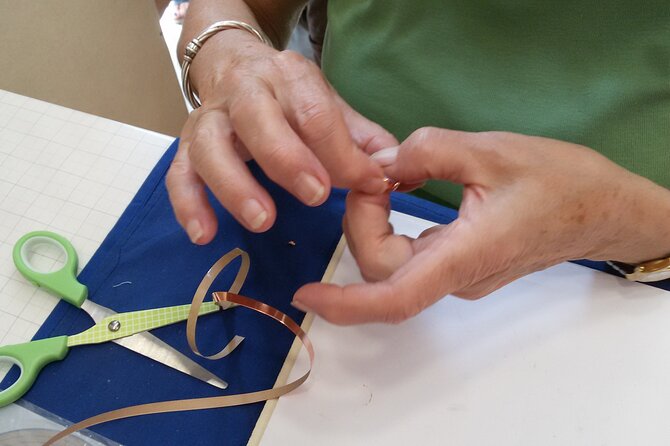
Once the glass sections are cut and prepared, you move toward welding, or soldering, the small work of art. This is the stage that transforms separate colored pieces into one object.
Michela explains the process and helps you place the parts correctly. The final result can be worn, which gives the class a practical finish. A pendant or necklace is easier to pack than a large framed panel, and it has a direct connection to your time in Rome.
The finished item also makes a thoughtful gift. One participant created a turtle to give to a child in Italy. Another left with a necklace as a personal reminder of the trip. Those examples show why the workshop works well for people who want a souvenir with a story, rather than another shop-bought trinket.
Do not expect a polished commercial product made by someone else. The value is that you take part in the process. Your piece may have tiny irregularities, but those marks show where you learned to cut, fit, and solder. If you like crafts with visible human character, that is a benefit. If you want perfect jewelry straight from a professional studio, this may not be the right choice.
More three-hour experiences in Rome:
- Jewish Ghetto and Synagogues with Jewish Roman Guide 3 Hours
★ 5.0 · 907 reviews - Rome: Private Customizable 3-Hour Golf Cart City Tour
★ 5.0 · 229 reviews - Rome: 3-Hour Panoramic Luxury Golf Cart Tour
★ 4.9 · 157 reviews - Rome: Private 3-Hour Tour by Chauffeur-Driven Vehicle
★ 4.9 · 63 reviews
Michela’s teaching style and the small studio setting
The class is led by Michela, who teaches in English and brings both instruction and conversation to the session. Her approach is patient and encouraging. She explains the process in small steps instead of rushing you toward the finished object.
The maximum group size is two people. That is unusually personal for a paid activity in Rome. If you book as a couple, you can work side by side while still receiving individual help. If you book alone, the session may feel close to a private lesson.
The small group also explains why the class can run over its planned time. A larger class would need a strict timetable. Here, Michela can spend extra minutes helping with a tricky design or glass cut, depending on the day and the next appointment.
The atmosphere appears informal and welcoming. Break time includes coffee, tea, or drinks, and sessions have included music and biscotti. These touches do not replace the craft lesson, but they make the workshop feel more like time in a local artist’s workspace than a large organized tour.
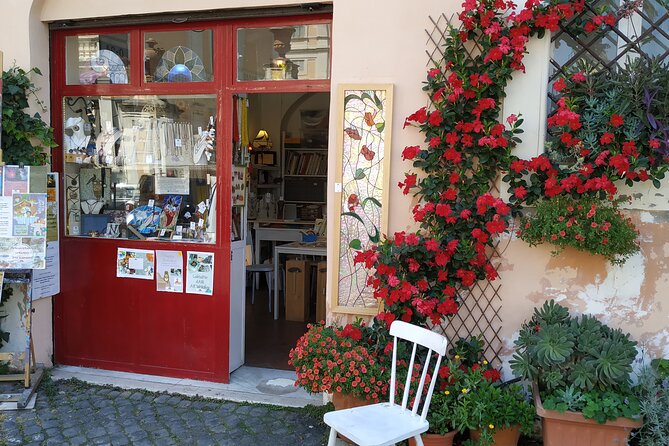
You may also see other stained-glass pieces, jewelry, and accessories made by Michela. That gives you a chance to understand what the craft can become after years of practice. The contrast between her finished work and your first project can be encouraging rather than intimidating. It shows the skill involved and gives you ideas for future designs.
Why the Trastevere location matters
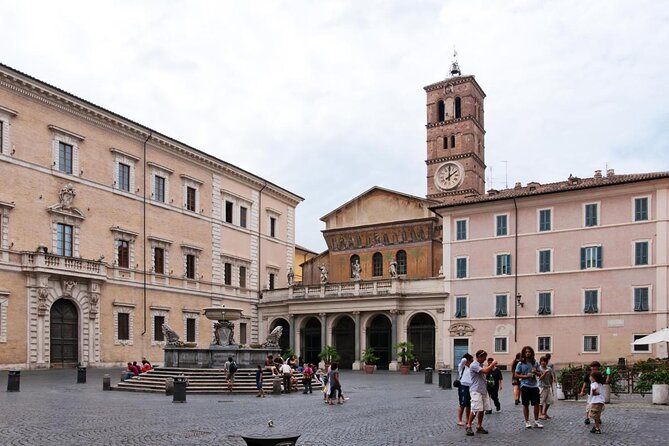
The meeting point is Via Corsini, 9, in Rome, and the activity ends at the same place. The workshop is in Trastevere, a useful setting for an art-focused stop because you can pair it with time in the neighborhood before or after class.
The practical advantage is simple: you do not spend half a day getting to a distant countryside studio. The meeting point is near public transportation, so you can build the workshop into a Rome sightseeing day. Check your route and allow enough time to arrive calmly. Cutting glass is not an activity you want to begin while flustered from a late arrival.
The neighborhood itself is not part of the formal class. You should not expect a walking tour or a separate sightseeing program. The value of the location is that you are making something in a central Roman district, close to other places you may already want to visit.
This also makes the workshop a useful break from major sights. After several hours of churches, ruins, and crowded streets, sitting down with a design and a set of tools gives your day a slower rhythm. You still remain in Rome, but your attention shifts from looking at finished art to making a small piece yourself.
Two hours, three hours, and the question of pace
The main duration is approximately two hours, while the course title refers to two or three hours. A few experiences have also been described as three-hour sessions. You should confirm the exact option you are purchasing, especially if you want enough time for a more detailed design.
Two hours can work well for a small, simple project. You will have time to choose a template, select glass, cut the pieces, and work toward soldering with guidance. A more complex design may require the longer format, particularly if you are new to glass cutting.
The pace depends on your design and confidence. Someone who makes quick decisions and chooses a small pattern may finish within the shorter session. Someone who wants to compare many colors or create a more intricate shape may need more time.
I would avoid scheduling the workshop immediately before an important train, meal reservation, or timed attraction. The class is meant to be attentive and creative, and rushing the last stage would spoil much of its value. If you have the choice, give yourself a little breathing room afterward.
Is $96.11 a fair price?
At $96.11 per person, this is not a cheap souvenir activity. It is also not priced like a large group demonstration. The maximum of two people changes the value calculation. You are paying for close instruction, materials, tool use, and a handmade object that you create during the session.
The price makes the most sense if you value the teaching and the process as much as the finished piece. You are not simply buying a pendant. You are paying to learn how the pendant comes together, to make decisions about design and color, and to receive help while using unfamiliar equipment.
It is less appealing if your main aim is to find the least expensive gift from Rome. You could buy jewelry for far less. The reason to choose this class is the memory attached to the item and the appreciation you gain for stained-glass work.
The two-person limit is especially useful for couples, parent and adult child, or friends who want to make something together. Solo participants may appreciate the one-to-one attention even more. If you are comparing this with a large art class, expect a quieter, more personal session rather than a social group event.
Who will enjoy this workshop most?
I would choose this for you if you like making things, want a souvenir with a personal story, or need a calm break from Rome’s major sights. It also suits repeat visitors who have already seen the famous monuments and want an activity tied to a local craft.
You do not need to be an artist. The template choices provide a starting point, and Michela guides you through the stages. Patience matters more than drawing skill.
The workshop is also a good gift. Someone can attend for a birthday, make a small piece, and leave with both the object and the memory of learning how it was made. The format works particularly well for someone who enjoys crafts but has never tried stained glass.
Think twice if you dislike careful handwork, feel uncomfortable handling glass, or want a fast activity with a guaranteed perfect result. The work can be fiddly. You may need to concentrate, and your first cut may not behave exactly as planned.
The activity is offered in English, and service animals are allowed. You should have a moderate level of physical fitness. Since the experience uses glass and tools, the stated audience is adults, so confirm arrangements for anyone younger before booking.
Free cancellation is available if you cancel at least 24 hours before the local start time. Changes or cancellations inside that window are not accepted for a refund.
Should you book the Trastevere stained-glass class?
Book it if you want to make something yourself in Rome, not just collect another object from a shop. Michela’s patient, step-by-step teaching, the tiny group size, and the chance to leave with a wearable piece give this class real value.
I would select the longer option if you want a detailed design or tend to work slowly. For a simple first project, the shorter session may be enough. Either way, arrive ready to focus, choose a manageable template, and treat the finished piece as a handmade record of your time in Trastevere.
FAQ
Where does the stained-glass class meet?
The meeting point is Via Corsini, 9, 00165 Roma RM, Italy. The activity ends back at the same meeting point.
How long does the workshop last?
The listed duration is approximately two hours. The experience is also offered or described as a three-hour class, so confirm the exact duration when booking.
How many people can join?
The maximum group size is two people. This allows for close, individual instruction.
Is the workshop taught in English?
Yes. The activity is offered in English, and Michela guides you through the process in English.
What will I make during the class?
You create a small stained-glass work that can be worn. Examples include a pendant or necklace, and designs may include flowers, animals, or other small shapes.
Do I handle the glass and tools myself?
Yes. The process includes tracing the design onto glass, cutting it with an oil glass cutter, separating pieces with special pliers, and soldering the finished work. The activity is proposed for adults because it involves glass and tools.
Can I cancel for a full refund?
Yes. You can cancel for a full refund up to 24 hours before the experience begins. Cancellations or changes made less than 24 hours before the local start time are not accepted for a refund.
Newest Rome tours we have reviewed
- Private TikTok Video Making in Rome★ 5.0 · 7 reviews
- Assisi, Orvieto and Civita di Bagnoregio Full Day Tour from Rome★ 4.5 · 45 reviews
- Assisi & Saint Francis Path Tour from Rome★ 5.0 · 45 reviews
- Assisi and Cascia Private Day Tour from Rome with Lunch★ 5.0 · 10 reviews
- Art Class in the center of Rome!★ 4.0 · 4 reviews
- Art & Craft: Beer Tour with Street Art in Rome★ 4.5 · 6 reviews
- Arrival in Rome: Airport Transfer & Exclusive City Introduction★ 5.0 · 3 reviews
- From Rome: Private Day-Tour of Tuscany★ 5.0 · 16 reviews
Trastevere Tours, compared.

Winner 2025 Rome Twilight Trastevere Food Tour by Eating Europe
Read our review →
Trastevere or Jewish Quarter Street Food Tour
Read our review →
Trastevere Food tour with Free-Flowing Fine Wine
Read our review →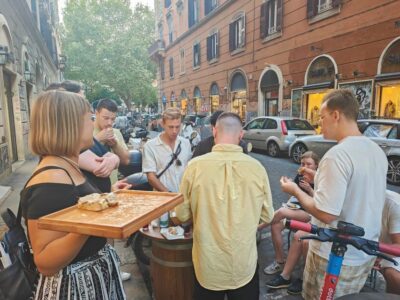
Trastevere & Campo de Fiori Street Food Walking Tour
Read our review →
Award Winning Trastevere Group Food Tour with Wine
Read our review →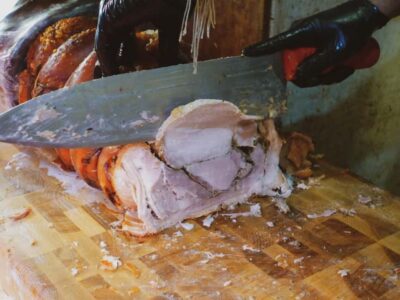


Rome Food Tour: Hidden Gems of Trastevere with Dinner & Wine
Read our review →Browse the lists this tour appears in