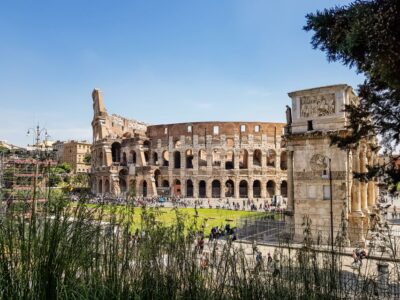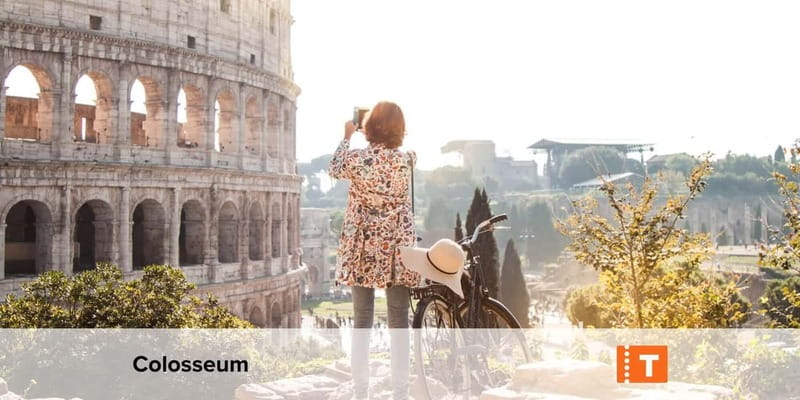
Reviewed · ROME COLOSSEUM TOURS
Rome: City Pass 20+ Attractions, Vatican & Colosseum Option
Rome’s City Pass brings together famous monuments, small museums, underground sites, guided tours, and a 48-hour sightseeing bus. The unusual strength is its range: you can visit the Pantheon and Castel Sant’Angelo, then switch gears with the Catacombs of St. Callistus or Ostia Antica.
I like the choice of pass lengths, which lets you match the ticket to a short break or a full week. I also like the mix of entry tickets and guided activities, especially the catacombs tour and bike outing. The main catch is that the Vatican and Colosseum are not automatically included, public transport is extra, and optional timed tickets are assigned for the next available slot.
Key points at a glance
- More than 20 sights: Visit landmarks, museums, underground ruins, and Ostia Antica with one digital pass.
- Two days of sightseeing by bus: Use the 48-hour hop-on hop-off route with an audio guide to get your bearings.
- Catacombs with a local guide: The St. Callistus tour is offered in English, Italian, French, Spanish, and German.
- Big-ticket sites cost extra: Add the Vatican Museums and Sistine Chapel, plus the Colosseum, Roman Forum, and Palatine Hill with afternoon entry.
- Several guided ways to see Rome: Choose an English walking tour, a guided bike tour, and a two-hour bike rental.
- Plan around exclusions: Metro, city buses, and trams are not covered, and each attraction can be visited once.
What this Rome City Pass actually gives you
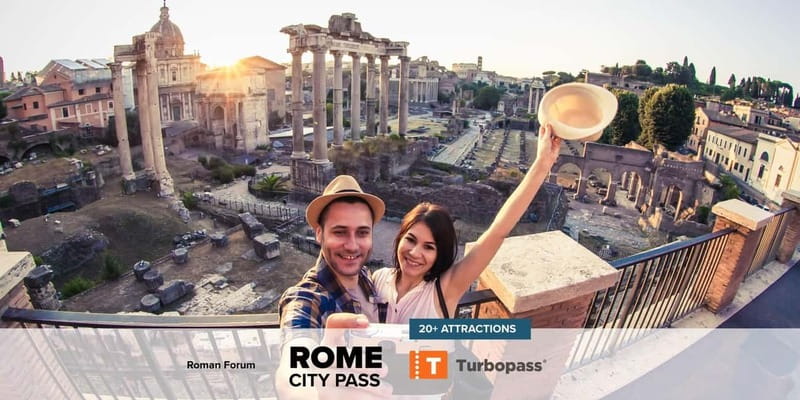
At $101.59 per person, this is not simply a museum card. It is a package of admissions, guided activities, a bus ride, and discounts. You receive the pass by email, so your phone becomes the key to the whole arrangement. Bring a charged smartphone and your passport or ID card.
The pass can be valid for 2, 3, 4, 5, or 7 days. That flexibility matters because Rome rewards a slower pace. A two-day pass requires careful scheduling, while a five or seven-day version gives you room for smaller museums, a long outing to Ostia Antica, and a few guided activities without turning every morning into a race.
Each included attraction can be visited once. That is useful for covering ground, but it also means you cannot treat the pass as a casual repeat-entry ticket. Read the instructions for each attraction before setting off, since the pass may have its own booking or entry rules.
More Colosseum tours in Rome:
- Rome: Colosseum, Palatine Hill and Roman Forum Guided Tour
★ 4.8 · 32,814 reviews - Rome: Guided Tour of Colosseum, Roman Forum & Palatine Hill
★ 4.7 · 27,897 reviews - Rome: Colosseum & Forum with Audio Guide App -Optional Arena
★ 4.2 · 24,770 reviews
Castel Sant’Angelo and the Pantheon
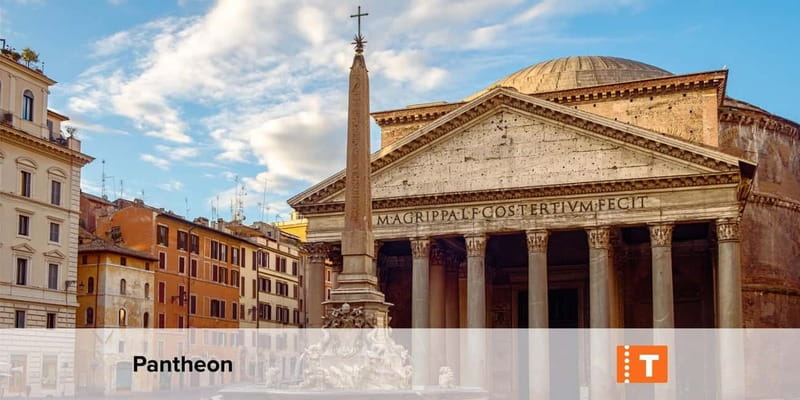
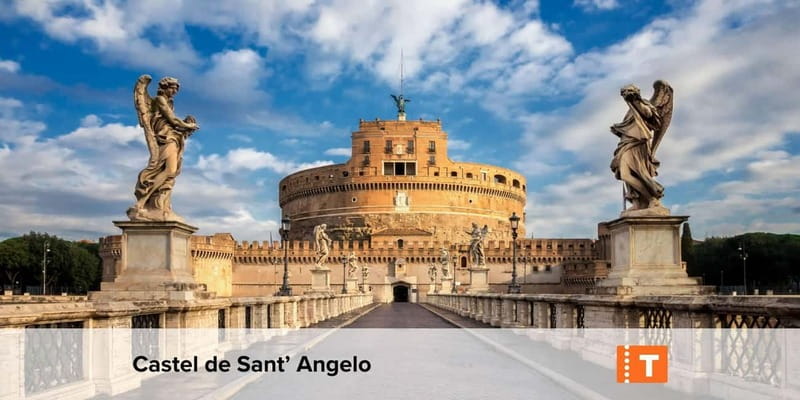
Castel Sant’Angelo is one of the pass’s strongest major sights. The former mausoleum and fortress gives you a very different view of Rome from the usual church and museum circuit. It is a substantial stop, so allow enough time to explore rather than squeezing it between two fixed bookings.
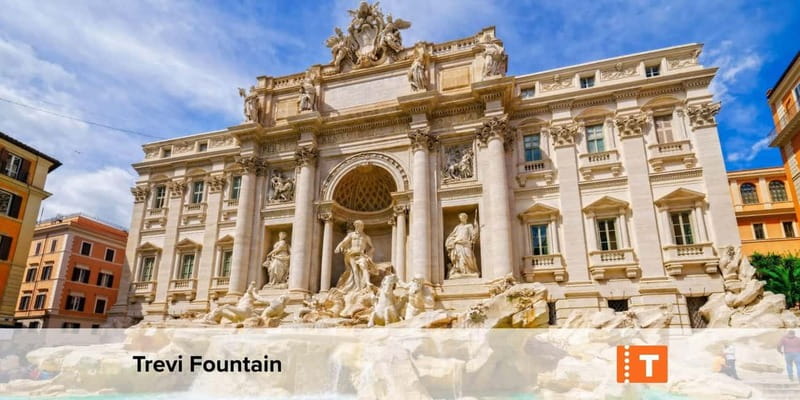
The Pantheon is easier to fit into a walking day. Its ancient structure and central position make it a natural pairing with Piazza Navona, the Trevi Fountain area, or other central stops. Since it is included only once, check the current entry instructions before you arrive.
The pass also covers Piazza Navona Underground, formally the Stadium of Domitian. This site helps explain what lies below one of Rome’s most famous public squares. It is a good example of the pass’s character: you are not limited to the headline sights above street level.
Rome below the pavement
Vicus Caprarius, known as the City of Water, adds another underground stop. You can use it to see a less obvious side of Rome, where archaeological remains and water systems sit below the modern city.
Case Romane del Celio, or the Roman Houses of Celio, offers another look at life beneath present-day Rome. These smaller archaeological sites are valuable because they break up the grand-monument routine. You get a closer sense of rooms, foundations, and daily life rather than only imperial scale.
Piazza Navona Underground, Vicus Caprarius, and the Roman Houses of Celio are not interchangeable. If you enjoy archaeology, the pass gives you a useful cluster of places to compare. If ancient ruins are not your main interest, you may prefer to focus on the Pantheon, Castel Sant’Angelo, and the museums instead.
Museums for different tastes
The Museo Leonardo da Vinci Experience is a natural choice if you want a museum built around invention and design. Palazzo Barberini offers a more traditional art stop, while Galleria Corsini adds another setting for viewing works in Rome.
Palazzo Merulana and Palazzo Patrizi give the pass more variety. The Wax Museum offers a lighter change of pace, and GAMM Game Museum is aimed at the history and culture of games. These smaller venues can be useful on a hot afternoon or when you want a break from churches and ruins.
The pass also includes entry to Palazzo Barberini and Galleria Corsini. Check the opening details for each venue before building your day, since a long list of included places does not mean every site fits neatly into one route.
There is also an ancient Rome multimedia video. This may be useful early in your visit, when you are still sorting out the city’s long sequence of kings, republics, emperors, and later popes. It gives you a visual introduction before you visit the ruins themselves.
More city highlights tours in Rome:
- Rome: City Sightseeing Hop-on Hop-off Bus with Audioguide
★ 4.0 · 16,045 reviews - City Sightseeing Rome Hop-On Hop-Off Bus Tour
★ 3.5 · 5,446 reviews - Rome: Fettuccine Pasta Cooking Class in Rome’s City Center
★ 4.8 · 2,414 reviews - Vatican City: Vatican Museums & Sistine Chapel Entry Ticket
★ 4.3 · 2,185 reviews
The Vatican option needs advance attention
The Vatican Museums and Sistine Chapel are optional. You must select that version of the pass if you want entry included, and the Vatican is not included in the basic package.
The optional ticket is described as skip-the-line entry, which can be valuable at one of Rome’s most time-sensitive sights. The practical issue is timing: if you select the Vatican option, it is booked for the next available time slot during your pass validity. You may not receive the exact hour you hoped for.
The Vatican Museums are closed on Sundays. Do not leave this visit until Sunday without checking the schedule, and do not assume the pass can solve a day when the museum is shut. If the Vatican is your main reason for buying a Rome pass, confirm the selected option and time before planning the rest of your day.
Colosseum, Roman Forum, and Palatine Hill
The Colosseum, Roman Forum, and Palatine Hill are also optional. The pass includes afternoon access to this group when you choose that version. That afternoon limitation matters because it shapes the rest of your sightseeing day.
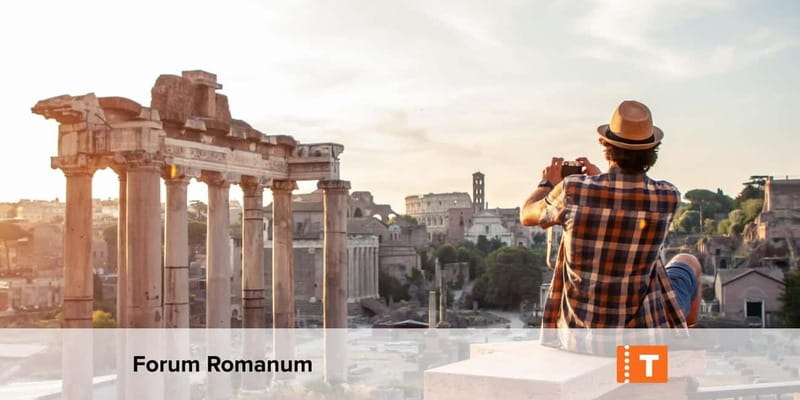
The three sites belong together, but they require energy and time. The Colosseum is the famous anchor, while the Forum and Palatine Hill spread your visit across a much larger archaeological area. You should avoid placing another demanding appointment immediately afterward.
The City Pass can make sense here if the cost of separate admissions and the convenience of a packaged ticket compare well for your dates. It is less attractive if you only want the Colosseum and one other major sight, since the pass price also reflects the smaller museums and guided activities.
Remember that the Colosseum option is not automatically part of every pass. Confirm the selected version before paying, and note that the available entry is in the afternoon.
Catacombs of St. Callistus
The guided Catacombs of St. Callistus tour is one of the more distinctive inclusions. A licensed local guide leads the visit, with tours offered in English, Italian, French, Spanish, and German.
This is not a standard central-Rome museum stop. It takes you away from the familiar historic center and adds an underground religious and archaeological site to your plans. That change of scene can be welcome after several crowded piazzas and monumental interiors.
Because the tour is guided, you are not left to interpret the site alone. Check the specific instructions attached to your pass, including the meeting details and available language, before you travel across the city. Do not treat it as a spontaneous stop in the same way you might treat the Pantheon.
The 48-hour bus is useful, with limits
The hop-on hop-off sightseeing bus is included for 48 hours, regardless of whether your pass lasts two or seven days. An audio guide explains the stops as you ride, making this a practical way to get a broad first look at Rome.
I would use the bus near the beginning of a longer visit. It can help you understand the distances between major areas before you start walking them. It also gives your feet a break, which has real value in a city where even a short list of sights can produce long days.
The bus is not a substitute for Rome’s public transport. Metro, regular buses, and trams are not included. You will need to pay separately for those services when they are the most sensible way to reach an attraction or meeting point.
The bus also has a fixed route and operating pattern, so allow for waiting and traffic. Use it as a sightseeing tool and orientation ride, not as a guaranteed fast transfer between tightly timed reservations.
Walking and cycling through the city
The pass includes a guided walking tour of central Rome in English. This is a good way to add structure to your first hours, especially if you want a guide to connect the major squares and streets rather than simply collect admission stamps.
There is also a guided bike tour covering Rome’s highlights, plus a two-hour bike rental. These are separate benefits worth checking carefully in the pass instructions. The guided tour gives you a planned route, while the rental gives you more control over how you use your time.
Cycling can help you cover more ground, but you should still consider how it fits with the rest of your day. A bike tour followed by the Colosseum and Forum may be too much for some people. I would place the cycling activity on a lighter sightseeing day, then reserve your strongest walking days for the ancient center and Vatican area.
Ostia Antica adds a full outing
Ostia Antica Archaeological Park is included, giving you a chance to see a major ancient site beyond central Rome. This is a different kind of visit from the Colosseum. Instead of one famous arena and nearby ruins, you get a broader archaeological park with streets, buildings, and remains spread across a larger area.
The inclusion is especially useful for a four, five, or seven-day stay. On a two-day schedule, the time required to reach and explore Ostia Antica may compete with central Rome’s essential sights. The pass gives you entry, but you still need to plan your own transportation because ordinary public transport is not included.
Treat Ostia Antica as a dedicated half-day or longer outing rather than a quick add-on. Its value rises when you have enough time to see it without sacrificing the Pantheon, Castel Sant’Angelo, or the Forum.
Discounts and smaller extras
The pass offers discounts of up to 20 percent at selected businesses and activities. Listed options include Gelateria Della Palma, Opera Lirica di Roma, Rome Bike Rental, and transfer service for Castel Romano Outlet.
These savings should be viewed as extras, not the main reason to buy. A discount only has value if you already want that particular gelato stop, performance, rental, or outlet transfer. Check the terms attached to each offer before counting it toward your budget.
Palazzo Patrizi is also listed among the included entries. Since attraction instructions can differ, check the pass email for the current entry process and opening information before making a special trip.
Is $101.59 a good value?
The price can work well for an active itinerary. If you choose a longer validity period, use the bus, join the catacombs tour, take the walking or bike tour, visit several included museums, and add the Vatican or Colosseum options, the pass can save you time and reduce the need to arrange each piece separately.
The value is weaker for a short visit focused only on Rome’s biggest names. The basic pass does not include the Vatican or Colosseum, and public transportation costs extra. If your plan is just the Pantheon, Colosseum, and Vatican, compare the total price of separate tickets before booking.
I would make a simple list of the sites you genuinely want, then count the included museums and tours you can realistically fit in. The pass rewards curiosity and a full schedule. It is not automatically a bargain for a relaxed weekend built around two or three attractions.
Practical planning advice before you go
You receive the City Pass by email, so save it where you can open it quickly. A charged phone is essential, and you should carry your passport or ID card as requested.
Read the information for every attraction before visiting. The pass has no single meeting point because most entries are self-guided, but guided activities have their own arrangements. The activity ends at the relevant meeting point for those outings, while the digital pass itself does not require a central pickup.
If you choose the Vatican or Colosseum option, check the assigned time as soon as possible. The next available slot is booked during your pass validity, and the Colosseum entry is in the afternoon. Build your day around those fixed points rather than hoping to fit them in whenever you reach the area.
Cancellation is allowed for a full refund up to 24 hours before the activity. That gives you some protection if your plans change, but it does not remove the need to verify the selected attractions and dates before you commit.
Who should buy this pass?
I would recommend it to you if you like variety, want guided activities mixed with independent sightseeing, and plan to visit several smaller sites beyond the usual three or four landmarks. It is also a sensible fit for a longer Rome stay, when the 5 or 7-day validity can spread out the program.
Families and mixed-interest groups may appreciate the selection. One person can choose the Wax Museum or GAMM Game Museum, another can focus on Palazzo Barberini, and everyone can share the bus, walking tour, or major monument options.
I would be more cautious if you dislike advance planning or want complete control over the Vatican and Colosseum times. The pass is broad, but that breadth can feel like paying for options you never use. The 3.5 rating from 30 reviews suggests a mixed experience overall, so careful planning matters more than simply buying the pass and hoping it organizes Rome for you.
Should you book the Rome City Pass?
Book it if you will use the range: several museums, Castel Sant’Angelo, underground sites, the catacombs, the 48-hour bus, and at least one guided activity. Add the Vatican and Colosseum options if those sights are central to your plan, and confirm the assigned times before arranging your days.
Skip it if you want only the headline attractions, need public transport included, or prefer a loose itinerary. At $101.59, the pass can be good value for an active, multi-day visit, but it is not a universal Rome ticket. Your best choice depends on how many included stops you can honestly fit into the 2 to 7-day validity.
FAQ
How long is the Rome City Pass valid?
You can choose a pass valid for 2, 3, 4, 5, or 7 days.
Does the pass include the Vatican Museums and Sistine Chapel?
Only if you select the option that includes them. They are not included in the basic pass.
Does the pass include the Colosseum?
The Colosseum, Roman Forum, and Palatine Hill are included only if you select that option. Entry is scheduled for the afternoon.
Is public transportation included?
No. Metro services, city buses, and trams are not included in the pass.
How long is the hop-on hop-off bus ticket valid?
The sightseeing bus is included for 48 hours and comes with an audio guide.
Can I visit an attraction more than once?
No. Each included attraction can be visited once.
Is the Vatican open every day?
The Vatican Museums are closed on Sundays.
What languages are available for the Catacombs of St. Callistus tour?
The guided catacombs tour is offered in Italian, English, French, Spanish, and German.
What should I bring?
Bring your passport or ID card and a charged smartphone so you can access your City Pass by email.
Newest Rome tours we have reviewed
- Private TikTok Video Making in Rome★ 5.0 · 7 reviews
- Assisi, Orvieto and Civita di Bagnoregio Full Day Tour from Rome★ 4.5 · 45 reviews
- Assisi & Saint Francis Path Tour from Rome★ 5.0 · 45 reviews
- Assisi and Cascia Private Day Tour from Rome with Lunch★ 5.0 · 10 reviews
- Art Class in the center of Rome!★ 4.0 · 4 reviews
- Art & Craft: Beer Tour with Street Art in Rome★ 4.5 · 6 reviews
- Arrival in Rome: Airport Transfer & Exclusive City Introduction★ 5.0 · 3 reviews
- From Rome: Private Day-Tour of Tuscany★ 5.0 · 16 reviews
Rome Colosseum Tours, compared.
Colosseum, Palatine Hill and Roman Forum Guided Tour
Read our review →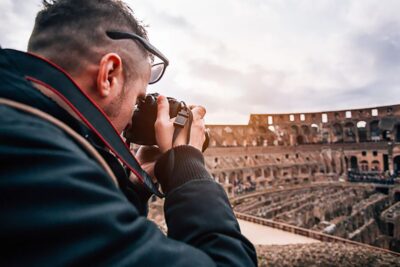
Guided Tour of Colosseum, Roman Forum & Palatine Hill
Read our review →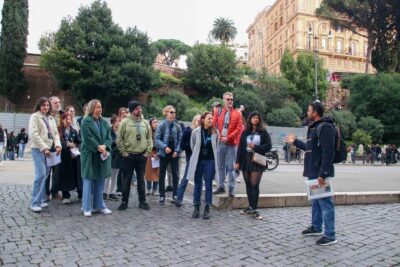
Colosseum & Forum with Audio Guide App -Optional Arena
Read our review →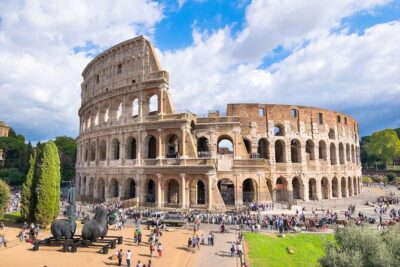
Colosseum, Roman Forum and Palatine Hill Guided Tour
Read our review →
Colosseum, Forum & Palatine Hill Tour & Optional Arena
Read our review →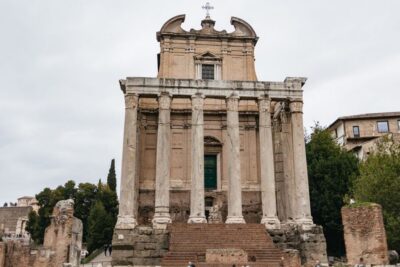
Colosseum, Palatine Hill & Roman Forum Guided Tour
Read our review →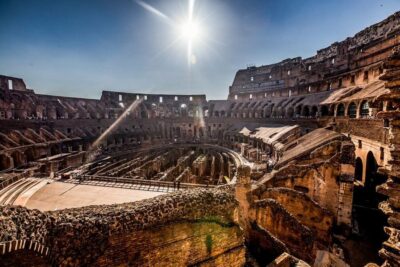
Colosseum: Underground and Ancient Rome Tour
Read our review →