
Reviewed · ROME
Rome: Colonna Palace Guided Tour
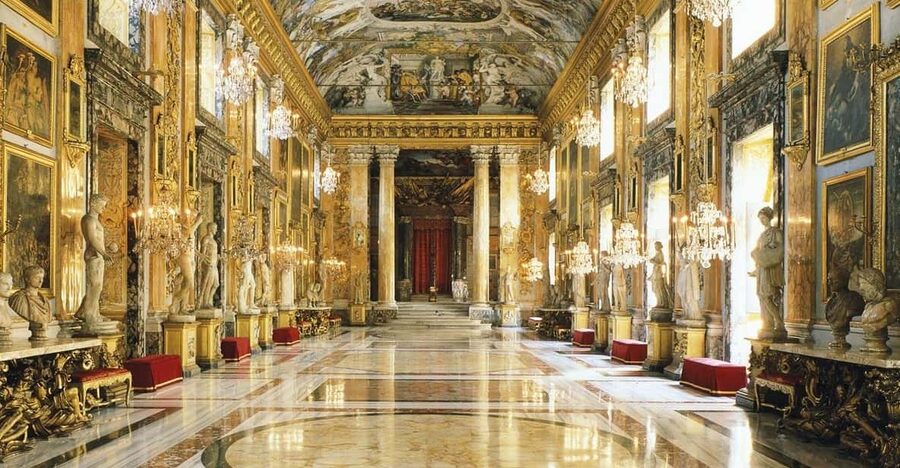
Palazzo Colonna gives you a rare look at Rome’s aristocratic side, far from the city’s usual ancient ruins. Inside the 14th-century palace, you move through grand halls, the spectacular Colonna Gallery, gardens, and Princess Isabelle’s Apartments, where the focus shifts from public splendor to private life. The palace also served as a home for Pope Martin V.
I like two things in particular: the chance to see works by Tintoretto, Pinturicchio, Guido Reni, Bronzino, and Guercino in their original palace setting, and the choice between a guided visit and a slower self-guided look. Guides including Fabiana, Alessandro, and Erica have been praised for clear, engaging presentations. The main drawback is the limited schedule: the palace is open to the public only on Friday and Saturday mornings, and the activity is non-refundable.
Key points at a glance
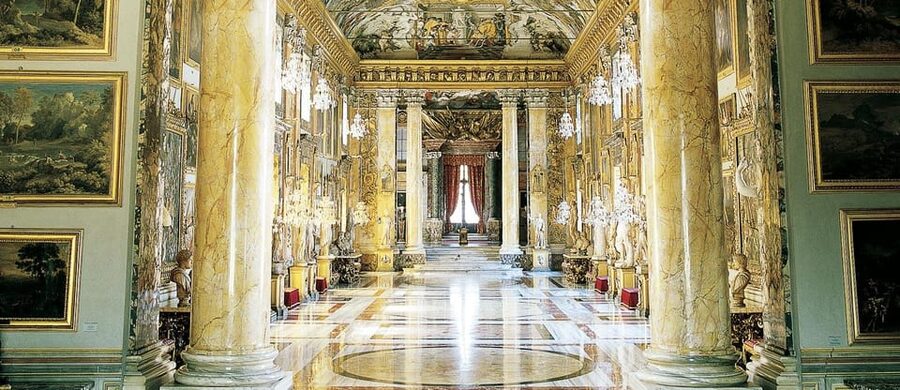
- See the Colonna Gallery: Admire Renaissance and Baroque paintings beneath ornate palace decoration, including clever trompe l’oeil scenes.
- Follow five centuries of architecture: Rooms reflect the palace’s long development and changing residents.
- Choose your pace: Take a live tour in English, French, or Italian, or select entry for a more independent visit.
- Step into Princess Isabelle’s Apartments: These rooms offer a more personal view of aristocratic daily life.
- Visit a film location: The palace appeared in the classic movie Roman Holiday.
- Plan around the schedule: Public visits take place on Friday and Saturday mornings and last about two hours.
Why Palazzo Colonna feels different from Rome’s usual sights
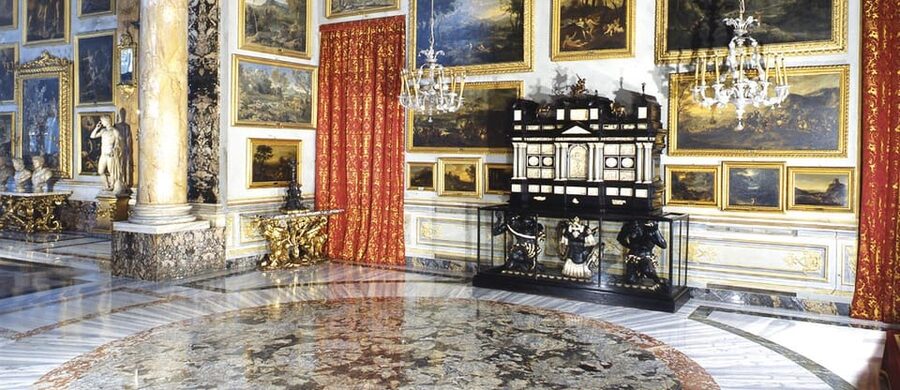
Rome gives you no shortage of churches, ruins, fountains, and public museums. Palazzo Colonna offers something else: a look at how one of the city’s great noble families lived, displayed art, received important visitors, and shaped its home across many generations.
The Colonna family’s palace dates back to the 14th century. Its connection with Pope Martin V adds political and religious weight, but the visit is not only about famous names. You are also seeing the rooms, art, and grounds that made aristocratic life possible behind closed doors.
That private quality is a major part of the appeal. The palace is grand, but it does not feel like a single-purpose museum. The rooms were designed as living spaces, ceremonial spaces, and settings for art. You can look at a painting, then step back and notice how its frame, ceiling, wall decoration, and surrounding architecture work together.
The scale is also manageable. The visit lasts about two hours, which gives you enough time to appreciate the main rooms without turning the palace into an all-day commitment. If you are building a busy Rome schedule, this is a useful way to see fine art and architecture without giving up an entire afternoon.
More guided tours in Rome:
- Vatican Museums, Sistine Chapel & St Peter’s Basilica Guided Tour
★ 4.5 · 39,149 reviews - Rome: Colosseum, Palatine Hill and Roman Forum Guided Tour
★ 4.8 · 32,814 reviews - Rome: Guided Tour of Colosseum, Roman Forum & Palatine Hill
★ 4.7 · 27,897 reviews
Starting in the Colonna Gallery
The Colonna Gallery is the visual centerpiece. This is where the visit begins to make sense as more than a palace tour with paintings added on. The art and the building belong together.
You can expect works connected with the late Renaissance and Baroque periods, including paintings by Tintoretto, Pinturicchio, Guido Reni, Bronzino, and Guercino. These names matter, but the setting matters just as much. The works are displayed inside a lavish gallery rather than separated into plain museum rooms.
Look closely at the walls for trompe l’oeil painting. These scenes use illusion to make painted details appear three-dimensional or architectural. They reward a slower look, especially when your guide points out the visual tricks and explains how the decoration shapes your sense of the room.
The gallery is a strong reason to choose the guided option. A good explanation can connect the artists, the decoration, and the palace’s owners in a way that is difficult to gather on your own. Fabiana has been praised for making the paintings and rooms easy to understand, while Alessandro is noted for his art and archaeology background. Erica is also praised for a clear presentation and strong command of the material.
You should still allow yourself quiet moments. A guide can explain what you are seeing, but the gallery deserves time for simple looking. Notice the contrast between the large paintings and the ornate surfaces around them. This is not a stripped-back art museum. The room itself is part of the display.
Palace rooms shaped by five centuries
After the gallery, the route continues through rooms that show how the palace changed over time. The architectural styles span more than five centuries, so you are not seeing one perfectly uniform design. Instead, the building reflects additions, changes in taste, and the needs of different generations.
That variety keeps the visit from becoming repetitive. One room may draw your eye upward to its ceiling, while another may focus attention on portraits, decorative details, or the arrangement of the furniture. The story is not only told through labels. It is also visible in the way the spaces were built and decorated.
The rooms once served people with enormous social and political influence. You can think about how a palace functioned as a home, a reception space, and a statement of status. The opulence was practical in its own way. It told visitors who controlled the property and where the family belonged in Roman society.
This is also where a live guide adds the most value. The palace’s long chronology could otherwise blur together. Guides can help separate the people, periods, and purposes attached to each section. The strongest responses to this experience focus on guides who explain rather than simply move the group from room to room.
The amount of information may feel dense if you prefer a quick visual visit. Art lovers and architecture fans will likely want the detail. If your ideal outing is a fast walk through impressive rooms, the two-hour visit may feel more deliberate than expected.
Princess Isabelle’s Apartments and the private side of the palace
The Princess Isabelle’s Apartments provide a change of mood. The gallery and ceremonial rooms show the public face of noble life. These apartments offer a closer look at personal routines and domestic surroundings.
The word apartments here refers to a suite of rooms rather than a modern flat. You can expect a more intimate scale and a stronger sense of daily life. Instead of concentrating only on grand receptions and major artworks, this part of the palace helps you picture the people who occupied it.
This section is especially useful if you want more than famous paintings. A palace can seem distant when you only see formal halls. Private apartments make the story more human. They help you consider how an aristocratic household used its rooms from day to day.
If you choose the entry ticket option, access to the apartments and gardens lets you set your own rhythm. You can spend longer with details that catch your eye and move on from rooms that interest you less. The trade-off is that you may miss the explanations that connect these spaces to the wider Colonna story.
The apartments also give the visit a better balance. The gallery delivers spectacle. The private rooms provide context. Together, they show both the family’s public image and the more personal spaces behind it.
Same city, a completely different half-day:
- Vatican Museums & Sistine Chapel Tour with Optional Basilica
★ 4.3 · 67,413 reviews - Rome: Colosseum & Forum with Audio Guide App -Optional Arena
★ 4.2 · 24,770 reviews - Rome: Colosseum, Roman Forum and Palatine Hill Guided Tour
★ 4.5 · 23,903 reviews - Rome: City Sightseeing Hop-on Hop-off Bus with Audioguide
★ 4.0 · 16,045 reviews
Gardens, courtyard, and the final pause
The palace gardens provide a welcome change from indoor decoration. After several rooms filled with paintings and architectural detail, outdoor space gives your eyes a rest and lets you consider the palace as a complete residence.
The gardens belong to the former aristocratic estate, so they are not simply a nearby public park added to the ticket. They help explain how Roman palaces extended beyond their walls. Noble households needed private outdoor areas for leisure, display, and separation from the city around them.
You can explore the gardens at a slower pace with the entry option. They are also part of the appeal for anyone who wants a break from Rome’s crowded main attractions. Do not expect the gardens alone to fill your entire visit. Their value comes from the contrast with the gallery, apartments, and formal rooms.
The route ends in the palace’s large courtyard. This is a natural place to pause and review what you have seen. The courtyard also gives you a final view of the palace as architecture, rather than as a series of individual rooms.
I like this ending because it avoids sending you straight from a detailed interior into the street. You have a moment to let the visit settle. In Rome, where one major sight often follows another, that small pause can make the experience feel less rushed.
Guided tour or independent entry?
You have two main ways to visit Palazzo Colonna.
The guided option includes a live guide in English, French, or Italian. This is the better choice if you want help identifying artists, understanding the palace’s changing architecture, and placing Pope Martin V and the Colonna family within the story. The strong guide feedback makes this option particularly appealing for visitors who enjoy art history.
Fabiana, Alessandro, and Erica are names associated with especially strong presentations. You cannot assume that every departure will feature one of them, but the guide quality is an important part of the experience. A guide with art history or archaeology training can make the difference between simply admiring decoration and understanding why it matters.
The entry option gives you more control. You can explore the gardens and Princess Isabelle’s Apartments at your own pace. This suits you if you dislike fixed commentary, want to focus on visual details, or prefer a quieter visit.
There is a practical compromise. If your main goal is the famous artwork and the palace story, choose the guided tour. If the gardens and private rooms appeal most, and you already have some background in Italian art, independent entry may be enough.
The provided information does not specify group size or the exact division of rooms between each option, so check the selected ticket carefully before booking. The wording makes clear that the guided tour and entry ticket are separate choices, not automatically combined.
What the $49.31 price gets you
At $49.31 per person, this is not the cheapest historic sight in Rome. The value depends on what you want from the visit.
You are paying for entry to a major aristocratic palace, access to its art-filled gallery, and, depending on the option, a live presentation or access to the gardens and apartments. The two-hour length also matters. You are not buying a quick glimpse. You are setting aside enough time to understand several distinct parts of the residence.
The price makes the most sense for you if you care about Renaissance and Baroque art, historic interiors, or Rome’s noble families. Seeing works by Tintoretto, Pinturicchio, Reni, Bronzino, and Guercino in a palace setting gives the admission a clear purpose.
The value is less obvious if you are mainly looking for Rome’s headline monuments. Palazzo Colonna is not a replacement for the Colosseum, Roman Forum, or Vatican Museums. It is a more focused experience, and its appeal depends on your interest in art, interiors, and aristocratic life.
The guide can also justify the price. Art labels rarely explain how an entire palace functioned or why the decoration appears where it does. A strong presentation adds structure to the visit and can help you notice details you would otherwise walk past.
Timing, access, and practical planning
The public opening schedule is the biggest planning issue. Palazzo Colonna is open to the public every Friday and Saturday morning. Check the available starting times before you arrange the rest of your day.
The visit lasts about two hours. That is long enough for a proper look, but short enough to combine with other central Rome plans if your timing is sensible. I would avoid booking it too close to another fixed activity, since a palace tour is more enjoyable when you are not watching the clock.
The ticket includes skip-the-ticket-line access, which can save time on a busy Rome morning. It does not include food or drinks, so plan a coffee or meal before or after the visit rather than expecting refreshments as part of the experience.
The site is wheelchair accessible. That makes it a practical choice for visitors who need an accessible attraction, though you should still check the exact access arrangements for your selected option when booking.
The activity is non-refundable. Since public access is limited to Friday and Saturday mornings, confirm your date and starting time before paying. This is especially important if your Rome schedule may change.
Who will enjoy this palace most?
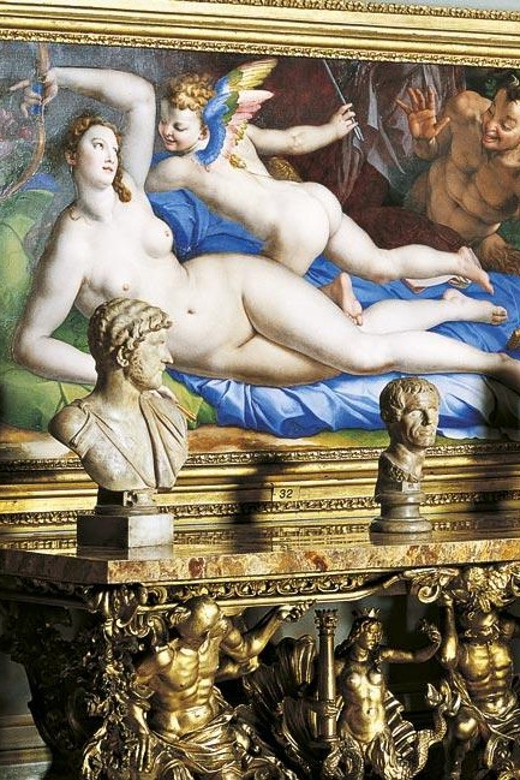
I would recommend Palazzo Colonna first to art lovers, especially anyone interested in Renaissance and Baroque painting. The gallery gives you a concentrated look at major artists in a setting that adds real atmosphere.
It also suits architecture fans and people who enjoy historic homes more than standard museums. You are not only looking at objects. You are walking through rooms designed to impress, shelter, receive, and represent a powerful family.
The visit works well for a first-time Rome itinerary if you want one less obvious sight. It offers a different side of the city than ancient ruins and crowded basilicas. It also suits returning visitors who have already seen the major monuments and want a more specialized experience.
Families with older children may find the trompe l’oeil details and film connection useful hooks. Younger children may have less patience for the art history unless the guide keeps the presentation lively. The two-hour length is reasonable, but this is still an indoor cultural visit rather than a hands-on activity.
Choose another attraction if you need flexible timing. The Friday and Saturday morning schedule is narrow, and the non-refundable policy gives you little room for a last-minute change.
Should you book Palazzo Colonna?
Book it if you want a two-hour look at Rome’s aristocratic past, with major paintings, ornate rooms, gardens, and a more personal set of apartments. I would lean toward the guided option if this is your first visit, since the palace’s many periods and artworks make more sense with a good explanation.
Choose the independent entry option if you prefer to set your own pace and care most about the gardens and Princess Isabelle’s Apartments. At $49.31, the visit is best viewed as a focused art and palace experience, not a general sightseeing ticket.
The limited schedule is the deciding factor. If you can comfortably fit a Friday or Saturday morning into your plans, Palazzo Colonna offers a polished, distinctive look at Rome that many visitors miss.
FAQ
How long does the Palazzo Colonna experience last?
The activity lasts about two hours. Starting times vary, so check availability for the date you want.
On which days is Palazzo Colonna open to the public?
The palace is open to the public every Friday and Saturday morning.
Which languages are available for the guided tour?
Live guided tours are available in English, French, and Italian.
Can I visit without taking a guided tour?
Yes. You can choose an entry ticket and explore the gardens and Princess Isabelle’s Apartments at your own pace.
Is Palazzo Colonna wheelchair accessible?
Yes. The activity is listed as wheelchair accessible.
Does the price include food or drinks?
No. Food and drinks are not included.
Newest Rome tours we have reviewed
- Private TikTok Video Making in Rome★ 5.0 · 7 reviews
- Assisi, Orvieto and Civita di Bagnoregio Full Day Tour from Rome★ 4.5 · 45 reviews
- Assisi & Saint Francis Path Tour from Rome★ 5.0 · 45 reviews
- Assisi and Cascia Private Day Tour from Rome with Lunch★ 5.0 · 10 reviews
- Art Class in the center of Rome!★ 4.0 · 4 reviews
- Art & Craft: Beer Tour with Street Art in Rome★ 4.5 · 6 reviews
- Arrival in Rome: Airport Transfer & Exclusive City Introduction★ 5.0 · 3 reviews
- From Rome: Private Day-Tour of Tuscany★ 5.0 · 16 reviews