
Reviewed · COLOSSEUM ARENA FLOOR TOURS
Rome: Colosseum Arena Floor and Ancient Rome Tour
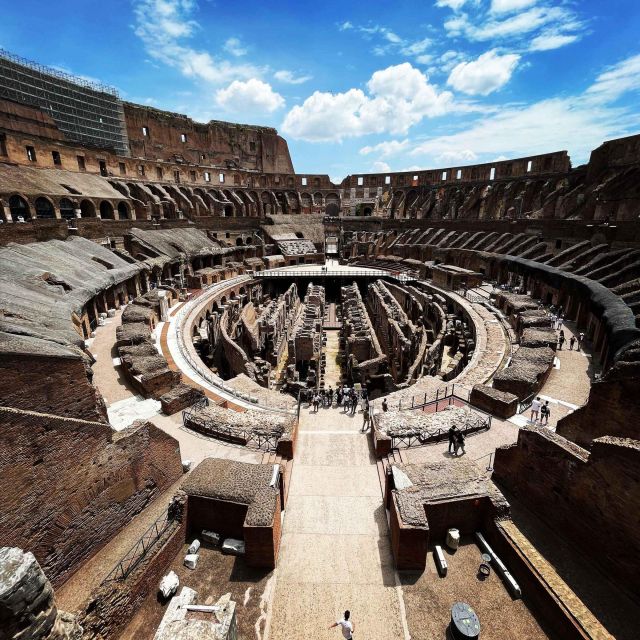
The best part of this Rome tour is stepping onto the Colosseum’s Arena Floor, the restricted section where gladiators once faced packed crowds. From this low vantage point, the amphitheater feels less like a postcard and more like a working stage built for spectacle, fear, and noise. The route also takes you through the Roman Forum and up Palatine Hill.
I like the special Colosseum entrance, which saves you from waiting in the main ticket line, and I like the way the tour links famous ruins with the stories behind them. Guide Tania Grigg is praised for making ancient people, customs, and events clear for children as well as adults.
The main drawback is time. In 2.5 hours, you cover several major Roman sites, so the pace may feel brisk. You should also know that food, drinks, and hotel transportation are not included, and the tour is offered in English only.
Key points to know before you book
- Arena Floor access: Walk onto the restricted central platform instead of viewing the Colosseum only from the standard levels.
- Roman Forum and Palatine Hill: See temple, market, and government ruins, plus a panoramic view connected with the legend of Romulus and Remus.
- Possible underground area: The route describes the dungeons beneath the Arena Floor, where gladiators prepared and animals were held.
- English-speaking guide: Guides such as Tania Grigg explain ancient Rome in a lively, family-friendly way.
- Short but full itinerary: The 2.5-hour format gives you a useful overview, but not unlimited time at each monument.
- Price and practical needs: At $76.46 per person, the cost pays for guided access and the restricted area. Bring identification and comfortable shoes.
Why the Arena Floor changes the Colosseum visit
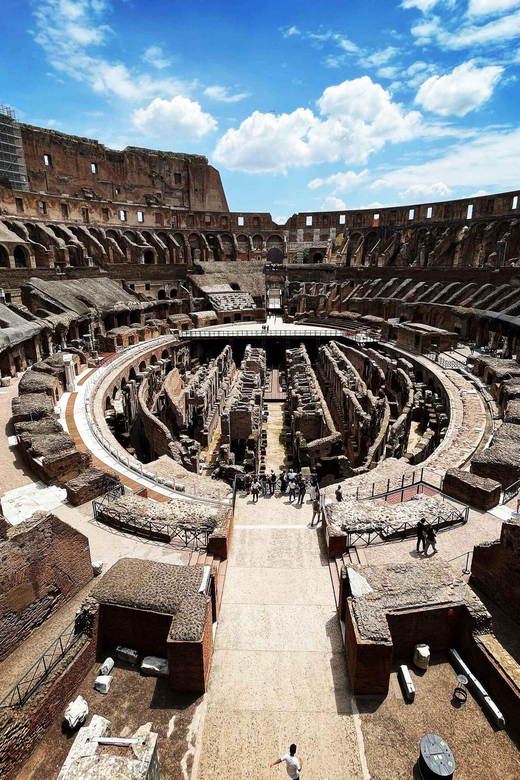
Most people picture the Colosseum from the outside: a huge oval of arches, baked stone, and missing sections. That view is worth having, but the Arena Floor changes your sense of scale. You stand where the public action took place, with the surrounding seating rising around you.
The floor was the performance space for gladiatorial contests and other spectacles. You can picture the crowd looking down from every side, waiting for the next fight or display. The tour’s guide helps turn that image into something more understandable, explaining how the building worked and how the people connected with it.
The restricted entrance is the practical advantage here. You skip the ticket line and go directly to the Colosseum rather than spending part of your morning waiting outside. Skip-the-line access does not mean the site will be empty, but it can make a major difference in Rome, especially when your sightseeing time is limited.
The tour description also includes the area beneath the Arena Floor, often called the underground or dungeons. This is where gladiators prepared and caged animals were kept before being lifted into the arena. If this section is open during your visit, it adds a useful layer to the story because you see the machinery and holding areas behind the public show.
Keep expectations sensible. The Arena Floor is not a quiet private visit, and access to ancient sites can depend on the day’s operating arrangements. Still, the restricted area gives you something more specific than the standard Colosseum circuit.
More ancient Rome tours:
- Colosseum: Underground and Ancient Rome Tour
★ 4.7 · 12,691 reviews - Colosseum & Ancient Rome with Arena Floor Option I Max 6 People
★ 5.0 · 3,306 reviews - Rome: Colosseum, Ancient Rome Tour or Self AudioGuided Tour
★ 4.4 · 2,866 reviews
Understanding the Colosseum through a live guide
A guide matters here because the Colosseum can otherwise become a large pile of arches with a grim story attached. Your guide points out how the arena was organized, where different groups sat, and how the contests fit into Roman public life.
The strongest feedback about the guiding is specific. Tania Grigg is praised for explaining people, traditions, and events in a way that worked for children. That is useful if you are visiting as a family, since young children can lose interest quickly when every stop becomes a lecture about dates.
The guide also adds energy to the Arena Floor. Rather than simply saying gladiators fought here, the explanation asks you to picture the noise, the waiting, and the pressure of performing before a huge crowd. That kind of storytelling helps you understand why the building was designed as much for audience control and spectacle as for combat.
You receive headsets and radios. These are small but important inclusions in a crowded monument. You can keep your eyes on the ruins rather than leaning close to the guide, and you are less likely to miss the explanation when the group moves through a busy area.
Palatine Hill and the story of Rome’s beginnings
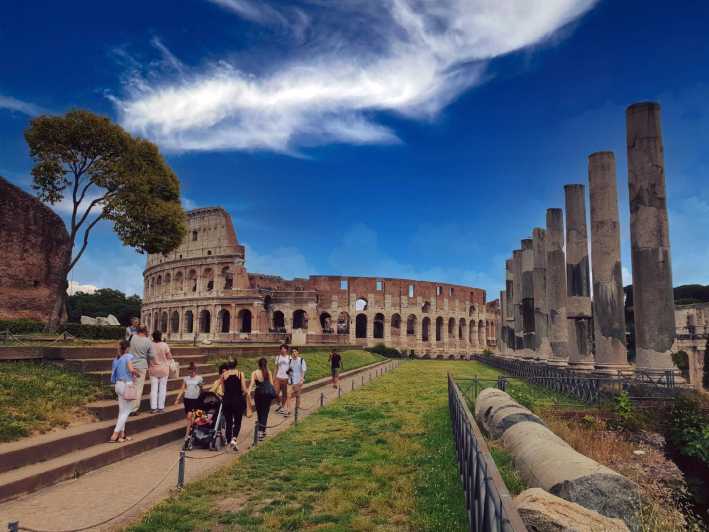
After the Colosseum, the tour continues to Palatine Hill, one of the central hills of ancient Rome. From here, you get a panoramic view and hear the legend of Romulus and Remus, the brothers whose rivalry is tied to the founding of Rome.
The legend is not presented as a modern historical report, and that is part of its value. Roman identity grew around stories of origins, family conflict, power, and destiny. Hearing the tale while looking across the ancient city gives it a stronger setting than reading it from a guidebook.
Palatine Hill also helps you see Rome from above. The view gives context to the ruins spread around you and makes it easier to understand how the Colosseum, Forum, and surrounding monuments fit together. You are not just moving from one isolated attraction to another.
The hill can require walking on uneven ancient surfaces. Comfortable shoes are listed as essential, and you should take that advice seriously. The route is not designed as a relaxed stroll through polished streets. You will be walking between major archaeological areas, so sturdy footwear will make the experience easier.
The Roman Forum, where ancient Rome worked
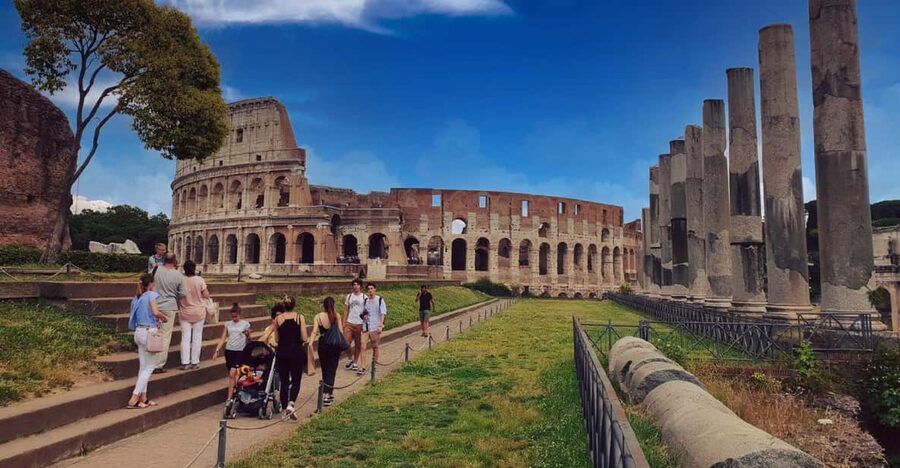
The Roman Forum brings a different mood from the Colosseum. The amphitheater was built for public spectacle. The Forum was a center for temples, markets, politics, and daily business. Its broken columns and scattered foundations may look confusing at first, but the guide gives those fragments a purpose.
The tour points out the remains of temples and markets. These stops help you picture the Forum as an active place rather than an empty field of stones. People came here to worship, trade, argue, make public decisions, and take part in the rituals of civic life.
I like this part of the itinerary because it balances the Colosseum’s dramatic story. You see not only the violence of the arena but also the ordinary systems that kept the city running. Rome was built through public spaces, religious customs, commerce, and government, and the Forum makes those links visible.
The limitation is the amount of time. The Colosseum, Palatine Hill, and Forum together cover a large area. A 2.5-hour tour can introduce the main ideas, but it will not cover every temple, arch, or political detail. If you want a slow archaeological study, you will need additional time on your own.
More arena floor tickets at the Colosseum:
- Colosseum Arena Floor, Roman Forum and Palatine Hill Guided Tour
★ 4.5 · 7,448 reviews - Rome: Colosseum Tour with Access to the Gladiator Arena
★ 4.3 · 6,690 reviews - Gladiator’s Gate: Special Access Colosseum Tour with Arena Floor
★ 4.5 · 4,037 reviews - Rome: Colosseum Arena Floor, Forum & Palatine Guided Tour
★ 4.5 · 2,598 reviews
Fountains, obelisks, and Rome’s public squares
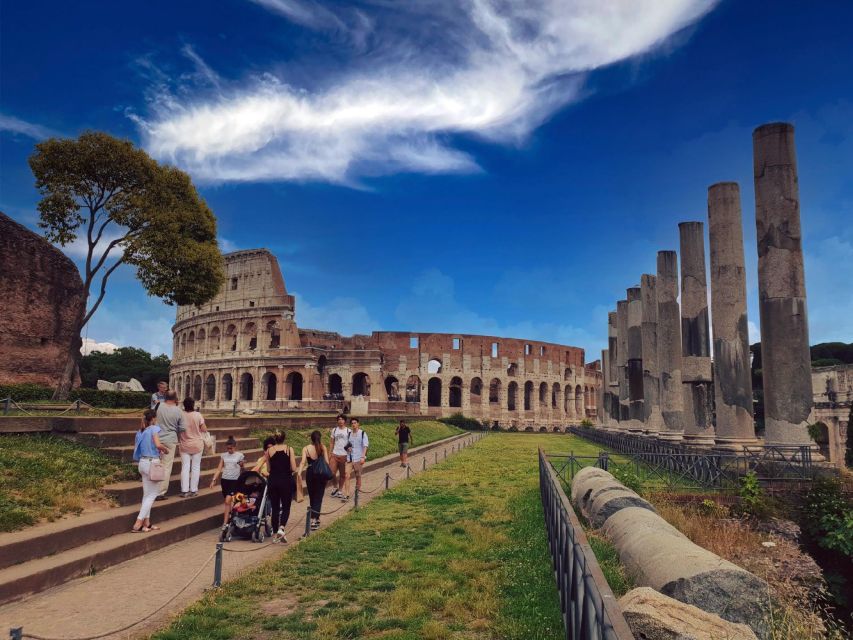
The experience also highlights Rome’s baroque fountains, obelisks, monuments, and piazzas. These sights show a later Rome, one shaped by popes, artists, public ceremonies, and grand urban design rather than by gladiatorial games.
The contrast is useful. Ancient Roman ruins can feel severe and fragmented. The city’s fountains and squares bring water, movement, decoration, and daily life into the picture. You begin to see how Rome has been rebuilt and reused across many centuries.
The itinerary includes the Trevi Fountain, one of the city’s most recognizable monuments. Your guide explains its history and helps you look beyond the familiar coin-toss ritual. Pay attention to the carving, water, scale, and placement. The fountain was designed to overwhelm you, and it succeeds even when the surrounding space is crowded.
Because the Trevi Fountain is so popular, this stop can feel busy. You may have to stand with other people around the basin, and it is not the place for a quiet, private pause. Still, a guide can help you notice details you might otherwise miss and give the monument a clearer place in Rome’s story.
You also visit the Pantheon, one of the best-preserved monuments of ancient Rome. Its survival makes it especially valuable. Instead of trying to reconstruct the entire building from scattered ruins, you can look at a complete structure and think about the engineering, design, and religious purpose that shaped it.
The Pantheon is a good counterpoint to the Colosseum. Both are monumental, but they create different experiences. The Colosseum focuses on public spectacle and crowd control. The Pantheon feels more concentrated, with its interior design drawing your attention upward and inward.
Campo de’ Fiori and the everyday side of Rome
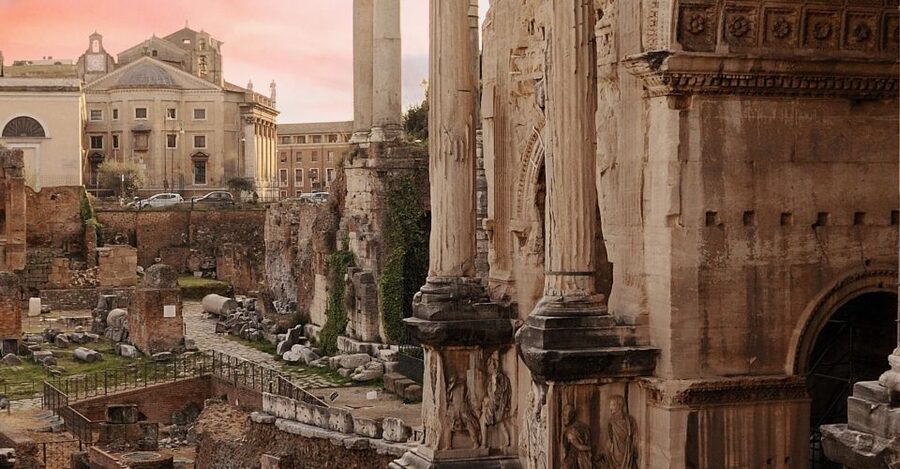
A walk through Campo de’ Fiori adds a more ordinary Roman setting to the tour. The square is known as one of the oldest markets in the city, and its role helps connect sightseeing with daily life.
Markets make a useful break from formal monuments. You see a place built for people to meet, buy food, move through the city, and spend time outdoors. It gives you a sense of Rome as a living city rather than an open-air museum.
This part of the route also helps you understand the character of Rome’s piazzas. A square can be a market, a meeting point, a stage, or simply a place to stop for a drink. The tour’s focus on fountains, obelisks, monuments, and public spaces shows how much of Rome’s identity is found outside its major museums.
Do not expect a food tour. Food and drinks are not included, so plan to buy anything you want separately. The market stop is about the setting and the city atmosphere, not a scheduled tasting.
Is $76.46 a fair price?
At $76.46 per person, this tour is not the cheapest way to see the Colosseum. The price makes more sense if you value a live English guide, skip-the-ticket-line access, headsets, and the restricted Arena Floor.
You are also paying for a connected route through the Colosseum, Palatine Hill, and Roman Forum. Booking separate entry and trying to organize the sites yourself may cost less in some cases, but you would need to manage the timing, interpret the ruins, and arrange the route on your own.
The value is strongest for a first visit. You get the main ancient Roman sights in a single guided experience, along with context that can be hard to build while walking independently. Families may also find the price worthwhile if the guide keeps children involved, as Tania Grigg is noted for doing.
The value is weaker if you prefer to spend long periods taking photographs or reading every sign. The 2.5-hour schedule has a lot to cover, and the group needs to keep moving. Independent visitors who already understand Roman archaeology may want a slower visit instead.
Who will enjoy this 2.5-hour route?
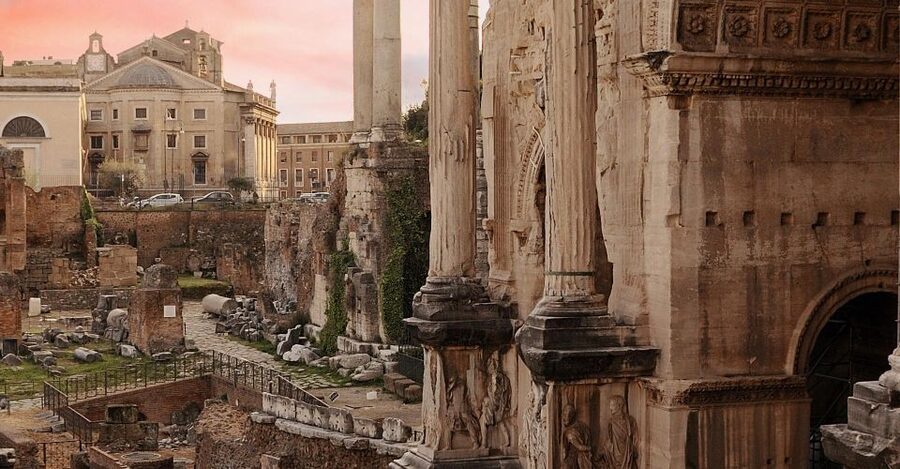
This tour suits a first-time Rome visitor who wants the major ancient sites explained in plain language. It also works well for families, especially if children respond better to stories and questions than to museum labels.
You should choose it if walking through the Arena Floor matters to you. That restricted access is the clearest reason to book this particular experience rather than a basic Colosseum entry.
The tour is also a good fit if you want one organized route that combines ancient ruins with later city sights. The Colosseum and Forum provide the major archaeological focus, while Trevi Fountain, the Pantheon, Campo de’ Fiori, and Rome’s piazzas add variety.
You may want another option if you need a tour in a language other than English, want hotel pickup, or prefer not to walk over uneven ground. The activity is English only, transportation to and from your hotel is not included, and comfortable shoes are a must.
Bring your passport or identification card. A copy is accepted according to the tour information. Look for the My City Tours sign outside the office at the meeting point, and remember that the activity finishes back there.
Booking decision
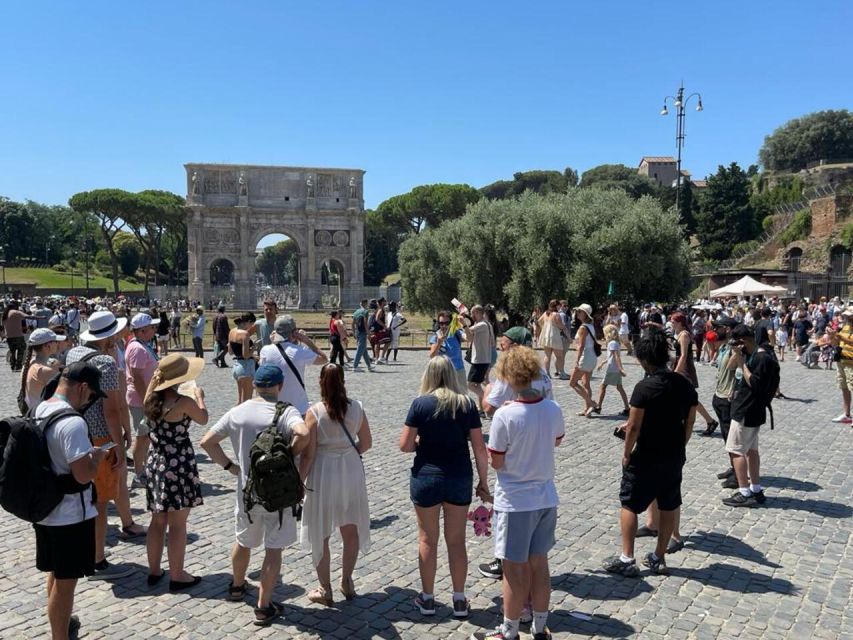
I would book this tour if the Arena Floor is high on your Rome wish list and you want a guide to connect the Colosseum with the Forum and Palatine Hill. The restricted access, headsets, and strong family-friendly guiding make the $76.46 price easier to justify.
I would skip it if you want a slow, highly detailed archaeological visit or if your schedule cannot handle a brisk 2.5-hour route. For most first-time visitors, though, this is a practical way to meet ancient Rome at its most dramatic, then move into the fountains, squares, market, and monuments that give modern Rome its character.
FAQ
How long does the tour last?
The tour lasts 2.5 hours. Starting times vary, so check availability when booking.
What language is the tour offered in?
The tour is offered in English with a live guide.
Does the tour include Colosseum Arena Floor access?
Yes. Access to the Arena Floor is included.
Does the tour include the Roman Forum and Palatine Hill?
Yes. Guided visits to both Palatine Hill and the Roman Forum are included.
Does the route include the Colosseum underground dungeons?
The tour description includes the underground area beneath the Arena Floor, where gladiators prepared and animals were held. Access to restricted areas can depend on the operating arrangements on the day of your visit.
Is food included?
No. Food and drinks are not included.
Is hotel pickup and drop-off provided?
No. Hotel pickup and drop-off are not included. The tour begins at the meeting point and ends back there.
What should you bring?
Bring a passport or identification card, with a copy accepted, and wear comfortable shoes.
What is the cancellation policy?
You can cancel up to 24 hours in advance for a 50 percent refund.
More Colosseum tours in Rome
- Rome: Colosseum, Palatine Hill and Roman Forum Guided Tour
★ 4.8 · 32,814 reviews - Rome: Guided Tour of Colosseum, Roman Forum & Palatine Hill
★ 4.7 · 27,897 reviews - Rome: Colosseum & Forum with Audio Guide App -Optional Arena
★ 4.2 · 24,770 reviews - Rome: Colosseum, Roman Forum and Palatine Hill Guided Tour
★ 4.5 · 23,903 reviews
Newest Rome tours we have reviewed
- Private TikTok Video Making in Rome★ 5.0 · 7 reviews
- Assisi, Orvieto and Civita di Bagnoregio Full Day Tour from Rome★ 4.5 · 45 reviews
- Assisi & Saint Francis Path Tour from Rome★ 5.0 · 45 reviews
- Assisi and Cascia Private Day Tour from Rome with Lunch★ 5.0 · 10 reviews
- Art Class in the center of Rome!★ 4.0 · 4 reviews
- Art & Craft: Beer Tour with Street Art in Rome★ 4.5 · 6 reviews
- Arrival in Rome: Airport Transfer & Exclusive City Introduction★ 5.0 · 3 reviews
- From Rome: Private Day-Tour of Tuscany★ 5.0 · 16 reviews
Colosseum Arena Floor Tours, compared.
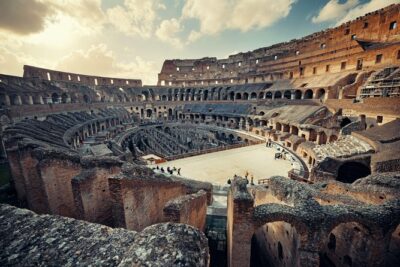
Colosseum Arena Floor, Roman Forum and Palatine Hill Guided Tour
Read our review →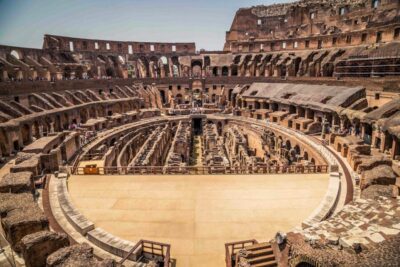
Colosseum Tour with Access to the Gladiator Arena
Read our review →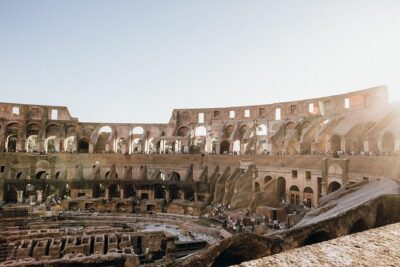
Gladiator’s Gate: Special Access Colosseum Tour with Arena Floor
Read our review →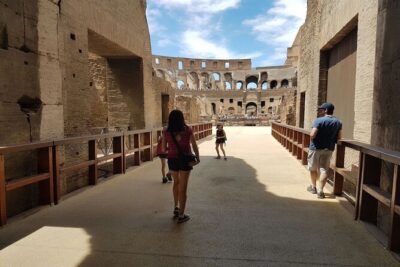
Colosseum & Ancient Rome with Arena Floor Option I Max 6 People
Read our review →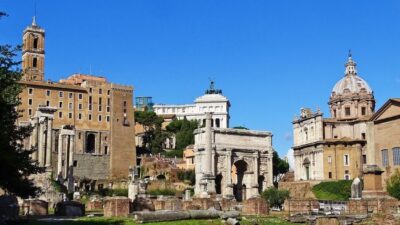
Colosseum Arena Floor, Forum & Palatine Guided Tour
Read our review →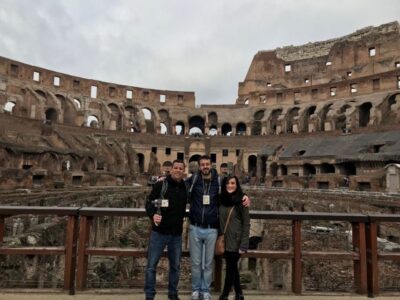
Colosseum Arena Floor, Roman Forum & Palatine Tour
Read our review →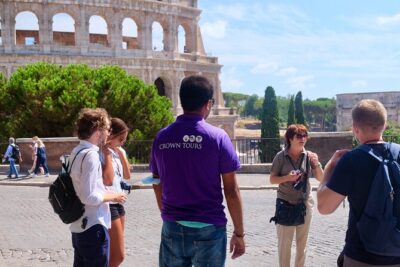
Colosseum Arena Floor, Roman Forum & Palatine Hill Tour
Read our review →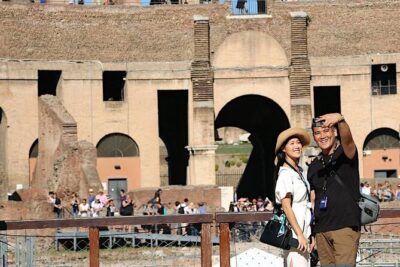
Colosseum Arena Floor Tour with Roman Forum & Palatine Hill
Read our review →Browse the lists this tour appears in