
Reviewed · ROME
Rome: Dining Experience at a Local’s Home
Rome’s best meals do not always happen in a restaurant. This 2.5-hour home dining experience brings you to a local family’s table for a starter, handmade pasta, dessert, wine, and coffee. The host may be Gianluca, Emanuela, Marco, or another Cesarine cook, so the setting and dishes vary.
I like the chance to watch and help with the cooking, especially when pasta, gnocchi, or tiramisu is made in front of you. I also like the small group size, capped at eight, which leaves room for real conversation. The main consideration is that this costs $100 per person, more than a basic three-course restaurant meal, and the private address is only shared after booking.
Key points at a glance
- Family recipes, not a standard restaurant menu: Your host cooks from recipes passed through an Italian family cookbook.
- Hands-on cooking: Depending on the host, you might shape gnocchi, slice fresh pasta, prepare noodles, or help with dessert.
- Wine and coffee included: The meal includes water, regional red and white wines, and coffee.
- A genuinely small gathering: The maximum group size is eight, though some meals may be much smaller.
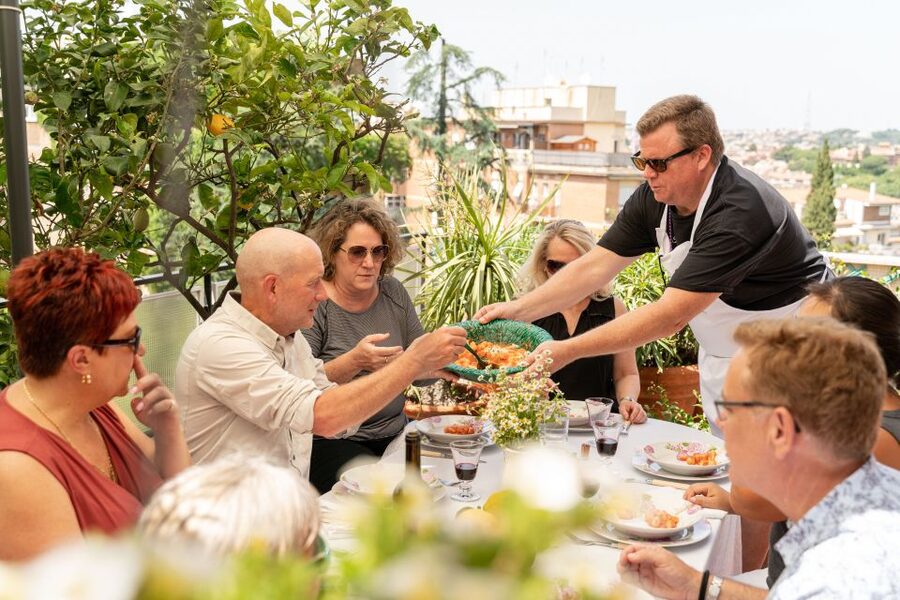
- A social evening in a real home: The appeal is conversation, hospitality, and a glimpse of how food fits into family life.
- Flexible timing and dietary requests: Lunch usually begins around noon and dinner around 7 PM, with other times possible by request.
What the Cesarine home meal is really about
Cesarine is a network of home cooks across Italy. The word means home cook, and the idea is simple: you enter a private home, meet the person preparing your food, and eat recipes chosen for their local and family connection.
That makes this different from a cooking class held in a polished studio. You are not just learning a technique from an instructor. You are sitting at a family table and seeing how the cook talks about food, serves it, and shares it with others.
The exact experience changes with your host. One evening may center on gnocchi and tiramisu. Another may include fresh noodles, chicken with bell peppers, bruschetta, and local wine. That variety is part of the charm, but it also means you should not book this expecting a fixed menu or a particular apartment.
The hosts named in past meals include Gianluca and Giorgia, Emanuela, Marco, Valeria, Giovanna, Ofelia, Leonardo, and others. Some hosts welcome you with a spouse or family member. One family included their two daughters, Benedetta and Beatrice, in the evening. Another host arranged for her niece Sylvia to translate. These details matter because the social side is just as important as the food.
More dinners out in Rome:
- Pasta Making & Wine Tasting with Dinner in Frascati from Rome
★ 5.0 · 1,326 reviews - Rome Food Tour: Hidden Gems of Trastevere with Dinner & Wine
★ 5.0 · 1,166 reviews - Rome: Pasta Making with Wine Tasting and Dinner in Frascati
★ 4.9 · 979 reviews
Arriving at a private Roman home
You do not meet at a public square or restaurant. The exact address is the home of your assigned Cesarina, and the full address plus a mobile number are sent after you reserve.
That arrangement gives the meal its personal feel, but it calls for a little planning. Check the address as soon as you receive it and allow enough time to reach a residential neighborhood. The experience may not be near the Colosseum, Trevi Fountain, or another major sight, and the meeting point is not known in advance.
When you arrive, you ring the bell. Your host will welcome you inside and explain how the evening will run. Since you are entering someone’s home, this is best suited to people who enjoy a friendly, social setting rather than a strictly private dinner.
The experience is offered in English and Italian. Communication can vary by host, but the arrangements are made with English-speaking customers in mind. A family member or friend may also help with translation, as happened during one meal held in a garden.
The opening course: antipasti and conversation
The meal begins with a starter, often called antipasti. Specific dishes vary, but past menus have included bruschetta topped with pork cheek bacon and other small plates. The first course is a useful moment to settle in, ask questions, and get a feel for your host’s style.
Do not expect a rushed restaurant service. The food comes with a story, and the host may explain where a recipe came from or why a particular preparation is common in the area. You might talk about cooking, Rome, family life, or your own home country.
That conversation is one of the strongest reasons to choose this experience. A restaurant can give you a good plate of pasta, but a home meal puts the person who made it right in front of you. Couples have described leaving with the feeling that they had made friends in Rome, and that personal exchange is difficult to reproduce at a formal table.
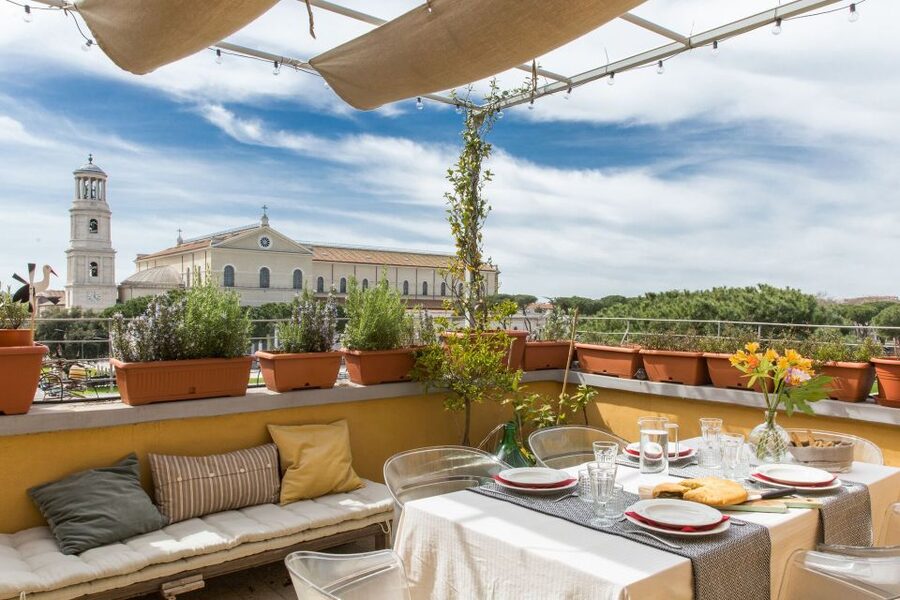
The setting can also be memorable. One meal took place in a garden, while other dinners were held in welcoming family homes. The surroundings are part of the experience, but they are not presented as a luxury dining room. Come for warmth and connection, not polished hotel service.
The cooking demonstration and hands-on work
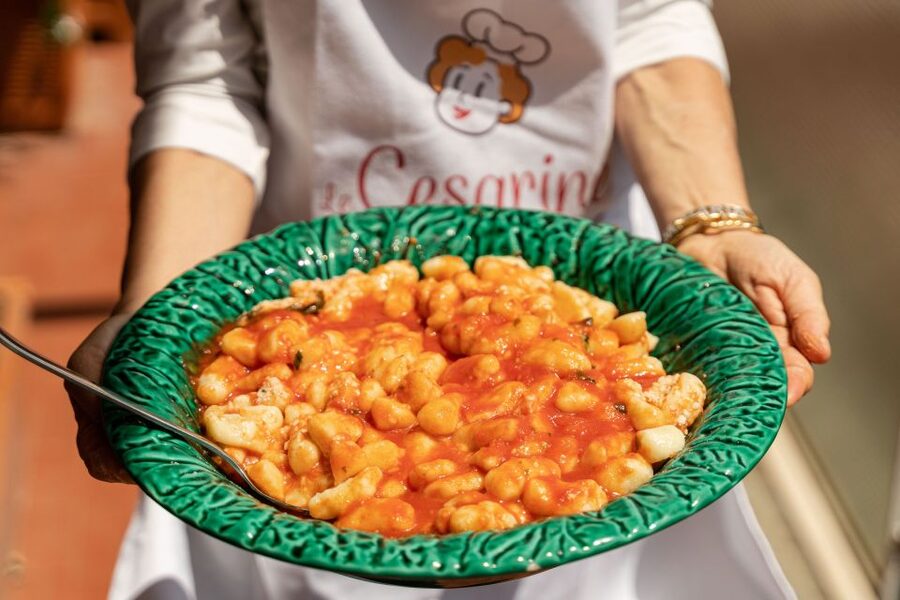
After the starter, your host gives a cooking demonstration. The exact recipe depends on the family, but pasta is a regular focus.
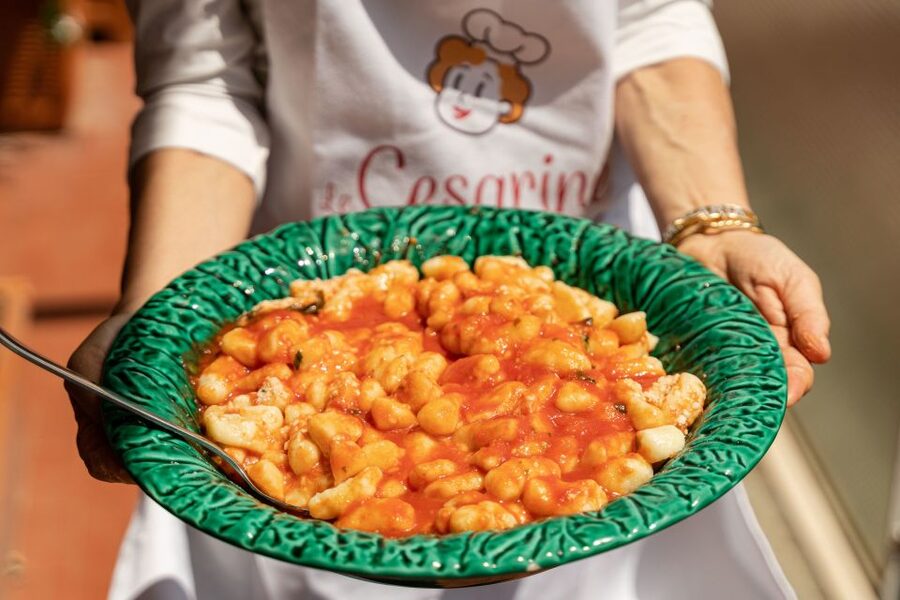
You might watch fresh noodles being made, help slice the pasta, or prepare gnocchi from scratch. One dinner involved making gnocchi before serving it with tomato sauce, basil, and mozzarella. Another included a lesson in homemade noodles. These are practical activities, not just a chef performing behind a counter.
Dessert can also be part of the demonstration. Tiramisu appears in several meals, with the host showing how it is prepared and sometimes allowing you to help. If you enjoy taking a recipe home and trying it later, this part adds value beyond the meal itself. One host even provided a recipe for the pasta dish.
The amount of hands-on work will depend on the host and the menu. The description promises an exclusive demonstration, but it does not guarantee that every part of the meal becomes a cooking lesson. If you specifically want to make pasta, gnocchi, or tiramisu, ask the organizer after booking.
I like this format because you learn through ordinary food preparation. There is no pressure to perform, and you still get to eat the results. It suits curious cooks, families, and anyone who wants more than a restaurant table.
Same city, a completely different half-day:
- Vatican Museums & Sistine Chapel Tour with Optional Basilica
★ 4.3 · 67,413 reviews - Vatican Museums, Sistine Chapel & St Peter’s Basilica Guided Tour
★ 4.5 · 39,149 reviews - Rome: Colosseum, Palatine Hill and Roman Forum Guided Tour
★ 4.8 · 32,814 reviews - Rome: Guided Tour of Colosseum, Roman Forum & Palatine Hill
★ 4.7 · 27,897 reviews
Three courses with regional wine
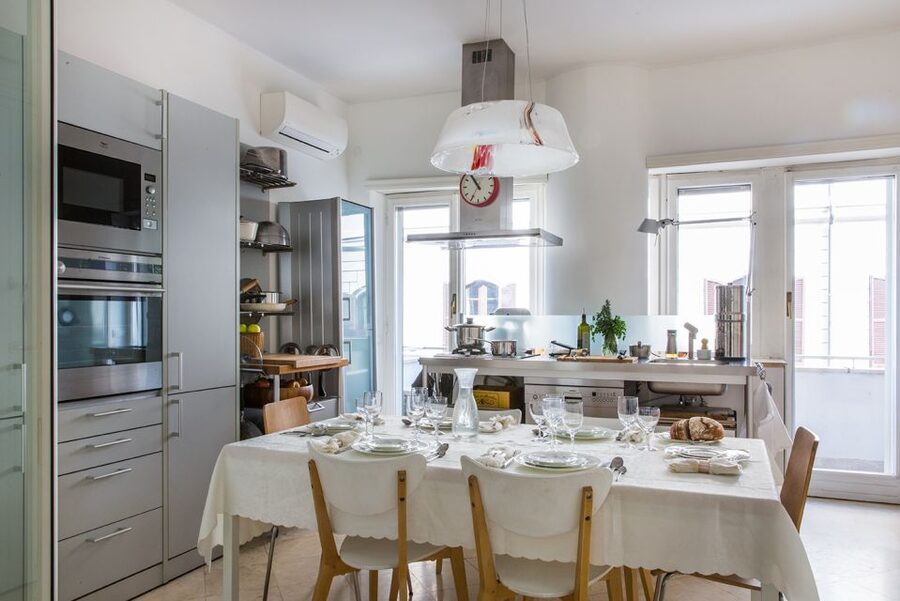
The standard meal includes a starter, pasta, and dessert. Drinks include water, a selection of red and white wines from regional cellars, and coffee.
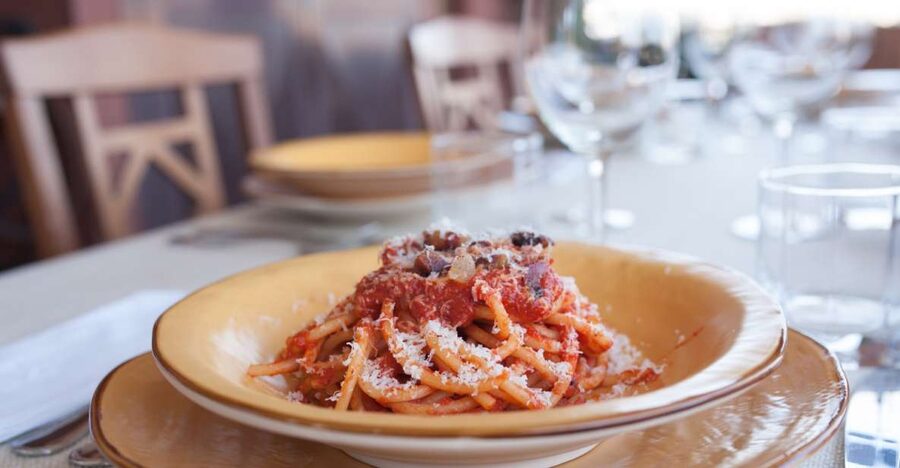
The main pasta course is likely to be the center of the meal. Handmade gnocchi, tomato sauce, basil, and mozzarella have appeared in one menu, while other hosts have served pasta recipes from their family books. A separate main dish may also appear in some menus, such as chicken with bell peppers, and one home meal expanded to five courses.
Because the hosts choose the menu, you should think of the advertised three courses as the basic structure, not a rigid promise of identical dishes. Portion sizes, extra courses, and after-dinner drinks can differ. Limoncello and other aperitifs have been offered at some meals, but they are not listed as standard inclusions.
The regional wine is a useful part of the package. You are not paying only for food ingredients. You are also paying for a host who shops, prepares the menu, demonstrates techniques, welcomes you into a private space, and spends an evening talking with you.
Is $100 per person a fair price?
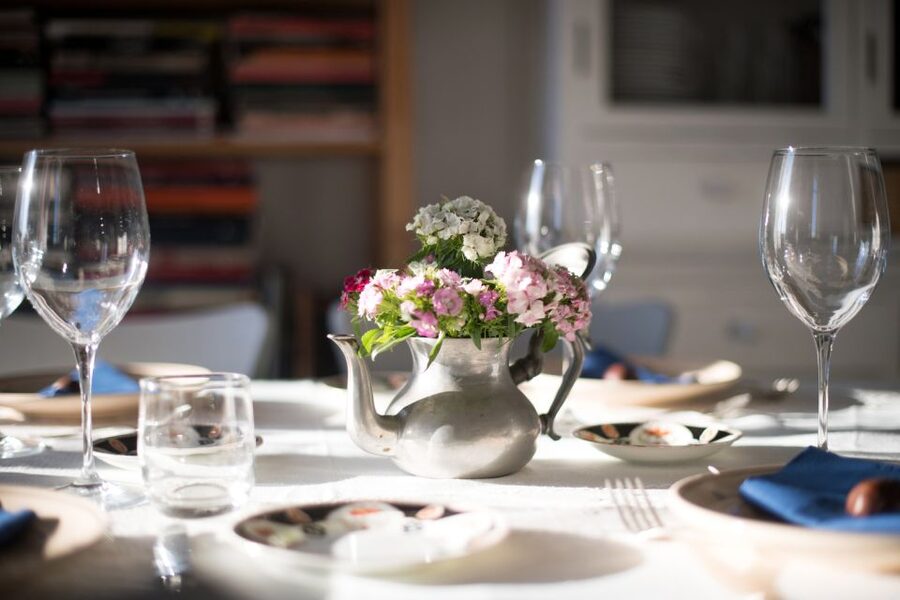
At $100 per person, this is clearly more expensive than ordering an ordinary three-course meal in Rome. One diner made exactly that comparison and still felt the price was justified because the cooking, conversation, and private home setting turned it into an experience rather than just dinner.
That is the right way to judge the cost. If you want the cheapest plate of carbonara or cacio e pepe, choose a restaurant. If you want to meet a local cook, learn how a family prepares pasta, and share wine at a personal table, the price is easier to defend.
The value is strongest when the group is small. The maximum is eight, but some meals have had only two visitors. A private or nearly private evening gives you more time to ask questions and help with the food. It also makes the host’s preparation feel more worthwhile.
The value is weaker if you prefer independence or dislike uncertain menus. You do not choose a restaurant from a menu, and you may not know the exact host or address until after booking. This is a social purchase, not simply a food purchase.
Timing, group size, and practical planning
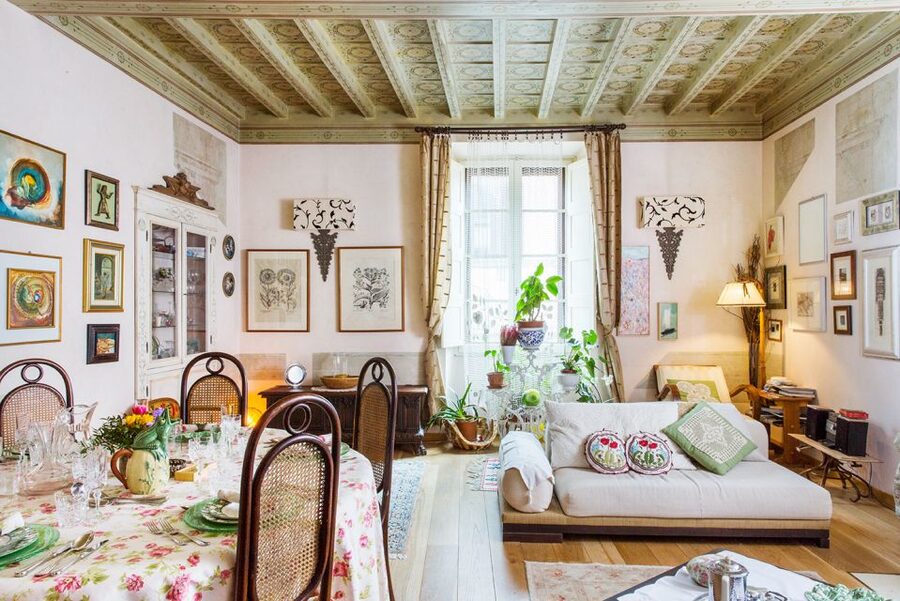
Lunch usually begins at 12 PM, and dinner usually begins at 7 PM. Other starting times may be possible if you request them in advance, so this can fit around a day of sightseeing, though you should not assume last-minute changes will work.
The experience lasts 2.5 hours. That is long enough for a relaxed meal and demonstration, but short enough to fit into a Roman day. Avoid scheduling a major timed attraction immediately afterward, since the meal depends on conversation and the pace of home cooking.
Groups are limited to eight people. That cap is important. A small gathering lets you sit at the same table, follow the demonstration, and talk without shouting across a crowded room.
Tell the organizer about dietary requirements after booking. The experience can accommodate different needs, but those requests must be confirmed directly. Do not wait until you arrive to mention an allergy or a strict restriction.
You can cancel up to 24 hours before the experience for a full refund, and the reserve-now, pay-later option keeps you from paying at the time of booking. Those policies are useful when your Rome schedule is still shifting.
Who will enjoy this most?
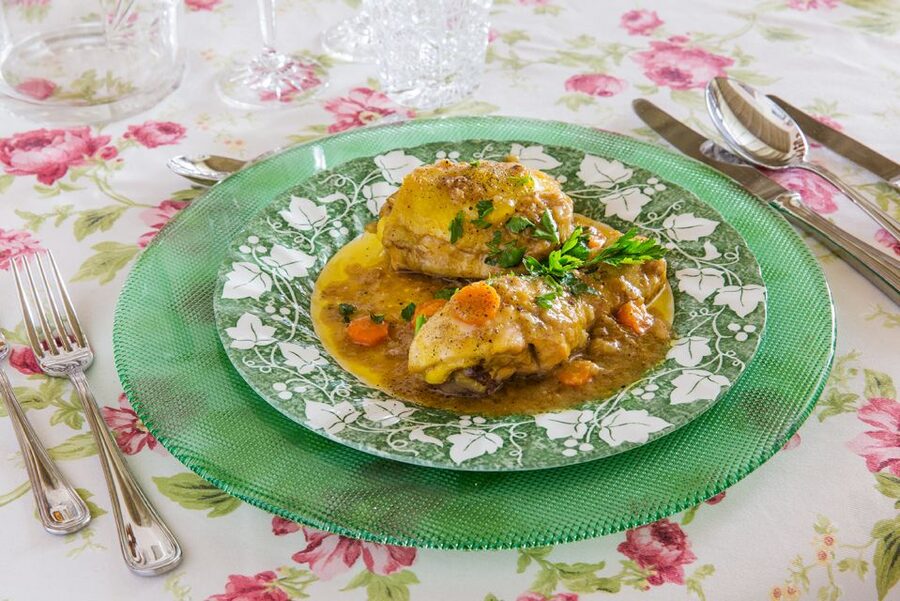
I would choose this for couples, families, solo visitors who like meeting people, and anyone who sees food as a way to understand a place. It also works well for a special occasion. One couple celebrated a 40th wedding anniversary with homemade pasta, tiramisu, wine, and a family welcome.
It is a good pick if you want to learn a few techniques without committing to a full cooking school. You can watch the host work, lend a hand, and then enjoy the finished meal.
Families with children may appreciate the relaxed setting, though the provided information does not specify a minimum age or child pricing. Ask before booking if that matters for your group.
I would be more cautious if you want a predictable menu, a central meeting point, formal service, or a purely private dinner with no conversation. The home setting is the point, and it naturally involves a little uncertainty.
Should you book this Rome home dining experience?
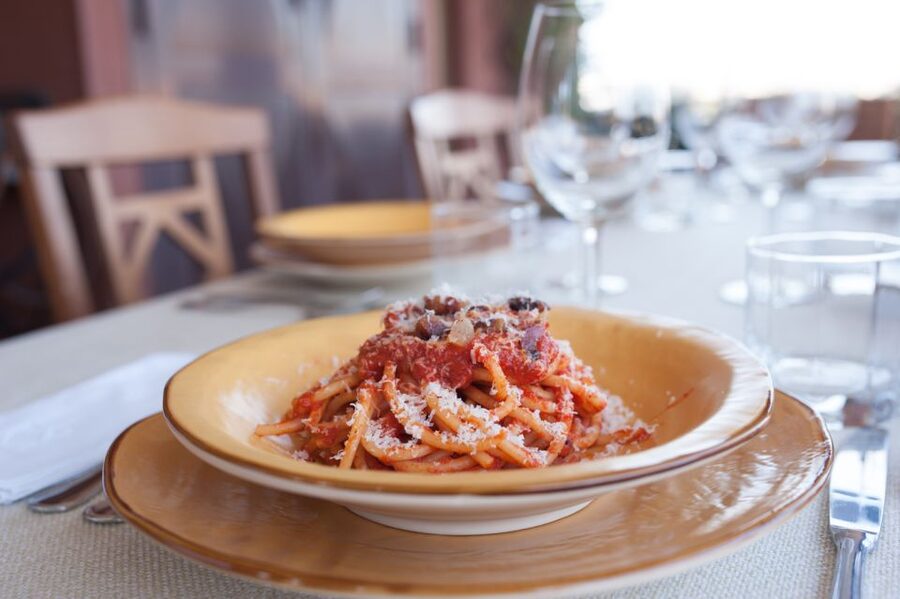
Book it if your best Rome memories usually involve people, not just monuments. The strongest parts are the family welcome, the chance to help make pasta or dessert, and the feeling of sitting down to food prepared for you rather than assembled for a steady stream of diners.
The cooking demonstration gives the meal structure, while the wine and conversation keep it relaxed. At $100, it is not a bargain dinner, but it can be good value for a personal evening that combines a meal, a lesson, and local company.
Skip it if you want the lowest-cost meal or need a fixed menu and central location. For everyone else, this is one of the better ways to add a human touch to a Rome visit. Ask about the menu and dietary needs after booking, check the private address carefully, and arrive ready to talk.
FAQ
Where does the Rome dining experience take place?
It takes place in the private home of your Cesarine host in Rome. The full address and the host’s mobile number are shared after you reserve.
How long does the experience last?
The meal and cooking experience last 2.5 hours.
What food is included?
The standard menu includes three courses: a starter, pasta, and dessert. Menus can vary by host, and some meals may include extra dishes.
Are drinks included?
Yes. Water, a selection of regional red and white wines, and coffee are included.
Is there a cooking demonstration?
Yes. Your host provides an exclusive cooking demonstration. Depending on the menu, you may also help prepare pasta, gnocchi, noodles, or dessert.
What languages are spoken?
The experience is offered in English and Italian.
How many people can join?
The group is limited to eight participants.
Can dietary requirements be accommodated?
Different dietary requirements can be accommodated, but you must confirm them directly with the service organizer after booking.
What are the usual starting times?
Lunch usually begins at 12 PM and dinner at 7 PM. Other times may be possible with an advance request.
Newest Rome tours we have reviewed
- Private TikTok Video Making in Rome★ 5.0 · 7 reviews
- Assisi, Orvieto and Civita di Bagnoregio Full Day Tour from Rome★ 4.5 · 45 reviews
- Assisi & Saint Francis Path Tour from Rome★ 5.0 · 45 reviews
- Assisi and Cascia Private Day Tour from Rome with Lunch★ 5.0 · 10 reviews
- Art Class in the center of Rome!★ 4.0 · 4 reviews
- Art & Craft: Beer Tour with Street Art in Rome★ 4.5 · 6 reviews
- Arrival in Rome: Airport Transfer & Exclusive City Introduction★ 5.0 · 3 reviews
- From Rome: Private Day-Tour of Tuscany★ 5.0 · 16 reviews