
Reviewed · ROME COOKING CLASSES
Exclusive cooking class in Roman countryside with local chef
The best part of this outing is that it takes you beyond Rome’s center and into Zagarolo, a small city set between two valleys. Claudia leads you through an Italian Sunday lunch, while Bruno handles the station pickup and warm welcome. You make the food yourself, then eat it in the home or garden with wine from the family.
I like the seasonal cooking and the personal setting. Summer may bring sorbets and ice cream, while colder months can mean stuffed pasta or sfogliatelle. I also like the small group limit of eight, which gives you more room to work with the chef instead of watching from the sidelines.
The main drawback is the meeting plan. You must reach Zagarolo Station on your own, and one morning train is listed at 9:14 from Rome Termini. The pickup instructions are specific, but first-time visitors have found the station handoff confusing, so plan carefully and keep your phone available.
Key points before you book
- Claudia teaches a changing menu: Seasonal dishes can include handmade pasta, lasagne, ravioli, fettuccine, vegetable fritters, bruschette, saltimbocca, rolls, tarts, or parfait.
- Bruno meets you at Zagarolo Station: Look for him in the square with his gray car, then ride to the home where the class takes place.
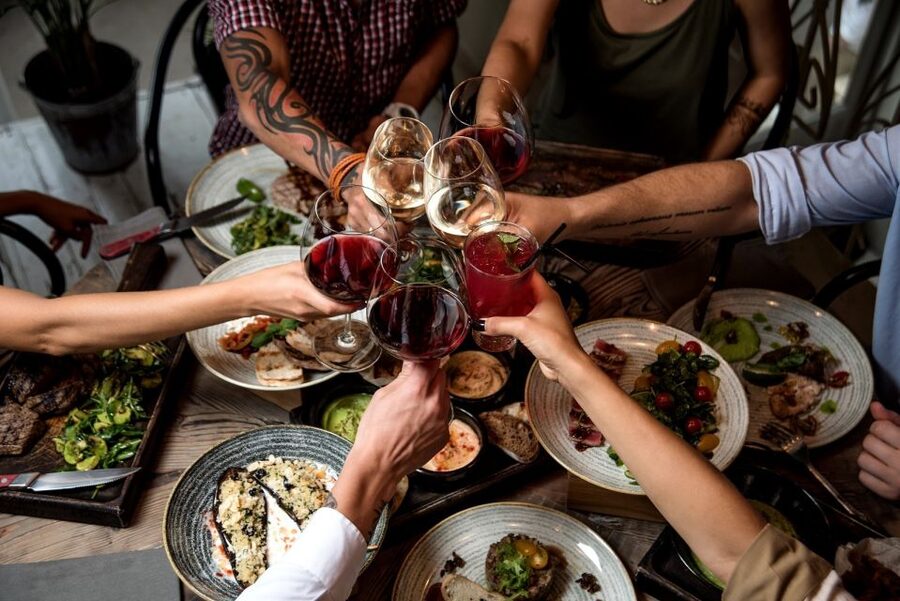
- You eat what you prepare: The class ends with a three-course lunch or dinner, bottled water, and alcoholic beverages, including homemade wine.
- The group is capped at eight: This is a better fit for hands-on participation than for a large demonstration.
- The countryside setting is part of the appeal: You can enjoy the view, garden, and meal in a romantic living room or beneath the garden pergola.
- Dietary needs need advance notice: Tell the operator before the activity so the menu can be adjusted.
From Rome Termini to the Zagarolo kitchen
This is not a cooking class in central Rome. You begin with a train ride into Lazio, which changes the feel of the day before the food even appears.
For the morning option, the instructions list train number 12703 leaving Rome Termini at 9:14. The trip takes about 25 minutes, after which you get off at Zagarolo Station. Bruno is supposed to meet you in the station square in his gray car and drive you to Claudia’s home.
That transfer is included in the price, and it matters. You do not need to arrange a taxi from the station, and the drive takes you from the city into a quieter setting. Still, this is the one part where I would not improvise. Buy your return ticket from Trenitalia before the day of the class. The instructions say you do not need to validate these tickets at the station.
A usual return train is listed at 14:05 for the morning option. Check the current timetable before booking, especially if you are attending on a weekend, holiday, or in the evening. The schedule information can change, and the activity ends back at the station rather than in central Rome.
The meeting point deserves care because it is not simply a guide standing beside a large sign at Termini. You need to get off at the correct station, walk to the square, and identify Bruno. One useful precaution is to arrive with the host’s contact information easy to reach. The pickup itself is included, but the first few minutes can feel less polished than the cooking session.
More cooking classes in Rome:
- 3 in 1 Cooking Class near Navona: Fettuccine, Ravioli & Tiramisu
★ 5.0 · 7,376 reviews - Rome: 3-in-1 Fettuccine, Ravioli, and Tiramisu Cooking Class
★ 4.9 · 2,704 reviews - Rome: Fettuccine Pasta Cooking Class in Rome’s City Center
★ 4.8 · 2,414 reviews
Claudia’s home and the Italian Sunday lunch
At Claudia’s home, you put on a chef’s apron and begin preparing a traditional Italian Sunday lunch from start to finish. That phrase means more here than a slogan. In Italy, Sunday lunch is a social ritual built around several courses, time at the table, and food made for sharing.
The exact menu changes with the season. In summer, Claudia may show you how to prepare sorbets and ice cream. In winter, the class can turn toward sfogliatelle and stuffed pasta. This seasonal approach gives you recipes that make sense in an Italian kitchen instead of a fixed menu that ignores the calendar.
The opening course may include vegetable fritters or savory strudel. You might also prepare bruschette with vegetables and cheese. These dishes are useful for home cooks because they show how a few fresh ingredients can become a proper first course without a long shopping list.
The pasta lesson is likely to be the center of the class. You work with flour from a local mill and eggs supplied by a farmer, then shape the dough into one of several traditional forms. Depending on the day, that could be lasagne, ravioli, or fettuccine.
The supplied details do not promise that you will make every dish listed. Think of the menu as a set of seasonal possibilities, not a guaranteed sequence of fritters, lasagne, ravioli, meat, and dessert all in one afternoon. The format does promise practical instruction and a three-course meal, with the specific recipes chosen by the host.
For the main course, Claudia may prepare rolls or saltimbocca. Vegetarians can receive a special dish, but you need to share dietary restrictions ahead of time. That advance notice is especially important when the class is built around a set meal rather than a restaurant menu.
Dessert might be a parfait or tart prepared together with the group. Making dessert as part of the lesson is a nice touch. You leave with more than pasta technique, since the class covers the shape of a full Italian meal from starter through sweets.
Why the homemade ingredients matter
The flour, eggs, herbs, vegetables, and cheese are not just decorative details. They help explain why Italian cooking can be so tied to place. Claudia’s pasta uses flour from a local mill and eggs from a farmer, while the garden supplies herbs for the meal.
One particularly appealing part of the visit is the chance to walk through Claudia’s garden and learn how the herbs look and smell before picking them. That small act connects the plate to the garden in a way a standard restaurant meal cannot.
You should not expect a formal food museum or a lecture on Lazio cuisine. The value is more direct. You handle ingredients, learn the basic steps, and then sit down to eat the result. If you enjoy practical lessons, this approach is more rewarding than simply watching a chef cook.
Claudia’s kitchen has also received attention from major newspapers, including The Guardian and The Wall Street Journal. That publicity does not change the structure of the class, but it helps explain why this is more than an informal meal with no teaching plan. She has hosted many classes and combines cooking instruction with the relaxed pace of a family home.
Eating under the pergola with Claudia and Bruno
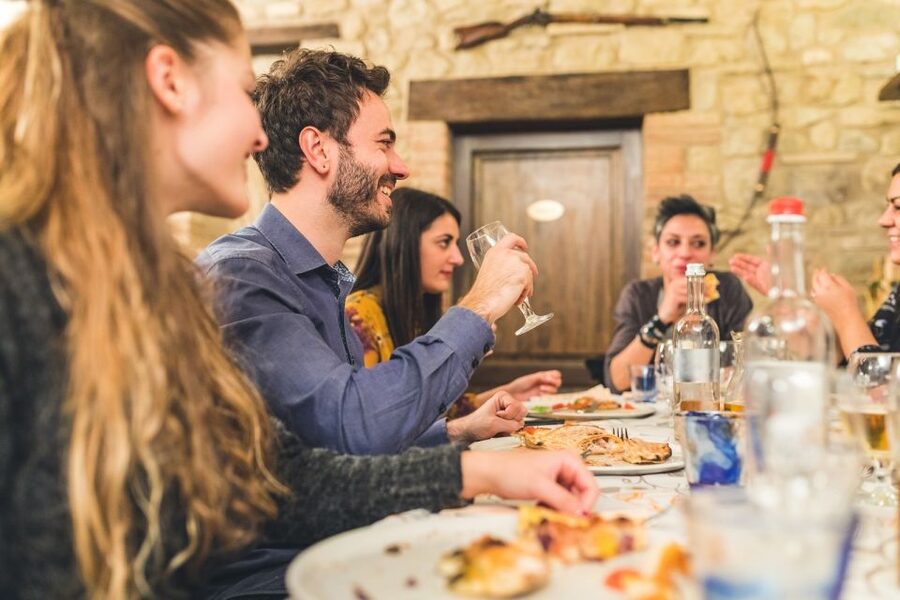
After the practical work, you sit down for the meal. You can eat in the romantic living room or outside in the garden, where the setting adds to the sense of a long Italian Sunday table.
The package includes a three-course meal, bottled water, and alcoholic beverages. Homemade wine is part of the welcome, and you can sip it while enjoying the food you helped prepare. It is a simple formula, but a good one: work with the ingredients, sit down, and share the finished dishes.
Bruno adds another personal element. One account of the day describes him playing keyboard and singing while the meal was being prepared. That is not a guaranteed performance listed as a formal part of the class, so you should treat it as a possible bonus rather than a promised show. Still, it gives you a sense of the warm, family-style atmosphere this activity aims for.
The hosts’ hospitality is one of the strongest reasons to choose this outing. Claudia is the teacher in the kitchen, while Bruno helps with transport and hosting. The combination makes the visit feel closer to being welcomed into a home than attending a standard commercial cooking studio.
That can be a plus or a minus depending on your preference. If you like conversation, home cooking, garden views, and a slower meal, the setting should suit you well. If you want a tightly timed class with a professional demonstration, a central location, and a guaranteed menu, this may feel informal.
Same city, a completely different half-day:
- Vatican Museums & Sistine Chapel Tour with Optional Basilica
★ 4.3 · 67,413 reviews - Vatican Museums, Sistine Chapel & St Peter’s Basilica Guided Tour
★ 4.5 · 39,149 reviews - Rome: Colosseum, Palatine Hill and Roman Forum Guided Tour
★ 4.8 · 32,814 reviews - Rome: Guided Tour of Colosseum, Roman Forum & Palatine Hill
★ 4.7 · 27,897 reviews
What the $112.15 price includes
At $112.15 per person, the price is reasonable if you value the full package rather than counting the recipe lesson alone. You receive the train-station transfer, hands-on instruction, lunch or dinner, a three-course meal, bottled water, alcoholic beverages, and recipes to use at home.
The train fare from Rome is not listed as included, so budget for that separately. You are also responsible for reaching Zagarolo Station. The included pickup then removes the need for a second transfer from the station to the house.
The recipes are a practical extra. A cooking class is more useful when you can repeat the dishes later, especially since the lesson covers several traditional components of a meal. You may not receive the exact same menu on a future visit, because the recipes change with the season, but the techniques can travel home with you.
The small group limit also supports the price. With no more than eight participants, you have a better chance to take part in kneading, shaping, seasoning, and assembling the dishes. The value is strongest for people who would otherwise pay for a meal and a separate activity. Here, the meal is the result of the activity.
The price is less compelling if you mainly want to eat. You still spend time arranging the train journey, riding out of Rome, and working in the kitchen. That effort is part of the charm, but it means this is not the fastest way to fit a meal into a busy Rome itinerary.
Timing, group size, and the return to Rome
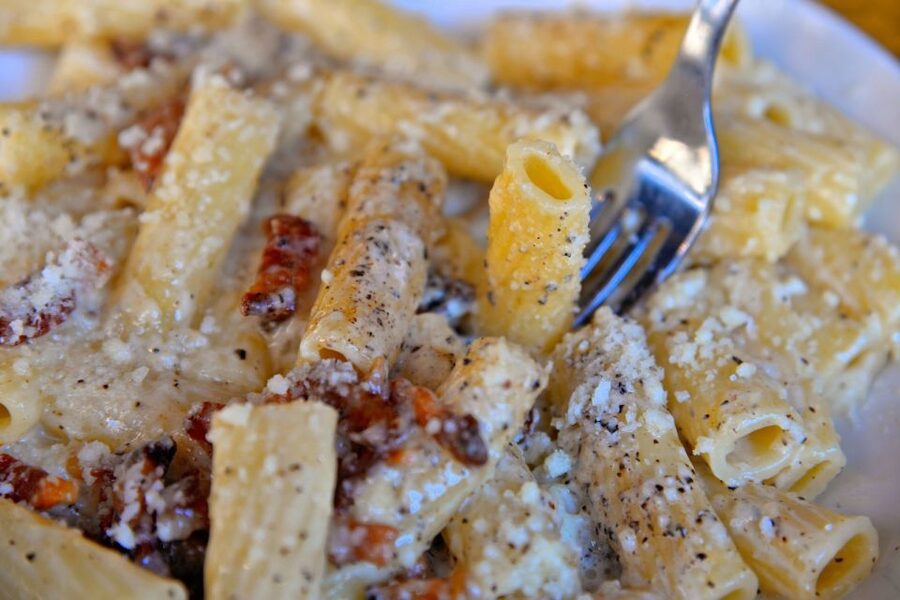
The activity lasts about 3.5 hours, though the total outing takes longer once you add the train journey. The advertised duration covers the class and meal, not the complete door-to-door time from your Rome accommodation.
This makes the experience a good choice for a half-day plan, but you should not place it next to a timed museum visit or an evening reservation with no margin. The cooking, meal, transfer, and train schedule all need room to breathe.
The small group limit of eight helps the class stay personal. You will likely have more chances to ask questions and handle the food than you would in a large class. English and Italian are available, so language should be manageable for English-speaking visitors, though the kitchen remains a place where gestures and demonstration do much of the work.
The host brings you back to the station at the end. For the morning option, a 14:05 return train is listed as usual, but you should confirm the actual service before your date. Evening, weekend, and holiday trains require extra checking because the useful departures differ.
Free cancellation is available up to 24 hours before the activity for a full refund, and you can reserve now and pay later. Those policies help if your Rome schedule is still shifting, but they do not remove the need to check the train timetable.
Who will enjoy this cooking class most
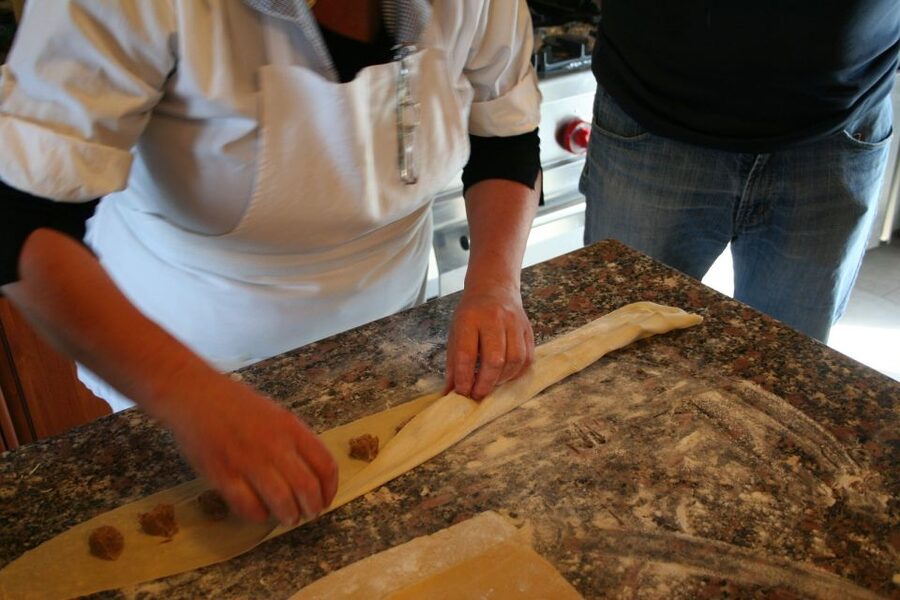
I would choose this for you if you want to see a less urban side of Lazio and prefer a host-led meal to a formal cooking school. It works especially well for couples, families, and small groups who enjoy sitting around a table and sharing the work.
It is also a good pick for repeat visitors to Rome. The trip to Zagarolo gives you a change from churches, ruins, and crowded streets, while the food lesson offers a useful connection to local life.
Vegetarians can be accommodated with advance notice. The class may suit you if you want to learn handmade pasta, but remember that the precise pasta shape and other dishes depend on the season and the host’s plan.
I would hesitate if you need a very clear, low-stress meeting arrangement or cannot manage the train connection. The station pickup is included, yet the instructions require attention. I would also hesitate if you want a guaranteed dish list. This is a home kitchen with seasonal choices, not a menu-driven restaurant class.
The overall rating is 4.2 out of 5 from 23 ratings. That suggests a generally strong experience with some room for improvement, and it matches the practical picture: the food, hosts, and personal setting are the main strengths, while the station directions are the main point to handle carefully.
Should you book the Zagarolo cooking class?
Book it if you want hands-on Roman cooking, a small group, and a meal shared in a local home outside the city. Claudia’s seasonal menu, garden herbs, handmade pasta, homemade wine, and relaxed table make this much more personal than a standard class in central Rome.
Before you commit, check the train schedule, buy your return ticket, and allow extra time at Zagarolo Station. Tell the host about dietary restrictions in advance, and understand that the menu may change with the season.
For a practical taste of Lazio life, the $112.15 fee offers good value. You are paying for instruction, transport from the station, food, drinks, recipes, and a generous block of time with Claudia and Bruno. The right question is not simply if you want to cook in Italy. It is if you want to spend part of your Rome visit at an Italian family table.
FAQ
Where does the cooking class take place?
The class takes place at Claudia’s home in Zagarolo, a city in the Roman countryside between two valleys.
How do I reach the meeting point from Rome?
For the morning option, take train number 12703 from Rome Termini at 9:14. The listed journey takes about 25 minutes, and you get off at Zagarolo Station.
Who meets me at Zagarolo Station?
Bruno meets you in the station square. The instructions identify him as driving a gray car, and he takes you to the chef’s home.
Is transportation from the station included?
Yes. The activity includes the transfer from Zagarolo Station to the chef’s house and the return transfer to the station afterward.
How long does the activity last?
The cooking class and meal last about 3.5 hours. The train ride to and from Rome is additional time.
What language is the class offered in?
The host or greeter can provide the activity in English or Italian.
What food might I prepare?
The seasonal menu may include bruschette, vegetable fritters, savory strudel, handmade lasagne, ravioli, fettuccine, rolls, saltimbocca, sorbets, ice cream, sfogliatelle, parfait, or tart.
Is a meal included?
Yes. The activity includes lunch or dinner and a three-course meal made during the class.
Are drinks included?
Yes. Bottled water and alcoholic beverages are included, with homemade wine served as part of the meal.
Can dietary restrictions be accommodated?
Yes, dietary restrictions can be accommodated when you notify the host in advance.
Newest Rome tours we have reviewed
- Private TikTok Video Making in Rome★ 5.0 · 7 reviews
- Assisi, Orvieto and Civita di Bagnoregio Full Day Tour from Rome★ 4.5 · 45 reviews
- Assisi & Saint Francis Path Tour from Rome★ 5.0 · 45 reviews
- Assisi and Cascia Private Day Tour from Rome with Lunch★ 5.0 · 10 reviews
- Art Class in the center of Rome!★ 4.0 · 4 reviews
- Art & Craft: Beer Tour with Street Art in Rome★ 4.5 · 6 reviews
- Arrival in Rome: Airport Transfer & Exclusive City Introduction★ 5.0 · 3 reviews
- From Rome: Private Day-Tour of Tuscany★ 5.0 · 16 reviews
Rome Cooking Classes, compared.
3 in 1 Cooking Class near Navona: Fettuccine, Ravioli & Tiramisu
Read our review →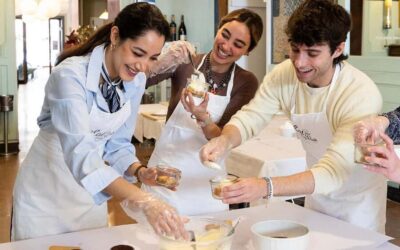
3-in-1 Fettuccine, Ravioli, and Tiramisu Cooking Class
Read our review →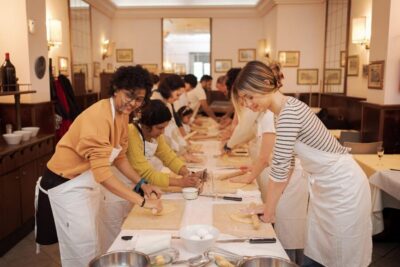
Fettuccine Pasta Cooking Class in Rome’s City Center
Read our review →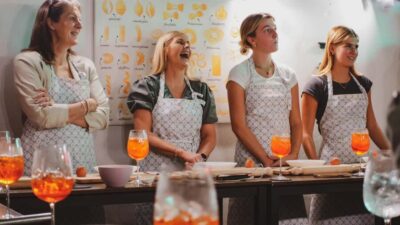
Traditional Pasta with Cocktails Cooking Class
Read our review →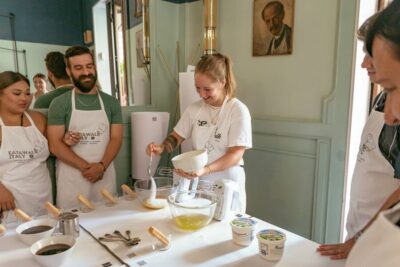
Fettuccine and Tiramisu Cooking Class with Wine
Read our review →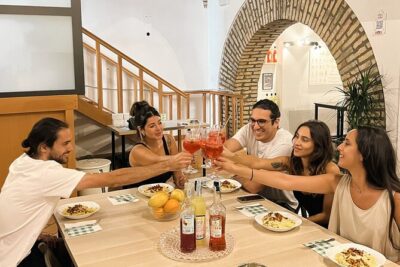
Pasta Cooking Class Near the Colosseum with 3 Spritz Cocktails
Read our review →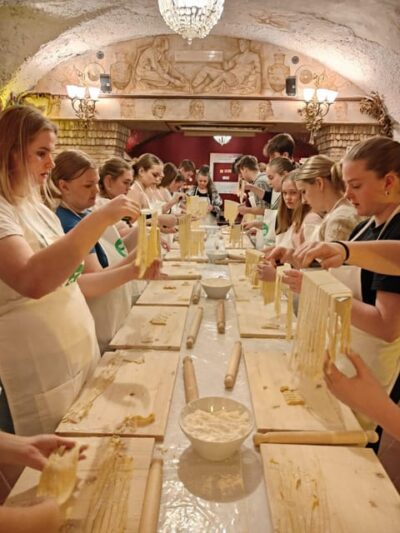
Pasta & Tiramisu Cooking Class near the Spanish Steps
Read our review →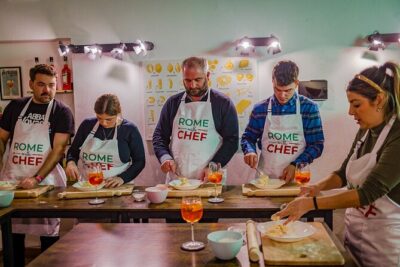
Rome Tipsy Cooking Class: Make Pasta and Mix 3 Spritz Cocktails
Read our review →Browse the lists this tour appears in