
Reviewed · ROME FOOD TOURS
Rome: Gourmet Food Tasting at Magazzino Scipioni
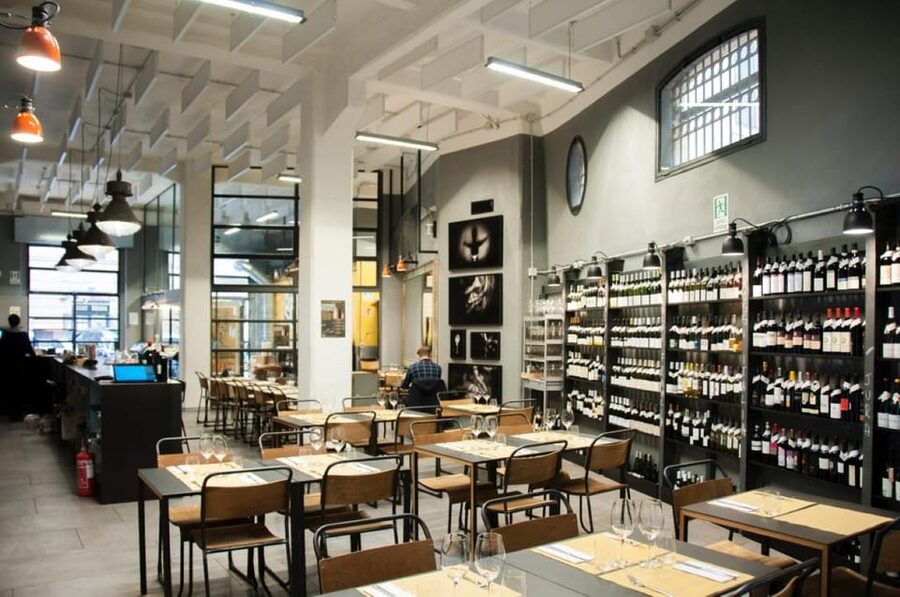
The clever part of this Rome experience is its full meal in miniature. At Magazzino Scipioni, you taste four Italian wines alongside cheeses, salumi, a Roman pasta course, a Fassona beef meatball, and dessert, all in about 90 minutes.
I like the clear food progression, from salty PDO products to pasta and meat, and I like the small group limit of 10 people. The main drawback is the age rule: minors cannot participate, and the experience is also not suitable for pregnant women.
Key points
- Four Italian wines: Taste wines chosen to represent different parts of Italy, with examples ranging from Tuscan reds to crisp Veneto whites.
- A proper food sequence: The tasting includes PDO cheeses and cured meats, Roman pasta, a Piedmontese Fassona meatball, and dessert.
- Roman classics on the plate: The pasta may feature cacio e pepe, carbonara, or amatriciana.
- Small and social: The group is limited to 10 participants, with an Italian or English-speaking host or greeter.
- Good short stop: The 1.5-hour format fits neatly into a day of sightseeing in central Rome.
- Adult-only activity: Children and anyone under 18 are not allowed to take part.
What happens inside Magazzino Scipioni
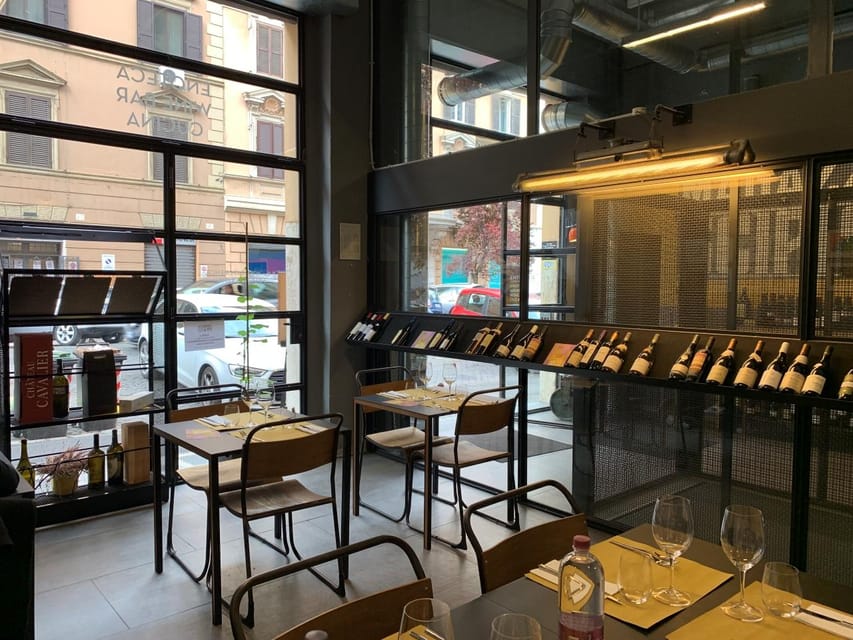
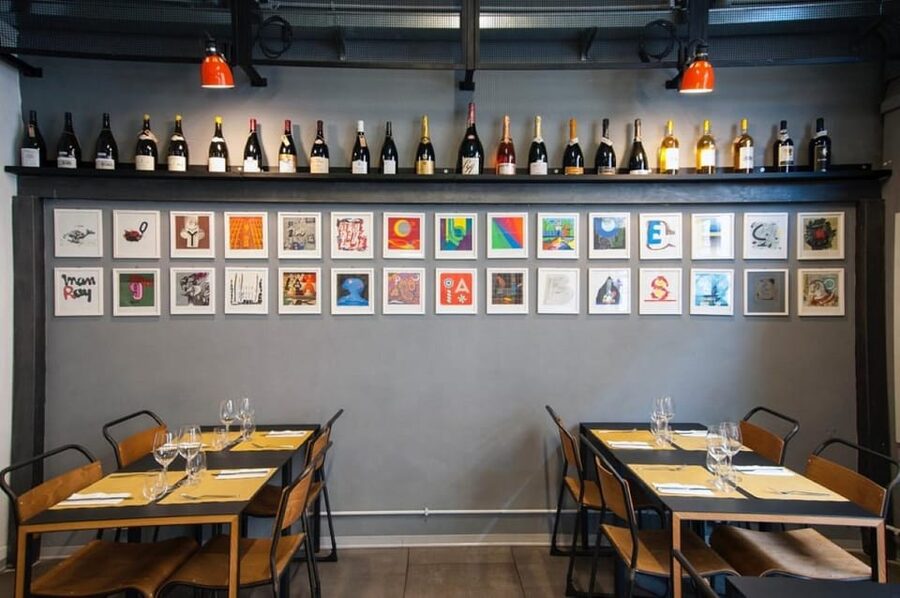
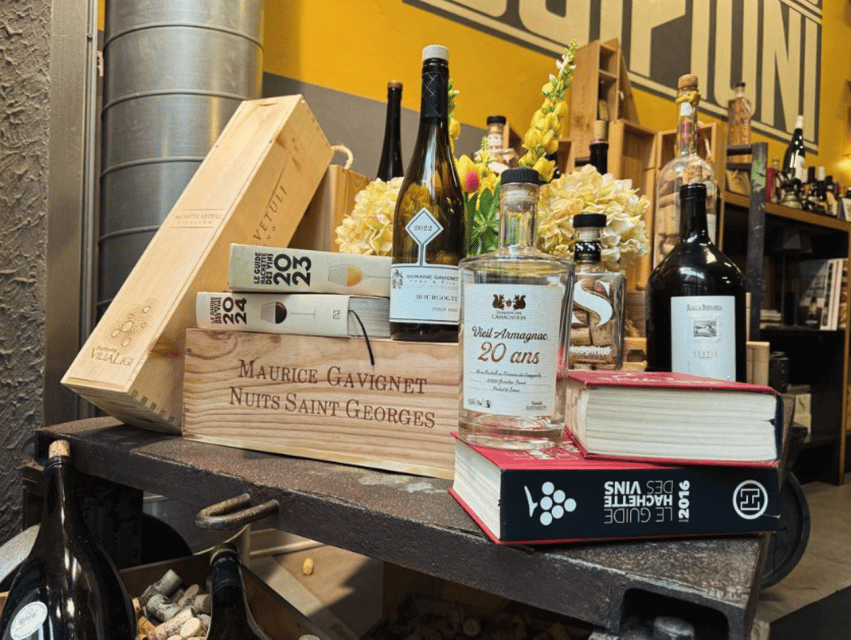
Magazzino Scipioni is a wine shop in the heart of Rome, close to the city’s major historic sights. The setting combines a traditional Italian food-and-wine focus with a more polished urban feel, so you get a seated tasting rather than a quick snack between monuments.
The experience lasts about 90 minutes. That is enough time to taste the four wines and work through the accompanying food without turning the activity into an all-evening meal. If your Rome schedule is tight, this makes it easier to place the tasting between sightseeing plans.
The group size matters here. With no more than 10 people, the session should feel more personal than a large food tour, even though the exact format of the host’s presentation is not specified. You will have an Italian or English-speaking host or greeter, so check the language that suits you when booking.
The tasting focuses on Italian products rather than only Roman specialties. That is an important distinction. Rome provides the location and the pasta course, but the wines and food bring in flavors from several parts of Italy.
More food tours in Rome:
- Winner 2025 Rome Twilight Trastevere Food Tour by Eating Europe
★ 5.0 · 5,157 reviews - Rome: Trastevere or Jewish Quarter Street Food Tour
★ 4.8 · 3,839 reviews - Rome Food Tour: Unlimited Tastings with Fine Wine & Barolo
★ 5.0 · 3,365 reviews
Four wines, four parts of Italy
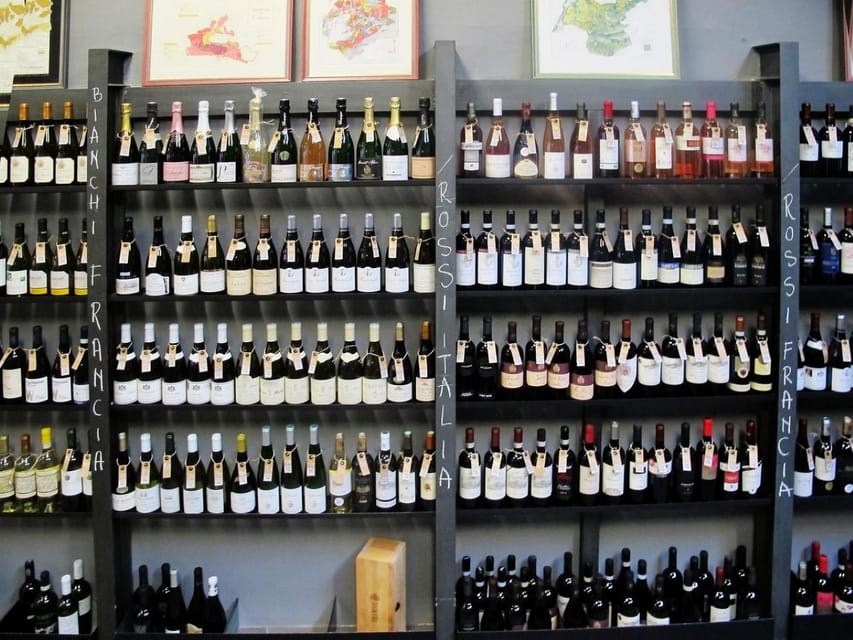
The wine portion includes four Italian wines, each selected to show a different wine-growing region. The description points to the bold reds of Tuscany and the crisp whites of the Veneto, though the exact bottles can vary.
That regional approach gives you a useful introduction to Italy’s wine range. Italian wine is not one single style. Climate, grape varieties, soil, and local food traditions change from one area to the next, and four glasses can give you a quick sense of those differences.
The wines are meant to be tasted with food, not treated as separate samples. You might notice a wine’s acidity working with cheese, a fuller red matching the meatball, or a lighter style making more sense with the opening bites. The pairing is the point, so try each food with the suggested wine before deciding which combination you prefer.
This is a good choice if you enjoy wine but do not want a technical lecture. The supplied details promise a selection from Italian wineries, but they do not name the bottles, vintages, grape varieties, or producers. If those details matter to you, ask the host during the tasting.
The price is $54.66 per person. For Rome, that is reasonable for four wines plus several food courses, especially since the menu moves beyond a plate of cheese and a few small samples. The value depends partly on the pour sizes and the specific wines, which are not stated, but the food coverage makes this more substantial than a basic wine flight.
Starting with PDO cheeses and cured meats
The first food pairing includes PDO cured meats and cheeses. PDO means Protected Designation of Origin, a certification tied to a product’s place and traditional production rules.
The selection may include aged Parmigiano Reggiano, creamy Taleggio, and artisan salumi. These foods give you a useful first step because they are easy to compare. Parmigiano Reggiano brings a firm, savory bite. Taleggio offers a softer, creamier texture. The cured meats add salt, spice, and richness.
This opening course also lets the wine do some work before the heavier dishes arrive. A crisp white can cut through creamy cheese, while a red may feel more comfortable beside cured meats. You do not need to know the formal tasting vocabulary. Pay attention to what changes when you take a sip after each bite.
The food is described as authentic and traditional, but the exact salumi selection is not fixed in the information provided. You should expect a selection rather than one guaranteed plate of named products.
Roman pasta: cacio e pepe, carbonara, or amatriciana
The central Roman course is a traditional first course of pasta. Possible dishes include cacio e pepe, carbonara, or amatriciana, three of Rome’s best-known pasta preparations.
Cacio e pepe is built around pasta, Pecorino Romano, and black pepper. Carbonara brings egg, cheese, and cured pork. Amatriciana combines tomato with cured pork and cheese. Each dish uses a short list of ingredients, but the balance matters. The cheese should not overwhelm the sauce, and the pasta should hold its texture.
The exact pasta dish is not guaranteed, so do not book this expecting one particular recipe. If carbonara is the dish you most want, ask before making your reservation. Still, all three choices fit the purpose of the experience: they show how Roman cooking can turn a few strong ingredients into a memorable plate.
The portion is presented as part of a tasting meal rather than a full restaurant entrée. That is helpful because you still have the meatball and dessert ahead. You get a meaningful taste of Roman cooking without spending the rest of the afternoon recovering from a large lunch.
For a first-time visitor, this may be the most useful food course. Cheese and cured meat are found across Italy, but these pasta dishes connect the meal directly to Rome.
Same city, a completely different half-day:
- Vatican Museums & Sistine Chapel Tour with Optional Basilica
★ 4.3 · 67,413 reviews - Vatican Museums, Sistine Chapel & St Peter’s Basilica Guided Tour
★ 4.5 · 39,149 reviews - Rome: Colosseum, Palatine Hill and Roman Forum Guided Tour
★ 4.8 · 32,814 reviews - Rome: Guided Tour of Colosseum, Roman Forum & Palatine Hill
★ 4.7 · 27,897 reviews
The Fassona beef meatball
After the pasta comes a Fassona beef meatball. Fassona is a prized Piedmontese beef known for its tenderness and flavor, so this course brings another regional reference into the meal.
The meatball provides a satisfying change in texture and weight after the pasta. It is also where the wine pairing can become fuller and more structured, particularly if the selected red has enough body for the beef.
The supplied details do not specify the sauce, size, cooking method, or exact presentation. Keep your expectations focused on the main ingredient and the role of the course in the meal, rather than on a particular recipe.
One note is worth making: a short tasting can move quickly once the food begins arriving. If you want time to think about each wine, take small bites and ask the host to explain the pairing before moving on. The small group should make questions easier, though the exact amount of guided instruction is not guaranteed.
Dessert gives the tasting a clean finish
A traditional Italian dessert completes the meal. The specific dessert is not named, so you should treat it as a sweet final course rather than book with a particular pastry or regional specialty in mind.
That final bite serves a practical purpose. After salty cheese, cured meat, pasta, and beef, a sweet course resets your palate and gives the tasting a proper finish. It also makes the experience feel like a compact meal, not simply a wine class with snacks.
If you have strong dietary needs, check the menu before booking. The available information confirms the courses but does not list substitutions, allergens, vegetarian choices, or gluten-free options.
Why the 90-minute format works in Rome
Rome rewards an unhurried pace, but its sightseeing days can become crowded with churches, ruins, piazzas, and long walks. A 1.5-hour tasting gives you a fixed block of time without taking over the day.
You might schedule it around a visit to nearby historic sights, since Magazzino Scipioni is described as being just a few steps from major attractions. Exact walking times and meeting directions are not provided, so confirm the location details when you book.
The timing also makes this useful as an early afternoon meal or an evening start. Starting times vary, and you need to check availability for the session that fits your plans.
There is one practical caution: wine tastings are not ideal when you are already rushing. Give yourself enough time to arrive, sit down, and enjoy the food. The value comes from comparing the wines with the dishes, not from racing through four glasses.
Small group, language, and access
The group is limited to 10 people. That is small enough for a more relaxed table, and it gives you a fair chance to ask about the wines, cheeses, and Roman recipes.
The host or greeter speaks Italian and English. The information does not provide a host’s name, so do not expect to select a particular guide. If you need detailed wine explanations in English, confirm the language arrangement when booking.
The activity is wheelchair accessible. That is useful, but accessibility can depend on the exact route into the venue and the table arrangement, so contact the operator if you need specific assistance.
The experience is strictly for adults. Minors and children under 18 are not allowed, and it is listed as unsuitable for pregnant women. Those restrictions are especially important for families comparing food activities in Rome.
What the excellent feedback tells you
The available feedback gives the tasting a perfect 5 out of 5 rating, though only three ratings are recorded. The strongest praise focuses on two things: the quality of the wines and the service.
That matches the design of the experience. The meal is not built around one famous monument or a long list of stops. Its success depends on the wine selection, the food, and the person guiding the table. A weak host or poor pairings would undercut the whole idea, so the positive comments about service are meaningful.
The food also receives specific praise for the meatballs, pasta, and cheeses. One comment describes the wine and food as a very good discovery at a reasonable price. That is a fair way to think about the experience: it offers a compact introduction to Italian flavors, rather than an exhaustive course in wine or Roman cooking.
Still, keep the small sample size in mind. Three ratings cannot establish a long record, and the details of the wines and menu may change. The strong score is encouraging, but you should judge the booking mainly by whether the format suits your interests.
Who should book this tasting?
I would point this toward an adult couple, a small group of friends, or a solo visitor who wants a structured food stop in central Rome. It works especially well if you want to taste several Italian wines without arranging a full day outside the city.
It also suits people who enjoy food but are not wine experts. The sequence gives you plenty to discuss, and the familiar Roman dishes make the experience approachable. You do not need prior knowledge to enjoy cacio e pepe, carbonara, cheese, cured meat, or a meatball.
Wine specialists may want more detail than the supplied information promises. There are no named bottles, vintages, producers, or grape varieties listed. If your priority is a serious technical tasting, ask for the wine list or consider a more formal wine-focused activity.
This is not the right pick for families with children, pregnant participants, or anyone looking for a long walking tour. It is also not designed as a broad survey of Rome’s neighborhoods. The focus stays on food and wine inside Magazzino Scipioni.
Is Magazzino Scipioni worth $54.66?
At $54.66, the experience offers four wines and a multi-course food sequence in a central Rome setting. You receive more than a simple tasting plate: the program includes PDO cheese and cured meat, pasta, a Fassona beef meatball, and dessert.
The strongest value comes from the range. In 90 minutes, you can compare regional wines while sampling both Roman cooking and products from elsewhere in Italy. If you ordered similar items separately, the combination of wines and several courses could easily become a more expensive outing, though the exact wine pours and menu portions are not stated.
The price is less attractive if you only want one large Roman meal or if you prefer to choose your own bottle. This is a set tasting, and the pasta, dessert, and wines are selected for you. That is convenient for curious eaters, but less flexible for someone with strict preferences.
You can cancel up to 24 hours ahead for a full refund, and the reserve-now, pay-later option lets you keep your plans flexible. Those policies are useful in Rome, where sightseeing schedules can change, but check the booking conditions at the time you reserve.
Should you book Magazzino Scipioni?
Book it if you want a short, adult-only food experience that combines Roman pasta with a wider taste of Italian wine and regional products. The small group, strong praise for the service and wines, and full food sequence make it a sensible choice at $54.66.
Skip it if you need a child-friendly activity, a guaranteed specific pasta dish, or detailed information about named wines before booking. For everyone else, this is a practical way to give one Rome afternoon a tasty local focus without committing to a long tour.
FAQ
How long does the Magazzino Scipioni tasting last?
The experience lasts 1.5 hours, or about 90 minutes. Starting times vary, so check availability when booking.
How many wines are included?
Four Italian wines are included. They are selected to represent different Italian wine-growing regions.
What food is included?
The tasting includes PDO cheeses and cured meats, pasta, a Fassona beef meatball, and a traditional Italian dessert.
Which Roman pasta dishes may be served?
The pasta may be cacio e pepe, carbonara, or amatriciana. The exact dish is not guaranteed in advance.
Is the activity available in English?
Yes. The host or greeter speaks Italian and English.
Can children participate?
No. Minors and children under 18 are not allowed to participate.
Is the tasting wheelchair accessible?
Yes, the experience is listed as wheelchair accessible.
Newest Rome tours we have reviewed
- Private TikTok Video Making in Rome★ 5.0 · 7 reviews
- Assisi, Orvieto and Civita di Bagnoregio Full Day Tour from Rome★ 4.5 · 45 reviews
- Assisi & Saint Francis Path Tour from Rome★ 5.0 · 45 reviews
- Assisi and Cascia Private Day Tour from Rome with Lunch★ 5.0 · 10 reviews
- Art Class in the center of Rome!★ 4.0 · 4 reviews
- Art & Craft: Beer Tour with Street Art in Rome★ 4.5 · 6 reviews
- Arrival in Rome: Airport Transfer & Exclusive City Introduction★ 5.0 · 3 reviews
- From Rome: Private Day-Tour of Tuscany★ 5.0 · 16 reviews
Rome Food Tours, compared.

Winner 2025 Rome Twilight Trastevere Food Tour by Eating Europe
Read our review →
Trastevere or Jewish Quarter Street Food Tour
Read our review →
Rome Food Tour: Unlimited Tastings with Fine Wine & Barolo
Read our review →
Trastevere Food tour with Free-Flowing Fine Wine
Read our review →
Award Winning Trastevere Group Food Tour with Wine
Read our review →
Food Tour with Unlimited Food and Barolo Wine
Read our review →Browse the lists this tour appears in