
Reviewed · ROME ESCAPE GAMES AND TREASURE HUNTS
Rome: Scavenger Hunt Self-Guided Tour
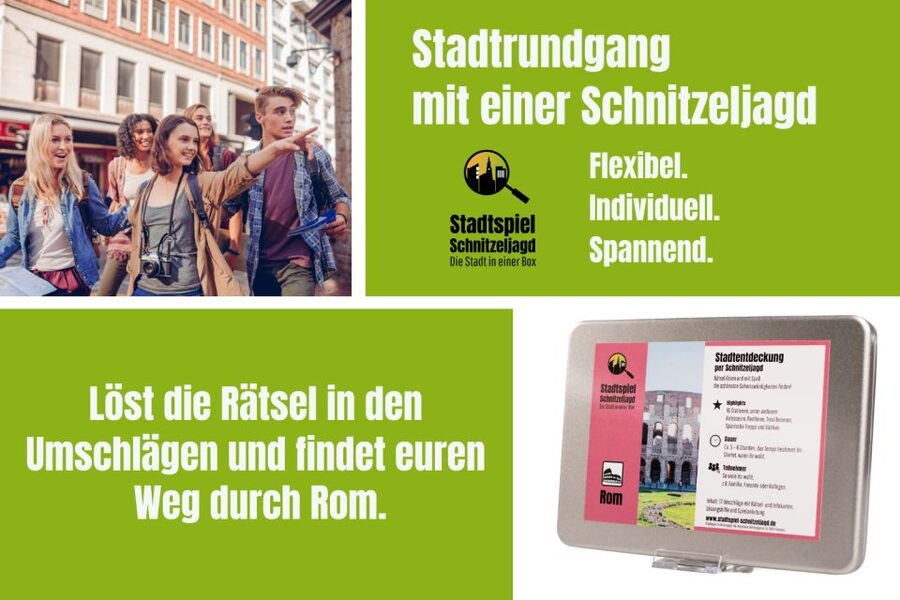
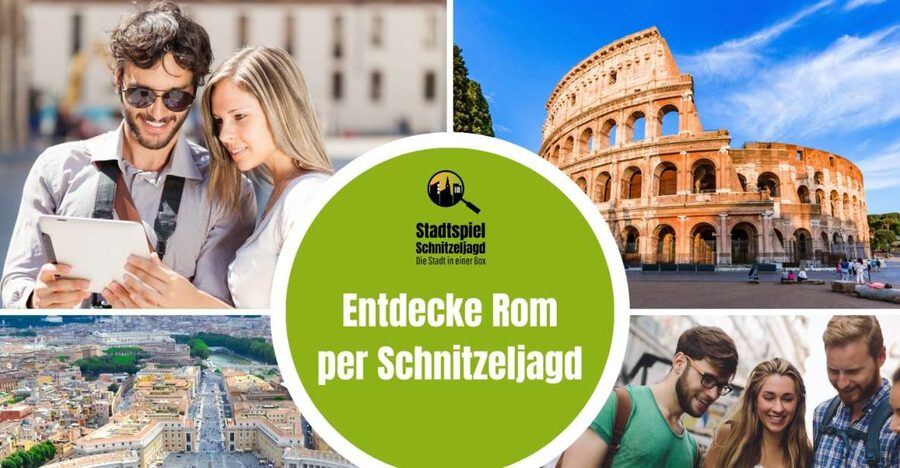
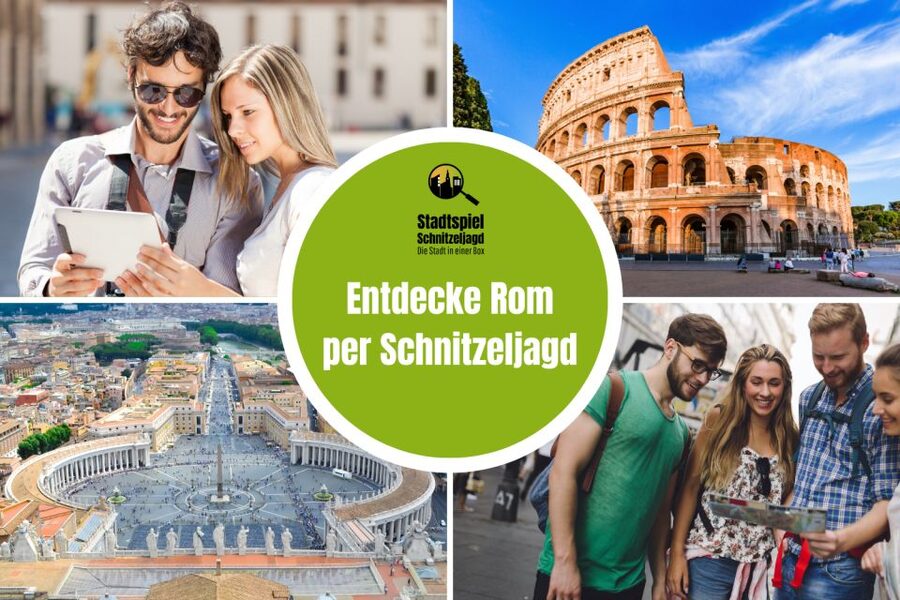
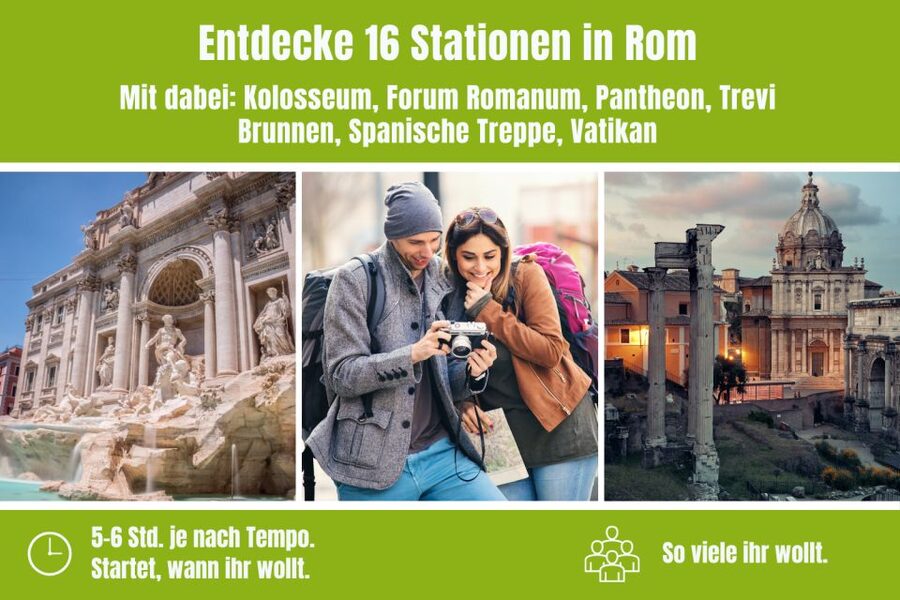
Rome’s grandest sights become a giant outdoor puzzle on this self-guided walk. You begin near the Colosseum, then follow 16 envelopes through ancient ruins, lively piazzas, the Trevi Fountain, Spanish Steps, and Vatican City. The route covers about 10 kilometers and takes roughly five to six hours, but you can split it across several days.
I like the freedom to stop for coffee, photos, or an unexpected church visit without holding up a group. I also like the family angle: children get a reason to keep walking and take turns opening the next envelope. The catch is value. At $53 per group of up to 10, the price can be sensible for a large family or group, but the box contains paper clues rather than a live guide, and one child-focused review found the game dull.
Key points at a glance
- Sixteen envelopes guide the route: Each contains riddles, directions, facts, and information about the next place.
- The Colosseum is your starting point: You then continue to the Roman Forum and Rome’s central squares.
- The route reaches Vatican City: St. Peter’s Square is included, making this a two-state sightseeing day.
- Expect about 10 kilometers of walking: The full route takes around 5.5 hours, though you can pause or spread it over several days.
- No guide or entrance tickets are included: You explore independently and pay separately for attractions, food, transport, and any admissions.
- The box must be mailed to Germany: Shipping takes up to four working days and pickup in Rome is not available.
A city tour that turns walking into a game
This experience is best understood as a sightseeing route with a paper game layered over it. You are not joining a guide or racing against a clock. Instead, you open an envelope, solve a riddle, follow directions, and learn a few facts before moving on.
That structure matters in Rome. The historic center is packed with distractions, grand buildings, fountains, churches, and tempting cafés. A conventional walking tour keeps you moving at the guide’s pace. This one lets you linger, take photos, stop for an espresso, or pause the game for lunch.
The route is planned for about five to six hours and roughly 10 kilometers. That is a substantial walk, especially in warm weather or with younger children. Comfortable shoes are essential. The good news is that you can divide the route across two or three days, as one family did after adding extra visits and detours.
More self-guided and audio tours in Rome:
- Rome: Colosseum & Forum with Audio Guide App -Optional Arena
★ 4.2 · 24,770 reviews - Rome: City Sightseeing Hop-on Hop-off Bus with Audioguide
★ 4.0 · 16,045 reviews - Rome: St. Peter’s Basilica & Dome Entry Ticket & Audio Tour
★ 4.2 · 7,537 reviews
Starting beside the Colosseum and Roman Forum
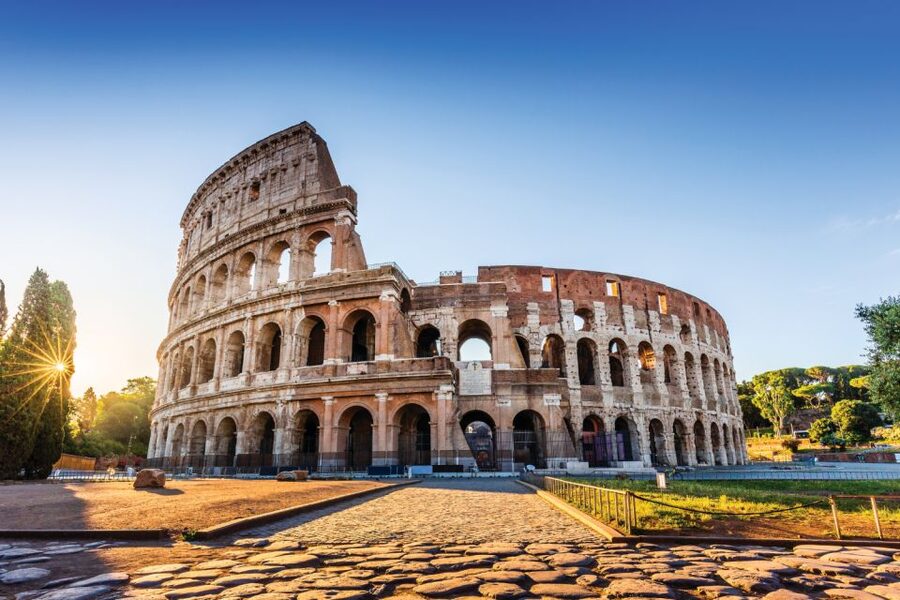
The Colosseum gives the route an unmistakable beginning. Even without entering, you are starting beside one of Rome’s most powerful sights, and the first clues put you in the right frame of mind for the city’s ancient center.
The game also takes you toward the Roman Forum. This is one of the places where the format can work well, since a riddle gives you a small task instead of asking you to absorb a long lecture. You still need to decide if you want to enter the archaeological sites. Admission is not included, so the scavenger hunt itself does not replace a proper Colosseum or Forum visit.
That distinction is important. Think of the game as a route between major sights, not an entrance ticket or a guided archaeological tour. If the Colosseum is high on your list, reserve a separate visit and use the scavenger hunt to connect it with the rest of central Rome.
Piazza Venezia and Rome’s grand center
From the ancient core, the route leads toward Piazza Venezia, one of the city’s major crossroads. This part of Rome gives you a sense of how the old imperial center connects with later monuments, government buildings, and busy city streets.
The clues keep your attention on details you might otherwise pass without noticing. That is one of the stronger reasons to choose this format. You are not simply ticking off famous names. You have a task at each point, then receive context and facts that help give the place meaning.
The game also visits Piazza Colonna and Piazza Navona. These large public spaces offer a welcome change after the ruins. You can stop to look around, find a café, or let children take over the next envelope. The route is not a race, and the ability to pause is one of its clearest advantages.
Piazza Navona and the movie connection

Piazza Navona is included as one of the route’s memorable stops. The square is also connected with Illuminati, the film starring Tom Hanks, which gives the clue-solving a bit of pop-culture flavor.
That kind of detail suits a self-guided game. You can take in the square as a real place, then connect it with something familiar from film. The experience mixes facts, directions, and small discoveries rather than trying to turn every stop into a formal history lesson.
Keep your expectations sensible, though. The supplied material does not describe the puzzles in detail, so you cannot know in advance how difficult or clever each one will be. One family found the game highly motivating, with children eager to open and read the next card. Another family found the children bored. Age, mood, and interest in puzzles will make a real difference.
More escape games and treasure hunts in Rome:
- Open Air Escape Game in Villa Borghese !
★ 4.5 · 145 reviews - Angels & Demons Rome Scavenger Hunt: The Illuminati Escape Game
★ 4.5 · 103 reviews - Open Air Escape Game – TRASTEVERE REVOLUTION
★ 4.5 · 89 reviews - Rome: 2.5-Hour Family Vatican Highlight Scavenger Hunt
★ 4.6 · 51 reviews
The Pantheon and Hadrian’s Temple

The route continues through the heart of Rome to the Pantheon and the remains of the Hadrianeum, also known as the Temple of Hadrian. These stops pack a great deal into a small area, making this one of the most rewarding stretches for first-time visitors.
The Pantheon is especially useful as a planned pause. You can view the exterior as part of the game, then decide if you want to go inside. Entrance fees are not included, and the scavenger hunt does not come with a guide who can explain the building on the spot.
The Hadrianeum gives you another chance to see how Rome layers different periods in the same streets. The clue format encourages you to look up, compare façades, and notice the setting rather than simply walking from one famous name to the next.
Trevi Fountain and the coin tradition
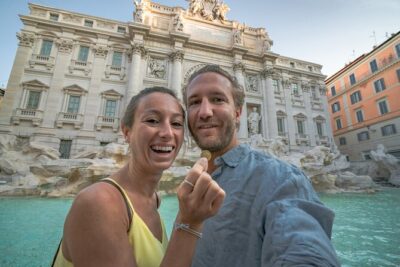
Trevi Fountain brings the route into one of Rome’s most recognizable settings. The fountain’s sculpture and water make it an obvious photo stop, and the game includes the familiar coin-throwing tradition.
You should expect this part of the walk to be busy. The supplied information describes the area as lively, and the fountain is a natural place for crowds to gather. A self-guided format gives you control here. You can pause the game, wait for a clearer view, and continue when you are ready rather than trying to keep up with a group.
The fountain is also a good example of the difference between sightseeing and solving. The riddle may get you there, but you still need to make time to enjoy the place. Do not treat the route as a checklist. The game works best when it gives your day shape without controlling every minute.
The Spanish Steps and a useful change of pace
The Spanish Steps are another headline stop. After the ancient sites and formal squares, this section feels more like a lively part of modern Rome. You can pause for photos, look over the surrounding streets, or stop for a drink nearby.
The route’s café and restaurant options matter here and throughout the day. Ten kilometers is a long walk, and the experience is easier when you plan regular breaks instead of waiting until everyone is tired. The material specifically points to cafés for espresso and bistros or restaurants for longer stops.
There is no included meal, beverage, or transport ticket. That keeps the base price clear, but you should budget for these costs. If you enter the Colosseum, Roman Forum, Pantheon, or another paid sight, those admissions are also extra.
Crossing into Vatican City
The final major section takes you to the Vatican and St. Peter’s Square. This is a useful feature for anyone who wants one route covering both Rome and Vatican City. You get a broader sense of the city rather than spending the entire day around the ancient center.
St. Peter’s Square is a natural endpoint because it feels distinct from the earlier stops. The route begins with Rome’s imperial past and finishes in one of Europe’s most famous religious and architectural settings.
The game does not include entry to the Vatican Museums or St. Peter’s Basilica. It takes you to the square, but any interior visit requires its own planning, ticketing, and time. If you want to see the museums, do not assume you can simply add them without changing the day. The scavenger hunt already takes around 5.5 hours before a long museum visit.
How the envelopes shape your day
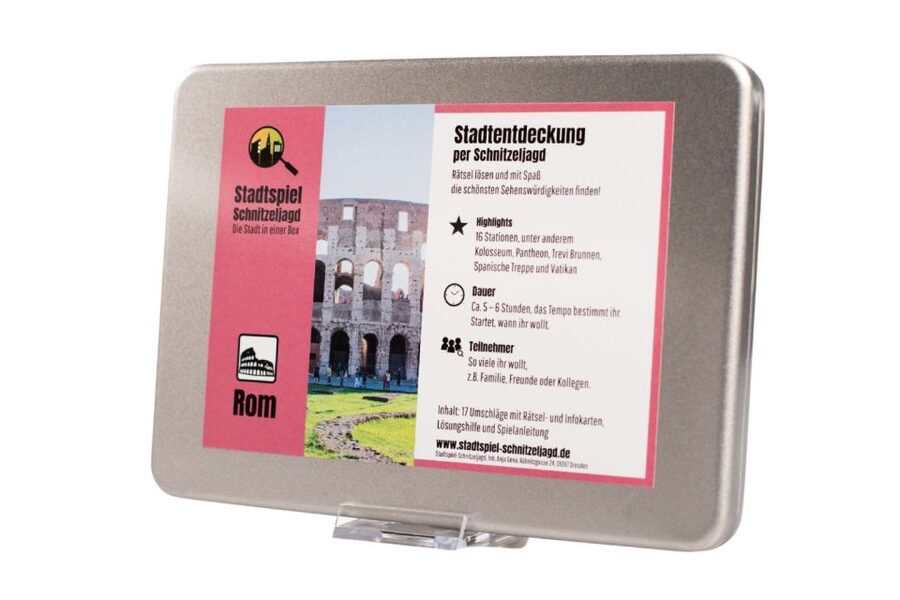
The box contains 16 envelopes with riddles, directions, information, and interesting facts. You open them as the route progresses, so the next instruction becomes part of the reward.
That design is particularly useful for families. Children can take turns opening and reading the cards, and each new task gives them a reason to walk toward the next stop. A German family reported splitting the route across three days because they added other visits and took detours. Another family said the children argued over who could open the next card. Those details show how the activity can turn a long city walk into a shared job.
The emergency envelope contains all solutions. This is a small but important safety net. If a clue does not make sense, you are not permanently stuck in the middle of Rome.
The game is not timed, and you can interrupt it whenever you want. You can resume later, even on another day, after you have received the box. That makes it more flexible than the advertised duration suggests.
What the $53 group price really buys
The price is $53 per group of up to 10 people. For a large family or group of friends, that can be fair because everyone shares one box. Divide it among 10 people and the cost is modest. For two people, the price feels much higher because you are paying for a mailed box with printed materials rather than a guide, transport, or admissions.
This is where your expectations matter. You are paying for route planning, riddles, facts, and the freedom to use the activity at your own pace. You are not paying for expert commentary, personal recommendations during the walk, or reserved access to monuments.
One purchaser felt that the equivalent of 40 euros was too much for the box and its envelopes, and found the children bored. That criticism is fair if you see the product mainly as paper clues. I would judge the value by group size and travel style. For six to ten people who enjoy games, the price is easier to justify. For a couple who wants detailed history, a live walking tour may offer more substance.
Delivery is the practical catch
You must receive the box before you can play. It is shipped only within Germany, takes up to four working days, and is sent no earlier than two weeks before the selected date. You must provide a shipping address, and pickup in Rome is not possible.
This limitation is easy to miss and can rule out the activity for many international visitors. The selected date is not a strict playing appointment, since you can use the game after the box arrives, but the delivery address still has to be in Germany.
There is no guide waiting at the meeting point. Bring the box with you and start whenever you wish. If you prefer a fixed departure, live explanations, and someone to handle navigation, this is not the right format.
Free cancellation is available up to 24 hours before the activity, and you can reserve while paying later. Those policies help if your Rome plans are still changing, but they do not solve the delivery issue.
Who will enjoy this Rome scavenger hunt?
I would choose it for families with children who like riddles, groups of friends who want a shared challenge, and independent visitors who dislike fixed tour schedules. It also suits repeat visitors who know they want to walk through the historic center but do not need a guide explaining every monument.
The route is less suitable for anyone who wants a short outing. Five to six hours and 10 kilometers require stamina, and the day can grow longer when you add meals, photos, detours, or monument visits. Younger children may tire before the route is done, even if the envelopes keep them interested.
Your group should also be comfortable reading directions and managing its own pace. There is no guide to correct a wrong turn or adapt the route to your interests. The emergency solutions help with puzzles, but they do not provide personal assistance.
Should you book it?
Book this scavenger hunt if you want a flexible Rome route, enjoy solving clues, and can receive the box at a German address. It is especially good value for a larger group and can work very well with children who need a reason to keep walking.
Skip it if you want a live guide, detailed commentary, or guaranteed entertainment for children. The strongest feature is freedom, not expert instruction. Used as a playful framework for seeing the Colosseum, Roman Forum, Pantheon, Trevi Fountain, Spanish Steps, and St. Peter’s Square, it can give your Rome days useful structure without taking over your schedule.
FAQ
How long does the Rome scavenger hunt take?
The planned duration is about 5.5 hours, or roughly five to six hours. The route covers about 10 kilometers, but you can pause the game and continue later.
Where does the scavenger hunt start?
The activity starts at the Colosseum. There is no guide at the meeting point, so you must bring the scavenger hunt box with you.
Is a tour guide included?
No. This is a self-guided activity. The box provides riddles, directions, information, and facts for the route.
What does the scavenger hunt box include?
The box includes 16 envelopes and an emergency envelope containing the solutions. Shipping is included.
Does the activity include entrance tickets, food, or transport?
No. Entrance fees, food, beverages, transportation tickets, and arrival and departure costs are not included.
Can I collect the box in Rome?
No. The box is shipped only within Germany, and pickup in Rome is not possible. Shipping can take up to four working days, and the box is sent no earlier than two weeks before the selected date.
Newest Rome tours we have reviewed
- Private TikTok Video Making in Rome★ 5.0 · 7 reviews
- Assisi, Orvieto and Civita di Bagnoregio Full Day Tour from Rome★ 4.5 · 45 reviews
- Assisi & Saint Francis Path Tour from Rome★ 5.0 · 45 reviews
- Assisi and Cascia Private Day Tour from Rome with Lunch★ 5.0 · 10 reviews
- Art Class in the center of Rome!★ 4.0 · 4 reviews
- Art & Craft: Beer Tour with Street Art in Rome★ 4.5 · 6 reviews
- Arrival in Rome: Airport Transfer & Exclusive City Introduction★ 5.0 · 3 reviews
- From Rome: Private Day-Tour of Tuscany★ 5.0 · 16 reviews
Rome Escape Games and Treasure Hunts, compared.
Angels & Demons Rome Scavenger Hunt: The Illuminati Escape Game
Read our review →

Private Family Scavenger Hunt & Art Lab Tour – Rome Landmarks
Read our review →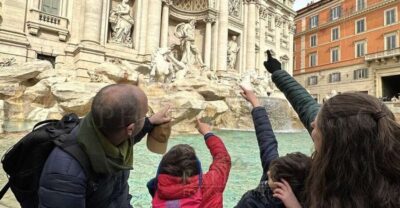
Treasure Hunt for Kids and Families Trevi and Pantheon
Read our review →
Scavenger Hunt For Kids with Prizes around City Center
Read our review →Browse the lists this tour appears in