
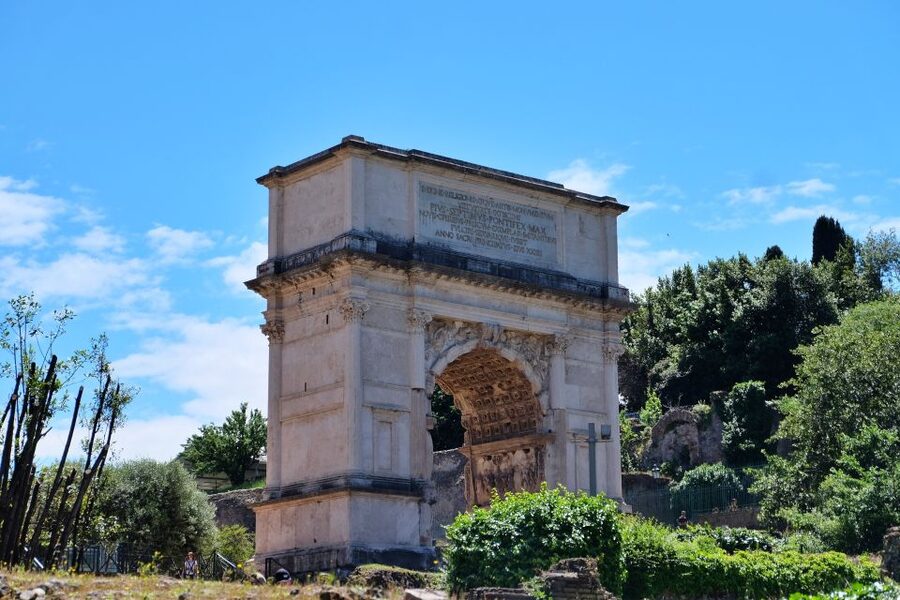
Reviewed · ROME COLOSSEUM TOURS
Rome: Introduction to the Colosseum and Ancient City Tour
The Colosseum is more than a huge stone arena. It was a carefully planned machine for moving up to 50,000 people, staging games that could last 100 days, and making the Flavian emperors look generous. This tour gives you the useful background first, then lets you enjoy the Roman Forum and Palatine Hill at your own pace.
I like the access to all three major sites in one 2.5-hour visit, and I like the use of radios and headsets, which matters when you are standing among crowds and traffic. The guides can lead tours in five languages, and French guide Catherine has led a small group of eight, while Alessandro Palma earned praise for detailed, engaging explanations.
The main drawback is the fixed pace through the Colosseum and the non-refundable booking. You also need an ID for every participant, and the meeting point can change with the option you book. Arrive prepared, since there is no suitcase storage.
Key points to know before booking
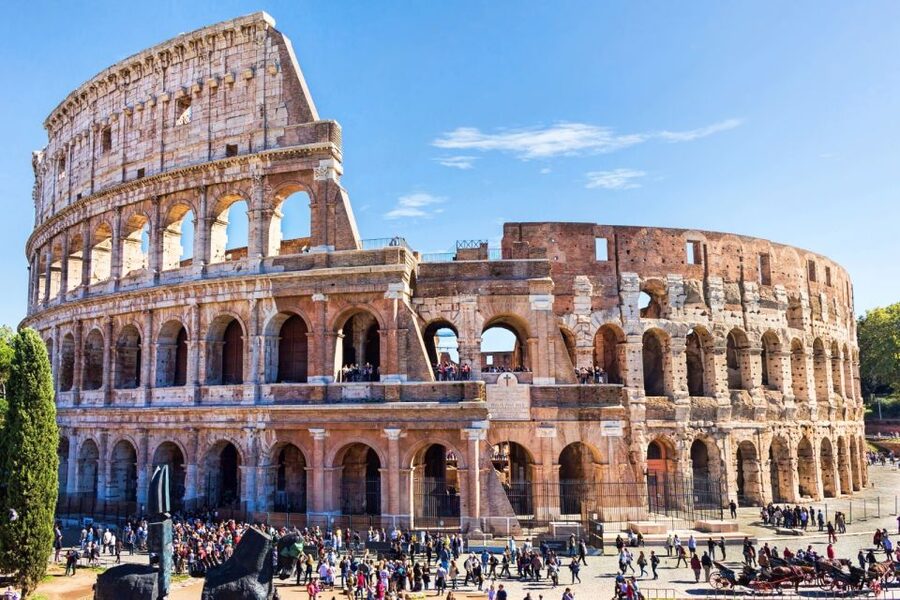
- Three major Roman sites in one visit: Enter the Colosseum, then see the Roman Forum and Palatine Hill.
- A guide-led start with free time after: Learn the basic story, then explore parts of the ancient ruins at your own speed.
- A surprisingly large ancient venue: The Colosseum had more than 80 entrances and could hold about 50,000 spectators.
- Five language choices: Tours are offered in English, French, German, Italian, and Spanish.
- A final look at Trajan’s Column: The experience ends near this famous monument celebrating Roman military power.
- Strict entry rules: Bring a passport or ID card for every person named in the booking, including children.
Why the Colosseum works best with a guide
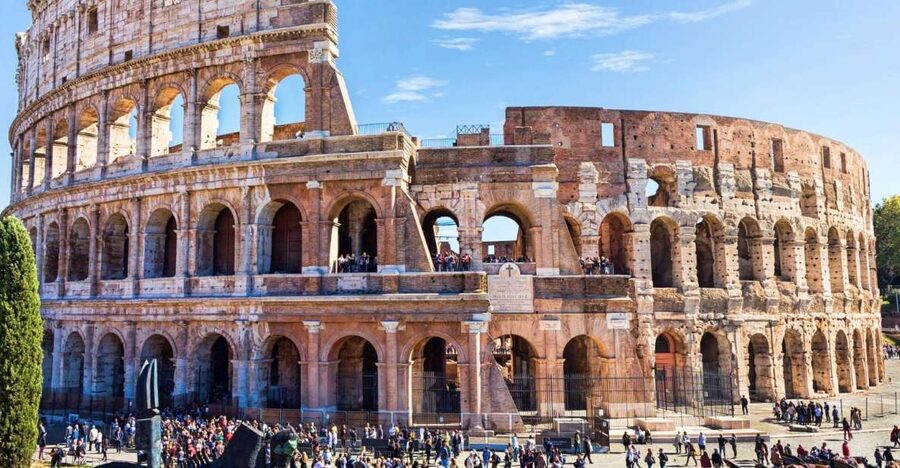
I find the Colosseum easy to admire and surprisingly easy to misunderstand. Without some direction, you see a vast oval of arches and broken stone, but not the planning behind it. A guide can connect the structure to the people who paid for it, the crowds who filled it, and the political message it sent.
The Flavian Dynasty built the Colosseum as a gift to Roman citizens. That gift had a purpose. The emperors wanted popularity, a place for public entertainment, and a grand display of Roman building skill. Those motives help explain why the arena was so large and why the project mattered far beyond sport.
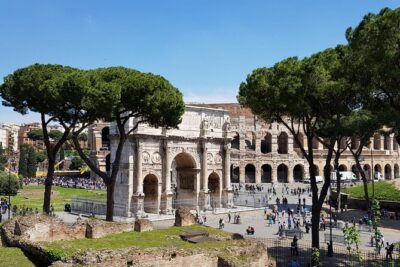
Your guide explains the engineering as you move through the monument. More than 80 entrances helped large crowds enter and leave. The arena could hold around 50,000 spectators, a number that gives the building its proper scale even when you are looking at it in a busy modern city.
The program included gladiator contests, festivals, and other forms of entertainment. Some events continued for as long as 100 days. The guide also covers the gladiators, whose fights were not simply random acts of violence but part of a highly organized public show designed to hold the crowd’s attention.
I especially like the myth and legend element. Ancient Rome is filled with stories that sit somewhere between religion, political theater, and popular memory. A good explanation helps you separate the story Romans told about themselves from the physical evidence still in front of you.
The audio headsets are a practical plus. The Colosseum can be noisy, and a guide’s voice can vanish quickly in an open stone building. With a radio system, you can focus on the monument instead of trying to stay shoulder to shoulder with the group.
More ancient Rome tours:
- Colosseum: Underground and Ancient Rome Tour
★ 4.7 · 12,691 reviews - Colosseum & Ancient Rome with Arena Floor Option I Max 6 People
★ 5.0 · 3,306 reviews - Rome: Colosseum, Ancient Rome Tour or Self AudioGuided Tour
★ 4.4 · 2,866 reviews
Seeing the arena without rushing past its meaning
The Colosseum is the first major part of the experience, and it is also the section with the most structured timing. You follow the guide through the accessible areas included with your ticket while the history is explained around you.
I would pay close attention to the engineering details rather than treating the visit as a photo stop. The building’s entrances, crowd flow, scale, and design reveal how Roman leaders used architecture to manage public life. The arena was made to entertain, but it was also made to impress.
This is where the tour’s short length helps and limits you. Two and a half hours is enough to get a clear introduction to the central sites, but it is not enough for a slow, exhaustive study of every ruin. You get a focused route rather than a full-day archaeological examination.
For many people, that is a fair trade. If you have only one day for ancient Rome, a guide keeps the visit moving and makes sure you do not miss the main ideas. If you want hours of quiet photography or close study of individual stones, you may prefer more independent time after the tour.
Keep your expectations clear about the phrase skip the ticket line. It means the ticket line is avoided, but you still need to follow the site’s entry procedures and security rules. Bring your required ID, and do not arrive with oversized luggage or prohibited items.
The Roman Forum, once Rome’s public center
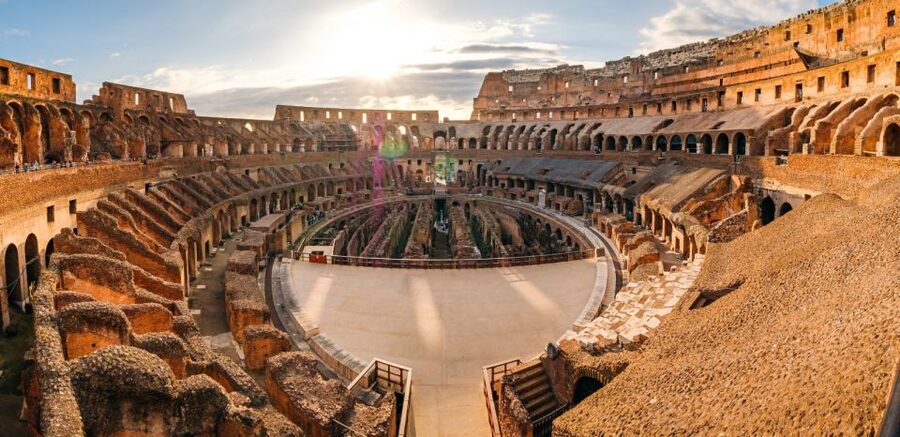
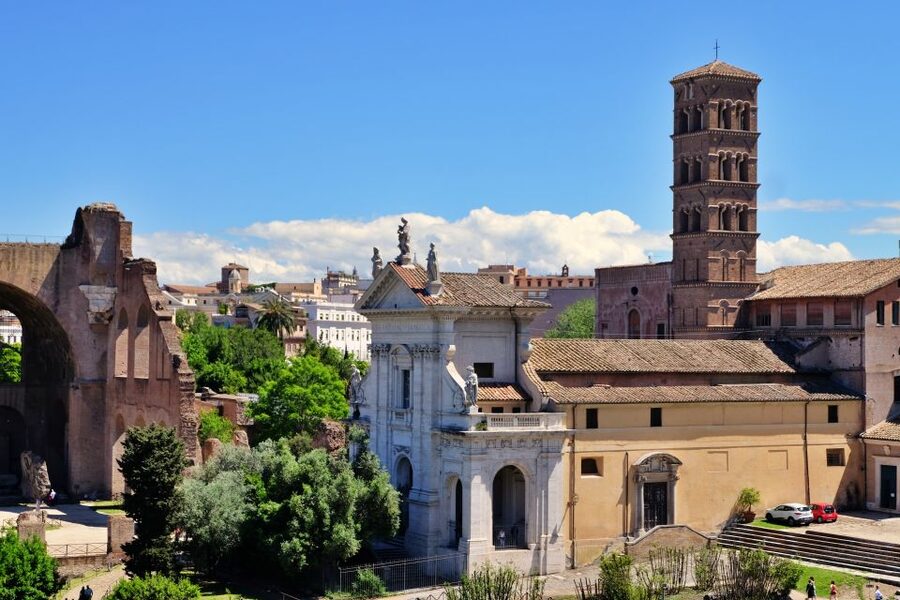
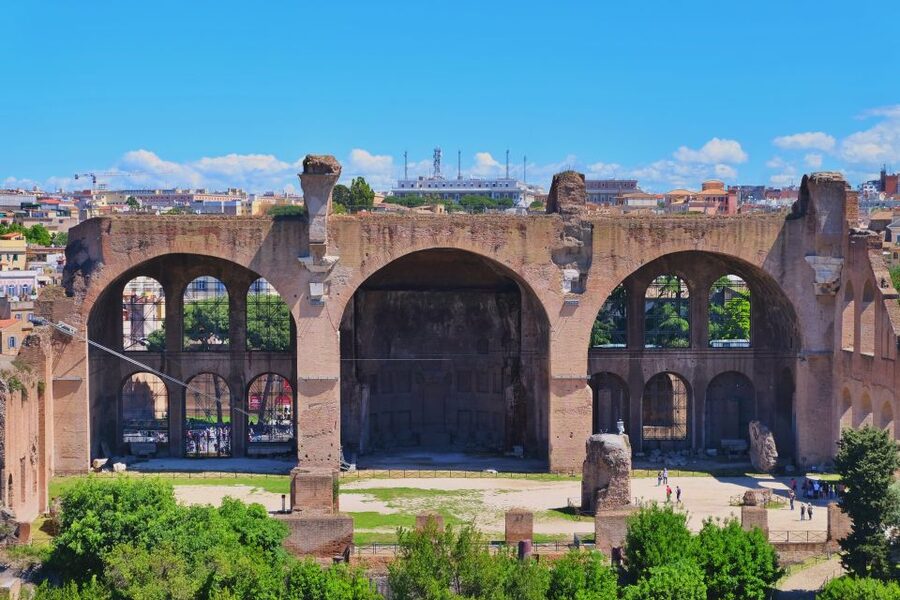
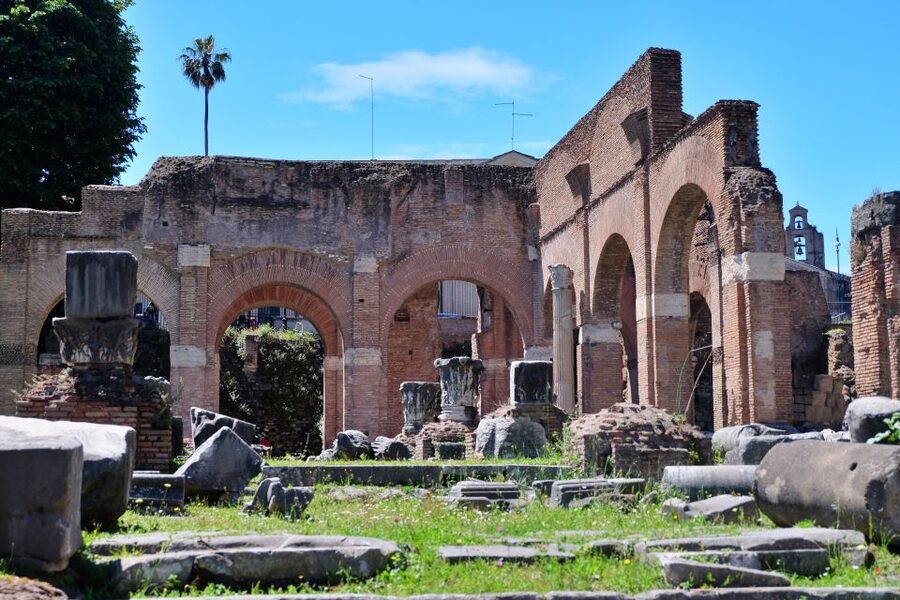
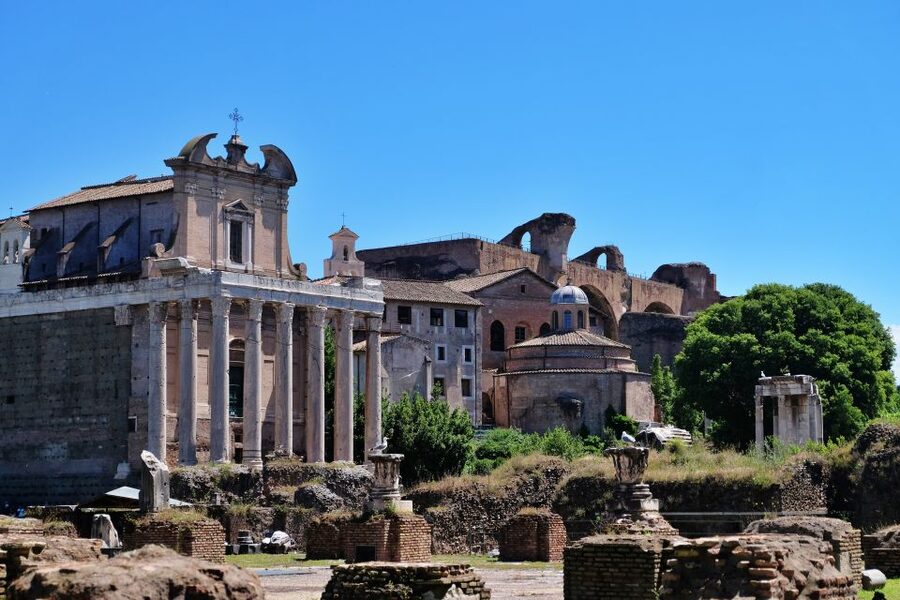
After the Colosseum, the route continues to the Roman Forum. This is the part of ancient Rome that can feel confusing at first, because the site is a wide field of columns, foundations, temples, arches, and broken walls.
A guide gives those fragments a job to do. The Forum was the social, political, religious, and financial center of the Roman Empire. People from all levels of society crossed paths here, from senators and business owners to beggars and other people living on the margins.
That social mix is important. The Forum was not only a collection of temples for emperors and gods. It was a working public center where political arguments, religious ceremonies, business deals, and daily encounters took place.
I like having the guide explain the Forum before being given time to look around independently. Once you know what role the area played, the scattered remains become easier to read. You can pause at a structure and think about its use instead of seeing only another pile of old stone.
The independent time is one of the better features of this experience. You can walk at your own pace through the remaining areas, take photographs, or return your attention to a ruin the guide mentioned. The exact amount of free time can depend on the group and site conditions, so do not treat it as an unlimited self-guided visit.
Wear practical shoes. The provided information does not promise smooth surfaces, and archaeological sites naturally include uneven ground and exposed areas. You should also be ready for sun or heat in summer, when the visit is shortened to two hours in July and August.
Palatine Hill and the layers above the Forum
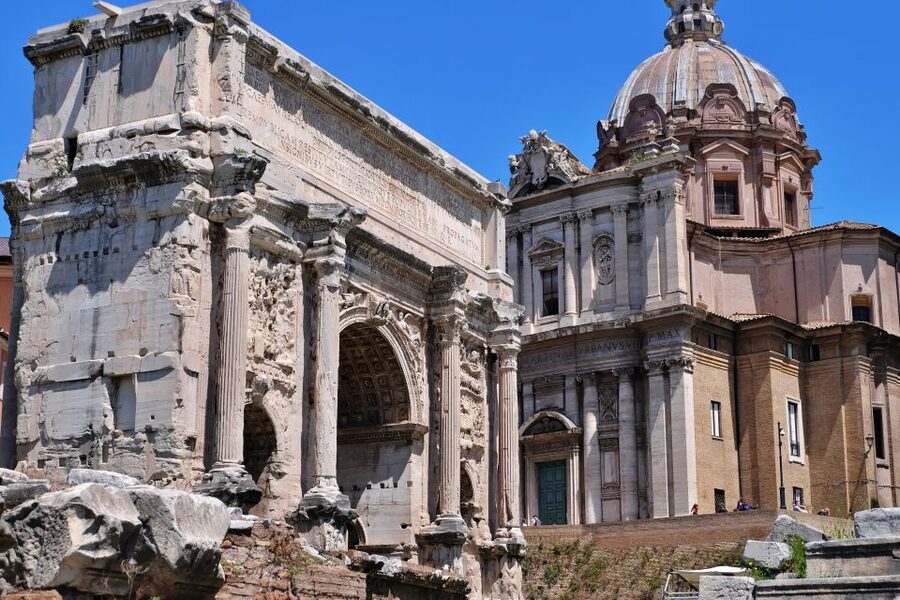
Palatine Hill gives the tour a different feeling. The Forum shows Rome’s public life, while the hill connects the city to its earliest foundations and its imperial palaces.
The hill is linked with the foundation of Rome and includes remains from the early kingdom in the seventh century BCE. Later layers belong to the Roman Republic and the Imperial period. The remains of Emperor Domitian’s palace show how the hill changed from an early settlement area into a setting for imperial power.
The story does not stop in antiquity. The hill also carries traces of the Farnese family during the Renaissance and the presence of Mussolini in the 20th century. That long sequence is useful because it shows that Rome was not abandoned after the fall of the Roman Empire. Later generations kept building, claiming, and reshaping the same ground.
You also get panoramic views toward the Colosseum from Palatine Hill. This is a natural place for photographs, but I would take a moment to look beyond the famous view. From above, the relationship between the arena, the Forum, and the hill becomes much easier to understand.
The guide-led portion supplies the framework, and the at-your-own-pace portion lets you decide what deserves more attention. That balance suits me better than a tour that keeps talking from the first gate to the last without giving you a moment to look.
More Colosseum tours in Rome:
- Rome: Colosseum, Palatine Hill and Roman Forum Guided Tour
★ 4.8 · 32,814 reviews - Rome: Guided Tour of Colosseum, Roman Forum & Palatine Hill
★ 4.7 · 27,897 reviews - Rome: Colosseum & Forum with Audio Guide App -Optional Arena
★ 4.2 · 24,770 reviews - Rome: Colosseum, Roman Forum and Palatine Hill Guided Tour
★ 4.5 · 23,903 reviews
Ending near Trajan’s Column
The route ends at Trajan’s Column, a famous monument celebrating Roman victory and power. Its location gives the experience a strong closing image after the Colosseum, Forum, and Palatine Hill.
Trajan’s Column is particularly useful as a reminder that Rome’s monuments were political messages. The Colosseum presented imperial generosity and engineering skill. The column celebrated military success. Together, they show how Roman rulers used public buildings and monuments to shape how people understood power.
The end point also matters for planning the rest of your day. Since the meeting point can vary by booking option but the tour finishes at Trajan’s Column, check the exact instructions before leaving your hotel. Do not assume the starting and ending points are the same.
The guides and language choices
The tour is offered in English, French, German, Italian, and Spanish. That range is valuable at a site where a precise explanation makes a real difference.
Specific guides have received especially strong praise. Catherine led a French group of eight with clear explanations, visual aids, and precise French. Alessandro Palma was described as thorough, engaging, attentive, and full of interesting details.
One English-language guide was also praised for being a certified guide with strong command of ancient history and the local area, while keeping the tone pleasant and funny. I would not assume you will receive a particular guide, but these examples show the sort of teaching style to hope for: factual, personable, and willing to answer questions.
Small groups can make a major difference, but group size is not promised for every departure. If your booking option specifies a smaller group, that may be worth choosing, especially if you want to ask questions or hear every explanation clearly.
Is $58 a fair price?
At $58 per person, the tour is not the cheapest way to enter the Colosseum. But the price includes the Colosseum entrance, the Palatine Hill and Roman Forum visit, a live guide, headsets, and reservation-related services.
The basic adult archaeological admission is listed as €16, plus a €2 reservation fee. Children under 18 enter free under the site admission rules, but the guided experience still includes guide services, audio equipment, reservations, and other tour costs. That distinction matters when you compare the advertised tour price with the cost of a basic entrance ticket.
I see the value mainly in the explanation and time saved. The Forum and Palatine Hill are much easier to understand when someone gives you a clear map of their purpose. The skip-the-ticket-line feature can also help you use your Rome sightseeing time more efficiently.
If you already know Roman history well and prefer wandering alone, the added cost may not feel worthwhile. If this is your first visit, the price is reasonable for a focused introduction to three of the city’s most important ancient sites.
Practical rules that can make or break entry
Bring a passport or ID card for every participant. Children need identification, too. Full names must be entered for all people in the booking, and incomplete information can prevent guaranteed entry.
Do not bring a suitcase or oversized luggage. There is no suitcase compartment. Pets, weapons, sharp objects, smoking materials, food and drinks, alcohol, drugs, aerosols, and glass objects are not allowed.
Unaccompanied minors and electric wheelchairs are also listed as not permitted. If either point affects your group, check before paying because the activity is non-refundable.
The meeting point depends on the option selected. Read the booking instructions carefully, then allow enough time to find the correct Crown Tours location. One practical warning: the tour office area can be crowded and confusing, so do not leave arrival until the last minute.
Who should book this ancient Rome tour?
I would choose this experience for a first visit to Rome, especially if you want the main ancient sites explained without giving up all independent time. It also suits people who like history told through myths, political motives, engineering, and daily life rather than a list of dates.
Families with older children may appreciate the short format and the gladiator stories, though every child needs an ID and the activity does not allow unaccompanied minors. Language choice is another strength for families or couples who want the explanation in French, German, English, Italian, or Spanish.
I would be more cautious if you need a fully accessible experience, plan to carry luggage, want a private tour, or expect a long, leisurely archaeological study. The route has a fixed guided element, the booking cannot be refunded, and the visit is shorter in July and August.
Should you book the Colosseum and Ancient City Tour?
Book it if you want a clear, efficient introduction to the Colosseum, Roman Forum, and Palatine Hill, with a guide to explain what you are seeing and free time to look around afterward. The headsets, language choices, and final stop at Trajan’s Column add practical value.
Skip it if you prefer complete independence or already have a strong grasp of ancient Rome. For everyone else, $58 is a sensible price for an organized introduction, provided you bring the required ID, avoid luggage, and accept the non-refundable terms.
FAQ
How long does the tour last?
The standard duration is 2.5 hours. In July and August, the visit lasts 2 hours.
Which sites are included?
The tour includes the Colosseum, Palatine Hill, and Roman Forum. It ends at Trajan’s Column.
What languages are available?
Live tours are available in English, French, German, Italian, and Spanish.
Is the tour guided?
Yes. A live guide leads the visit, and radios with headsets are provided so you can hear the explanation more clearly.
Do I need to bring identification?
Yes. Every participant must bring a passport or ID card, including children. Full names for all participants are also required in the booking.
Can I bring a suitcase?
No. There is no suitcase compartment, and oversized luggage is not allowed.
Is entrance to the Colosseum included?
Yes. Colosseum entrance, the Palatine Hill and Roman Forum visit, a live guide, and headsets are included.
Can I cancel the booking?
No. This activity is non-refundable.
Newest Rome tours we have reviewed
- Private TikTok Video Making in Rome★ 5.0 · 7 reviews
- Assisi & Saint Francis Path Tour from Rome★ 5.0 · 45 reviews
- Assisi, Orvieto and Civita di Bagnoregio Full Day Tour from Rome★ 4.5 · 45 reviews
- Assisi and Cascia Private Day Tour from Rome with Lunch★ 5.0 · 10 reviews
- Art Class in the center of Rome!★ 4.0 · 4 reviews
- Art & Craft: Beer Tour with Street Art in Rome★ 4.5 · 6 reviews
- Arrival in Rome: Airport Transfer & Exclusive City Introduction★ 5.0 · 3 reviews
- From Rome: Private Day-Tour of Tuscany★ 5.0 · 16 reviews
Rome Colosseum Tours, compared.
Colosseum, Palatine Hill and Roman Forum Guided Tour
Read our review →
Guided Tour of Colosseum, Roman Forum & Palatine Hill
Read our review →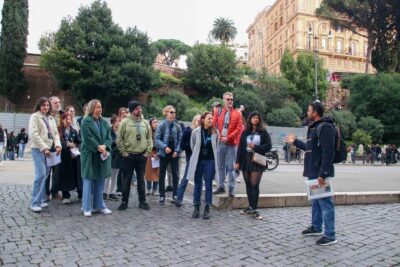
Colosseum & Forum with Audio Guide App -Optional Arena
Read our review →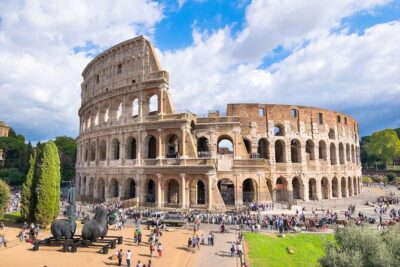
Colosseum, Roman Forum and Palatine Hill Guided Tour
Read our review →
Colosseum, Forum & Palatine Hill Tour & Optional Arena
Read our review →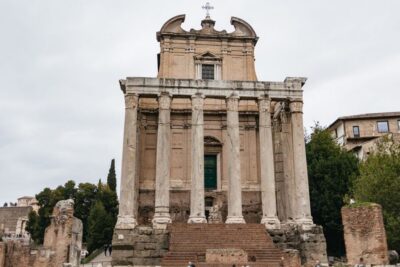
Colosseum, Palatine Hill & Roman Forum Guided Tour
Read our review →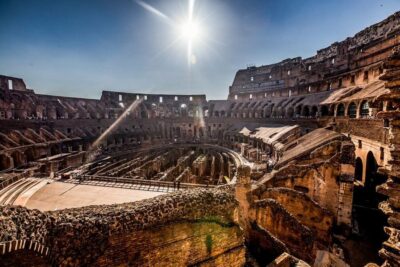
Colosseum: Underground and Ancient Rome Tour
Read our review →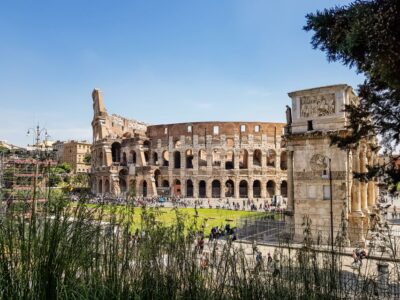
Colosseum Arena, Palatine Hill & Forum Guided Tour
Read our review →Browse the lists this tour appears in