
Reviewed · ROME
Rome: MIAC Italian Museum of Moving Images Entry Ticket
Cinecittà Studios is where Italian cinema becomes a physical place. At the Museo Italiano del Cinema, you move from film clips and costumes to old production tools, sets, and hands-on displays that show how movies are made. The setting matters: this is the famous Rome studio complex known as Hollywood on the Tiber, founded in 1937.
I like the way the museum connects famous films with practical filmmaking technology, rather than treating cinema as only a collection of stars and posters. I also like the interactive installations, which give you something to do instead of asking you to read wall text for an hour. The main drawback is that the museum’s purpose may feel unclear if you have just visited another Cinecittà museum or studio attraction, so give yourself time to understand how this experience differs.
Key points to know before you go
- Cinecittà Studios is the setting: You visit one of Europe’s major film studio sites, not a general city museum.
- Film history is shown through objects and clips: Expect costumes, sets, historic artifacts, and classic movie footage.
- Interactive displays are part of the admission: The museum uses hands-on installations to explain filmmaking.
- The experience is in Italian: No other language is specified, so visual exhibits may be especially useful if you do not speak Italian.
- The ticket costs $15 per person: For a full day of access, the price can be fair for film fans, but the value depends on how much time you spend with the exhibits.
- Plan for a museum visit, not a guided tour: An Italian-speaking host or greeter is listed, but no named guide or live tour in another language is provided.
What the Museo Italiano del Cinema actually offers
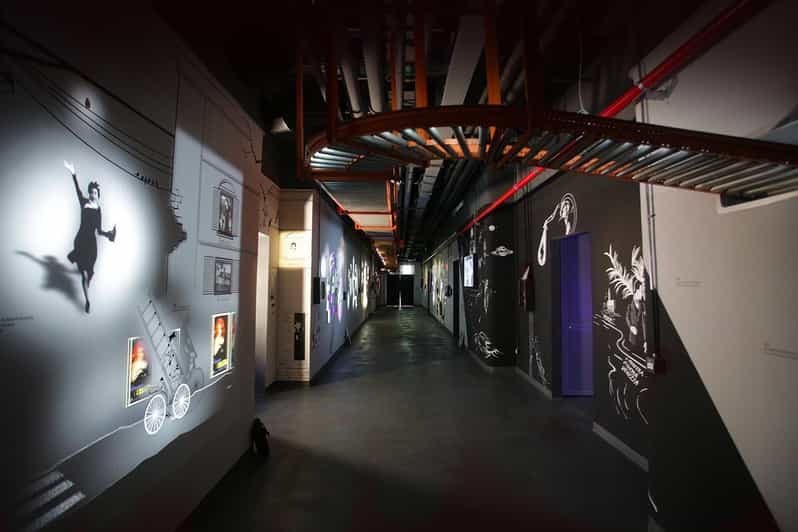
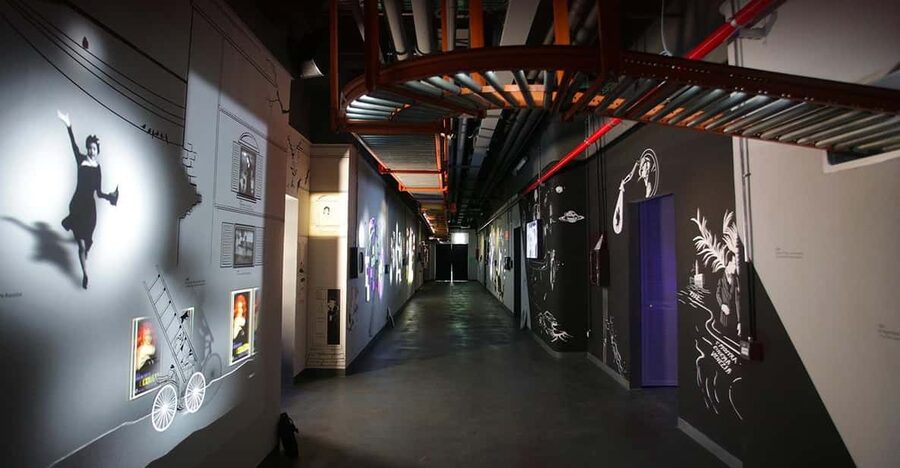
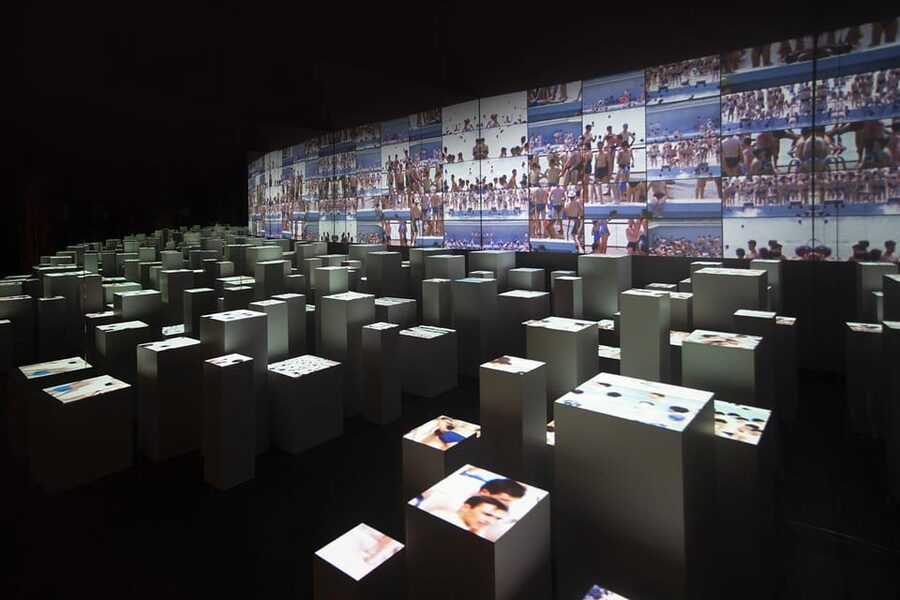
The Museo Italiano del Cinema focuses on the story of Italian filmmaking and the tools behind it. Instead of presenting Cinecittà only as a place where famous productions were filmed, it uses clips, objects, costumes, sets, and interactive stations to explain how movies are built.
That distinction is important. If you are expecting a full studio tour with a guide leading you from active soundstage to active soundstage, this ticket may not match your plans. The information provided describes entry to the museum and its interactive installations. The main experience is therefore exhibition-based, with the studio setting adding atmosphere and context.
You can expect several kinds of displays. Film clips show how Italian cinema changed over time. Historical artifacts connect those films to the equipment and working methods used behind the camera. Costumes and sets help turn an abstract film title into something you can see at close range.
The museum also looks at filmmaking technology. This gives the visit a useful structure: you are not simply looking backward at old movies, but following changes in the way films were produced. For anyone interested in cameras, sets, special effects, editing, or production design, that technical angle may be the most rewarding part.
More museums and galleries in Rome:
- Vatican Museums & Sistine Chapel Tour with Optional Basilica
★ 4.3 · 67,413 reviews - Vatican Museums, Sistine Chapel & St Peter’s Basilica Guided Tour
★ 4.5 · 39,149 reviews - Rome: Vatican Museums, Sistine Chapel & Basilica Tour
★ 4.3 · 13,872 reviews
Why Cinecittà Studios adds value
The museum would be a different experience if it were in an ordinary gallery downtown. Cinecittà Studios gives the visit a direct link to the working world of Italian film. The studio complex has been active since 1937 and is the largest film studio in Europe, according to the supplied activity information.
That setting helps explain why the museum belongs in Rome. Italian cinema is not presented as a remote subject in a textbook. You are looking at film culture inside the place where many productions were made. Even if you do not recognize every title or filmmaker, the connection between the exhibits and the studio grounds gives the visit a stronger sense of place.
I would pay attention to the difference between a cinema museum and a studio attraction. The museum explains film as an art and a technical process. The wider studio site represents the production environment. If you have already visited another Cinecittà attraction, check what you are buying so you do not expect the same presentation twice.
This is also why the one negative booking note is useful. One person found the concept hard to understand after coming from the Cinecittà museum. That suggests you should arrive with a simple question in mind: am I here to see how Italian film developed, or am I mainly looking for sets and famous movie locations? The museum is better suited to the first purpose, although the sets and artifacts help bring it to life.
The film clips and historic objects
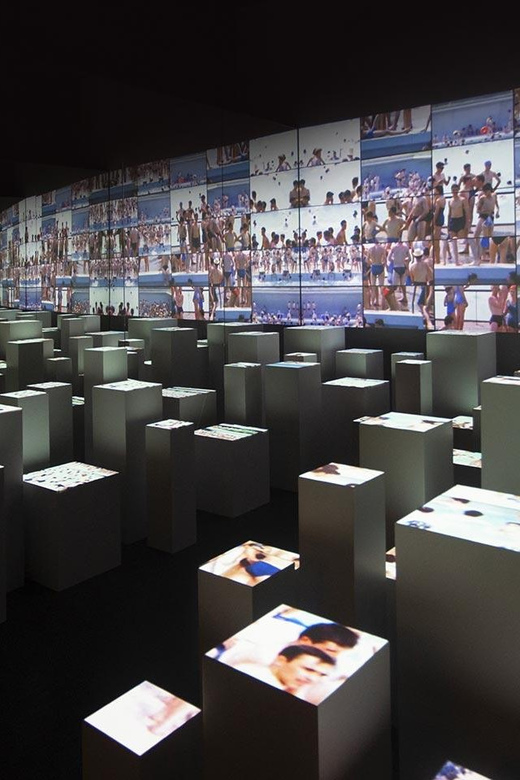
Classic film clips are one of the clearest ways to enter the subject. You do not need to know every director or production beforehand. Short pieces of film can show changes in style, acting, camera work, and storytelling more quickly than a long written panel.
The historic objects add a physical layer. A costume can show how a production created a character. A set can reveal how much of a movie world was built by hand. Production artifacts make the work behind the screen easier to grasp, particularly if you usually think of films only as finished products.
I like this mix because it gives you different ways to learn. Watch the clips if you want the artistic side. Study the objects if you are interested in the practical work. Spend time with the sets if you want the most visual part of the visit.
The limitation is that the activity information does not identify particular films, costumes, or filmmakers on display. I would not book this ticket expecting a guaranteed list of famous props or a single blockbuster theme. The collection is presented as a broad look at Italian cinema, so the exact appeal may depend on which exhibits are available during your visit.
Interactive installations and changing film technology
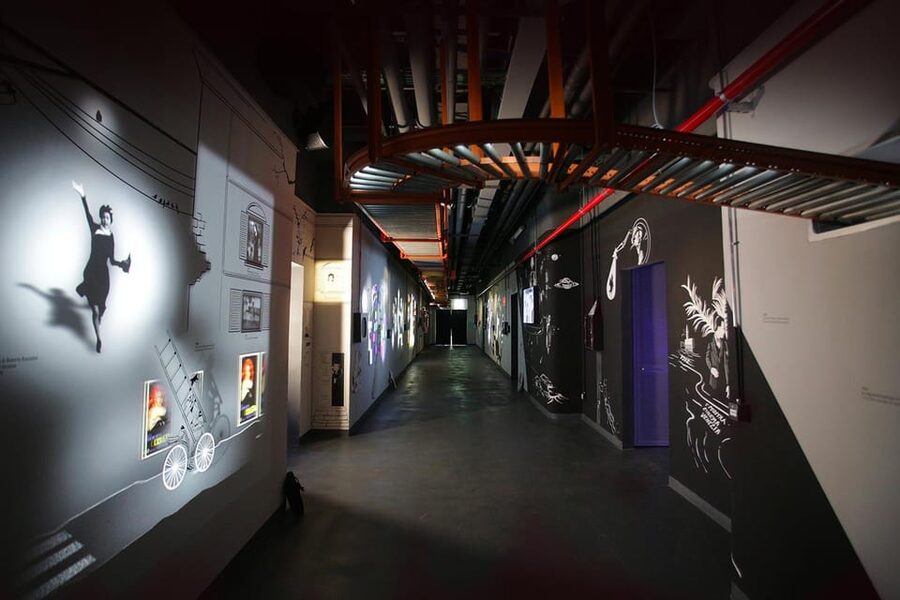
The interactive installations are meant to keep the museum from feeling like a row of display cases. They give you a more active way to understand cinema, especially the technical changes that shaped filmmaking.
This matters because technology can be hard to explain with dates alone. An interactive display may help you see how an old production method differs from a newer one, or how separate parts of film production come together. The supplied information does not specify the exact games, controls, or subjects, so you should think of them as a useful feature rather than a promised list of particular activities.
The technology section may be especially good for families and visitors who do not already know Italian film history. Children may respond first to the hands-on elements, while adults can focus on how filmmaking changed over time. Since the museum’s listed language is Italian, visual and interactive material may also help visitors who read little Italian, though the amount of English support is not stated.
Do not expect every part of the museum to be interactive. The collection also includes film clips, artifacts, costumes, and sets. You will get the most from the visit by giving each type of display a different kind of attention instead of rushing from one hands-on station to the next.
More tickets and entry passes in Rome:
- Rome:Hop-On Hop-Off Panoramic Open Bus Ticket 3 Circuits x 1
★ 4.0 · 15,405 reviews - Vatican Museums & Sistine Chapel Skip-the-Line Entry Ticket
★ 4.4 · 13,838 reviews - Vatican Museums & Sistine Chapel Skip-the-Ticket-Line Tour
★ 4.3 · 10,486 reviews - Rome: St. Peter’s Basilica & Dome Entry Ticket & Audio Tour
★ 4.2 · 7,537 reviews
What the Italian-only format means
Italian is the listed language for the activity, and the host or greeter is also listed as Italian. No named guide is provided, and the information does not promise English commentary or written translations.
That does not make the museum off-limits to non-Italian speakers. Film is a visual subject, and clips, costumes, sets, and objects can communicate a good deal without perfect language skills. Still, if you want detailed explanations of directors, production methods, or technology, the language limitation may reduce what you take away.
I would treat this as a better choice for independent exploration than for visitors seeking a guided lesson in English. If you know a little Italian, you will likely get more from the text. If you do not, focus on the visual material and allow extra time to work out the displays.
The lack of a named guide also means you should not plan around a personal tour led by a particular film expert. An Italian-speaking host or greeter may be available, but the supplied details do not describe the person’s role, schedule, or length of assistance.
How much time should you allow?
The ticket is valid for one day, and the listed duration is one day. That does not mean you must spend every hour inside the museum. It means you have a generous window to visit within the stated validity period, subject to the available starting times shown when booking.
A short visit could work if you mainly want to see the key displays and a few film clips. A longer stay makes more sense if you enjoy reading, watching footage, and trying the interactive installations. The number of exhibits and the size of the museum are not specified, so I would avoid planning a strict minute-by-minute schedule.
The one-day validity can be useful in a full Rome plan. You do not need to treat this as a rushed stop between major ancient sites. Instead, give it a place in a day when you are already exploring the Cinecittà area or want a break from Rome’s churches, ruins, and crowded central streets.
Because the museum’s concept may be confusing after another Cinecittà visit, take a moment at the start to understand what this particular collection is showing. That small pause can make the rest of the visit feel more connected.
Is $15 a fair price?
At $15 per person, the ticket sits in a reasonable range for a specialized museum experience, especially if you are interested in Italian cinema or interactive displays. You are paying for access to the Museo Italiano del Cinema and its installations, not for transport, a meal, or a separately described guided studio tour.
The value depends on your level of interest. A film enthusiast could easily find the clips, artifacts, costumes, sets, and technology displays worth the cost. A casual visitor who expects a quick collection of famous movie props may feel the visit is less substantial, particularly if the Italian-only format limits the written information.
The strongest value comes from combining the museum with a broader visit to Cinecittà Studios. The studio location gives the admission more meaning than a standard cinema exhibition would have elsewhere. But you should be clear about what is included: the supplied details promise museum entry and access to interactive installations, not every attraction found at the studio complex.
The ticket is non-refundable, so check the date and starting-time options carefully before paying. The activity is wheelchair accessible, which makes it a practical option for visitors who need step-free access, although no further accessibility details are supplied.
Who will enjoy this most?
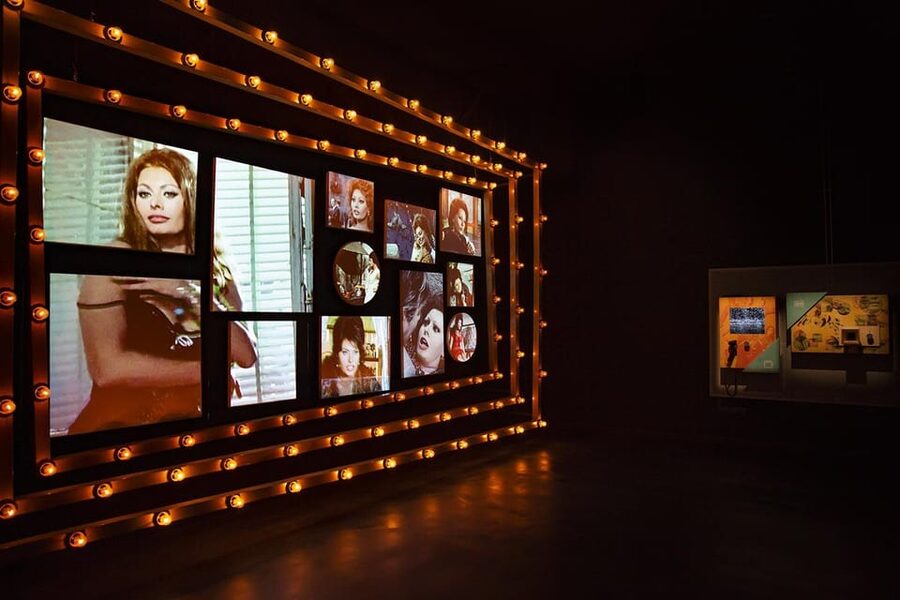
I would recommend this experience first to people who enjoy film as a craft, not just as entertainment. You will have the best time if you like seeing how technology, costumes, sets, and production choices shape what appears on screen.
It also suits families looking for an educational stop with interactive elements. The museum can give children a way to connect movie magic with real objects and working methods. Still, because the listed language is Italian, adults may need to help interpret the displays if younger children do not understand Italian.
This is less suitable for someone who wants a fully guided English tour or a guaranteed collection of one particular director’s work. The supplied information does not name a guide, promise English interpretation, or list specific films and props.
For a first-time Rome visitor, I would choose this only if cinema is already part of your interests. Rome offers many major sights that explain the city itself. MIAC offers something more specialized: a look at how Italy made and shaped movies.
Should you book the MIAC ticket?
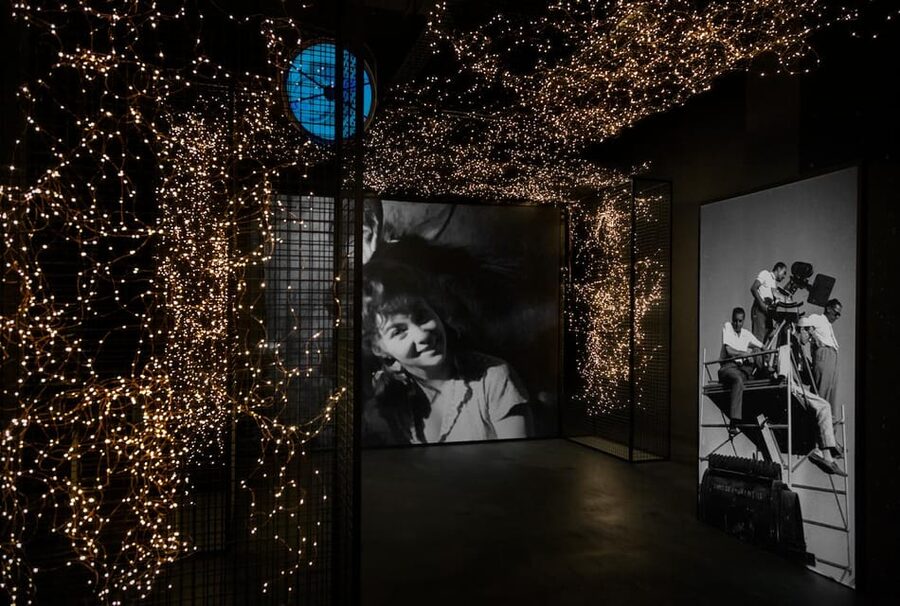
Book it if the idea of walking through Italian film clips, costumes, sets, production objects, and interactive displays sounds appealing. The Cinecittà setting adds real value, and the $15 price is fair for a focused cinema museum with a full-day validity.
Skip it if you are looking for a guided studio tour, English commentary, or a clearly defined collection centered on named films. Also pause if you have just visited another Cinecittà museum and are not sure how this attraction differs. The concept can take a little sorting out.
My practical advice is simple: go for the filmmaking story, not only the famous studio name. If you want to understand how Italian cinema developed and how movie technology changed, this ticket offers a worthwhile stop. If you only want a quick photo with a recognizable set, your money may be better spent elsewhere.
FAQ
Where is the Museo Italiano del Cinema located?
It is located inside Cinecittà Studios in Rome, in the Lazio region of Italy.
What does the ticket include?
The ticket includes entry to the Museo Italiano del Cinema and access to its interactive installations.
How much does admission cost?
The listed price is $15 per person.
How long is the ticket valid?
The ticket is valid for one day.
Is a guide included?
An Italian-speaking host or greeter is listed, but no named guide or detailed guided-tour service is specified.
What language is the experience in?
Italian is the listed language for the activity.
Is the museum wheelchair accessible?
Yes. The activity is listed as wheelchair accessible.
What can I see inside the museum?
You can see classic film clips, historical artifacts, costumes, sets, and exhibits about filmmaking technology.
Are interactive displays included?
Yes. Access to the interactive installations is included with the museum entry ticket.
Can I cancel the booking for a refund?
No. The activity is listed as non-refundable.
Newest Rome tours we have reviewed
- Private TikTok Video Making in Rome★ 5.0 · 7 reviews
- Assisi, Orvieto and Civita di Bagnoregio Full Day Tour from Rome★ 4.5 · 45 reviews
- Assisi & Saint Francis Path Tour from Rome★ 5.0 · 45 reviews
- Assisi and Cascia Private Day Tour from Rome with Lunch★ 5.0 · 10 reviews
- Art Class in the center of Rome!★ 4.0 · 4 reviews
- Art & Craft: Beer Tour with Street Art in Rome★ 4.5 · 6 reviews
- Arrival in Rome: Airport Transfer & Exclusive City Introduction★ 5.0 · 3 reviews
- From Rome: Private Day-Tour of Tuscany★ 5.0 · 16 reviews