
Reviewed · ROME
Roamin’ Around Rome Guided Tour
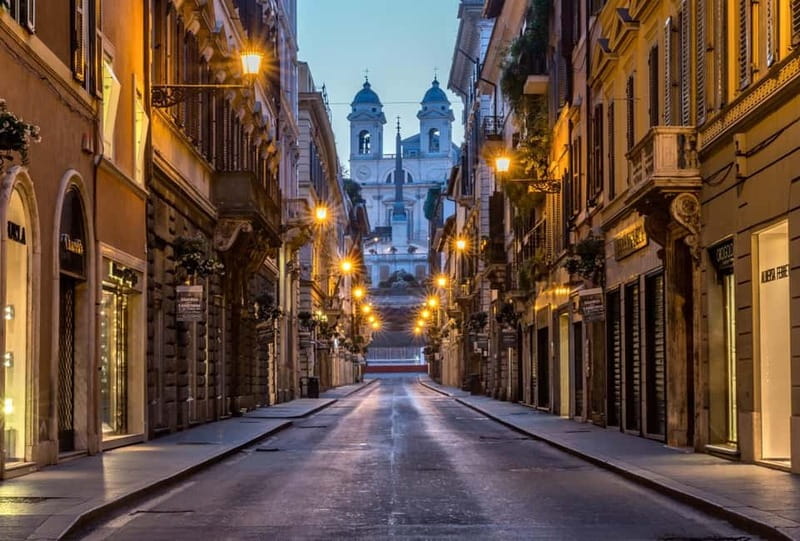
Rome reveals a different personality after sunset. Marble facades glow, fountains sound louder in the quieter streets, and the Pantheon, Trajan’s Column, and Trevi Fountain take on a theatrical look. This 2.5-hour walking tour links the big sights with lesser-known stops, including Galleria Sciarra and the underground Vicus Caprarius.
I like the route’s mix of famous monuments and small discoveries. I also like the human touch: guides Pilar and Furio are specifically praised for making the walk friendly and informative. The main drawback is the amount of walking, along with crowds at Trevi Fountain and limited suitability for anyone with mobility problems.
Key points at a glance
- Rome after dark: See Piazza Navona, the Pantheon, Trevi Fountain, and the Colosseum under evening lights.
- Ancient and artistic stops: Visit Trajan’s Column, Roman ruins, Galleria Sciarra, and Vicus Caprarius.
- A coin toss at Trevi: Take part in Rome’s famous return-to-the-city ritual.
- Strong guide presence: English and Spanish tours are available, with Pilar and Furio among the named guides.
- Good central value: At $35, the tour offers a guided overview of many major sights without attraction admission fees.
- Walking required: Wear sturdy shoes, carry water, and expect crowds and uneven city streets.
Rome after sunset, from Palazzo Venezia onward
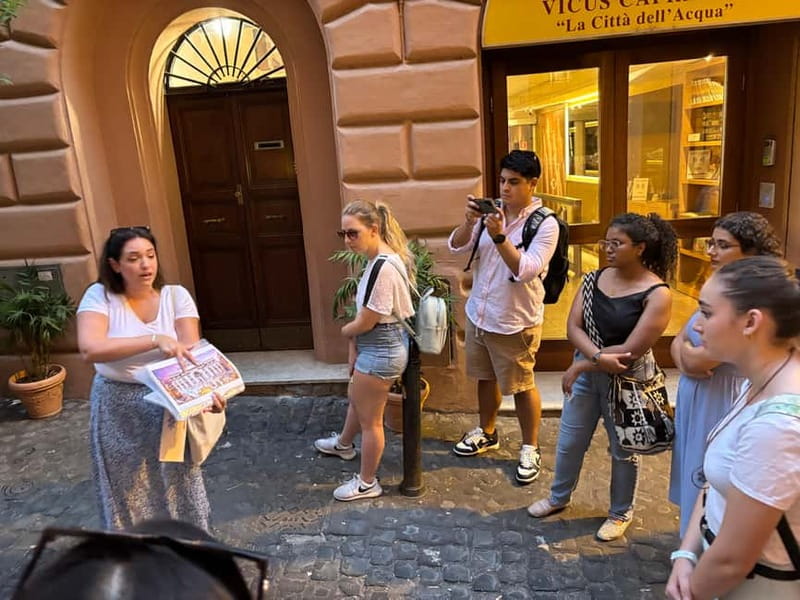
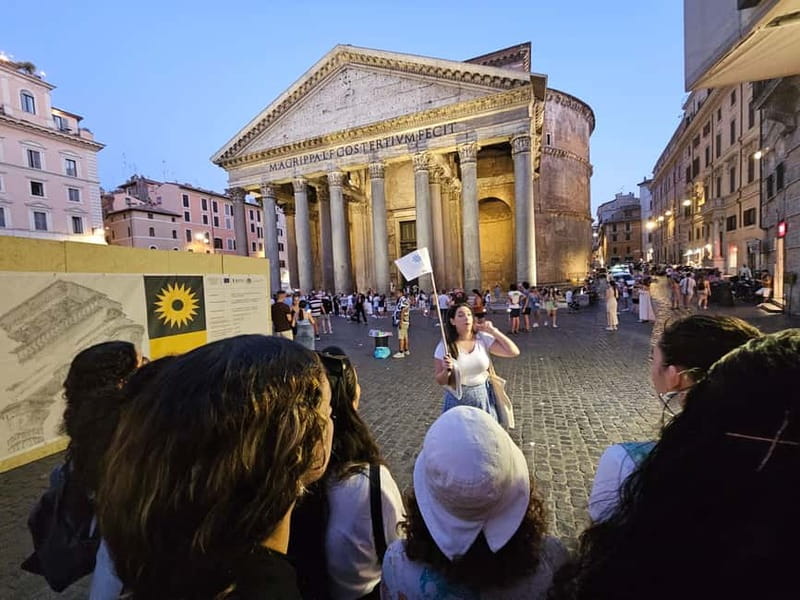
The tour begins beside Fontana della Pigna, where your guide waits with a branded company flag. This is a useful meeting arrangement in a city full of corners, churches, and look-alike piazzas. You do not get hotel pickup, so plan your route to the meeting point before the start time.
From there, the walk moves through Rome’s historic center. The opening stretch brings you toward Palazzo Venezia, a grand building with a long connection to Rome’s political and civic life. You will learn about its past from the guide rather than simply passing another large facade. That matters in Rome, where a quick look at a building often tells you very little without some context.
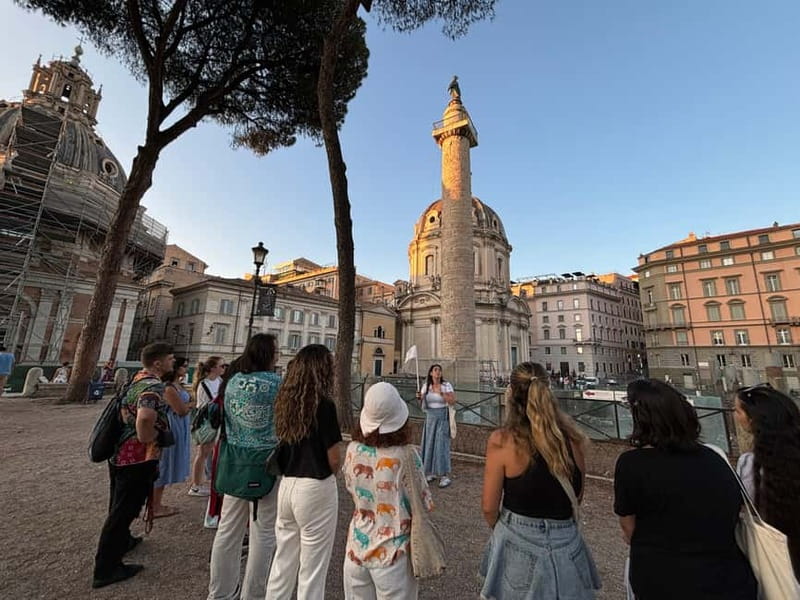
You also encounter Trajan’s Column, one of the city’s clearest reminders of imperial power. Its carved spiral tells the story of military campaigns, and the column itself was designed to celebrate victory. You will not be entering an attraction here, but the guide can help you read the monument as more than an isolated pillar in a busy square.
This part of the route is best for getting your bearings. Rome’s historic center can feel like a collection of grand buildings with no obvious order. A guide helps connect the monuments, streets, churches, and former Roman spaces into a larger picture.
More guided tours in Rome:
- Vatican Museums, Sistine Chapel & St Peter’s Basilica Guided Tour
★ 4.5 · 39,149 reviews - Rome: Colosseum, Palatine Hill and Roman Forum Guided Tour
★ 4.8 · 32,814 reviews - Rome: Guided Tour of Colosseum, Roman Forum & Palatine Hill
★ 4.7 · 27,897 reviews
Piazza Navona, where Rome turns theatrical
Piazza Navona is one of the evening’s natural highlights. The long piazza follows the shape of an ancient Roman stadium, though you will experience it now as an open public square surrounded by architecture, fountains, restaurants, and evening activity.
The softly lit setting suits a night walk. You can take in the scale of the square without rushing from one museum room to another. The guide’s explanation is especially useful here because the piazza’s present-day charm can distract you from its older purpose.
I like this stop because it gives you a chance to slow down. Rome is often tiring during the day, with heat, traffic, and packed sidewalks. At night, the public spaces can feel calmer, though that does not mean empty. You should still expect other people around the main sights.
The tour focuses on outdoor views and walking. If you want long visits inside major museums or monuments, this is not the right format. If you want a quick but thoughtful introduction to the city’s central spaces, Piazza Navona fits the plan well.
St. Ignazio di Loyola and Rome’s painted surprises
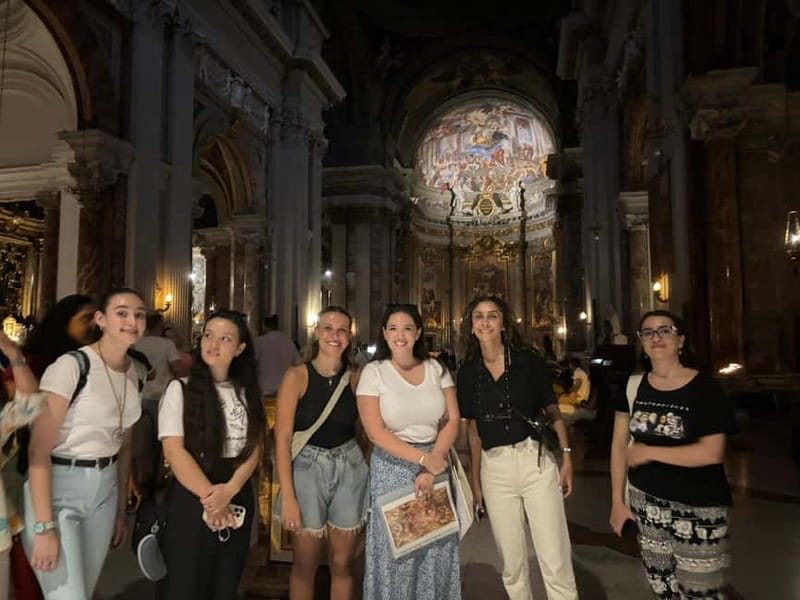
The walk includes St. Ignazio di Loyola, a church known for its dramatic interior art. Churches like this are easy to miss if you are concentrating only on Rome’s ancient ruins. Here, the reward is visual: painted architecture and ceiling decoration create effects that can make a flat surface appear far deeper than it is.
This stop adds welcome variety. The route is not just columns, fountains, and ancient stones. You move between civic buildings, churches, archaeological remains, and public squares, which gives you a better sense of Rome’s changing identity.
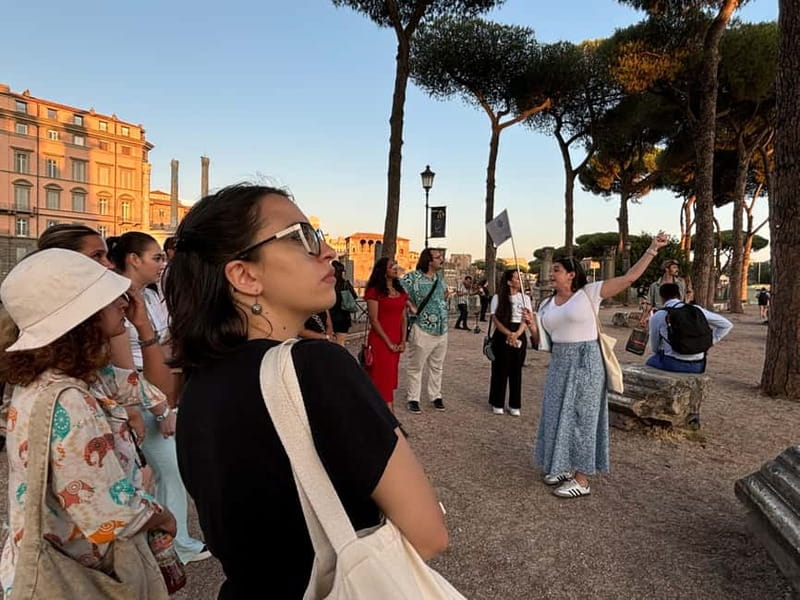
The church visit also shows why comfortable pacing matters. You will be walking for most of the tour, but the route includes moments when you can pause, look upward, and listen. I would bring a water bottle and avoid packing anything you do not want to carry for the full 2.5 hours.
The supplied information does not promise a private church visit or a guaranteed amount of time inside. Think of St. Ignazio as a planned stop within a guided walking route, not as a separate church tour.
The Pantheon and the weight of ancient Rome
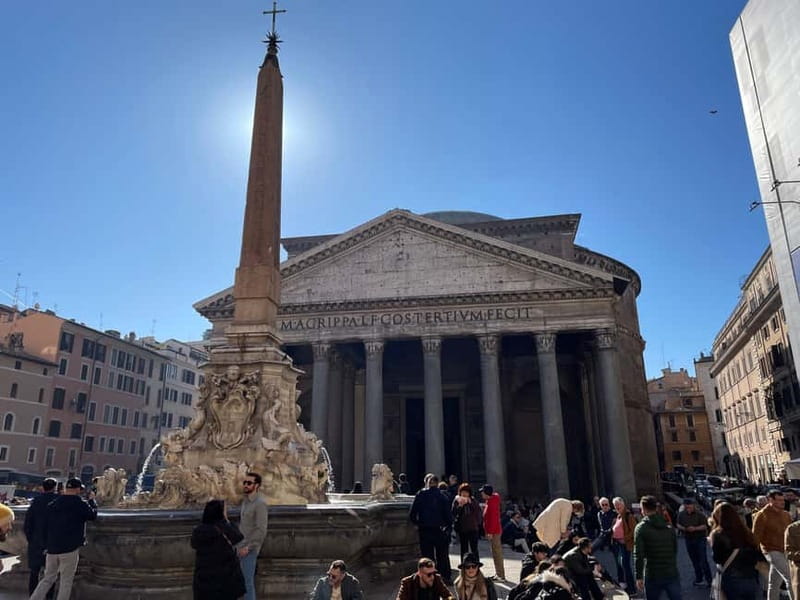
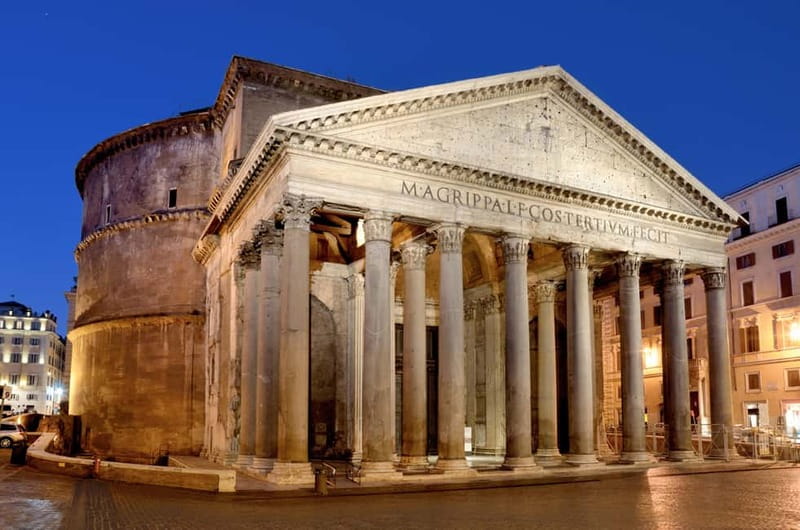
The Pantheon is one of the most important stops on the route. Its massive exterior and famous dome make it instantly recognizable, but the guide’s explanation helps turn a familiar photograph into a place with purpose and scale.
The monument is often described as one of the best-preserved buildings from imperial Rome. That survival is part of its power. You can stand near it and see how much ancient structure remains in the middle of a modern city.
This tour takes you past the Pantheon as part of the walking route. Entrance fees are not included, so do not assume that the $35 price covers admission to paid sights. The value here comes from the guide, the route, and the chance to understand the exterior and surrounding area without buying a separate ticket.
For many people, the Pantheon will be a major photo stop. Keep an eye on the clock, though. With several more sights ahead, this is not designed as a long, unhurried visit to every location.
Same city, a completely different half-day:
- Vatican Museums & Sistine Chapel Tour with Optional Basilica
★ 4.3 · 67,413 reviews - Rome: Colosseum & Forum with Audio Guide App -Optional Arena
★ 4.2 · 24,770 reviews - Rome: Colosseum, Roman Forum and Palatine Hill Guided Tour
★ 4.5 · 23,903 reviews - Rome: City Sightseeing Hop-on Hop-off Bus with Audioguide
★ 4.0 · 16,045 reviews
Galleria Sciarra, an art-filled detour
Galleria Sciarra is one of the tour’s more unusual stops. Compared with the Pantheon and Trevi Fountain, it is less likely to be the main reason you came to Rome. That is exactly why it helps break up the standard sightseeing list.
The gallery is known for its detailed frescoes. The decorated interior offers a smaller-scale artistic moment after the grand public spaces. You can look closely at the painted figures and patterns, then compare this intimate setting with the enormous monuments elsewhere on the route.
I especially like the inclusion of a place such as Galleria Sciarra because it rewards curiosity without adding another major admission ticket to the plan. It gives the walk a sense of discovery while keeping the focus on Rome’s historic center.
Access and opening conditions can affect any indoor stop, so your guide’s timing matters. The supplied details do not promise a particular opening schedule or length of visit. Treat it as an important feature of the route, while keeping your expectations flexible.
Vicus Caprarius and Rome below street level
Vicus Caprarius adds an archaeological angle. This underground site reveals another layer of Rome beneath the streets you see today. The city was built, rebuilt, and adapted many times, and underground remains make that process easier to understand.
You will need to pay attention to the walking conditions here. The tour is specifically described as unsuitable for people with mobility impairments and wheelchair users, and an underground archaeological site may be less comfortable for anyone who has trouble with steps or uneven surfaces. The exact access details are not provided, so ask the operator if you have concerns before booking.
For other participants, Vicus Caprarius can be one of the most memorable parts of the evening. The major monuments show Rome at its grandest. An underground site gives you a closer look at the city’s older foundations and everyday layers.
Entrance fees to attractions are not included. If admission is required for this site at the time of your visit, you should be prepared to pay separately. The tour price should not be treated as an all-inclusive ticket.
Tossing a coin at the Trevi Fountain
Trevi Fountain is the most playful stop. The familiar custom says that tossing a coin into the fountain helps ensure your return to Rome. You can take part in the ritual, take photographs, and enjoy the fountain’s illuminated sculptures.
Expect crowds here. Trevi is one of Rome’s most popular sights, and night does not remove the pressure of people gathering around it. Keep your belongings secure, especially in a packed area, and be considerate when taking photographs.
The fountain works well as part of a guided route because the guide can explain what you are seeing and help keep the group moving. At the same time, you should not expect a quiet private moment. If your priority is an empty fountain, this tour cannot guarantee it.
This is also a good place to remember the practical rules. Photography is allowed, but respect other people and private property. Alcohol and drugs are not allowed on the activity, and audio recording is prohibited.
The Altar of the Fatherland and a Colosseum view
The route includes panoramic views from the Altar of the Fatherland, the huge white monument overlooking central Rome. Its scale can be startling, especially after the narrower streets and smaller courtyards earlier in the evening.
The viewpoint helps you see Rome from a broader angle. Rather than focusing on one fountain or facade, you can look across the city and connect several landmarks you have already passed. It is a useful closing phase for a tour built around the historic center.
The experience ends with a view of the Colosseum glowing at night. You are not entering the Colosseum, and admission is not included, but seeing it lit against the evening sky provides a strong final image.
The activity information says the tour ends back at the meeting point. So, consider the Colosseum view part of the route’s sightseeing rather than the final drop-off location. You will need to return to Fontana della Pigna with the group.
What $35 buys you
At $35 per person, this is a reasonably priced orientation tour for Rome. You are paying for a professional guide and a planned walk through a dense section of the city, not for food, transport, hotel pickup, or monument admission.
The value is strongest if you are visiting Rome for the first time or want to see many central sights in one evening. In 2.5 hours, you get the city’s best-known landmarks plus several places you might not find on your own, such as Galleria Sciarra and Vicus Caprarius.
The price is less attractive if you want extended time inside attractions. You may need to return later for separate visits to the Pantheon, Colosseum, underground sites, or other paid locations. The tour is a guided overview, not a substitute for a full museum or archaeological visit.
The reserve-now-and-pay-later option is useful if your schedule may change. You can book without paying immediately, and cancellation is allowed up to 24 hours before the activity for a full refund. Still, check the available start times before building your evening around it.
Guides, languages, and the pace of the walk
The tour is offered in English and Spanish. Named guides include Pilar and Furio, and the strongest praise centers on the guide’s friendly manner and clear explanations. That human connection matters on a walking tour, since the quality of the evening depends heavily on how well the guide handles the route and the group.
You should expect a steady amount of walking through central Rome. Wear comfortable walking shoes, carry water, and check the forecast. Rome can be very hot in summer and cool in winter, and the evening temperature may differ from the daytime heat.
The activity is not suitable for wheelchair users or people with mobility impairments. No group size is provided, so do not book expecting a private or small-group walk unless the operator confirms that separately.
I would also keep your belongings close. Crowds at Trevi Fountain and other popular sites can be thick, and a small crossbody bag or secure day bag is more practical than loose pockets.
Who should book this Rome night walk?
I would recommend it to first-time visitors who want a clear introduction to central Rome without spending a large amount on a private guide. It also suits you if you enjoy seeing famous sights but appreciate a few less obvious stops along the way.
The tour works especially well early in a Rome visit. Afterward, you will know which places deserve a longer return visit and where the city’s main areas fit together. It can also be a good choice for anyone who prefers sightseeing after the day’s heat has eased.
I would hesitate if you dislike crowds, cannot walk for 2.5 hours, or want guaranteed access to every attraction on the route. The evening setting is appealing, but it does not remove Rome’s busy streets or the physical demands of a walking tour.
Should you book the Roamin’ Around Rome tour?
Book it if you want a well-priced evening introduction to Rome, with a guide connecting ancient monuments, churches, art, fountains, and archaeological remains. The mix of the Pantheon, Trevi Fountain, Piazza Navona, Galleria Sciarra, Vicus Caprarius, and a Colosseum view gives you more variety than a simple landmark walk.
Skip it if you need wheelchair access, dislike walking, or want a tour centered on indoor admissions. For everyone else, $35 is a fair price for a guided route through Rome’s historic heart, especially when you value local explanation and a few less familiar stops alongside the major sights.
FAQ
How long does the Roamin’ Around Rome tour last?
The tour lasts 2.5 hours. Starting times vary, so check availability when booking.
How much does the tour cost?
The price is $35 per person.
Where does the tour begin?
The tour begins next to Fontana della Pigna. The guide will be holding a branded company flag.
Where does the tour end?
The activity ends back at the meeting point near Fontana della Pigna.
What languages are available?
The live tour guide is available in English or Spanish.
Are attraction entrance fees included?
No. Entrance fees to attractions, along with food and drinks, are not included.
Is the tour suitable for wheelchair users?
No. The activity is not suitable for wheelchair users or people with mobility impairments. Comfortable walking shoes are recommended because the tour involves a lot of walking.
Newest Rome tours we have reviewed
- Private TikTok Video Making in Rome★ 5.0 · 7 reviews
- Assisi, Orvieto and Civita di Bagnoregio Full Day Tour from Rome★ 4.5 · 45 reviews
- Assisi & Saint Francis Path Tour from Rome★ 5.0 · 45 reviews
- Assisi and Cascia Private Day Tour from Rome with Lunch★ 5.0 · 10 reviews
- Art Class in the center of Rome!★ 4.0 · 4 reviews
- Art & Craft: Beer Tour with Street Art in Rome★ 4.5 · 6 reviews
- Arrival in Rome: Airport Transfer & Exclusive City Introduction★ 5.0 · 3 reviews
- From Rome: Private Day-Tour of Tuscany★ 5.0 · 16 reviews