
Reviewed · ROME
Rome:”The Scandalous Life of The Borgia Family” Walking Tour
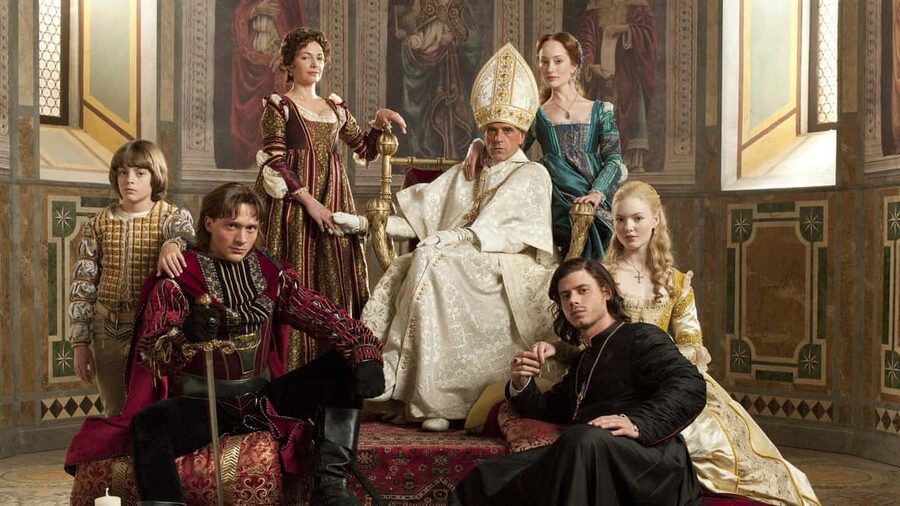
The Borgias left Rome a deliciously messy story: poisoned wine, political revenge, corrupt priests, courtesans, betrayals, and suspicious deaths. This three-hour walk follows those tales through the same central streets where Cesare and Lucrezia Borgia moved during the Renaissance.
I like two things right away. First, the tour uses Rome itself as the history book, taking you from the Borgia Stairs and Raphael’s balcony to medieval towers and Palazzo Farnese. Second, the group is limited to 10 people, so you have a fair chance to hear the guide and ask about the difference between fact, rumor, and later storytelling.
The main caution is that this subject needs careful handling. One low-scoring experience raised concerns about errors involving Raphael, Titian, and Lucrezia’s meeting with Alfonso d’Este. I would enjoy the drama, but I would also ask the guide to mark clearly what is documented and what belongs to Borgia legend.
Key points to know before you book
- A rare Borgia-focused walk: This tour is built around Cesare and Lucrezia rather than offering a general introduction to Rome.
- A strong central-Rome route: You move from Via Cavour through Monti, Trajan’s Market, Piazza Venezia, Largo di Torre Argentina, and Piazza Farnese.
- Luisa is the guide most often named: Her warm delivery, humor, and command of the subject receive especially strong praise.
- Art and scandal share the same route: Renaissance paintings, Raphael, gothic churches, ancient ruins, and political intrigue all appear together.
- Three hours on foot: Expect a steady city walk with short stops, outdoor views, church visits, and historical explanation.
- Dress matters: The route includes churches, so shoulders and knees should be covered appropriately.
Why the Borgia story works so well in Rome
Many Rome walks are built around emperors, popes, or famous paintings. This one takes a more theatrical path. The Borgia family gives you a way to connect power, religion, family loyalty, art, and violence in one afternoon.
The central figures are Pope Alexander VI, his son Cesare, and his daughter Lucrezia. Their family name became tied to ambition and scandal, though the popular image is also shaped by rumor, hostile political accounts, novels, television, and later mythmaking. That makes the guide’s judgment important. A good explanation should tell you not only what may have happened, but also why people believed it.
Luisa is repeatedly singled out for bringing the period to life, explaining facts and rumors, and answering wider questions about Rome. Several people describe her as a history professor, and one particularly strong response says she added more context than film or television could provide. If Luisa leads your walk, expect a lively presentation rather than a dry lecture.
The tour is conducted in English or Italian. With only 10 places in the group, this should feel more personal than a large street-corner gathering. At $77 per person, it is not a budget stroll, so the value depends on how much you want a specialist story. You are paying for a guide’s interpretation, not for entry to a major museum or a long list of included sights.
More walking tours in Rome:
- Rome: Trastevere & Campo de Fiori Street Food Walking Tour
★ 4.9 · 2,768 reviews - Rome: Paranormal Night Walking Tour & Secret Backstreets
★ 4.9 · 1,921 reviews - Rome by Night Walking Tour – Legends & Criminal Stories
★ 4.5 · 1,003 reviews
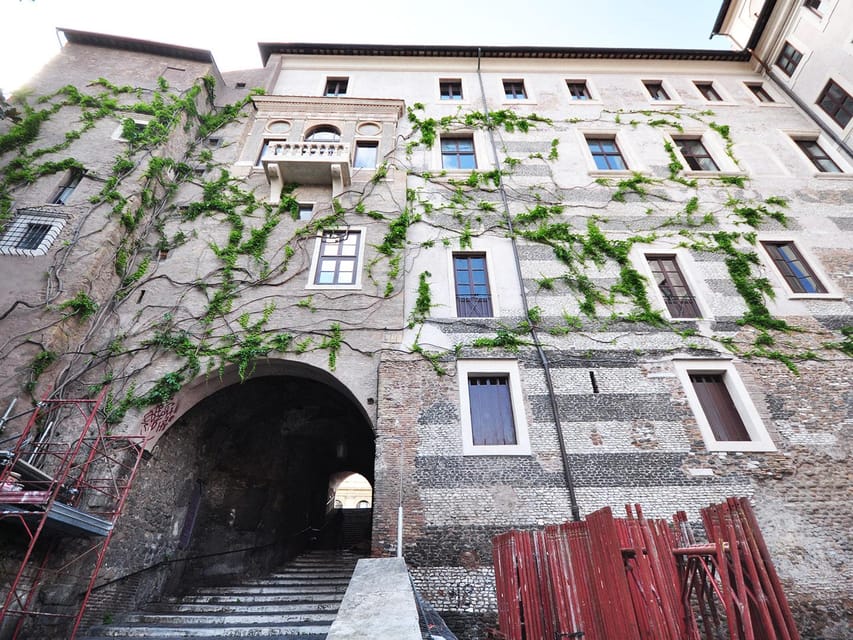
Starting at the Borgia Stairs on Via Cavour
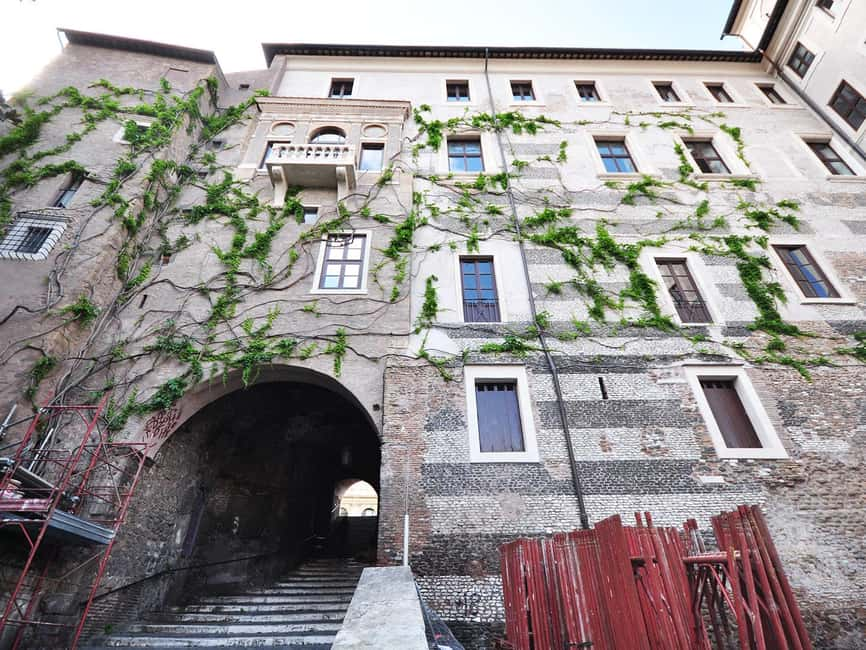
Meet at Via Cavour 256a, directly in front of the large Borgia Stairs. This gives the tour an immediate sense of place. You do not begin with a generic meeting point near a transport stop. You begin with a physical link to the family’s Rome.
The first stop is in Rione Monti, one of the city’s historic districts. The visit lasts about 10 minutes. Here, the guide starts placing the Borgias into the wider city: Rome was not just a collection of grand ruins and churches, but a place where noble families, clerics, artists, and political rivals competed for influence.
The opening also includes Raphael’s balcony. That detail helps set up one of the tour’s recurring themes: the Borgia period was not only about scandal. The late 15th century was also a great age of art and painting. You get both sides of the story, political danger and artistic achievement.
Trajan’s Market and Column, where old Rome meets Borgia Rome
The route continues to Trajan’s Market, with about 10 minutes of guided explanation, followed by Trajan’s Column, where the group spends roughly five minutes. These ancient monuments are not Borgia buildings, but they help you see the city the family controlled.
The contrast matters. Renaissance Rome was built around the remains of ancient Rome. Powerful people walked past imperial ruins, reused old structures, and treated the ancient city as both a source of prestige and a practical part of daily life.
From here, the guide discusses secret routes and escape passages associated with Cesare Borgia. The details are best enjoyed as a mix of political history and urban mystery. You are not simply hearing a list of addresses. You are being asked to imagine how a powerful and threatened man might move through a city filled with papal guards, allies, enemies, and hidden corners.
You also get a view over the Roman Forum. This is one of the tour’s stronger visual moments because it brings together two eras at once. Below you are the remains of ancient power. Around you is the city of Renaissance popes and ambitious families.
Piazza Venezia and Palazzo Venezia
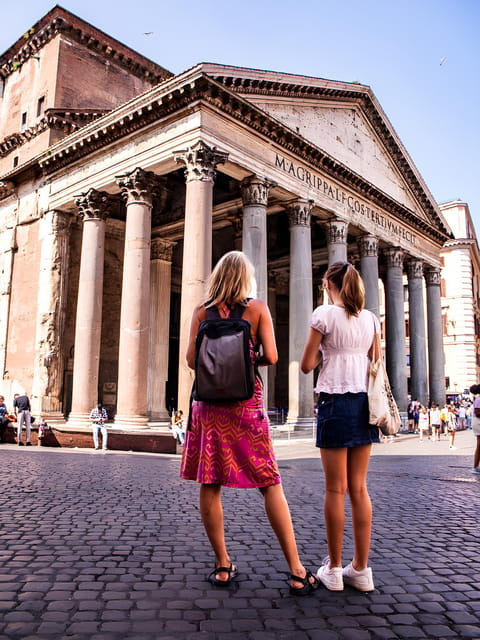
At Piazza Venezia, the guide pauses for about five minutes before moving to Palazzo Venezia for a longer 15-minute visit. This part of the route gives the Borgia story a political setting.
Palaces were not just elegant homes. They were places where alliances were made, information changed hands, and family influence took visible form. A guide who connects the building to the Borgias can help you understand why location mattered so much in Renaissance Rome.
The Palazzo Venezia stop also lets the tour slow down after the ancient monuments. You should expect a mixture of architecture, public history, and personal drama. The scandals work best when they are tied to real spaces, rather than presented as disconnected tales of murder and betrayal.
If your main interest is architecture or archaeology, this walk may feel less detailed than a specialist tour of Trajan’s Market or the Roman Forum. The monuments are supporting players here. The Borgia narrative remains the main event.
Same city, a completely different half-day:
- Vatican Museums & Sistine Chapel Tour with Optional Basilica
★ 4.3 · 67,413 reviews - Vatican Museums, Sistine Chapel & St Peter’s Basilica Guided Tour
★ 4.5 · 39,149 reviews - Rome: Colosseum, Palatine Hill and Roman Forum Guided Tour
★ 4.8 · 32,814 reviews - Rome: Guided Tour of Colosseum, Roman Forum & Palatine Hill
★ 4.7 · 27,897 reviews
Largo di Torre Argentina and the art of the rumor
The next major stop is Largo di Torre Argentina, with around 15 minutes of guided explanation. This area is famous for ancient ruins, but on this tour it becomes another stage for the political and personal tensions of Renaissance Rome.
The Borgia story is full of claims about poisoned wine, secret passages, betrayed men, corrupt clergy, and mysterious murders. Some tales are well known precisely because they are hard to prove. That is not a reason to remove them from the tour, but it is a reason to listen closely to the guide’s wording.
I would pay attention to whether the explanation separates recorded events from hostile gossip and later legend. One critical account of the experience challenged several historical details, including an incorrect date connected with Raphael, a misidentified painting attributed to Titian, and the timing of Lucrezia’s meeting with Alfonso d’Este. Those are specific concerns, not proof that the whole tour is unreliable, but they are worth keeping in mind if you care deeply about Renaissance scholarship.
For most people, this stop will work best as a conversation about how reputations are made. The Borgias were powerful, controversial, and surrounded by enemies. Their image grew through politics as much as through their private lives.
Santa Maria sopra Minerva and the church visit
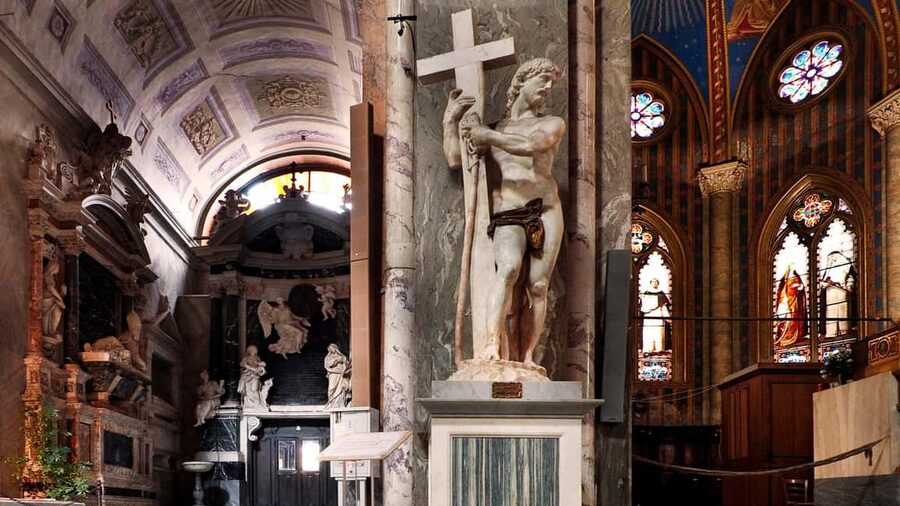
Santa Maria sopra Minerva receives about 15 minutes of guided attention. This is one of the churches on the route, so dress appropriately. Cover your shoulders and knees to avoid an awkward interruption at the door.
The church adds a needed change of pace. After stories of ambition and revenge, you step into a religious setting tied to the same world of popes, clerics, artists, and family power. The tour can show you how religion and politics were not separate parts of Roman life.
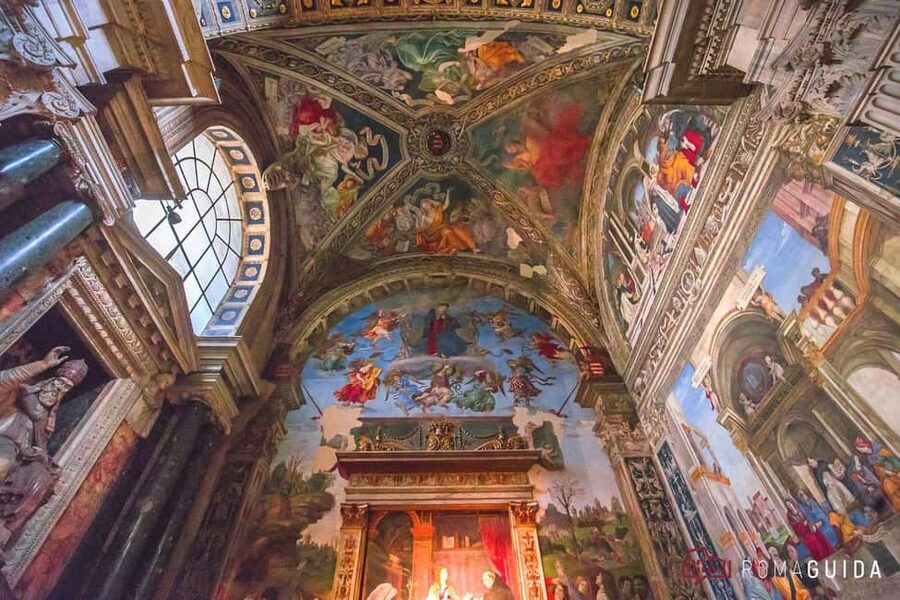
This is also where the art side of the experience gains weight. The 15th century and early Renaissance were not only marked by violence and scandal. They produced major artistic work, and Rome’s churches preserve the setting in which religious patronage shaped art.
Do not expect a full art-history lecture on every object inside. The church is one stop in a larger narrative, and the time is limited. Still, it gives the walk welcome balance and helps prevent the Borgias from becoming cartoon villains in a costume drama.
Crossing central Rome toward Palazzo Farnese
From Santa Maria sopra Minerva, the group slowly crosses the city center toward Piazza Farnese. Along the way, the guide points out medieval towers, gothic churches, and places connected with the family’s movement through Rome.
This crossing is important because it turns the city into a connected story. You are not being driven from sight to sight. You walk through the spaces between the landmarks, seeing how ancient ruins, churches, palaces, and narrow streets share the same urban fabric.
The pace should suit you if you enjoy walking and listening at the same time. The tour lasts three hours, and the information is spread over several stops. Wear comfortable shoes, especially since the experience does not consist of sitting in one museum or palace.
The route’s strongest quality is its point of view. Even familiar sights can feel different when you are looking for the tracks of a particular family. Rome’s beauty becomes the setting for political maneuvering, not just a backdrop for photographs.
The final stop at Piazza Farnese
The tour ends at Piazza Farnese, with Palazzo Farnese providing the last major setting and a final twist to the story. The ending is designed to leave you with one more turn in the Borgia saga rather than a simple list of dates and names.
Piazza Farnese is a fitting finish because it carries the grand architectural mood of papal and aristocratic Rome. After three hours, you have moved from the Borgia Stairs through ancient Roman remains, Renaissance art, churches, and political spaces.
Ending here also puts you in a useful part of central Rome. The experience does not finish at an isolated suburban site. You can continue exploring the historic center on foot, though no onward activity is included in the tour.
What the $77 price gets you
At $77, this is a specialist walking tour rather than a low-cost orientation walk. The price includes a private or semi-private guide, and the group is capped at 10 participants. That small size is the main reason the cost may make sense.
You are paying for a themed interpretation of central Rome, delivered in English or Italian, with a route that links several periods and styles. There is no stated admission to a major paid attraction included, so do not book it expecting a museum entry package.
The value is strongest for you if the Borgias are a real interest. It is also useful if you have seen a television series about them and want to compare screen drama with Rome’s places and historical setting. Several highly positive experiences describe the guide as funny, patient, passionate, and able to answer questions beyond the basic route.
The value is weaker if you want a broad first-time introduction to Rome. You will not get a full tour of the Colosseum, Vatican Museums, or Roman Forum. You will get a focused story that uses those surroundings to explain one powerful family.
Free cancellation up to 24 hours before the start and the option to reserve now and pay later make the booking less rigid. Starting times vary, so check the available slot when you reserve.
Who should book this walk
I would choose this tour if you enjoy Renaissance politics, papal power, disputed stories, and walking through Rome with a strong theme in mind. It suits readers of historical fiction and people curious about the gap between fact and legend.
It also fits repeat visitors who have already seen the main Roman sights and want a fresh angle on familiar streets. The route includes enough art and architecture to keep the experience from becoming a nonstop scandal session.
I would be cautious if you want only firmly documented history or a formal academic tour. Ask the guide to identify uncertainty, especially around famous anecdotes. The single poor account raises real questions about accuracy, so history specialists may want to check important claims afterward.
Should you book The Scandalous Life of the Borgia Family?
Book it if the Borgias are your main reason for looking at Renaissance Rome. The small group, central route, and passionate presentation associated with Luisa give the experience real appeal. You will see Rome’s beauty through a darker, more personal story of family power, papal politics, art, and rumor.
Skip it if you want a standard highlights tour or guaranteed museum access. At $77, the tour earns its price through storytelling and focus, not through included admissions. For the right audience, that is a fair trade. Just keep your historical antenna switched on and enjoy the scandal with a little skepticism.
FAQ
Where does the tour start?
The meeting point is Via Cavour 256a, directly in front of the large Borgia Stairs.
Where does the tour finish?
The tour finishes at Piazza Farnese.
How long does the walking tour last?
The experience lasts three hours.
What languages are available?
The tour is offered in English and Italian.
How large is the group?
The group is limited to 10 participants.
Is a guide included?
Yes. The experience includes a private or semi-private live tour guide.
What should I wear?
The tour includes visits to churches, so you should dress appropriately, with shoulders and knees covered.
Newest Rome tours we have reviewed
- Private TikTok Video Making in Rome★ 5.0 · 7 reviews
- Assisi, Orvieto and Civita di Bagnoregio Full Day Tour from Rome★ 4.5 · 45 reviews
- Assisi & Saint Francis Path Tour from Rome★ 5.0 · 45 reviews
- Assisi and Cascia Private Day Tour from Rome with Lunch★ 5.0 · 10 reviews
- Art Class in the center of Rome!★ 4.0 · 4 reviews
- Art & Craft: Beer Tour with Street Art in Rome★ 4.5 · 6 reviews
- Arrival in Rome: Airport Transfer & Exclusive City Introduction★ 5.0 · 3 reviews
- From Rome: Private Day-Tour of Tuscany★ 5.0 · 16 reviews