
Reviewed · PIAZZA NAVONA TOURS
Rome: Traditional Pizza Cooking Class near Piazza Navona
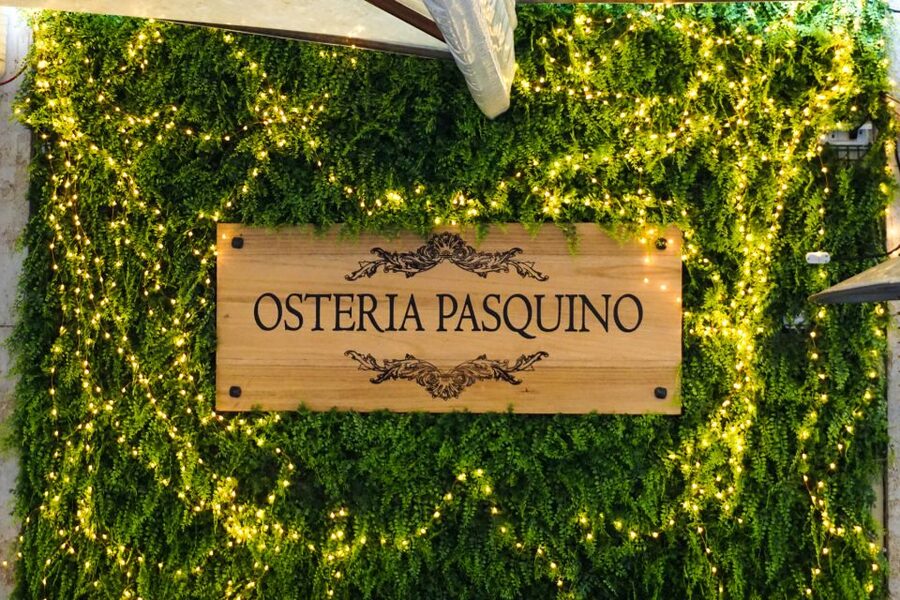
Making a pizza from flour, water, and yeast is the heart of this Roman cooking class near Piazza Navona. You work with a chef, shape your own dough, choose toppings, and then eat the finished pizza at Osteria Pasquino on Piazza di Pasquino.
I like the small group size, capped at 10, because chefs such as Luca, Elisa, Sara, and Simone can give hands-on help. I also like the full restaurant setting: prosecco on arrival, bruschetta, a drink with your pizza, and coffee or limoncello afterward.
The main thing to watch is the timing. The class is advertised for two hours, but one participant found the hands-on part lasted about 45 minutes. Also, the experience is not suitable for children under five or people with gluten intolerance.
Key points to know before booking
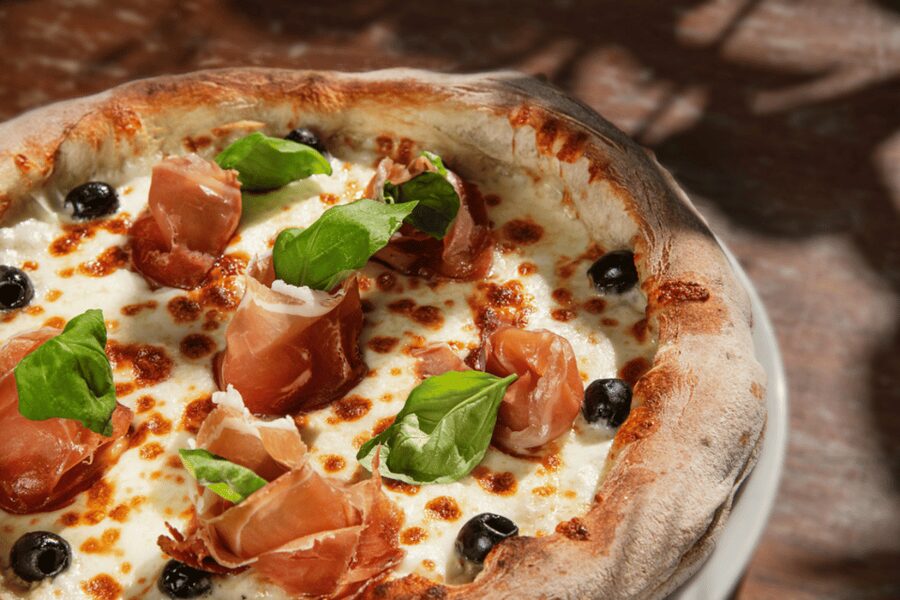
- Pizza Romana from scratch: You learn the basic dough process, then stretch and top your own pizza.
- Osteria Pasquino setting: The class takes place at Piazza di Pasquino 1, close to Piazza Navona.
- Small English-speaking group: The maximum is 10 people, with several chefs leading different sessions.
- Food and drinks included: Expect bruschetta, water, wine, a small beer, or a soft drink, plus coffee or limoncello.
- Good for families: Children over five and teenagers can take part, and many activities involve the whole group.
- Possible timing wrinkle: The actual instruction may be shorter than the advertised two hours, depending on the session.
Making Pizza Romana near Piazza Navona
This experience gives you two things in one: a short cooking lesson and a meal in a Roman osteria. That combination matters. You are not simply watching a chef throw dough in the air, and you are not left with a raw pizza and nowhere to eat it.
The meeting point is inside Osteria Pasquino at Piazza di Pasquino 1. Once you arrive, ask a waiter to direct you to the class. The restaurant can be lively and the activity is not always obvious from outside, so allow a few extra minutes to find the right staff member.
The location is one of the strongest parts of the plan. Piazza di Pasquino is near Piazza Navona, making this easy to fit between sightseeing stops in the historic center. You do not need a separate journey to a cooking school on the edge of Rome. Instead, you can pair the class with a walk through one of the city’s most attractive central areas.
The experience is taught in English. The chefs vary by session, with Luca, Elisa, Sara, Simone, Georgia, Alessandra, and others leading classes. The repeated theme is a relaxed teacher who keeps the mood light while explaining the process clearly.
More Piazza Navona tours:
- 3 in 1 Cooking Class near Navona: Fettuccine, Ravioli & Tiramisu
★ 5.0 · 7,376 reviews - Enjoy Spritz and Pasta Making in Piazza Navona
★ 5.0 · 1,681 reviews - Pasta Cooking Class in Rome – Fettuccine Class in Piazza Navona
★ 5.0 · 1,037 reviews
From flour and water to workable dough
The class begins with the foundation of pizza: dough. You work through the basic ingredients and learn how flour, yeast, and water come together. One useful point covered in the class is that proper dough takes time to rise, often 24 to 48 hours.
You will not necessarily wait through that full rising period during the session. Instead, you learn the method and work with prepared dough for the pizza you will eat. Some participants also get a chance to handle dough from the beginning, which makes the lesson more than a simple topping exercise.
This is where the class has practical value beyond lunch. You can take home the basic method and repeat it in your own kitchen. The provider also has a website with the recipe, so you have a reference after returning home.
The chef explains what is happening rather than simply handing you a ball of dough. The lesson can include the science behind fermentation, the differences between pizza styles, and the basics of Roman pizza. You do not need prior cooking experience, and the tone is designed for beginners.
Stretching, tossing, and choosing toppings
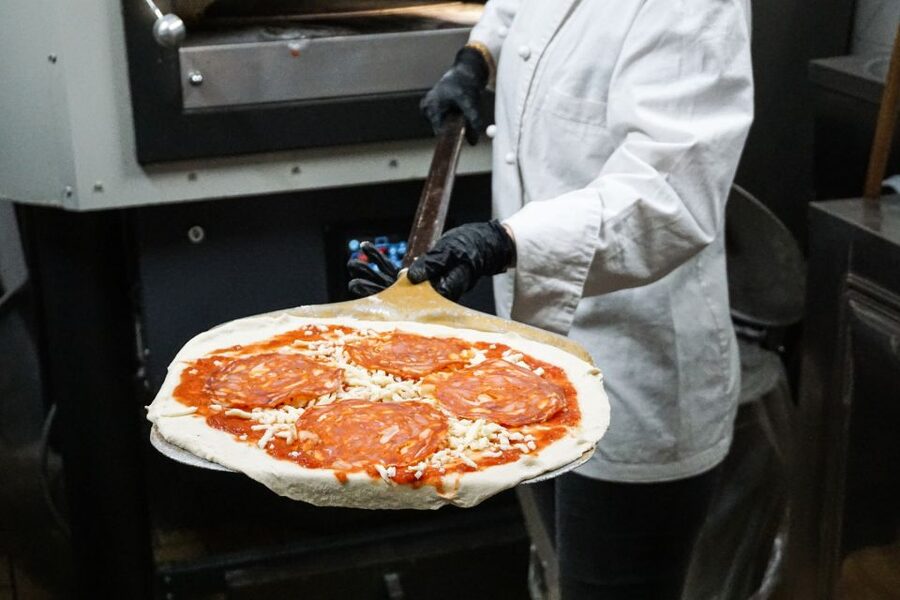
Once the dough is ready, you shape it into a thin base. The instruction may include tossing the dough from one hand to the other to remove excess flour, then stretching it into shape. This is a fun part of the activity, but it can also be the messiest, especially for children.
You then choose from the available toppings. The class gives you control over the final pizza, which makes the meal feel personal rather than preselected. The exact topping choices can vary, but the emphasis is on building a traditional Italian pizza rather than making an elaborate restaurant dish.
The chef stays nearby to help with the shape and thickness. That small-group format is important here. With no more than 10 participants, you have a better chance of getting help when the dough sticks, tears, or refuses to become round.
Do not expect a long professional chef training session. This is a friendly introduction that gets you to a good result quickly. That suits families, couples, and people who want a hands-on activity without spending half a day in a kitchen.
Baking your pizza and eating the result
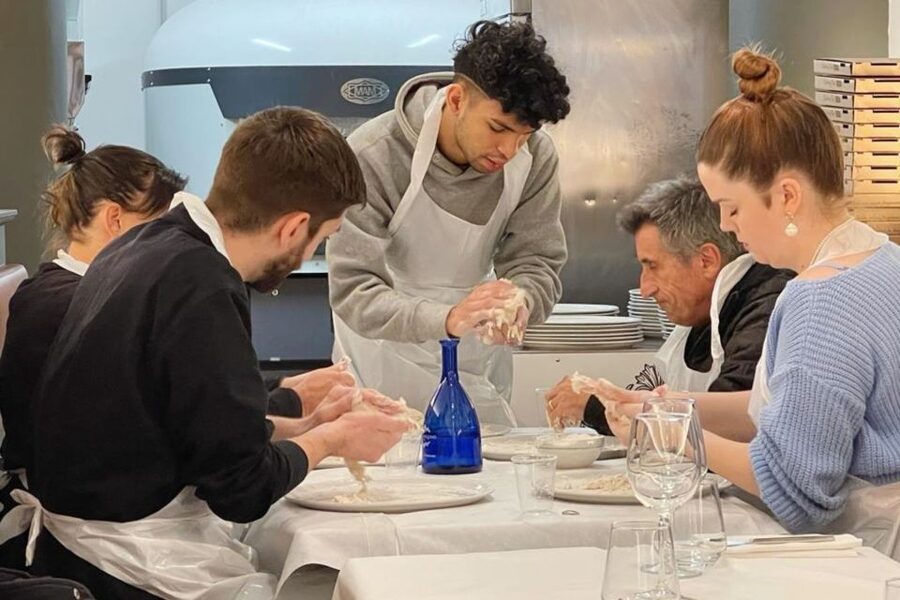
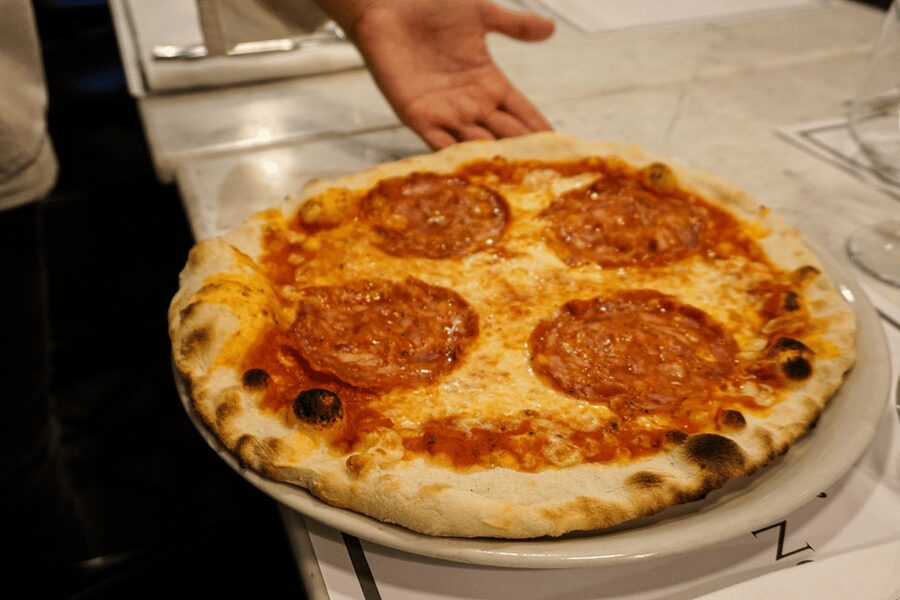
After you add the toppings, the pizza goes into the restaurant oven. The cooking time is short, and the finished pizza is brought to you as part of the meal.
The best part is that you eat what you made. You are not practicing with one batch and then receiving a different dish from the kitchen. Your pizza may not look perfect, but that is part of the fun, and the practical payoff is immediate.
The meal usually includes bruschetta, water, and one drink such as wine, a small beer, or a soft drink. Coffee or limoncello is offered at the end. Prosecco is also offered as a welcome drink from the restaurant.
There is one detail worth clarifying when you arrive. If you choose a soft drink instead of prosecco at the beginning, ask whether it counts as your included drink with the meal. One participant was charged extra after ordering another drink later, and the issue appears to have come from a misunderstanding about what was included.
The food side of the experience is stronger than the price alone might suggest. At $46 per person, you are paying for instruction, your pizza, a restaurant meal, small extras, and the setting near Piazza Navona. A casual pizza meal in central Rome can cost less, but it will not include the lesson or the social element.
More cooking classes in Rome:
- Rome: 3-in-1 Fettuccine, Ravioli, and Tiramisu Cooking Class
★ 4.9 · 2,704 reviews - Rome: Fettuccine Pasta Cooking Class in Rome’s City Center
★ 4.8 · 2,414 reviews - Rome: Traditional Pasta with Cocktails Cooking Class
★ 5.0 · 2,374 reviews - Rome: Fettuccine and Tiramisu Cooking Class with Wine
★ 4.8 · 2,013 reviews
A restaurant experience, not just a cooking lesson
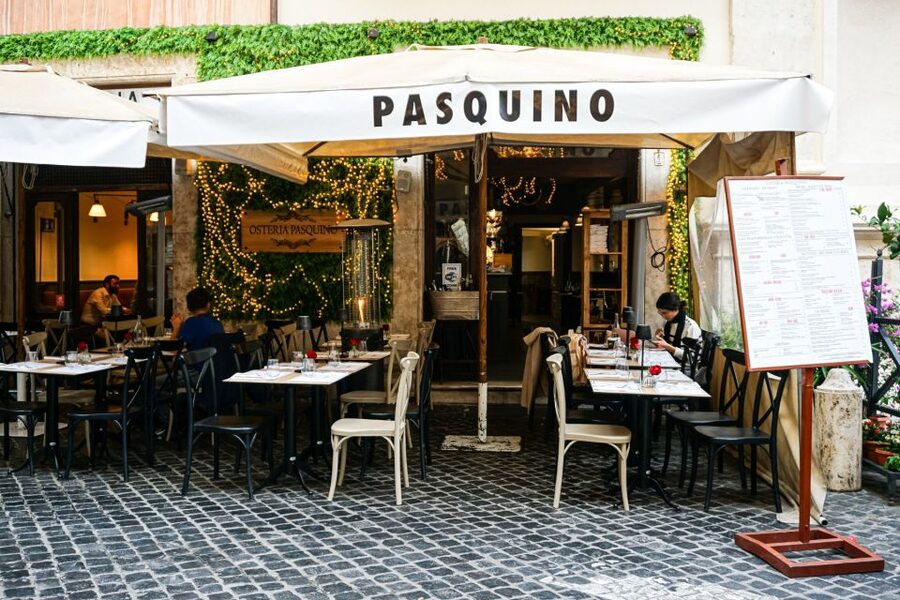
After cooking, you sit at the osteria and eat your pizza with service from the restaurant staff. Depending on the weather and the seating arrangement, you may eat outside on the square, which adds to the Roman atmosphere.
This restaurant transition is a real advantage. Many cooking activities end as soon as the food is ready, leaving you to find your own table afterward. Here, the meal is built into the experience, and you can continue talking with the other people in your group.
The group may include families, couples, and people from several countries. That makes the class social without requiring you to be outgoing. You can simply concentrate on your dough, then chat over pizza and a drink.
The setting is especially useful for a first evening in Rome. You get an easy introduction to a classic food, a central location, and a ready-made dinner. It is less useful for someone who wants advanced instruction in dough fermentation, oven temperatures, or regional pizza traditions.
How long does the class really take?
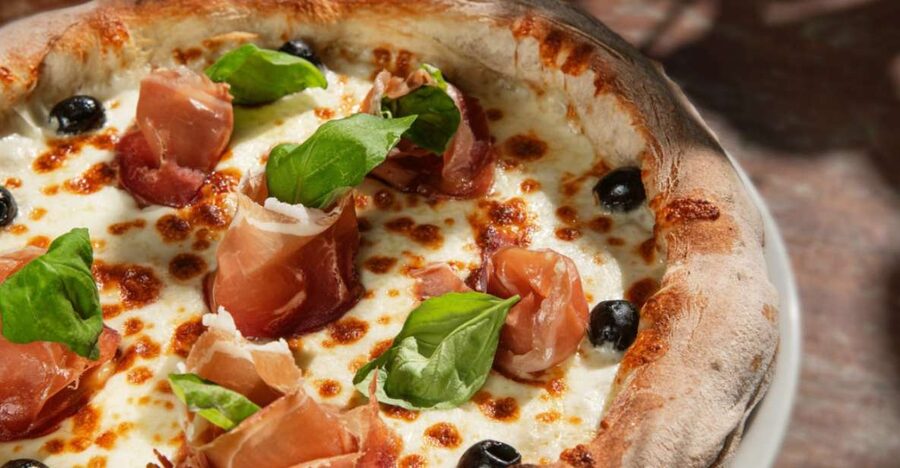
The published duration is two hours. That includes the cooking activity and the meal, not necessarily two full hours of hands-on dough work.
Most of the available feedback points to a relaxed activity with enough time to learn, cook, eat, and have a drink. Still, one participant reported that the class itself lasted about 45 minutes, with the lesson moving quickly and directly to the point.
I would treat the two-hour duration as the full appointment rather than a guarantee of two hours at the worktable. If you want a long, detailed culinary workshop, this may feel brief. If you want a manageable activity between sightseeing and dinner, the shorter format can be a benefit.
Timing also depends on the group. A private-feeling session with only one family may move quickly, while a full group of 10 can take longer as each person shapes and tops a pizza.
Who will enjoy this most?
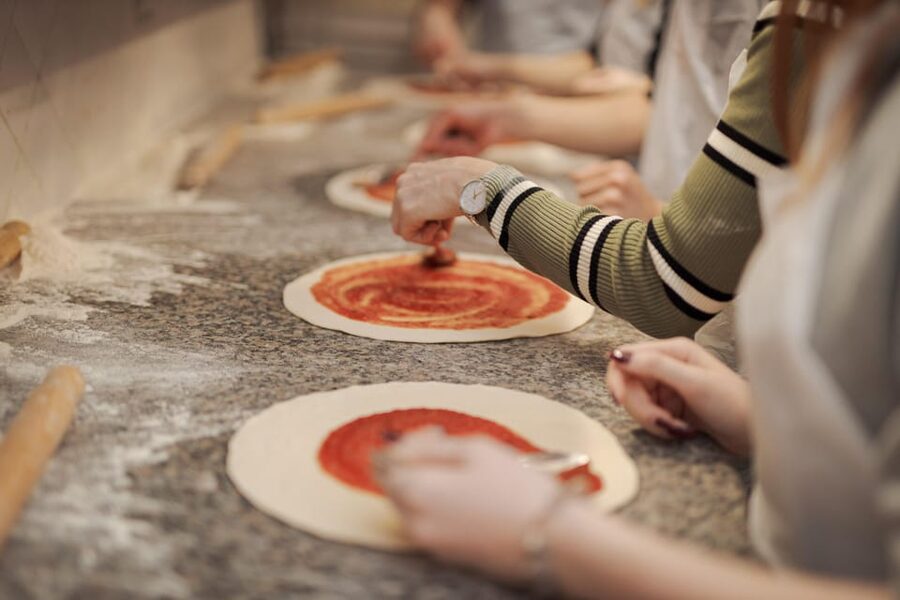
This class is a good match for families with older children. Children over five can participate, and teenagers have enough independence to enjoy making the dough and choosing toppings. Several family groups enjoyed the activity with children and teenagers, and the chefs are used to keeping different ages involved.
It also works well for couples and solo visitors who want a social meal. The maximum group size of 10 is small enough for conversation and individual help, without the price of a private class.
Beginners are welcome. You do not need to know how to knead, stretch, or bake pizza. The chefs explain each step and keep the process calm when the dough does not behave.
The class is not suitable for people with gluten intolerance. Vegetarian options and other dietary needs are supported, but you should tell the provider when booking. Since pizza is the central dish, anyone who cannot eat gluten should choose another activity.
Wheelchair users can take part, according to the activity information. Since the meeting point is a restaurant in a historic square, it is still sensible to confirm any personal access needs in advance.
What the chefs add to the experience
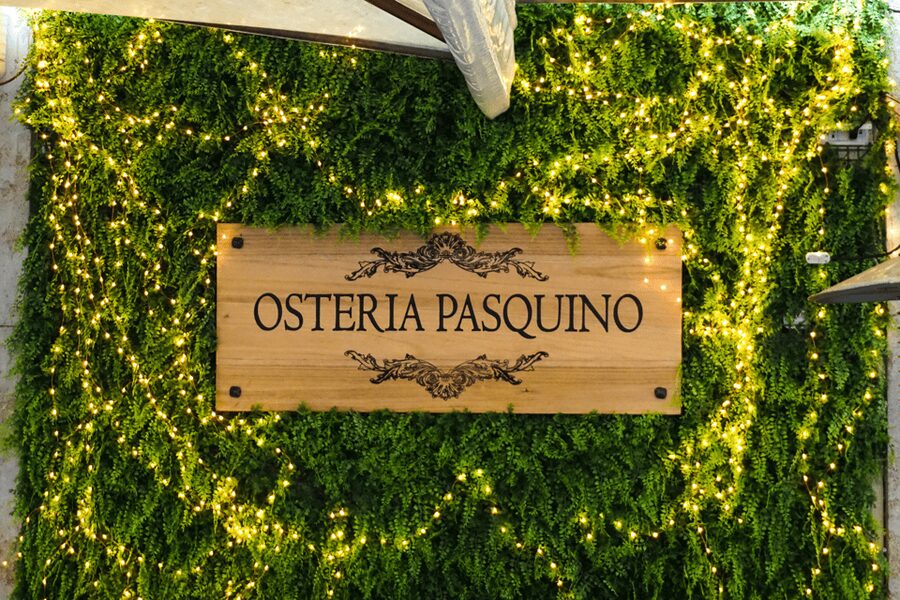
The instructor can make or break a short cooking class, and the chef names attached to these sessions are worth noting. Luca is repeatedly described as friendly, funny, and good at explaining pizza. Elisa is known for a warm approach and for involving people in the process.
Simone brings a mix of instruction and humor, with an emphasis on the history and variations of pizza. Sara is described as helpful and engaging, while Georgia and Alessandra have also led well-received sessions.
You should not expect the same chef every time. That is useful to know if you are trying to book a particular person. The experience depends somewhat on who leads your class, but the format gives each chef room to interact directly with the group.
The social tone is one of the best reasons to book. You can meet other people over a shared food project, compare pizzas, and ask questions without the formality of a serious culinary school.
Practical tips for a smoother visit
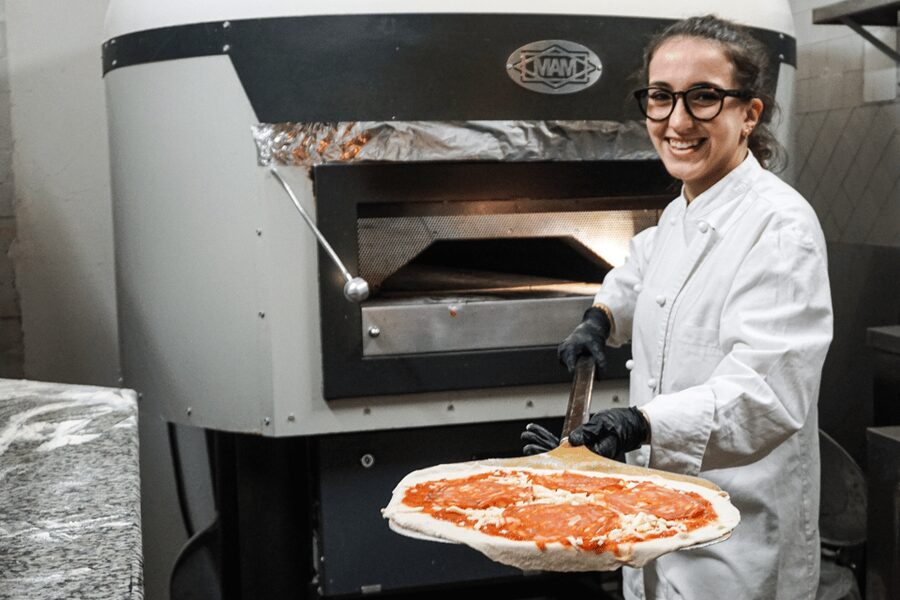
Arrive at Osteria Pasquino and ask a waiter to escort you to the class. The outside entrance may not make the activity immediately clear, so do not assume you are in the wrong place if you do not see a cooking-class sign.
Wear something comfortable for standing and working with flour. You will be handling dough and toppings, so this is not the time for your most delicate clothes.
If you do not drink alcohol, you can request a soda or another included option. Confirm how the welcome drink relates to the meal drink before ordering, especially if you want more than one soft drink.
Leave room for the full meal. The pizza is the main course, but bruschetta and an after-dinner coffee or limoncello are part of the experience. Some people also stay for dessert, though dessert is not listed as an included feature.
The activity is offered with free cancellation up to 24 hours before the start time, and you can reserve without paying immediately. That helps if your Rome schedule is still shifting.
Is the $46 price fair?
For a simple pizza meal, $46 is high. For a central Rome activity that includes instruction, food, drinks, service, and a square-side restaurant setting, the price is reasonable.
The value comes from combining several small expenses. You receive the lesson, your own pizza, bruschetta, water, a glass of wine or small beer or soft drink, and coffee or limoncello. You also save the effort of finding a separate dinner after the class.
The price makes the most sense for families and first-time visitors who want an activity as well as a meal. It makes less sense if you already plan to take a longer cooking course or if your main goal is simply to eat excellent pizza as cheaply as possible.
The high overall score and large number of ratings support the idea that the format works for many people. Still, go in with the right expectations: this is a fun Roman food experience, not a professional certification course.
Should you book the pizza class?
Book it if you want a short, social activity in the historic center and like the idea of eating a pizza you helped make. The small group, central Osteria Pasquino setting, friendly English-speaking chefs, and included drinks make it especially appealing for families and first-time visitors.
Skip it if you need gluten-free food, want advanced instruction, or expect two full hours of hands-on cooking. For everyone else, the combination of dough, toppings, pizza, and a drink near Piazza Navona offers a practical and enjoyable way to spend part of a Roman afternoon or evening.
FAQ
Where does the pizza class meet?
Meet inside Osteria Pasquino at Piazza di Pasquino 1. Ask a waiter to escort you to the class after you arrive.
How long does the activity last?
The listed duration is two hours. This includes the cooking class and the meal afterward, though the hands-on instruction itself may be shorter.
Is the class taught in English?
Yes. The instructor teaches in English, and chefs can include Luca, Elisa, Sara, Simone, Georgia, or Alessandra, depending on the session.
What food and drinks are included?
You receive your own pizza, bruschetta, bottled water, and a glass of wine, a small beer, or a soft drink. Coffee or limoncello is included afterward, and prosecco is offered as a welcome drink.
Can children join the activity?
Children under five cannot join. Older children and teenagers can take part, and the activity is suitable for families.
Can people with dietary restrictions participate?
Vegetarian and other dietary options are available if you tell the provider when booking. The activity is not suitable for people with gluten intolerance.
Newest Rome tours we have reviewed
- Private TikTok Video Making in Rome★ 5.0 · 7 reviews
- Assisi, Orvieto and Civita di Bagnoregio Full Day Tour from Rome★ 4.5 · 45 reviews
- Assisi & Saint Francis Path Tour from Rome★ 5.0 · 45 reviews
- Assisi and Cascia Private Day Tour from Rome with Lunch★ 5.0 · 10 reviews
- Art Class in the center of Rome!★ 4.0 · 4 reviews
- Art & Craft: Beer Tour with Street Art in Rome★ 4.5 · 6 reviews
- Arrival in Rome: Airport Transfer & Exclusive City Introduction★ 5.0 · 3 reviews
- From Rome: Private Day-Tour of Tuscany★ 5.0 · 16 reviews
Piazza Navona Tours, compared.
3 in 1 Cooking Class near Navona: Fettuccine, Ravioli & Tiramisu
Read our review →
Enjoy Spritz and Pasta Making in Piazza Navona
Read our review →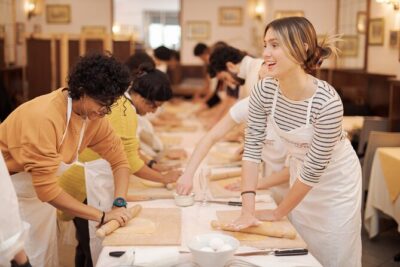
Pasta Cooking Class in Rome – Fettuccine Class in Piazza Navona
Read our review →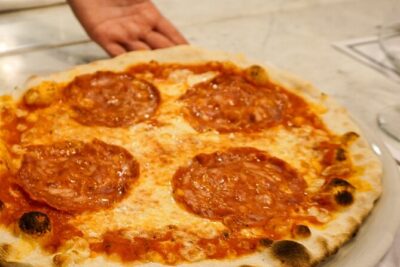
Pizza Cooking Class in Rome – Near Piazza Navona
Read our review →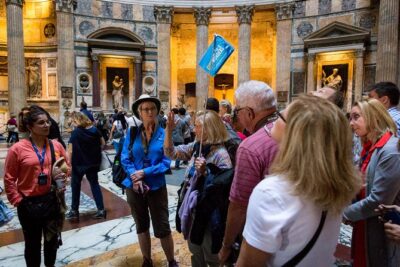
Rome Walking Tour with Piazza Navona, Trevi Fountain and Pantheon
Read our review →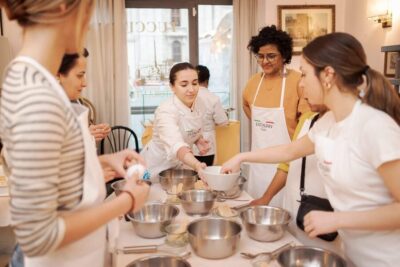
Pasta and Tiramisu Cooking Class in Piazza Navona
Read our review →
Spanish Steps, Trevi, Navona and Pantheon Sunset Tour
Read our review →
Navona Square Underground Ticket with Audio Guide
Read our review →Browse the lists this tour appears in