
Reviewed · VATICAN SKIP-THE-LINE TOURS
Vatican, Sistine Chapel & St. Peter’s Skip-the-Line Tour
The Vatican Museums are not a place to wander into casually. The buildings are huge, the route can feel confusing, and the entry queue may be painfully long. This small-group tour of 18 people or fewer gives you a clear path through the major rooms, with skip-the-line admission and a guide to explain what you are seeing.
I like two things here. First, the route covers the big names: the Pinecone Courtyard, Raphael’s Rooms, the Gallery of Maps, the Pio Clementine Museum, the Sistine Chapel, and St. Peter’s Basilica. Second, the guides can make a crowded visit feel manageable. Guides named Francesca, Alfredo, Inger, and Elizabeth have been praised for strong explanations and good pacing. The main drawback is the crowd itself. Even with a small group, the Vatican can be hot, noisy, and packed, especially around the Sistine Chapel.
Key points at a glance
- Small groups of 18 or fewer: A better setup than trying to keep up with a large flag-waving crowd.
- Skip-the-line entry: The time saved can be worth much of the $81.85 price, especially during busy periods.
- Major Vatican highlights: See Raphael’s Rooms, the Pinecone Courtyard, the Gallery of Maps, the Candelabra Gallery, and the Pio Clementine Museum.
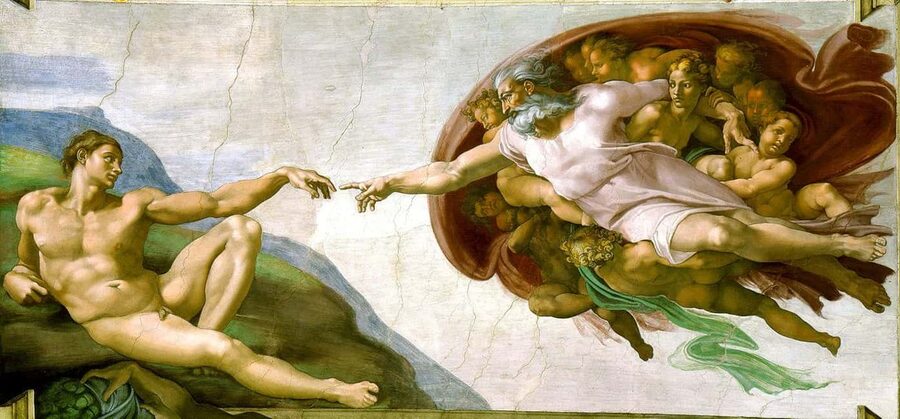
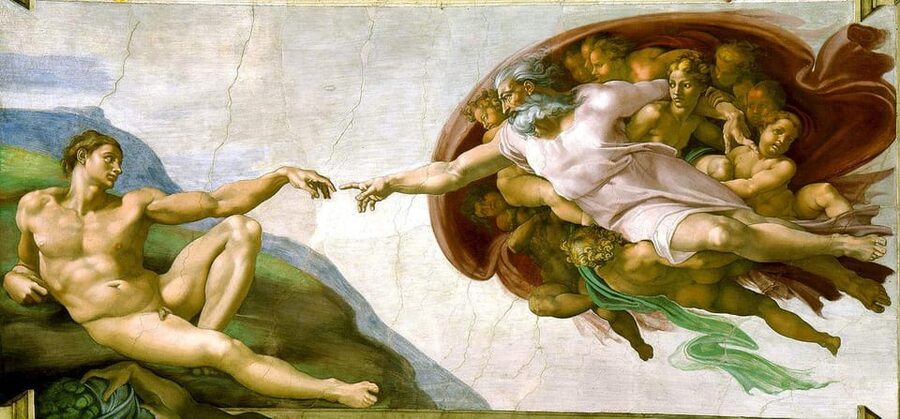
- Michelangelo’s great frescoes: The Sistine Chapel includes The Creation of Adam and The Last Judgment, when the chapel is open.
- Strong guide focus: English, Italian, Spanish, French, and Portuguese tours are available.
- Important clothing rules: Cover your knees and shoulders, and leave large bags, backpacks, and umbrellas behind.
Why the Vatican works better with a guide
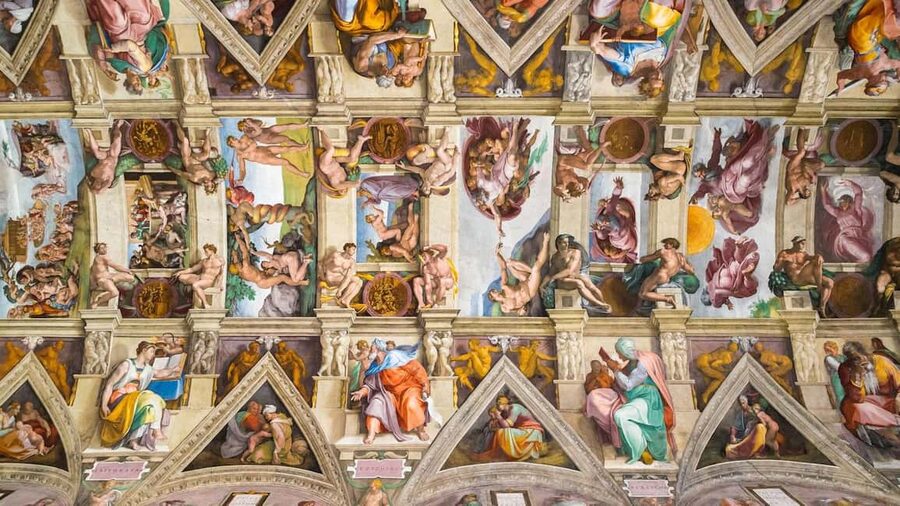
The Vatican Museums contain far more than a few famous paintings. You pass through sculpture halls, classical antiquities, decorated galleries, painted ceilings, maps, and rooms used by popes. Without a plan, it is easy to spend too much time on minor details and then rush the rooms you came to see.
The guide gives the visit a useful spine. You move through the major galleries in an organized order, with explanations along the way. That matters most in places such as Raphael’s Rooms, where the frescoes can look beautiful but confusing if you do not know what to look for.
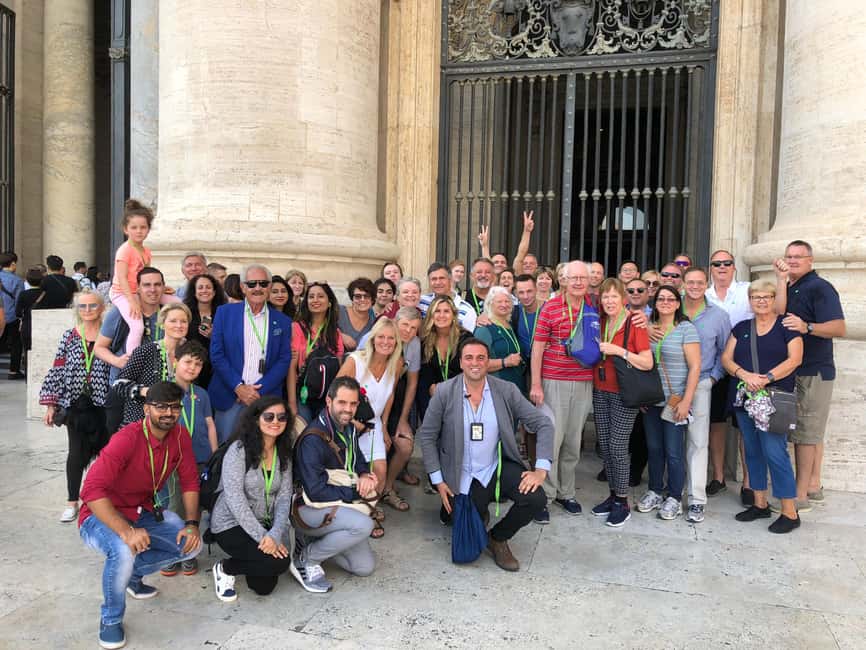
The group size is another practical advantage. Eighteen people is not truly intimate, but it is small enough for a guide to answer questions and keep the group together. Some departures may be smaller. One English-language group had nine people, which allowed an older participant to keep a comfortable pace without being hurried.
You should still expect a walking tour, not a relaxed museum afternoon. The listed duration is about two and a half to three hours, though some tours can run longer. One group spent more than three and a half hours inside. Bring enough energy for steady walking and long periods on your feet.
More St Peter’s Basilica tours:
- Rome: Guided Tour of St. Peter’s Basilica, Grottoes & Square
★ 4.4 · 732 reviews - Rome: St. Peter’s Basilica & Dome Entry Ticket with Audio Guide
★ 4.0 · 511 reviews - Rome: Vatican Museums & St. Peter’s Basilica with Dome Climb
★ 4.6 · 480 reviews
Meeting at Viale Giulio Cesare
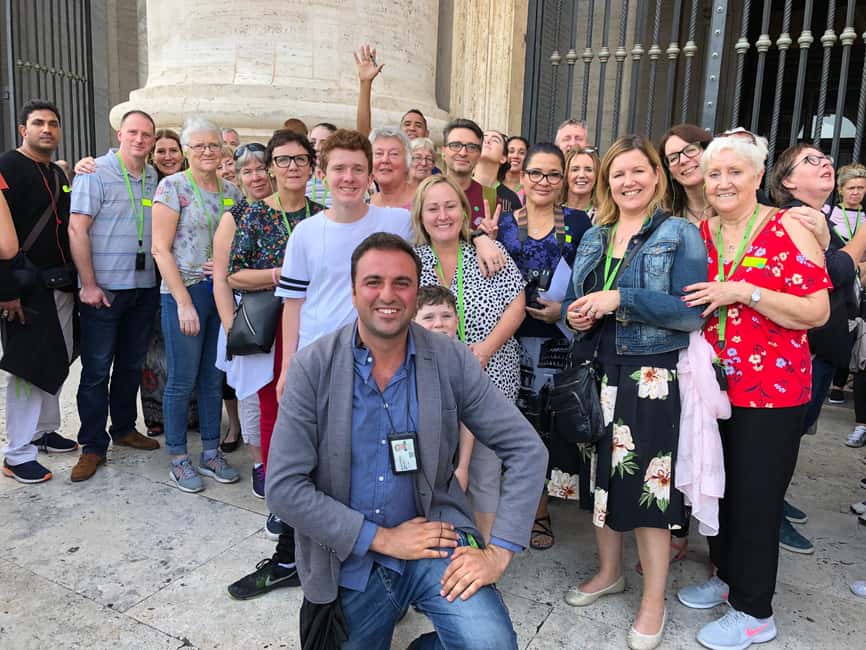
The meeting point is at the corner of Viale Giulio Cesare and Via Leone IV, beside a flower stand. Ottaviano is the nearest Metro line A station. After leaving the station, take the second exit on the left, turn left, pass the newsstand, and continue to the corner of Via Leone IV.
This is useful information because the Vatican area has many tour groups, ticket sellers, and busy sidewalks. Give yourself time to find the flower stand rather than arriving at the last second. You need your passport or identification card, and all visitors must pass through airport-style security.
Hotel pickup and drop-off are not included. You make your own way to the meeting point, so this tour is best for anyone comfortable navigating central Rome by metro or on foot.
The Vatican Museums and the Pinecone Courtyard
The visit begins with the Vatican Museums, a vast collection built up by popes over centuries. The range is broad: Greek, Roman, and Egyptian antiquities sit alongside Renaissance paintings, sculptures, decorated ceilings, and church treasures.
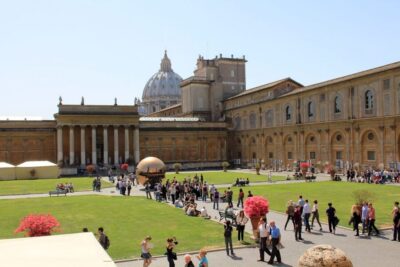
The Pinecone Courtyard, also called the Cortile della Pigna, is an early outdoor stop. Its huge bronze pinecone gives the courtyard its name. It is a good place to understand the scale of the complex before moving into the tighter galleries.
You will not study every object in the museums. That would take days. Instead, the guide points out the major works and adds the background that helps you see why they matter. I find this approach useful for a first visit, especially if you want the famous rooms without spending hours deciding where to go next.
The Candelabra Gallery and the Pio Clementine Museum
The Gallery of the Candelabra is one of the long decorated corridors on the Vatican route. Its name comes from the large marble candelabra displayed there. Look up as well as ahead. The ceilings and wall decoration are part of the experience, and you can miss them if you focus only on the sculptures.
The Pio Clementine Museum brings you closer to classical sculpture. It holds important Greek and Roman works, including pieces that influenced Renaissance artists. The guide helps connect the ancient statues to the later art found elsewhere in the museums.
This part of the tour is especially useful if you are not already familiar with classical art. A short explanation can turn a line of marble figures into a lesson in how Roman collectors, popes, and Renaissance artists viewed the ancient world.
More Vatican City tours:
- Skip the Line: Vatican & Sistine Chapel Ticket with Audio Guide
★ 4.0 · 3,271 reviews - Skip-the-Line Ticket with Host – Vatican Museums & Sistine Chapel
★ 5.0 · 1,267 reviews - Rome: Vatican Pass plus Top Attractions and Transport
★ 3.5 · 1,242 reviews - Skip The Line ticket to the Vatican Museums & the Sistine Chapel
★ 3.0 · 1,160 reviews
The Gallery of Tapestries and the Gallery of Maps
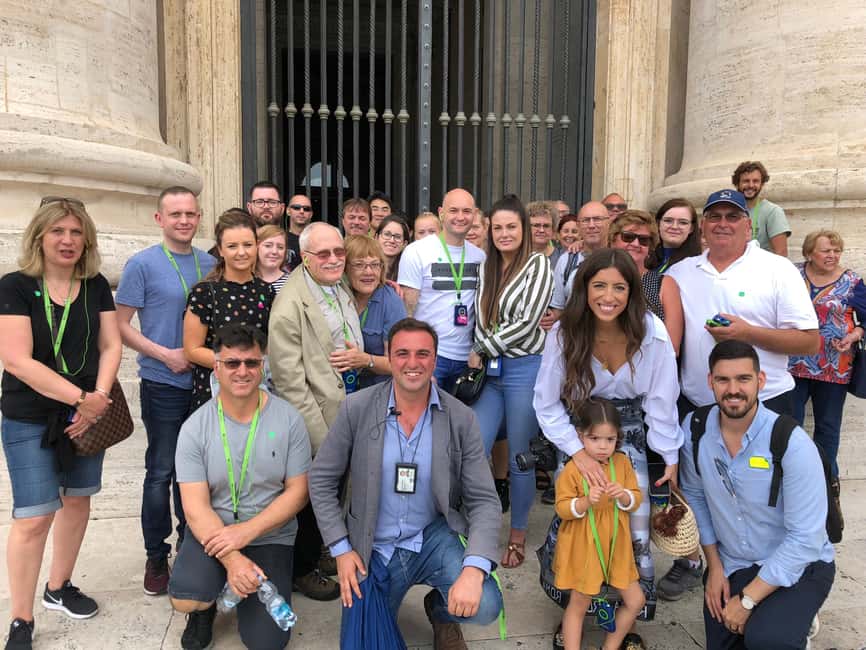
The Gallery of Tapestries is a long corridor filled with large woven wall hangings. Their detail is easy to underestimate. Look at the figures, fabric, faces, and architectural scenes as you pass. The guide can point out details that disappear when the corridor is crowded.
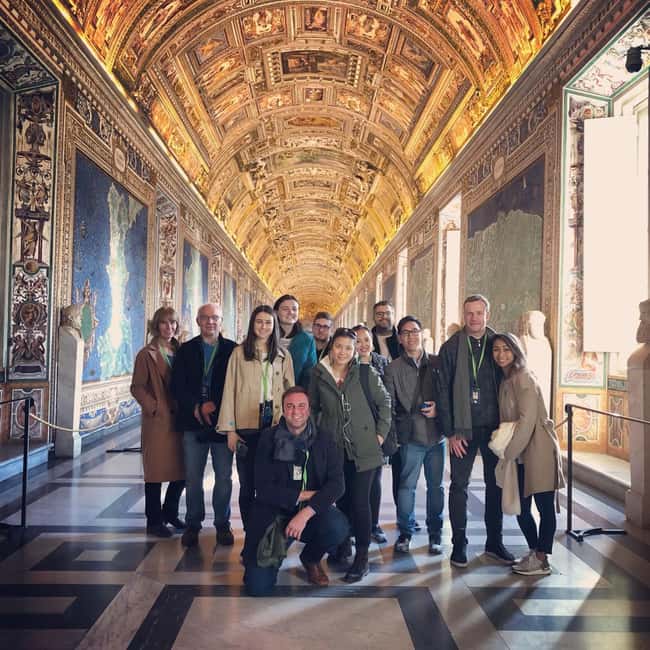
The Gallery of Maps is one of the most memorable sections. Its walls show painted maps of Italy, while the ceiling above is heavily decorated. The maps are not accurate by modern standards, but they reveal how geography was understood and presented in the late sixteenth century.
This is a good example of why a guide adds value. You are not simply looking at old maps. You are seeing a record of changing ideas about place, borders, travel, and power. The corridor also gives you a welcome change from sculpture halls and painting galleries.
Crowds can slow this section down. You may find yourself moving at the pace of the group in front of you, especially during peak hours. A patient guide can keep the visit useful even when the route itself is crowded.
Raphael’s Rooms and Renaissance painting
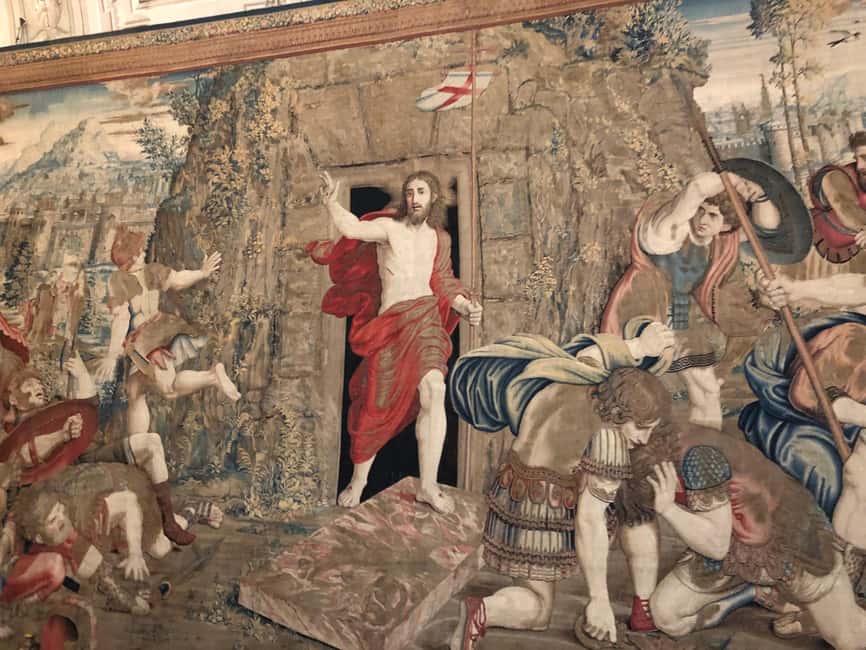
Raphael’s Rooms are among the tour’s strongest stops. These rooms were decorated for Pope Julius II, and Raphael’s frescoes helped establish his reputation as one of the great painters of the Renaissance.
The most famous scene is The School of Athens, with ancient philosophers gathered in a grand architectural setting. Even if you know the image from books, seeing it in its original room changes your sense of scale and detail. Your guide can help identify the figures, explain the subject, and show how Raphael arranged the scene.
The rooms reward close attention, but you may not get unlimited time. The route can become congested, and the group needs to stay together. One account described the pace as fast in places, particularly around the ancient objects. That is a fair trade for seeing the main areas in a short visit, but you should not expect to stand alone in front of each fresco.
If Raphael is your main reason for coming, tell your guide early. A good guide can help you focus on the key scenes even when the room is crowded.
The Sistine Chapel and Michelangelo
The Sistine Chapel is the emotional center of the tour. Here you see Michelangelo’s ceiling frescoes, including The Creation of Adam, and The Last Judgment behind the altar.
The chapel is not a normal museum room. Speaking is restricted, photography is not permitted, and the crowd can make quiet attention difficult. You may also find that other people do not follow the request for silence. This is one of the tour’s unavoidable frustrations.
Still, the scale and detail are extraordinary. Look first at the ceiling as a whole, then choose a few scenes rather than trying to absorb every figure. Michelangelo’s figures, gestures, and use of architectural frames become easier to appreciate when you stop trying to photograph or catalog everything.
A critical date note: the supplied activity information says the Sistine Chapel closed on April 28, 2025, and would remain closed until a new pope was elected, expected by mid-May. Chapel access is therefore date-sensitive. Confirm the current situation before booking, particularly if the Sistine Chapel is your main priority.
The tour includes entry to the Vatican Museums and Sistine Chapel when it is open. If the chapel is closed, the advertised experience will not match the usual route, so check the latest details before you pay.
St. Peter’s Basilica and the end of the route
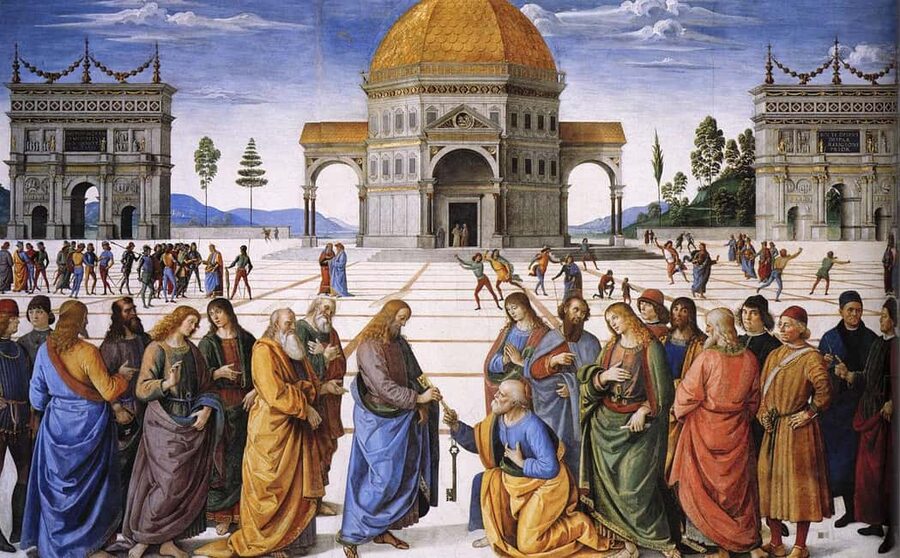
St. Peter’s Basilica is included in the stated itinerary. The basilica offers a different experience from the museums: it is an active church, a vast interior, and a place where architecture carries as much weight as individual works of art.
The activity information also gives two different end-point descriptions. One says the tour finishes at the Sistine Chapel, while the meeting information says the activity ends back at the meeting point. Because of that mismatch, confirm the exact end point with the operator on the day. Do not plan a tight connection immediately after the tour.
The itinerary lists a visit to St. Peter’s Basilica, but the time spent there can depend on the route, security, crowd levels, and current church access. Treat it as an included part of the planned visit, while allowing some flexibility in your schedule.
What the $81.85 price buys you
At $81.85 per person, this is not the cheapest way to enter the Vatican Museums. You are paying for more than admission, though. The price includes skip-the-line entry, a professional live guide, and headsets when needed.
The skip-the-line benefit is the clearest value. Vatican queues can be long, and standing outside in heat or rain is a poor use of precious Rome time. One group described entering quickly while a large crowd waited outside. That time savings can justify the cost by itself during busy periods.
The guide is the second part of the value. A self-guided visit gives you freedom, but you must manage the route, choose the rooms, understand what you see, and keep track of timing. Here, the guide handles that work and adds context. The strongest guide experiences appear to come from people such as Francesca, Alfredo, Inger, Anna, Matias, Salome, Valeria, Priscilla, Elizabeth, and Jo, though your guide will depend on the departure and language.
There are a few limits. Headsets have not always worked perfectly, and one report described them slipping off or sounding unclear. Large crowds can also make it harder to hear. If you have hearing concerns, stay close to the guide and let the guide know early.
Children aged five and under join free. The tour is not wheelchair accessible, and the walking route may be difficult for anyone who needs frequent seating or has trouble with stairs and crowded passages.
Clothing, bags, and practical preparation
Dress for a church visit, not a hot-weather beach day. Knees and shoulders must be covered. Shorts, short skirts, and sleeveless shirts are not allowed.
Large bags, luggage, backpacks, and umbrellas are also listed as prohibited. Travel light. A small permitted bag is far easier than arriving with suitcases and trying to solve the problem at the entrance.
Security is airport-style, so build that check into your expectations. Bring your passport or identification card. A water bottle may be useful, but the supplied information does not confirm the rules for every item, so follow staff instructions at the entrance.
Wear comfortable shoes. The route includes several galleries and major rooms, with a lot of standing and walking. Even when the guide keeps a steady pace, the Vatican itself demands effort.
Who should book this Vatican tour?
I would choose this tour if you are visiting the Vatican for the first time and want the major sights in one organized visit. It is also a good fit if you dislike queues, prefer clear explanations, or feel uneasy trying to navigate the museums alone.
Families can benefit from the structure, especially with older children who can handle a two-and-a-half to three-hour walking tour. One seven-year-old enjoyed the visit, and children five and under do not pay. Still, the art and the crowds may test very young children.
Art lovers may want a slower, more specialized tour. This route aims for the major sights, not every gallery. If your priorities are Raphael, Michelangelo, or classical sculpture, tell the guide so you can use limited time well.
I would not choose it if you need wheelchair access, want total independence, or dislike busy indoor attractions. The Vatican is crowded even when the tour is well run, and the Sistine Chapel may be noisy despite the silence rule.
Cancellation is flexible up to 24 hours before the tour for a full refund, and you can reserve now and pay later. Those terms help if your Rome plans are still shifting.
Should you book it?
Book this tour if you want an efficient first look at the Vatican, value a guide who can explain the art, and would rather skip the public entry queue. The best parts are the broad route, the small group limit, and the chance to hear useful context in rooms that can otherwise feel overwhelming.
Before booking, confirm that the Sistine Chapel is open on your date, check the exact end point, and plan clothing and bags carefully. If those details work for you, $81.85 is a reasonable price for saved time and a guided route through one of Rome’s most demanding sights.
FAQ
How long does the Vatican tour last?
The stated duration is about two and a half to three hours. Some visits may run longer, so avoid scheduling another activity immediately afterward.
How large is the tour group?
The tour is limited to 18 people or fewer. Some departures may be smaller.
What languages are available?
Live guides are available in Portuguese, Italian, Spanish, French, and English.
Does the tour include skip-the-line entry?
Yes. Skip-the-line admission is included for the Vatican Museums and the Sistine Chapel when the chapel is open.
Is the Sistine Chapel always included?
The usual route includes the Sistine Chapel, but the supplied information says it closed on April 28, 2025, until a new pope was elected. Check current access before booking.
Is St. Peter’s Basilica included?
St. Peter’s Basilica is included in the stated itinerary. Confirm the current route and access conditions on the day.
Where does the tour meet?
Meet at the corner of Viale Giulio Cesare and Via Leone IV, next to the flower stand. Ottaviano is the nearest Metro line A station.
What should I wear?
Your knees and shoulders must be covered. Shorts, short skirts, and sleeveless shirts are not allowed.
Is the tour wheelchair accessible?
No. The activity is not suitable for wheelchair users.
More skip-the-line tickets in Vatican City
- Sistine Chapel and Vatican Museum Skip The Line Ticket
★ 4.0 · 405 reviews - Rome: Vatican Museums Skip-the-Line Ticket
★ 4.5 · 288 reviews - Vatican Museums & Sistine Chapel Skip-the-Line Guided Tour
★ 4.6 · 254 reviews - Vatican Museums & Sistine Chapel Skip-the-Line Entry Ticket
★ 4.4 · 13,838 reviews
More Vatican Museums and Sistine Chapel tours
- Vatican Museums & Sistine Chapel Guided Tour
★ 4.5 · 763 reviews - Rome: Skip-the-Line Vatican Museums and Sistine Chapel Tour
★ 4.3 · 719 reviews - Skip the Line: Ticket to the Vatican Museum & Sistine Chapel
★ 3.5 · 547 reviews - Vatican: Sistine Chapel and Vatican Museums Guided Tour
★ 4.3 · 536 reviews
Newest Vatican City tours we have reviewed
- Top to Bottom Saint Peter’s Basilica Tour with Dome Climb★ 4.8 · 13 reviews
- Vatican Museums & Sistine Chapel Skip-the-Line Guided Tour★ 4.6 · 254 reviews
- St. Peter’s Dome Climb, Basilica and Vatacombs Tour★ 4.7 · 230 reviews
- Rome: Vatican Museums, Sistine, and St. Peter’s Private Tour★ 4.4 · 9 reviews
- Rome: Sistine Chapel & Vatican Tour with Pre-Opening Access★ 4.7 · 45 reviews
- Rome: Sistine Chapel, Vatican & St. Peters Private Tour★ 4.9 · 23 reviews
- Rome: Early Morning Small-Group Vatican Tour with Pickup★ 3.8 · 58 reviews
- Rome: Vatican Museums Skip-the-Line Ticket★ 4.5 · 288 reviews
Vatican Skip-the-Line Tours, compared.
Vatican Museums & Sistine Chapel Skip-the-Line Entry Ticket
Read our review →
Skip-the-Line Group Tour of the Vatican, Sistine Chapel & St. Peter’s Basilica
Read our review →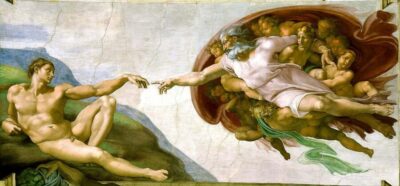
Vatican, Sistine Chapel & St. Peter’s Skip-the-Line Tour
Read our review →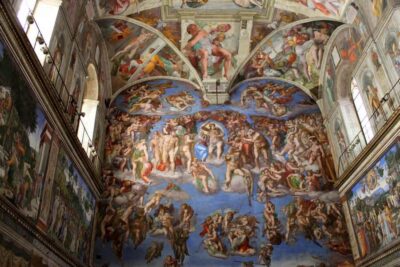
Vatican Museums Sistine Chapel Skip-the-Line Ticket
Read our review →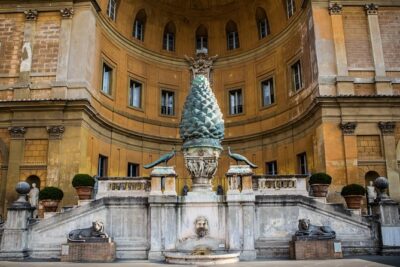
Skip the Line Vatican, Sistine Chapel and Basilica Guided Tour
Read our review →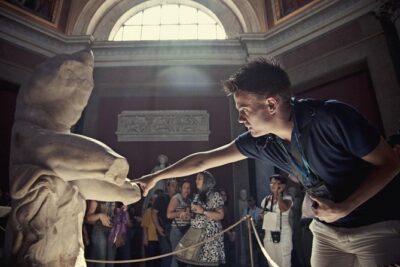
Skip the Line Vatican, Sistine Chapel, St Peter Small Group
Read our review →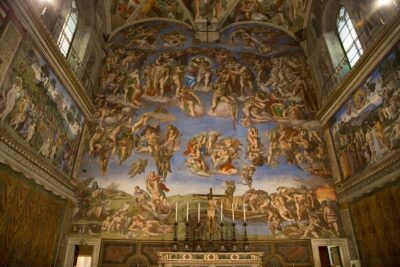
Skip the Line: Vatican & Sistine Chapel Ticket with Audio Guide
Read our review →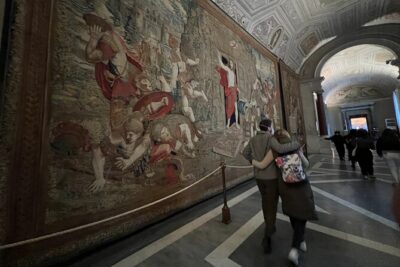
Skip the Line: Vatican Museum, Sistine Chapel & Optional Basilica
Read our review →Browse the lists this tour appears in