
Reviewed · VATICAN MUSEUMS AND SISTINE CHAPEL TOURS
Semi-private Tour of the Vatican Museums
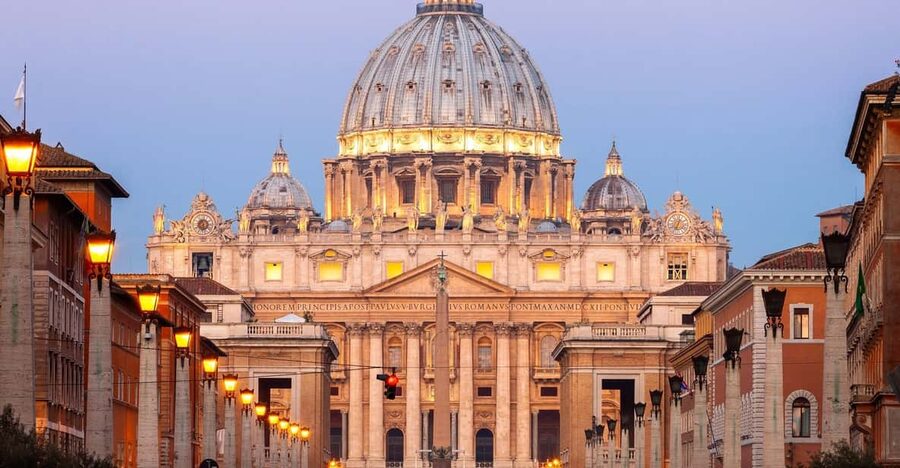
The best feature here is the route into St. Peter’s Basilica through an exit reserved for guided tours. After the Vatican Museums and Sistine Chapel, you avoid retracing your steps and continue into one of Rome’s grandest churches.
I like the small group, capped at 14, and the clear focus on major works such as the Laocoön, Raphael’s Rooms, and Michelangelo’s Sistine Chapel ceiling. The drawback is time: 2.5 hours gives you a strong introduction, but not enough for every gallery or a slow look at every masterpiece.
The guide is the real hinge of the experience. The two written comments describe the guide as engaging and informative, which is exactly what you need in a museum this large. Still, the tour is offered only in English or Hungarian, and the Sistine Chapel visit is brief.
Key points to know before booking
- St. Peter’s access follows the museum tour: You leave through the guided-tour exit, which is not open to the general public.
- The group stays small: The tour has no more than 14 spaces, allowing more direct contact with the guide.
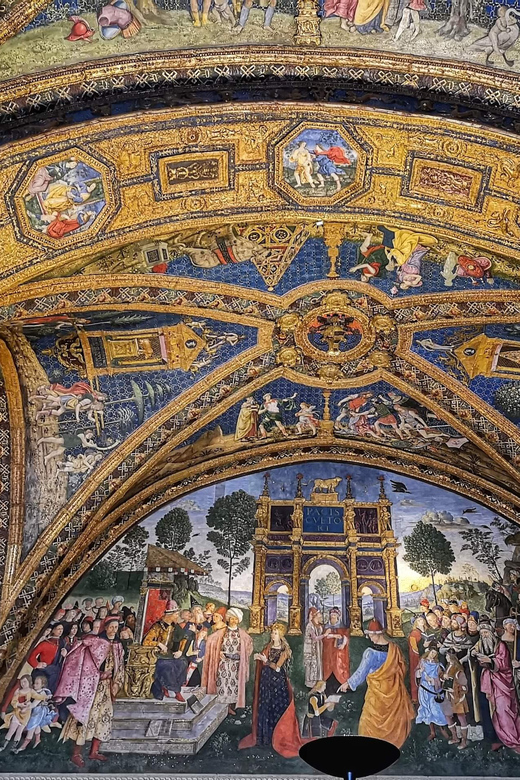
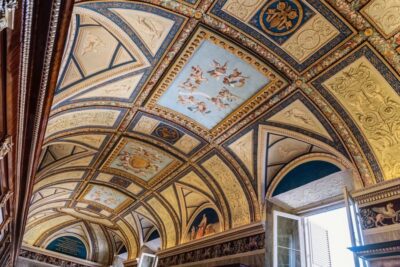
- The route covers major Vatican highlights: Expect the Pio-Clementine Museums, Raphael’s Rooms, the Borgia Apartments, the Gallery of Tapestries, the Gallery of Maps, and the Sistine Chapel.
- Michelangelo is a major focus: You spend time looking at the ceiling and Last Judgment in the Sistine Chapel.
- The guide speaks English or Hungarian: Choose the language shown when you check available departures.
- The price is $123.48 per person: That is a premium over basic admission, but it pays for a licensed guide, line-skipping access, a small group, and the route into St. Peter’s.
Why the small group matters inside the Vatican
The Vatican Museums are not a single quiet gallery. They are a huge chain of rooms, corridors, courtyards, and collections, with famous works placed among thousands of objects. In a large group, it is easy to lose the guide or hear only fragments of the explanation.
A group limited to 14 gives you a better chance to stay close and ask questions. The guide can point out details without trying to project over a crowd, and you have a more realistic chance of getting a clear answer when a statue, fresco, or map catches your attention.
That does not make the museum private or empty. You will still be inside one of Rome’s most visited sights, and the main rooms can feel busy. The value is that your own group remains manageable, not that the Vatican suddenly becomes peaceful.
The two available comments praise the guide for being engaging, informative, and very informative. That repeated point matters more here than flowery presentation. The Vatican can feel like an art-history exam unless someone explains what you are seeing and why it matters.
More Vatican Museums and Sistine Chapel tours:
- Vatican Museums & Sistine Chapel Tour with Optional Basilica
★ 4.3 · 67,413 reviews - Vatican Museums, Sistine Chapel & St Peter’s Basilica Guided Tour
★ 4.5 · 39,149 reviews - Rome: Vatican Museums, Sistine Chapel & Basilica Tour
★ 4.3 · 13,872 reviews
Starting with the Pio-Clementine Museums
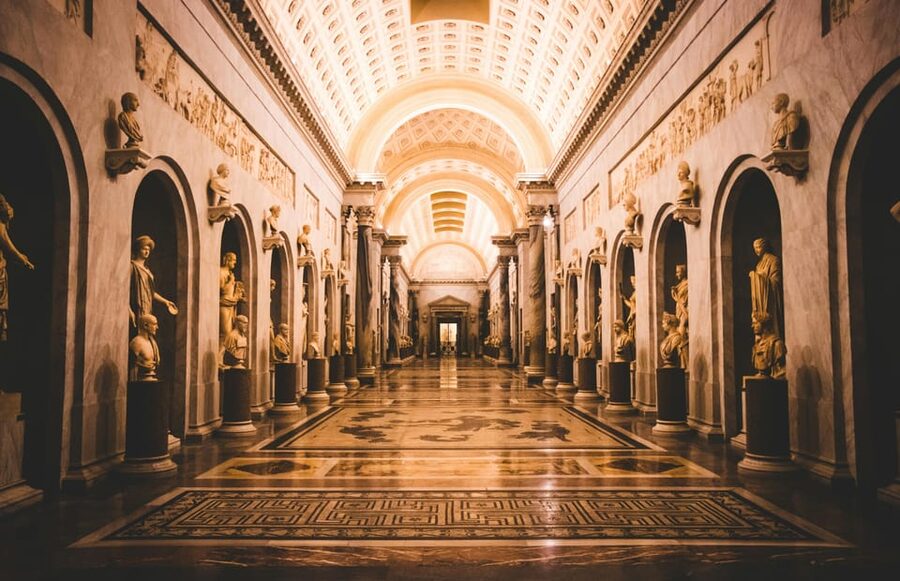
The route begins with the Pio-Clementine Museums, home to some of the Vatican’s best-known ancient sculptures. The Laocoön group is the headline work, a dramatic sculpture of a priest and his sons struggling with sea serpents.
You will also see the Belvedere Torso, a powerful fragment that had a major effect on Renaissance artists. Even though the statue is incomplete, its twisting body and muscular form became an important model for artists, including Michelangelo.
This opening section gives you a useful frame for the rest of the visit. You are not just passing from one attractive room to another. You are seeing how ancient Greek and Roman art shaped the artists who worked for the papal court centuries later.
The drawback is that ancient sculpture can be hard to read without help. A guide who explains the pose, condition, and influence of these works adds real value. Without that context, you might spend more time admiring the marble than understanding why these particular pieces are famous.
The Gallery of Tapestries and Gallery of Maps
Next, the route moves through the Gallery of Tapestries. These large woven scenes were designed to be viewed as art, storytelling, and decoration at the same time. Look closely at the figures, gestures, and small details rather than treating the room as a simple passageway.
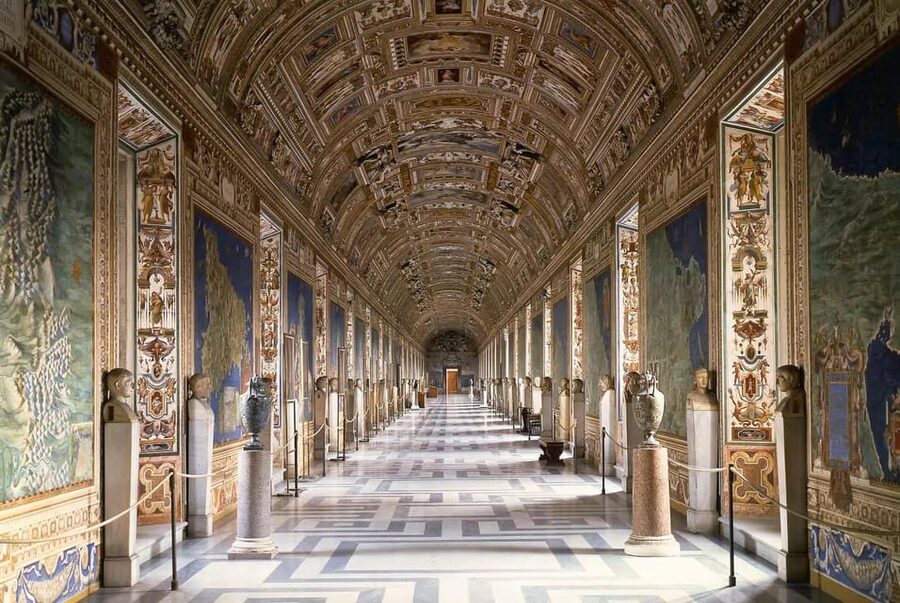
The Gallery of Maps offers a different kind of spectacle. Its walls are lined with painted maps made in the 16th century, showing how the world was understood by the people who commissioned them.
The maps are especially useful for visitors who enjoy the meeting point of art, geography, and politics. They are not modern reference maps, and the guide can help you see them as historical documents as well as beautiful wall paintings.
These long galleries also show why comfortable pacing matters. You will cover a lot of ground before reaching the most famous rooms. A guide helps keep the route moving while drawing your attention to the details worth stopping for.
Raphael’s Rooms and the former papal apartments
The tour then reaches Raphael’s Rooms, former papal apartments decorated with some of the Renaissance’s most admired frescoes. Raphael and his workshop created scenes filled with religious, philosophical, and political meaning.
The rooms are not just a collection of paintings on separate walls. Their decoration was planned as a larger program, with each room carrying its own purpose and visual character. A guide can connect the scenes so you are not left trying to decode the program alone.
Raphael’s work is often discussed alongside Michelangelo’s, but the appeal is different. Raphael’s compositions tend to reward attention to balance, groups of figures, gestures, and calm intellectual order. That contrast makes the later visit to the Sistine Chapel more interesting.
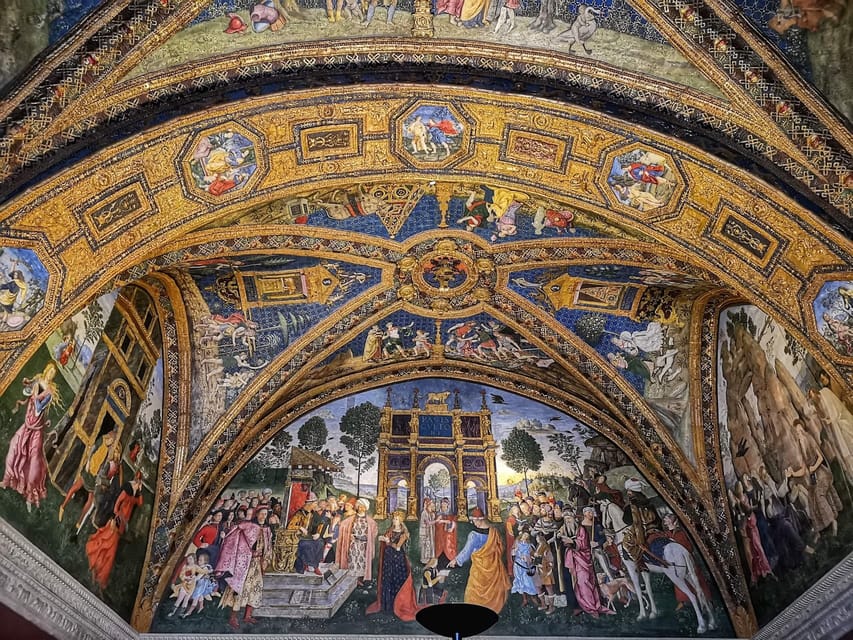
You also pass through the Borgia Apartments. These rooms are less familiar to many first-time visitors, which makes them a useful part of the route. They add another layer to the papal story without requiring you to spend hours in the museum’s less visited corners.
The tour does not promise every gallery or every papal room. That is sensible for a 2.5-hour visit, but it means you should think of this as a focused introduction rather than a complete survey of the Vatican collections.
More museums and galleries in Rome:
- Vatican Museums & Sistine Chapel Skip-the-Line Entry Ticket
★ 4.4 · 13,838 reviews - Rome: Vatican Museums, Sistine Chapel & Basilica Tour
★ 4.7 · 13,217 reviews - Rome: Vatican Museums & Sistine Chapel Guided Tour
★ 4.3 · 12,117 reviews - Vatican Museums & Sistine Chapel Skip-the-Ticket-Line Tour
★ 4.3 · 10,486 reviews
A focused visit to the Sistine Chapel
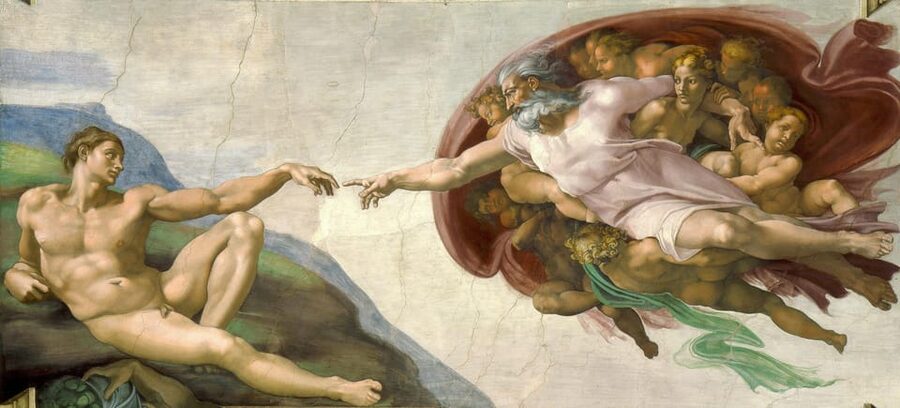
The Sistine Chapel is the emotional high point for most people. Michelangelo’s ceiling and Last Judgment are the works everyone comes to see, and the tour gives you time to take in the frescoes.
The ceiling is easy to underestimate. From the floor, the figures can look smaller and less detailed than expected, especially when you are surrounded by other people looking upward. Give yourself a moment to let your eyes adjust and then look for the larger scenes, the prophets, and the figures around them.
The Last Judgment covers the altar wall with a different kind of energy. The ceiling tells a series of stories, while the altar wall presents a vast final reckoning. The contrast is one reason the chapel deserves more than a quick glance.
The guide’s role is especially useful before you enter. Once inside, time may be limited, and the chapel is not the place for a long running lecture. A clear explanation beforehand lets you spend your time looking instead of trying to sort out basic facts.
The description specifically says you spend a little time here. That is the main limitation for art lovers who want to study every panel. You will see the centerpiece of the Vatican route, but this is not a long, silent study session.
Continuing into St. Peter’s Basilica
The tour ends with access to St. Peter’s Basilica through the guided-tour exit. This route is a practical advantage because you do not need to leave the museum complex and find your way back through a separate public entrance for the next part of your visit.
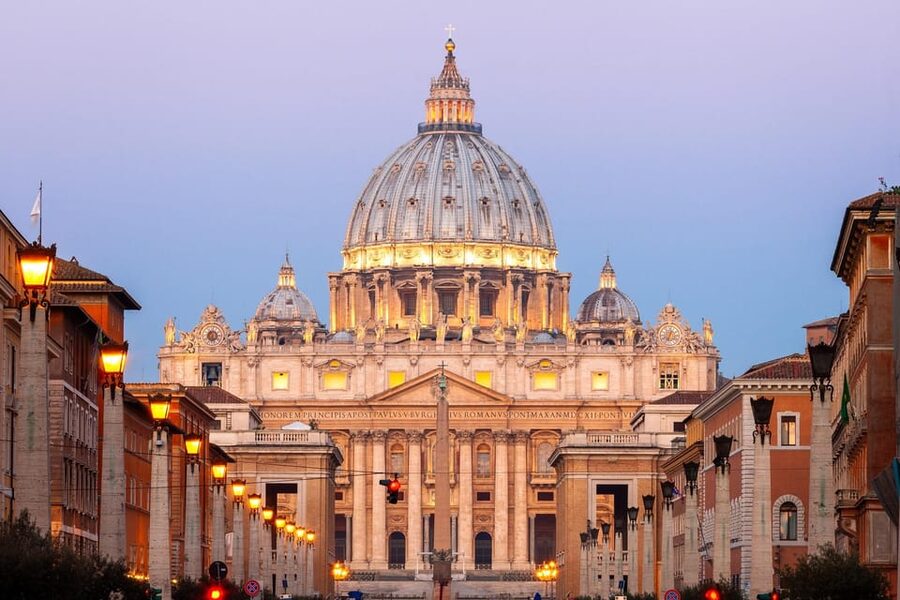
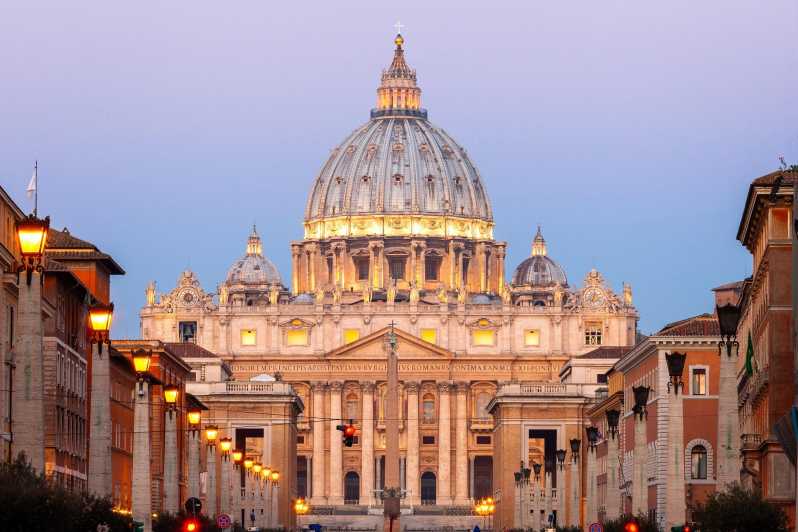
The basilica changes the scale of the experience. The Vatican Museums lead you through rooms and galleries filled with individual works. St. Peter’s gives you an enormous architectural setting, where paintings, sculpture, chapels, and decoration are designed to work together.
Your guide highlights key features and artworks inside the basilica. The supplied details do not promise a full visit to every chapel or a tour of every section, so keep your expectations sensible. You are getting a guided introduction to the major interior, not unlimited time for independent exploration.
This final stop is one of the strongest reasons to compare this tour with a basic museum ticket. If you planned to visit both places, the guided exit saves effort and gives the day a clearer shape. It also leaves you with a natural place to continue on your own after the tour ends.
Is $123.48 good value?
At $123.48 per person, this is not the cheapest way to enter the Vatican Museums. You are paying for more than admission: a licensed guide, skip-the-ticket-line access, a small group, selected interpretation, and the route into St. Peter’s Basilica.
That price makes more sense if you are visiting Rome for a short stay or if you want help making sense of major works rather than wandering without direction. The Vatican is large enough that a poorly planned visit can consume hours while leaving you unsure what you actually saw.
The value is lower if you already know the collections well or prefer to move at your own pace. You may want to pause in one gallery, return to a favorite sculpture, or spend a long time with the Sistine Chapel. A fixed 2.5-hour route will not give you that freedom.
For a first visit, I think the strongest value comes from the combination of time control and interpretation. Skip-the-line access gets you inside sooner, while the guide keeps the visit focused on the works most people hope to see.
The small group also separates this experience from a basic large-group outing. Fourteen people is still a group, but it is small enough to make the guide’s commentary more personal and practical.
Timing, languages, and booking flexibility
The tour lasts 2.5 hours, with starting times shown according to availability. Check the departure options before booking, since the exact start time is not fixed in the information provided.
Live guiding is available in English and Hungarian. If you need another language, this experience is not presented as a match for that need.
You can cancel up to 24 hours before the tour for a full refund. You can also reserve now and pay later, which is useful if your Rome schedule is still changing.
No transportation is listed as part of the activity. Plan on making your own way to the Vatican meeting point shown during booking, and allow enough time to arrive before the start.
The tour is run by Trajan Tours. The available feedback is brief but consistent, with all three ratings giving five stars and praising the guide’s engaging, informative approach. That is encouraging, but the sample is small, so I would treat it as a positive sign rather than a guarantee that every departure will feel identical.
Who will enjoy this Vatican tour most?
This tour suits a first-time Vatican visitor who wants the major works explained without spending a full day inside the museums. It is also a good fit if you value a small group and want to continue directly into St. Peter’s Basilica.
Art lovers should enjoy the range. You get ancient sculpture, Renaissance frescoes, maps, tapestries, former papal rooms, Michelangelo, Raphael, and the basilica’s monumental interior in one connected visit.
Families and mixed-interest groups may also find the focused route helpful. The guide can give the museum a clear story, rather than leaving each person to work out why a particular statue or painting matters.
This is less suitable for someone who wants a long independent visit. The pace has to cover several major sections, and the Sistine Chapel portion is intentionally limited. If you already have strong Vatican knowledge, the price may be harder to justify.
It also may not suit you if your preferred tour language is not English or Hungarian. Those are the languages identified for the live guide.
Should you book this semi-private Vatican tour?
Book it if you want a focused first look at the Vatican Museums, a group of no more than 14, and a guided route into St. Peter’s Basilica. The engaging and informative guide style is the most praised part of the experience, and that is exactly where a Vatican tour earns its keep.
The $123.48 price is fair for a licensed guide, skip-the-line entry, small-group attention, and the basilica connection, but it is still a premium price. If you want to study every room slowly, choose a more flexible visit instead.
For most first-time visitors with limited time, I would consider this a practical choice. You see the celebrated works, receive useful context, and avoid wasting the day finding your way through the Vatican on your own.
FAQ
How long does the Vatican Museums tour last?
The tour lasts 2.5 hours.
How much does the tour cost?
The listed price is $123.48 per person.
How many people are in the group?
The semi-private tour has no more than 14 spaces available. The description also refers to groups typically numbering no more than 12, so the exact group size can vary within the stated small-group format.
Which languages are available?
The live guide is available in English and Hungarian.
Does the tour skip the ticket line?
Yes. The activity includes skip-the-ticket-line access.
Which Vatican Museums areas are included?
The route includes the Pio-Clementine Museums, the Laocoön group, the Belvedere Torso, the Gallery of Tapestries, the Gallery of Maps, Raphael’s Rooms, the Borgia Apartments, and the Sistine Chapel.
Does the tour include St. Peter’s Basilica?
Yes. The guide takes you toward St. Peter’s Basilica through the guided-tour exit, which is not open to the general public, and highlights key features and artworks inside.
Can I cancel or pay later?
You can cancel up to 24 hours in advance for a full refund. You can also reserve your place and pay later.
Newest Rome tours we have reviewed
- Private TikTok Video Making in Rome★ 5.0 · 7 reviews
- Assisi, Orvieto and Civita di Bagnoregio Full Day Tour from Rome★ 4.5 · 45 reviews
- Assisi & Saint Francis Path Tour from Rome★ 5.0 · 45 reviews
- Assisi and Cascia Private Day Tour from Rome with Lunch★ 5.0 · 10 reviews
- Art Class in the center of Rome!★ 4.0 · 4 reviews
- Art & Craft: Beer Tour with Street Art in Rome★ 4.5 · 6 reviews
- Arrival in Rome: Airport Transfer & Exclusive City Introduction★ 5.0 · 3 reviews
- From Rome: Private Day-Tour of Tuscany★ 5.0 · 16 reviews
Vatican Museums and Sistine Chapel Tours, compared.
Vatican Museums & Sistine Chapel Tour with Optional Basilica
Read our review →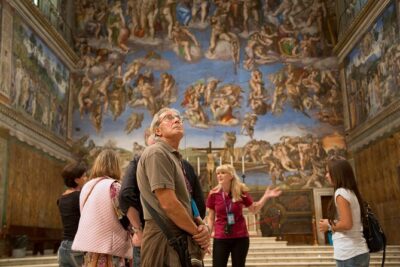
Vatican Museums, Sistine Chapel & St Peter’s Basilica Guided Tour
Read our review →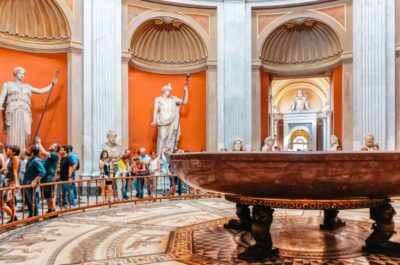
Vatican Museums, Sistine Chapel & Basilica Tour
Read our review →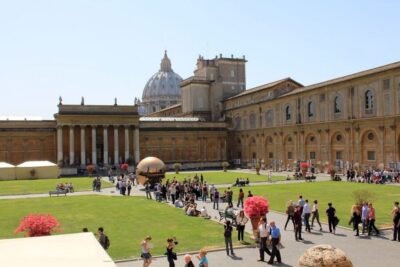
Vatican Museums & Sistine Chapel Skip-the-Line Entry Ticket
Read our review →Vatican Museums, Sistine Chapel & Basilica Tour
Read our review →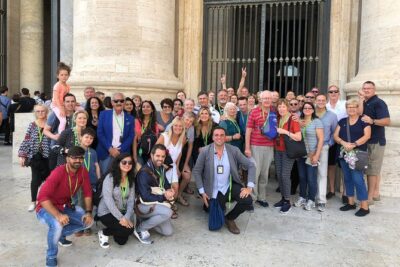
Skip-the-Line Group Tour of the Vatican, Sistine Chapel & St. Peter’s Basilica
Read our review →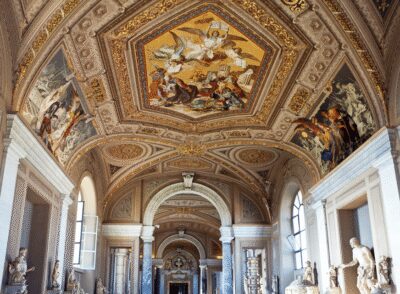
Vatican Museums & Sistine Chapel Guided Tour
Read our review →
Vatican Museums & Sistine Chapel Skip-the-Ticket-Line Tour
Read our review →Browse the lists this tour appears in