
Reviewed · ANCIENT ROME TOURS
Ancient Rome with Archaeology – Small Group Only
Ancient Rome makes more sense when you stop treating its monuments as isolated ruins. This small-group walk with Leonardo links the Colosseum, Forum, Imperial Fora, Capitoline Hill, and Theater of Marcellus into one long story, from Rome’s early settlement to its imperial peak.
I like the archaeological approach, which asks why a building was made, how its purpose changed, and what its surviving stones can still tell you. I also like the group limit of six, since that gives you a better chance to ask questions and follow your own interests.
The main limitation is simple: you do not go inside the monuments. This is an outdoor orientation and interpretation walk, not a ticketed Colosseum or Roman Forum tour. If you want interior access, you’ll need to arrange those tickets separately.
Key points to know before you book
- Six-person maximum: A small group keeps the walk personal and makes questions easier.
- Leonardo leads in English or Portuguese: His historical introduction is a major part of the experience.
- Seven major ancient sites connect into one route: You see the Colosseum, Imperial Fora, Roman Forum, Palatine, Capitoline, and Theater of Marcellus.
- No monument entry is included: The tour studies the sites from outside and from viewing points.
- The walk finishes with a free archaeological area: The Theater of Marcellus, Temple of Apollo, and Porticus of Octavia provide a quieter final chapter.
- Two and a half hours for $36.08: That is a fair price for a focused private-feeling orientation, especially if you plan to visit interiors on your own.
Why the archaeology-first approach works
Rome can overwhelm you. You look at broken columns, arches, temples, roads, and layers of buildings, then try to guess what you are seeing. A good guide gives those stones a job and a date.
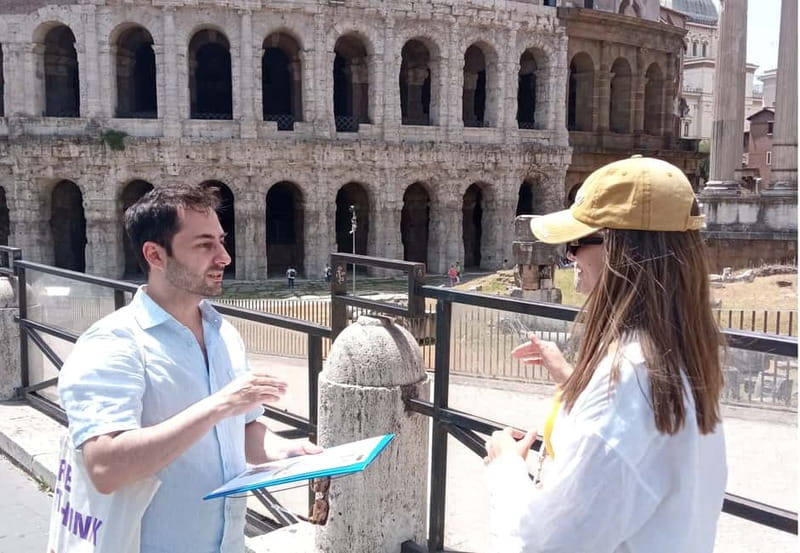
Leonardo begins with a short introduction to Rome’s timeline, either while walking or at a café. The aim is not to bury you in names. It is to explain the main periods, basic architectural ideas, and the reasons Rome grew from a small settlement into the center of a huge empire.
That opening matters. The Roman Forum is easier to read once you understand that it was not built as one tidy complex. It developed over time as Rome changed. Political buildings, religious sites, public spaces, and roads were added, rebuilt, and adapted.
This is where the tour’s archaeology focus earns its keep. Instead of only pointing out famous ruins, Leonardo explains how historians and archaeologists use remains to reconstruct the past. A wall, foundation, column, or change in ground level becomes evidence.
The experience has earned a 5/5 score from seven ratings. The strongest praise centers on the amount of architectural and historical detail, plus the way Leonardo’s opening explanation helps you appreciate the ancient buildings. One useful comment is that the two and a half hours pass quickly, which suggests a lively pace rather than a slow lecture.
More ancient Rome tours:
- Colosseum: Underground and Ancient Rome Tour
★ 4.7 · 12,691 reviews - Colosseum & Ancient Rome with Arena Floor Option I Max 6 People
★ 5.0 · 3,306 reviews - Rome: Colosseum, Ancient Rome Tour or Self AudioGuided Tour
★ 4.4 · 2,866 reviews
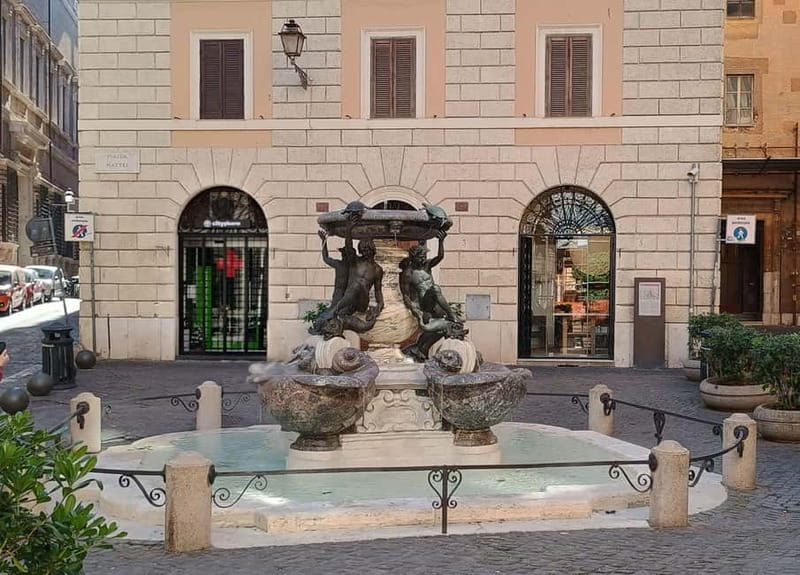
Starting at Piazza Mattei and the Turtle Fountain
The meeting point is directly in front of the Fountain of the Turtles at Piazza Mattei. This is a practical place to begin because you can find it without entering a large museum or archaeological complex.
The fountain gives you a pleasant first landmark, but the real value of the opening is getting your bearings. Leonardo introduces the broad timeline before the main monuments appear. That helps you understand that Rome’s ancient center was built in stages, not according to one master plan.
You should arrive ready for an outdoor walk. The experience is described as light and suitable for all ages, with city-provided physical accessibility. Still, Rome’s ancient center includes paved streets, uneven surfaces, and stretches of walking, so comfortable shoes are sensible.
The group limit is six people. That is small enough for a personal exchange with the guide, without the formality of a one-to-one tour. It also means the pace can respond to your interests. If architecture catches your attention, you can ask for more on construction and design. If political history matters more, you can steer the conversation in that direction.
The Colosseum from the outside
The Colosseum is the first major landmark on the route. You spend about 30 minutes walking and receiving a guided explanation, but you do not enter the amphitheater.
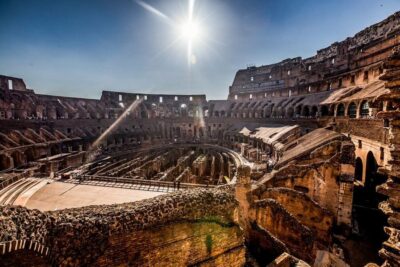
That distinction is important. The Colosseum’s interior is where you see the arena structure, underground areas, seating levels, and the scale of the building from within. This experience gives you exterior viewpoints and historical context instead.
For some people, that is enough for a first visit. You can understand the building’s place in the wider Roman city before spending time inside later. The exterior also makes it easier to discuss the structure as part of Rome’s public architecture, rather than treating it as a stand-alone photo stop.
For others, the lack of entry will feel like a gap. The Colosseum is one of Rome’s most important paid attractions, and you may want a separate ticketed visit on the same day or another day. Budget for that if your goal is a full examination of the monument.
The guide’s role here is to connect form and purpose. Why was such a vast structure built? What did it communicate about Roman power? How did architecture help organize public life? Those questions make the outside view more useful than a quick stop for photographs.
The Imperial Fora and the story of expansion
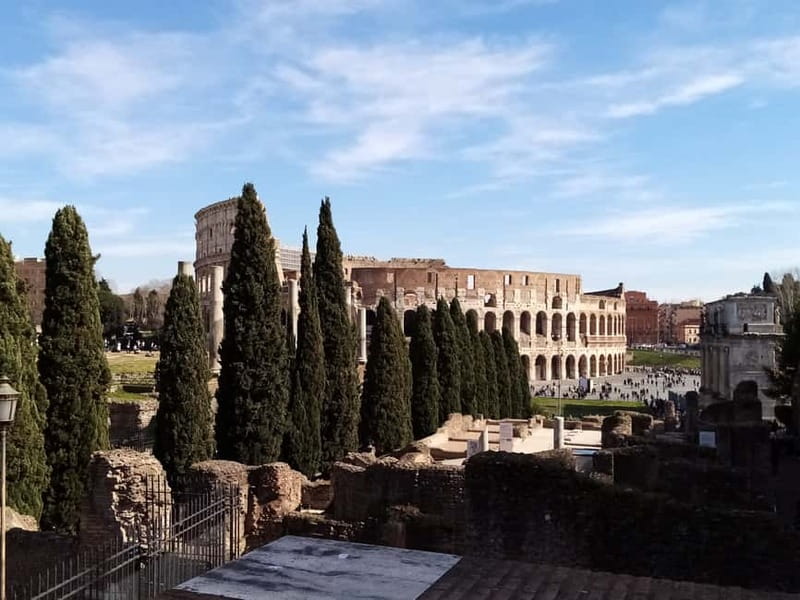
Next comes the Imperial Fora, with roughly 30 minutes of sightseeing and guided walking. These monumental spaces were created by emperors who wanted their own public mark beside the older Roman Forum.
The site is especially useful for understanding how Rome changed as its rulers gained power. Each new forum added architecture, ceremony, and political messaging to the center of the city. The ruins are not just scattered stones. They show how emperors reshaped public space to present themselves as builders, leaders, and heirs to Rome’s past.
From the available viewing points, Leonardo helps you read the arrangement of temples, columns, and foundations. You are not entering the archaeological area as part of this experience, so the value comes from the explanation and the overall view.
This stop also shows why a small group is helpful. Imperial Rome can be hard to picture from ground level. A guide can point out relationships between structures and explain what you are seeing before the details blur together.
If you are already well acquainted with Roman imperial history, you may find the stop familiar. The benefit is less about discovering a completely unknown monument and more about placing several sites into one connected sequence.
Same city, a completely different half-day:
- Vatican Museums & Sistine Chapel Tour with Optional Basilica
★ 4.3 · 67,413 reviews - Vatican Museums, Sistine Chapel & St Peter’s Basilica Guided Tour
★ 4.5 · 39,149 reviews - Rome: Colosseum, Palatine Hill and Roman Forum Guided Tour
★ 4.8 · 32,814 reviews - Rome: Guided Tour of Colosseum, Roman Forum & Palatine Hill
★ 4.7 · 27,897 reviews
The Roman Forum and Palatine Hill
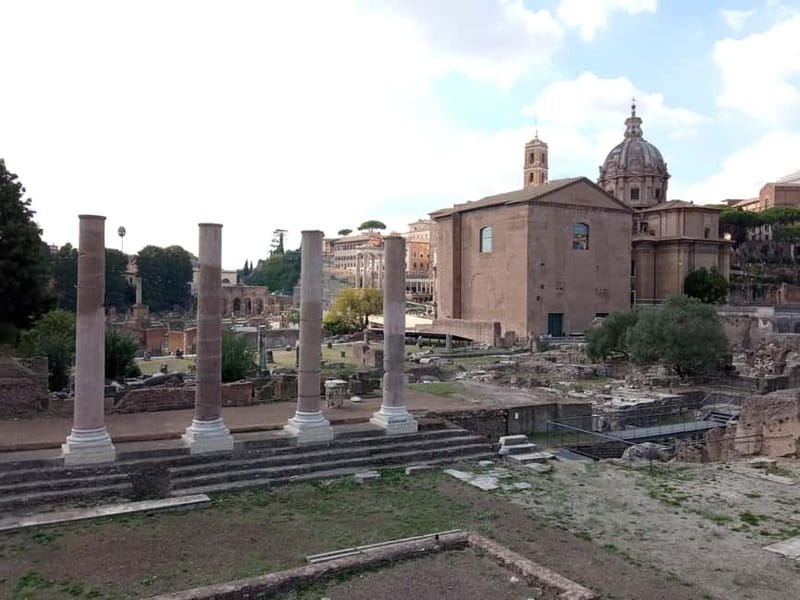
The Roman Forum receives another guided section of about 30 minutes. From a good vantage point, you see temples, basilicas, and other remains while Leonardo explains how the center of public life developed.
This is probably the part of the walk that gains the most from a clear introduction. Without context, the Forum can look like a field of fragments. With the right explanation, the space becomes a working city center where religion, law, politics, and public business overlapped.
The Palatine Hill is also part of the route, although the walk does not include entry to the hill’s archaeological grounds. You see and discuss it as part of the wider ancient center. The Palatine is important because it connects Rome’s early settlement traditions with the later imperial residences.
The tour is not trying to replace a full Forum and Palatine visit. Instead, it shows you how the sites relate to one another. That is valuable if you plan to buy an entry ticket separately, since you will arrive with a clearer idea of what deserves your attention.
I would especially recommend taking notes or using a map afterward if ancient Roman names tend to run together. The amount of information is a strength, but the Forum has many structures and long periods of change. A short refresher can help the story stay organized.
Capitoline Hill and Michelangelo’s square
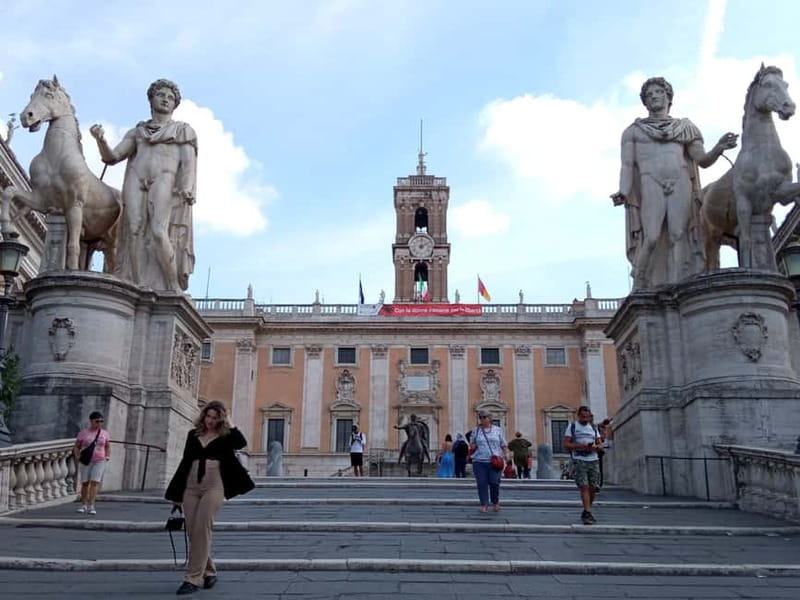
The route continues to Piazza del Campidoglio on Capitoline Hill, with about 30 minutes for a guided visit and sightseeing. This stop adds a later layer to the ancient city.
The Capitoline was one of Rome’s most important hills in antiquity. The square you see today, however, also reflects later architectural planning. That contrast is useful. Rome is not a museum frozen in one period. Ancient foundations, medieval changes, Renaissance design, and modern city life overlap.
The tour’s art history element is especially relevant here. Leonardo does not focus only on ancient ruins. He also uses architecture to explain how later generations shaped their view of Rome’s past.
You should expect viewpoints and discussion rather than entry into the Capitoline Museums. If you want the museum collections or a closer look at the buildings around the square, you need a separate visit.
This section also offers a welcome change of rhythm. After the dense ruins of the Forum and Imperial Fora, the designed space of Piazza del Campidoglio helps you see how Rome’s ancient identity was presented and reinterpreted later.
Theater of Marcellus and the final archaeological area
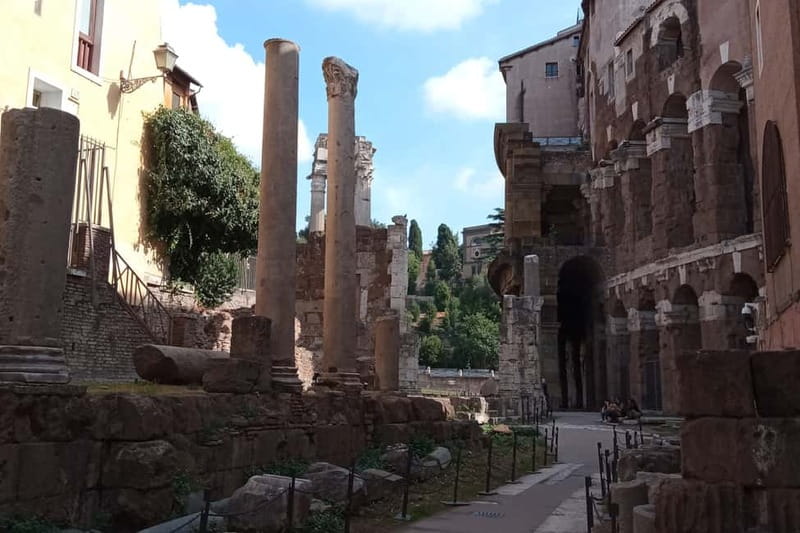
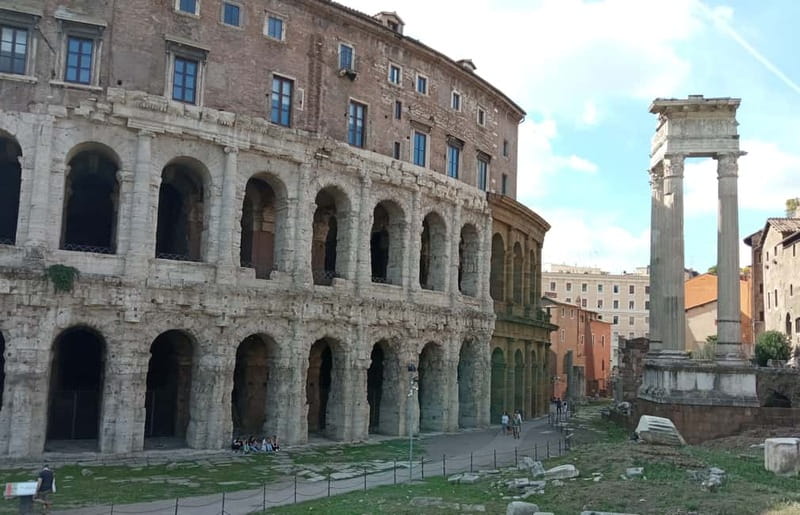
The walk ends around the Theater of Marcellus, the Temple of Apollo, and the Porticus of Octavia. This area leads toward the former Jewish Ghetto and provides a quieter finish than the Colosseum area.
The Theater of Marcellus is particularly interesting because it shows how Roman buildings could survive through changing uses. You study the archaeological area from outside, with Leonardo explaining the monuments and their setting. The nearby Temple of Apollo and Porticus of Octavia add more evidence of the ancient city’s religious and civic life.
I like this ending because it broadens the experience beyond Rome’s best-known landmarks. The Colosseum and Forum are essential, but the final sites remind you that ancient Rome extended into many neighborhoods and that its remains are woven into the modern city.
There is also a practical benefit. The Theater of Marcellus area is close to the former Jewish Ghetto, so you can continue exploring after the walk. The experience itself does not include a separate food stop or neighborhood tour, but the location gives you a useful next step.
The stated end arrangements need a quick check before booking. The route description finishes at the Theater of Marcellus area, while the activity information also says the walk ends back at the meeting point and lists Colosseum-area drop-off points. Confirm the exact end point with Leonardo when you reserve.
What $36.08 buys you
At $36.08 per person, this is priced below many full-entry guided tours of the Colosseum and Forum. You are paying for a two-and-a-half-hour walking lesson with a maximum of six participants, not for admission or access to restricted areas.
That makes the value strongest in two situations. First, you want a clear introduction before visiting the monuments on your own. Second, you have already arranged entry tickets and want help understanding what you will see from the streets and viewpoints.
The price is less attractive if you expect a complete Colosseum experience in one booking. Since tickets are excluded and no interiors are visited, you will spend more if you later add separate entry and another guided visit.
Still, the small group changes the calculation. A large walking tour can cover the same names but leave little room for questions. Here, the six-person limit and flexible approach let Leonardo adjust the discussion to your pace and interests.
Free cancellation up to 24 hours before the activity and reserve-now, pay-later booking add useful flexibility. Starting times vary, so check availability and contact Leonardo if you need a different time. The tour is offered in English and Portuguese.
Who will get the most from this walk
I would choose this for a first or second visit to Rome when you want the ancient center explained as one connected story. It suits people who enjoy history, architecture, archaeology, and asking why a monument was built.
It also works well for families and mixed-age groups because the walk is described as light and suitable for all ages. The small group should make it easier to keep children engaged with questions, though the amount of historical material may be better suited to older children.
This is a good fit if you prefer outdoor sightseeing and viewpoints. It is less suitable if you need indoor relief, want a long stop at each monument, or mainly care about entering the Colosseum and Forum.
The language choice is English or Portuguese. If you want a different language, you should not assume it is available.
Practical advice for a better day
Wear shoes you can walk in comfortably and bring water, especially if your chosen time is warm. The route covers several ancient areas and includes about two and a half hours on foot.
Keep your expectations clear. This is not a ticket bundle, skip-the-line service, or interior tour. Think of it as a focused outdoor class that gives you the framework for a later independent visit.
If the history interests you, tell Leonardo early. The experience is described as personalized to your interests, pace, and time. You will get more from it if you ask about architecture, archaeology, politics, religion, or the later life of the buildings.
Plan your next stop before you finish. The final area near the Theater of Marcellus connects naturally with the former Jewish Ghetto, while the listed drop-off details also refer to the Colosseum area. Clarify where you will be released so your afternoon plans stay simple.
Should you book Ancient Rome with Archaeology?
Book it if you want context before or alongside a separate monument visit. Leonardo’s timeline, archaeology, and art history approach can turn a confusing collection of ruins into a readable city, and the six-person limit gives the walk a personal feel.
Skip it if your priority is entering the Colosseum, Palatine, or Forum as part of one package. Those tickets are not included, and the monuments are viewed from outside.
For $36.08, I see this as a strong-value orientation walk, especially for history-minded visitors who want more than landmark names and quick photographs. Just reserve separate entry tickets if you want the interiors, and confirm the precise finishing point before you set out.
FAQ
How long does the Ancient Rome with Archaeology experience last?
The experience lasts 2.5 hours. Starting times vary, so check availability when booking.
Where does the tour begin?
It begins in front of the Fountain of the Turtles at Piazza Mattei, 1 in Rome.
Which monuments are covered?
The route covers the Colosseum, Imperial Fora, Roman Forum, Palatine Hill, Capitoline Hill, Theater of Marcellus, Temple of Apollo, and Porticus of Octavia.
Does the price include entry to the Colosseum or Roman Forum?
No. The experience does not include entry to the monuments or tickets for them.
What languages are available?
The live guide is available in English and Portuguese.
How large is the group?
The group is limited to six participants.
Is the walk suitable for all ages?
Yes. It is described as a light walking tour suitable for all ages and offers physical accessibility provided by the city.
Who leads the experience?
The experience provider is LeonardoDC, and the guide is Leonardo.
Can I cancel for a refund?
You can cancel up to 24 hours in advance for a full refund. Reserve-now, pay-later booking is also available.
Newest Rome tours we have reviewed
- Private TikTok Video Making in Rome★ 5.0 · 7 reviews
- Assisi, Orvieto and Civita di Bagnoregio Full Day Tour from Rome★ 4.5 · 45 reviews
- Assisi & Saint Francis Path Tour from Rome★ 5.0 · 45 reviews
- Assisi and Cascia Private Day Tour from Rome with Lunch★ 5.0 · 10 reviews
- Art Class in the center of Rome!★ 4.0 · 4 reviews
- Art & Craft: Beer Tour with Street Art in Rome★ 4.5 · 6 reviews
- Arrival in Rome: Airport Transfer & Exclusive City Introduction★ 5.0 · 3 reviews
- From Rome: Private Day-Tour of Tuscany★ 5.0 · 16 reviews
Ancient Rome Tours, compared.
Colosseum: Underground and Ancient Rome Tour
Read our review →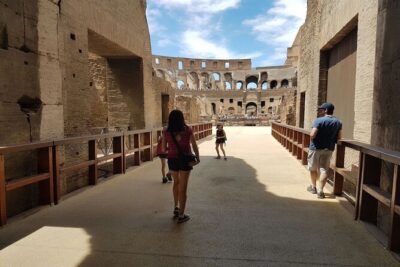
Colosseum & Ancient Rome with Arena Floor Option I Max 6 People
Read our review →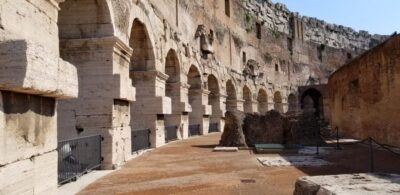
Colosseum, Ancient Rome Tour or Self AudioGuided Tour
Read our review →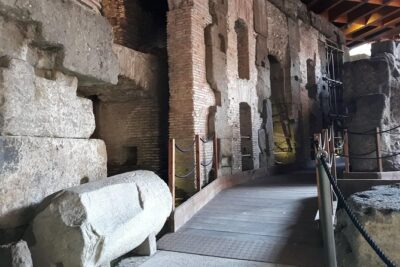
Colosseum Underground & Ancient Rome Guided Tour
Read our review →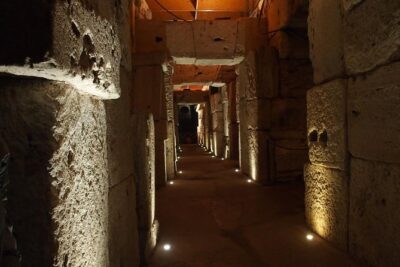
Ancient Rome: Colosseum Underground Group Tour
Read our review →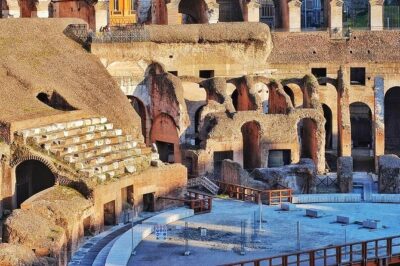
Colosseum Express Guided Tour and Ancient Rome Admission Included
Read our review →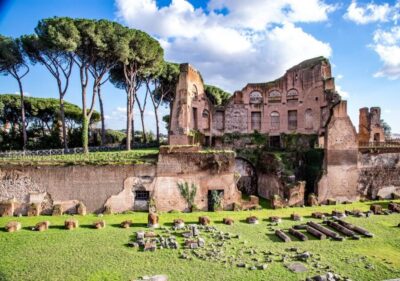
Colosseum Arena Access and Ancient Rome Guided Tour
Read our review →
Ancient Rome Discovery: Colosseum, Forum, Palatine Guided Tour
Read our review →Browse the lists this tour appears in