
Reviewed · ROME COOKING CLASSES
Cooking Class in Rome: Chef in a Day
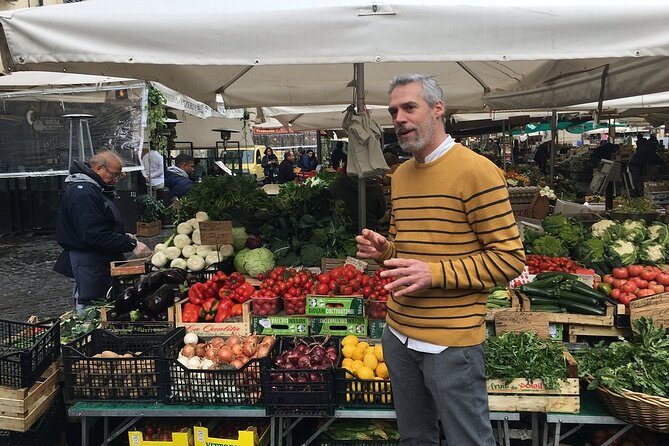
Rome’s best cooking lessons do more than show you how to roll pasta. This five-hour class starts at Campo de’ Fiori, where you help choose the meat, vegetables, herbs, and cheese that shape the day’s menu. Then you cross town to a working kitchen in Trastevere and cook a full meal with Chef Federico Alessandri or Chef Paola.
I like two things right away: you actually cook, rather than watch a chef perform, and the menu changes with the season. You may make egg pasta, semolina pasta, gnocchi, stuffed pasta, or long noodles, each with its own sauce. The main drawback is time on your feet, and a group of up to 11 can feel crowded during busy moments.
Key points at a glance
- Three pasta styles: Prepare a stuffed pasta, a long pasta, and a short or medium pasta, with three matching sauces.
- Market first: Shop at Campo de’ Fiori with the chef and learn how seasonal ingredients guide an Italian meal.
- Chefs who teach: Federico Alessandri and Paola lead hands-on lessons with technique, timing, and plenty of kitchen advice.
- Full meal included: Eat the appetizer, pasta, meat course, dessert, and wine you helped prepare.
- Small but not private: The class needs at least six people and accepts no more than 11.
- Useful souvenir: Recipes are emailed after class so you can repeat the dishes at home.
Starting at Piazza Farnese at 9:30 a.m.
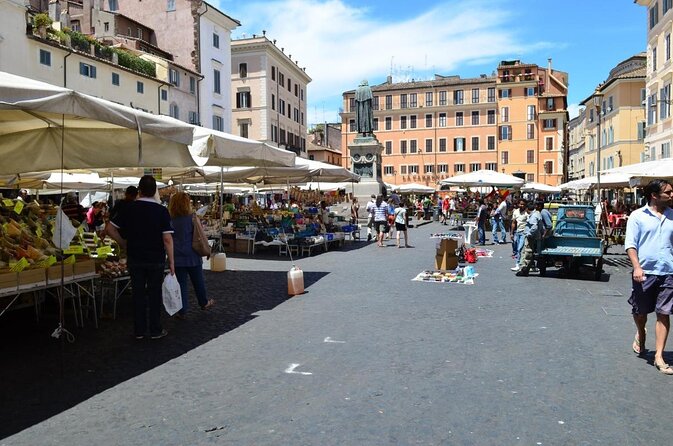
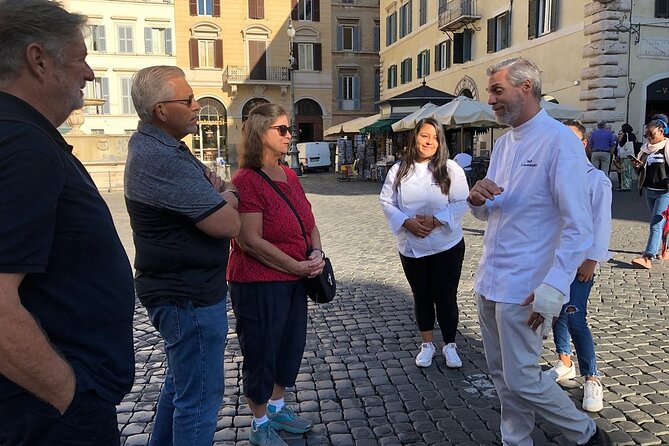
Your morning begins at Piazza Farnese, a handsome central square near Campo de’ Fiori. This is a practical meeting point because you can reach it on foot from many central Rome sights, though transport is not included and you need to make your own way there.
The chef discusses the day’s possible menu before the shopping begins. That opening matters. You get a sense of what you will cook, and the food is tied to what is available that day rather than pulled from a fixed list all year.
The class is offered in English. The chef is both instructor and host, so expect the tone to be social as well as instructional. Federico Alessandri is praised for his humor and lively teaching style, while Paola is noted for her patience and careful explanations. The specific chef may depend on the date.
More cooking classes in Rome:
- 3 in 1 Cooking Class near Navona: Fettuccine, Ravioli & Tiramisu
★ 5.0 · 7,376 reviews - Rome: 3-in-1 Fettuccine, Ravioli, and Tiramisu Cooking Class
★ 4.9 · 2,704 reviews - Rome: Fettuccine Pasta Cooking Class in Rome’s City Center
★ 4.8 · 2,414 reviews
Campo de’ Fiori, where the menu begins
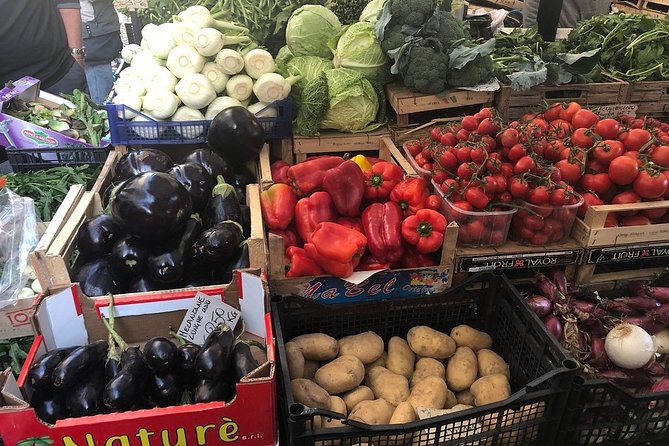
The walk to Campo de’ Fiori is not filler. It is the first lesson. You examine produce, herbs, spices, meat, and cheeses, then help select the ingredients used later in the kitchen.
This gives you a useful look at how Italian cooking works. Instead of starting with a recipe and forcing ingredients into it, you start with what looks good and adjust the meal around the season. Paola has even added local puntarelle, a leafy Roman vegetable, to a class menu at a participant’s request, serving it with anchovy, garlic, and olive oil.
You also get practical guidance on choosing produce. That is more useful than simply hearing a list of ingredients. You can ask why one vegetable is preferred, how a cheese will affect a sauce, or which cut of meat fits the meal.
Campo de’ Fiori can be crowded and noisy, especially as the morning progresses. Stay close to the group and wear comfortable shoes. You will later spend much of the class standing, so this is not the morning for stiff footwear.
Crossing to the Trastevere kitchen
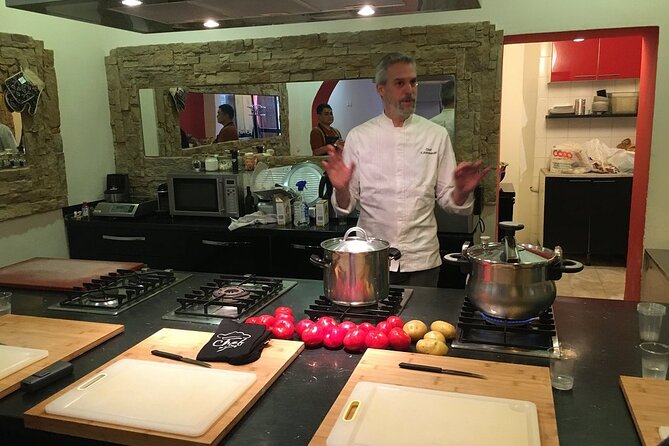
After shopping, you head to the cooking space in Trastevere. The class takes place in an open-plan apartment in the heart of the neighborhood, not in a large demonstration hall.
That setting helps the class feel like a meal prepared in a Roman home, though the limited space has a practical downside. With the maximum group size of 11, everyone may not have a perfect view or a large work area at every moment. One account specifically found the room too tight for comfortable pasta rolling, while many others found the class well organized and personal.
The kitchen is described as professionally equipped, and an assistant may help with washing vegetables, clearing plates, and keeping the work moving. That matters during a five-hour session. You spend more time cooking and less time waiting for basic chores to finish.
Three kinds of pasta, not one quick demonstration
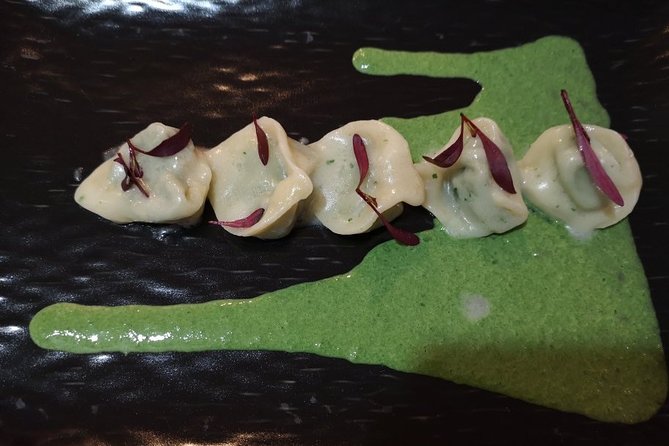
This is the heart of the experience. You make three different pasta styles and three sauces, rather than rolling one sheet of dough and calling it a day.
The exact menu changes, but the classes have included:
- Egg pasta made with flour and eggs
- Semolina pasta made with semolina and water
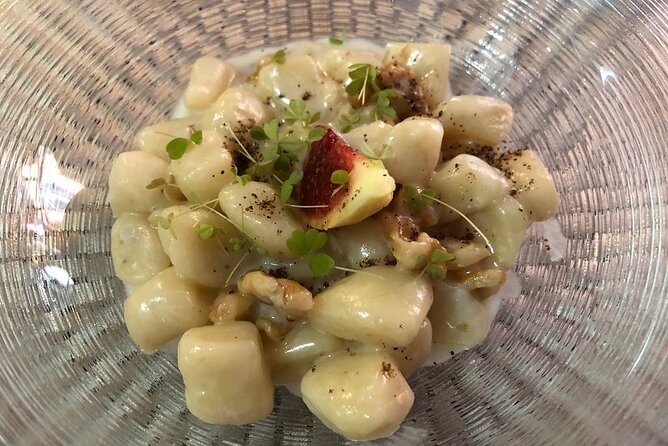
- Gnocchi
- Stuffed pasta
- Long noodles
- Short or medium pasta
- Tomato sauce made from scratch
- Pesto
- Gorgonzola or other cheese sauces
- Seasonal vegetable dishes
The value is in comparing methods. Egg dough behaves differently from semolina dough. Gnocchi requires a light touch. Stuffed pasta brings questions of filling, sealing, and cooking time. Long noodles teach you how thin the dough should be and how to handle it without tearing.
The chef explains not only what to do but why you are doing it. You learn how dough should feel, when sauce needs more time, and how to adjust a recipe when the market offers a different vegetable. Those are the lessons that help at home, where your flour, humidity, pan size, and ingredients will never be exactly the same as they were in Rome.
The class is hands-on from the start. You chop vegetables, blend sauces, shape pasta, and help present the dishes. This suits confident home cooks because there is room to ask about technique, but beginners can also follow along because the chef demonstrates each stage.
Same city, a completely different half-day:
- Vatican Museums & Sistine Chapel Tour with Optional Basilica
★ 4.3 · 67,413 reviews - Vatican Museums, Sistine Chapel & St Peter’s Basilica Guided Tour
★ 4.5 · 39,149 reviews - Rome: Colosseum, Palatine Hill and Roman Forum Guided Tour
★ 4.8 · 32,814 reviews - Rome: Guided Tour of Colosseum, Roman Forum & Palatine Hill
★ 4.7 · 27,897 reviews
A full Roman lunch at the end
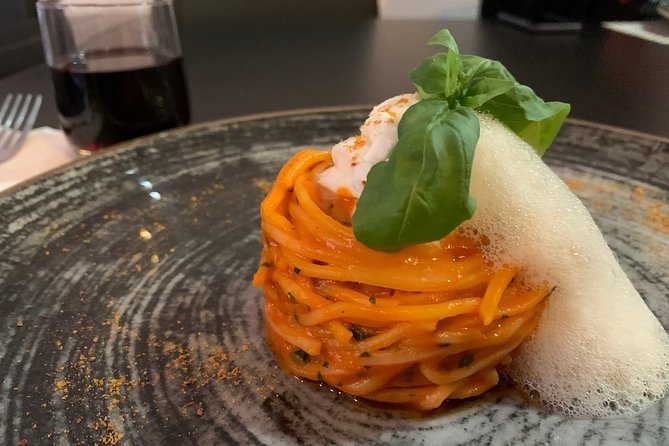
Once the cooking is done, you sit down to eat. The meal includes an appetizer, the homemade pastas, a meat course, dessert, and Italian wine. The exact dishes depend on the season and the ingredients chosen at the market.
Several menus have included a seasonal dessert, such as strawberries with fresh mint. Other dishes have featured artichokes, chicory salad, tomato sauce, and cheese sauces. This variety makes the class feel more like a full culinary day than a narrow pasta workshop.
Wine is included with lunch, and red and white wine may be served along the way. The meal is a chance to taste the result of each technique while the instructions are still fresh in your mind. You also get a relaxed period to talk with the chef and the rest of the group.
Bring a healthy appetite. Three pasta dishes plus the rest of the meal can be substantial, and some diners have not finished everything. An espresso is not listed as included, so do not count on coffee at the end.
What the teaching is really like
The strongest part of this class is the instruction. Federico is described as funny, direct, and highly engaging, with a style that mixes cooking advice and jokes. Paola receives equal praise for patience, warmth, and the ability to teach different skill levels in the same group.
That range matters. A family with teenagers can stay busy, while an experienced home cook can still pick up ideas about sauces, dough, and seasonal substitutions. The class is not just a recipe recital. You learn small decisions that shape the final dish.
You might learn why a sauce is built in a certain order, how to keep pesto bright, how to make a flexible tomato base, or how to recognize the right texture in fresh dough. You may also get regional touches, such as Roman vegetables or stuffed artichokes, rather than only the familiar pasta dishes found on restaurant menus.
The chef’s personality is part of the experience. If you want a quiet, formal lesson with strict timing, this may feel loose. If you like a teacher who talks, jokes, corrects your technique, and keeps the group involved, it should suit you well.
Is the group size small enough?
The advertised maximum is 11 people, and the class requires at least six participants to run. That places it between a private lesson and a large group demonstration.
A group of six to eight should feel fairly personal, with more chances to work directly beside the chef. At 11, you may need to share space and wait briefly for access to a work surface. The open-plan apartment adds to the friendly atmosphere, but it cannot offer the elbow room of a professional school kitchen.
This is worth considering when comparing prices. A private class would offer more individual attention and more control over the menu, but it would also cost more. At $147.49 per person, this class gives you market shopping, a professional chef, several hours of instruction, a large lunch, wine, and recipes. For Rome, that is a reasonable package if you value participation rather than simply eating a meal.
Who should book this cooking class?
I would choose this for anyone who wants to take home a real cooking skill, not just a food memory. It works especially well for couples, families with older children, and friends who enjoy sitting down to a long meal after doing some work together.
Teenagers can take part because the class keeps them active. Children must be accompanied by an adult, and dietary needs should be written in the booking request. Vegetarian diners should mention their requirements in advance, since meat appears in the standard meal.
This is also a good choice for experienced cooks. The class does not assume that a capable home cook has nothing new to learn. The range of doughs and sauces, along with the chef’s explanations, gives more depth than a basic add flour, roll pasta, eat lunch session.
I would think twice if you dislike group activities, have difficulty standing for long periods, or want a guaranteed private class. The activity lasts about five hours, and much of the preparation takes place standing, although there are breaks and a seated meal at the end.
Practical details before you reserve
The meeting time is 9:30 a.m. at Piazza Farnese. The class ends in Trastevere, so plan your day around that neighborhood rather than expecting to return to your starting point.
The experience is offered in English and uses a mobile ticket. Confirmation is sent within 48 hours, subject to availability. Because at least six people are needed, the date can be changed or the class canceled if the minimum is not reached. In that case, you are offered another date or a full refund.
Dietary requirements belong in the special requirements field when you book. Do not wait until you arrive, since the chef is shopping for the ingredients before the cooking begins.
Cancellation is free up to 24 hours before the start time. After that point, the amount paid is not refunded, and late changes are not accepted. The time limit follows Rome’s local time.
Should you book Chef in a Day?
Book it if you want a hands-on Roman food experience with a market visit, serious instruction, and a full meal. The strongest reasons are the three pasta styles, the changing seasonal menu, the personable chefs, and the recipes sent afterward.
The main cautions are just as clear. You are joining a group of up to 11, not reserving a private kitchen. You will stand for much of the morning, and the meal can be heavy. If those points sound manageable, the price is fair for five hours of cooking, wine, lunch, market shopping, and skills you can use after Rome.
FAQ
Where does the cooking class begin?
The class begins at 9:30 a.m. at Piazza Farnese in central Rome.
Where does the class end?
The experience ends in Trastevere, Rome.
How long does the class last?
The activity lasts approximately five hours.
Is the class taught in English?
Yes. The class is offered in English.
What food and drinks are included?
The experience includes a market visit, a professional chef, lunch, wine, and recipes emailed after the class. The menu includes an appetizer, homemade pastas, a meat course, and dessert, with dishes changing by season.
How many people can join the class?
The class requires at least six participants to operate and accepts a maximum of 11 travelers. Children must be accompanied by an adult.
Newest Rome tours we have reviewed
- Private TikTok Video Making in Rome★ 5.0 · 7 reviews
- Assisi, Orvieto and Civita di Bagnoregio Full Day Tour from Rome★ 4.5 · 45 reviews
- Assisi & Saint Francis Path Tour from Rome★ 5.0 · 45 reviews
- Assisi and Cascia Private Day Tour from Rome with Lunch★ 5.0 · 10 reviews
- Art Class in the center of Rome!★ 4.0 · 4 reviews
- Art & Craft: Beer Tour with Street Art in Rome★ 4.5 · 6 reviews
- Arrival in Rome: Airport Transfer & Exclusive City Introduction★ 5.0 · 3 reviews
- From Rome: Private Day-Tour of Tuscany★ 5.0 · 16 reviews
Rome Cooking Classes, compared.
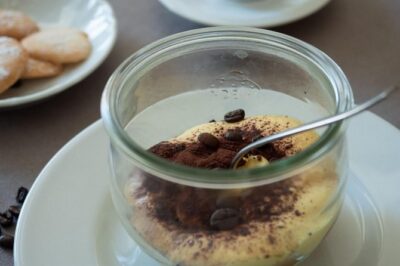
3 in 1 Cooking Class near Navona: Fettuccine, Ravioli & Tiramisu
Read our review →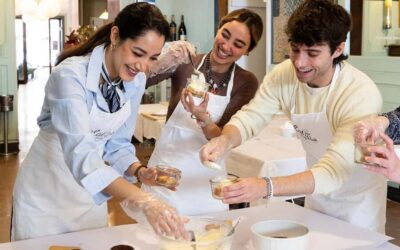
3-in-1 Fettuccine, Ravioli, and Tiramisu Cooking Class
Read our review →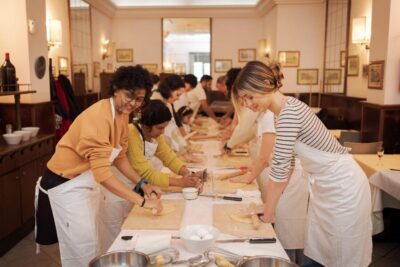
Fettuccine Pasta Cooking Class in Rome’s City Center
Read our review →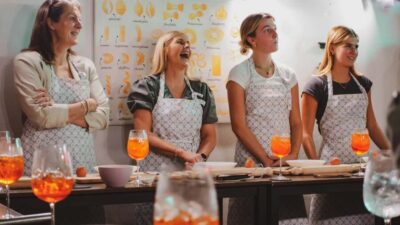
Traditional Pasta with Cocktails Cooking Class
Read our review →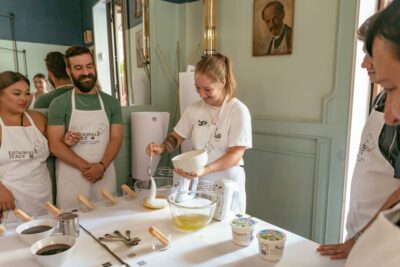
Fettuccine and Tiramisu Cooking Class with Wine
Read our review →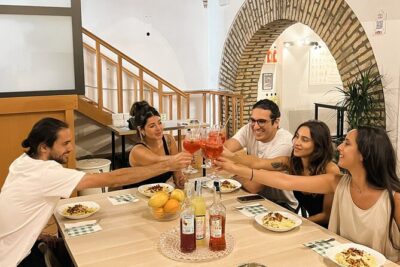
Pasta Cooking Class Near the Colosseum with 3 Spritz Cocktails
Read our review →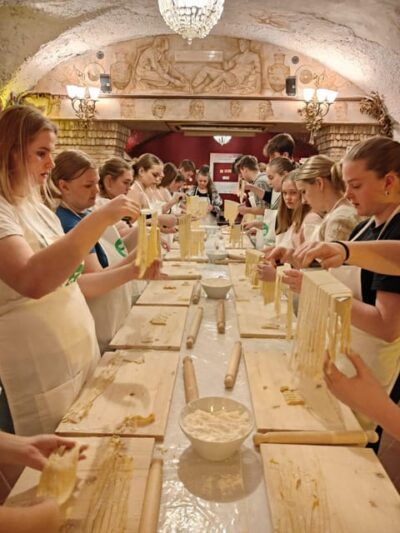
Pasta & Tiramisu Cooking Class near the Spanish Steps
Read our review →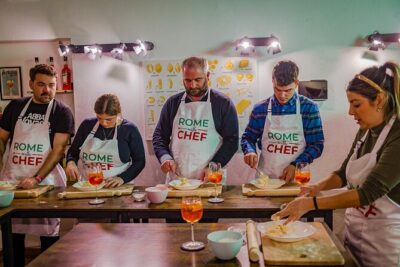
Rome Tipsy Cooking Class: Make Pasta and Mix 3 Spritz Cocktails
Read our review →Browse the lists this tour appears in