
Reviewed · ROME FOOD MARKET TOURS
Eat Like a Roman – Traditional Food, Local Market & History
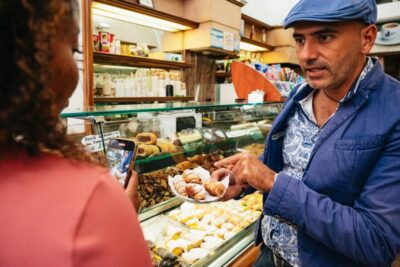
Rome’s food story comes alive in places where Romans actually shop and eat: a family-run coffee bar, Italy’s biggest farmers market, a bakery open since 1915, and Rome’s oldest pasta shop. Along the way, you taste more than 20 foods and drinks while your guide adds stories about the city and its archaeological secrets.
I like the family connections behind the stops, from the 70-year-old nonna making cornetti to shops run by the same families for generations. I also like the generous tasting list, which includes mozzarella, prosciutto, aged cheese, freshly fried supplì, olive oil, pizza, pasta, wine, and gelato. The main drawback is that this is not a good match for vegans, and three hours of eating and walking can feel busy if you prefer long meals.
Key points to know
- More than 20 tastings: Coffee, cornetti, cheese, cured meat, supplì, olive oil, pizza, pasta, wine, gelato, and more are included.
- A real market visit: You explore Italy’s biggest farmers market and meet people working in long-running family businesses.
- Special access to pasta history: The tour includes entry to Rome’s oldest pasta shop, with pasta-making traditions dating back more than a century.
- A strong Roman street-food stop: Freshly fried supplì, the city’s famous rice croquette, is served hot rather than prepared in advance.
- A Vatican district with a local angle: You walk through the area without focusing on the usual major sights.
- A rooftop finish: A 360-degree view of Rome gives the food walk a memorable final pause.
Why this food walk feels different from a standard Rome tasting
Many food tours in Rome center on a restaurant meal or a few famous dishes. This one moves through the neighborhood, using small businesses as the dining room. You get coffee at a local bar, shop at the market, visit a bakery and pasta shop, stop for Apulian street food, and finish with gelato.
That format matters because Roman food is tied closely to routine. Coffee in a bar, a paper-wrapped piece of pizza, fried supplì, and a scoop of gelato are not special-occasion foods. They are part of the city’s daily rhythm. I like that this tour shows how food is bought and made, not only how it appears on a plate.
The guide also supplies the thread that ties the stops together. You hear about Rome’s past, local customs, and archaeological secrets while moving through the Vatican district. The food gives the stories a practical setting, so the history does not feel detached from ordinary life.
The experience lasts three hours. That is enough time for a broad sampling without taking over your whole day, but you should expect a steady pace. This is a tasting walk, not a relaxed lunch with long breaks between courses.
More food market tours in Rome:
- Rome: Trastevere & Campo de Fiori Street Food Walking Tour
★ 4.9 · 2,768 reviews - Rome: Colosseum, Roman Forum & Trajan’s Market Exterior Tour
★ 4.3 · 2,038 reviews - Roman Food Tour with Visit to the Trionfale Food Market
★ 5.0 · 471 reviews
Starting with coffee and a homemade cornetto
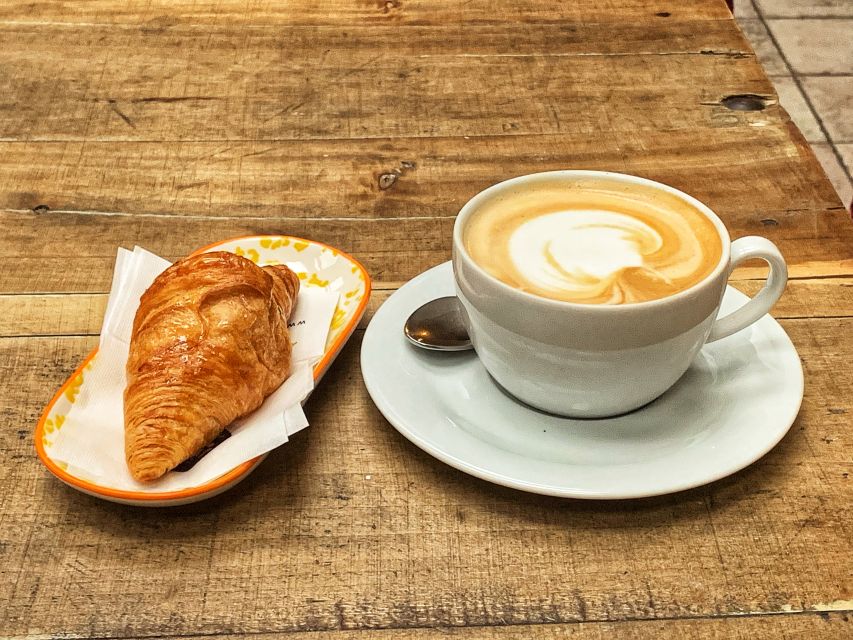
The first stop is a local bar, where you learn how Romans approach coffee. The point is not simply to drink an espresso. You are introduced to local coffee habits and the small details that make a bar stop feel different from ordering a large drink at a tourist café.
The cornetti are homemade by a 70-year-old nonna. That detail gives the pastry stop real character. You are tasting something connected to one person and one family tradition, rather than an anonymous item from a hotel breakfast buffet.
I would pay attention here, even if you already think you know Italian coffee. A guide can explain what to order and how the stop fits into Roman daily life. It is also a smart opening to the tour because coffee and pastry provide a gentle start before the heavier savory tastings arrive.
You do not need to expect a full breakfast. The purpose is to taste, learn, and move on. If you arrive very hungry, the later market stops will offer more substantial food, but pacing yourself is wise when the tour includes more than 20 samples.
Shopping like a Roman at the farmers market
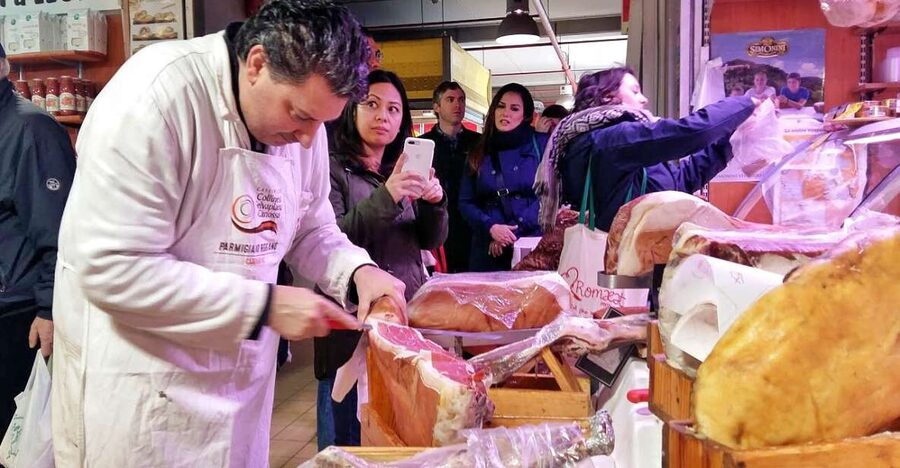
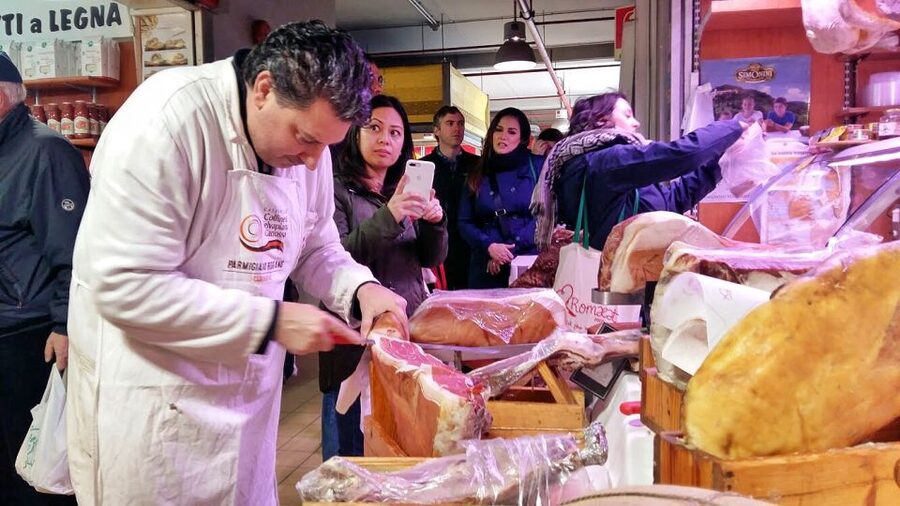
The market is one of the strongest parts of the experience. It is described as the biggest farmers market in Italy, and the tour uses it as more than a backdrop for photographs. You visit stalls, meet local vendors, and learn the traditions of the families who have run them for generations.
This is where you begin to understand how Roman meals are assembled. Instead of hearing a list of dishes in isolation, you see the ingredients that support them. The market setting also gives your guide room to explain how locals choose products and how food businesses pass knowledge from one generation to the next.
The tastings include some of Italy’s most familiar pleasures: fresh mozzarella, prosciutto, and aged cheeses. These are simple foods, but quality and handling make a real difference. Sampling them at the market lets you compare textures and flavors without turning the stop into a formal cheese lecture.
You also try supplì, Rome’s famous fried rice croquette. The important detail is that it is fried at the moment for the group. That means you get it hot and crisp, when the outside has the right crunch and the filling is at its best.
Supplì is a useful introduction to Roman street food because it is portable, filling, and unmistakably local. It is often associated with a molten center of rice and cheese, though the tour information does not specify every filling. I would eat it carefully and give it a moment to cool. Freshly fried food can be hotter inside than it first appears.
Olive oil with an award-winning story
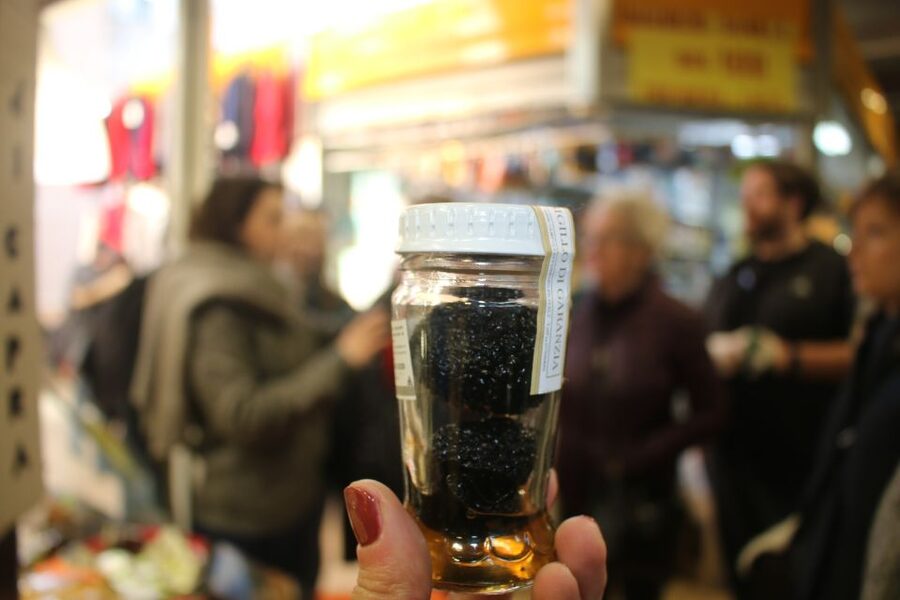
The olive oil tasting adds a quieter pause between the market food and the bakery. You sample an organic olive oil that was awarded the best in the world in 2018.
Olive oil is easy to treat as a background ingredient, but tasting it on its own changes how you notice it. You can focus on aroma, bitterness, fruitiness, and the way it finishes in the mouth. The guide can also connect the oil to Italian cooking, where it may be used raw, folded into a dish, or used to bring out the taste of other ingredients.
This stop will appeal most to people who enjoy learning how a basic ingredient works. If you are expecting a large serving, it may feel modest, since an oil tasting is naturally small. Its value is in the explanation and the chance to compare a high-quality product with the everyday oil you might use at home.
More food tours in Rome:
- Winner 2025 Rome Twilight Trastevere Food Tour by Eating Europe
★ 5.0 · 5,157 reviews - Rome: Trastevere or Jewish Quarter Street Food Tour
★ 4.8 · 3,839 reviews - Rome Food Tour: Unlimited Tastings with Fine Wine & Barolo
★ 5.0 · 3,365 reviews - Rome: Trastevere Food tour with Free-Flowing Fine Wine
★ 5.0 · 2,853 reviews
Crunchy pizza at a bakery open since 1915
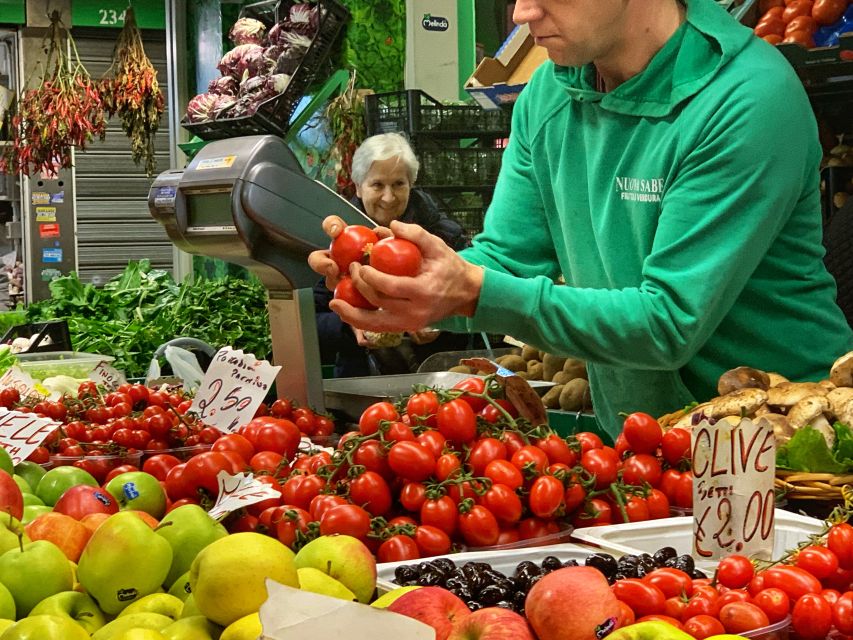
Next comes pizza at the area’s oldest bakery, opened in 1915. The description emphasizes a crunchy pizza, which points to a bakery-style Roman approach rather than a soft, Neapolitan-style round pizza.
The bakery’s age is part of the appeal. You are not just stopping for a slice. You are visiting a business with more than a century of local continuity. That kind of setting helps explain why Rome’s food culture is built as much around bakeries and snack shops as around sit-down trattorias.
For you, this is a useful contrast with the supplì. The fried rice croquette is rich and crisp in a different way, while the bakery pizza gives you a chance to taste Rome’s love of baked street food. Since the tour includes many samples, the portion is likely intended as part of a sequence, not as a complete meal by itself.
Going inside Rome’s oldest pasta shop
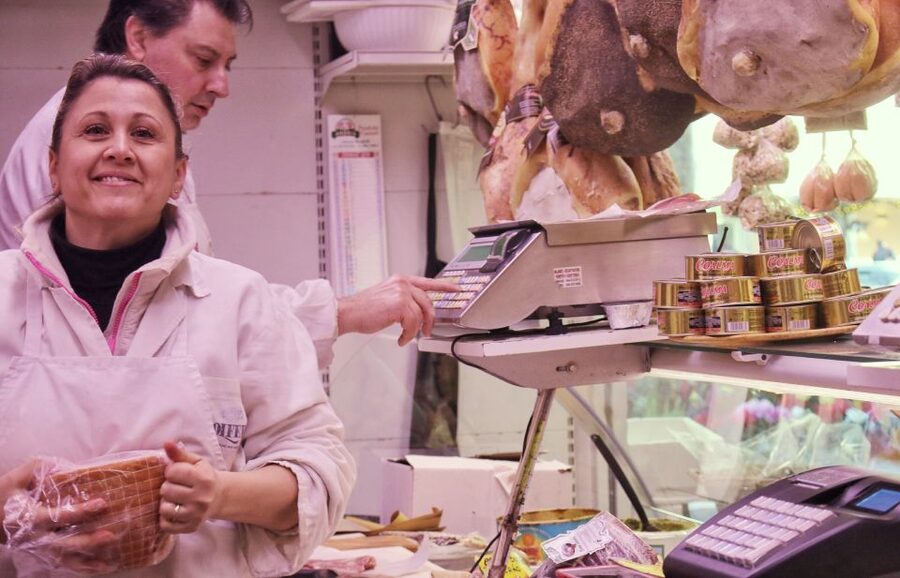
The pasta stop includes exclusive access inside the first pasta shop opened in Rome. The business has made pasta for more than a century, and you learn how its methods have continued across generations.
This is a particularly good feature for anyone who wants more than a quick tasting. Pasta is central to Roman cooking, but it is easy to reduce the subject to a list of famous dishes. Seeing a long-running pasta business puts the focus back on technique, ingredients, and work.
The available information does not specify exactly which pasta you taste or how much hands-on instruction is included, so I would not book this expecting a cooking class. Think of it as a behind-the-scenes visit paired with food and storytelling.
The stop also fits well with the market visit. At the market, you see ingredients and family commerce. At the pasta shop, you see how a staple is shaped into something ready for the table. Together, those stops give the tour more depth than a series of unrelated bites.
An Apulian stop and a glass of local wine
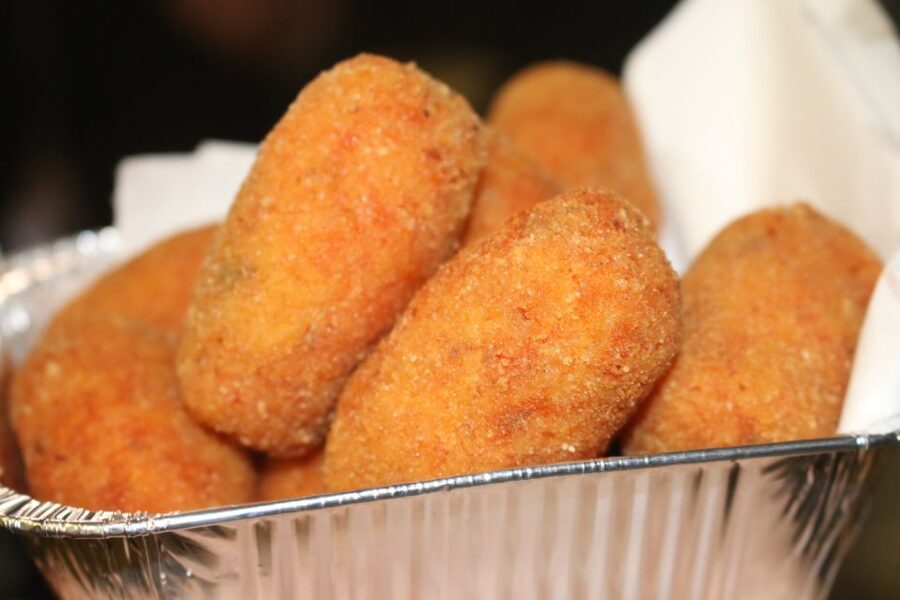
The tour then shifts from Roman specialties to Apulian street food. Apulia is in southern Italy, so this stop gives you a taste of another regional tradition while you remain in Rome.
You also drink a local wine here. The pairing is practical: a small glass helps break up the heavier foods and gives the guide another way to talk about regional Italian eating. It also keeps the tour from presenting Italian cuisine as one single style. Rome has its own food, but the city also gathers influences from across the country.
This stop may be less useful if you want only strictly Roman dishes. On the other hand, it adds variety and reflects the way Rome works as a capital city, with food traditions from many regions appearing side by side.
Alcohol is included, so keep that in mind if you do not drink. The tour information does not specify the wine type or quantity.
Gelato chosen by the Pope
The sweet finish comes at a small, tucked-away gelateria described as the Pope’s favorite gelato place. The claim gives this stop an unusual bit of local color, but the real reason to pay attention is the chance to taste gelato in a tiny specialist setting rather than at a large chain.
The tour calls this the best gelato in Rome. That is a matter of taste, of course, but the stop is still useful because gelato quality can vary widely. A good guide can point out what to look for in flavor, texture, and freshness.
The gelato arrives after a long run of savory samples, so it works as a reset. You should not assume this means one large dessert. As with the other stops, the serving is part of a larger tasting route.
People with dietary restrictions should ask before booking if they need specific ingredients avoided. The supplied information only clearly says that the tour is not suitable for vegans.
A rooftop view over Rome
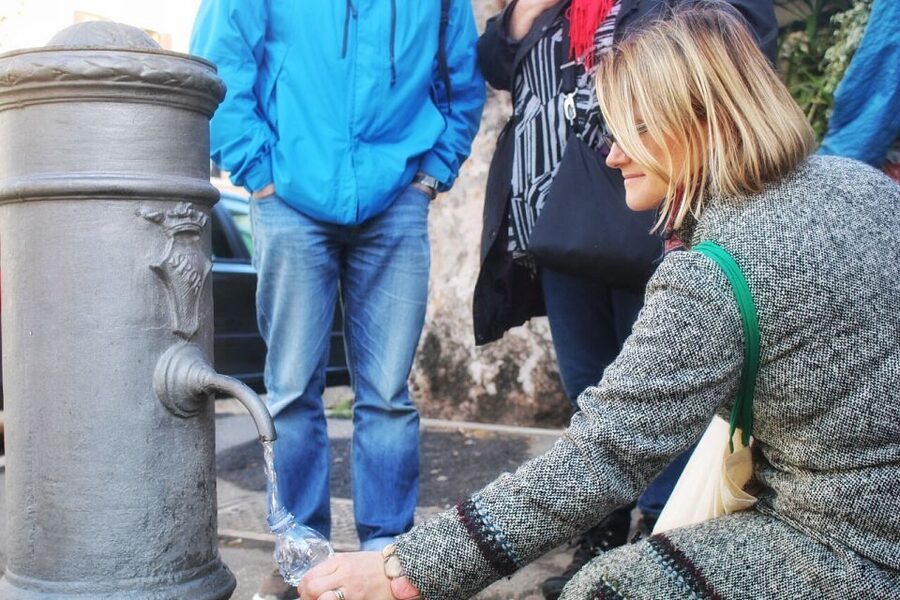
The day ends with a rooftop pause and a 360-degree view of Rome. After the close-up work of tasting cheese, pizza, pasta, and gelato, the wider view gives you a chance to step back and see the city as a whole.
This is more than a photo stop. It gives the guide a natural place to connect the neighborhood to Rome’s larger story. You have been walking through the Vatican district away from the main tourist route, and the rooftop helps you understand where that district fits within the city.
The timing also matters. A food tour can feel like a rush of flavors and facts. A view at the end creates a calmer finish. I would keep your phone ready, but do not let the photograph replace the pause. The point is to enjoy the view after spending the morning or afternoon at street level.
What the $79.30 price includes
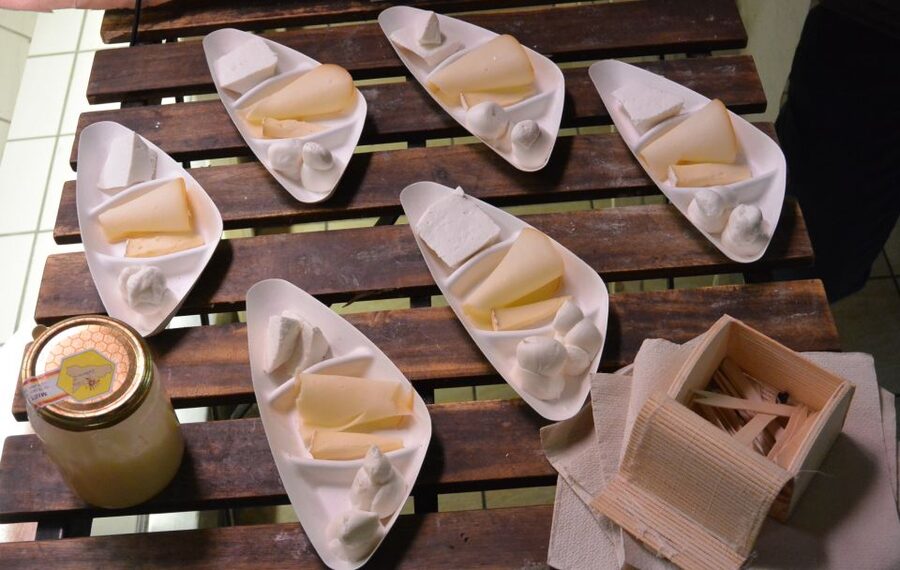
At $79.30 per person, this tour is priced as a full tasting experience rather than a simple guided walk. Your fee covers more than 20 food and wine samples, the English-speaking guide, market and shop visits, the pasta-shop access, the gelato stop, and the rooftop view. You also receive an organic cotton tote bag.
The value depends on how much you enjoy variety. If you want one large meal and little commentary, this may not be the best use of your money. If you would otherwise pay separately for coffee, bakery food, cheese, street food, wine, gelato, and several small tastings, the package becomes easier to justify.
I also place value on the guide’s role. Greta, one of the guides, is described as patient, clear, and willing to answer questions. That matters on a tour with so many stops. A rushed or vague guide could make the itinerary feel like a checklist, while a good guide helps you understand why each food belongs in the story of Rome.
The tote bag is a small extra, not a reason to book. The real value is the combination of access, food, and context.
Timing, walking, and who should book
You can choose a starting time based on availability. Since this is a daytime experience, it fits well on a day when you want an active introduction to Roman food before an evening meal.
Wear comfortable clothes and walking shoes. The tour runs rain or shine, and the market, shops, bakery, and rooftop mean you should be ready for changing surroundings. No hotel transportation is included, so you need to make your own way to the meeting point and return afterward.
The experience is wheelchair accessible. Still, I would confirm the practical route and meeting details when booking if you use a wheelchair, since the tour includes walking through a market and several food businesses.
This tour suits you best if you:
- Want to taste many foods instead of sitting down for one long meal
- Enjoy local businesses and family-run shops
- Like history and city stories mixed into a food experience
- Want a less predictable walk through the Vatican district
- Eat meat, dairy, and other non-vegan foods
- Prefer an English-language guide who can answer questions
It may not suit you if you are vegan, want a quiet restaurant meal, dislike frequent stops, or have a very limited appetite. The itinerary is generous, and the food keeps coming.
Booking flexibility and practical limits
You can cancel up to 24 hours in advance for a full refund, and you can reserve now and pay later. That is useful when your Rome schedule is still shifting.
The activity is offered in English with a live guide. The stated rating is 5 from three reviews, which is a small sample, so I would treat that as encouraging rather than final proof. The clearest pattern is the praise for the guide’s patience, information, and ability to handle questions while offering a wide range of traditional food and drink.
Should you book Eat Like a Roman?
I would book this if you want a food-first introduction to Rome with real shops, market visits, family traditions, and a generous number of tastings. The strongest features are the freshly fried supplì, the century-old bakery and pasta shop, the family stories, and the chance to see the Vatican district from an everyday local angle.
I would skip it if you need vegan food, want a slow restaurant lunch, or prefer to choose every dish yourself. At $79.30, it is best value for curious eaters who appreciate a guide’s context and want many small tastes in one well-packed three-hour route.
FAQ
How long does Eat Like a Roman last?
The experience lasts three hours. Starting times depend on availability.
What foods and drinks are included?
The tour includes more than 20 food and wine tastings, including coffee, homemade cornetti, mozzarella, prosciutto, aged cheeses, freshly fried supplì, organic olive oil, crunchy pizza, pasta, Apulian street food, local wine, and gelato.
Is the tour suitable for vegans?
No. The activity is specifically listed as not suitable for vegans.
Is transportation from my hotel included?
No. Transport from and to your hotel is not included.
Is the tour available in English?
Yes. It includes a live English-speaking guide.
Can I cancel the tour for a refund?
Yes. You can cancel up to 24 hours in advance for a full refund. You can also reserve now and pay later.
More history tours in Rome
- Rome in a Day Tour with Vatican, Colosseum and Historic Center
★ 4.5 · 1,042 reviews - Rome Food Tour in the Historic Centre with 8+ Food Tastings
★ 5.0 · 1,000 reviews - Rome: Forbidden History Walking Tour & Pub Crawl with Drinks
★ 4.9 · 688 reviews - Rome: Colosseum, Vatican Museums & Historic Center in a Day
★ 4.7 · 228 reviews
Newest Rome tours we have reviewed
- Private TikTok Video Making in Rome★ 5.0 · 7 reviews
- Assisi, Orvieto and Civita di Bagnoregio Full Day Tour from Rome★ 4.5 · 45 reviews
- Assisi & Saint Francis Path Tour from Rome★ 5.0 · 45 reviews
- Assisi and Cascia Private Day Tour from Rome with Lunch★ 5.0 · 10 reviews
- Art Class in the center of Rome!★ 4.0 · 4 reviews
- Art & Craft: Beer Tour with Street Art in Rome★ 4.5 · 6 reviews
- Arrival in Rome: Airport Transfer & Exclusive City Introduction★ 5.0 · 3 reviews
- From Rome: Private Day-Tour of Tuscany★ 5.0 · 16 reviews
Rome Food Market Tours, compared.
Trastevere & Campo de Fiori Street Food Walking Tour
Read our review →
Colosseum, Roman Forum & Trajan’s Market Exterior Tour
Read our review →
Roman Food Tour with Visit to the Trionfale Food Market
Read our review →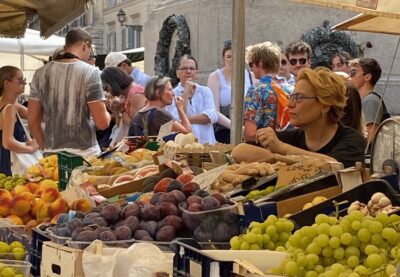
Food & Wine Tour of Campo de Fiori, Ghetto, Trastevere
Read our review →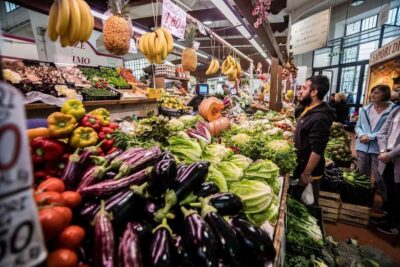
Pasta Cooking Class with Market Visit and Wine
Read our review →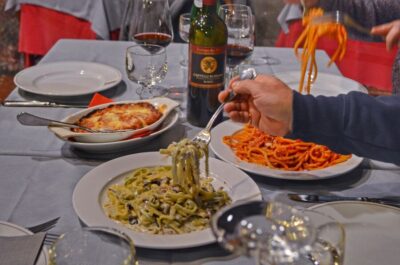
Jewish Ghetto & Campo de Fiori by Night Food Wine Tour
Read our review →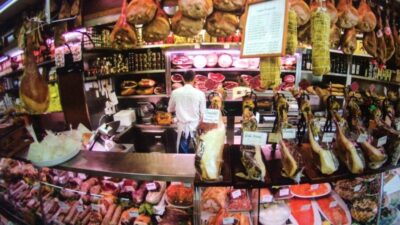
Browse the lists this tour appears in