
Reviewed · ANCIENT ROME TOURS
Ancient Rome: Archeological area Largo Argentina
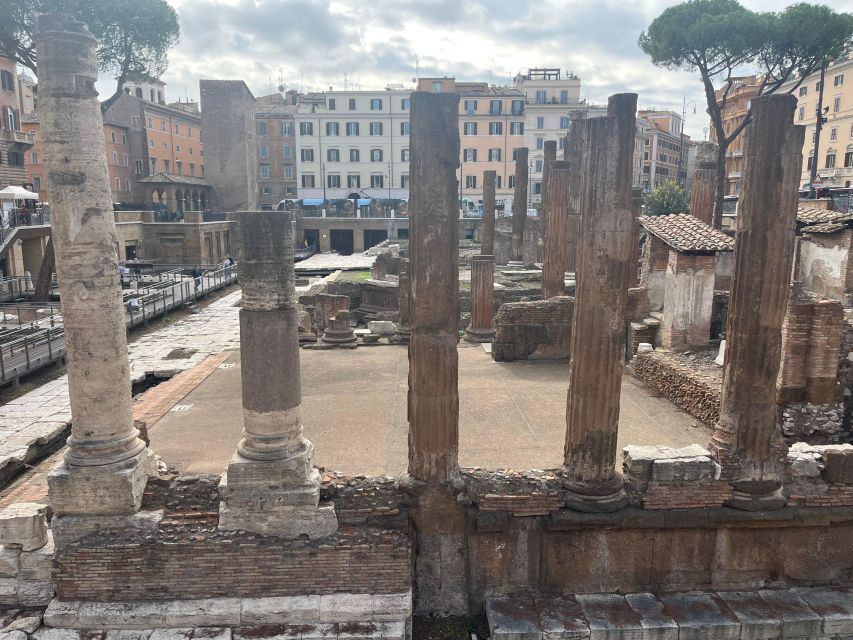
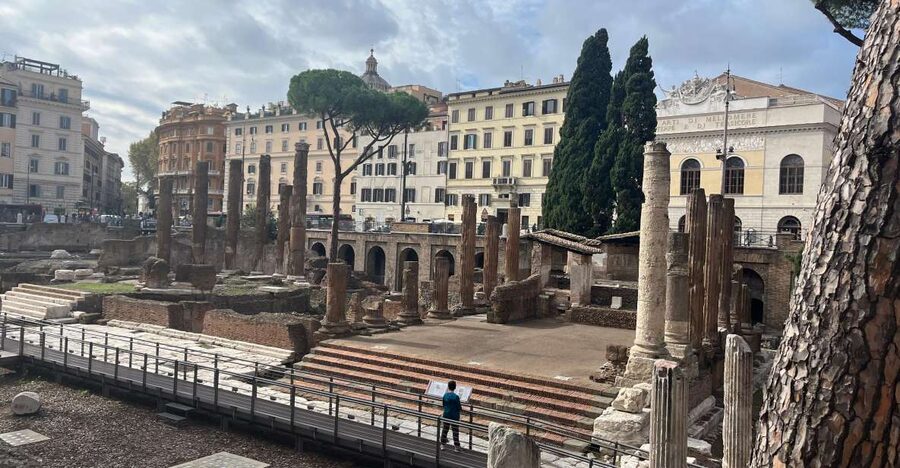
Largo di Torre Argentina is one of Rome’s most striking time capsules. Below today’s streets sit four temples dating from the 4th to 1st centuries BC, along with the Curia of Pompey, where Julius Caesar was killed on the Ides of March in 44 BC. That famous event happened here, not in some distant corner of the Roman Forum.
I like the short multimedia presentation, which helps you picture buildings that are now mostly broken stone. I also like the chance to see an ancient archaeological area from a close position rather than simply passing it on a busy Roman street. The main drawback is value: much of Largo Argentina can be viewed from outside, and the paid visit is brief, with only a small underground museum area.
Key points to know before you book
- Caesar’s assassination site: See the remains of the Curia of Pompey, linked to Julius Caesar’s murder in 44 BC.
- Four Republican-era temples: The ruins date from between the 4th and 1st centuries BC, making this one of Rome’s oldest visible archaeological areas.
- Short multimedia introduction: Begin at Touristation Aracoeli with a presentation advertised at about 30 minutes, though one booking account found it closer to 25 minutes.
- Reserved entry to the excavations: Your ticket gives you access to the Largo Argentina archaeological area, though buying at the site may also be possible.
- English app audio guide: The visit is self-guided, not led by a person on site.
- Simple but important logistics: Redeem your voucher at Piazza d’Aracoeli 16, then walk roughly six minutes to Largo Argentina.
Why Largo Argentina matters in modern Rome
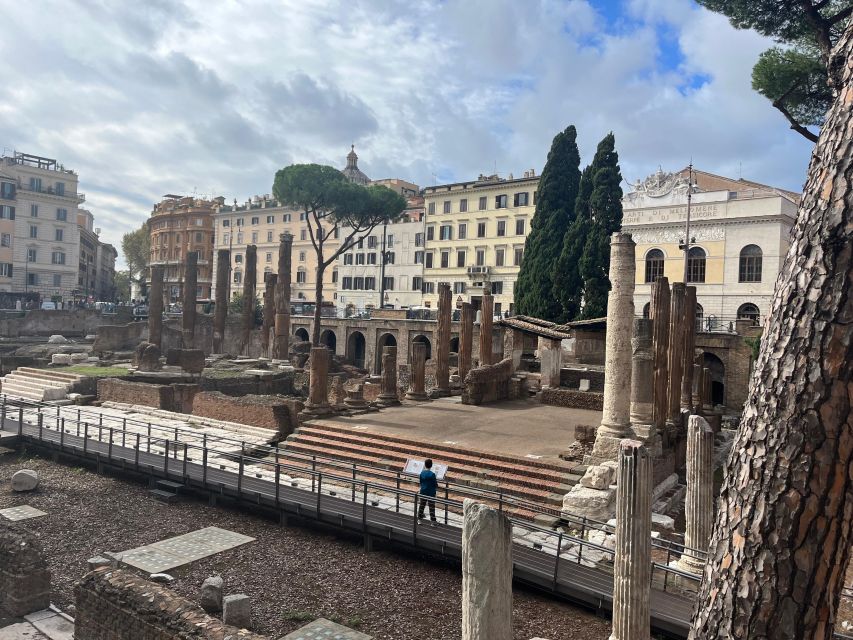
Rome often makes ancient history feel inconveniently close. A bus rattles past, scooters cut through traffic, and then you look down and see temples that were already old before the Colosseum was built. Largo di Torre Argentina gives you that contrast in a compact form.
The archaeological area was uncovered during excavations and demolitions between 1926 and 1930. Workers found a group of temples, later structures, and layers of Roman life that had been covered by the growth of the modern city. What you see today is not one isolated monument. It is a record of more than two thousand years of building, rebuilding, and reuse.
The setting is also unusual. The ruins appear like an ancient island in the middle of present-day Rome. Streets and buildings surround the excavation, so you are never far from modern life. That makes the site especially useful during a first visit to Rome, when you are still learning how the old city fits beneath the new one.
More ancient Rome tours:
- Colosseum: Underground and Ancient Rome Tour
★ 4.7 · 12,691 reviews - Colosseum & Ancient Rome with Arena Floor Option I Max 6 People
★ 5.0 · 3,306 reviews - Rome: Colosseum, Ancient Rome Tour or Self AudioGuided Tour
★ 4.4 · 2,866 reviews
Starting at Touristation Aracoeli
Your selected booking time refers to the Touristation Aracoeli office, not the archaeological entrance itself. Go to Piazza d’Aracoeli 16 to redeem your voucher. Look for the fountain and orange flags near the office entrance.
This detail matters more than it may seem. If you arrive at Largo Argentina first, you may still be close, but you will need to walk back to the meeting point to begin the activity. One account placed the walk from the ticket office to the site at about six minutes, so allow extra time rather than arriving at the last moment.
The office provides assistance, a paper city map, and WiFi. You also receive access to an English audio guide through an app. This is useful if you want some explanation while looking around, but it is not the same as having a guide lead you through the ruins and answer questions.
Bring your passport, since it is listed as required. Large bags, luggage, glass objects, pets, alcohol, and drugs are not allowed. Food and drink are not included, and transportation is not part of the activity.
The multimedia introduction and reconstructed Rome
The first part is a multimedia video at the Touristation office. It is described as lasting about 30 minutes, though one booking account found the presentation closer to 25 minutes. The film uses visual overlays to show how the buildings may have looked many centuries ago.
This is a smart addition to a site where the surviving stones can be hard to read. A temple base, a broken wall, or a line of paving does not always tell you what the finished building looked like. Seeing the ancient structures reconstructed on screen gives you a mental picture before you reach the excavation.
I would pay attention to the presentation even if you already know Roman history. The value is not only in learning dates. It is in connecting the scattered ruins to the temples and political buildings that once filled this part of the city.
Still, the video takes up a large part of a one-hour activity. If you are hoping for a long on-site visit, remember that the presentation and ticket collection come first. The multimedia portion will suit you best if you like visual context and a structured introduction. If you prefer to spend every minute among the stones, you may find the balance less satisfying.
Four temples from Rome’s Republican age
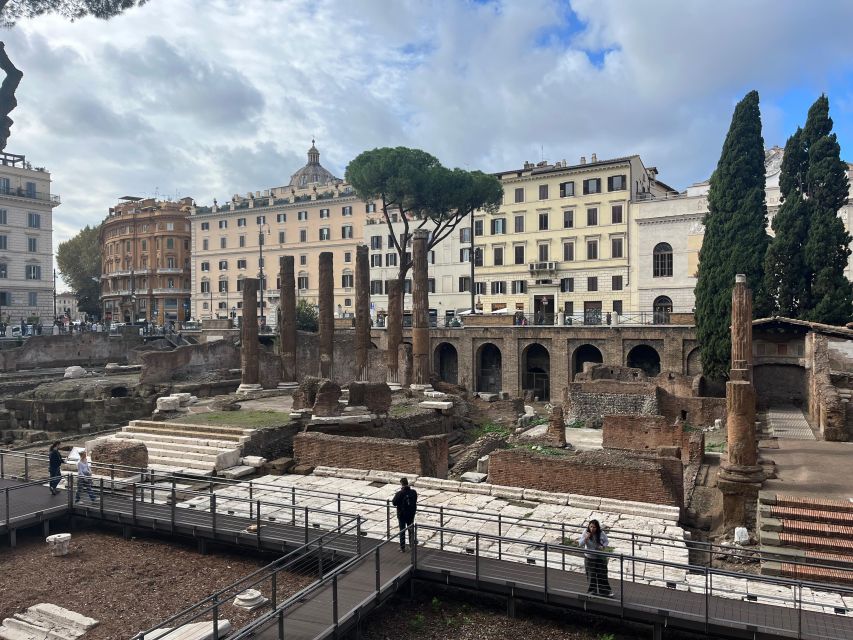
Once you reach Largo Argentina, the central sight is the group of four temples. They date from the 4th to the 1st centuries BC, a period when Rome was expanding its power and building public and religious monuments across the city.
The temples are not presented as four complete buildings. You will see foundations, columns, platforms, and other remains spread across the excavated area. That incomplete quality is part of the appeal, but it also means you should not expect intact interiors or a grand walk through standing temples.
The audio guide can help you sort out the layers. Use it slowly, and look for the shapes in the ground rather than trying to take in the whole area at once. The ruins are easiest to appreciate when you connect each surviving section to its purpose and date.
The temples also show why archaeological sites need interpretation. On your own, you may see a field of old stone. With the audio guide and video in mind, the area becomes a sequence of religious buildings that changed over time. The imperial periods of the temples and later medieval structures add further layers to the view.
Same city, a completely different half-day:
- Vatican Museums & Sistine Chapel Tour with Optional Basilica
★ 4.3 · 67,413 reviews - Vatican Museums, Sistine Chapel & St Peter’s Basilica Guided Tour
★ 4.5 · 39,149 reviews - Rome: Colosseum, Palatine Hill and Roman Forum Guided Tour
★ 4.8 · 32,814 reviews - Rome: Guided Tour of Colosseum, Roman Forum & Palatine Hill
★ 4.7 · 27,897 reviews
The Curia of Pompey and Caesar’s final day
The most famous part of Largo Argentina is the tuff base associated with the Curia of Pompey. Ancient sources place Julius Caesar’s assassination here on March 15, 44 BC, the Ides of March.
The story is familiar, but the physical setting gives it weight. Caesar was not killed in a vague location somewhere in Rome. He was attacked at a political meeting place connected with Pompey, his former rival. The remains before you mark the setting for one of the most famous political murders in history.
The archaeological area does not recreate the assassination as a theatrical show. You will not find actors or a staged scene. Instead, you see the remains that preserve the location and use the audio guide to connect the stonework with the ancient accounts.
That restraint is a strength. I prefer sites that let the evidence carry the story. The place can feel powerful precisely because the modern city continues around it. Rome has not turned Largo Argentina into a sealed museum piece. It remains part of the city, with the ancient political world visible below street level.
Two thousand years of later changes
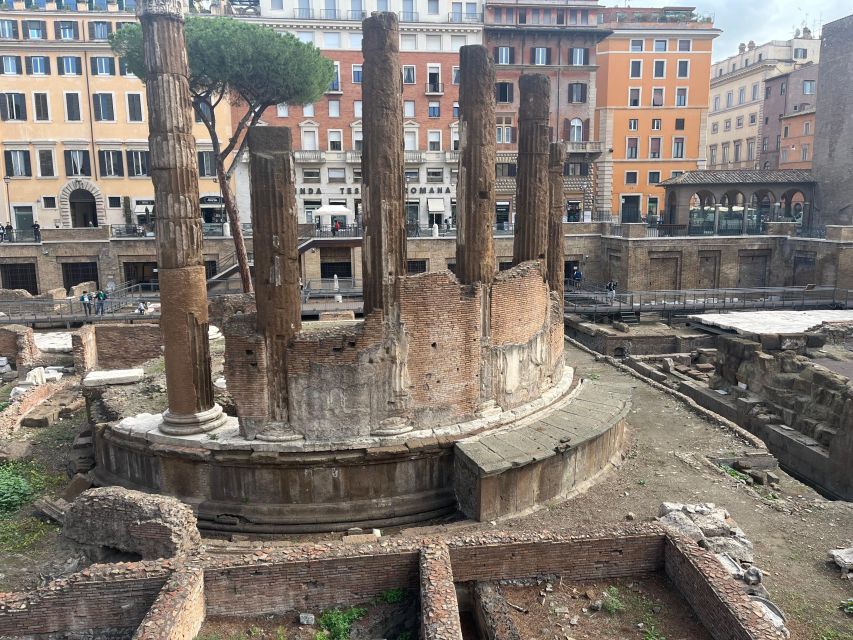
It would be easy to treat Largo Argentina only as the place where Caesar died. That would miss much of what makes the site worthwhile.
The area preserves evidence of continued use for more than two thousand years. You can find changes from the imperial period, along with structures from the Middle Ages. These later remains show how Rome kept adapting old spaces instead of simply abandoning them.
This is one of the best reasons to use the audio guide. The temples belong to one period, Caesar’s assassination to another, and the medieval structures to a later stage of the city’s life. The site is not a single snapshot of ancient Rome. It is a stack of different Romes, visible together.
The excavation also reflects the difficult process of uncovering old buildings in a living city. The area was affected by major excavations and demolitions between 1926 and 1930. What you see today is the result of that work, but also a reminder that modern streets sometimes conceal enormous stretches of the past.
How much time you really need
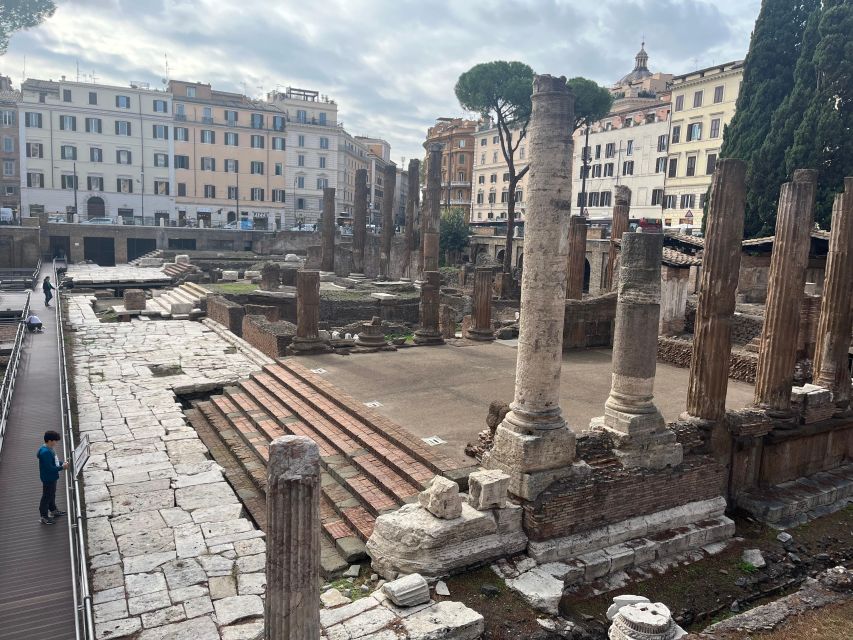
The stated duration is one hour. That is enough for the planned introduction, ticket assistance, and a focused visit to the archaeological area. It is not enough for a slow study of every feature or a full day of Roman sightseeing.
Plan around the appointment at Touristation Aracoeli, then account for the walk to Largo Argentina. The time selected during booking applies to the office meeting point, so do not treat it as the exact moment you will enter the excavation.
A one-hour format works well if you are fitting the site between larger sights in central Rome. It is also a good introduction for children or first-time visitors who need a clear explanation before looking at ruins. You can learn the main story without committing half a day.
The short duration may feel limiting if Caesar, Republican temples, and archaeological layers are major interests for you. In that case, use this visit as a focused stop and give yourself additional time around the surrounding streets. The ticketed part itself is compact.
Is the $23 price good value?
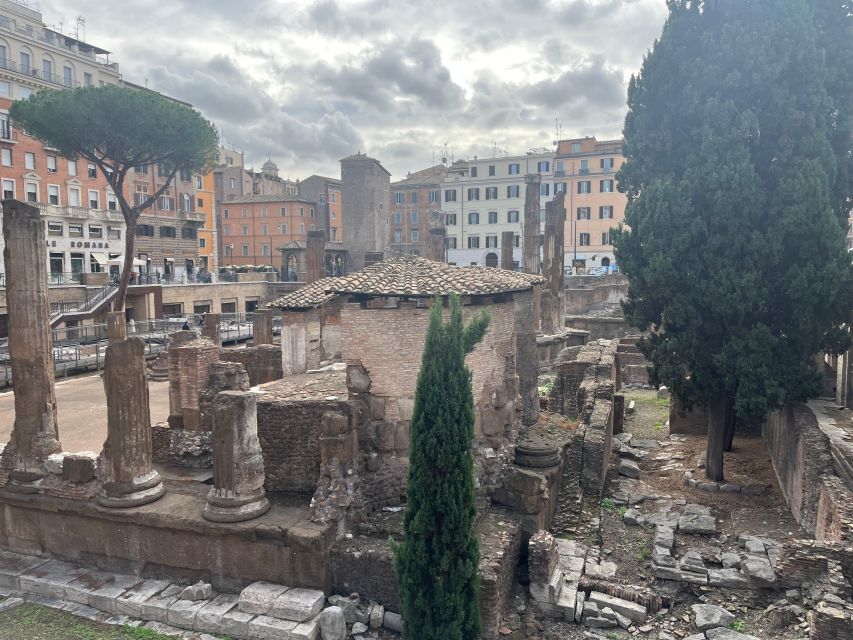
At $23 per person, the price is reasonable only if you value the added structure. You are paying for reserved entry, the multimedia presentation, the English app audio guide, map, WiFi, and assistance at the starting point.
The strongest value is the visual introduction. The ruins are easier to understand after seeing how the buildings may have looked. If you want help making sense of foundations and temple remains, the video and audio guide do useful work.
The value is weaker if you only want to look at the archaeological area from above. A booking account specifically noted that much of the site can be seen from outside, and another pointed out that you can go to the front gate and buy a ticket there. That means the skip-the-line feature may not be essential on every day.
I would choose this option if you want the multimedia presentation, need help finding the site, or prefer to arrange entry in advance. I would skip it if you are happy with a quick exterior look and do not need an audio explanation. The ticket is not a bargain for the excavation alone, but it can make sense as a compact learning experience.
Who will enjoy this experience most
This activity fits you best if you like ancient Rome but do not want a long guided walk. The format is short, focused, and built around a major historical event.
It is particularly suitable for:
- First-time visitors who want a clear introduction to Roman archaeology.
- History fans interested in Julius Caesar and the late Republic.
- Families who benefit from visual reconstructions.
- Independent sightseers who prefer an app audio guide to a group tour.
- Visitors with a spare hour near central Rome.
You may want another format if you need a live guide, detailed archaeological discussion, or a long on-site visit. No guide’s name is provided because this is not a guided tour with a named leader. The experience is self-guided after the starting point.
Practical tips for a smoother visit
Arrive at Piazza d’Aracoeli 16 before your selected time, and look for the orange flags and fountain. Keep your passport with you, and avoid bringing luggage or a large bag.
Download or prepare to use the audio guide app as part of the visit. The English language option is included, but the activity does not include transportation, food, or drink.
Do not assume the meeting point is the excavation entrance. After redeeming your voucher, walk to Largo Argentina, allowing roughly six minutes based on the route described for the activity.
Finally, set your expectations correctly. This is a compact archaeological visit, not a full Ancient Rome tour. The temples are ruins, the Caesar connection is historical rather than theatrical, and the small museum area below ground does not turn the site into a large museum complex.
Should you book Largo Argentina?
Book it if you want a concise, organized introduction to one of Rome’s oldest archaeological areas, especially if the multimedia reconstruction appeals to you. The connection with Caesar’s assassination gives the site an immediate story, while the four temples and medieval layers provide more to consider once you look beyond that famous moment.
Think twice if you only want a quick view of the ruins. Much of Largo Argentina is visible from outside, the paid visit lasts about an hour, and the skip-the-line benefit may not be vital. For $23, the best reason to book is the combination of the presentation, audio guide, and reserved access, not the entrance alone.
FAQ
Where does the activity begin?
You begin at the Touristation Aracoeli office at Piazza d’Aracoeli 16. A fountain and orange flags are in front of the entrance.
Does the booking time refer to the archaeological site?
No. The selected time refers to your appointment at Touristation Aracoeli, where you redeem your voucher.
How long does the activity last?
The stated duration is one hour. The multimedia presentation takes about 30 minutes, although one account found it lasted approximately 25 minutes, followed by access to the archaeological area.
Is this a guided tour?
No. A live guided tour is not included. The activity includes an English app audio guide, assistance at the meeting point, and a multimedia presentation.
What can I see at Largo Argentina?
You can see four temples dating from between the 4th and 1st centuries BC, the tuff base associated with the Curia of Pompey, imperial-era temple remains, and medieval structures.
Is Julius Caesar’s assassination site included?
Yes. The remains associated with the Curia of Pompey mark the place where ancient sources report that Julius Caesar was killed on the Ides of March in 44 BC.
What should I bring and what is not allowed?
Bring your passport. Pets, glass objects, luggage, large bags, alcohol, and drugs are not allowed. Transport, food, and drinks are not included.
Newest Rome tours we have reviewed
- Private TikTok Video Making in Rome★ 5.0 · 7 reviews
- Assisi, Orvieto and Civita di Bagnoregio Full Day Tour from Rome★ 4.5 · 45 reviews
- Assisi & Saint Francis Path Tour from Rome★ 5.0 · 45 reviews
- Assisi and Cascia Private Day Tour from Rome with Lunch★ 5.0 · 10 reviews
- Art Class in the center of Rome!★ 4.0 · 4 reviews
- Art & Craft: Beer Tour with Street Art in Rome★ 4.5 · 6 reviews
- Arrival in Rome: Airport Transfer & Exclusive City Introduction★ 5.0 · 3 reviews
- From Rome: Private Day-Tour of Tuscany★ 5.0 · 16 reviews
Ancient Rome Tours, compared.
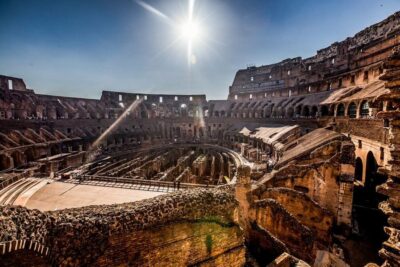
Colosseum: Underground and Ancient Rome Tour
Read our review →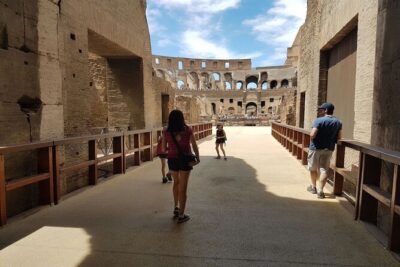
Colosseum & Ancient Rome with Arena Floor Option I Max 6 People
Read our review →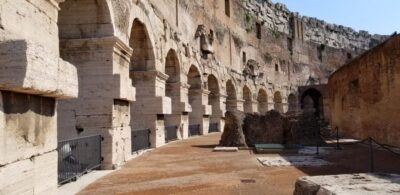
Colosseum, Ancient Rome Tour or Self AudioGuided Tour
Read our review →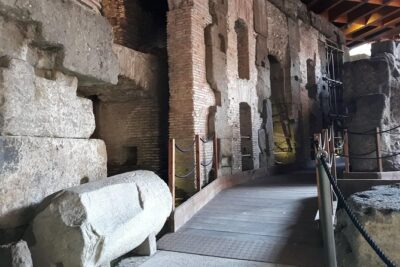
Colosseum Underground & Ancient Rome Guided Tour
Read our review →
Ancient Rome: Colosseum Underground Group Tour
Read our review →
Colosseum Express Guided Tour and Ancient Rome Admission Included
Read our review →
Colosseum Arena Access and Ancient Rome Guided Tour
Read our review →
Ancient Rome Discovery: Colosseum, Forum, Palatine Guided Tour
Read our review →Browse the lists this tour appears in