
Reviewed · ROME FOOD TOURS
Rome Food Tour in the Historic Centre with 8+ Food Tastings
Rome gives you a plate of history with every meal. On this three-hour walking food tour, you eat your way from Piazza Navona through the ancient Jewish Ghetto and on to Largo di Torre Argentina, stopping for pizza, supplì, pasta, cannoli, gelato, and more. The food is the hook, but the Roman stories make the walk worthwhile.
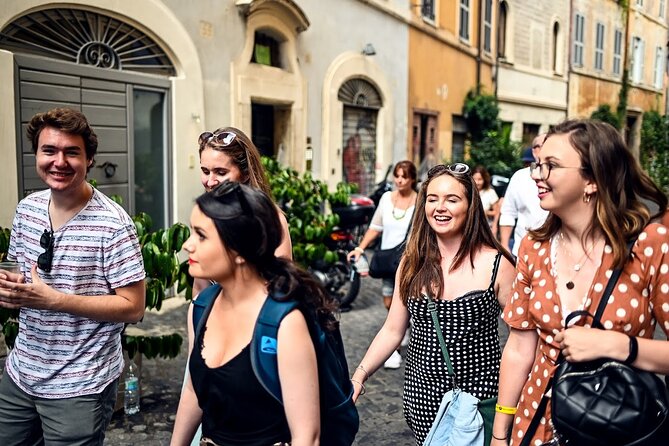
I like two things here. First, the menu gives you a broad taste of everyday Roman food, not just one famous dish. Second, the small maximum group of 12 leaves room for questions and conversation, something guides such as Massimiliano, Rocio, Luda, Federico, and Eduardo have handled especially well. The main drawback is simple: this is a lot of food and a fair amount of walking, so arrive hungry and wear sensible shoes.
Key points to know before booking
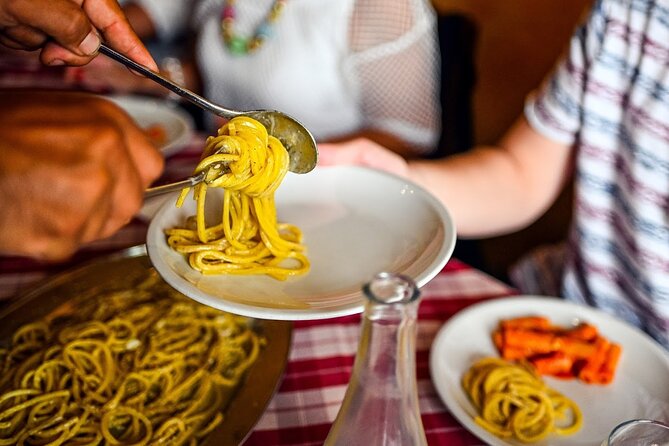
- Eight or more tastings cover the Roman basics: You sample two kinds of homemade pizza, supplì, cold cuts, cheeses, two Roman pastas, cannoli, gelato, and a secret dish.
- The route links food with major sights: Piazza Navona, the French embassy palace, the Jewish Ghetto, Campo de’ Fiori, and Largo di Torre Argentina all add context between bites.
- Small groups make the guide matter: The group is capped at 12, and guide quality is one of the strongest parts of the experience.
- Plan on leaving full: Portions are substantial enough that this works as a full meal, not a few token samples.
- It suits families and vegetarians with advance notice: Children have been kept engaged, and vegetarian alternatives have been provided, but you should raise dietary needs when booking.
- The price reflects more than food: At $118.51 per person, you are paying for several tastings, a guided historic walk, and local dining guidance in central Rome.
A food-first way to see central Rome
This tour works because central Rome can feel like a series of grand monuments until someone explains how ordinary Roman life fits between them. You are not simply moving from one restaurant to another. You are walking through squares, lanes, and neighborhoods while a guide connects the food on your plate with the city around you.
The English-speaking guide leads a maximum of 12 people, a useful limit in Rome’s narrow streets and crowded squares. Guides named in recent tour experiences include Massimiliano, Rocio, Luda, Federico, Eduardo, Manuel, Robbie, and Rosi. The individual personality will vary, but the best guides combine food facts with Roman history, practical restaurant advice, humor, and help with questions about the rest of your stay.
The schedule lasts about three hours. That sounds short, but the food adds up quickly. You should treat the tour as lunch or dinner rather than a warm-up for another large meal. One participant described finishing very full, and that is a fair expectation given the number of tastings.
The route can change because of opening hours, weather, and the availability of food stops. That flexibility is practical, but it means you should think of the menu as a promised style of experience rather than a fixed restaurant-by-restaurant schedule.
More food tours in Rome:
- Winner 2025 Rome Twilight Trastevere Food Tour by Eating Europe
★ 5.0 · 5,157 reviews - Rome: Trastevere or Jewish Quarter Street Food Tour
★ 4.8 · 3,839 reviews - Rome Food Tour: Unlimited Tastings with Fine Wine & Barolo
★ 5.0 · 3,365 reviews
Starting with fountains and pizza in Piazza Navona
The meeting point is Sant’Agnese in Agone at Piazza Navona, a convenient and unmistakable place to begin. The square occupies the site of an ancient Roman stadium and is framed by Baroque buildings, fountains, cafés, and street life.
Your guide uses the piazza to set up the larger story. Rome’s grand public spaces were built over older layers, and the food culture is much the same. Modern bakeries and cafés operate in streets shaped by ancient Roman planning, medieval neighborhoods, Renaissance power, and later city life.
Piazza Navona is also where the first food impressions make sense. You might be introduced to pizza in Roman styles, including the two homemade varieties included in the tour. Roman pizza is often thinner and crisper than the soft, puffy Neapolitan style. The exact preparation may differ by stop, but tasting two types gives you a useful comparison.
The square can be crowded, especially during busy periods. That is part of its appeal, but it can also make listening harder. Stay close to the guide and keep the meeting details handy. The tour does not include hotel pickup, so you must make your own way to Piazza Navona.
Understanding the Four Rivers Fountain
One of the route’s landmarks is the 17th-century Fountain of the Four Rivers, designed as a grand display of Roman power and Baroque theater. An obelisk rises above figures representing four major rivers, with a dove at the top.
This is a good example of what the tour adds beyond eating. You can look at the fountain on your own, but a guide can point out how the monument reflects the ambitions of the people who commissioned it and how the square functioned as a public stage.
The stop also gives you a pause between tastings. Food tours work best when the walking is not rushed from one plate to the next. Here, the sights help break up the meal and give you time to digest.
Pizza, supplì, and the Roman snack table
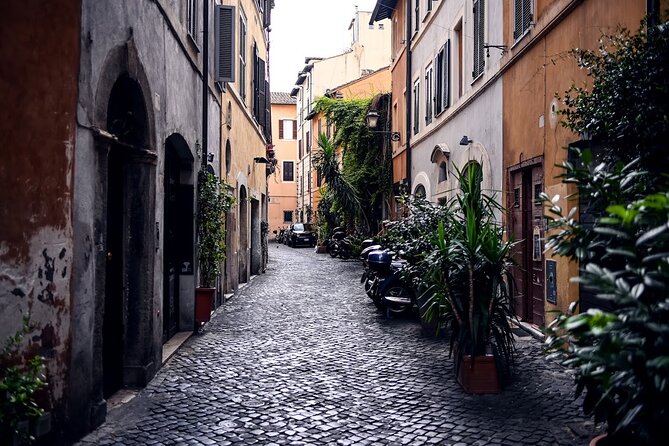
Supplì is one of the most useful foods to try early in the tour. This fried rice croquette is commonly associated with Roman street food and is often filled with tomato sauce and melted cheese. It is crisp outside, soft inside, and easy to eat while standing or walking.
The tour also includes Italian cold cuts and cheeses. These samples show a different side of Roman eating, one built around simple combinations, good ingredients, bread, and conversation. You may find these tastings especially helpful if you are still learning how Italian menus work. A guide can explain what you are eating and how it fits into a typical meal.
The included menu lists two kinds of homemade pizza, supplì, cold cuts, and cheeses before the pasta courses arrive. That progression gives you more variety than a tour focused only on pizza and gelato. It also explains why you should avoid a heavy breakfast.
The food is not presented as a formal cooking class. You are tasting and learning as you walk, not preparing dishes yourself. If you want hands-on instruction, this is not that type of experience. If you want a guided introduction to Roman staples without planning several stops yourself, it fits well.
Same city, a completely different half-day:
- Vatican Museums & Sistine Chapel Tour with Optional Basilica
★ 4.3 · 67,413 reviews - Vatican Museums, Sistine Chapel & St Peter’s Basilica Guided Tour
★ 4.5 · 39,149 reviews - Rome: Colosseum, Palatine Hill and Roman Forum Guided Tour
★ 4.8 · 32,814 reviews - Rome: Guided Tour of Colosseum, Roman Forum & Palatine Hill
★ 4.7 · 27,897 reviews
A look at Rome’s French embassy palace
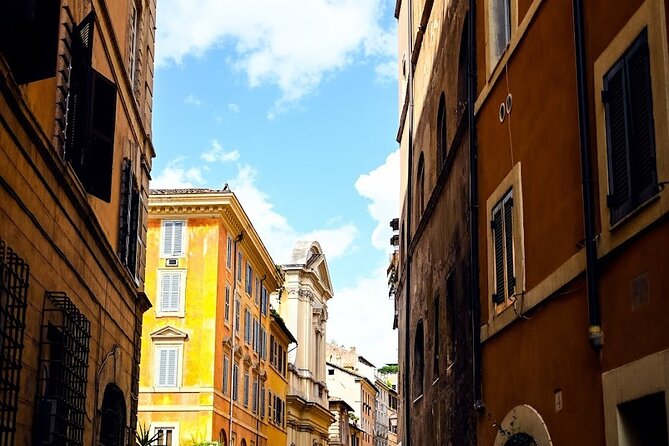
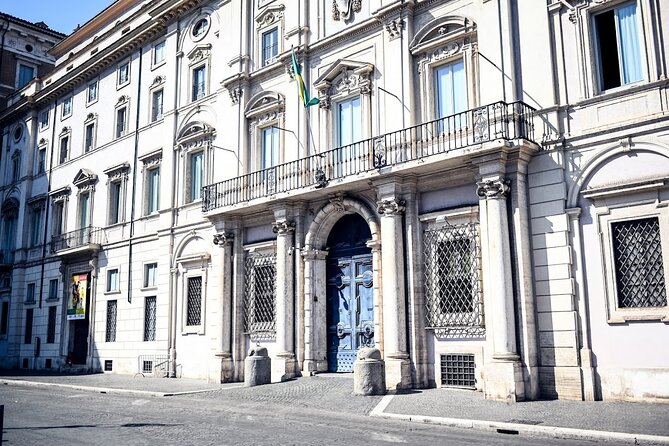
The route passes one of Rome’s major High Renaissance palaces, now home to the French embassy in Italy. Even if you are not interested in diplomatic buildings, the stop gives you a glimpse of how aristocratic and political power shaped the center of Rome.
This is the sort of sight that can slip past you during an independent walk. The building may not be an advertised food stop, but it adds substance to the route. You get a clearer sense of why central Rome has such an unusual mix of restaurants, government buildings, churches, fountains, and ancient remains.
Do not expect a long interior visit here. The tour information identifies the palace as a point of interest, not as an included admission. The value is in seeing it from the route and hearing the guide explain its place in the city.
Pasta and the ancient Jewish Ghetto
The ancient Jewish Ghetto is one of the most meaningful sections of the walk. Established in 1555 in the Rione Sant’Angelo, it has a distinct identity shaped by centuries of Jewish Roman life, restrictions, resilience, worship, family businesses, and food traditions.
The neighborhood is also one of the best settings for discussing how Roman cuisine changes from district to district. Here, food is not just fuel between monuments. It is tied to community and memory. Your guide can give you background while you move through the area, then connect that story to the dishes being served.
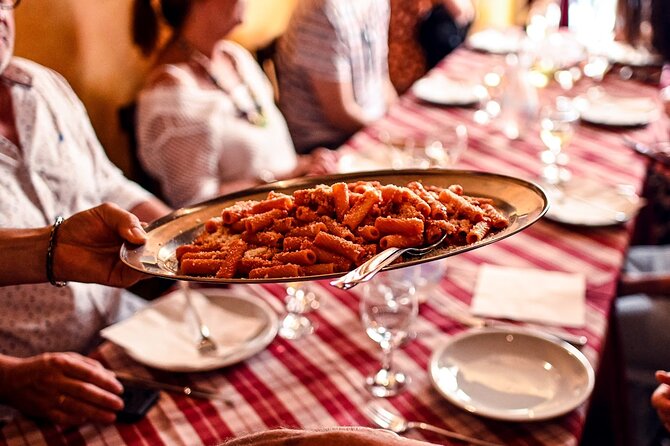
Two Roman pasta tastings are included. The exact recipes can change, but classic Roman pasta often means strong, uncomplicated combinations built around ingredients such as pecorino, black pepper, guanciale, tomato, or egg. The point is not to sample every pasta in Rome. It is to understand why a few carefully handled ingredients can produce such bold results.
This part of the tour may be the highlight for anyone who wants more than snacks. Pasta gives the experience a proper meal-like center, and the setting adds cultural weight. At the same time, people with dietary restrictions should ask ahead about substitutions. One vegetarian participant received vegetarian pasta and other alternatives, but this should not be treated as an automatic guarantee for every need.
Walking past the ancient temple remains
The route includes remains of an ancient walkway built in the 2nd century B.C. to connect two Roman temples. Rome often gives you this kind of surprise: a few worn stones beside a modern street, with traffic and apartment buildings just beyond them.
A food guide cannot turn every archaeological stop into a full museum visit, but a short explanation can help you see the remains properly. The route is not just a string of famous postcard spots. It also includes smaller pieces of the ancient city that make the walk feel connected.
This is another reason the three-hour length works. You have enough time for the guide to explain the sights without losing the rhythm of the meal. You also get natural breaks between courses, which is useful when the menu is as generous as this one.
Campo de’ Fiori and the changing Roman city
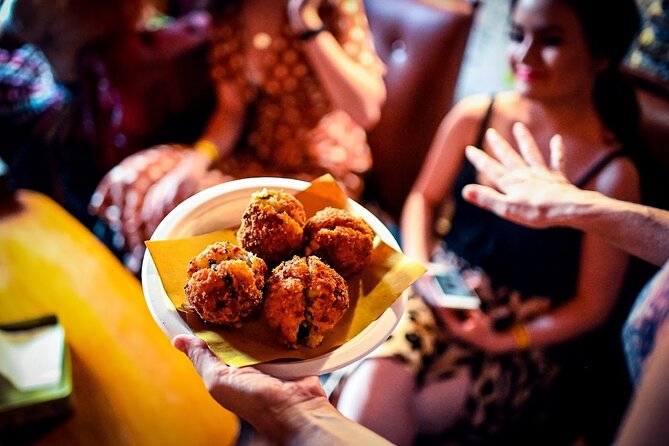
Campo de’ Fiori is a rectangular square south of Piazza Navona. Its name translates as field of flowers, a reminder that Rome’s public spaces have not always served the same purpose they do today.
The square is a natural place to talk about markets, daily shopping, and the changing relationship between residents and central Rome. It also helps balance the grander sights. Piazza Navona gives you fountains and Baroque architecture. Campo de’ Fiori feels more connected to ordinary shopping and street activity.
Do keep your expectations realistic. The tour includes the square as part of the walking route, but it does not promise a full market visit or dedicated shopping time. You are there to see the place, hear its story, and continue eating.
Cannoli, gelato, and the final sweet course
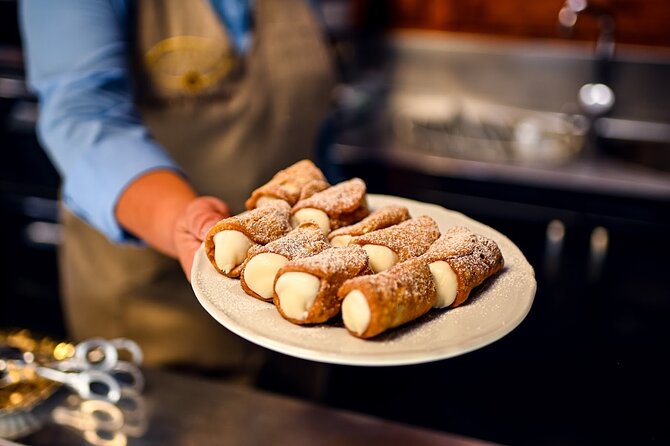
Dessert arrives through cannoli and artisanal gelato. Cannoli can be divisive, especially for people who think they do not like the dessert. The filling, shell, and freshness make a major difference, and a well-made version can change your mind.
Gelato is the final course for many people, and the quality of the stop matters. The tour positions artisanal gelato as a closing taste, giving you a sweet finish after the savory food and pasta. You may want to keep your appetite in reserve because this is not a tiny sample at the end of a light walk.
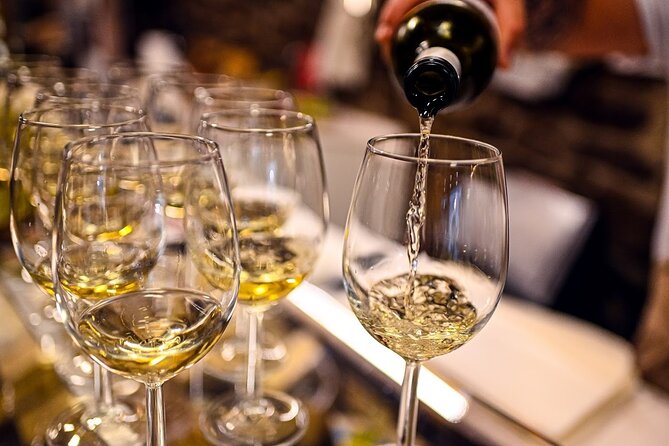
Coffee and wine have also been part of some tour experiences, but the official included-food list specifically promises the dishes above, not a fixed drink package. Ask about drinks if they matter to your budget or dietary planning. The minimum drinking age is 18.
Ending at Largo di Torre Argentina
The tour finishes at Largo di Torre Argentina, a square containing four Roman Republican temples and the remains of Pompey’s Theatre. It lies in the ancient Campus Martius and gives the route a suitably old ending.
The end point is useful for planning the rest of your day. You are not returned to your hotel, and no hotel transportation is included. From the finish, you can continue exploring central Rome, find another meal later, or use nearby public transportation. Since the exact onward route is not provided, plan to navigate independently after the tour.
Ending here also reinforces the main idea of the experience. Roman food is not separate from Roman history. You eat near places shaped by the Republic, the Empire, the Renaissance, the Jewish community, and modern city life.
Is $118.51 a fair price?
At $118.51 per person, this is not a budget snack walk. It becomes better value when you count the amount of food: two pizzas, supplì, cold cuts, cheeses, two pastas, cannoli, gelato, and a secret dish. If you bought comparable food and paid separately for a guide, you could easily approach the same cost.
You are also paying for planning. The company selects the stops, manages the sequence, and gives you an English-speaking guide who can explain both dishes and landmarks. That saves you from spending part of your holiday comparing menus and guessing which places are worth your time.
The price makes less sense if you want only a few bites or if you already have restaurant reservations for the same part of the day. You should also factor in group discounts if you are booking with others. Confirmation arrives within 48 hours, subject to availability, so check your plans before making nonrefundable arrangements elsewhere.
Free cancellation is available up to 24 hours before the start time. Changes or cancellations inside that window are not refunded, and cut-off times follow local Rome time.
Who will enjoy this Rome food tour most?
I would recommend this experience to first-time visitors who want an organized introduction to Roman food and central neighborhoods. It also suits repeat visitors who have seen the major monuments but want more context for the city’s everyday eating culture.
Families can do it. A family with children aged four and six completed the walk, and a guide kept the younger participants involved. Still, remember that you are walking, standing, eating several courses, and moving through busy public areas.
Vegetarians may also be comfortable here, provided you communicate clearly in advance. A vegetarian option was supplied for the pasta and alternatives were made at other stops, but the itinerary and menu can change.
People with limited stamina should think carefully before booking. The route lasts about three hours and includes multiple stops across central Rome. There is no stated accessibility program, so ask the operator directly about mobility needs before paying.
My verdict: book it if you want food and context
Book this Rome food tour if you want a filling introduction to Roman dishes paired with a walk through some of the city’s most layered neighborhoods. The strongest reason to choose it is the combination of substantial food and lively guiding. Names such as Massimiliano, Rocio, Luda, and Federico come up often in the experience details, and the guide’s ability to explain food, history, and practical Rome tips can shape the day.
Skip it if you prefer to choose each restaurant yourself, dislike group walks, or want a light tasting menu. For everyone else, the variety, small group limit, central route, and generous portions make $118.51 a reasonable spend for a meal and a guided afternoon in Rome.
FAQ
Where does the Rome food tour start?
The tour starts at Sant’Agnese in Agone, Piazza Navona 14, 00186 Rome, Italy.
Where does the tour end?
It ends at Largo di Torre Argentina in central Rome.
How long does the experience last?
The tour lasts approximately three hours.
What food is included?
The included food consists of two kinds of homemade pizza, supplì, Italian cold cuts and cheeses, two Roman pastas, cannoli, artisanal gelato, and a secret dish.
Is the tour offered in English?
Yes. The experience is offered in English.
How large is the group?
The maximum group size is 12 people.
Is hotel pickup included?
No. Hotel pickup and drop-off are not included.
Can vegetarians join the tour?
Vegetarian alternatives have been provided, including vegetarian pasta and other substitutions. You should communicate your needs when booking because the menu can change.
Can I cancel for a full refund?
Yes. You can cancel at least 24 hours before the start time for a full refund. Cancellations or changes made less than 24 hours before the start time are not refunded.
More history tours in Rome
- Rome in a Day Tour with Vatican, Colosseum and Historic Center
★ 4.5 · 1,042 reviews - Rome: Forbidden History Walking Tour & Pub Crawl with Drinks
★ 4.9 · 688 reviews - Rome: Colosseum, Vatican Museums & Historic Center in a Day
★ 4.7 · 228 reviews - Rome: Vespa Tour with Historic City Highlights
★ 5.0 · 113 reviews
Newest Rome tours we have reviewed
- Private TikTok Video Making in Rome★ 5.0 · 7 reviews
- Assisi, Orvieto and Civita di Bagnoregio Full Day Tour from Rome★ 4.5 · 45 reviews
- Assisi & Saint Francis Path Tour from Rome★ 5.0 · 45 reviews
- Assisi and Cascia Private Day Tour from Rome with Lunch★ 5.0 · 10 reviews
- Art Class in the center of Rome!★ 4.0 · 4 reviews
- Art & Craft: Beer Tour with Street Art in Rome★ 4.5 · 6 reviews
- Arrival in Rome: Airport Transfer & Exclusive City Introduction★ 5.0 · 3 reviews
- From Rome: Private Day-Tour of Tuscany★ 5.0 · 16 reviews
Rome Food Tours, compared.
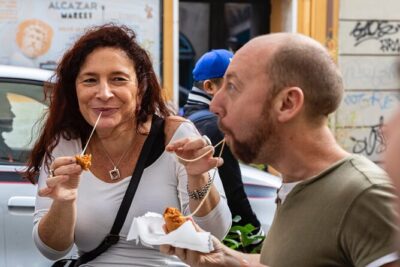
Winner 2025 Rome Twilight Trastevere Food Tour by Eating Europe
Read our review →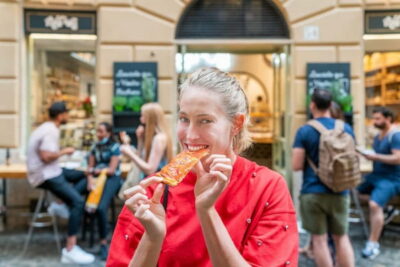
Trastevere or Jewish Quarter Street Food Tour
Read our review →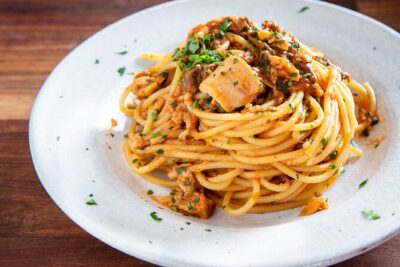
Rome Food Tour: Unlimited Tastings with Fine Wine & Barolo
Read our review →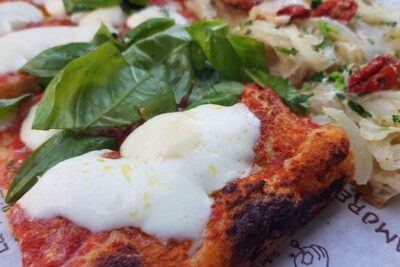
Trastevere Food tour with Free-Flowing Fine Wine
Read our review →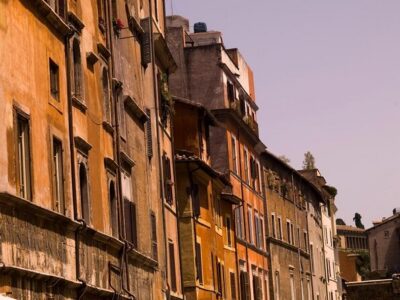
Award Winning Trastevere Group Food Tour with Wine
Read our review →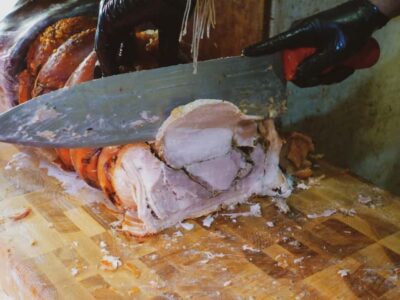
Food Tour with Unlimited Food and Barolo Wine
Read our review →Browse the lists this tour appears in