
Reviewed · ROME COOKING CLASSES
Rome: Cooking class with wine pairing at Come Na Vorta
Rome’s Come Na Vorta cooking class turns a restaurant meal into a three-generation family lesson. You make fresh fettuccine, gnocchi, and tiramisu, then sit down to eat the results with wine. It is a friendly way to get beyond sightseeing and into the everyday craft of Roman cooking.
I especially like the hands-on format, including pasta shaping, printed recipes, and a certificate to take home. I also like the relaxed extras: free-flowing prosecco, bruschette with olive oil, and a choice of sauces for the finished pasta. The main consideration is time. About two hours are spent preparing food, so this is a full three-hour commitment rather than a quick demonstration.
Key points to know before booking
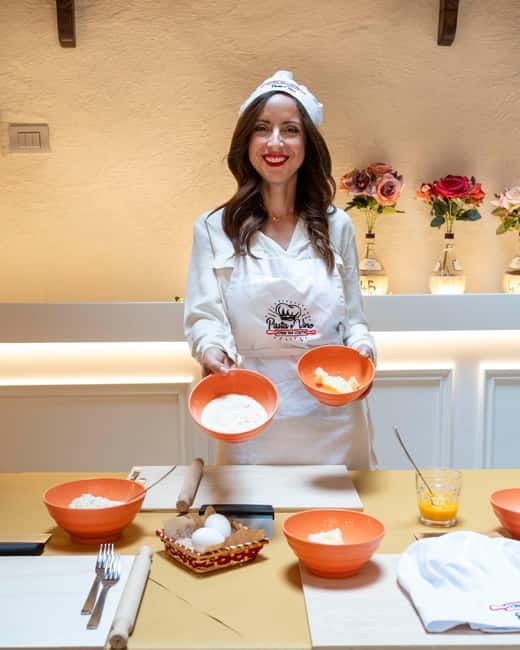
- Three classic dishes: Make fresh fettuccine, pillowy gnocchi, and homemade tiramisu from scratch.
- A working family restaurant: The class takes place at Come Na Vorta, a family-owned restaurant near Piazza Trilussa in Trastevere.
- Food is part of the lesson: You receive two pasta dishes, tiramisu, bruschette, prosecco, water, and wine.
- Wine packages vary: Bronze includes one glass, Silver includes two traditional Italian wines, and Gold includes two prestigious wines.
- Useful take-home material: Printed recipes, an apron, a pasta-maker hat, and a participation certificate are included.
- Good for mixed-age groups: The class has worked well for couples, families with children and grandparents, solo participants, and colleagues.
Why this Trastevere pasta class works
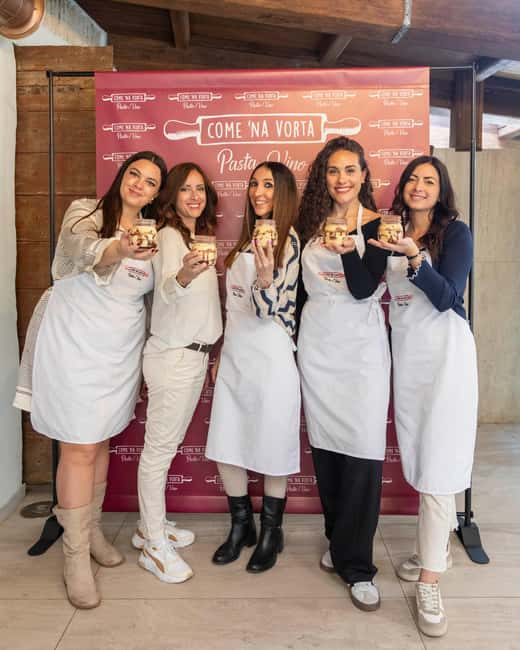
Rome has no shortage of cooking classes. Some focus on technique, some on eating, and some are really social events with a little flour added for effect. Come Na Vorta tries to cover all three. You prepare the food, hear family stories, and then eat a proper meal at the restaurant.
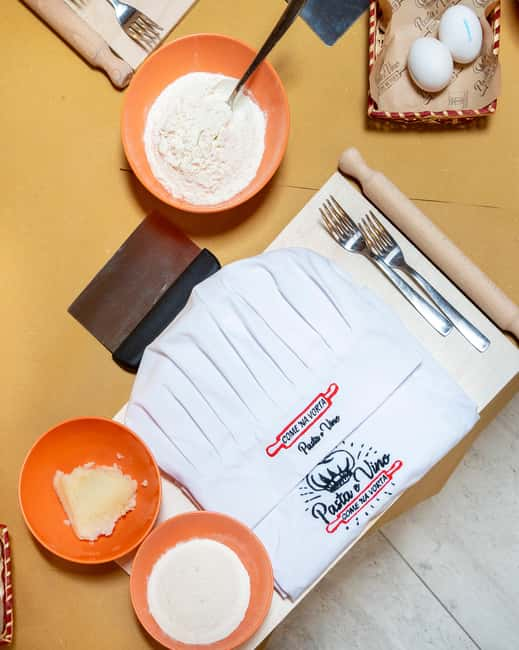
The setting matters. Come Na Vorta, also called Come ‘Na Vorta, is a family-owned restaurant in Trastevere, a neighborhood known for its narrow streets, restaurants, and evening atmosphere. The class is held inside the restaurant, in a room set up with a worktable for ingredients and utensils and another table for the meal afterward.
That arrangement gives the class a clear rhythm. You do not spend the entire session standing around a cooking island. You move from preparation to lunch or dinner, with the restaurant team handling the final cooking and serving.
I like that balance. Making pasta from scratch can be messy and slow, especially if several people are learning at once. Having the staff cook the finished pasta means you can focus on shaping and eating it at its best.
More cooking classes in Rome:
- 3 in 1 Cooking Class near Navona: Fettuccine, Ravioli & Tiramisu
★ 5.0 · 7,376 reviews - Rome: 3-in-1 Fettuccine, Ravioli, and Tiramisu Cooking Class
★ 4.9 · 2,704 reviews - Rome: Fettuccine Pasta Cooking Class in Rome’s City Center
★ 4.8 · 2,414 reviews
Starting with prosecco and bruschette
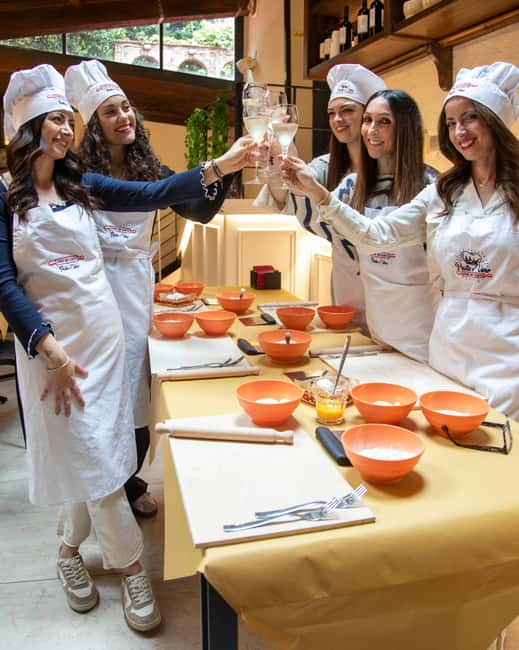
The class begins with a glass of prosecco. Bruschette with extra virgin olive oil are available during the preparation, along with water. This is more than a pleasant welcome. It gives you something to enjoy while the dough is being made and keeps the lesson from feeling like a formal school exercise.
The prosecco also sets the tone. You are encouraged to talk, ask questions, and enjoy the room. This is a social class, not a silent technical workshop.
The bruschette offer a small lesson in Italian ingredients, too. Good olive oil, crisp bread, and simple seasoning are central to Roman cooking. The class places those basics beside the more involved pasta work, showing that Italian food is not always about long ingredient lists.
Because wine and prosecco are included, you should plan the timing of the class with care. The session lasts around three hours, with roughly two hours devoted to preparation and the remaining time used to enjoy the meal. It is best treated as a main activity for the day, not something to squeeze between two timed sightseeing stops.
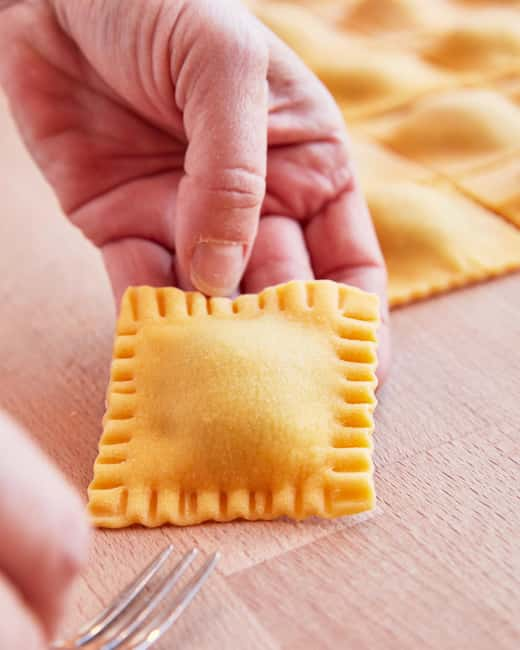
Making fettuccine by hand
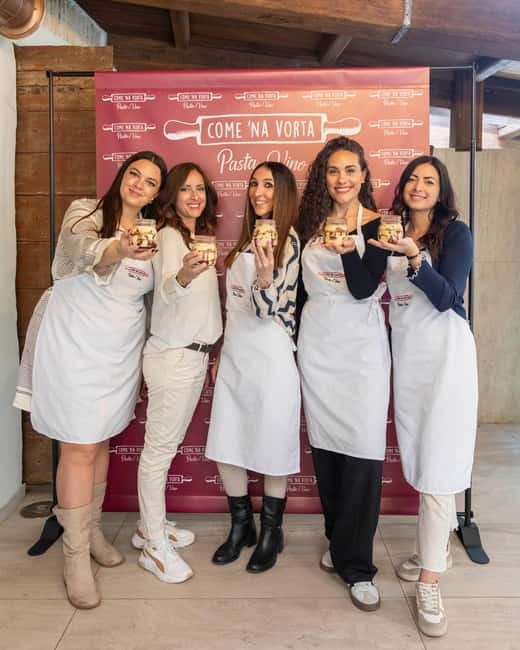
The first major task is fresh fettuccine. You work with dough, learn how it should feel, and shape it with guidance from the cooking team. The class is built around methods passed down through the family, including techniques associated with the cooks’ grandmother.
That family connection gives the instruction a useful sense of place. You are not simply learning a generic pasta recipe translated into English. You are being shown the way this restaurant prepares its pasta and the reasoning behind the method.
The instructor also explains how to recognize quality ingredients. This is important because pasta making is often presented as a matter of flour, eggs, and a machine. In practice, the ingredients and the feel of the dough make a difference. The class gives you a starting point you can use at home, rather than only a pleasant memory of rolling noodles in Rome.
Aprons and pasta-maker hats are provided. The hats are playful, especially for children, while the aprons are genuinely practical. Pasta dough has a habit of getting everywhere, so you will appreciate having something supplied for the activity.
Do not expect to leave with a large quantity of uncooked pasta. The point is to learn the process and eat the food prepared during the class. Printed recipes help you recreate it later in your own kitchen.
Shaping gnocchi and choosing sauces
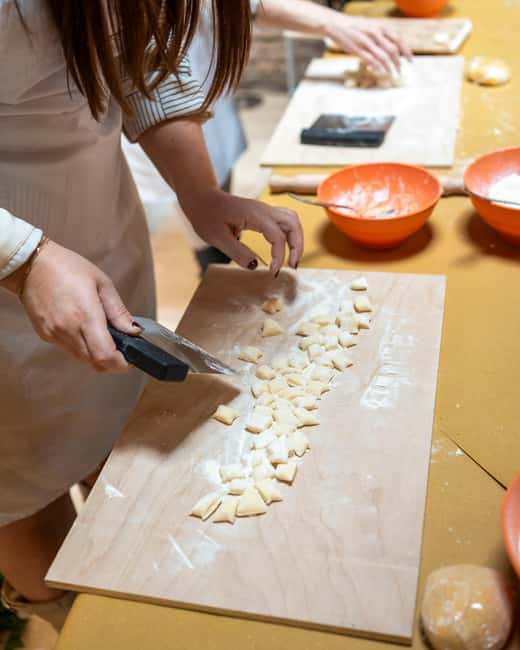
The second pasta project is gnocchi. These soft potato dumplings require a different touch from fettuccine. You learn to shape them and see how the dough changes from one pasta style to another.
This is one of the stronger parts of the class for families. The work is tactile, easy to share, and approachable for people with different cooking backgrounds. A child can take part in shaping, while an adult can pay closer attention to texture and technique.
Once the fettuccine and gnocchi are ready, the restaurant cooks them with traditional sauces. You can choose the sauces available for the class. The supplied details describe a selection of four sauces, and the Roman-style choices include options such as amatriciana, while pesto was selected by one participant.
That choice gives the meal a personal touch. It also helps you compare how different sauces work with fresh pasta and gnocchi. If you like bold tomato and pork flavors, amatriciana may appeal to you. If you prefer something herbal and lighter, pesto is an option when available.
The exact sauce selection can vary, so you should ask the host what is being offered on your date. That is a small point, but it matters if you have strong preferences or dietary concerns. The activity description does not promise a vegetarian, vegan, or allergy-specific menu.
More wine tastings in Rome:
- Rome: Tuscany & Montepulciano Day Trip with Lunch & Wine Tasting
★ 4.5 · 5,232 reviews - Pasta Making & Wine Tasting with Dinner in Frascati from Rome
★ 5.0 · 1,326 reviews - Rome by Night – Ebike Small Group Tour – Food and Wine (Option)
★ 5.0 · 1,275 reviews - Rome: E-Bike Night Tour with Food and Wine Tasting
★ 4.9 · 1,131 reviews
The tiramisu lesson
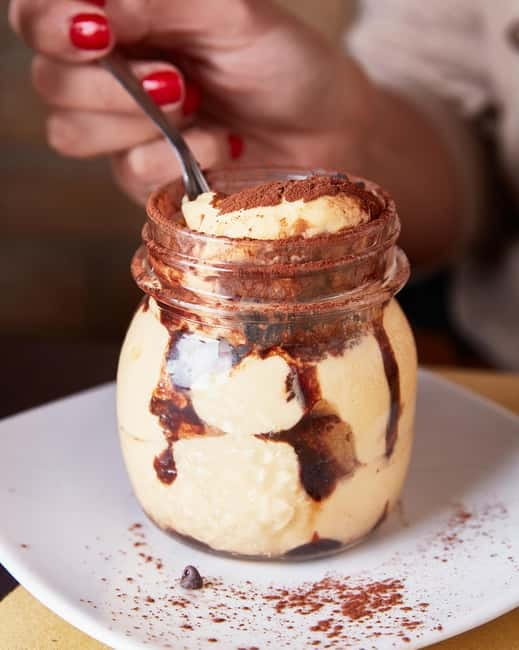
The class finishes its preparation with tiramisu. Come Na Vorta presents more than one variation of the dessert, and the cooking team explains the versions served at the restaurant.
This is a smart choice for the final course. Tiramisu is familiar to many people, but the difference between a good version and a heavy one often comes down to proportions, texture, and handling. Seeing how the restaurant approaches it gives you more than a standard restaurant dessert.
Each participant receives one tiramisu. Since the class also includes two pasta dishes, you should arrive hungry. The meal is substantial, and the steady prosecco, wine, and food make this a poor choice immediately before another large dinner.
The dessert portion also gives the class a nice finish. Pasta preparation can feel technical. Tiramisu brings the focus back to simple assembly and presentation, with a result you can enjoy right away.
Eating the meal you prepared
After the cooking, everyone sits down together. The restaurant prepares the fettuccine and gnocchi, serves the sauces you selected, and pairs the meal with the wine option attached to your booking.
This is where the experience feels different from a standard restaurant meal. You know the pasta shapes because you made them. You have handled the dough, watched the process, and then see how the kitchen finishes the food.
The included meal has real value at the listed price of $68.10 per person. You are not paying only for a lesson. The price also covers prosecco, bruschette, water, two pasta dishes, tiramisu, one glass of wine in the standard inclusion, recipes, equipment, and instruction.
The booking options add another layer:
- Bronze: One glass of locally produced wine.
- Silver: Two glasses of traditional Italian wines, such as Chianti and Chardonnay.
- Gold: Two glasses of prestigious wines, such as Brunello di Montalcino and Amarone della Valpolicella.
Check the package details when booking because the base inclusion and wine upgrade descriptions use slightly different wording. If wine is important to you, the package choice affects the value more than it would in a class where drinks are not part of the meal.
I would judge the price as fair for Rome, especially if you value both the cooking lesson and a complete restaurant meal. It is less compelling if you want a short class, a highly technical workshop, or a large take-home quantity of pasta.
The people who make it personal
The class is taught in English and Italian. Alice has led the cooking instruction, and one family booking found her patient and particularly good with children. Alina helped organize that session and provided support in Spanish. The official language information lists English and Italian, so Spanish assistance should not be assumed without checking ahead.
The family connection is central to the teaching. You hear about recipes and methods passed down through three generations, along with stories about the restaurant and its food. That gives the class more character than a lesson built only around measurements.
I also like the way this format handles different ages. A family group with children and grandparents took part together, and the class was arranged with separate preparation and dining tables. That setup lets people participate at their own pace without making the room feel like a formal classroom.
Couples can treat it as a hands-on date. Solo participants can join the shared meal and have plenty of natural conversation. Colleagues can use the dough making as a team activity without needing advanced cooking skills.
Practical details in Trastevere
The meeting point is inside Come ‘Na Vorta, also named Come Na Vorta, Pasta e Vino. Go into the restaurant and ask the staff about the cooking class. They will direct you to the guide.
The class ends at the same location. There is no pickup or drop-off, so you need to arrange your own way to and from Trastevere. The restaurant is described as being close to Piazza Trilussa, a useful reference point when planning your route.
The activity lasts three hours, but starting times vary. Check the available time before building the rest of your day around it. A class that begins near a meal period may replace lunch or dinner, while another starting time may work better as an afternoon activity.
Wheelchair access is listed. If you have specific access needs, it is still sensible to confirm the room arrangement before booking, since the cooking and dining areas are set up separately.
Free cancellation is available up to 24 hours before the activity for a full refund. You can also reserve now and pay later, which helps if your Rome schedule is still changing.
Who should book this cooking class
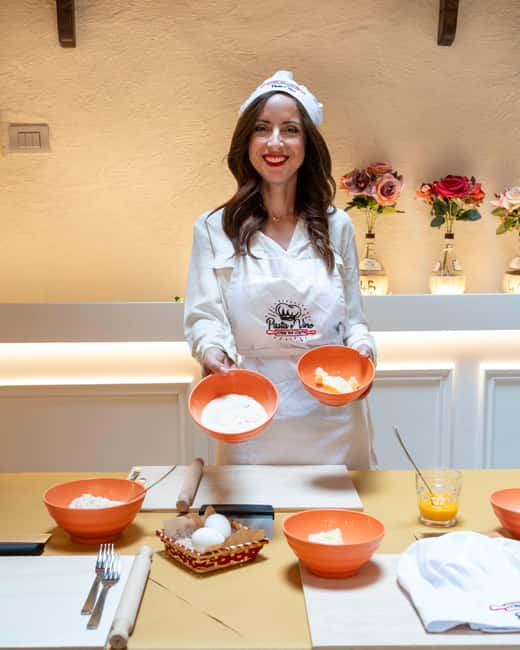
I would choose this for anyone who wants a social food activity with a proper meal at the end. It suits first-time pasta makers because the host guides you through each step, and it suits confident home cooks who want to compare their routine with a Roman family method.
Families should pay special attention to this option. The pasta shapes are easy to make together, the hats and aprons add a little fun, and the class has worked for both children and grandparents. The wine service means adults should decide how the group will share the cooking if children are involved.
It also works well as a break from museums and monuments. Rome can become a parade of churches, ruins, and crowded piazzas. Three hours spent handling dough and sharing food gives you a different view of the city, one tied to daily life rather than famous sights.
I would be more cautious if you have strict dietary requirements, do not drink alcohol, or want a quiet, private class. The available information does not promise special menus or private instruction, and the atmosphere is built around shared food and drinks.
Final call: a good-value Roman food lesson
Book Come Na Vorta if you want to make classic pasta, hear family cooking stories, and eat a generous restaurant meal in Trastevere. The strongest reasons are the hands-on work, the three-generation connection, the sauce choices, and the fact that the food you prepare becomes the meal you eat.
Skip it if your schedule is tight or you are looking for advanced culinary training. For most visitors, though, $68.10 is a sensible price for three hours of instruction, food, wine, and recipes to use later. Arrive hungry, allow the full afternoon or evening, and confirm the language and wine package that suit your group.
FAQ
Where does the cooking class take place?
The class takes place inside Come ‘Na Vorta, also called Come Na Vorta, Pasta e Vino, in the Trastevere district of Rome. The restaurant is near Piazza Trilussa.
How long does the activity last?
The class lasts about three hours. Roughly two hours are used for preparation, with the remaining time devoted to enjoying the meal.
Which dishes will I make?
You will make fresh fettuccine, gnocchi, and tiramisu from scratch.
What food is included?
Each participant receives two pasta dishes with sauces of their choice, one tiramisu, bruschette with extra virgin olive oil, and water.
Is wine included?
Yes. The standard inclusions list one glass of wine for each participant, along with prosecco. Bronze, Silver, and Gold booking options offer different wine quantities and selections.
Which languages are available?
The official activity languages are English and Italian. Spanish support was provided for one family booking through Alina and Alice, but you should confirm Spanish availability before reserving.
Are recipes provided?
Yes. Printed recipes are included so you can make the dishes again at home.
Is the class suitable for wheelchair users?
The activity is listed as wheelchair accessible. If you need specific arrangements, confirm the room setup with the provider before booking.
Can I cancel the booking?
You can cancel up to 24 hours in advance for a full refund. A reserve-now, pay-later option is also available.
Newest Rome tours we have reviewed
- Private TikTok Video Making in Rome★ 5.0 · 7 reviews
- Assisi, Orvieto and Civita di Bagnoregio Full Day Tour from Rome★ 4.5 · 45 reviews
- Assisi & Saint Francis Path Tour from Rome★ 5.0 · 45 reviews
- Assisi and Cascia Private Day Tour from Rome with Lunch★ 5.0 · 10 reviews
- Art Class in the center of Rome!★ 4.0 · 4 reviews
- Art & Craft: Beer Tour with Street Art in Rome★ 4.5 · 6 reviews
- Arrival in Rome: Airport Transfer & Exclusive City Introduction★ 5.0 · 3 reviews
- From Rome: Private Day-Tour of Tuscany★ 5.0 · 16 reviews
Rome Cooking Classes, compared.
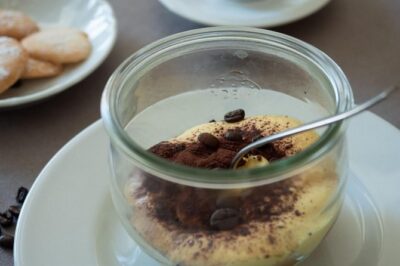
3 in 1 Cooking Class near Navona: Fettuccine, Ravioli & Tiramisu
Read our review →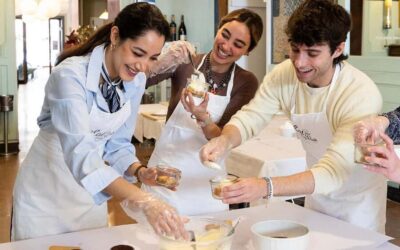
3-in-1 Fettuccine, Ravioli, and Tiramisu Cooking Class
Read our review →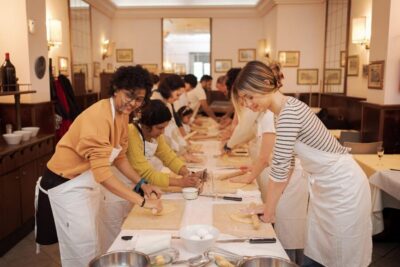
Fettuccine Pasta Cooking Class in Rome’s City Center
Read our review →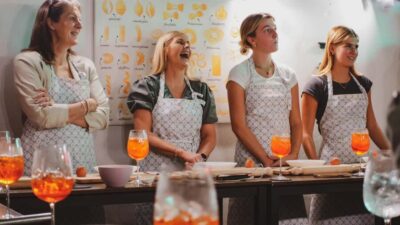
Traditional Pasta with Cocktails Cooking Class
Read our review →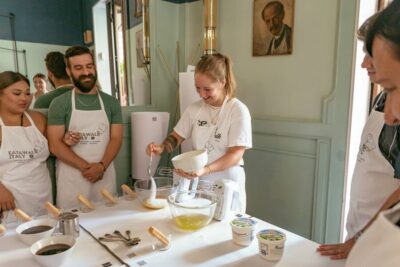
Fettuccine and Tiramisu Cooking Class with Wine
Read our review →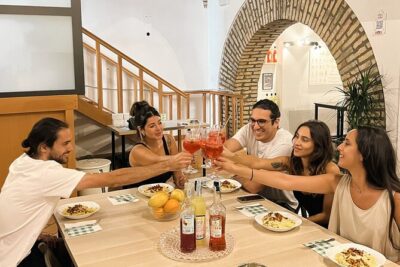
Pasta Cooking Class Near the Colosseum with 3 Spritz Cocktails
Read our review →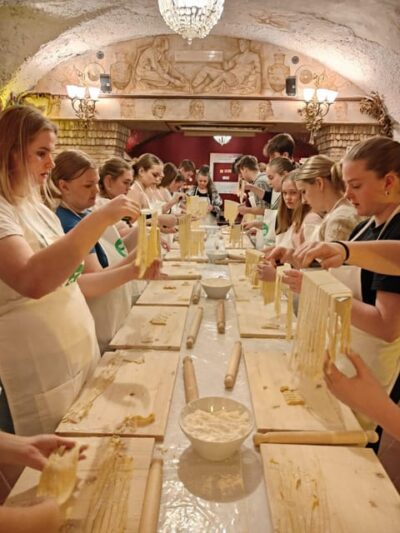
Pasta & Tiramisu Cooking Class near the Spanish Steps
Read our review →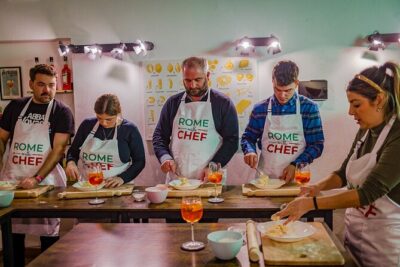
Rome Tipsy Cooking Class: Make Pasta and Mix 3 Spritz Cocktails
Read our review →Browse the lists this tour appears in