
Reviewed · ROME
Rome: Incredible Adventure in the Heart of the City
Rome’s ancient center becomes your game board in this self-guided adventure. You follow the story of Romulus, solve puzzles, and walk from Colle Oppio to the Colosseum, Roman Forum, Circus Maximus, and other major sights. It is part history lesson, part city walk, and part treasure hunt.
I like the way the game makes you look closely at monuments instead of simply passing them on the way to the next photo. I also like the freedom: you can pause for a coffee, split the route across your day, or play any time within the 365-day validity period.
The main drawback is the printed material. One family found the translation and wording of some puzzles awkward, which made certain clues slow to solve. You also need comfortable shoes, a charged phone, internet access, and enough energy for roughly 5 kilometers of city walking.
Key points to know before booking
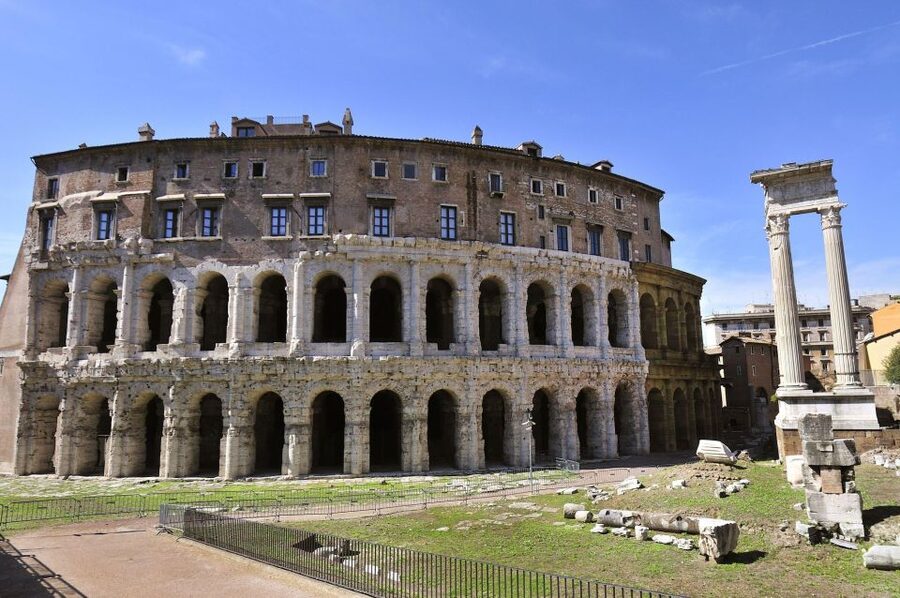
- The route links major ancient sights: You pass the Colosseum, Roman Forum, Circus Maximus, Arch of Constantine, Basilica of Maxentius, and more.
- It is a self-guided game, not a guided tour: No guide accompanies you, so you control the timing and pace.
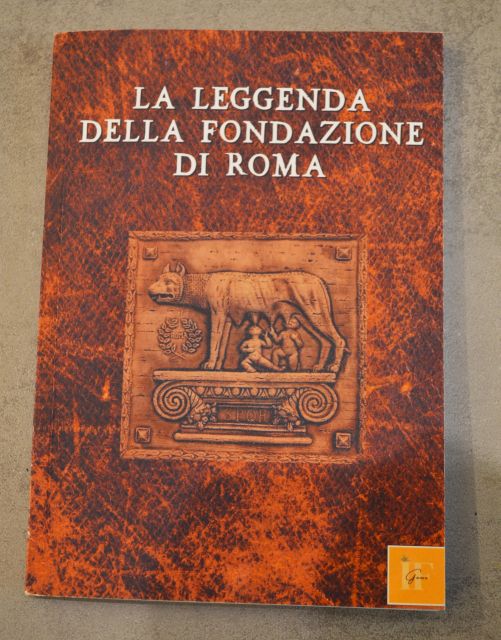
- The supplied book is part of the souvenir: You keep the game book after finishing, along with the other materials in the box.
- Plan on 3 to 4 hours: The route covers about 5 kilometers, with plenty to stop and examine along the way.
- It works well for families: The puzzles are intended to be fun rather than highly difficult, though younger children may lose focus during a long walk.
- The box must arrive before you play: Order at least two weeks ahead, or contact the provider about receiving the materials as PDFs if you need them quickly.
A puzzle walk through Rome’s oldest quarter
This activity gives you a different way to see central Rome. You are not following a guide holding up a flag, and you are not simply ticking famous monuments off a list. Instead, the book sends you from one location to the next with a story to follow and riddles to solve.
The central idea is the foundation of Rome and the legend of Romulus, the city’s first king. As you progress, the puzzles encourage you to connect places, stories, and details in the streets around you. The result is more active than a standard sightseeing stroll, but less formal than a traditional history tour.
You begin at a square near Colle Oppio and the Baths of Trajan. Colle Oppio is a useful starting area because it gives you open space and a quieter beginning before the route reaches Rome’s busiest ancient sights. The Baths of Trajan also set the tone: even the first stop places you among traces of the imperial city.
You will need to read the book carefully and use your phone when required. The game depends on paying attention to what is around you, so rushing from point to point would defeat much of the purpose.
More city highlights tours in Rome:
- Rome: City Sightseeing Hop-on Hop-off Bus with Audioguide
★ 4.0 · 16,045 reviews - City Sightseeing Rome Hop-On Hop-Off Bus Tour
★ 3.5 · 5,446 reviews - Rome: Fettuccine Pasta Cooking Class in Rome’s City Center
★ 4.8 · 2,414 reviews
Colle Oppio and the Baths of Trajan
The opening section takes place in a green area at the heart of Rome. That matters on a route that later moves through broad avenues, busy streets, and dense archaeological zones. You can get your bearings here before the monuments begin arriving one after another.
The Baths of Trajan help introduce the scale of ancient Rome. They were part of a huge public complex, and the surrounding remains give you a sense that the city was not built around isolated monuments. The puzzle format may prompt you to notice details that a quick walk would miss.
This is also where the practical nature of the activity becomes clear. You are given a book and the accessories needed to play, but there is no guide to interpret a clue or keep the group moving. If your group enjoys working things out together, that is a strength. If you prefer someone to explain every historical point, a guided visit would suit you better.
The Basilica of Maxentius and the Roman Forum

From the opening area, the route brings you toward the Basilica of Maxentius and the Roman Forum. The basilica was a massive civic building, and its surviving arches give you an immediate sense of Roman engineering and public life.
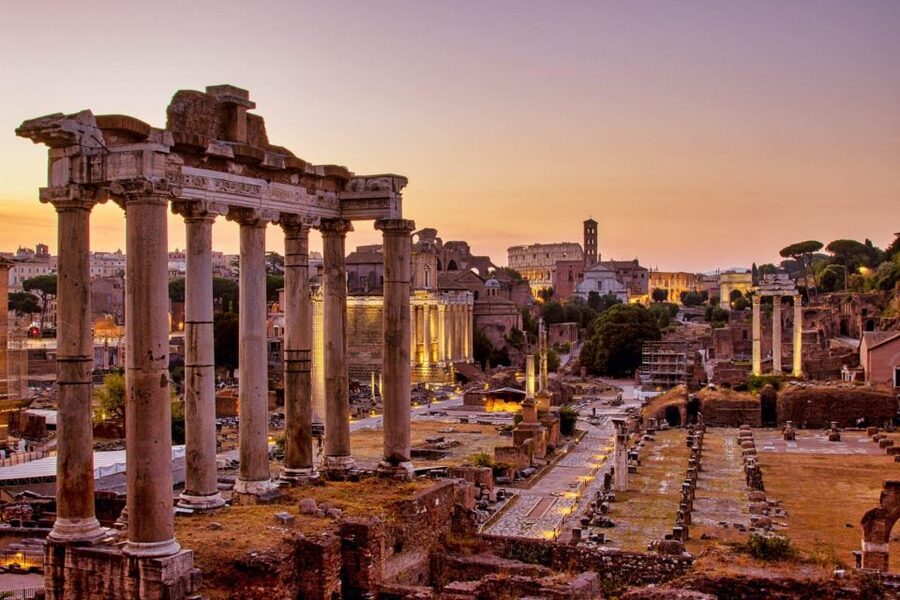
The Roman Forum is the heart of the route. It can feel confusing when you first see it, with columns, foundations, roads, and fragments spread across a large area. A puzzle can give your eyes a job. Instead of asking only what you are looking at, you are asked to search for clues and connect them to the story.
You should note that the game does not include attraction tickets. If a particular part of the route requires paid entry, that cost is separate. The supplied information describes the route as an outdoor walk among the major sights, but you should not treat the game box as an admission ticket to archaeological sites.
The Forum area can also be tiring. The route is about 5 kilometers overall, and the ancient center has uneven surfaces in places. You will get more from this section if you leave time to stop, read, and look around rather than trying to finish the next riddle as fast as possible.
Via dei Fori Imperiali and Piazza del Campidoglio
The walk continues along Via dei Fori Imperiali, the broad avenue running through Rome’s imperial archaeological zone. This is one of the most impressive stretches of the route because ancient remains appear on both sides while the city carries on around them.
The avenue makes the scale of Rome easier to grasp. You can see how the modern city and the ancient center occupy the same space, even when their purposes are very different. The game’s questions add a layer of attention without requiring you to sit through a long lecture.
Piazza del Campidoglio offers a change of mood. The square is associated with Michelangelo’s design and sits on Capitoline Hill, giving the route a more carefully framed urban setting after the open archaeological remains. It is a good place to slow down and reset before continuing.
Because this is self-guided, you can make your own choices about pauses. The activity is valid for 365 days, and after receiving the materials you are not tied to the date and time selected during booking. That flexibility is useful if Rome’s heat, rain, or your family’s energy changes the day’s plan.
Same city, a completely different half-day:
- Vatican Museums & Sistine Chapel Tour with Optional Basilica
★ 4.3 · 67,413 reviews - Vatican Museums, Sistine Chapel & St Peter’s Basilica Guided Tour
★ 4.5 · 39,149 reviews - Rome: Colosseum, Palatine Hill and Roman Forum Guided Tour
★ 4.8 · 32,814 reviews - Rome: Guided Tour of Colosseum, Roman Forum & Palatine Hill
★ 4.7 · 27,897 reviews
The Mouth of Truth and the Circus Maximus
The route then reaches the Mouth of Truth, one of Rome’s most recognizable curiosities. The famous stone face is linked to a long-running legend about what happens when someone places a hand inside its mouth. The activity uses places like this to keep the walk playful, not just scholarly.
The Circus Maximus brings you into another enormous Roman setting. This was the great chariot-racing arena of ancient Rome, and its long valley makes it easier to picture the scale of public entertainment in the imperial period.
These two stops show why the activity is more than a simple scavenger hunt. You are moving between major monuments, but the book also points you toward stories and odd details that can be missed on a standard route. One Italian family described spending a pleasant morning walking, reading, and solving clues, with children helping to work out the answers.
That family-friendly quality has limits. The puzzles are not described as difficult, but three children on one outing found it hard to stay focused for the full route. If you are playing with young children, plan breaks and do not expect every clue to hold their attention equally.
Nero’s Golden House and the Arch of Constantine
Another part of the walk focuses on where Emperor Nero’s Golden House once stood. The Domus Aurea was an extravagant palace complex, remembered for its scale and luxury. Even when you cannot see every part of the former palace, knowing what occupied the ground changes how you read the area.
The game also takes you to the Arch of Constantine. The arch is especially striking because it sits close to the Colosseum and is covered with reliefs and reused sculptural elements from earlier reigns. It gives you a chance to think about how Roman emperors presented power and linked themselves to the past.
The book’s historical material is meant to be compact and usable while walking. That makes it easier to keep the group involved, but it also means the explanations will not replace a full archaeological tour. You should book this activity for an active introduction to Rome’s ancient center, not as your only source of detailed history.
Finishing beside the Colosseum
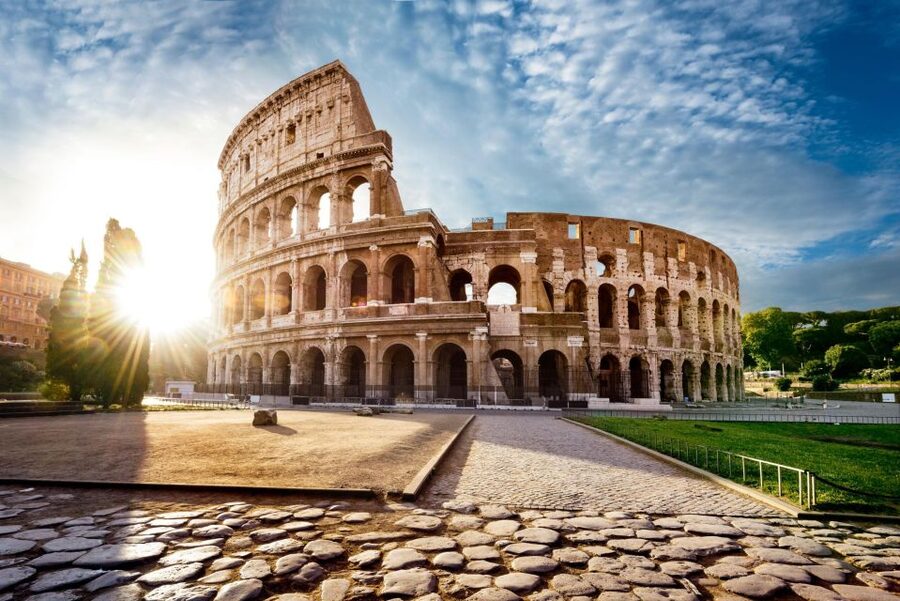
The Colosseum is the route’s biggest visual reward. Its size is hard to miss, but approaching it after the Forum, imperial avenue, Circus Maximus, and Arch of Constantine gives it a stronger setting. You have spent several hours seeing the city that supported it, rather than arriving with no context beyond a photograph.
The game highlights the Colosseum as one of the world’s great wonders, while the puzzles keep you engaged with the surrounding area. You may find yourself noticing nearby arches, roads, and remains as part of a larger Roman story.
Again, the game does not include entry tickets. If you want to go inside the Colosseum, you will need to arrange and pay for that separately. Many people will prefer to do the game outside and book a separate timed visit for the interior, since trying to combine both plans could make the day longer than expected.
The route includes a lot to see before you reach this final highlight. Do not schedule a tight appointment immediately afterward. A first-time group can easily need close to four hours, and one highly enthusiastic participant advised allowing almost a full day because there is so much to explore along the way.
What comes in the game box
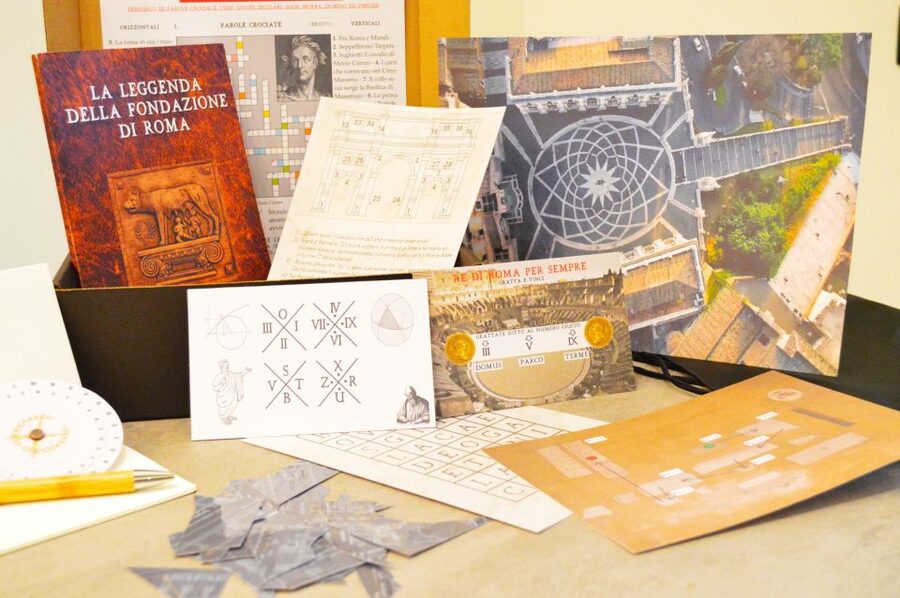
The price is $71 per group of up to 10 people, rather than a per-person fee. That can be reasonable for a family or a small group, especially because everyone uses the same materials and you keep the book afterward.
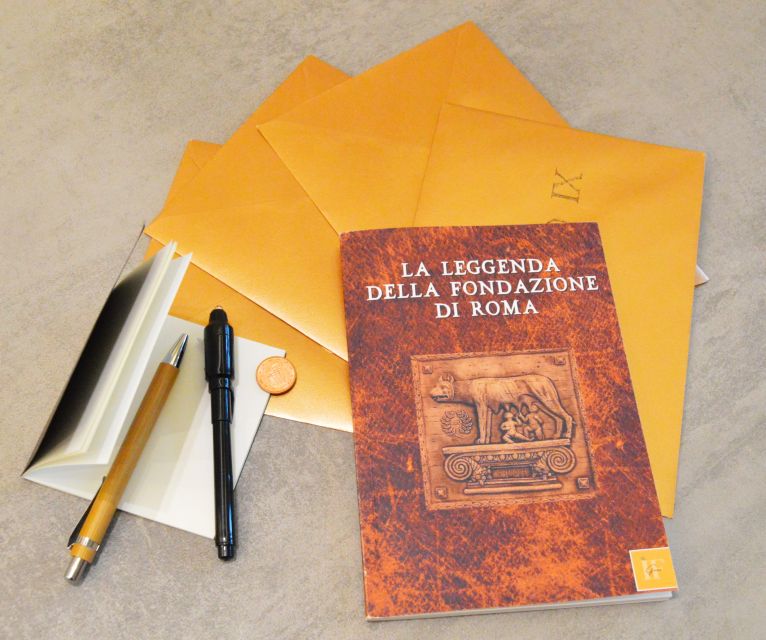
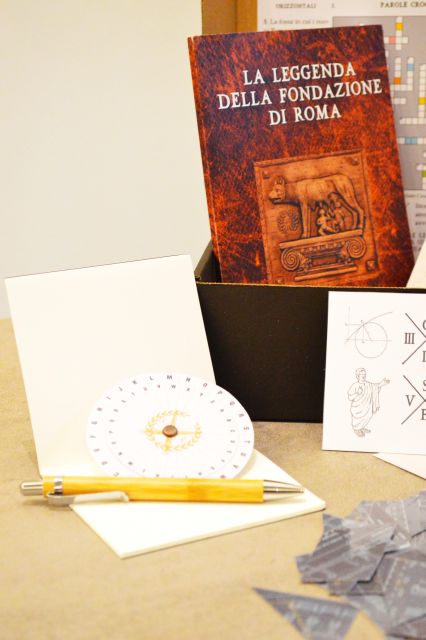
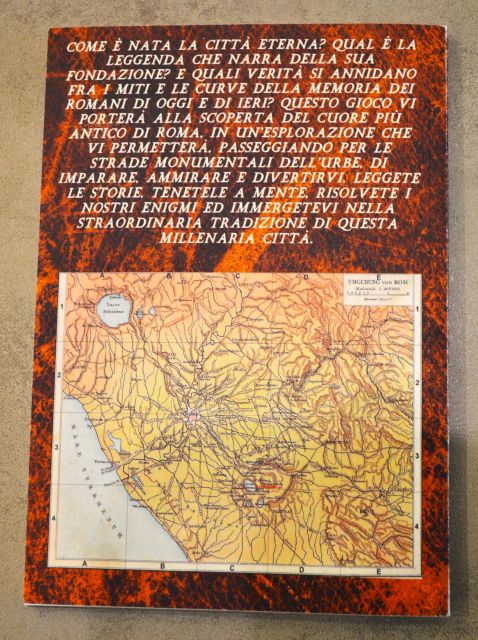
The box includes the game book, the accessories needed for play, and extra tips, information, and curiosities. The book is not just a disposable instruction sheet. It is intended as a lasting reminder of the walk, which adds some value after the day is over.
Still, the price deserves a clear look. You are not paying for a guide, attraction tickets, food, transport, or transfers. If only one or two people are playing, $71 feels less economical than it does for a group of six or eight. If you have a larger family group and want an activity that occupies most of a morning or afternoon, the shared price makes more sense.
The physical box must be shipped after payment. Order at least two weeks before your intended play date and provide a valid delivery address. Once the materials have been sent, refunds are no longer available. If you need the game right away, contact IF Game about receiving the material in PDF form.
Translation, pacing, and the phone requirement
The activity requires a charged smartphone and internet access. Your phone is part of the practical toolkit, so charge it fully before setting out and make sure your group has internet service during the walk.
The printed wording may not be equally smooth in every language. A Danish family found some translation and puzzle wording difficult, which made parts of the game more time-consuming than expected. This does not mean the clues are impossible, but it is worth allowing extra time if you are not comfortable with the language of the book.
That issue matters most for children. Adults can often work around an awkward sentence, while younger players may lose interest if the instructions take too long to understand. Families should share the reading and let children handle the easier searching tasks.
The game has received an overall rating of 4.5 from four bookings, with strong praise for its originality, organization, family appeal, and ability to reveal details that a normal sightseeing walk might pass over. The smaller number of ratings means I would treat that score as encouraging rather than final proof for every kind of group.
Who will enjoy this Rome activity
I would choose this for you if you like discovering a city through questions and small challenges. It suits families with school-age children, friends who enjoy solving puzzles, and repeat visitors who want to see Rome’s ancient center in a less routine way.
It can also work for Rome residents. The route is designed to make familiar monuments feel newly interesting, especially through stories and curiosities that may not appear in a basic sightseeing plan.
You should think twice if you want a polished, uninterrupted historical lecture. There is no guide, no included transport, and no promise that every translation will read naturally. You also need to be comfortable walking around 5 kilometers and managing the group yourself.
The activity is not suitable for wheelchair users or people with mobility impairments. The route includes a long urban walk through an ancient area, so mobility and stamina are important.
Should you book it?
Book this Rome adventure if you want a hands-on way to see the ancient center, especially with a family or group of friends. The shared price becomes more attractive with several players, and the freedom to play any time within 365 days is useful when planning a flexible Rome visit.
Skip it if you need a guide, want all entrance fees included, or dislike solving puzzles from printed instructions. For the right group, the best part is not simply reaching the Colosseum. It is seeing how the Forum, imperial avenue, Circus Maximus, Capitoline Hill, and Nero’s former palace fit into one long Roman story.
FAQ
How long does the Rome adventure take?
The route takes about 3 to 4 hours and covers approximately 5 kilometers. You may need longer if you stop often to explore the monuments or take breaks.
How long is the activity valid?
The activity is valid for 365 days. After you receive the materials, you can play at any time and are not tied to the original booking date and time.
Is this a guided tour?
No. It is a self-guided game. You follow the book, solve the puzzles, and manage your own pace without a tour guide.
What sights are included on the route?
The route includes Colle Oppio, the Baths of Trajan, the Basilica of Maxentius, the Roman Forum, Via dei Fori Imperiali, Piazza del Campidoglio, the Mouth of Truth, the Circus Maximus, the Arch of Constantine, Nero’s Golden House area, and the Colosseum.
Are Colosseum and attraction tickets included?
No. Tickets to attractions are not included in the price.
What should I bring?
Bring comfortable shoes, a charged smartphone, internet access, and the game box. The box contains the book and the accessories needed to play.
How do I receive the game materials?
The game box is shipped after payment. You should purchase it at least two weeks before playing and provide a valid address. If you need it immediately, contact IF Game about receiving the materials in PDF format.
Is the activity suitable for wheelchair users?
No. The activity is listed as unsuitable for wheelchair users and people with mobility impairments.
Newest Rome tours we have reviewed
- Private TikTok Video Making in Rome★ 5.0 · 7 reviews
- Assisi, Orvieto and Civita di Bagnoregio Full Day Tour from Rome★ 4.5 · 45 reviews
- Assisi & Saint Francis Path Tour from Rome★ 5.0 · 45 reviews
- Assisi and Cascia Private Day Tour from Rome with Lunch★ 5.0 · 10 reviews
- Art Class in the center of Rome!★ 4.0 · 4 reviews
- Art & Craft: Beer Tour with Street Art in Rome★ 4.5 · 6 reviews
- Arrival in Rome: Airport Transfer & Exclusive City Introduction★ 5.0 · 3 reviews
- From Rome: Private Day-Tour of Tuscany★ 5.0 · 16 reviews