
Reviewed · ROME FOOD TOURS
Roman Vegetarian Food Tour
Rome’s best vegetarian food is not an afterthought. It comes from old peasant cooking, seasonal produce, clever use of wheat, and a time when meat was a weekly luxury. This 2.5-hour walking tour puts those ideas on your plate, from Roman pizza and fried zucchini blossom to Jewish-Roman artichokes, gelato, and espresso.
I like two things right away. First, the food comes with local context, not just a parade of samples. Your guide may explain why a dish belongs to Rome, how the seasons shape it, or how Jewish and Sicilian traditions add their own flavors. I also like the small-group format, with a maximum of 10 people and a private guide who can adjust the conversation to your interests.
The main consideration is price. At $81 per person, this is not a cheap snack crawl, and alcohol is not included. It makes the most sense if you value a personal guide, several tastings, and useful food advice for the rest of your stay.
Key points to know before you book
- Roman food without meat at the center: Expect vegetables, cheese, fruit, wheat-based foods, sweets, coffee, and traditional fried specialties.
- A walk through central Rome: The route begins near the Giordano Bruno statue and includes Campo de’ Fiori and the Jewish Ghetto.
- A wide tasting range: Possible stops include Roman pizza rossa, supplì, fried zucchini blossom with cheese and anchovy, artichokes, cannoli, gelato, chocolate, and espresso.
- A guide-led food lesson: Vincenzo, Orso, Viola, and Lana are among the guides associated with the experience, and each brings personal stories and recommendations.
- Small and flexible: The group is limited to 10, the tour is wheelchair accessible, and English, French, German, Italian, and Spanish are available.
- Best for curious eaters: You get more from this tour if you care about ingredients, traditions, and finding good places to eat afterward.
Starting beside Giordano Bruno and Campo de’ Fiori
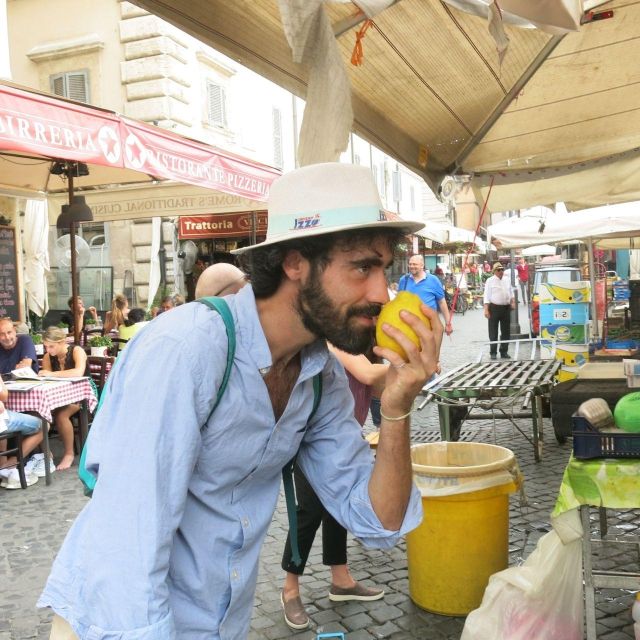
The meeting point is the Giordano Bruno statue, beside Campo de’ Fiori. This is a useful place to begin because the square connects food, public life, and Rome’s long record of argument and change.
Your walk takes in Campo de’ Fiori and continues toward the Jewish Ghetto. The exact order of tastings can vary, but the route is built around central Rome rather than a bus ride between distant restaurants. That matters. You get to see how food shops, churches, streets, and old neighborhoods fit together as you move from one bite to the next.
The tour is not only about finding something vegetarian to eat. It explains why simple Roman cooking works so well. In a rural household where meat was scarce, cooks had to make vegetables, grains, cheese, fruit, and leftovers satisfying. That resourcefulness still shapes Roman food.
You may also stop inside churches along the route. One guide, Orso, included time to see notable paintings, adding a little art and local story to the meal. This is a pleasant bonus, though anyone expecting a nonstop food crawl should know that the walking and cultural stops are part of the experience.
More food tours in Rome:
- Winner 2025 Rome Twilight Trastevere Food Tour by Eating Europe
★ 5.0 · 5,157 reviews - Rome: Trastevere or Jewish Quarter Street Food Tour
★ 4.8 · 3,839 reviews - Rome Food Tour: Unlimited Tastings with Fine Wine & Barolo
★ 5.0 · 3,365 reviews
Seasonal produce and the logic of Roman cooking
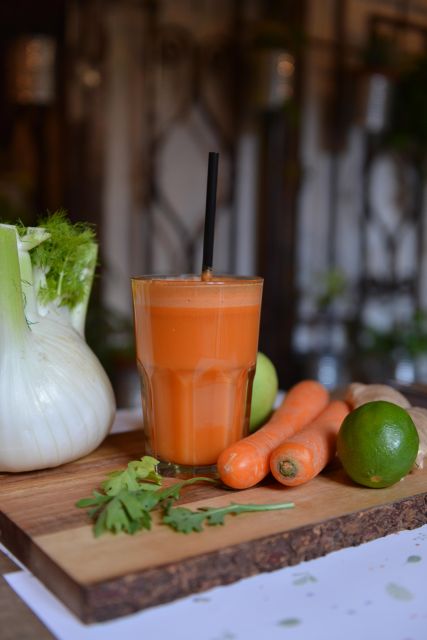
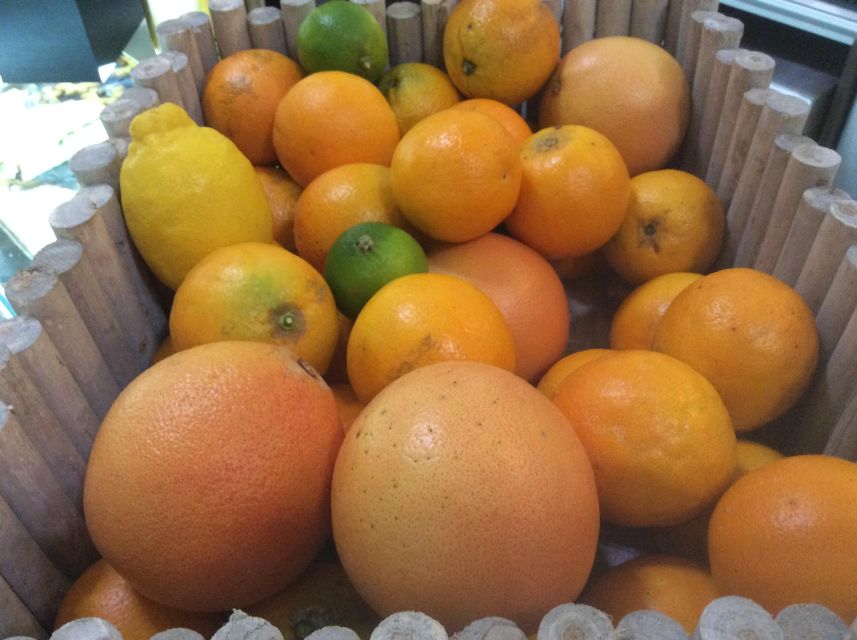
A strong part of the tour is its attention to the season. Fresh fruit and local produce are not treated as decoration. They help explain why Roman food changes through the year and why a dish can be especially good at one time and less interesting at another.
This is useful if you plan to eat around Rome for several days. A guide can point out what is worth ordering now and what belongs to a different month. On a December visit, for example, Orso explained which foods were in season and built the tasting around that idea.
The format also gives you a clearer sense of the Roman kitchen. Wheat is central, and the tour looks at the way it becomes bread, pizza, and other handmade foods. You are not simply told that Roman food is rustic. You see how a few basic ingredients can become crisp, creamy, salty, or sweet through careful preparation.
Vegetarian visitors should still ask questions about individual items. The food focus is meat-free, but some dishes include anchovy, as with the fried zucchini blossom sampled on one tour. That is important for vegans and for anyone avoiding fish, even if you are happy to eat vegetarian food more generally.
Roman pizza rossa and the craft of wheat
Roman pizza rossa is one of the more useful tastes on the route. It shows how much flavor can come from dough, tomato, oil, and a good bake. You do not need a thick layer of meat or a heavy topping to make pizza satisfying.
The wheat-focused part of the tour gives this bite more meaning. Roman food shops often make a virtue of simple forms, but simplicity only works when the dough and cooking are handled well. Your guide can point out the difference between an ordinary snack and a carefully made one.
For you, the practical benefit is knowing what to look for later. If you enjoy the pizza stop, ask your guide for more places to try during your stay. Food recommendations are part of the experience, and the advice is more useful when you have already tasted the style being discussed.
Supplì, zucchini blossom, and the pleasure of fried food
Supplì is another classic Roman taste. This fried snack turns rice and filling into something crisp outside and soft inside. It is hearty, portable, and closely tied to the city’s casual food culture.
The tour may also include a fried zucchini blossom filled with cheese and anchovy. It is a good example of Roman cooking at its most playful: a seasonal vegetable, a creamy filling, a salty accent, and hot, crisp batter.
This is one place where the tour’s vegetarian label needs a little care. The dish is vegetarian only in the broad sense if you eat fish, since anchovy is included. If you are vegan, pescatarian, or avoiding seafood, tell the guide before the tasting so you can understand what you are being offered.
Fried food can also make a short tour feel filling. You are not receiving only tiny decorative bites. With pizza, supplì, cheese, sweets, and gelato added to the mix, you may want to keep breakfast light.
Same city, a completely different half-day:
- Vatican Museums & Sistine Chapel Tour with Optional Basilica
★ 4.3 · 67,413 reviews - Vatican Museums, Sistine Chapel & St Peter’s Basilica Guided Tour
★ 4.5 · 39,149 reviews - Rome: Colosseum, Palatine Hill and Roman Forum Guided Tour
★ 4.8 · 32,814 reviews - Rome: Guided Tour of Colosseum, Roman Forum & Palatine Hill
★ 4.7 · 27,897 reviews
Jewish-Roman artichokes in the old Ghetto
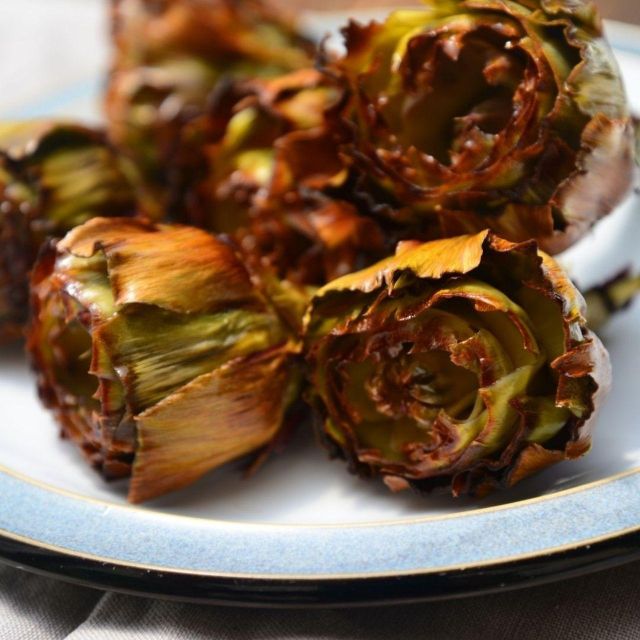
The Jewish Ghetto gives the walk one of its most distinctive food stops. Jewish-Roman artichokes reflect the cooking of Rome’s Jewish community and the way a dish can carry both cultural identity and local technique.
The preparation is famous for its crisp, open texture, but the larger point is the connection between neighborhood and plate. Your guide can explain how Jewish-Roman cooking became part of Rome’s wider food culture while keeping its own character.
I find this stop more valuable than a generic vegetable tasting because it gives you a reason to remember the dish. You are not just trying an artichoke. You are learning why this particular preparation belongs to this part of the city.
The Ghetto portion also helps break up the sweets and fried foods. For anyone who wants food with a clear link to Rome’s communities, this is likely to be one of the strongest parts of the walk.
Cheese with pear, fruit, and the farmer’s wisdom
The Cheese’n’Pear pairing sounds simple, and that is exactly the point. Cheese and fruit balance one another, with salt and cream meeting sweetness and freshness. The combination reflects an old rural habit of making a satisfying meal from what was available.
This bite helps explain the tour’s main idea: Roman food does not need rare ingredients to be memorable. Good timing, good produce, and sensible pairings can do plenty of work.
Fresh fruit and seasonal goods add another useful layer. They give your palate a break from fried foods and pastries, and they show how a food walk can cover more than famous dishes. If you are interested in markets and everyday eating, pay close attention to this part.
Sicilian cannoli from a top patisserie
The Sicilian element arrives in the form of pistachio and ricotta cannoli from a highly regarded Sicilian patisserie. Cannoli brings a different regional accent to the walk, with crisp pastry, creamy filling, pistachio, and a clear contrast between Roman savory food and Sicilian pastry.
This is not presented as a Roman dish, and that distinction matters. Rome has long absorbed ideas from elsewhere, and a good food tour can show how the city sits within a wider Italian food culture. The cannoli gives you a taste of Sicily without losing the Roman setting around it.
If you prefer desserts that are less rich, this may be one of the heavier stops. Still, sharing the pace with gelato, fruit, and coffee keeps the sweets from feeling like one long sugar rush.
Gelato, homemade chocolate, and real espresso
The gelato stop focuses on traditional cream and careful preparation. A good gelato is dense and smooth rather than airy, and the guide can help you think about texture as well as flavor.
The tour also includes homemade chocolate from an award-winning patisserie. This is the most indulgent stop, with strong aromas and a richer finish than the fruit and cheese. It gives you a chance to see how Rome’s pastry culture extends beyond cannoli and gelato.
The final espresso is small but important. Italian espresso is not meant to be a large drink to carry around for an hour. It is short, strong, and part of the daily rhythm of the city. Having it at the end gives the walk a proper Roman finish.
Coffee and tea are included, along with bottled water. Alcoholic drinks are not included, which keeps the price focused on food and makes the tour easier for people who do not drink.
What the $81 price really gets you
At $81 per person, the value depends on how you use the tour. If you count only the food, you may find cheaper ways to eat in Rome. If you include a private guide, several stops, neighborhood context, cultural stories, and practical recommendations, the price becomes easier to justify.
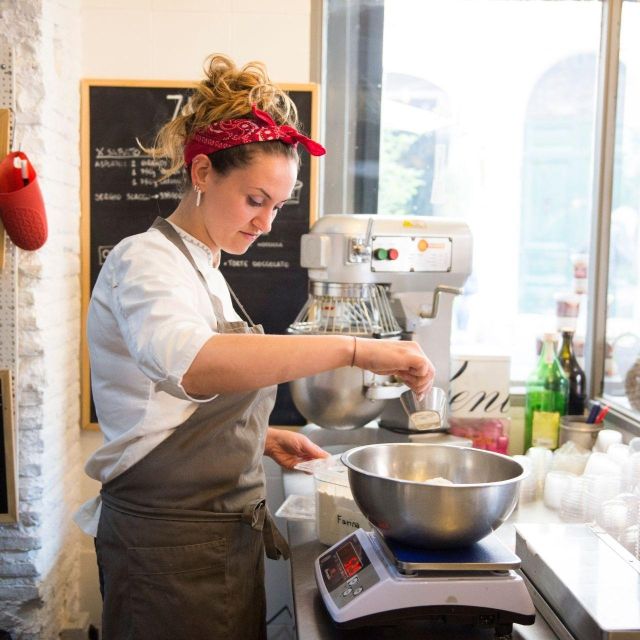
The group cap of 10 is important. You are less likely to be lost in a large crowd, and you can ask about ingredients, restaurants, or the best way to order a dish. The private-guide setup also gives the walk a more personal feel than a standard group tasting.
The tour lasts 2.5 hours, which is long enough for a proper introduction without taking over your day. I would schedule it early in your Rome visit. That way, you can use the guide’s food suggestions for later meals, and you will have a better idea of what to order when you return to Campo de’ Fiori or the Jewish Ghetto.
The experience has a five-star rating from eight verified bookings, with praise focused on the guides’ food explanations, neighborhood stories, friendly manner, and practical restaurant advice. The strongest pattern is clear: people value the connection between what they eat and where they are.
Guides, language, and walking comfort
The guide names connected with this experience include Vincenzo, Orso, Viola, and Lana. Vincenzo led a route through Campo de’ Fiori and the Jewish Ghetto that held the attention of a 13-year-old. Orso added church art, local legends, seasonal advice, and restaurant suggestions. Viola and Lana were also praised for explaining both the area and the food.
That variety is worth noting. The experience is guide-led, so the tone may differ depending on who conducts your walk. You should expect conversation, explanation, and personal recommendations rather than a fixed audio-style script.
Tours are offered in English, French, German, Italian, and Spanish. The activity is wheelchair accessible, though the route is a city walking tour, so you may still want to confirm any specific mobility needs when booking.
Who should book this Rome food tour?
I would choose this tour if you want a first taste of Roman food without making meat the main event. It suits vegetarians, curious omnivores, families with older children, and anyone who likes learning the story behind a dish.
It is also a good pick for people who normally skip organized tours. The food provides a clear purpose, and the walk adds art, neighborhood history, and local legends without turning into a formal lecture.
You may want something else if you want a full meal, wine pairings, or a purely restaurant-based experience. You should also check the ingredients if you are vegan or avoid fish, since the zucchini blossom includes cheese and anchovy and some traditional foods may not fit a strict diet.
Final verdict: book it early in your Rome stay
Book this Roman Vegetarian Food Tour if you want small-group guidance, traditional food, and useful advice for the rest of your visit. The Jewish-Roman artichokes, seasonal produce, Roman pizza, Sicilian cannoli, gelato, chocolate, and espresso give you a broad sample in a short time.
The $81 price is fair for a personal 2.5-hour walk with several tastings, but it is not the right choice if you are only looking for the cheapest way to grab lunch. Schedule it near the start of your stay, arrive ready to eat, and tell the guide about any fish, dairy, or dietary limits before the first stop.
FAQ
Where does the Roman Vegetarian Food Tour meet?
The meeting point is at the Giordano Bruno statue in Rome.
How long does the tour last?
The walking food tour lasts 2.5 hours.
How much does the tour cost?
The listed price is $81 per person.
What foods can I expect to taste?
Possible tastings include seasonal fruit, Jewish-Roman artichokes, Roman pizza rossa, supplì, fried zucchini blossom with cheese and anchovy, cheese with pear, Sicilian pistachio and ricotta cannoli, gelato, homemade chocolate, and Italian espresso.
Are alcoholic drinks included?
No. Alcoholic beverages are not included, but snacks, coffee and/or tea, and bottled water are included.
What languages and group size are available?
The tour is offered in English, French, German, Italian, and Spanish. Groups are limited to 10 participants, and the activity is wheelchair accessible.
Newest Rome tours we have reviewed
- Private TikTok Video Making in Rome★ 5.0 · 7 reviews
- Assisi, Orvieto and Civita di Bagnoregio Full Day Tour from Rome★ 4.5 · 45 reviews
- Assisi & Saint Francis Path Tour from Rome★ 5.0 · 45 reviews
- Assisi and Cascia Private Day Tour from Rome with Lunch★ 5.0 · 10 reviews
- Art Class in the center of Rome!★ 4.0 · 4 reviews
- Art & Craft: Beer Tour with Street Art in Rome★ 4.5 · 6 reviews
- Arrival in Rome: Airport Transfer & Exclusive City Introduction★ 5.0 · 3 reviews
- From Rome: Private Day-Tour of Tuscany★ 5.0 · 16 reviews
Rome Food Tours, compared.

Winner 2025 Rome Twilight Trastevere Food Tour by Eating Europe
Read our review →
Trastevere or Jewish Quarter Street Food Tour
Read our review →
Rome Food Tour: Unlimited Tastings with Fine Wine & Barolo
Read our review →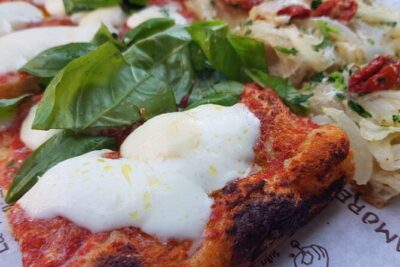
Trastevere Food tour with Free-Flowing Fine Wine
Read our review →
Award Winning Trastevere Group Food Tour with Wine
Read our review →
Food Tour with Unlimited Food and Barolo Wine
Read our review →Browse the lists this tour appears in