
Reviewed · ROME
Rome: 2-Hours Rafting Experience on the Tiber River
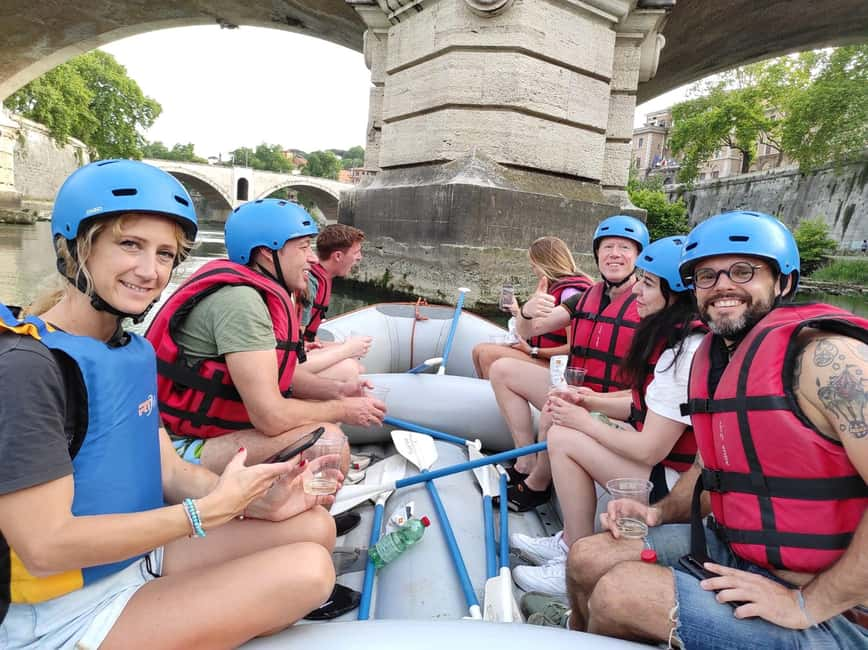
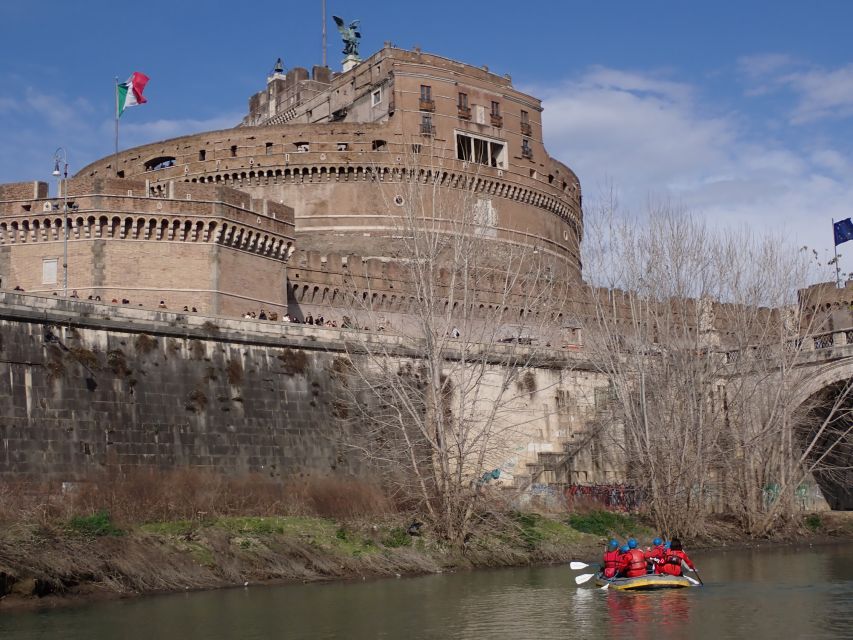
Rome’s Tiber rafting trip gives you a rare river-level view of the city, with Castel Sant’Angelo, the Cupolone, Tiber Island, and ancient bridges appearing from an angle you cannot get on foot. I like the mix of quiet paddling and short stretches of rapids, plus the easy meeting point near Flaminio Metro.
I also like the clear safety instruction and the chance to sip Prosecco while taking in the Roman skyline. The main caution is physical: you need to swim, paddle for up to two hours, climb in and out of the raft, and manage uneven ground. This is not a sightseeing cruise with a paddle as decoration.
Key points to know before booking
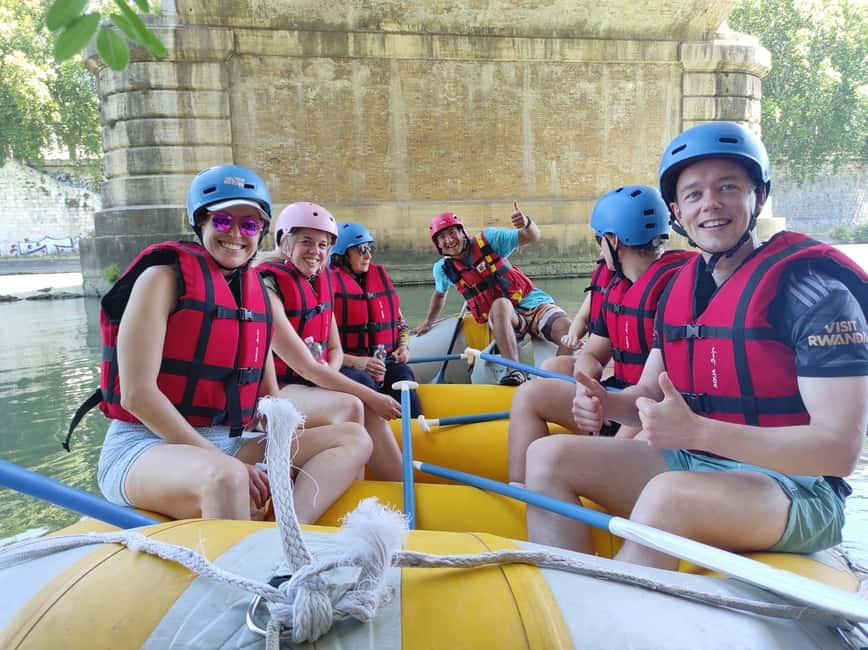
- The route passes under ancient Roman bridges, including Ponte Garibaldi, Pons Fabricius, and the remaining arch of Ponte Rotto.
- The view changes quickly, from calm river scenery to rapids near Tiber Island and the old bridges.
- Meeting near Porta del Popolo is simple, with Flaminio Metro only about 50 meters away.
- The trip suits beginners with reasonable fitness, as guides teach paddle commands, technique, and river safety.
- Prosecco is included, but a dry bag is not. A safe storage area is provided for belongings.
- The $93 price buys an active, unusual Rome experience, not a standard landmark tour or a long rafting expedition outside the city.
Rome sightseeing from the Tiber
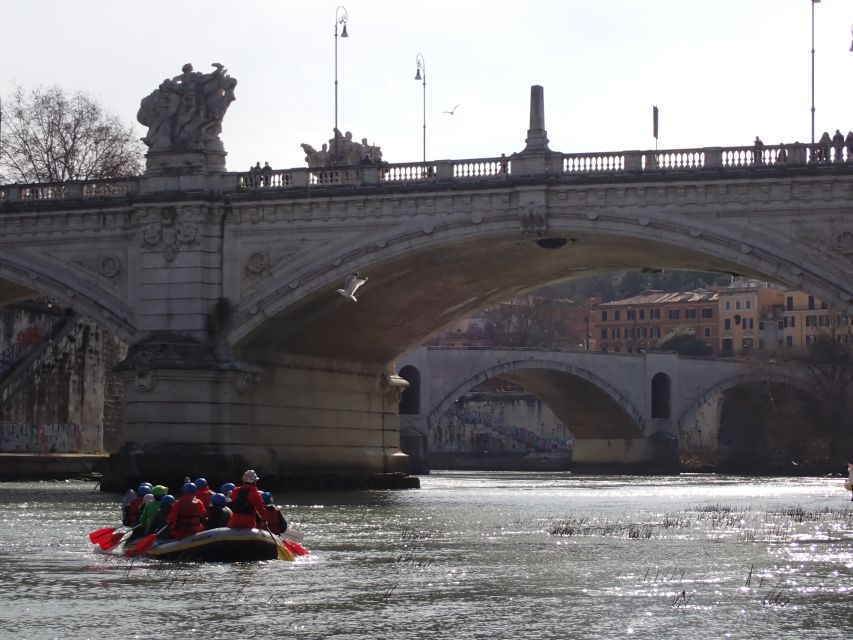
Most first visits to Rome happen at street level. You walk from piazza to piazza, look up at domes, and squeeze through lanes filled with traffic and pedestrians. On this two-hour rafting trip, the city changes character. The river gives you quiet stretches, open views, and a steady look at Rome’s bridges from below.
The Tiber is not a wild mountain river, so do not book this expecting a full-day whitewater challenge. The appeal is the setting. You paddle through the center of Rome, with exciting sections mixed with calmer water and time to notice the buildings around you.
The strongest part of the experience is the contrast. One moment you are leaving the city noise behind on a calm stretch. Soon after, the raft reaches rapids beneath old bridges. That variety keeps the trip active without making every minute a test of strength.
For an evening departure, Rome takes on a different mood. The city lights and darker riverbanks can make the route feel adventurous, but starting times vary, so check availability if the night setting matters to you.
Other Rome tours people pair with this one:
- Vatican Museums & Sistine Chapel Tour with Optional Basilica
★ 4.3 · 67,413 reviews - Vatican Museums, Sistine Chapel & St Peter’s Basilica Guided Tour
★ 4.5 · 39,149 reviews - Rome: Colosseum, Palatine Hill and Roman Forum Guided Tour
★ 4.8 · 32,814 reviews
Starting under Porta del Popolo
The meeting point is just under the large Porta del Popolo, formally known as Porta Flaminia, near Piazza del Popolo. Flaminio Metro Station on Line A is about 50 meters away, which is useful when you are carrying a towel, spare clothes, and sun protection instead of trying to cross the city with bulky gear.
Arrive at least 10 minutes before departure. Your instructor meets you there and gets the group ready for the water. The location is one of the practical strengths of the trip: you do not need a long transfer to reach an isolated launch point.
Before the raft moves, the guides explain boat behavior, paddle commands, basic technique, equipment, and emergency procedures. Pay attention here. Good rafting depends less on athletic power than on listening, timing, and moving together.
You receive a life jacket and helmet, and the rafts and other equipment are regularly checked. Guides speak English and Spanish. No individual guide names are provided in the booking information, so do not book this expecting a named guide or a private tour leader.
The first calm stretch toward Castel Sant’Angelo
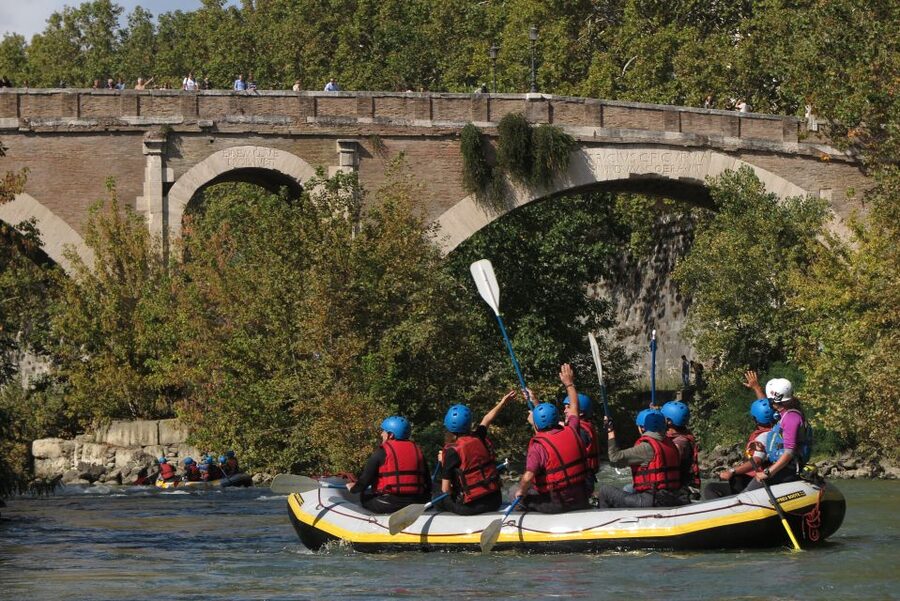
The opening section is a gentle introduction to the river. You have time to settle into the raft, learn how your paddle fits into the group rhythm, and get used to the guide’s commands.
This is also where the trip begins to feel different from a normal Rome tour. The riverbanks screen away much of the street activity, and the view opens toward bridges and historic buildings. You are still in central Rome, but the pace is slower.
After a bend, Castel Sant’Angelo comes into view, with the Cupolone in the background. That pairing gives you one of the trip’s best visual moments. From the river, the relationship between the fortress and St. Peter’s dome is easier to appreciate as a single Roman scene rather than two separate stops on a walking route.
The itinerary allows about 20 minutes for this part of the route. Treat that timing as an approximate segment, not as a scheduled stop where you get out and tour the castle. This is a passing view from the raft, so you will want your camera ready, while also keeping your paddle and belongings secure.
Tiber Island and the change in the current
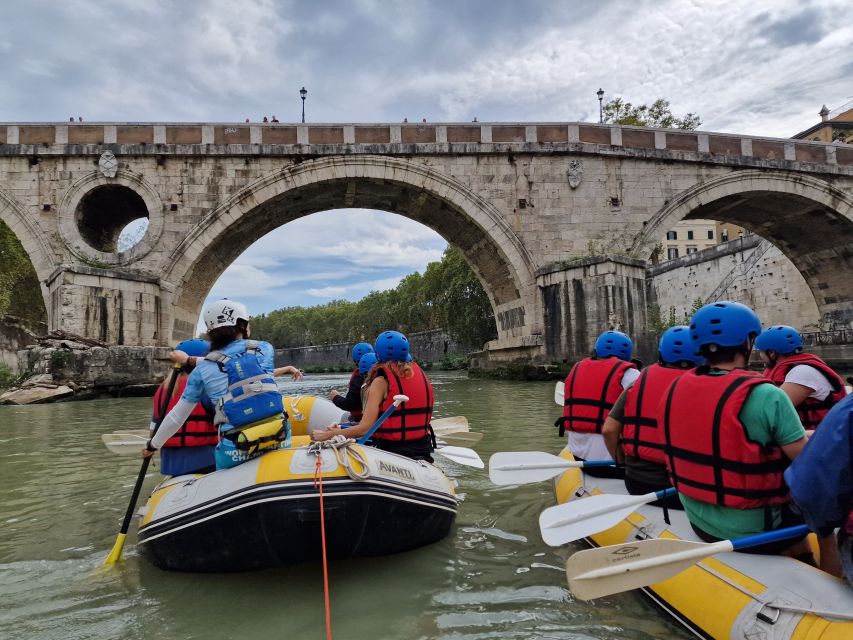
The raft continues toward Tiber Island, one of the most distinctive points on the route. Here, the river divides around the island. The ferry route takes the right branch and stops shortly after Garibaldi Bridge, while this rafting trip takes the left branch.
That split matters because the water becomes more active after this point. The calm opening gives way to a section where teamwork and attention become more important. The guide directs the group through the changing water, and your job is to follow the paddle commands rather than improvise.
The Tiber Island section lasts about 20 minutes in the listed route plan. You should expect movement and river scenery, not an island walking visit. If you want to explore the island’s streets, churches, or cafes, plan that for another part of your Rome schedule.
I like this part because it gives the trip a clear sense of progression. The route does not simply float past landmarks. It uses the river’s shape to move from sightseeing into a more active section.
Same city, a completely different half-day:
- Rome: Guided Tour of Colosseum, Roman Forum & Palatine Hill
★ 4.7 · 27,897 reviews - Rome: Colosseum & Forum with Audio Guide App -Optional Arena
★ 4.2 · 24,770 reviews - Rome: Colosseum, Roman Forum and Palatine Hill Guided Tour
★ 4.5 · 23,903 reviews - Rome: City Sightseeing Hop-on Hop-off Bus with Audioguide
★ 4.0 · 16,045 reviews
Rapids beneath Ponte Garibaldi
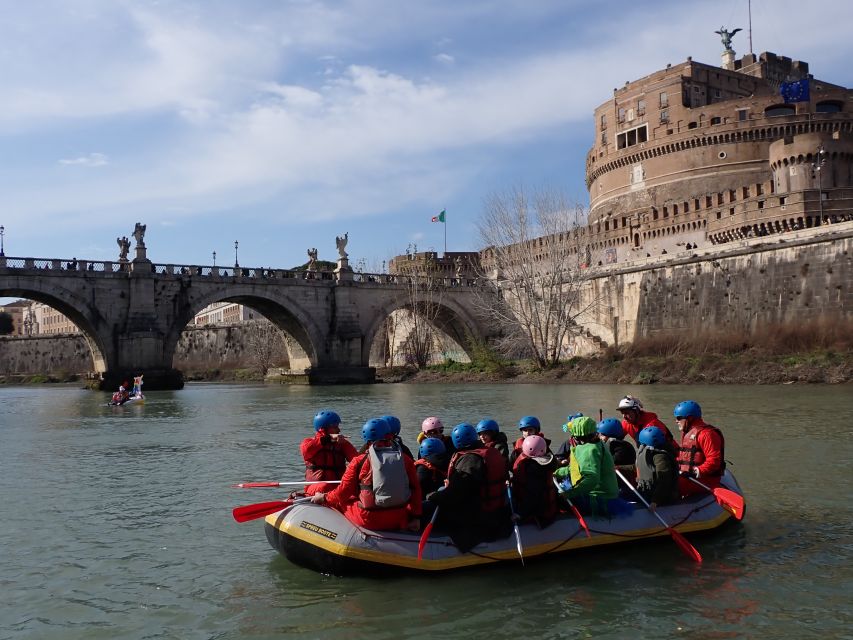
Near Ponte Garibaldi, the route reaches one of the more exciting portions. The bridge connects the central parts of Rome around Tiber Island, and from the raft you see its structure at close range while handling the rapids below.
The listed timing gives about 20 minutes to the Ponte Garibaldi section. That does not mean 20 continuous minutes of rough water. The trip includes both calm stretches and rapids, with the guide setting the pace and explaining what to do.
Beginners should not assume that a rafting trip in Rome is effortless. You need enough fitness to paddle and brace yourself, and you must be comfortable working as part of a group. Still, the activity is designed for different experience levels, and the guides teach the basics before you begin.
This is where comfortable clothing matters. Wear quick-dry clothes, bring a towel, and use biodegradable sunscreen. Sunglasses and a sun hat are recommended, although you should secure anything that could fall into the river. Sandals, flip-flops, and bare feet are not allowed.
Pons Fabricius and Rome’s oldest bridge setting
The next major landmark is Pons Fabricius, also called Ponte Fabricio. This ancient bridge leads toward Tiber Island and is one of the most memorable structures along the route.
Passing beneath an old Roman bridge by raft is the kind of small, physical experience that stays with you. You are not only looking at a monument from a viewing platform. You are moving under it, hearing the water, and working with the raft as the bridge passes overhead.
The guide also shares information about Rome’s past and culture during the trip. Do not expect a full academic lecture. The history works best as short context between paddle commands and river instructions.
The route plan assigns another 20-minute section to Pons Fabricius. Conditions, water level, weather, and group pace can affect the actual timing. That flexibility is normal for a river activity, and safety takes priority over keeping each segment exact.
Ponte Rotto and the final run to Ripa Grande
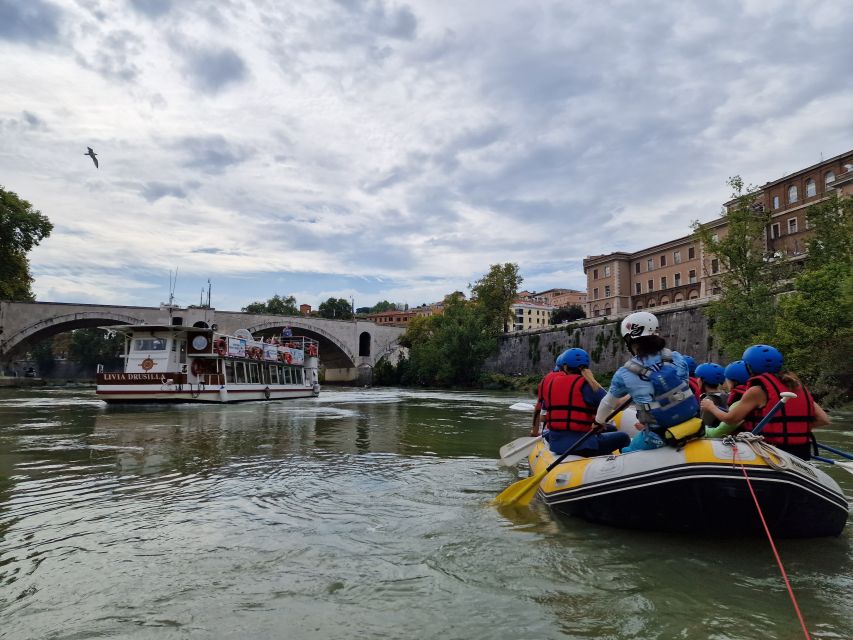
Near Ponte Rotto, the raft passes beneath the only remaining arch of the broken bridge. The damaged structure gives this stretch a different feel from the complete bridges earlier in the route. It is a striking reminder that Rome is built in layers, with old infrastructure still shaping the modern city.
From there, the trip continues toward the right bank and Ripa Grande Port. This is the end point of the roughly two-hour descent. The final 20-minute section gives you time to settle after the rapids and look back at the route you have covered.
Ripa Grande is not the same as finishing at a major piazza or train station, so check your onward plans before booking. The supplied information identifies the ending point but does not give a precise transfer arrangement afterward. You should allow time to continue to your next destination rather than scheduling a museum entry immediately after the raft trip.
What the $93 price really buys
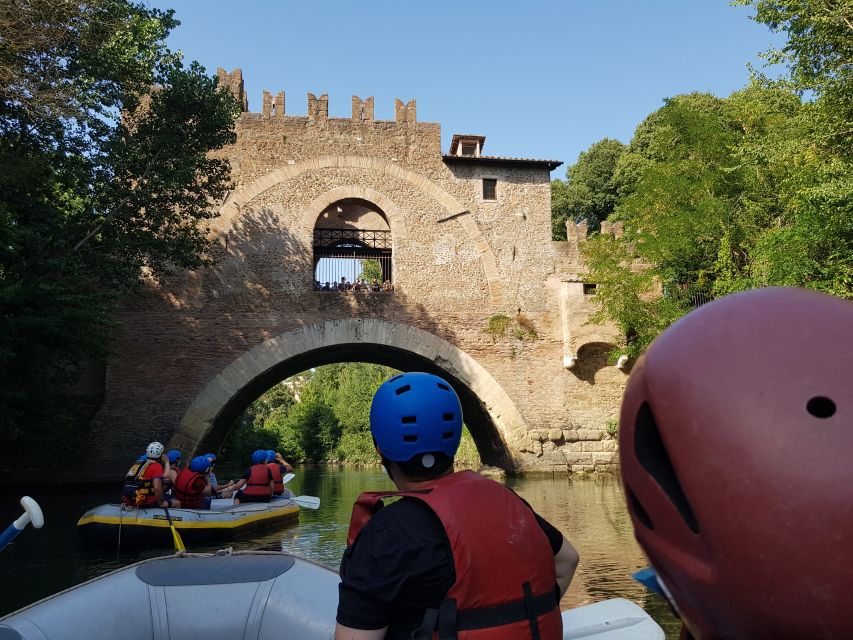
At $93 per person, this is a premium activity compared with a simple Rome walking tour. The price makes more sense if you value a guided activity with equipment, instruction, safety support, landmark views, and Prosecco rather than counting the experience as transportation from one place to another.
The cost includes the raft, helmet, life jacket, and professional guides. It also covers the safety briefing, paddle instruction, river guidance, and historical commentary. That is important because organizing an independent rafting trip on the Tiber would not be a practical option for most visitors.
You are paying for access to a side of Rome that standard sightseeing does not offer. The value is strongest for repeat visitors, active couples, families with older teenagers, and anyone who has already seen the main monuments from the pavement.
The price is less attractive if you want a quiet sightseeing cruise, dislike getting wet, or have limited mobility. You will need to paddle, balance, climb in and out of the raft, and deal with uneven riverbank terrain. In that case, a boat ride or walking tour would better match your needs.
Safety, fitness, and what to bring
The safety briefing covers raft behavior, paddle commands, paddling technique, equipment, and emergency action. Listen closely, especially if you have never rafted before. The group’s success depends on everyone responding to the same commands.
You should be in good health, able to swim, and fit enough to paddle for up to two hours. The activity is not suitable for children under 12, non-swimmers, people with back, heart, or mobility problems, people with epilepsy, anyone recovering from recent surgery, or people with a low level of fitness.
Bring:
- Sunglasses
- A sun hat
- A towel
- Biodegradable sunscreen
- Quick-dry clothing
A dry bag is not included. The operator provides a safe place to store belongings, but you should avoid bringing valuables that you do not need on the river. Keep your phone protected and do not assume you can use it freely during the active sections.
Weather affects the trip. Rainfall, temperature, river conditions, and other safety concerns can lead to cancellation or rescheduling. That is one reason to leave some flexibility in your Rome schedule.
The Prosecco break
Prosecco is included, giving the experience a distinctly Italian finish or pause. The precise point in the trip is not specified, so ask the guide when and how it will be served.
It is a nice touch, but it should not be the reason you book. The main attraction is the route through central Rome and the unusual views. Think of the sparkling wine as a small reward after the paddling, not as a substitute for a food or wine tour.
If you are not drinking alcohol, check with the operator about alternatives before departure. The supplied details confirm Prosecco tasting but do not specify a non-alcoholic option.
Who will enjoy this most
I would recommend this trip to you if you want an active break from museums, churches, and crowded streets. It also works well for a Rome visit that needs one memorable experience outside the standard sightseeing list.
You are likely to enjoy it most if you:
- Can swim and have moderate fitness
- Like guided outdoor activities
- Want to see Castel Sant’Angelo and the Cupolone from a new angle
- Enjoy a mix of calm water and rapids
- Are comfortable following instructions in a group
- Have at least two hours free, plus extra time for getting to and from the river
The trip is less suitable if your main aim is detailed monument viewing. You will pass the landmarks, but you will not tour inside Castel Sant’Angelo, Tiber Island, or the bridges. The river keeps moving, and the guide must balance commentary with safety.
The experience has received a very strong 4.9 rating from three published ratings, including praise for easy logistics, the guide’s clear help, the smooth operation, the peaceful river setting, and the unusual city views. Those points match the practical strengths of the route: simple access, clear instruction, and a fresh way to see familiar Rome.
Should you book the Tiber rafting trip?
Book it if you want Rome with a paddle in your hands, not just another list of monuments. The trip combines easy public transport access, historic bridges, calm water, rapids, and a short Prosecco tasting in a compact two-hour format.
Skip it if you cannot swim, have the listed health restrictions, or want a fully relaxed ride. Also skip it if you have a tight schedule immediately afterward, since weather and river conditions can affect timing.
For fit visitors who want one unusual afternoon or evening in Rome, the $93 cost is reasonable. You get a guided activity, safety equipment, river views, and a memorable route through the city’s center. Just bring the right clothes, arrive early, and expect to work for some of those views.
FAQ
Where does the Rome rafting experience start?
It starts beneath Porta del Popolo, also known as Porta Flaminia, near Piazza del Popolo. Flaminio Metro Station on Line A is about 50 meters away.
How long does the rafting trip last?
The experience lasts about two hours. The route plan divides the journey into roughly 20-minute sections around Castel Sant’Angelo, Tiber Island, Ponte Garibaldi, Pons Fabricius, Ponte Rotto, and Ripa Grande.
What languages do the guides speak?
The instructors speak English and Spanish.
Do I need rafting experience?
No. The activity is designed for different experience levels. Guides explain safety, paddle commands, boat behavior, equipment, and basic paddling techniques before the trip.
Can children join the rafting trip?
Children under 12 cannot participate.
Do I need to know how to swim?
Yes. Participants must be able to swim and should be in good health.
Is a dry bag included?
No. A dry bag is not included, but the operator provides a safe place to store your belongings.
What happens if the weather is unsafe?
Rafting depends on weather and river conditions. The operator may cancel or reschedule a trip if conditions are unsafe.
Newest Rome tours we have reviewed
- Private TikTok Video Making in Rome★ 5.0 · 7 reviews
- Assisi, Orvieto and Civita di Bagnoregio Full Day Tour from Rome★ 4.5 · 45 reviews
- Assisi & Saint Francis Path Tour from Rome★ 5.0 · 45 reviews
- Assisi and Cascia Private Day Tour from Rome with Lunch★ 5.0 · 10 reviews
- Art Class in the center of Rome!★ 4.0 · 4 reviews
- Art & Craft: Beer Tour with Street Art in Rome★ 4.5 · 6 reviews
- Arrival in Rome: Airport Transfer & Exclusive City Introduction★ 5.0 · 3 reviews
- From Rome: Private Day-Tour of Tuscany★ 5.0 · 16 reviews