
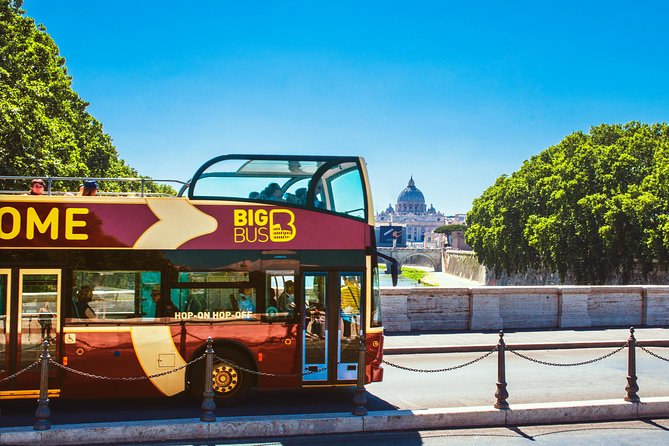
Reviewed · ROME HOP-ON HOP-OFF BUS TOURS
Rome: Big Bus Hop-on, Hop-off Open-Top Sightseeing Tour
Rome’s ancient center is spread across busy streets, grand piazzas, and archaeological sites. This open-top bus tour gives you a useful first look without asking you to navigate every corner on foot. From the upper deck, you can pass the Colosseum, Circus Maximus, Piazza Venezia, and the Vatican area while listening to recorded commentary.
I like the freedom to hop off as often as your ticket allows, and I like the easy overview for a first day in Rome. The VOX digital walking tour adds something useful after you leave the bus. The catch is that several stops are a 10 to 20 minute walk from the sights, and route closures can change the plan with little warning.
Key points to know before you board
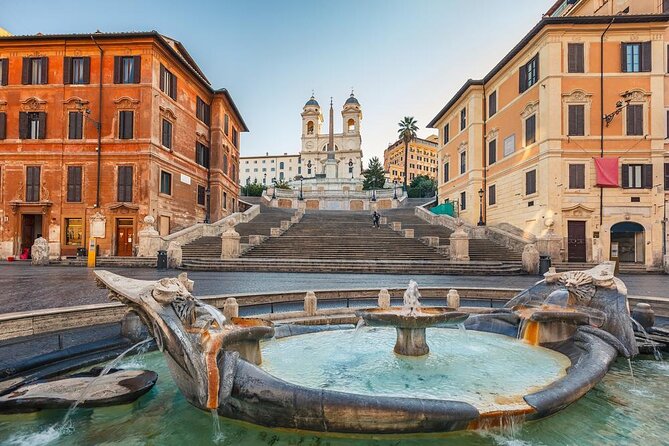
- Eight listed stops cover Rome’s main tourist zone, including Termini, Santa Maria Maggiore, the Colosseum, Circus Maximus, Piazza Venezia, the Vatican, the Spanish Steps, and Barberini.
- Recorded commentary and headphones are included, with narration available in multiple languages.
- Ticket lengths range from three hours to 72 hours, so you can use the bus for a quick orientation or as part of a longer stay.
- The Colosseum and Vatican stops may not place you directly at the entrance, so plan for extra walking.
- The 72-hour option includes a panoramic night tour from May to October, but this evening ride is not hop-on, hop-off.
- The real-time tracking app can help, though you should also check current stop information before setting out.
What this bus tour is really good at
I see the Big Bus as a sightseeing tool first and a transport pass second. Rome’s buses and taxis can get caught in traffic, and the historic center has many streets where a large sightseeing vehicle cannot pull up directly beside a monument. The bus gives you a broad view, but it will not replace walking.
The approximately 1-hour-40-minute circuit works well if you stay aboard for an orientation ride. You can listen to the narration, note the places you want to revisit, and then get off with a better sense of Rome’s layout. For a first visit, that can save time and prevent the classic mistake of treating the Colosseum, Trevi Fountain, Vatican, and Spanish Steps as if they were all next door to one another.
The recorded commentary covers Roman history and modern Rome. It is not a live guide, so you should not expect the driver to point out every building or adjust the commentary to traffic. Still, the audio adds useful context while you sit back, and headphones are supplied.
Free Wi-Fi is also offered, along with the real-time bus tracking app. The app is most useful for locating a bus and checking estimated arrival times. I would not rely on it alone for route planning, since the stop list and closure information may not always be easy to find. Check the operator’s service updates before leaving your hotel, especially during races, marches, road works, or major city events.
More city highlights tours in Rome:
- Rome in a Day Group Tour with Vatican Museums and Colosseum
★ 4.5 · 2,450 reviews - Rome Highlights by Golf Cart Private Tour
★ 5.0 · 2,379 reviews - Rome: City Highlights Open-Top Bus Night Tour
★ 4.1 · 2,038 reviews
Termini and Santa Maria Maggiore: useful starting points
The route begins at Rome Termini station, on Via Giovanni Giolitti. This is a practical place to start if you arrive by train or are staying near the main station. It is also a sensible first stop for getting your bearings before heading into the historic center.
From Termini, the bus continues to the Papal Basilica of Saint Mary Major at Piazza dell’Esquilino. Santa Maria Maggiore is one of Rome’s major churches, and its broad interior and long religious history make it worth an independent visit. The stop is particularly useful if you want to see a major basilica without committing to the crowds around the Colosseum or Vatican.
The exact boarding point can be confusing at first. Look for the Big Bus stop signs and use the app’s stop-finding feature, which may include a photo of the location. Allow extra time for your first boarding, since several people have found the stops harder to locate than expected.
Colosseum and Circus Maximus: Rome’s strongest bus views
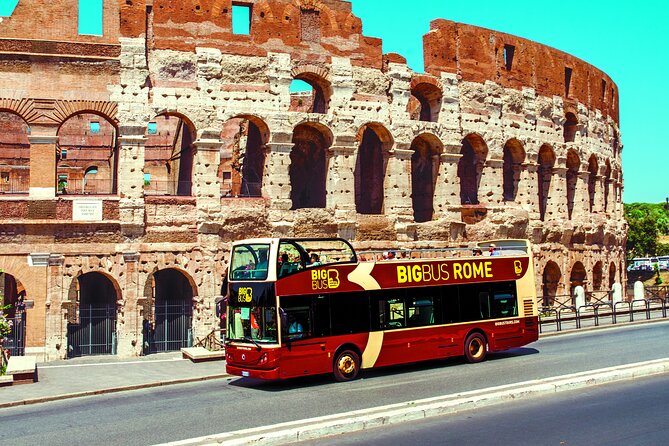
The Colosseum stop is listed on Via di San Gregorio, outside the Roman Forum entrance. This wording matters. The bus does not take you inside the amphitheater, and the stop may be moved or temporarily closed because of road conditions, city events, or restrictions around the archaeological area.
If the Colosseum stop is operating, you can get off and walk toward the amphitheater and Roman Forum. You will need a separate admission ticket to enter those sites. The bus ticket only provides sightseeing transportation and commentary.
The Colosseum is one of the best parts of the ride even if you remain on board. The upper deck gives you a striking view as the ancient arena and surrounding ruins come into sight. The recorded narration helps explain the setting, though traffic can cause the commentary to become slightly out of sync with what you are seeing.
Circus Maximus is the next listed stop, at Piazzale Ugo La Malfa. The former chariot-racing stadium is now a huge open archaeological area, and you can understand its scale better from the bus than from a tight street corner. It is also a possible alternative if the Colosseum stop is closed, though walking between the two points may be tiring, particularly for anyone with mobility limits.
A stop closure can create a real problem here. If the Colosseum stop is skipped, you may be directed to get off at Circus Maximus and walk back. Ask staff or the driver before boarding if all stops are operating that day. This simple question can save a long detour.
Piazza Venezia: the central link in the route
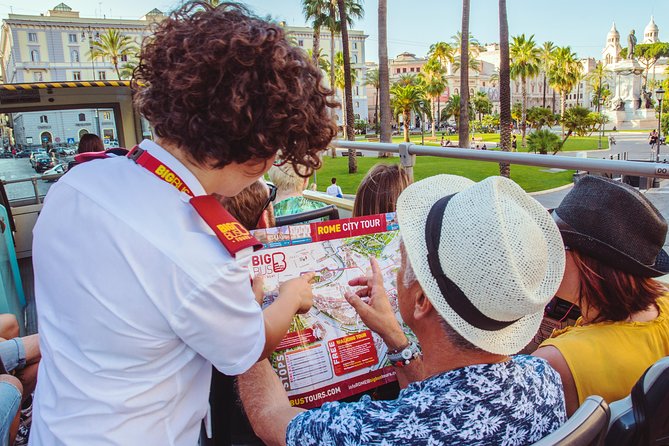
Piazza Venezia is one of the most useful stops for reaching central Rome. The bus stops near Via di Teatro Marcello, close to the monumental Vittoriano and the streets leading toward the Pantheon, Roman Forum, and Trevi Fountain.
This area is a good place to break the ride and walk. You can head toward the Pantheon, explore nearby squares, or continue toward the Trevi Fountain. Do not underestimate the distances. The route may bring you into the right district, but not directly to the monument entrance.
Piazza Venezia also shows why the bus is best used as part sightseeing and part orientation. Rome’s center is a web of narrow lanes and historic buildings. Once you step off, you can move at your own pace instead of trying to see everything through a bus window.
More hop-on hop-off bus tours in Rome:
- Rome: City Sightseeing Hop-on Hop-off Bus with Audioguide
★ 4.0 · 16,045 reviews - Rome:Hop-On Hop-Off Panoramic Open Bus Ticket 3 Circuits x 1
★ 4.0 · 15,405 reviews - City Sightseeing Rome Hop-On Hop-Off Bus Tour
★ 3.5 · 5,446 reviews - Rome: Hop-on Hop-off Sightseeing Bus Tour with Audioguide
★ 4.0 · 4,329 reviews
Vatican Museums: close enough for the district, not the doorway
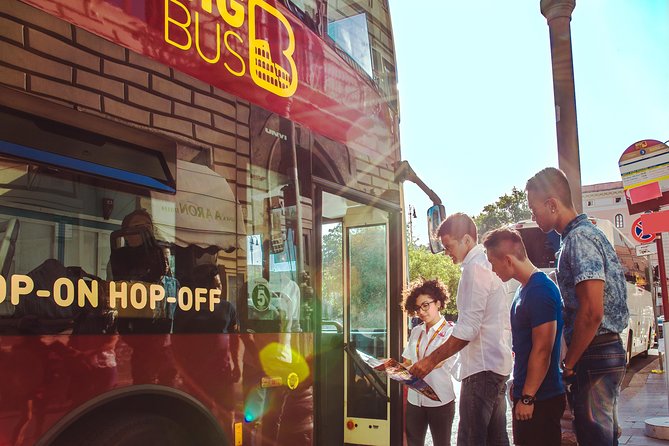
The Vatican stop is at Lungotevere Tor di Nona 7. This is useful for reaching the Vatican area, but it is not directly in front of the Vatican Museums or St. Peter’s Basilica. Plan on a walk after leaving the bus, and allow still more time if you have a timed museum entry.
That distance is especially important if you have mobility concerns. The bus can reduce the amount of Rome you need to cover, but it does not remove walking from the day. Check the stop position before you board and consider using a taxi for the final stretch if the walk is difficult.
The Vatican stop works best as part of a planned visit. Use the ride to reach the district, then spend your time on the Vatican Museums, St. Peter’s Basilica, or the surrounding streets. The bus will not provide admission, reservations, or a guided visit inside the complex.
Spanish Steps, Barberini, and the Trevi Fountain walk

The Spanish Steps stop is on Via Ludovisi 73. The stop is not at the foot of the steps, so you will need to walk downhill or uphill depending on your direction. Once there, the steps make a pleasant pause in the day, and you can continue through the surrounding shopping streets and piazzas.
The Barberini stop, at Via Barberini 12, provides another central option. It is useful for the area around Piazza Barberini and can serve as a starting point for reaching the Trevi Fountain. The fountain stop itself is not listed as a dedicated stop, so do not expect the bus to leave you beside the basin.
The walk to Trevi Fountain can take around 10 minutes from the relevant stop, according to the practical experience built into this route. That is manageable for many people, but it becomes significant when combined with the walking required at the Colosseum, Vatican, and Spanish Steps.
At the fountain, you can follow the familiar coin tradition, then continue through the surrounding streets. The bus is helpful for connecting these districts, but it is not a door-to-door service.
Choosing between the 3-hour, 24-hour, 48-hour, and 72-hour tickets

The short option is best for a quick overview. Stay on for most or all of the circuit, listen to the commentary, and use the ride to mark places for later. It is a reasonable choice if you have only a few hours or prefer walking and public transportation afterward.
The 24-hour ticket gives you more freedom to hop off at two or three places. I would choose this option if you want the bus to serve as your main sightseeing framework for one day, but remember that traffic can stretch the time between stops.
The 48-hour and 72-hour passes make more sense if you plan to return to several areas or want to spread your sightseeing across multiple days. They offer breathing room, which can be useful in Rome, where a single archaeological site can take much longer than expected.
The 72-hour pass includes a panoramic night tour from May through October. This is a separate evening ride, not a night version of the regular hop-on, hop-off service. You stay aboard for the panorama, so do not choose this ticket expecting to visit evening sights from multiple stops.
At about $26.43 per person, the tour can be good value if you use it for transportation between several districts and take at least one full circuit. It is less attractive if you only ride once between two points, since you may spend more time waiting and walking than you would with another local transport option.
The audio guide, headphones, Wi-Fi, and VOX tour
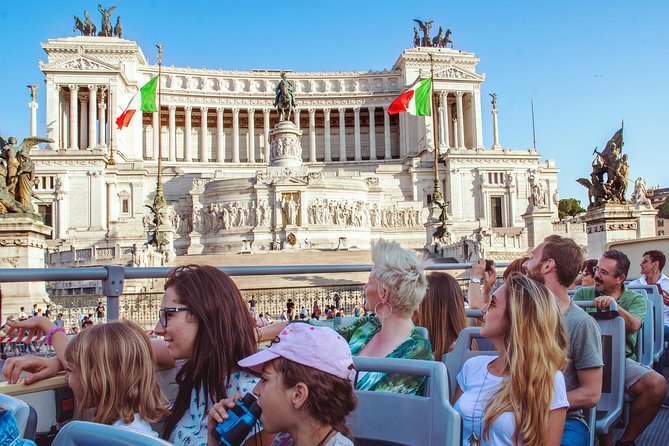
The recorded audio is one of the stronger parts of the experience. It provides historical background as you pass the ruins, churches, piazzas, and monuments. The narration is available in multiple languages, and headphones are included.
Check your headphone socket as soon as you sit down. A few seats may have faulty ports, and switching seats early is easier than missing half the commentary. Some riders also find that the narration does not always match the view perfectly when traffic changes the timing.
The Wi-Fi is a useful extra, but do not plan your day around it. Connections can be unreliable. Download or note the information you need before boarding, and keep a map on your phone as a backup.
Every ticket includes a VOX digital self-guided walking tour. This is a worthwhile addition because the bus only gives you an outside view. You can use the walking material after getting off, particularly around the ancient center or the Vatican district.
Timing, traffic, and route changes in Rome
Rome traffic is the biggest variable. A bus can arrive regularly on one part of the route and then lose time in the historic center. The advertised schedule is not a guarantee of exact arrival times.
The route may also change during a marathon or other city event. Streets can close, and major stops such as the Colosseum or Trevi area may be skipped. The operator says service updates are posted online, and you should check them before starting your day.
If a bus passes your stop without stopping, first check whether that stop is temporarily closed. If you are unsure, ask the driver or staff before waiting again. The real-time tracking feature is helpful, but it does not remove the need to check closure information.
Who will get the most from this Rome tour
I would recommend the bus to first-time visitors who want a clear introduction to Rome before choosing where to spend more time. It also suits people who enjoy seeing a city from above and families who need a break from constant walking.
It can help if you use a wheelchair or have limited mobility, since staff may assist with boarding and the bus reduces the distance between districts. Still, the gaps between stops and monuments can be long, and a closed stop may create an unexpected walk. Ask about the day’s route before setting out.
This is not the best choice if you need direct transport to museum doors, exact schedules, or a live guide. It is also a poor fit for a packed sightseeing day when every minute matters. Traffic and stop closures can make the journey slower than expected.
Should you book the Big Bus Rome tour?
Book it if you want an easy first look at Rome, value recorded historical context, and are comfortable walking from stops to monuments. I would choose the 24-hour pass for most visitors who want a practical mix of riding and exploring.
Choose the shorter ticket for a quick orientation, or the 72-hour option if the night tour and several days of flexible sightseeing appeal to you. Before paying, check the current route, confirm that the Colosseum stop is operating, and look at the exact Vatican and Trevi walking distances.
The bus offers good value as a city overview and a backup when you need a rest from Rome’s pavement. Just treat it as a sightseeing loop, not a precise shuttle service.
FAQ
Where does the Big Bus Rome tour stop?
The listed stops are Rome Termini station, Santa Maria Maggiore, the Colosseum, Circus Maximus, Piazza Venezia, the Vatican, the Spanish Steps, and Piazza Barberini.
How long is the complete bus ride?
The sightseeing circuit takes approximately 1 hour and 40 minutes if you remain on the bus.
What ticket lengths are available?
You can choose a 3-hour, 24-hour, 48-hour, or 72-hour ticket, depending on the option selected.
Is audio commentary included?
Yes. Recorded digital commentary is included, and headphones are provided. The narration is available in multiple languages.
Does the bus stop directly at the Colosseum?
The listed Colosseum stop is outside the Roman Forum entrance on Via di San Gregorio. The stop may be temporarily closed or moved because of city events, road works, or other restrictions.
Does the Vatican stop take you directly to the Vatican Museums?
No. The Vatican stop is at Lungotevere Tor di Nona 7, and you should expect a walk to the Vatican Museums or St. Peter’s Basilica.
Is the Trevi Fountain a bus stop?
Trevi Fountain is not listed as a dedicated stop. You will need to walk from a nearby stop, and the walk can take around 10 minutes.
Does the 72-hour ticket include a night tour?
Yes. From May through October, the 72-hour ticket includes a panoramic night tour. It is not a hop-on, hop-off service.
Can I bring luggage on the bus?
No. Luggage is not permitted on board for security reasons. Service animals are allowed.
Newest Rome tours we have reviewed
- Private TikTok Video Making in Rome★ 5.0 · 7 reviews
- Assisi, Orvieto and Civita di Bagnoregio Full Day Tour from Rome★ 4.5 · 45 reviews
- Assisi & Saint Francis Path Tour from Rome★ 5.0 · 45 reviews
- Assisi and Cascia Private Day Tour from Rome with Lunch★ 5.0 · 10 reviews
- Art Class in the center of Rome!★ 4.0 · 4 reviews
- Art & Craft: Beer Tour with Street Art in Rome★ 4.5 · 6 reviews
- Arrival in Rome: Airport Transfer & Exclusive City Introduction★ 5.0 · 3 reviews
- From Rome: Private Day-Tour of Tuscany★ 5.0 · 16 reviews
Rome Hop-On Hop-Off Bus Tours, compared.
City Sightseeing Hop-on Hop-off Bus with Audioguide
Read our review →
Hop-On Hop-Off Panoramic Open Bus Ticket 3 Circuits x 1
Read our review →
City Sightseeing Rome Hop-On Hop-Off Bus Tour
Read our review →
Hop-on Hop-off Sightseeing Bus Tour with Audioguide
Read our review →

Hop-On Hop-Off Bus and Optional Cruise Port Transfer
Read our review →Browse the lists this tour appears in