
Reviewed · ROME
Rome: Bioparco di Roma Zoological Garden Entry Ticket
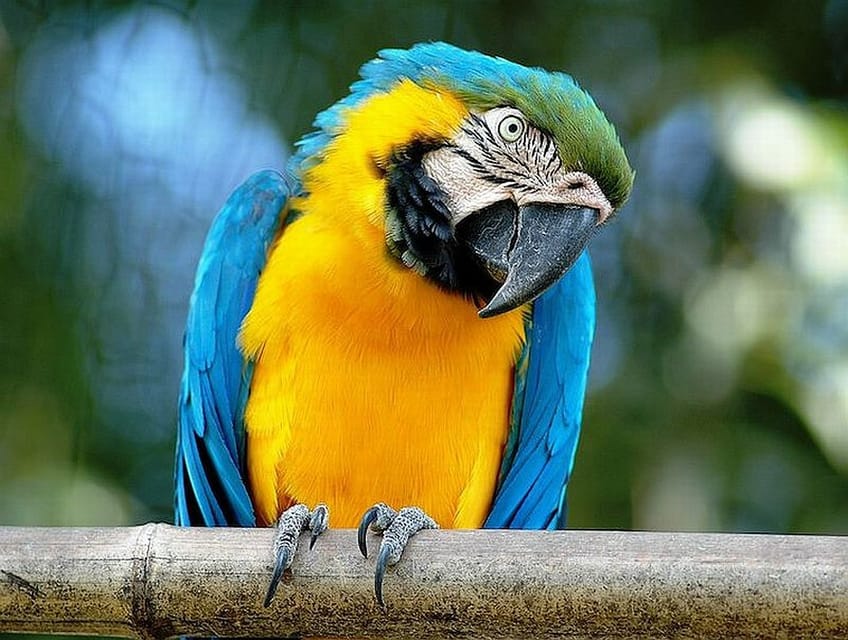
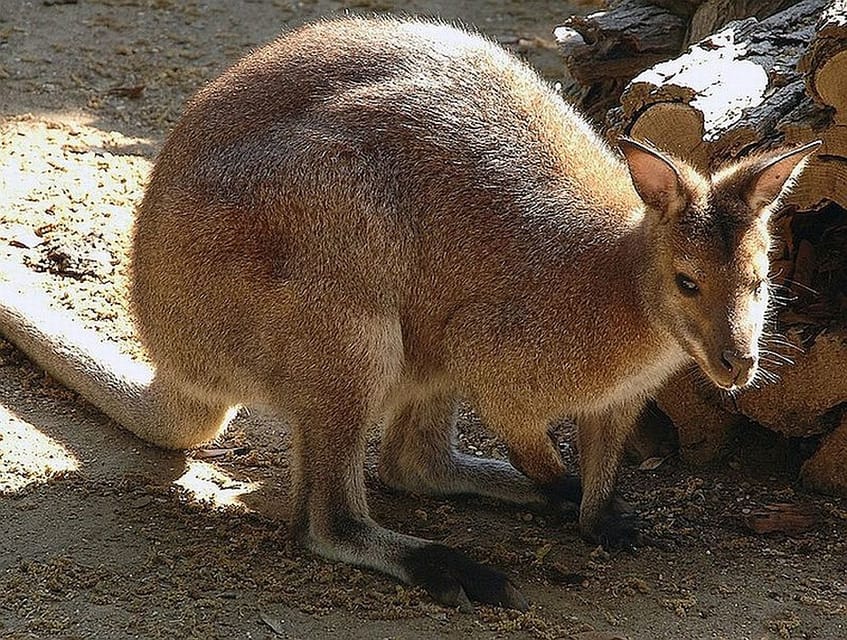
Rome’s Bioparco gives you a welcome change from churches, ruins, and crowded piazzas: 1,200 animals in a leafy 42-acre park inside the old Villa Borghese estate. You can see everything from lemurs and chimpanzees to brown bears, elephants, giraffes, wolves, and an especially good collection of reptiles.
I like the clear layout, which lets you walk through most of the zoo without constantly retracing your steps. I also like the bilingual Italian and English information boards, plus the chance to support a zoo involved in conservation, research, and environmental education. The main caution is that some enclosures are being improved, and a few can feel too small or a little tired.
Key points to know before you go
- Expect two to four hours: The park is large enough for a proper outing, and some families spend most of the day here.
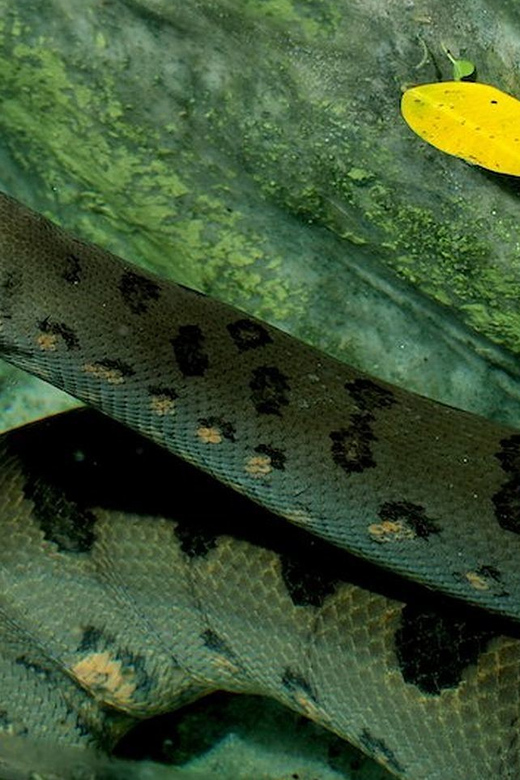
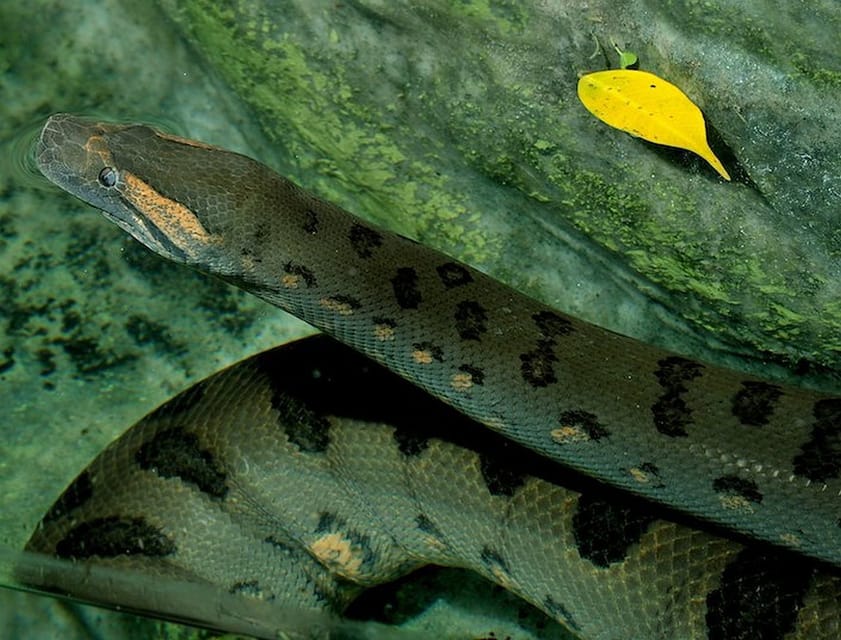
- Do not miss the Reptile House: Iguanas, snakes, and lizards make this one of the strongest parts of the visit.
- Go early in warm weather: Animals are often more active in the morning, while summer afternoons can feel very hot.
- Bring food and water: Cafes and snack stands exist, but the choice is limited and prices are typical for a zoo.
- Use the separate ticket line: The $25 entry ticket is designed to let you bypass the regular ticket queue.
- Check the child-height rule: Children under 1 meter enter free. Children over 1 meter and up to age 10 need the child rate.
A city zoo inside Villa Borghese
Bioparco is not an isolated animal park far outside Rome. It sits within Villa Borghese, one of the city’s best-known green areas, so the setting feels surprisingly calm for a place close to the historic center.
That location matters. After a morning at the Trevi Fountain, Pantheon, or Spanish Steps, you can trade stone streets for trees, open paths, and shaded resting places. Several people find the surrounding park worth extra time on its own, and I agree that the zoo works best as part of a slower day rather than a quick one-hour stop.
The zoo covers about 42 acres. That is large enough to require comfortable shoes, but not so large that you need a full day just to cross it. One recent visitor walked roughly six miles from the Trevi Fountain, through the city and the park, then around the zoo, so do not underestimate the amount of walking if you combine it with central Rome.
The paths are generally easy to follow. A map helps, especially if you are visiting with a young child, but the layout is straightforward and usually avoids unnecessary backtracking.
More tickets and entry passes in Rome:
- Rome:Hop-On Hop-Off Panoramic Open Bus Ticket 3 Circuits x 1
★ 4.0 · 15,405 reviews - Vatican Museums & Sistine Chapel Skip-the-Line Entry Ticket
★ 4.4 · 13,838 reviews - Vatican Museums & Sistine Chapel Skip-the-Ticket-Line Tour
★ 4.3 · 10,486 reviews
What you see along the animal route
Bioparco has roughly 200 species from five continents, including mammals, birds, reptiles, and amphibians. The appeal is variety rather than a single blockbuster exhibit. You can move from primates to big cats, then bears, birds, and reptiles without needing to leave the main grounds.
The zoo includes lemurs and chimpanzees, along with other primates that give children a lively start to the visit. You might see animals resting or hidden, particularly later in the day, so do not judge the whole experience by one quiet enclosure. Morning visits often offer better movement, especially around feeding time.
The big mammals provide the moments many families come for. Elephants and giraffes are popular sights, while brown bears and wolves have earned especially strong praise for their viewing areas. The bear enclosure includes a water view that can let you watch the animals swimming or playing below eye level.
Tigers and lions are also part of the collection. Here, I would keep expectations balanced. Some enclosures appear well cared for, while others could offer more room and stronger enrichment. Animal welfare is not something you can measure from a single glance, but the mixed condition of the enclosures is worth acknowledging.
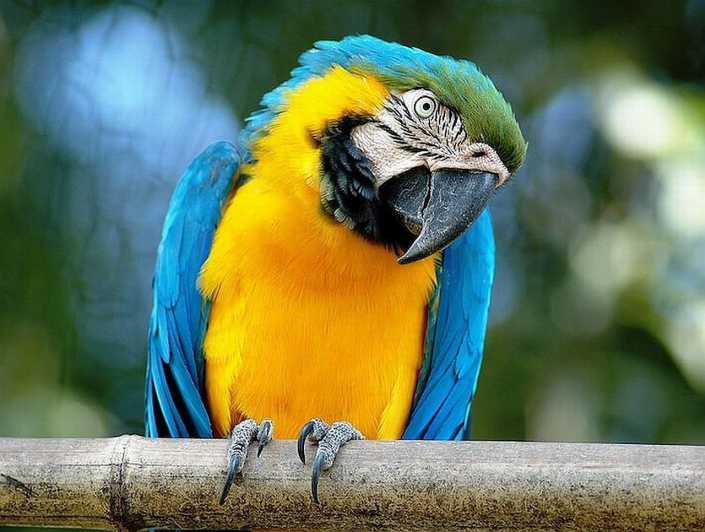
Peacocks wander freely around parts of the park, adding a bit of old-fashioned zoo charm. You may also find birds from many parts of the world, with enough variety to slow down the pace if you enjoy watching rather than simply ticking animals off a list.
Why the Reptile House deserves extra time
The Reptile House is one of the most reliable highlights because the animals are easier to see than species that sleep, hide, or keep to the far side of an outdoor habitat. Expect iguanas, snakes, lizards, and other reptiles in a concentrated indoor section.
I would save this for a time when you need a break from the sun or rain. It also works well with children, since the compact indoor setting lets you move between exhibits without another long walk.
The reptile collection adds useful variety to the visit. A zoo with elephants and tigers can feel familiar, but a strong reptile area gives you animals you may not often see in British or North American zoos. Several visitors rate it as the best part of their day.
A zoo with a conservation purpose
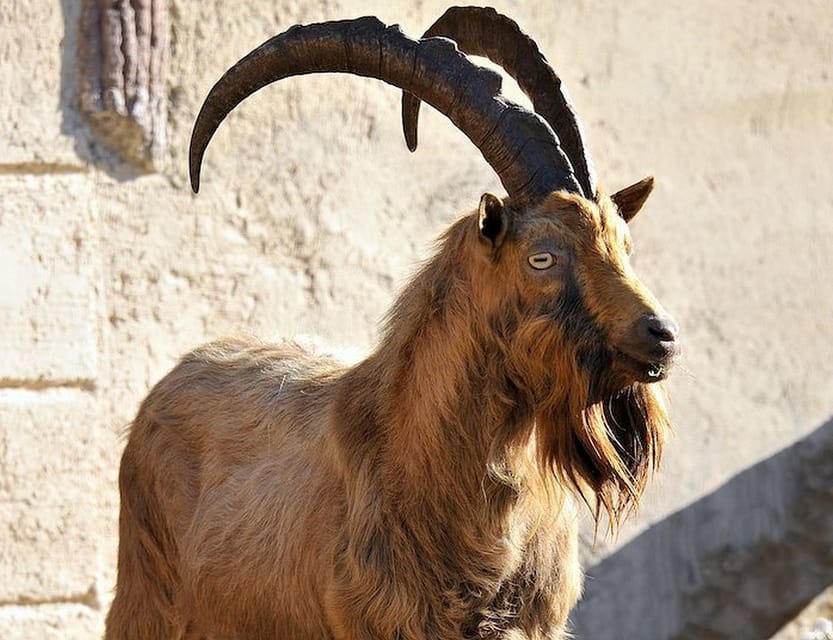
Bioparco is not presented simply as a place to look at animals. Its work includes endangered-species conservation, environmental education, and scientific research.
That gives the visit more weight than a basic animal display. The information boards explain the animals in both Italian and English, so you can learn about species and conservation issues as you walk. I find that useful because it turns a casual family outing into a chance to talk about habitat loss, threatened species, and human responsibility toward the natural world.
The educational material is practical rather than overwhelming. You can read a few signs, move on, and return to the animals. If you enjoy taking your time, the park offers enough information to make the visit more thoughtful.
Still, conservation claims do not remove the need to look closely at individual enclosures. Some areas appear spacious and well maintained, while a few visitors have felt that certain animals, including large cats and sea lions, could use more room or stimulation. I would treat the zoo as a useful place to learn about conservation, while keeping a critical eye on the quality of every habitat.
Same city, a completely different half-day:
- Vatican Museums & Sistine Chapel Tour with Optional Basilica
★ 4.3 · 67,413 reviews - Vatican Museums, Sistine Chapel & St Peter’s Basilica Guided Tour
★ 4.5 · 39,149 reviews - Rome: Colosseum, Palatine Hill and Roman Forum Guided Tour
★ 4.8 · 32,814 reviews - Rome: Guided Tour of Colosseum, Roman Forum & Palatine Hill
★ 4.7 · 27,897 reviews
How long should you plan for?
You can cover the main route in about two hours if you walk steadily. For most people, three hours is a better target, especially if you stop for photos, read the signs, wait for animals to appear, or travel with children.
A family with young children may need longer because the park includes places to pause, play areas, and food stops. Several visitors spent four hours or more without feeling rushed. With a picnic and time in Villa Borghese, this can become a full day.
The park feels different depending on the season and time of day. Early mornings are often quieter and can bring more animal activity. Weekdays tend to be calmer than weekends, which helps if you want clear views and an easier walk.
Summer heat deserves serious attention. One visit during a very hot day became uncomfortable, with little relief from the sun on parts of the route. I would choose an early start or a later afternoon slot when possible, and carry water. On the other hand, even a rainy day can work if you bring proper waterproof clothing, since there are indoor sections and places to take shelter.
Opening hours vary, so check the available starting time before booking. One useful detail is that some days stay open later than others, giving you more flexibility for a late visit.
Food, toilets, and resting places
You will find several places to buy food and drinks inside the zoo, including Bar Ninfeo, Ristorante Mascagni, Chiosco Oasi del Lago, and Bar Voliera. These locations are also listed for tramezzino pickup between 11 a.m. and 5 p.m., so check the exact arrangement attached to your booking if this applies to you.
Do not expect a wide restaurant selection. Food commonly available includes simple items such as burgers, hot dogs, chicken nuggets, soft drinks, ice cream, and ice lollies. Prices are roughly what you would expect at a zoo, and some drinks cost more than at a normal shop.
I would bring a picnic if you want a better lunch or are feeding a family. There are picnic areas and plenty of places to sit, making it easy to stop without buying a full meal. Buying water and snacks before entry is also sensible, particularly on a hot day.
Toilets are placed around the grounds, which makes a real difference with small children. Play areas give younger visitors a break from animal viewing, while adults can pause on benches in the surrounding greenery.
Getting there and using the ticket

The ticket costs about $25 per person and is valid for one day. Its main practical benefit is separate skip-the-line entry, not a guided tour or a special animal encounter. You still need to reach Bioparco independently, since hotel pickup and drop-off are not included.
Several visitors used taxis, while others arrived by bus or walked through Villa Borghese. A bus stop outside the zoo provides a useful connection toward the Trevi Fountain. If you use a taxi, confirm the fare and route before setting off, since Rome taxi pricing can be confusing for visitors.
At the entrance, show your ticket on your phone and use the designated line. On quieter weekdays, the normal queue may be short, so the ticket saves only a little time. On busy weekends or during school holidays, avoiding the ticket office is more useful.
The child pricing needs close attention. Children under 1 meter enter free. Children taller than 1 meter and up to 10 years old should use the child rate, and staff measure height at entry. A family has had to pay an extra amount on arrival after assuming that age alone determined the child ticket.
The zoo is wheelchair accessible. A disabled visitor with a certified disability at 100 percent, along with one companion, can receive free admission from the Bioparco ticket office by showing the required documents.
Is $25 good value?
For a central Rome attraction, I consider $25 reasonable if you plan to spend at least three hours inside. You are paying for a substantial collection, a large park, indoor and outdoor exhibits, seating, toilets, and a full change of pace from the city’s historic center.
The value is weaker if you only want a quick look at a few animals. The park takes time to walk, and you may not see every animal active or clearly visible. It is also not the right choice if your main interest is ancient Rome.
Families usually get the strongest value because children can combine animals, open space, play areas, and food stops in one outing. Teenagers and adults can enjoy it too, particularly if they like unusual species, reptiles, photography, or a quieter day outdoors.
The ticket may also cost less than buying at the gate, but prices can change. Compare the current online price with the on-site rate before you commit.
Who should book Bioparco?
I would choose this for families, animal lovers, and anyone spending several days in Rome who wants one slower day. It is also a good option after you have seen the main monuments and need an outing with less pressure.
I would think twice if your Rome schedule is very short. The Colosseum, Vatican Museums, and historic center deserve priority for a first visit, and the zoo can consume half a day once transport and walking are included.
Book if you can visit early, carry water, and accept that a few habitats may disappoint. Skip it if you want a polished, high-tech wildlife park with every animal guaranteed to be active. For a leafy city zoo with a broad collection, useful bilingual signs, and a strong reptile section, it offers a pleasant and worthwhile change of pace.
FAQ
How long is the Bioparco di Roma ticket valid?
The ticket is valid for one day.
How many animals and species are at Bioparco?
Bioparco has more than 1,200 animals representing about 200 species from five continents.
What animals can I see at the zoo?
The collection includes lemurs, chimpanzees, tigers, bears, elephants, giraffes, birds, reptiles, amphibians, wolves, and many other species.
Is the Reptile House included?
Yes. The Reptile House is part of the zoological garden and includes iguanas, snakes, lizards, and other reptiles.
Are children charged by age or height?
Children under 1 meter enter free. Children over 1 meter and up to 10 years old should use the child rate. Staff measure children at the entrance.
Is Bioparco wheelchair accessible?
Yes, the activity is wheelchair accessible. Visitors with a certified 100 percent disability and one companion can receive free admission from the Bioparco ticket office with the required documents.
Is food available inside the zoo?
Yes. Food and drinks are available at several cafes and snack stands, but the selection is limited. Picnic areas are also available, and bringing your own food and water is permitted based on the supplied visit information.
Newest Rome tours we have reviewed
- Private TikTok Video Making in Rome★ 5.0 · 7 reviews
- Assisi, Orvieto and Civita di Bagnoregio Full Day Tour from Rome★ 4.5 · 45 reviews
- Assisi & Saint Francis Path Tour from Rome★ 5.0 · 45 reviews
- Assisi and Cascia Private Day Tour from Rome with Lunch★ 5.0 · 10 reviews
- Art Class in the center of Rome!★ 4.0 · 4 reviews
- Art & Craft: Beer Tour with Street Art in Rome★ 4.5 · 6 reviews
- Arrival in Rome: Airport Transfer & Exclusive City Introduction★ 5.0 · 3 reviews
- From Rome: Private Day-Tour of Tuscany★ 5.0 · 16 reviews