
Reviewed · ROME CATACOMBS TOURS
Rome: Catacombs of St. Sebastian Entry Ticket & Guided Tour
The most striking part of this experience is the shift from modern Rome into a quiet underground world shaped by quarrying, burial, worship, and memory. In 30 minutes, you move through the Catacombs of Saint Sebastian, see ancient burial spaces, and hear how the site developed from a pozzolana quarry into a Christian cemetery.
I like the short, focused format, which fits neatly into a busy day, and I like the cool underground air on a hot Roman afternoon. Guides such as Micah and Niko have been praised for making complicated history easy to follow. The main drawback is the limited time: the tour can feel rushed, especially where the passage narrows to single file.
Key points to know before booking
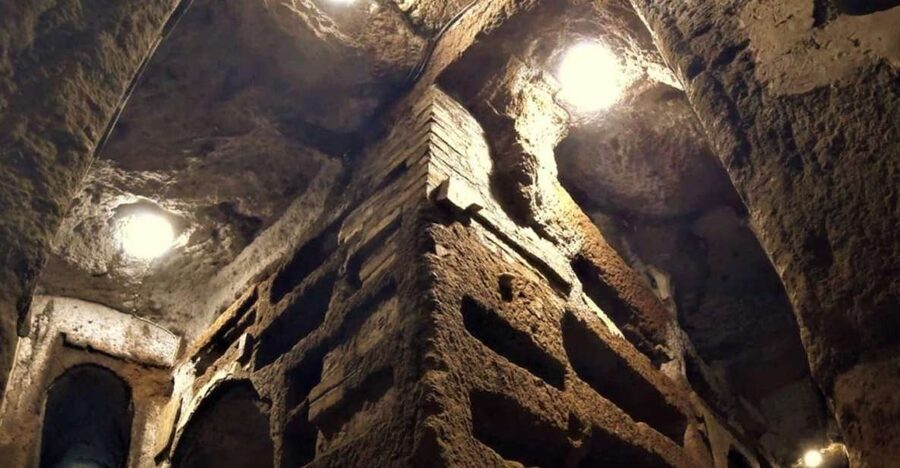
- A third-century underground cemetery: The catacombs contain the tombs of Saint Sebastian and Eutichio, along with Christian and pagan burial areas.
- A 30-minute guided visit: You get a concise introduction rather than a long archaeological tour.
- Small spaces and narrow passages: Some sections require single-file walking, so this is not suitable for visitors with mobility impairments or claustrophobia.
- A useful break from Rome’s heat: The underground rooms are cooler, but you should bring a jacket or warm layer.
- The basilica is part of the appeal: Photography is forbidden inside the catacombs, but you can take photographs in the basilica above.
- Four guide languages: Tours are offered in English, Italian, Spanish, and French.
From quarry to cemetery beneath the Appian Way
The story begins long before the catacomb became a Christian burial site. The area was once a deep depression used to extract pozzolana, the volcanic material widely used in Roman construction. The name ad catacumbas, meaning near the cavities, eventually became connected with underground cemeteries in general.
That first detail helps you read the site correctly. This is not a purpose-built maze dug from scratch for one single use. The underground galleries began as part of an industrial setting, then were reused for burial niches. Above ground, the area also held columbaria and at least two residential complexes, known as the small villa and large villa, with painted wall decoration.
I like this layered beginning because it shows how Roman sites changed over time. A quarry became a burial place. A burial place became a center of religious memory. The same ground carried several different lives before the Christian catacomb took shape.
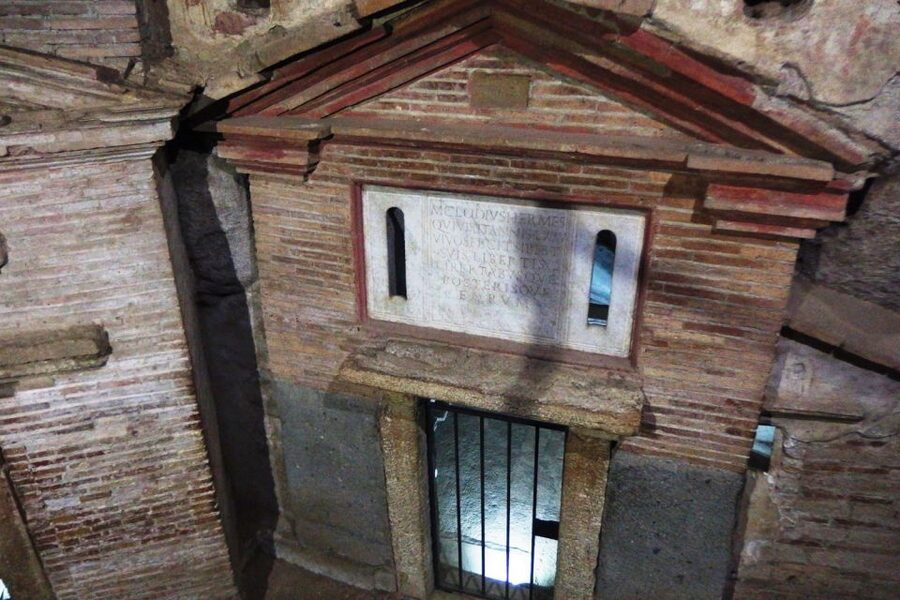
By the middle of the second century, the valley floor had been filled to create a level area. Three mausoleums were then built in sequence, associated with Clodius Hermes, the Innocentiores, and the Ax family. These tombs are important because they show that the site was used by more than one religious group and social community.
More catacombs tours in Rome:
- Rome: Crypts and Catacombs Underground Tour with Transfers
★ 4.6 · 5,341 reviews - The Original Roman Crypts and Catacombs Tour with Transfers
★ 4.5 · 4,896 reviews - Rome: Catacombs of St. Callixtus Entry Ticket & Guided Tour
★ 4.6 · 3,037 reviews
The mausoleums and the old Roman burial customs
The underground route is not only about Christian martyrs. You can also encounter pagan burial elements, which makes the visit more useful than a simple saint’s biography. The ancient Romans had many ways to honor the dead, and the site preserves evidence of changing customs across several centuries.
Your guide’s explanation matters here. Without context, a niche or damaged chamber can look like a blank wall. With a guide, you begin to understand how the galleries were reused and how the area developed around the tombs and mausoleums.
The route is compact, but it can include Christian catacomb passages, pagan tombs, and the church. One visitor found that the group saw a surprising amount in half an hour, while another wished the visit had lasted longer. Both reactions make sense. The tour gives you a clear introduction, but it does not attempt to cover every corner of the complex.
Expect some pauses in wider spaces where the guide gathers the group and explains the graves or the meaning of the site. In the narrow sections, the pace may feel quicker because there is only room for people to move in a line.
The third-century catacomb of Saint Sebastian
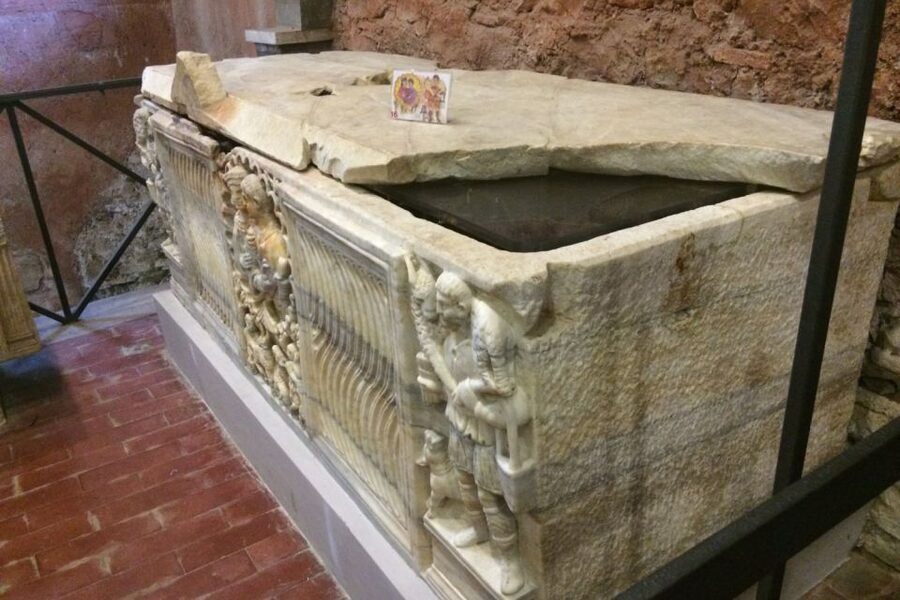
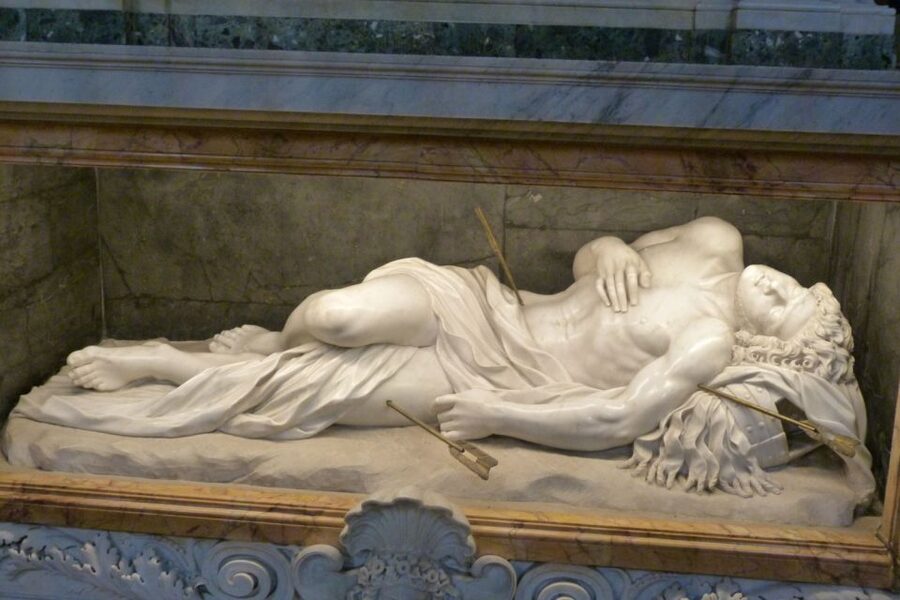
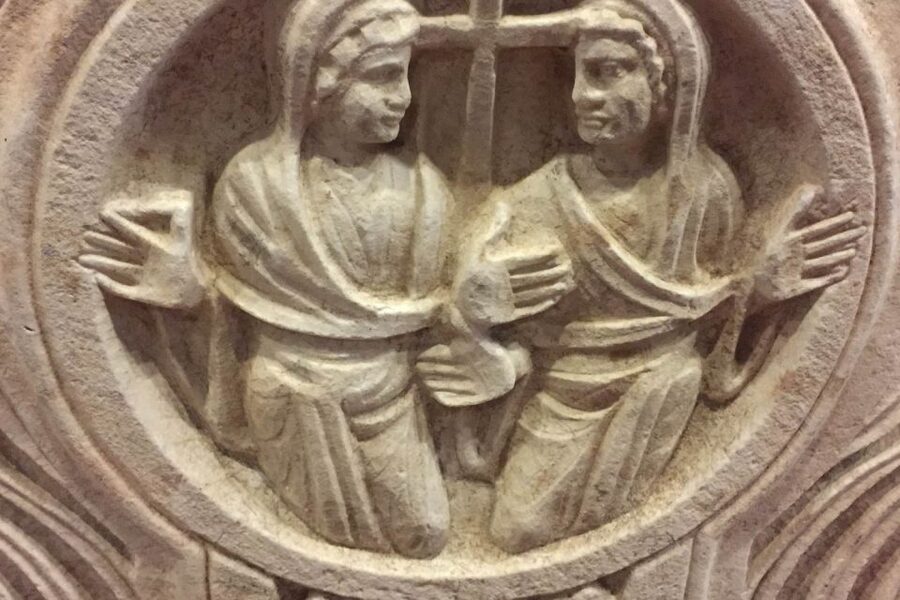
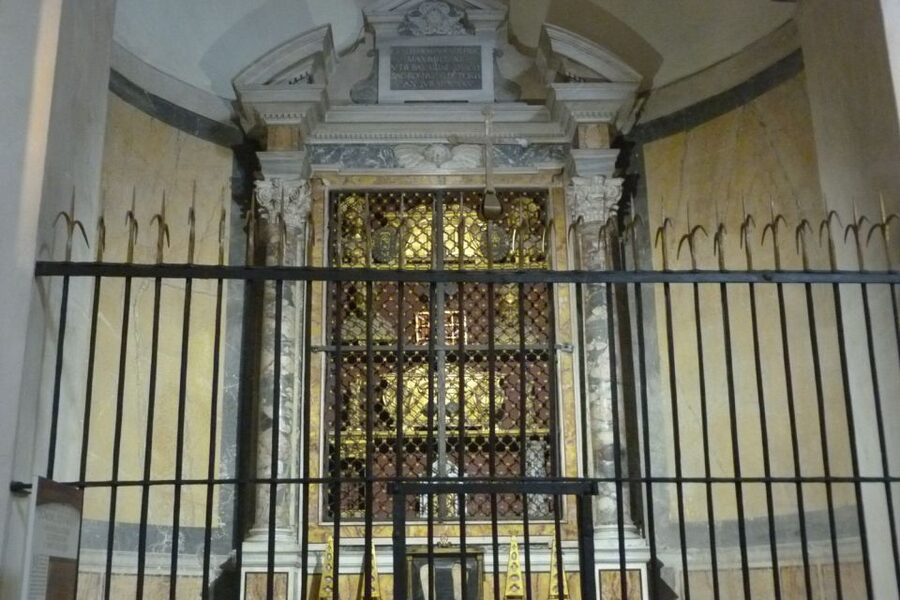
The catacomb began developing underground in the third century, when the area became associated with the tombs of the martyrs Sebastian and Eutichio. Saint Sebastian is the central figure of the visit, and the guide explains the religious importance of the site as you move through the burial galleries.
The experience is most effective when you treat it as a historical and spiritual place, not as a theatrical attraction. The underground setting is quiet and enclosed. You are looking at burial spaces and traces of ancient belief, so the tone is naturally more serious than a typical sightseeing stop.
The guide-led format is especially helpful for this reason. You can ask questions, and the visit does not depend on reading a long series of signs in dim rooms. Guides have been praised for speaking clearly, answering questions, and explaining the main facts without making the tour feel like a lecture.
English-speaking guides have included Micah and Niko on past visits, but your guide may be different. The available languages are English, Italian, Spanish, and French. If you have a strong preference, check the selected time and language before paying.
The triclia and memories of Saints Peter and Paul
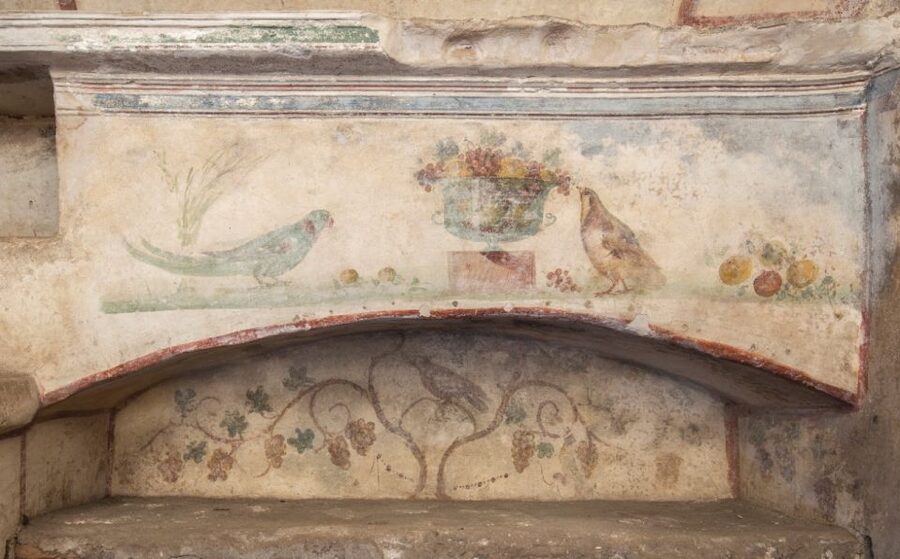
One of the most interesting parts of the site’s story is the triclia. This was a portico bordered by a wall, created after the area was filled again to make room for it. The wall carried many graffiti inscriptions invoking Saints Peter and Paul, who were venerated together at this place around the year 250.
This detail gives the site a human voice. The inscriptions were not polished museum labels. They were personal acts of remembrance and devotion left by people who came to honor the apostles. Even if you cannot inspect every mark closely, knowing about these graffiti changes the way you understand the space.
The site’s importance reaches beyond the individual tomb of Saint Sebastian. It became a place where early Christians expressed shared memory, honored martyrs, and connected their beliefs with a physical location. That is why the guide’s historical explanation adds real value to the entrance ticket.
More tickets and entry passes in Rome:
- Rome:Hop-On Hop-Off Panoramic Open Bus Ticket 3 Circuits x 1
★ 4.0 · 15,405 reviews - Vatican Museums & Sistine Chapel Skip-the-Line Entry Ticket
★ 4.4 · 13,838 reviews - Vatican Museums & Sistine Chapel Skip-the-Ticket-Line Tour
★ 4.3 · 10,486 reviews - Rome: St. Peter’s Basilica & Dome Entry Ticket & Audio Tour
★ 4.2 · 7,537 reviews
Constantine’s basilica above the catacombs
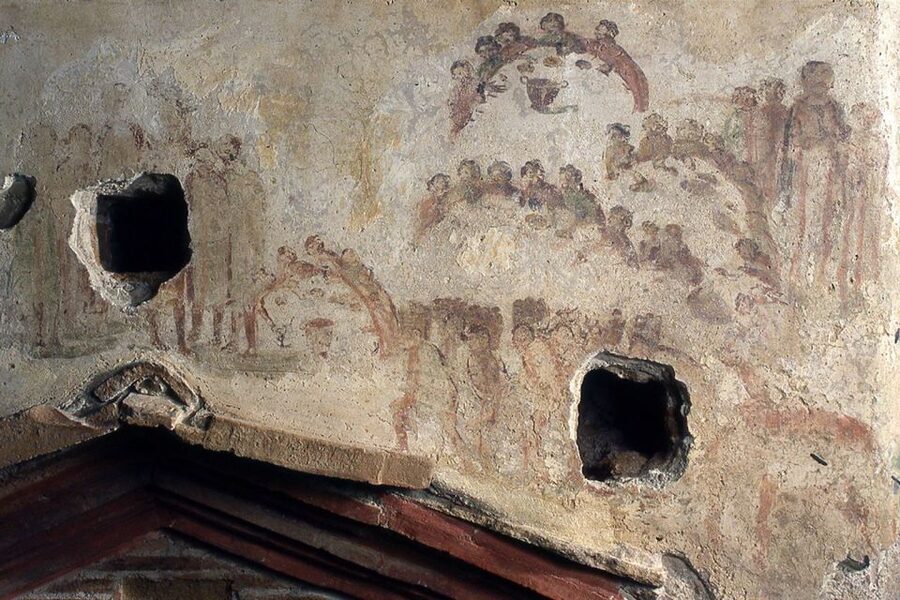
The underground cemetery is only part of the visit. Emperor Constantine, who ruled from 306 to 337, later had a basilica built on the site in the shape of a Roman circus. It is often called a circiform basilica.
The basilica gives you a useful contrast with the cramped galleries below. After walking underground, you return to a larger, more open religious space with a very different visual effect. One particularly notable detail is the hand-carved wooden ceiling, which can be photographed because the no-camera rule applies inside the catacombs, not the basilica.
I would allow a little attention for this upper section rather than treating it as an afterthought. The underground rooms attract most of the attention, but the basilica helps explain how the site continued to function as a place of public Christian memory.
Why the 30-minute length works, and where it falls short
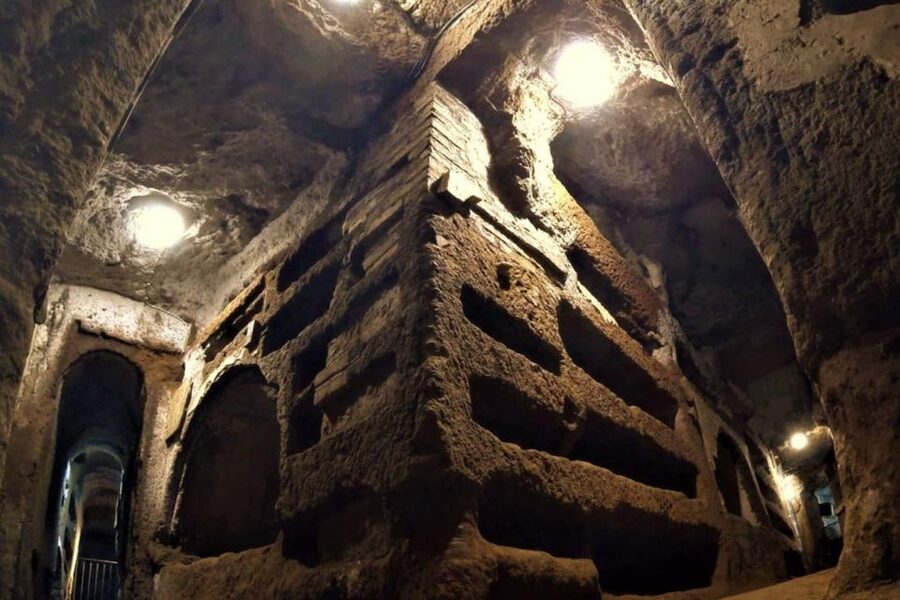
Thirty minutes is a sensible length if you want a compact historical stop. You receive a guided introduction, see the main underground features, and still have time to continue along the Appian Way or return toward central Rome.
I especially like this timing for a hot day. The cooler air below offers relief from the sun, and the visit does not consume half your afternoon. It also suits families and first-time visitors who want to sample Rome’s underground history without committing to a much longer archaeological tour.
The limitation is obvious: the site has more history than can fit into half an hour. One person described the experience as just the right length, while another wanted a longer visit. If catacombs and ancient burial customs are a major interest for you, this may feel like an introduction rather than a complete study.
The narrow route can also affect the rhythm. In single-file sections, the group may keep moving until it reaches a wider chamber. The guide then stops to explain the tombs and details. This arrangement helps the group function underground, but it can make some moments feel brisk.
Price, timing, and what the ticket buys you
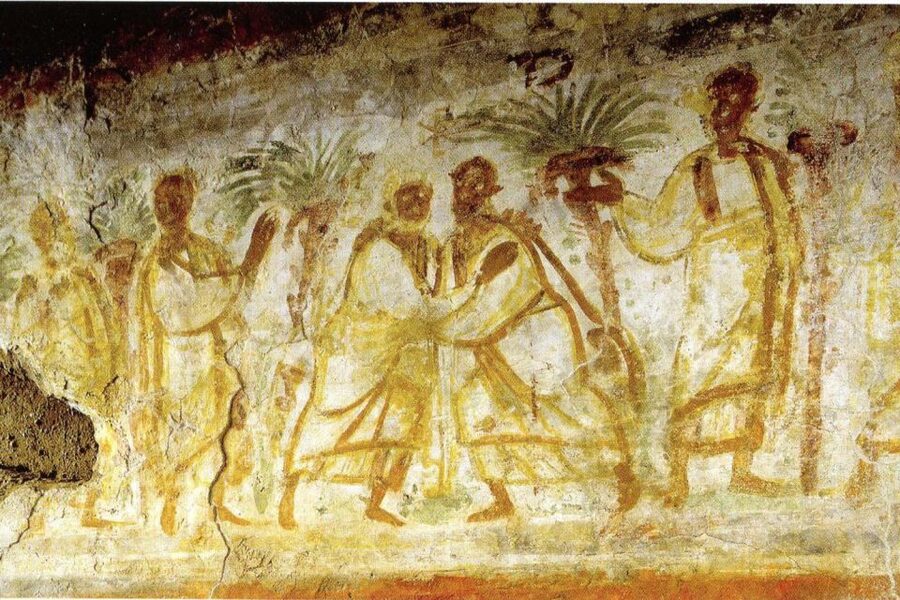
At about $16 per person, the price is reasonable for a short guided visit, particularly because the entrance ticket and guide are included. You are paying for access plus interpretation, not simply for the right to walk into the site alone.
The value depends on what you want. If you only want a quick look underground, the 30-minute duration keeps the cost and time commitment modest. If you expect a long, detailed catacomb expedition, you may find the tour too brief for the price.
One booking note is worth keeping in mind: a past visitor felt the price was slightly higher than buying on site. The advantage of booking ahead is a reserved time and a clear tour language, but you should compare the available options if you are trying to spend as little as possible.
Go directly to the catacomb ticket office and show your reservation at least 10 minutes before the scheduled start. Hotel pickup and drop-off are not included. Bus 118 has been noted as a practical way to reach the area, though you should check your route on the day of your visit.
The booking has free cancellation up to 24 hours before the tour for a full refund. The ticket itself is valid for the selected 30-minute time slot, so arriving late can be awkward. One past visitor was able to join the next available slot after arriving late, but I would not count on that during a busy period.
What to wear and who should skip it
Bring comfortable shoes, a jacket, and at least one warm layer. The underground temperature can feel noticeably cooler, especially farther down. This is one of those Roman sightseeing stops where dressing for the weather above ground is not enough.
The tour is not suitable for people with mobility impairments or claustrophobia. The narrow, enclosed passages are part of the experience, but they can be uncomfortable if you dislike tight spaces or need step-free access.
Baby carriages are not allowed. Photography is also forbidden inside the catacombs. You can take pictures in the basilica, so keep your camera ready for the upper church but put it away once you enter the underground area.
I would choose this tour if you enjoy archaeology, early Christianity, Roman burial practices, or quiet historical places that sit outside the usual city-center route. It also works well for anyone needing a cool, manageable activity during a warm day in Rome.
How the guiding affects the experience
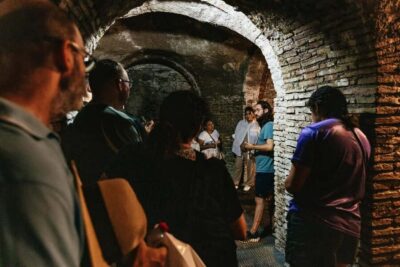
The guide is the difference between an atmospheric walk and a useful history lesson. The strongest guiding style here is clear, friendly, and paced around the group. Past guides have been praised for explaining history in simple terms, pausing for questions, and waiting for everyone to gather before moving on.
That last point matters underground. If you walk ahead, you can easily lose part of the explanation or find yourself separated from the group in a narrow passage. Stay close and listen for the guide’s stopping points.
The tour is not designed as a private experience, although group sizes can vary. A very small group can feel comfortable in the tighter sections. A large group may make the route feel more crowded, even when the guide is doing a good job.
If you have questions, ask them. The site connects to wider subjects such as Roman culture, ancient customs, Christian worship, and changing burial practices. A good guide can make those connections useful without straying too far from the catacombs.
Is Saint Sebastian worth adding to your Rome plans?
I would book this tour if you want a short, well-organized introduction to Rome underground and you are comfortable in narrow spaces. The combination of catacomb galleries, pagan tombs, Christian burial places, the Saint Sebastian story, and the basilica gives you plenty to think about in half an hour.
I would skip it if you need step-free access, dislike enclosed passages, or want a long archaeological visit. The $16 price is fair for a guided introduction, but the limited duration means you should not expect an exhaustive exploration.
For most suitable visitors, the best plan is simple: arrive early at the ticket office, wear sturdy shoes, bring a jacket, keep your camera away underground, and save a few minutes for the basilica’s carved wooden ceiling. It is a modestly priced stop that adds a quieter, older layer to a Rome itinerary.
FAQ
How long does the Catacombs of Saint Sebastian tour last?
The guided visit lasts 30 minutes.
What does the ticket include?
The ticket includes entrance to the catacombs and a guided tour in the selected language.
Which languages are available?
Guided tours are available in English, Italian, Spanish, and French.
Where do I meet the guide?
Go directly to the catacomb ticket office and show your reservation at least 10 minutes before the scheduled tour.
Is hotel pickup included?
No. Hotel pickup and drop-off are not included.
Can I take photographs inside?
No. Photography is not allowed inside the catacombs. Photography is allowed in the basilica.
Should I bring warm clothing?
Yes. Bring a jacket or warm layer because the underground areas can feel cold.
Are baby carriages allowed?
No. Baby carriages are not allowed.
Is the tour suitable for people with claustrophobia?
No. The tour is not suitable for people with claustrophobia because parts of the route are narrow and enclosed.
Can I cancel for a refund?
Yes. You can cancel up to 24 hours in advance for a full refund.
Newest Rome tours we have reviewed
- Private TikTok Video Making in Rome★ 5.0 · 7 reviews
- Assisi, Orvieto and Civita di Bagnoregio Full Day Tour from Rome★ 4.5 · 45 reviews
- Assisi & Saint Francis Path Tour from Rome★ 5.0 · 45 reviews
- Art & Craft: Beer Tour with Street Art in Rome★ 4.5 · 6 reviews
- Assisi and Cascia Private Day Tour from Rome with Lunch★ 5.0 · 10 reviews
- Art Class in the center of Rome!★ 4.0 · 4 reviews
- Arrival in Rome: Airport Transfer & Exclusive City Introduction★ 5.0 · 3 reviews
- From Rome: Private Day-Tour of Tuscany★ 5.0 · 16 reviews
Rome Catacombs Tours, compared.
Crypts and Catacombs Underground Tour with Transfers
Read our review →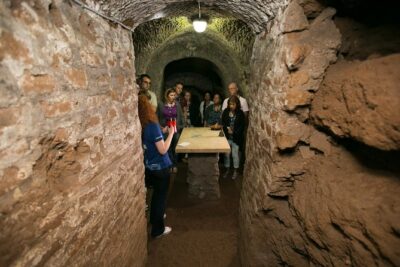
The Original Roman Crypts and Catacombs Tour with Transfers
Read our review →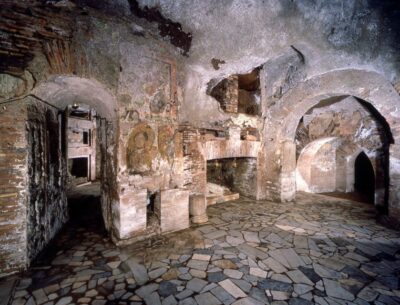
Catacombs of St. Callixtus Entry Ticket & Guided Tour
Read our review →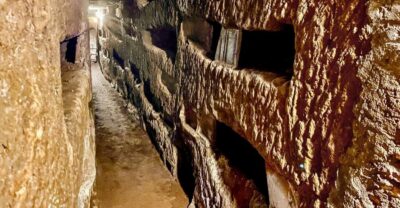
Rome EBike Tour: Appian Way, Catacombs & Roman Aqueducts
Read our review →
Catacombs and Capuchin Crypt Guided Tour with Transfer
Read our review →
Appian Way, Catacombs, & Roman Aqueducts E-bike Tour
Read our review →Browse the lists this tour appears in