
Reviewed · ROME COLOSSEUM TOURS
Rome: Colosseum and Roman Forum Small Group Tour in German
The most useful feature here is not simply entry to Rome’s two great ancient sites. It is the German-speaking guide who links the stones to real people, power struggles, and daily life. Inside the Colosseum, you’ll hear about gladiators, women’s seating, hidden lifting machinery, and the building’s clever design. At the Forum, temples and shops become part of a city rather than a pile of ruins.
I like the three-hour format, which gives the Colosseum about 90 minutes before moving into the Roman Forum. I also like the small-group setup and headsets, since Rome’s crowds can swallow a guide’s voice in seconds. The main drawback is that the tour runs in German only, and admission waits can still happen because of tighter security checks.
Key points to know before booking
- German-only guiding: You’ll need to follow detailed explanations in German.
- Two major sites in one tour: The Colosseum and Roman Forum are covered in about three hours.
- Guides with different strengths: Susi is praised for warmth and enthusiasm, Janina for her interest in architecture, and Julia for clear explanations suited to families.
- Headsets help in the crowds: They are provided for groups of six or more.
- Priority entry is useful, not magical: You skip the ticket line, but security checks may still cause delays.
- Not suitable for wheelchair users: Expect uneven ancient-site surfaces and a walking-heavy visit.
Why the German-language format works well in ancient Rome
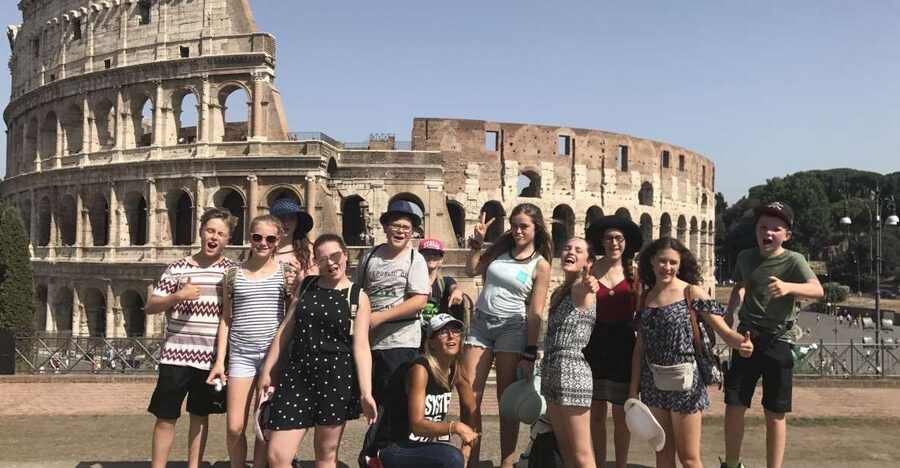
Ancient Rome can be hard to read on your own. The Colosseum is huge, but much of its story is invisible: crowd control, seating rules, elevators, stage machinery, and the political purpose behind the games. A good guide gives you the missing framework.
This tour is built around that explanation. You are not simply led from one photo stop to another. The guide discusses who gladiators really were, how the stadium operated, and how emperors used public spectacles to gain loyalty and display control.
The German language matters because the tour is conducted fully in German. If that is your strongest language, you can follow complex details more easily and ask questions without constantly translating in your head. The provider is Römerin, and named guides connected with the experience include Susi, Janina, Giancarlo, Julia, and Annette.
The guide style may vary slightly from one departure to another. Susi is known for energetic storytelling and humor. Janina brings special interest in architecture. Julia has used pictures and clear stories to explain ancient life, while Annette is noted for answering children’s questions well. That range is useful if you are choosing this tour for a family or for someone who prefers buildings and engineering over political drama.
More Roman Forum and Palatine Hill tours:
- Rome: Colosseum, Palatine Hill and Roman Forum Guided Tour
★ 4.8 · 32,814 reviews - Rome: Guided Tour of Colosseum, Roman Forum & Palatine Hill
★ 4.7 · 27,897 reviews - Rome: Colosseum, Roman Forum and Palatine Hill Guided Tour
★ 4.5 · 23,903 reviews
Meeting your guide at Ludus Magnus
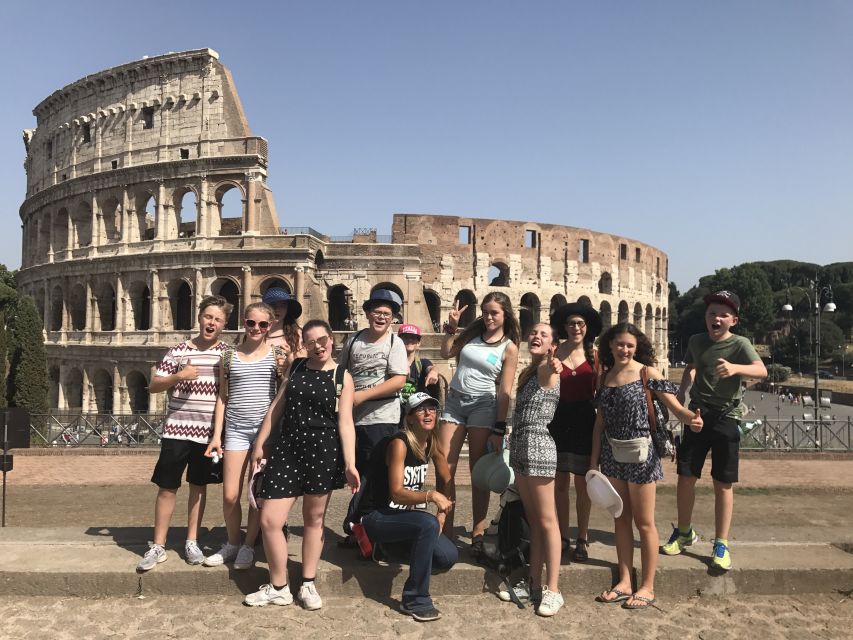
You meet at Ludus Magnus, between Via Labicana and Via di San Giovanni in Laterano, behind the Big Bus shop. Look for a guide holding a sign that says Deutsche Römerin.
Ludus Magnus is a fitting meeting point. It was associated with the gladiator training complex beside the Colosseum, so you begin close to the subject of the tour rather than at a random city corner. Still, Rome’s streets can be confusing, and the meeting point sits near several busy attractions and tour businesses. Give yourself enough time to identify the Big Bus shop and locate the sign.
The guide provides headsets before the tour begins. These are included for groups of six or more. That small piece of equipment can make a real difference. You may be standing near a major road, surrounded by school groups, or moving through a packed entrance area. With a headset, you can keep looking at the monument instead of leaning toward the guide.
The tour is walking-based and lasts three hours. Wear comfortable shoes, bring water, and remember that the tour operates even in bad weather. Public drinking fountains are available for refilling bottles, which is handy during a warm Roman afternoon.
Entering the Colosseum with the story already in place
The Colosseum portion takes about 90 minutes. That is long enough to cover the main ideas without turning the visit into an all-day lecture.
Your guide focuses first on the people who made the arena function. Gladiators were not all the same, and the tour explains who they really were rather than leaving you with the usual movie version. You’ll hear about their lives, their place in Roman society, and the role their fights played in public entertainment.
The guide also explains the ordinary rhythm of a day at the stadium. This is one of the better ways to understand the building. Instead of seeing only arches and tiers, you can picture spectators arriving, finding their places, watching the events, and responding to the emperor’s decisions.
Seating reveals Roman social order. The tour includes the curious fact that women had to sit on the fifth floor. Details like this make the building easier to read. The Colosseum was not a neutral gathering place. Its design placed people according to status, gender, and power.
The discussion of emperors adds another layer. Games were entertainment, but they also served politics. The emperor controlled the event, the public mood, and much of the message being sent to Rome. Your guide explains the secrets and power games behind the spectacle, showing why the arena mattered far beyond combat.
Looking up at Roman engineering
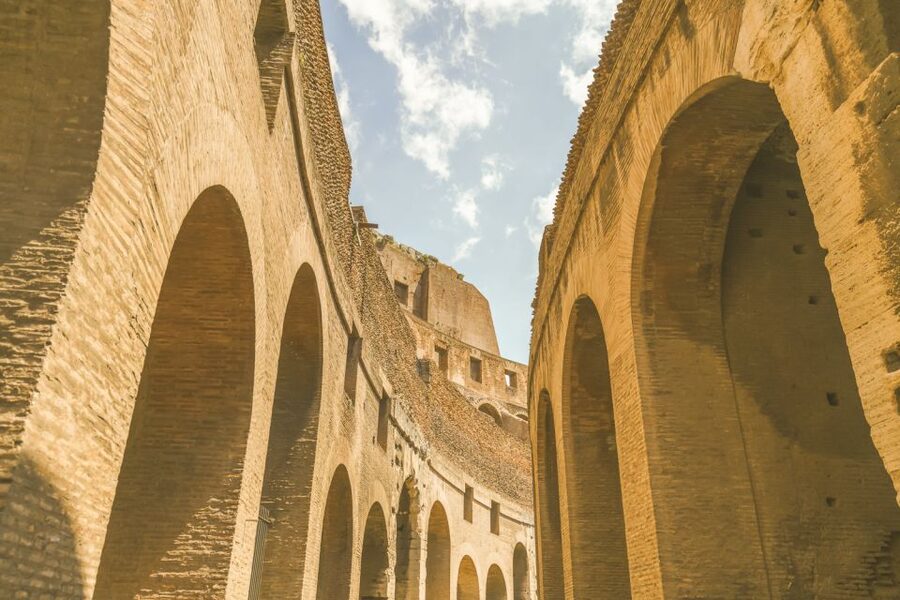
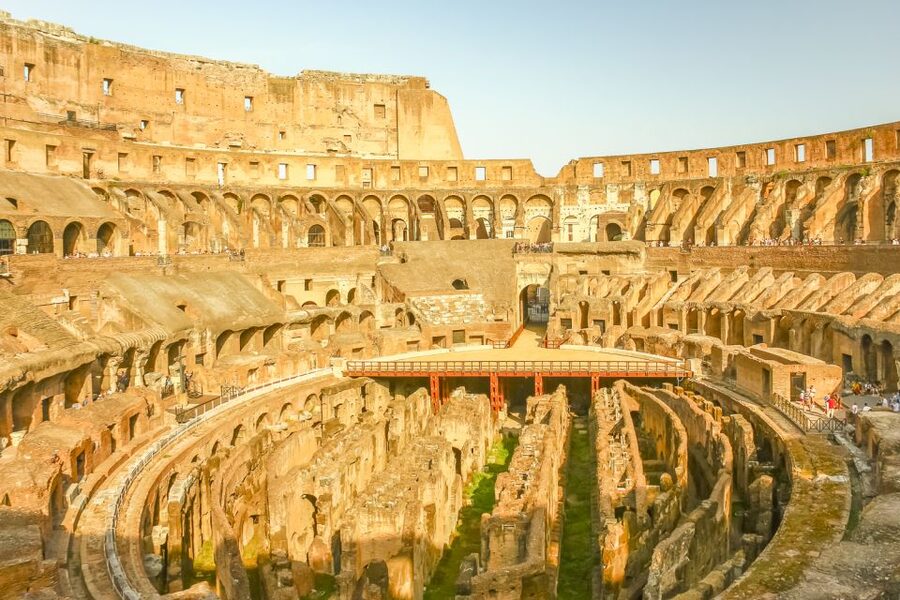
The Colosseum is often treated as a symbol of violence, but its architecture deserves equal attention. The tour covers the building’s ingenious design, its surfaces, and the hoist technology used to move scenery, animals, and performers.
That is especially helpful if you enjoy practical history. The ancient engineers had to move large objects quickly, manage crowds, and create dramatic effects in a building that could fill with tens of thousands of people. The hoists were part of the show. They helped turn the arena floor into a stage where the next surprise could appear without warning.
You’ll also hear about the building materials and surfaces. These details explain why the Colosseum looks the way it does now, with exposed brick, stone, and surviving fragments rather than a complete shell. The guide’s job is to help you imagine the finished structure without pretending that every missing piece is still there.
This section can be particularly good for visitors who have already seen the Colosseum in photographs. Images usually show the outside. A guided visit gives you a better sense of how the inside operated and how architecture supported Roman society.
More Colosseum tours in Rome:
- Rome: Colosseum & Forum with Audio Guide App -Optional Arena
★ 4.2 · 24,770 reviews - Rome: Colosseum, Forum & Palatine Hill Tour & Optional Arena
★ 4.4 · 13,839 reviews - Rome: Colosseum, Palatine Hill & Roman Forum Guided Tour
★ 4.6 · 12,703 reviews - Colosseum: Underground and Ancient Rome Tour
★ 4.7 · 12,691 reviews
Walking through the Roman Forum
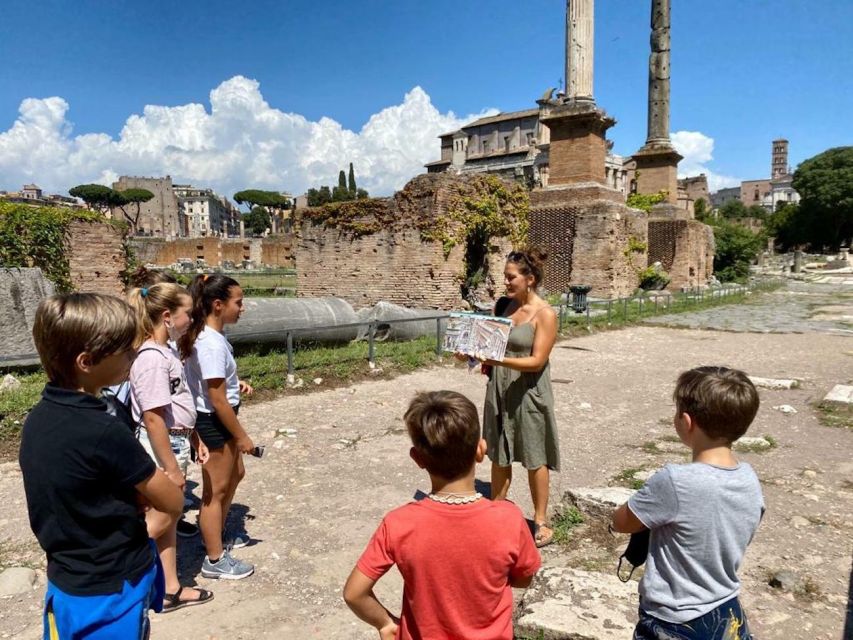
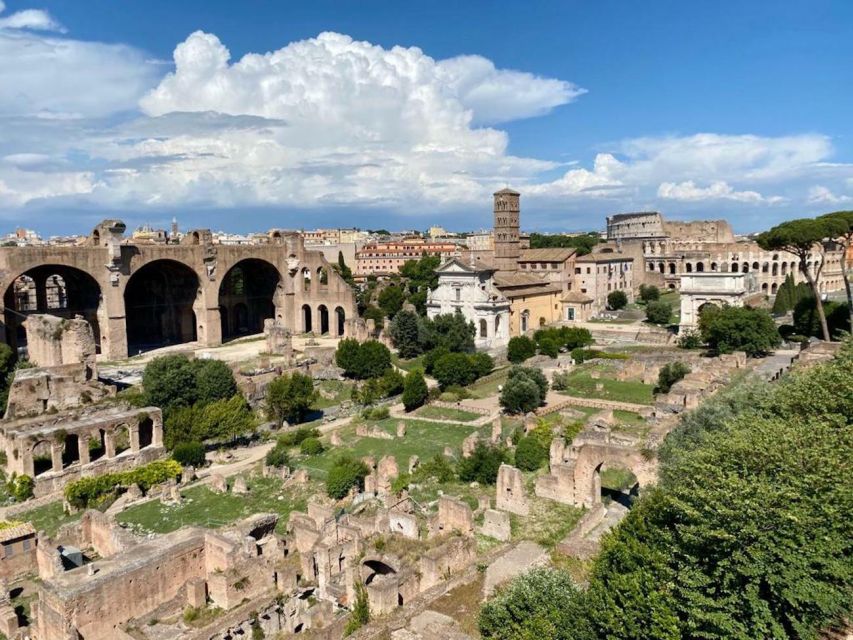
After the Colosseum, the tour continues into the Roman Forum. This part is more open and less immediately readable. You pass temples, court buildings, shops, and other remains that once formed the center of Roman public life.
I find the Forum easier to appreciate after the Colosseum because the guide has already explained the city’s social and political machinery. Here, the focus shifts from mass spectacle to government, religion, commerce, and law.
The Forum can look like scattered columns if you do not know what you are seeing. A guide gives each ruin a role. A temple becomes part of the religious system. A court building connects to legal life. A former shop helps you picture the everyday trade that supported the grand monuments.
The tour also covers the founding legend of Romulus and Remus. This story was central to the way Romans explained their origins, and it shows how myths can serve a political purpose. You’ll also hear about who really murdered Julius Caesar, a question that brings Roman ambition, alliances, and betrayal into sharper focus.
Do not expect the Forum to feel as orderly as a museum. It is an archaeological area with uneven ground, open spaces, and fragments spread across a broad site. That is part of its appeal, but it also makes the guide’s commentary valuable. You need help connecting one surviving wall to the city that once surrounded it.
Small groups, headsets, and priority entry
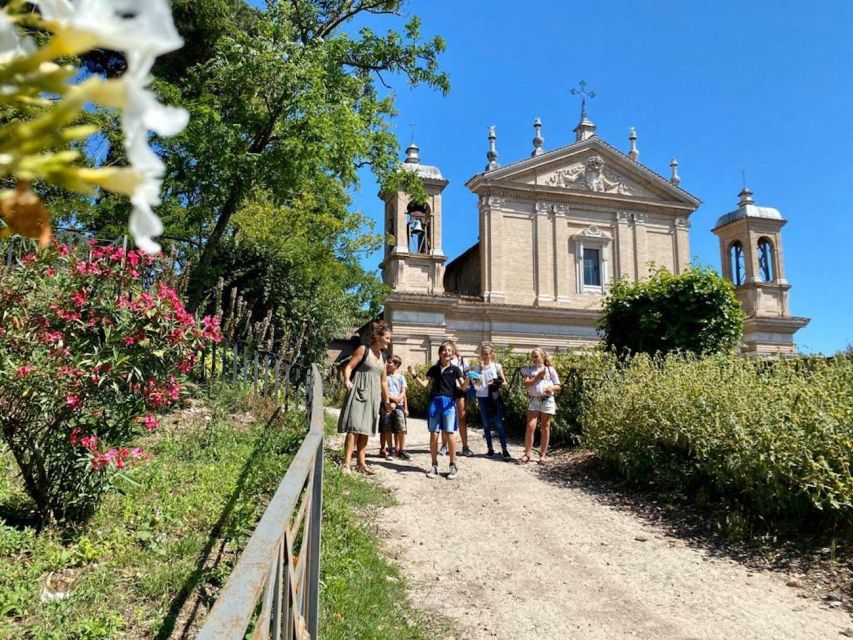
The small-group format is one of the strongest practical reasons to choose this experience. A smaller party makes it easier to hear, ask a question, and stay close to the guide while moving through busy areas.
Headsets are supplied when the group has six or more people. That may sound like a minor detail, but it solves a common problem at Rome’s top sights. You can stand a little apart to see a column or doorway without losing the explanation.
Priority access means you skip the ticket line. This can save useful time, especially when you have other plans in Rome. It does not mean you will walk straight through every checkpoint. Security checks have become stricter, and waits can still occur before entry.
That distinction matters when planning your day. Avoid scheduling a train, restaurant reservation, or another timed attraction immediately after the tour. The listed duration is three hours, but extra time at security is possible.
What the $99 price buys you
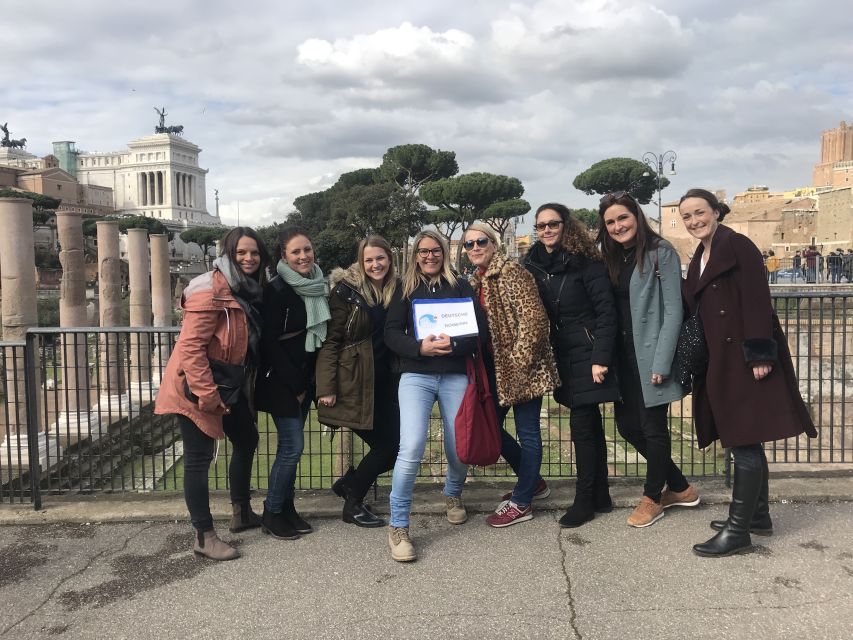
At $99 per person, this is not a budget stroll. The price includes the walking tour, a licensed guide, headsets when applicable, and entrance tickets to the Colosseum and Roman Forum.
The value depends on what you want from the visit. If you only need to enter the sites and take photographs, you can find less expensive ways to spend your morning. If you want a German explanation of the architecture, gladiators, emperors, Forum buildings, and Roman political stories, the price covers more than admission.
The time saving also has value. The Colosseum and Forum are major sights, and arriving without a clear plan can leave you spending energy on lines, directions, and trying to understand disconnected ruins. Priority ticket access and a fixed route give you a clearer visit.
I would see this as a good fit for a first visit, a family that wants the history explained, or anyone who prefers German to English. It is less attractive for independent visitors who already know Roman history or dislike following a set group pace.
Is this a good tour for families?
The tour can work well for families, especially when children are old enough to follow a story about gladiators, emperors, secret machinery, and Julius Caesar. Julia’s approach has included pictures and vivid explanations, and Annette has been praised for responding well to children’s questions.
The ancient sites also give younger visitors something concrete to look at. Hoists, arena tricks, seating rules, and gladiator life are easier to grasp than a long list of dates. The Forum may require more patience because its ruins are less obvious, but stories about Romulus and Remus and Caesar’s murder help keep the visit moving.
Keep the walking and weather in mind. The tour goes ahead in poor weather, and there is no suggestion of a shortened route in rain or heat. Bring water and dress for the conditions. The experience is not suitable for wheelchair users.
Practical details that can affect your visit
Bring a passport or identity card, although a copy is accepted. A student card and disability card should also be brought if they apply to you.
Weapons and sharp objects are not allowed. Knives, scissors, and glass bottles are specifically prohibited, so pack lightly and check your bag before leaving your hotel. Water is recommended, but use a permitted bottle and refill it at Rome’s public fountains if needed.
The tour is non-refundable, so check your date and language needs carefully before booking. It is available at different starting times, subject to availability.
The guide speaks German only. That is not a small footnote. You should be comfortable listening to German for three hours, including explanations of architecture, politics, and ancient society. If your German is limited, the headset will help you hear, but it will not translate.
Who should book the German Colosseum and Forum tour?
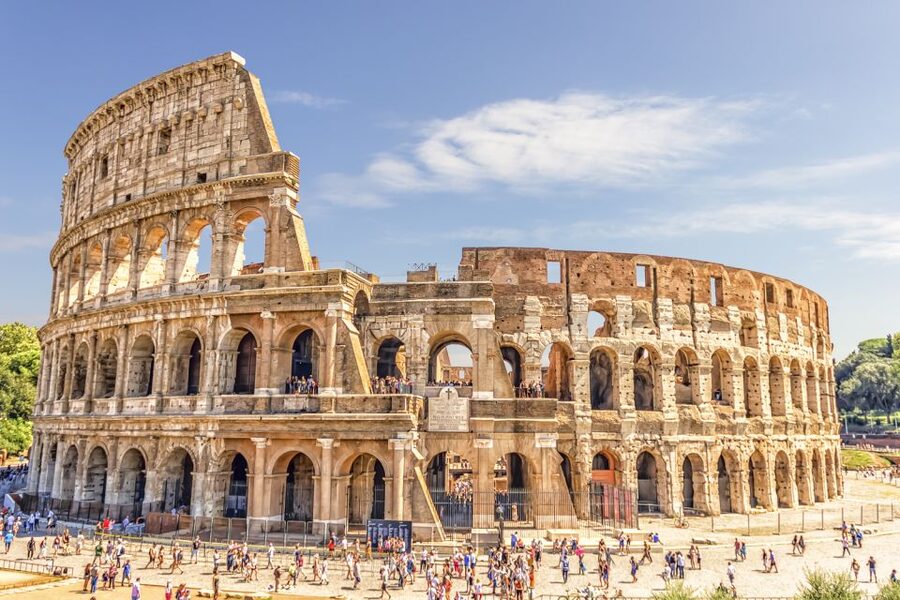
Book this tour if you want a guided visit in German, prefer a small group, and would like the major facts explained without doing your own research first. It is especially useful if you care about the Colosseum’s engineering, Roman social rules, and the political purpose of public games, not just the famous exterior.
It also suits families who want a guide able to explain the sites with stories and visual material. The range of guide styles is a plus: Susi brings warmth and humor, Janina focuses strongly on architecture, and Julia’s explanations have worked well for parents and children.
Think twice if you need wheelchair access, dislike walking in poor weather, or have a tight schedule after the tour. Security delays are possible, and the three-hour timing does not include a promise of instant entry.
For a German-speaking visitor who wants the Colosseum and Forum to make sense, I would book it. The strongest reason is not simply skip-the-line access. It is the combination of a licensed native German-speaking guide, useful audio equipment, and stories that turn Roman stone into a functioning city.
FAQ
How long does the tour last?
The tour lasts three hours. The Colosseum portion takes about 90 minutes, followed by the Roman Forum.
Which sites are included?
The tour includes entrance to the Colosseum and Roman Forum.
Is the tour conducted in German?
Yes. The live tour guide speaks German, and the tour is conducted in German only.
Where is the meeting point?
Meet at Ludus Magnus, between Via Labicana and Via di San Giovanni in Laterano, behind the Big Bus shop. The guide will hold a sign saying Deutsche Römerin.
Are entrance tickets included?
Yes. Entrance tickets to the Colosseum and Roman Forum are included.
Does the tour skip the ticket line?
Yes. The tour includes priority access that lets you skip the ticket line. Security checks may still cause waiting.
Are headsets provided?
Headsets are provided for groups of six people or more.
Can wheelchair users join?
No. The tour is not suitable for wheelchair users.
What should I bring?
Bring a passport or identity card, with a copy accepted, plus a student card or disability card if applicable. Bring water, and do not bring weapons, sharp objects, knives, scissors, or glass bottles.
Newest Rome tours we have reviewed
- Private TikTok Video Making in Rome★ 5.0 · 7 reviews
- Assisi, Orvieto and Civita di Bagnoregio Full Day Tour from Rome★ 4.5 · 45 reviews
- Assisi & Saint Francis Path Tour from Rome★ 5.0 · 45 reviews
- Assisi and Cascia Private Day Tour from Rome with Lunch★ 5.0 · 10 reviews
- Art Class in the center of Rome!★ 4.0 · 4 reviews
- Art & Craft: Beer Tour with Street Art in Rome★ 4.5 · 6 reviews
- From Rome: Private Day-Tour of Tuscany★ 5.0 · 16 reviews
- Arrival in Rome: Airport Transfer & Exclusive City Introduction★ 5.0 · 3 reviews
Rome Colosseum Tours, compared.
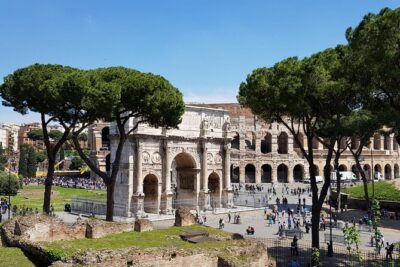
Colosseum, Palatine Hill and Roman Forum Guided Tour
Read our review →
Guided Tour of Colosseum, Roman Forum & Palatine Hill
Read our review →
Colosseum & Forum with Audio Guide App -Optional Arena
Read our review →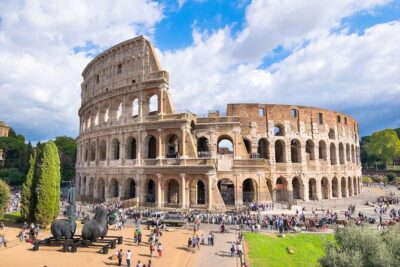
Colosseum, Roman Forum and Palatine Hill Guided Tour
Read our review →
Colosseum, Forum & Palatine Hill Tour & Optional Arena
Read our review →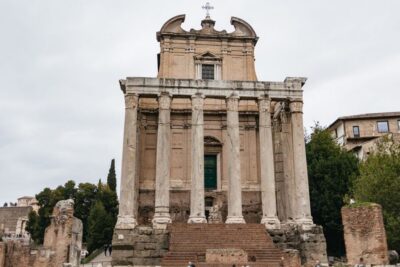
Colosseum, Palatine Hill & Roman Forum Guided Tour
Read our review →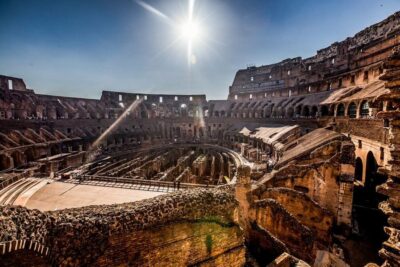
Colosseum: Underground and Ancient Rome Tour
Read our review →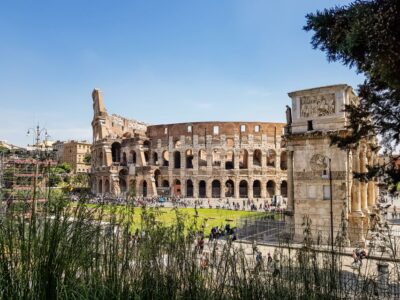
Colosseum Arena, Palatine Hill & Forum Guided Tour
Read our review →Browse the lists this tour appears in