
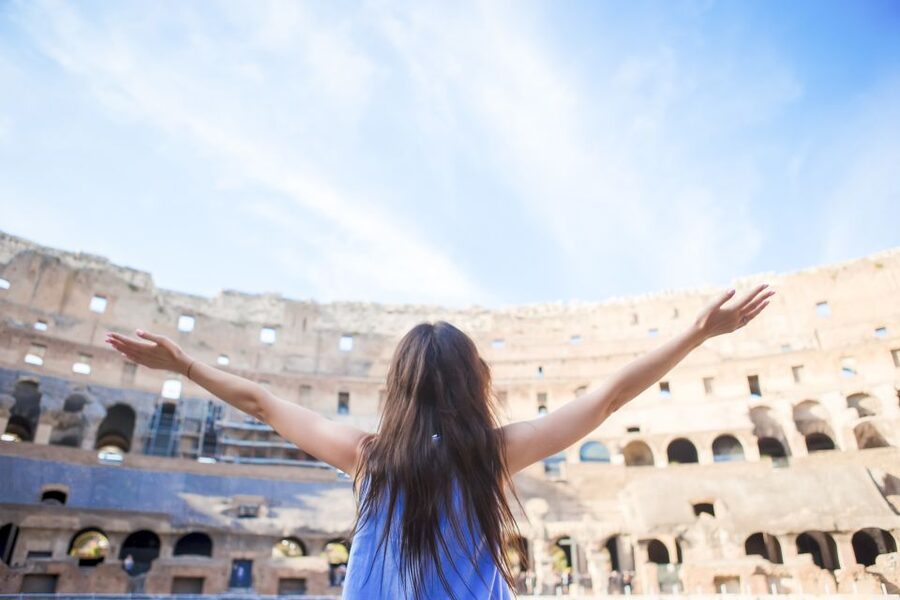
Reviewed · COLOSSEUM UNDERGROUND TOURS
Rome: Colosseum Underground, Arena & Forum Tour
The most unusual part of this three-hour Rome tour is the chance to enter the Colosseum Underground, where animals were held before being sent into the arena. You also step onto the Arena level, then visit the Forum and Palatine Hill with a guide who connects ruins to everyday Roman life.
I like the way the tour combines restricted Colosseum areas with the Forum and Palatine Hill, rather than treating the amphitheater as a stand-alone photo stop. I also like the strong guide-led storytelling, with guides such as Francesca, Donatella, Gabriele, and Pat praised for humor, clarity, and a comfortable pace.
The main drawback is practical: the route involves stairs and moderate walking, and the underground area can sometimes be cancelled. The tour is not suitable for wheelchair users, people with mobility impairments, or anyone with serious back problems, and the booking is non-refundable.
Key points to know before booking

- The underground level gives you the behind-the-scenes view: See where wild animals were kept before the arena spectacles.
- The Arena access changes the perspective: Looking out from the fighting floor helps you understand the Colosseum’s scale.
- The Forum and Palatine Hill add daily life and politics: These ruins explain how Rome functioned beyond the games.
- The guide makes or breaks the visit: Francesca, Donatella, Gabriele, Pat, and other guides have been praised for warmth, humor, and strong storytelling.
- You have three hours with moderate walking: The order can vary, and you may remain at the Forum and Palatine Hill after the guided portion.
- The price reflects access, not just entry: At $157.47 per person, this is a premium choice, but the underground access and live guide provide more than a standard Colosseum ticket.
Why the Colosseum Underground matters
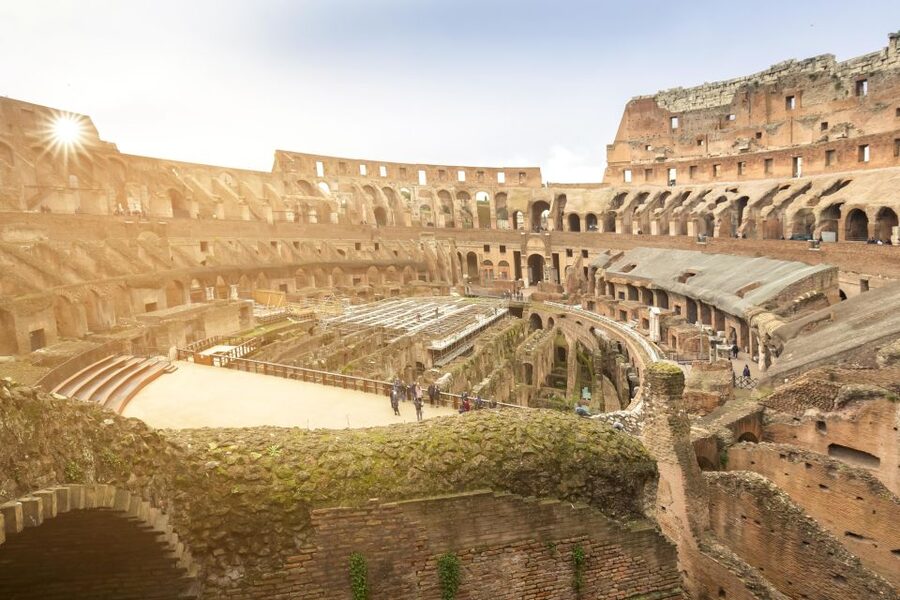
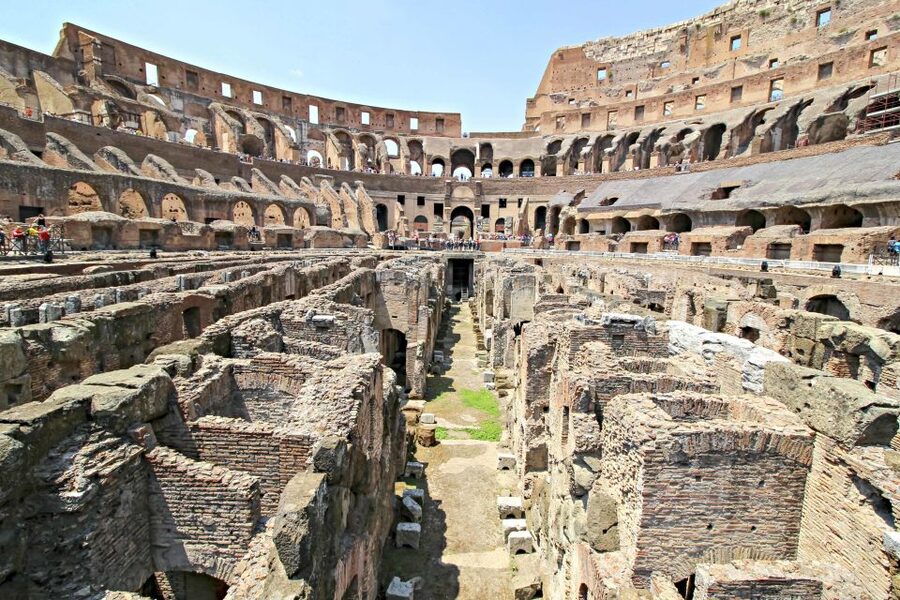
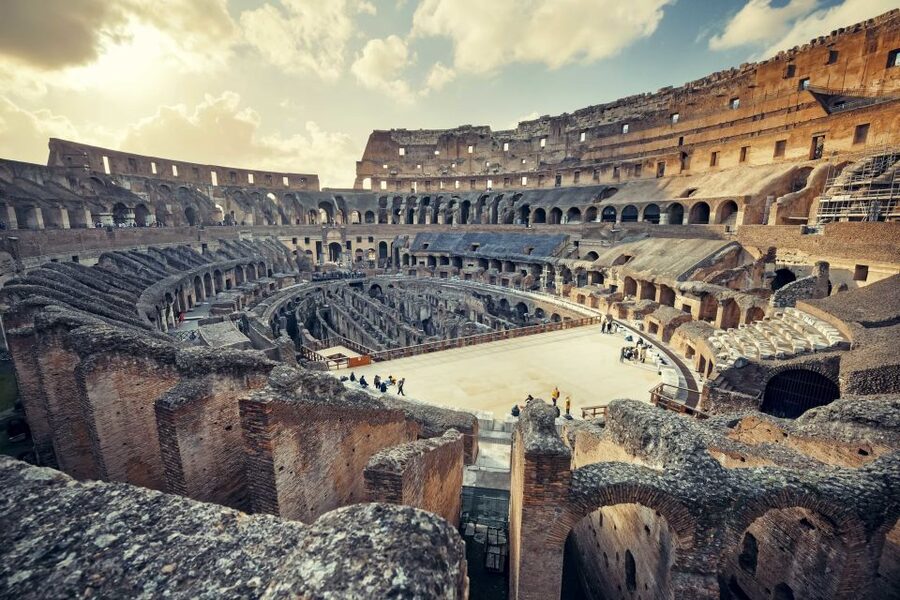
A regular Colosseum visit shows you the enormous amphitheater, its seating levels, and the arena from above. This tour adds the working machinery below the show. The underground level is where animals were held before the spectacle, giving you a better sense of what happened before gladiators and beasts appeared in front of the crowd.
That extra access is the strongest reason to choose this tour. The main arena can feel like a grand shell when you do not know how the games were staged. Below it, the service spaces help explain the hidden labor, movement, and preparation behind the public performance.
You will also hear about the engineering that made the building possible and the political and social reasons the games were held. That context matters. The Colosseum was not simply a place for entertainment. It was tied to power, public favor, social rank, and the image Roman rulers wanted to project.
The underground is not a quiet museum room. Expect a popular site with crowds, stairs, and movement between different areas. The exact route can vary, and underground access is not guaranteed if site conditions prevent it. One guest had the underground portion cancelled and received a refund for that part, so it is sensible to treat this access as a major benefit but not an absolute certainty.
More Colosseum underground tours:
- Rome: Colosseum Underground Small Group Guided Tour
★ 4.7 · 4,844 reviews - Colosseum Underground & Ancient Rome Guided Tour
★ 4.5 · 2,590 reviews - Ancient Rome: Colosseum Underground Group Tour
★ 4.5 · 1,059 reviews
Entering the Arena and seeing Rome from the fighters’ level
The Arena access gives you a different view from the usual upper walkways. From the arena floor, you look outward toward the seating and imagine the crowd above you. Even without reconstructing every detail, the change in viewpoint makes the building easier to understand.
Your guide uses this part of the visit to explain the events that took place here and the methods used to control the show. That is where a live tour helps. A plaque can identify a wall or passage, but a good guide can explain why it mattered and connect it to the larger Roman system.
The best guides on this tour are described as lively without rushing. Donatella, for example, is praised for keeping a group moving through crowded conditions while still explaining the site. Gabriele is singled out for strong storytelling and humor, while Francesca is praised for making the subject easy to follow and adjusting to the group.
You should still expect the experience to be physically active. The tour is not designed as a slow, step-free visit. Wear comfortable shoes, bring identification, and leave large bags, luggage, strollers, sprays, glass objects, drones, and professional cameras behind.
The Roman Forum: where public life happened
After the Colosseum, the tour continues to the Roman Forum and Palatine Hill, although the order may be reversed. The Forum is a wide archaeological area filled with foundations, columns, roads, temples, and open spaces. Without guidance, it can be hard to tell what you are looking at. With the right explanation, the scattered stones become part of a working city.
This is where the tour moves beyond gladiators. You learn about political life, religious practice, social classes, and the daily routines of people who lived in ancient Rome. The Forum was not one single building or attraction. It was a public center where civic, religious, and commercial activity overlapped.
A guide can also point out how Roman buildings were reused and altered over time. The ruins you see are not always the result of one clean historical period. Layers of construction, damage, rebuilding, and later use make the Forum more complicated, but also more interesting.
The area is exposed, uneven, and demanding underfoot. You may spend much of the visit walking between separated ruins rather than entering intact rooms. That is normal here. If you want to understand the Forum, plan to listen closely and use the guide’s explanations to fill in what the surviving stone cannot show.
The guided portion ends back at the meeting point, but the format allows you to continue exploring the Forum and Palatine Hill on your own after the tour. That is useful because three hours can give you a solid overview without letting you linger at every ruin.
Palatine Hill and the best views of the ancient city
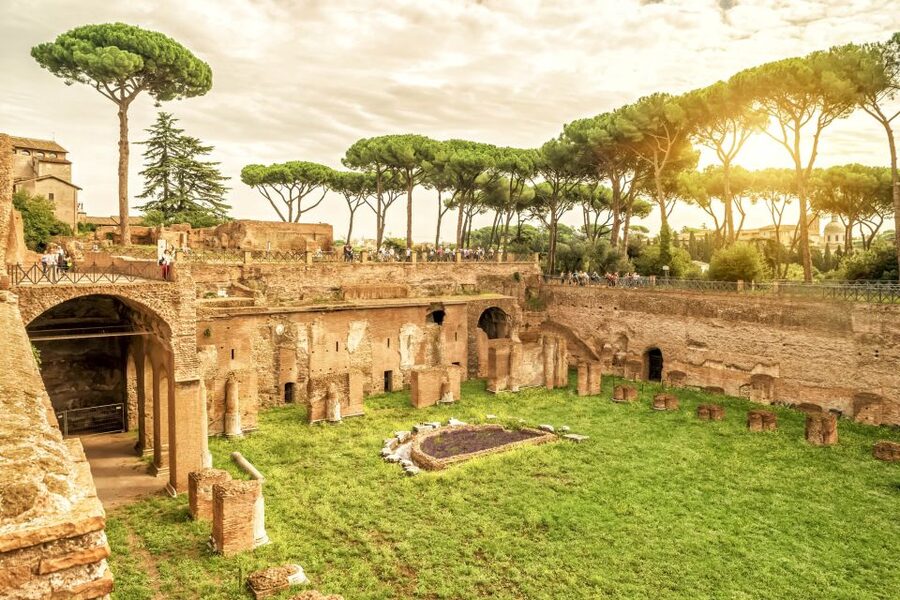
Palatine Hill adds height and breathing room to the tour. From here, you get broad views toward the Colosseum and Circus Maximus, along with a better idea of how the ancient city was arranged.
The hill also helps place Roman power in context. The Forum below was a public center, while the Palatine became associated with elite residences and imperial authority. You can connect the political world of the Forum with the elevated position of those who ruled it.
I like having the option to remain after the official tour. Some people will be ready for lunch or a rest after three hours, while others will want extra time with the ruins and views. The flexible finish lets you decide instead of forcing the entire group into the same schedule.
The trade-off is that Palatine Hill is not an easy stroll. The route has inclines, stairs, and uneven surfaces. If your back or balance is a concern, this is an important part of the decision. The tour specifically excludes wheelchair users, people with mobility impairments, and those with back problems.
More Colosseum tours in Rome:
- Rome: Colosseum, Palatine Hill and Roman Forum Guided Tour
★ 4.8 · 32,814 reviews - Rome: Guided Tour of Colosseum, Roman Forum & Palatine Hill
★ 4.7 · 27,897 reviews - Rome: Colosseum & Forum with Audio Guide App -Optional Arena
★ 4.2 · 24,770 reviews - Rome: Colosseum, Roman Forum and Palatine Hill Guided Tour
★ 4.5 · 23,903 reviews
What the guide adds to the three-hour visit
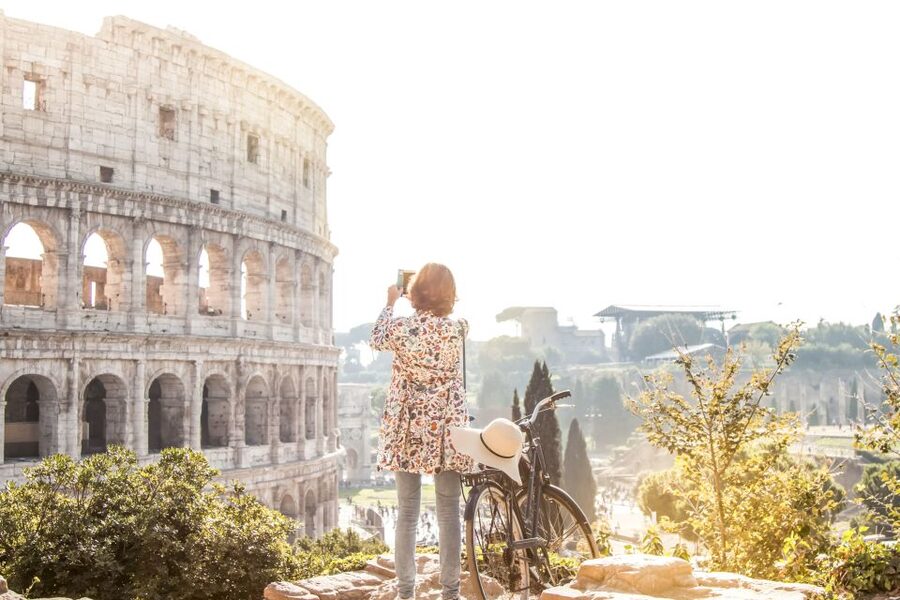
This tour depends heavily on the guide. The Colosseum is visually impressive on its own, but the Forum and Palatine Hill require interpretation. A strong guide keeps the pace moving, explains what survives, and gives you a clear picture of Roman society without turning the visit into a list of dates.
The feedback attached to this experience repeatedly praises guides for being friendly, funny, and easy to understand. Pat is praised for making the visit worthwhile through strong subject knowledge. Francesca is described as a lively storyteller who remained attentive in hot and crowded conditions. Donatella is praised for keeping the group together and responding kindly when one participant struggled with back pain.
Gabriele is noted for combining facts with jokes, and another guide, Janina, reportedly shifted the start time earlier to avoid a long queue. That kind of practical judgment can make a difference at a crowded monument, although you should not assume your own start time will change.
The tour is conducted in Spanish. Headsets are provided when eight or more people are present, which helps when the group is spread out or the site is noisy. Smaller groups may not need them, but the guide still has to manage a setting where voices can easily disappear into the open space.
Group size can vary. Some bookings have effectively become private tours when only a few people were scheduled, while other visits involve a larger group. A private-feeling experience is possible, but it is not something the standard booking promises.
Is $157.47 good value?
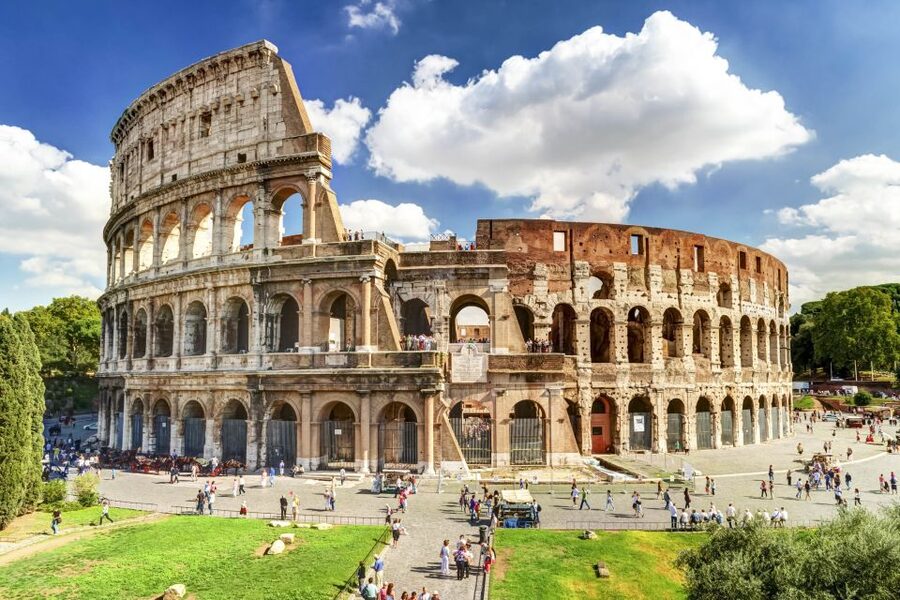
At $157.47 per person, this is not a budget Colosseum visit. You are paying for the guided service, entry to the Colosseum, Forum, and Palatine Hill, plus access to the underground and arena areas when available.
The value is strongest if you want interpretation and special access in one booking. A basic ticket may let you enter the monument, but it will not necessarily explain how the games worked, why the Forum mattered, or how the hill fits into Roman political life. You also avoid trying to piece the visit together while navigating a large archaeological site.
The price is harder to justify if you prefer to move independently, read at your own pace, or spend only a short time inside the Colosseum. The Forum and Palatine Hill are included, but part of the experience is self-directed after the formal tour. You may find that useful, or you may prefer a fully guided visit.
I would consider this a reasonable splurge for a first visit to Rome, especially if the underground level is a priority. It is less appealing for repeat visitors who already understand the site or for anyone who dislikes a fixed three-hour route.
Meeting point, timing, and what to carry
You meet at the green kiosk on the right as you exit the Colosseo Metro station. Look for a staff member carrying a yellow label with the local operator’s name. The metro station has an upper-floor exit, so go downstairs rather than waiting at the wrong level.
Arrive 30 minutes before your scheduled start. This is not a detail to ignore. The Colosseum area is crowded, the station has more than one exit, and a late arrival can create stress before the tour even begins.
The activity lasts three hours, but starting times vary. Check the available time slots before booking, especially if you are coordinating meals, transport, or another timed attraction.
Bring a passport or identity card and comfortable shoes. Large bags and luggage are not allowed, and neither are weapons, sharp objects, baby strollers, drones, professional cameras, sprays, aerosols, or glass objects.
The tour returns to the meeting point at the end of the official activity. You may be able to continue at the Forum and Palatine Hill after the guided portion, so leave enough space in your day if you want to explore at a slower pace.
Who should choose this tour?
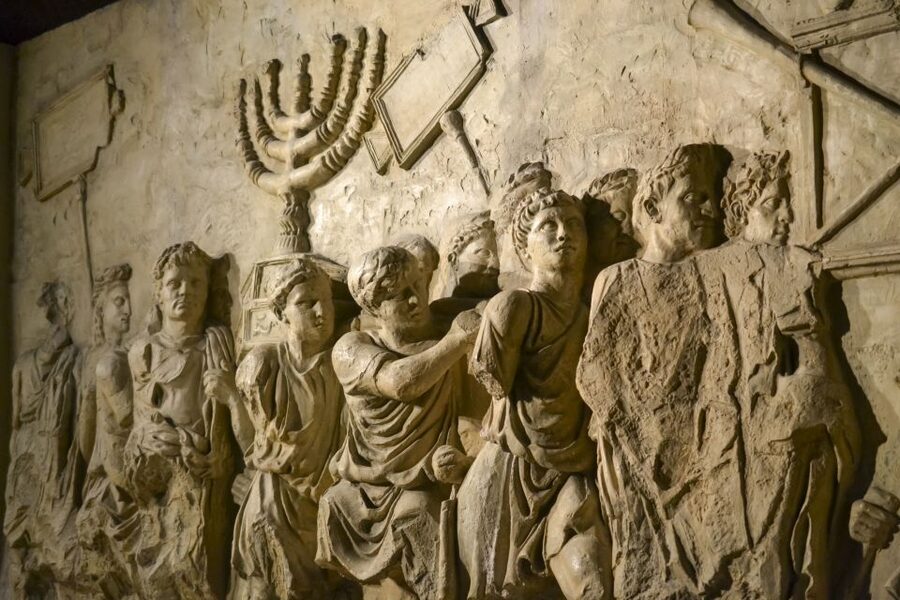
This experience suits you if you want the Colosseum’s most unusual access, prefer a live Spanish-speaking guide, and want the Forum and Palatine Hill explained rather than simply entered. It is particularly useful for a first visit, when the scale and scattered remains can otherwise feel confusing.
It also suits people who enjoy history presented through stories and human details. The guide explains not only construction, but also class structure, religious practice, public life, and the political role of the games.
You may want a different option if you need step-free access, have mobility limits, use a stroller, or have serious back problems. The route involves moderate walking and stairs, and there is no elevator. It is also a poor fit if the non-refundable policy makes you uncomfortable or if you need a tour with guaranteed underground access.
Should you book the Colosseum Underground, Arena & Forum Tour?
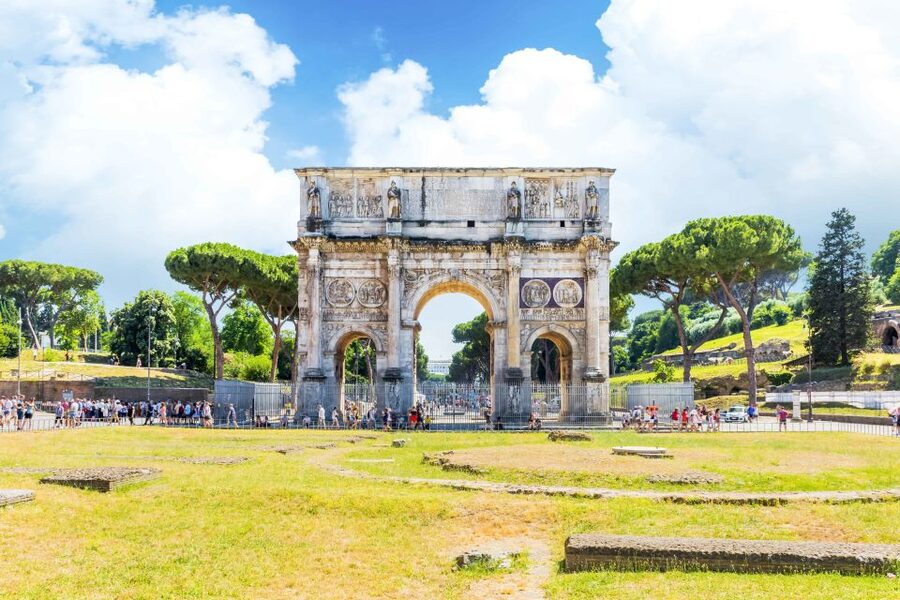
Book it if the underground and Arena access are your main goals and you want a guide to connect the Colosseum with the Forum and Palatine Hill. The three-hour format covers a lot, and the strongest guides add humor, structure, and useful context to places that can otherwise blur together.
Before you commit, make sure you can handle stairs, uneven ground, and a steady walking pace. Arrive early at the correct metro exit, bring identification, and allow for the possibility that underground access may be cancelled because of site conditions.
For a first Rome visit, I see this as a worthwhile premium tour rather than a simple admission ticket. Its value rests on two things: the special Colosseum access and the quality of the guide. If both matter to you, this is a strong choice.
FAQ
How long does the tour last?
The tour lasts three hours. Starting times vary, so check availability for the date you want.
Which sites are included?
The tour includes the Colosseum, the Colosseum Underground and Arena areas, the Roman Forum, and Palatine Hill.
Is the Roman Forum guided?
The tour includes a guided visit to the Forum and Palatine Hill, but you may continue exploring those areas on your own after the official tour.
Can the order of the sites change?
Yes. The tour may begin at the Colosseum or at the Roman Forum and Palatine Hill.
What language is the tour conducted in?
The live tour guide language is Spanish.
Are headsets provided?
Headsets are provided when eight or more people are present.
Where do I meet the guide?
Meet at the green kiosk on the right as you exit the Colosseo metro station. Go downstairs from the upper-floor station exit and look for staff carrying a yellow label with the local operator’s name.
How early should I arrive?
Arrive 30 minutes before your scheduled start time.
Is the tour wheelchair or stroller accessible?
No. There is no elevator, and the tour involves moderate walking. It is not suitable for wheelchair users, people with mobility impairments, or baby strollers.
More underground Rome tours
- Colosseum: Underground and Ancient Rome Tour
★ 4.7 · 12,691 reviews - Rome: Crypts and Catacombs Underground Tour with Transfers
★ 4.6 · 5,341 reviews - Expert Guided Tour of Colosseum Arena OR Underground, and Forum
★ 4.5 · 5,041 reviews - Rome: St. Peter’s Basilica, Dome Climb, and Underground Tour
★ 4.8 · 3,404 reviews
Newest Rome tours we have reviewed
- Private TikTok Video Making in Rome★ 5.0 · 7 reviews
- Assisi, Orvieto and Civita di Bagnoregio Full Day Tour from Rome★ 4.5 · 45 reviews
- Assisi & Saint Francis Path Tour from Rome★ 5.0 · 45 reviews
- Art & Craft: Beer Tour with Street Art in Rome★ 4.5 · 6 reviews
- Assisi and Cascia Private Day Tour from Rome with Lunch★ 5.0 · 10 reviews
- Art Class in the center of Rome!★ 4.0 · 4 reviews
- Arrival in Rome: Airport Transfer & Exclusive City Introduction★ 5.0 · 3 reviews
- From Rome: Private Day-Tour of Tuscany★ 5.0 · 16 reviews
Colosseum Underground Tours, compared.
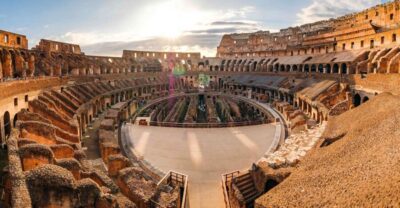
Colosseum Underground Small Group Guided Tour
Read our review →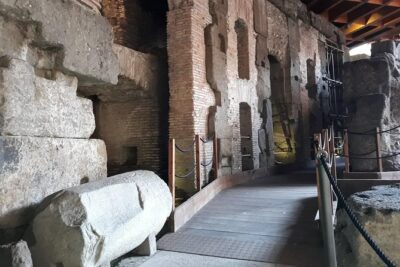
Colosseum Underground & Ancient Rome Guided Tour
Read our review →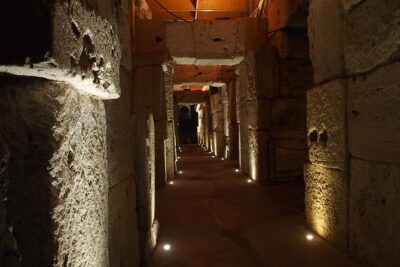
Ancient Rome: Colosseum Underground Group Tour
Read our review →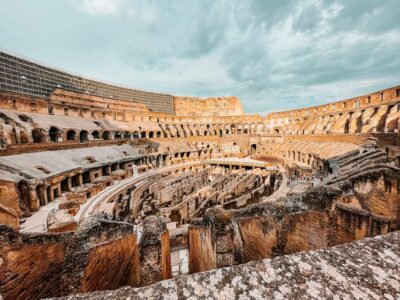
Colosseum Tour with Underground and Arena Floor Access
Read our review →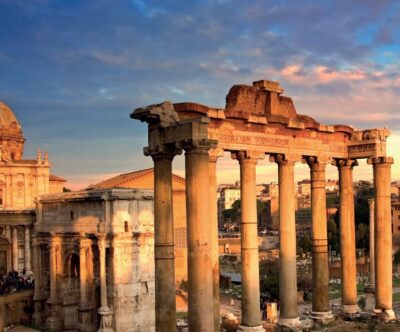
Exclusive Colosseum Underground and Roman Forum Tour
Read our review →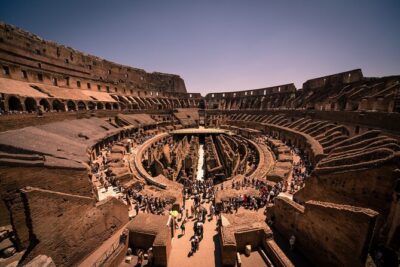
Colosseum Underground and Roman Forum Guided Tour
Read our review →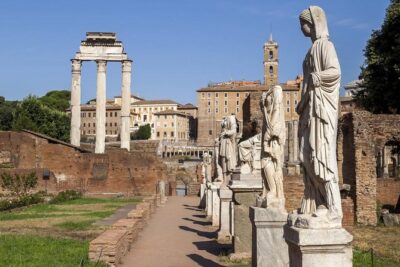
Colosseum Underground, Roman Forum & Cesar Palace Special Access
Read our review →Browse the lists this tour appears in