
Reviewed · ROMAN FORUM AND PALATINE HILL TOURS
Rome: Domus Tiberiana, Roman Forum, and Palatine Hill Tour
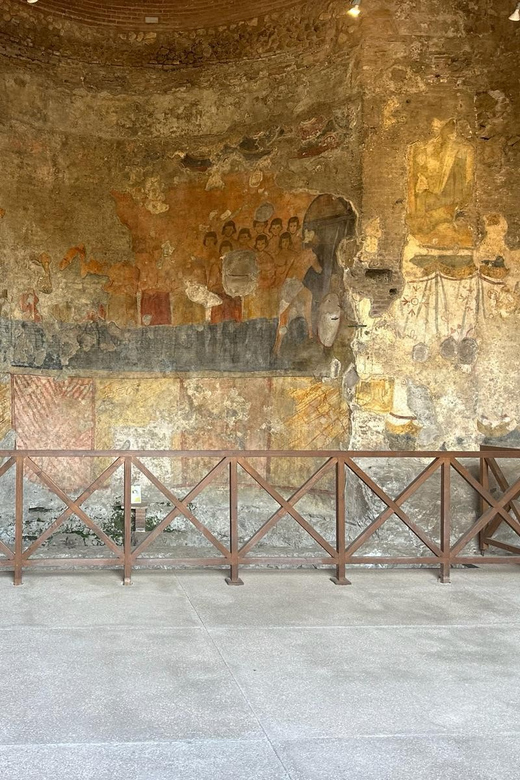
The most unusual part of this tour is Domus Tiberiana, a huge imperial palace complex spread along the Palatine Hill. It is less instantly familiar than the Forum, but it helps you see how Rome’s emperors lived above the public world below. From there, the route connects the palace ruins with the Roman Forum and the hill traditionally linked with Rome’s founding.
I like the private guide format, which gives you room to ask questions instead of following a large group at a fixed pace. I also like the way this tour joins three related sites in one visit: the Forum’s civic center, the Palatine’s imperial residences, and Domus Tiberiana’s palace remains. The main consideration is physical: the tour is not suitable for wheelchair users, people with low fitness, back or heart problems, or pregnant women.
Key points to know before booking
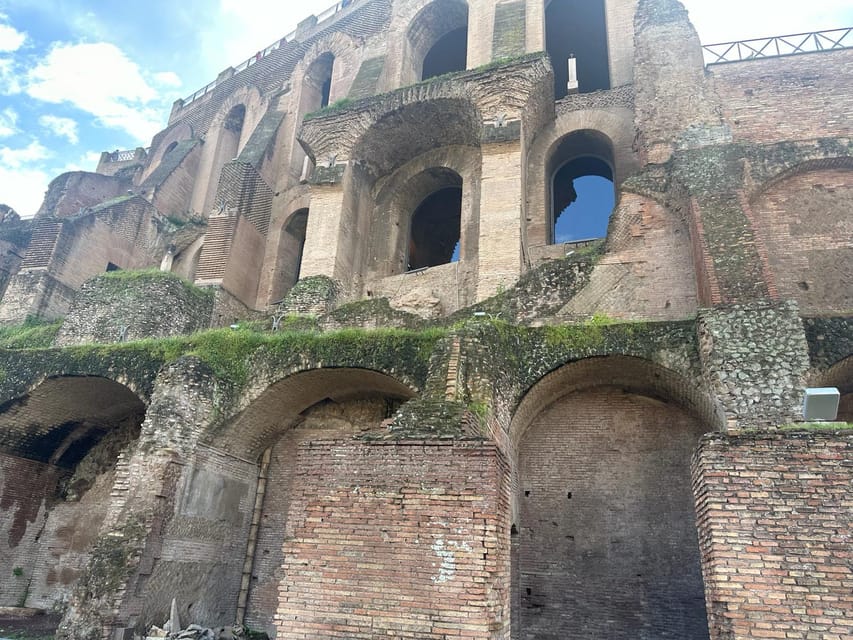
- Domus Tiberiana is the tour’s special focus: Explore the remains of a massive imperial palace complex on the Palatine.
- Three major ancient sites connect in 2.5 hours: The route covers Domus Tiberiana, the Roman Forum, and Palatine Hill.
- A private English-speaking guide leads the visit: Guides named Donatella and Dominica have been praised for clear explanations and a warm manner.
- The Forum shows Rome at public scale: Temples, political spaces, and civic ruins reveal how the city functioned for more than a millennium.
- Express security access saves some waiting: Entry tickets and fees are included, with an express security check.
- Plan for a walking tour over uneven ancient ground: Comfortable shoes are essential, and large bags, backpacks, food, drinks, and strollers are not allowed.
Why Domus Tiberiana gives this tour its character
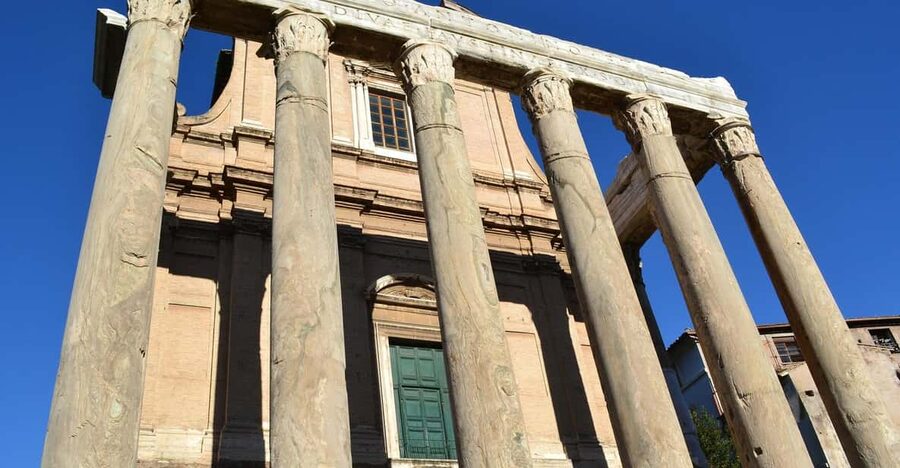
Many Rome tours concentrate on the Colosseum and give the Roman Forum a quick pass. This experience takes a different angle. Its main subject is the imperial world on the Palatine, especially Domus Tiberiana, a vast palace complex built on the slopes above the Forum.
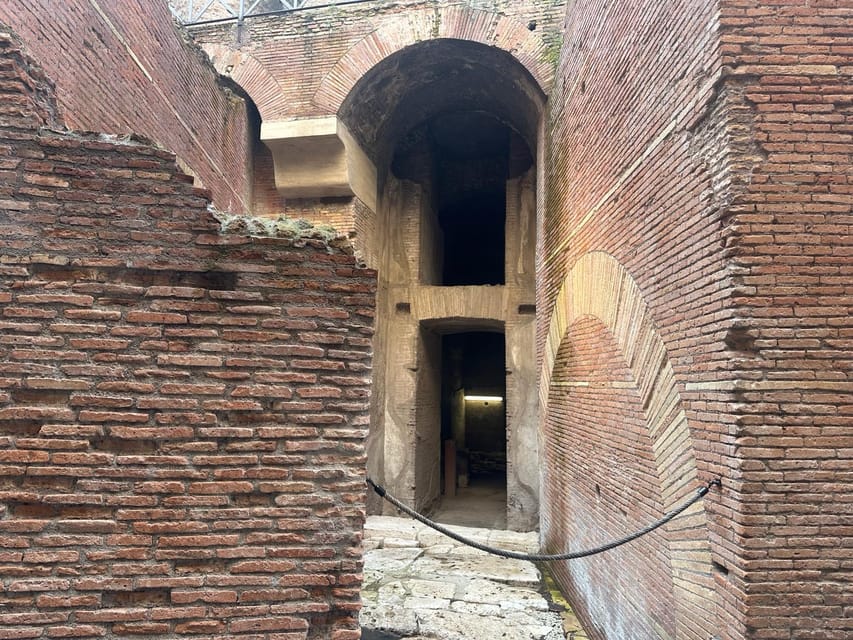
The name connects the site with Emperor Tiberius, though the palace complex developed over time. The important point for you is that this is not one tidy house with rooms waiting to be identified. It is a broad group of ruins, walls, terraces, and architectural remains. Your guide has to help you picture the scale and purpose of what you see.
That is where the private format earns its keep. Ancient Roman ruins can look like a jumble of stone if nobody explains how the pieces fit together. A guide can point out the difference between a private imperial residence and a public building, explain how the palace occupied the hill, and connect the remains with emperors such as Augustus, Tiberius, and Domitian.
Donatella and Dominica are named guides associated with this experience. Donatella received especially strong praise for explaining the ancient history clearly, bringing the ruins to life, and extending the visit beyond the planned two and a half hours. You should not count on extra time, since the stated duration is 2.5 hours, but her reported approach suggests the tour can feel personal rather than rushed.
More Roman Forum and Palatine Hill tours:
- Rome: Colosseum, Palatine Hill and Roman Forum Guided Tour
★ 4.8 · 32,814 reviews - Rome: Guided Tour of Colosseum, Roman Forum & Palatine Hill
★ 4.7 · 27,897 reviews - Rome: Colosseum, Roman Forum and Palatine Hill Guided Tour
★ 4.5 · 23,903 reviews
Palatine Hill, where palace and legend meet
Palatine Hill is the natural backbone of the route. It overlooks Rome and carries two very different stories. One is the political story of imperial power, with emperors building grand residences high above the Forum. The other is the legendary story of Rome’s beginnings, since the hill is traditionally linked with the city’s foundation.
The imperial remains include residences connected with Augustus, Tiberius, and Domitian. These names matter because they represent different stages of Rome’s rule. Augustus shaped the early empire after the republic. Tiberius followed him. Domitian later expanded the palace world on the Palatine in a grander and more formal direction.
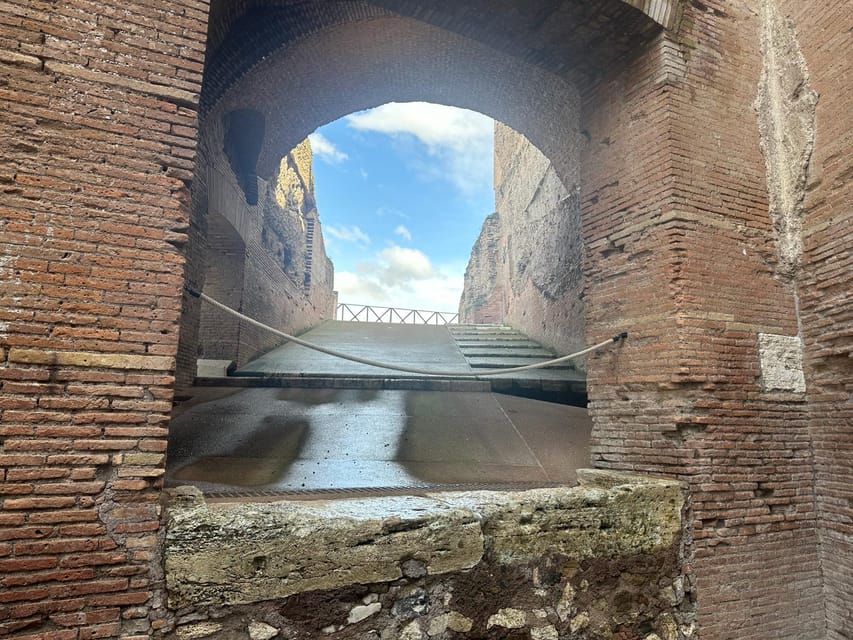
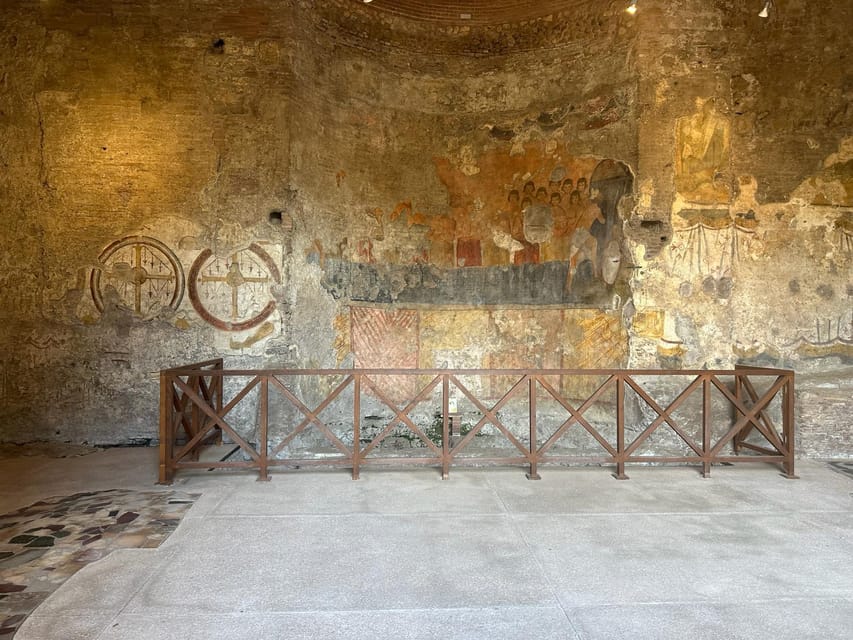
You will not be walking through a fully restored palace. Instead, you see fragments that require explanation: foundations, walls, open spaces, and the outlines of once-powerful buildings. I find that this kind of site works best when you stop trying to picture a perfect marble palace and focus on the relationship between the buildings, the hill, and the city below.
The views from Palatine Hill add another layer. The hill overlooks the expanse of Rome, and that position explains its appeal to rulers. It offered status, space, and a commanding place above the Forum. Your guide can connect the physical setting with the social order of ancient Rome, where the emperor’s residence looked down toward the spaces where politics, religion, and public business took place.
Be ready for walking on ancient surfaces and across a large archaeological area. Comfortable shoes are not a minor suggestion here. The tour is specifically unsuitable for people with low fitness, back problems, heart problems, or limited mobility.
Domus Tiberiana, a palace complex rather than a single monument
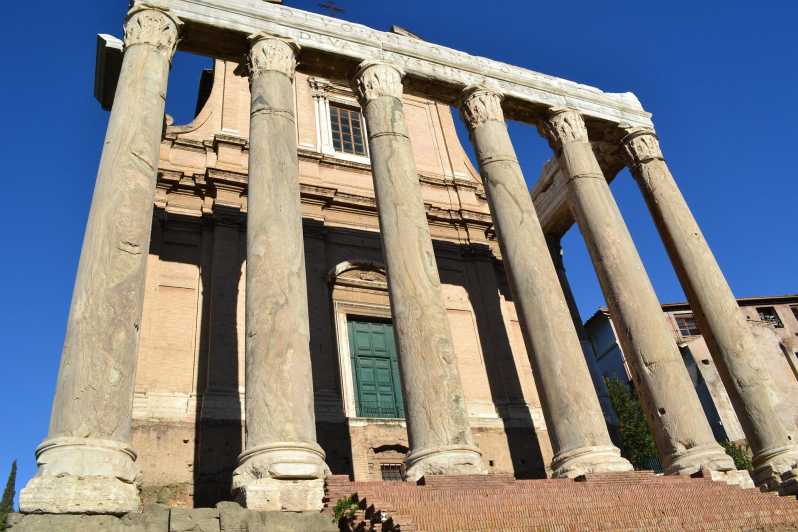
Domus Tiberiana is the most distinctive stop because its scale is easy to underestimate. The word domus can suggest a private Roman house, but this complex was part of the imperial palace zone. Its ruins spread along the Palatine and show how much building was needed to support the emperor’s residence and court.
The value of visiting with a guide is mainly interpretive. You need context to understand that the emperor’s home was also a center of power. Decisions affecting the empire were made around this palace world. The surviving remains are quiet, but the setting once belonged to the highest level of Roman government.
The tour description also places Domus Tiberiana on the slopes of Palatine Hill. That position lets you connect the palace with the wider group of imperial buildings. Rather than treating the site as an isolated ruin, the guide can show how it relates to the residences and structures spread across the hill.
For many people, this will be the part of the tour that feels least familiar and most rewarding. The Forum has famous names and recognizable monuments. Domus Tiberiana asks more of your imagination, but it also gives you a better sense of the Palatine as an enormous palace district.
Do not expect a museum-style visit with a long indoor sequence. The experience centers on outdoor ruins and the remains of ancient architecture. Food and drinks are not allowed, and large bags, backpacks, luggage, drones, bikes, glass objects, and baby strollers are prohibited. Bring identification, since a passport or ID card is required.
The Roman Forum, Rome’s public center
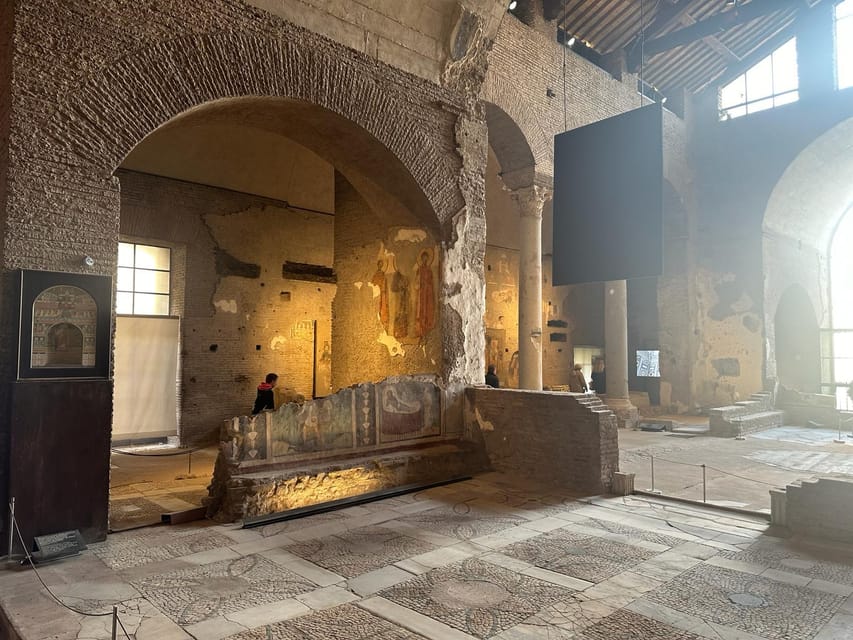
The Roman Forum changes the focus from imperial residence to public life. For more than a millennium, this was the center of Rome’s political, religious, and social activity. The ruins can be hard to read at first, since the site contains layers from different periods and buildings that no longer have their original roofs or walls.
A guide helps you understand the Forum as a working place rather than a collection of broken columns. This was where public business, religious ceremonies, political activity, and social life came together. The connection with Palatine Hill is especially useful: the Forum was the public heart below, while the imperial palaces occupied the high ground nearby.
The Forum also rewards a slower explanation. A quick walk can give you impressive photographs but little sense of how the spaces functioned. On a private tour, you can ask about the purpose of a building, the role of an emperor, or the difference between a religious site and a political one.
The tour places the Forum within a larger story instead of making it the only attraction. You see the public machinery of Rome, then the palaces of the people who ruled it. That contrast is one of the strongest reasons to choose this route over a simple walk through the Forum.
The 2.5-hour duration is enough for a focused introduction, but it is not long enough to examine every ruin in detail. You will need to accept some selectivity. The guide will likely concentrate on the main sites and the links among them rather than trying to explain every visible stone.
Same city, a completely different half-day:
- Vatican Museums & Sistine Chapel Tour with Optional Basilica
★ 4.3 · 67,413 reviews - Vatican Museums, Sistine Chapel & St Peter’s Basilica Guided Tour
★ 4.5 · 39,149 reviews - Rome: Colosseum & Forum with Audio Guide App -Optional Arena
★ 4.2 · 24,770 reviews - Rome: City Sightseeing Hop-on Hop-off Bus with Audioguide
★ 4.0 · 16,045 reviews
How the three stops fit together
The route works because each place answers a different question.
- The Roman Forum shows where Rome conducted public business.
- Palatine Hill shows where Rome’s rulers lived and where legend places the city’s earliest beginnings.
- Domus Tiberiana shows the scale and reach of the imperial palace complex.
Together, they give you a useful framework for ancient Rome. You are not simply moving between attractions. You are seeing how public life, imperial authority, religion, and Roman origin stories occupied the same small part of the city.
That structure also helps if you are new to Roman archaeology. The ruins can otherwise blur together. Here, the guide’s job is to make clear why one site mattered and how it related to the next.
The strongest praise for this experience centers on the guides’ explanations and personal attention. Donatella was described as charming and exceptionally clear, while Dominica was praised for making the tour historical, informative, and enjoyable. Those qualities matter at the Forum and Palatine because the site rarely explains itself.
Timing, meeting point, and what the price covers
The tour costs $111.02 per person and lasts 2.5 hours. That is not the cheapest way to see the Forum and Palatine, but it is a reasonable price if you value a private guide, included entry tickets, and a focused explanation of a complicated archaeological area.
Your ticket covers Domus Tiberiana, the Roman Forum, and Palatine Hill. All fees and taxes are included, and the tour uses an express security check. That can make the experience easier than arranging separate admission and trying to understand the site alone.
The meeting point is the activity provider’s office. From the Colosseo Metro station, turn right on Via dei Fori Imperiali and continue to the first traffic light. Turn right on Via Cavour, then left onto the second street, Via del Cardello. The tour ends back at the meeting point.
Allow a little time to find the office, especially if you are coming directly from the Metro. The stated starting time varies, so you need to check availability when booking. The guide speaks English, and the experience is private rather than a general group walk.
You can cancel up to 24 hours before the start for a full refund. You can also reserve now and pay later, which is useful if your Rome schedule is still shifting.
What to bring and what to leave behind
Wear comfortable shoes. The route covers archaeological ground on a hill, and the practical restrictions point to a walking visit rather than a casual stop between other sights.
Bring your passport or ID card. Do not arrive with luggage, large bags, backpacks, food, drinks, drones, bikes, glass objects, alcohol, or drugs. Baby strollers are also not allowed, and climbing is prohibited.
The restrictions may feel strict, but they are important for a site filled with fragile ruins and controlled access points. Pack lightly before you arrive. If you are carrying a larger day bag, you should make other arrangements before reaching the meeting point.
The tour is not suitable for wheelchair users, pregnant women, or people with back, heart, or fitness concerns. That is not simply a warning about comfort. Palatine Hill and the Forum require sustained walking, and the ancient setting is not presented as a fully accessible route.
Who will get the most from this private tour
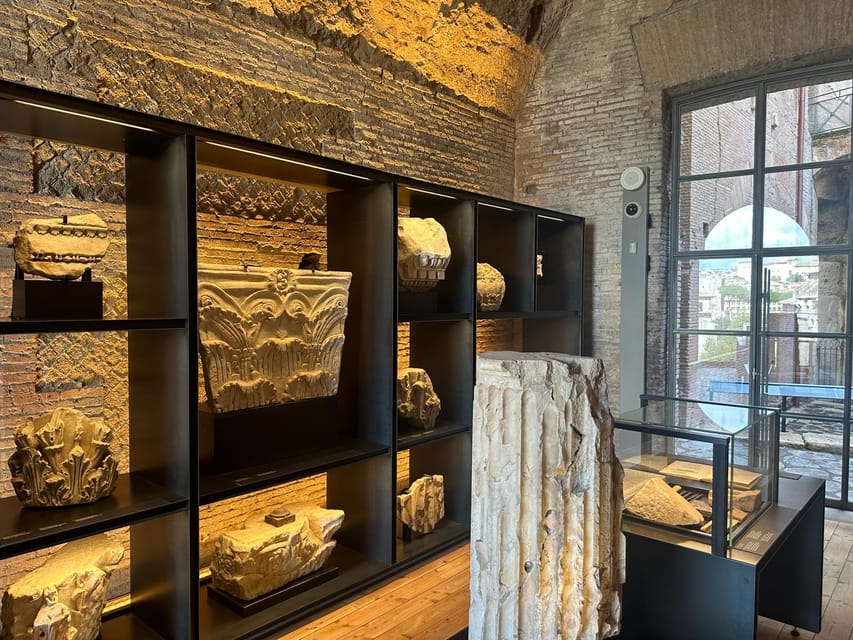
I would choose this experience if you want more than a quick photo stop at the Forum. It suits you if ancient politics, emperors, palace life, and the physical layout of Rome interest you, but you do not want to spend hours studying the site alone.
It is also a good match for first-time visitors who want a clear introduction to the Forum and Palatine. The private format lets you ask basic questions without feeling out of place, and it gives the guide space to adjust the explanation to your interests.
You should think twice if you want a slow, highly detailed archaeological study. Two and a half hours passes quickly across three major areas. You may leave with a strong overview but still want more time for individual ruins.
Families with very young children may also find the no-stroller rule and the walking conditions difficult. The experience is better suited to people who can manage a hilltop route without much assistance.
Should you book the Domus Tiberiana and Forum tour?
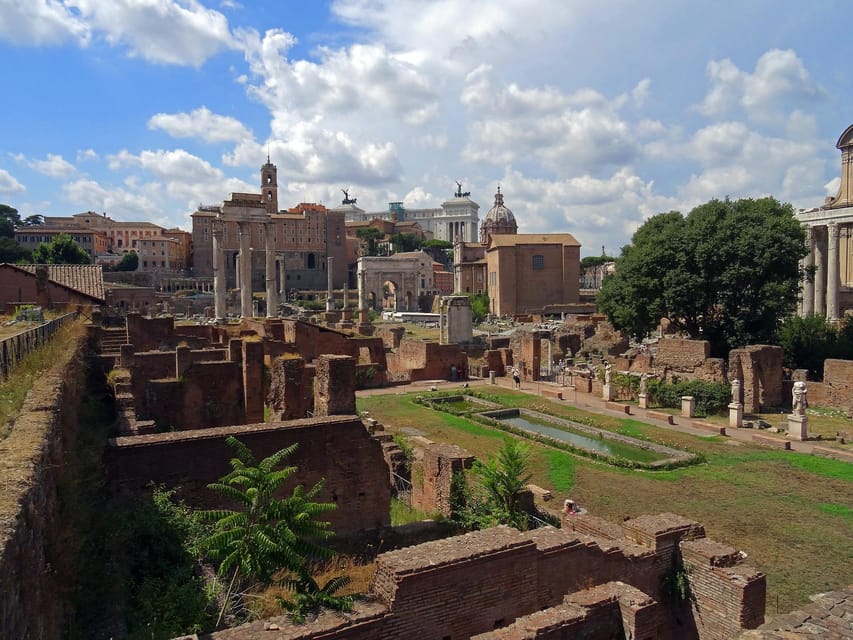
Book it if you want a private, English-language explanation of Rome’s imperial center and you value the less familiar Domus Tiberiana as much as the famous Forum. The guide is the main reason to pay more than a basic entry ticket, and Donatella or Dominica may bring the site to life with the kind of clear storytelling this setting needs.
Skip it if you need wheelchair access, cannot manage extended walking, or want a relaxed visit with food and a large bag. For everyone else, the combination of palace ruins, public monuments, and Palatine views makes this a focused way to understand how ancient Rome was built, ruled, and remembered.
FAQ
How long does the tour last?
The tour lasts 2.5 hours. Check availability for the exact starting time.
Which sites are included?
The tour includes Domus Tiberiana, the Roman Forum, and Palatine Hill. Entry tickets for all three are included.
Is the tour private?
Yes. A private English-speaking guide leads the experience.
Where does the tour start and end?
The tour starts at the activity provider’s office on Via del Cardello and ends back at the meeting point. From Colosseo Metro station, follow Via dei Fori Imperiali, turn onto Via Cavour, and then continue to Via del Cardello.
What should I bring?
Bring a passport or ID card and wear comfortable shoes.
Can I cancel the booking?
Yes. You can cancel up to 24 hours in advance for a full refund. You can also reserve now and pay later.
Newest Rome tours we have reviewed
- Private TikTok Video Making in Rome★ 5.0 · 7 reviews
- Assisi, Orvieto and Civita di Bagnoregio Full Day Tour from Rome★ 4.5 · 45 reviews
- Assisi & Saint Francis Path Tour from Rome★ 5.0 · 45 reviews
- Art Class in the center of Rome!★ 4.0 · 4 reviews
- Art & Craft: Beer Tour with Street Art in Rome★ 4.5 · 6 reviews
- Assisi and Cascia Private Day Tour from Rome with Lunch★ 5.0 · 10 reviews
- Arrival in Rome: Airport Transfer & Exclusive City Introduction★ 5.0 · 3 reviews
- From Rome: Private Day-Tour of Tuscany★ 5.0 · 16 reviews
Roman Forum and Palatine Hill Tours, compared.
Colosseum, Palatine Hill and Roman Forum Guided Tour
Read our review →
Guided Tour of Colosseum, Roman Forum & Palatine Hill
Read our review →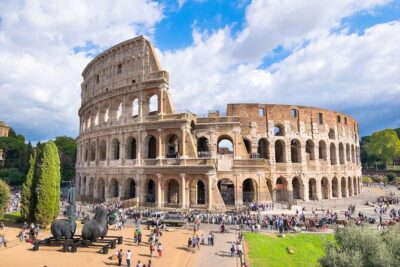
Colosseum, Roman Forum and Palatine Hill Guided Tour
Read our review →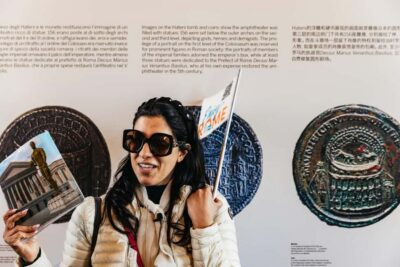
Colosseum, Forum & Palatine Hill Tour & Optional Arena
Read our review →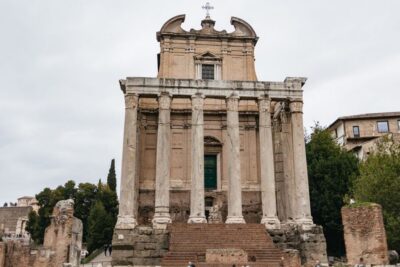
Colosseum, Palatine Hill & Roman Forum Guided Tour
Read our review →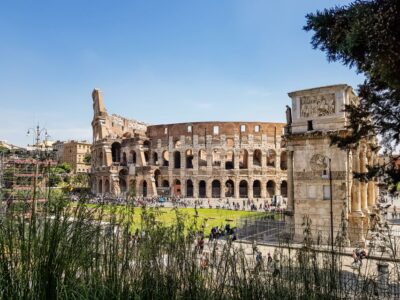
Colosseum Arena, Palatine Hill & Forum Guided Tour
Read our review →
Colosseum, Roman Forum & Palatine Hill Guided Tour
Read our review →Colosseum, Roman Forum And Palatine Hill Guided Tour
Read our review →Browse the lists this tour appears in