
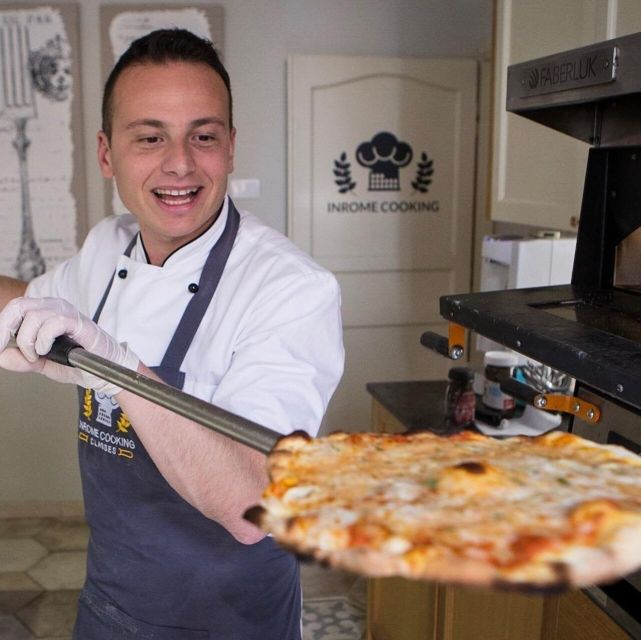
Reviewed · ROME COOKING CLASSES
Rome: Gourmet Pizza Cooking Class (SHARED)
Roman pizza is the star here, and it is not the thick, chewy Neapolitan pie many visitors expect. In 90 minutes, you make dough from scratch, shape your own thin base, add fresh toppings, and eat the result with wine in a cooking school near Piazza Navona.
I like the hands-on dough work and the easy social start with aperitivo snacks and welcome drinks. I also like the chance to choose between pizza rosso and pizza bianca, then add seasonal ingredients such as mozzarella, prosciutto, zucchini flowers, or black olives.
The main drawback is the short format. You get useful tips and a tasty meal, but not a long lesson in fermentation or oven technique. The class is also not suitable for people with mobility impairments, and the shared setting may not suit anyone seeking a private lesson.
Key points to know before booking
- You make the dough yourself, rather than simply watching a chef prepare pizza.
- Roman pizza is thin and crisp, giving you a useful comparison with Naples-style pizza.
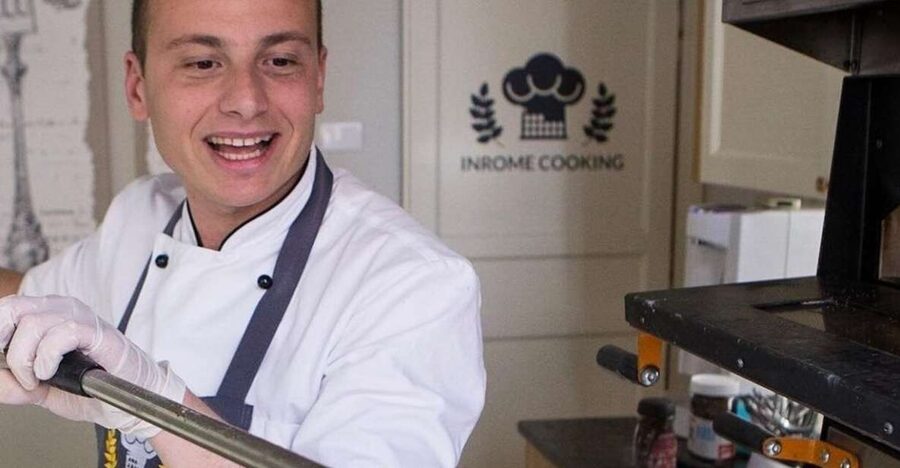
- Marco is one named chef, though your English-speaking instructor may vary.
- Aperitivo comes first, with welcome drinks and snacks before the cooking begins.
- Seasonal toppings change, so the exact choices depend on the time of year.
- The class meets near Piazza Navona, at Corso del Rinascimento 65, and lasts 1.5 hours.
Starting with aperitivo near Piazza Navona
Your class begins at InRome Cooking, with the meeting point at Corso del Rinascimento 65. Ring the doorbell marked InRome Cooking. The location is near Piazza Navona, so this works well as part of an afternoon or evening in central Rome.
The first few minutes follow the Italian aperitivo tradition. You receive welcome drinks and snacks before turning to the dough. This is more than a polite opening. It gives you time to settle in, meet the other people in the shared class, and shift from sightseeing mode to cooking mode.
That relaxed start matters in a short class. You are not rushed straight into weighing flour or handling dough. Instead, you get a small taste of the social side of Italian food, where eating and conversation often begin before the main meal.
The class is taught in English by a professional local chef. One named instructor, Marco, has been praised for sharing useful pizza-making tips in an easygoing way. Your chef may be someone else, but the class is designed for English speakers.
Because this is a shared experience, the mood depends partly on the group. That can be a plus if you like meeting people over food. It also means you will not have the full attention of a private chef at every moment.
More cooking classes in Rome:
- 3 in 1 Cooking Class near Navona: Fettuccine, Ravioli & Tiramisu
★ 5.0 · 7,376 reviews - Rome: 3-in-1 Fettuccine, Ravioli, and Tiramisu Cooking Class
★ 4.9 · 2,704 reviews - Rome: Fettuccine Pasta Cooking Class in Rome’s City Center
★ 4.8 · 2,414 reviews
Making dough from scratch
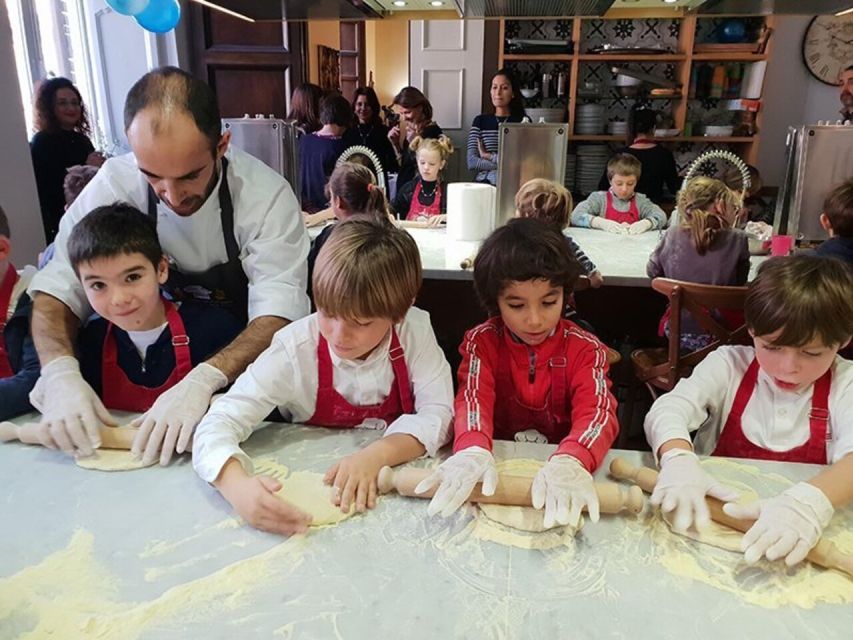
The central part of the class is making your own dough. This is the most valuable skill to take home because dough controls the texture of the finished pizza. The chef guides you through the process and explains how to shape your base.
You will roll the dough into your own pizza base rather than receiving a ready-made round. The point is not to produce a perfect restaurant shape. Your pizza may come out slightly irregular, which is part of the fun and gives the meal a personal touch.
The class focuses on the balance between dough, sauce, and toppings. That balance is important. Too much sauce can weigh down a thin base. Too many toppings can hide the flavor of the crust. The chef’s tips help you see why a simpler pizza can taste better than one piled high with ingredients.
You should expect practical guidance rather than a long technical course. The 1.5-hour schedule leaves enough time to prepare, top, bake, and eat, but not enough for a full study of flour types, long fermentation, or several different dough recipes.
That is not a fault if you want an enjoyable Rome activity with a useful cooking lesson attached. It matters more if you already bake pizza at home and want advanced instruction. In that case, you may find the class introductory.
Roman pizza versus Naples pizza
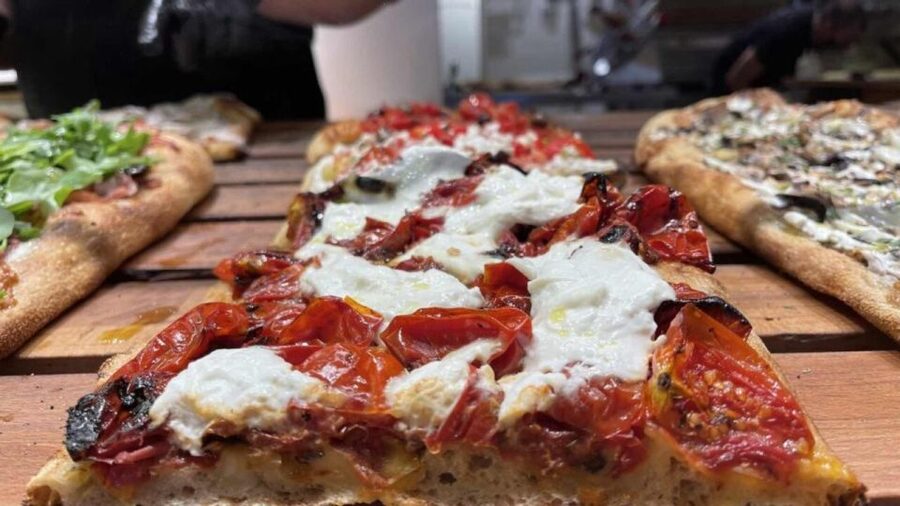
One of the best details is the comparison between Roman and Neapolitan pizza. Roman pizza is thinner and crunchier, while pizza from Naples is usually associated with a softer, chewier base.
This distinction gives the cooking class a clear local focus. You are not simply learning a generic Italian pizza recipe. You are making a style connected to Rome and then eating it in the city where that style belongs.
The difference is especially useful if you plan to visit both Rome and Naples. You can pay closer attention to the crust in each city instead of treating every pizza as the same. A thin, crisp Roman base also suits diners who prefer a lighter bite and a firm texture.
The class does not promise a survey of every pizza style in Italy. You make one Roman-style pizza, then learn how it differs from its Neapolitan cousin. For most first-time visitors, that is enough context to make the meal more memorable.
Choosing between pizza rosso and pizza bianca
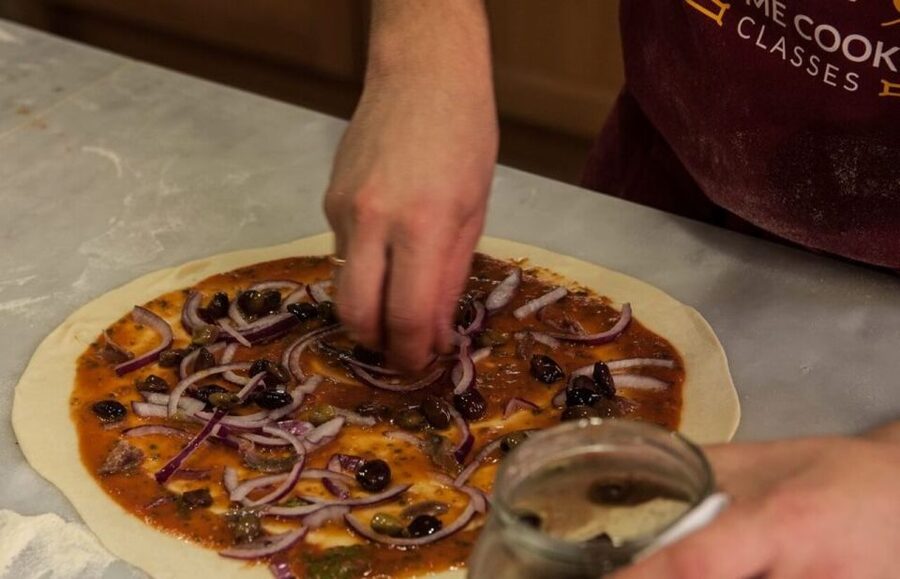
After preparing the base, you move to the toppings. You may choose pizza rosso, with tomato sauce, or pizza bianca, which keeps the base free of tomato. This gives you a simple way to compare two classic directions.
Pizza rosso brings tomato into the foreground. Pizza bianca lets the dough, cheese, and other toppings play a bigger role. Neither choice is presented as the only correct one, and that freedom makes the class feel more personal.
Mozzarella is available for the topping stage, along with a selection of fresh ingredients. Depending on the season, you might find prosciutto, zucchini flowers, or black olives. Zucchini flowers are a particularly Roman-feeling option, while olives bring a salty contrast and prosciutto adds a fuller, meatier flavor.
The exact ingredients change with the season. That is good for freshness, but it means you should not book expecting one fixed menu. If you have your heart set on a certain topping, the class description does not guarantee it will be available.
The changing selection also keeps the meal tied to Italian cooking habits. Rather than relying on the same ingredients all year, the kitchen uses what is fresh at the time. You get to make choices, but within the limits of what the kitchen has that day.
Same city, a completely different half-day:
- Vatican Museums & Sistine Chapel Tour with Optional Basilica
★ 4.3 · 67,413 reviews - Vatican Museums, Sistine Chapel & St Peter’s Basilica Guided Tour
★ 4.5 · 39,149 reviews - Rome: Colosseum, Palatine Hill and Roman Forum Guided Tour
★ 4.8 · 32,814 reviews - Rome: Guided Tour of Colosseum, Roman Forum & Palatine Hill
★ 4.7 · 27,897 reviews
Baking and eating your own pizza
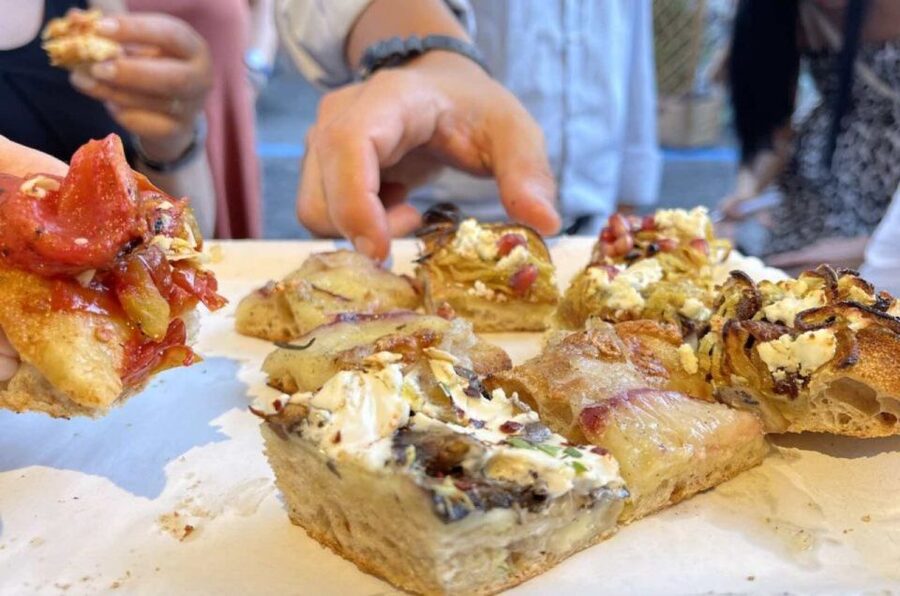
Once your base and toppings are ready, the pizza goes into the oven. The experience then turns from lesson to meal. You eat the pizza you made, with wine and the relaxed feel of the aperitivo opening.
This is where the class earns much of its appeal. You are not preparing food only to watch someone else finish it. Your work becomes the main course. The final pizza may not have the neat shape of a professional pie, but it should carry the satisfaction of having made it yourself.
The wine also helps the class feel like a small Italian food experience rather than a formal cooking demonstration. It is a natural match for pizza and gives you time to talk with the chef and the rest of the shared group.
Keep your expectations sensible. This is a short class, not a restaurant tasting menu or a full evening of multiple courses. The main food is your pizza, supported by welcome snacks and drinks. For a light meal or early dinner, that can be just right.
The shared setup adds a social side, but it can also mean less control over the pace. You may need to wait briefly while other participants finish shaping or topping their dough. If you enjoy a group activity, that pause is part of the experience. If you want a private, quiet meal, choose a different format.
Is $93 a fair price?
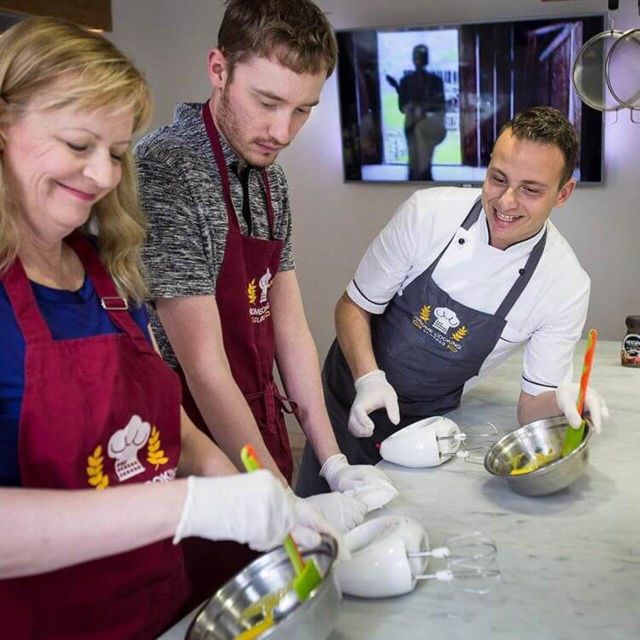
At $93 per person, this is not the cheapest pizza you can eat in Rome. You can find a slice or a simple pizza for far less. The price makes sense only if you value the lesson, the chef’s guidance, the ingredients, the welcome snacks, the wine, and the chance to prepare the food yourself.
The 1.5-hour length helps keep the activity easy to fit into a Rome schedule. You do not lose half a day, and you can pair the class with nearby sights such as Piazza Navona and the Pantheon. For couples, families with older children, and food-focused visitors, the time saved can be part of the value.
I would consider the price reasonable for someone who wants an activity rather than just lunch. You are paying for participation and instruction, not simply for a plate of pizza. The value is weaker if you mainly want the most inexpensive meal or already have several food activities planned.
There is also no hotel pickup or drop-off. That is not a serious issue in central Rome, but you need to reach Corso del Rinascimento 65 on your own and allow time to find the doorbell. Since the meeting point is central, it is best combined with sightseeing in the surrounding area.
Free cancellation up to 24 hours before the start and a reserve-now, pay-later option make the booking less rigid. Check the available starting times before you commit, since the listed duration does not tell you which hours run on your date.
Who will enjoy this class most
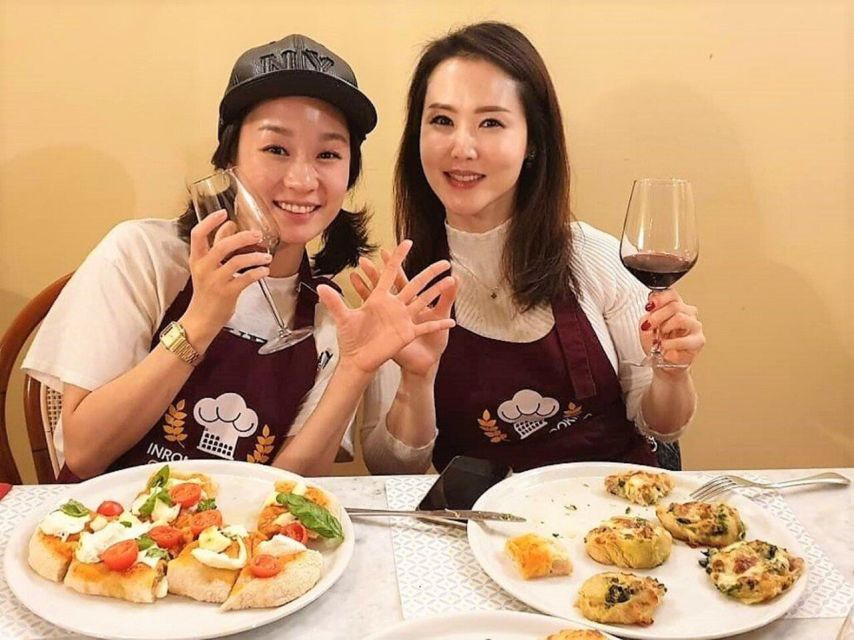
I would choose this class for you if you want to do something practical in Rome and enjoy food as a way to meet people. It works especially well for first-time visitors who want a local cooking activity without giving up an entire day.
It also suits anyone curious about the difference between Roman and Neapolitan pizza. The thin, crisp base gives the class a distinct Roman identity, and you leave with a better sense of what to order at pizzerias around the city.
Families and mixed-age groups may like the clear sequence: drink and snack, make dough, add toppings, bake, and eat. The short length is less demanding than a long pasta-making workshop. Still, the activity is not suitable for people with mobility impairments, so check your comfort with the cooking setup before booking.
I would be more cautious if you want a private class, advanced baking instruction, or a guaranteed list of ingredients. This is a shared, social class with seasonal toppings and a beginner-friendly focus.
The strong rating of 4.9 from 20 reviews fits the experience’s main strengths: it is fun, tasty, and easy to follow. The praise centers on the welcoming atmosphere, practical pizza secrets, Marco’s tips, and the sense that the class offers good value. Those are the reasons to book, not the promise of professional-level pizza training.
Should you book the Roman pizza class?
Book it if you want to make your own thin Roman pizza, enjoy wine and aperitivo snacks, and spend 90 minutes in a friendly shared kitchen near Piazza Navona. The class gives you a real cooking task, a local style to compare with Naples pizza, and enough guidance to repeat the basic idea at home.
Skip it if you want a private setting, a long technical workshop, or a guaranteed menu. At $93, the activity is best treated as a food experience with instruction, not as a cheap meal.
For most food-loving visitors with room in the budget, I think the combination of hands-on dough work, seasonal toppings, and a central location makes this a sensible Rome choice.
FAQ
Where does the pizza cooking class meet?
The meeting point is Corso del Rinascimento 65. Ring the doorbell marked InRome Cooking.
How long does the class last?
The cooking class lasts 1.5 hours.
What language is the class taught in?
The instructor teaches the class in English.
What is included in the experience?
The experience includes welcome drinks and snacks, guidance from a professional local chef, dough made from scratch, and fresh seasonal toppings.
Do I make my own pizza dough?
Yes. You create your dough from scratch and roll it into your own pizza base.
What kind of pizza will I make?
You will make Roman-style pizza, which is thinner and crunchier than pizza from Naples.
Can I choose my pizza toppings?
You can choose from the available ingredients, including options such as tomato sauce, mozzarella, prosciutto, zucchini flowers, and black olives. The selection varies by season.
Is hotel pickup included?
No. Hotel pickup and drop-off are not included.
Can I cancel the booking?
You can cancel up to 24 hours in advance for a full refund. A reserve-now, pay-later option is also available.
Newest Rome tours we have reviewed
- Private TikTok Video Making in Rome★ 5.0 · 7 reviews
- Assisi, Orvieto and Civita di Bagnoregio Full Day Tour from Rome★ 4.5 · 45 reviews
- Assisi & Saint Francis Path Tour from Rome★ 5.0 · 45 reviews
- Assisi and Cascia Private Day Tour from Rome with Lunch★ 5.0 · 10 reviews
- Art Class in the center of Rome!★ 4.0 · 4 reviews
- Art & Craft: Beer Tour with Street Art in Rome★ 4.5 · 6 reviews
- Arrival in Rome: Airport Transfer & Exclusive City Introduction★ 5.0 · 3 reviews
- From Rome: Private Day-Tour of Tuscany★ 5.0 · 16 reviews
Rome Cooking Classes, compared.
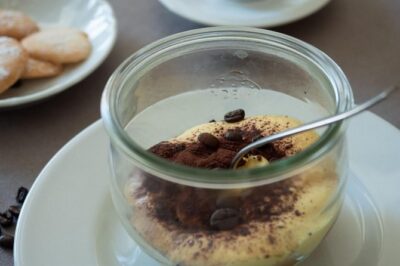
3 in 1 Cooking Class near Navona: Fettuccine, Ravioli & Tiramisu
Read our review →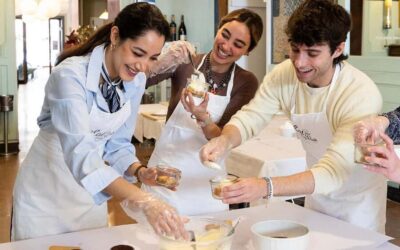
3-in-1 Fettuccine, Ravioli, and Tiramisu Cooking Class
Read our review →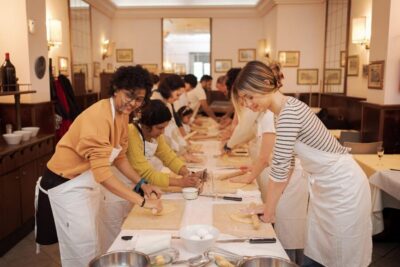
Fettuccine Pasta Cooking Class in Rome’s City Center
Read our review →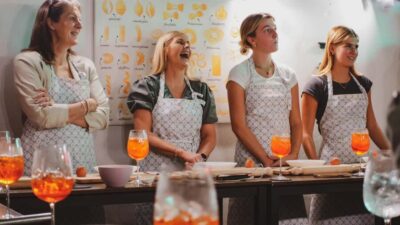
Traditional Pasta with Cocktails Cooking Class
Read our review →
Fettuccine and Tiramisu Cooking Class with Wine
Read our review →
Pasta Cooking Class Near the Colosseum with 3 Spritz Cocktails
Read our review →
Pasta & Tiramisu Cooking Class near the Spanish Steps
Read our review →
Rome Tipsy Cooking Class: Make Pasta and Mix 3 Spritz Cocktails
Read our review →Browse the lists this tour appears in