
Reviewed · ROME
Rome: Mini hike to the ancient Parco degli Acquedotti
Rome’s ancient aqueducts are most striking when you see them not as isolated ruins, but as part of a living route through the city. This 9-kilometer walk begins in Pigneto, follows old waterworks through several neighborhoods, and ends beneath the grand arches of Parco degli Acquedotti.
I like the mix of local Rome and ancient engineering, plus the chance to see wild-looking open ground without leaving the city. Guide Sal also brings more than dates and names: he connects Roman water systems with plants, animals, postwar life, and the changing neighborhoods around them. The main drawback is the distance and rough ground. This is a real urban hike, not a gentle sightseeing stroll.
Key points to know before you book
- A one-way route through Rome: Start at Pigneto station on Metro C and finish near Giulio Agricola on Metro A.
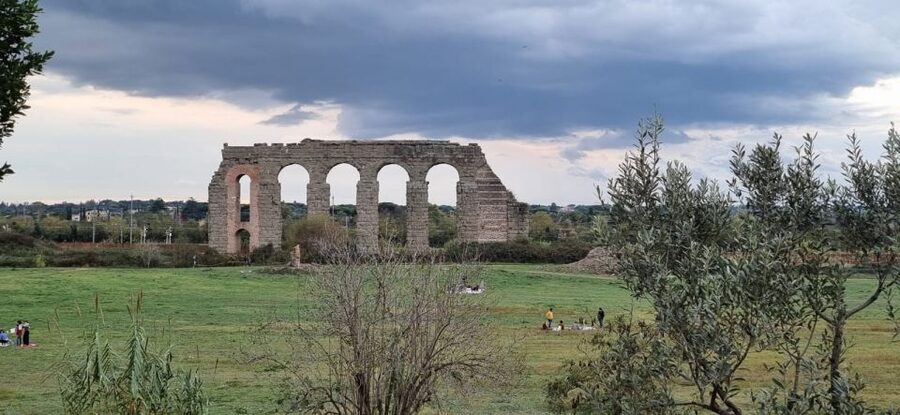
- Ancient aqueducts in their natural setting: The final park gives you long views of Roman arches, open fields, and, on clear days, mountains.
- A guide with broad interests: Sal explains history, engineering, plants, wildlife, and local life in an easy, conversational way.
- Moderate physical effort: Expect 9 kilometers, uneven terrain, and a rain-or-shine departure.
- Small-group format: The group is limited to 10 people, which suits questions and personal attention.
- Good value for active visitors: At $53, the price covers three hours with a professional guide and a route that reaches parts of Rome many visitors miss.
Starting in Pigneto, where modern Rome takes the lead
Meet 15 minutes before departure outside Pigneto Metro station on Line C. Use the exit facing the bridge, not the one beside the Conad grocery store. This small detail matters because Pigneto has more than one station exit, and you do not want to begin the afternoon hunting for the group.
Pigneto is a useful starting point because it gives the walk a present-day Roman frame. You are not being collected at a famous monument and driven straight to ruins. You begin in a neighborhood known for its current street life, then gradually follow traces of the past toward the aqueduct park.
The first section takes you along Via del Pigneto. Here, Sal sets the tone for the walk, using the neighborhood to explain how Rome works today as well as how it grew over time. The appeal is not a list of postcard sights. You are walking through an ordinary part of the city, then noticing how ancient infrastructure still shapes the route.
The group size is limited to 10. That is a useful middle ground. You get the social feel of a small outing without the crowd control of a large bus tour. Sal can answer questions, adjust the pace, and keep an eye on how the group is handling the heat or uneven ground.
More walks and hikes near Rome:
- 2 days: Hike the peak, Kayak the lake, visit Castle and best food
★ 5.0 · 9 reviews - Rome: Hike along the ancient Appian Way
★ 5.0 · 7 reviews
Following the aqueduct through Mandrione
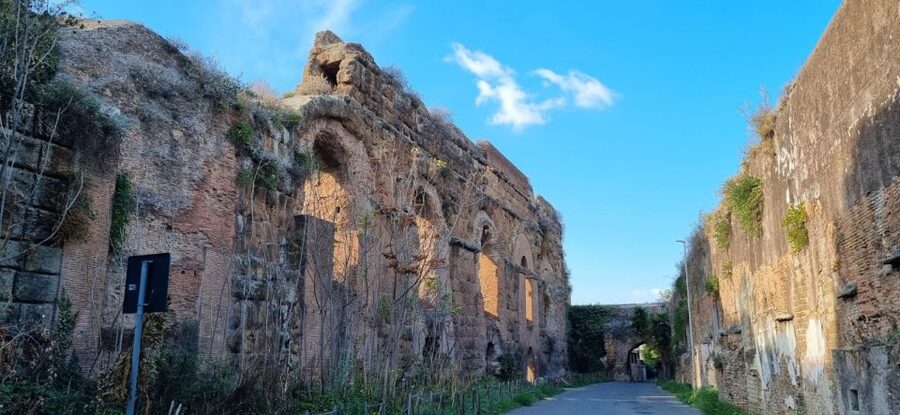
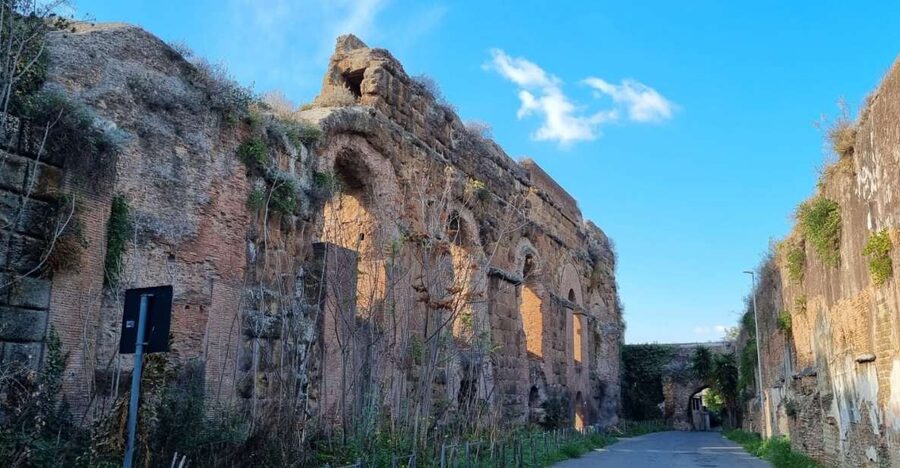
From Pigneto, the route reaches Parchetto Condiviso del Mandrione and then continues along Via del Mandrione. This section helps explain the special character of the experience: Rome’s old structures are not always fenced off inside formal archaeological sites. Some run alongside streets, homes, vegetation, and everyday city life.
Following an aqueduct on foot also gives you time to understand its scale. A quick stop beside a stone arch tells you that the structure is old. Walking with it for part of the afternoon shows how long the route and its purpose really were. Sal discusses the materials used to build the aqueducts and how people later made use of these structures, including changes connected with life after the Second World War.
That connection between engineering and ordinary people is one of the walk’s strongest points. You are not only looking backward at Roman construction. You are also seeing how later generations adapted to, lived beside, and interpreted the remains.
The ground can be uneven here. The experience specifically calls for comfortable walking shoes, with hiking shoes preferred, especially after rain. Sandals and flip-flops are not suitable. If you are used to Rome’s polished sidewalks, do not underestimate this part of the route.
Porta Furba and a useful café pause
The route continues to Porta Furba, also called the Arco di Sisto V. This is another point where the aqueducts meet the modern city. The stop gives Sal room to explain the structure and its place in Rome’s water system, while you get a change of scene from the earlier neighborhood walking.
A break at a local café follows. The pause is practical as much as pleasant. Three hours on foot can feel very different from three hours spent moving between monuments by taxi or metro, so a chance to rest is welcome. The supplied details do not specify what is included at the café, so bring money if you want to buy something.
This is also a good place to think about pacing. The walk is designed as one continuous route, not a collection of short stops with long transfers. You should arrive ready to keep moving, but the café break prevents the afternoon from becoming a nonstop march.
Torre Fiscale Park: Rome gets unexpectedly open
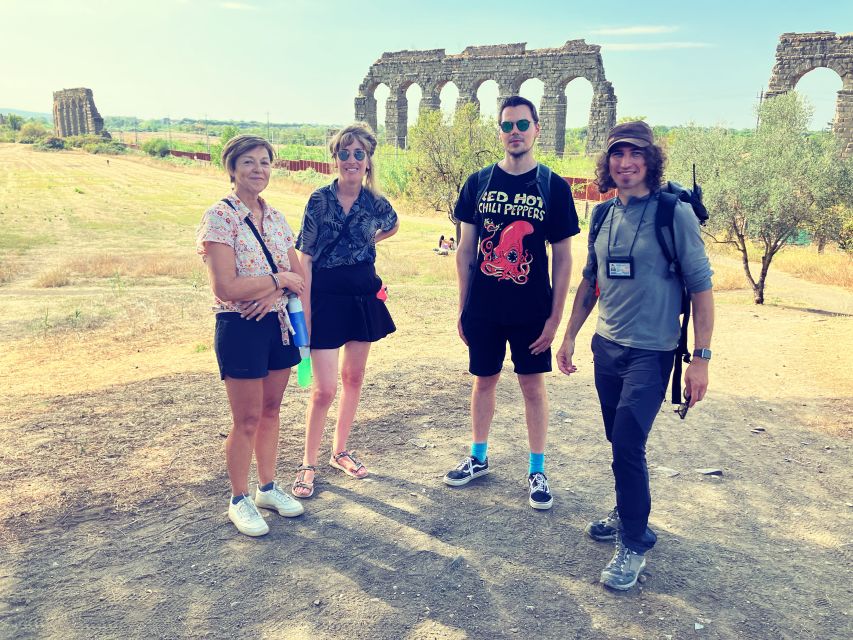
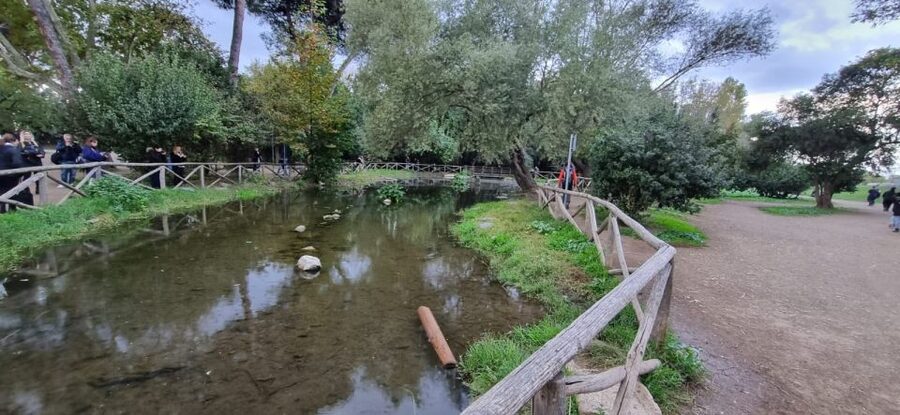
The route then enters Torre Fiscale Park. This section adds another layer to the walk, with more open ground and a stronger sense of nature around the ancient structures. Several aqueduct lines crossed this part of Rome, and the park setting lets you see how the remains relate to one another rather than viewing one arch in isolation.
The contrast is the main attraction. You can be in a major European capital, yet the route may feel quiet and open. Grass, trees, old stone, and broad skies replace the tight streets of the historic center. The walk gives you a different idea of Rome, one shaped by water, agriculture, movement, and the city’s gradual spread.
Sal’s interest in flora and fauna adds value here. He does not limit the conversation to Roman dates and construction techniques. He also points out the natural side of the route and explains how human activity and the environment have affected each other.
That approach will suit you if you like context rather than a rapid list of facts. It may feel less focused if you want only major archaeological highlights. This is a guided interpretation of a place, not a formal museum tour.
Same city, a completely different half-day:
- Vatican Museums & Sistine Chapel Tour with Optional Basilica
★ 4.3 · 67,413 reviews - Vatican Museums, Sistine Chapel & St Peter’s Basilica Guided Tour
★ 4.5 · 39,149 reviews - Rome: Colosseum, Palatine Hill and Roman Forum Guided Tour
★ 4.8 · 32,814 reviews - Rome: Guided Tour of Colosseum, Roman Forum & Palatine Hill
★ 4.7 · 27,897 reviews
The grand finish at Parco degli Acquedotti
The final destination is Parco degli Acquedotti, the broad open park that gives the experience its name. This is where the route pays off visually. Ancient aqueducts stretch through the open ground, creating the surreal mix of monumental stone and nature that the walk promises.
On a clear day, you may also see mountains in the distance. The open views are especially useful for photographers. You can frame the arches against the sky and surrounding countryside, rather than squeezing a monument between buildings and tour groups.
The park is not simply a backdrop for photographs. After walking beside the aqueducts and hearing about their construction, you have a better sense of what you are looking at. Sal explains the history of these water systems and the engineering behind them, so the arches become evidence of planning, labor, and long-term urban design.
The walk finishes on Via Lemonia, near number 214, close to the Giulio Agricola station on Metro A. Because the experience is one way, you do not need to retrace the route. That is a practical advantage, especially after nine kilometers. It also means you should think about the end of the day before booking. Your return journey begins from the Giulio Agricola area, not from Pigneto.
What Sal adds to the afternoon
Sal is the named guide for this experience, and the strongest praise attached to the walk centers on his manner and range of interests. He is described as personable, attentive, and easy to talk with. Those qualities matter on a three-hour walk, where a stiff lecture can make the miles feel longer.
His subjects include Roman history, aqueduct construction, engineering, plants, animals, and local life. He also knows Pigneto as a local district, which helps the opening section feel grounded rather than generic. You get a sense of how neighborhoods change, how people have used old structures, and how the natural world remains part of the city.
His practical care is worth noting in warm weather. On a hot outing, he has adjusted the route toward shade, taken water breaks, and helped refill bottles. He has also assisted participants with onward transport after the walk when they needed help reaching a taxi. These details suggest a guide who pays attention to the group, not just the clock.
The activity is offered in English, German, or Italian. The tour information specifically lists English and German as live guide languages. If language choice matters to you, confirm the available departure before paying.
Is $53 a fair price?
At $53 per person, this is not the cheapest way to see Roman aqueducts. You can reach the park independently by public transport and walk around without paying for a guide. The price becomes easier to justify if you want the route from Pigneto, historical interpretation along the way, and help with navigation through several less familiar sections of Rome.
You are paying for three hours of guiding, not for transport, meals, or entry to a major ticketed monument. The activity includes the professional guide and guided hike. It does not list café refreshments or subway fares as included, so budget for those separately.
For an active visitor, the value is good. The route links Pigneto, Mandrione, Porta Furba, Torre Fiscale Park, and Parco degli Acquedotti in one outing. Doing that alone would require planning the route, checking transport, understanding what you are seeing, and finding the best way out at the end.
The value is less clear if you dislike long walks or prefer a tour built around famous indoor sights. In that case, the same $53 may serve you better elsewhere. This experience earns its price through access, interpretation, and the unusual combination of city neighborhoods, ancient structures, and open ground.
How hard is the 9-kilometer route?
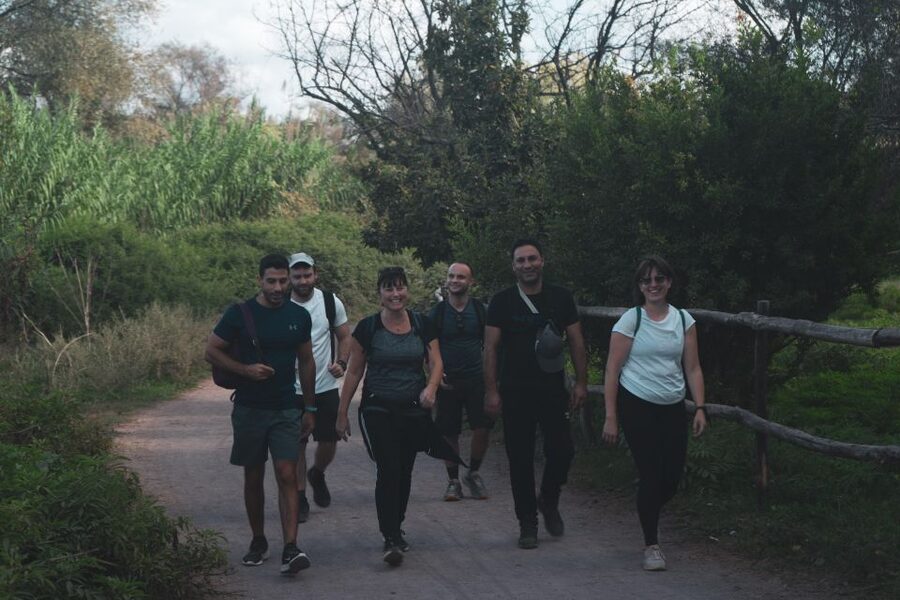
The official difficulty is moderate. The distance is about 9 kilometers, or 5.5 miles, and includes uneven terrain. You do not need to be an expert hiker, but you should be comfortable walking for several hours.
Wear hiking shoes if possible, particularly after wet weather. The tour runs rain or shine, and the guide may change or shorten the route if conditions, fallen trees, or other safety concerns require it. Bring 1.5 liters of water. A light raincoat, sunscreen, a hat, snacks, and a comfortable backpack are sensible additions.
Hiking poles, electrolytes, and sunglasses are optional. They may help if you are used to walking trails, but they are not listed as required. The key item is proper footwear. Flip-flops and sandals are specifically not allowed.
Summer heat deserves serious thought. The walk has some shade breaks and water stops when needed, but Rome can be very hot. Start with a full bottle and wear clothing suited to an urban hike. If you have heart or respiratory problems, this outing is not suitable. It is also not suitable for wheelchair users or people over 95.
Who will enjoy this Rome hike?
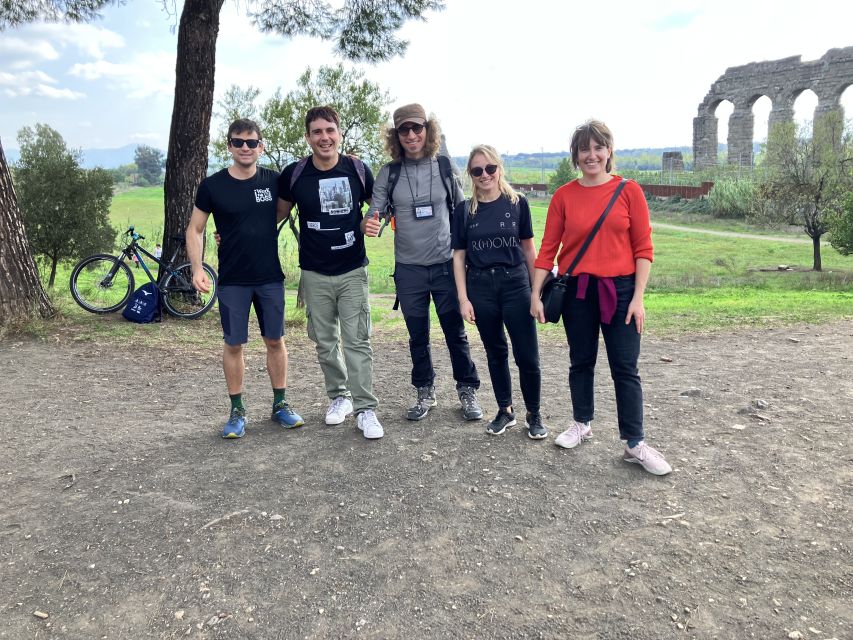
I would choose this experience if you have already seen Rome’s central monuments and want a different afternoon. It is especially good for people who like archaeology but do not want to spend every hour inside a museum or crowded piazza.
It also suits photographers, bird and plant enthusiasts, and anyone interested in how old infrastructure remains part of modern life. The changing views give you plenty to notice, while Sal’s broad interests keep the conversation from becoming narrowly technical.
Families can take part, but age rules need attention. The information says children under 12 are not suitable, while it also says children aged 14 and older must be accompanied by adults. If you are traveling with a child aged 12 or 13, confirm the age policy before booking.
I would skip it if you need a fully accessible route, dislike uneven ground, or want a short, easy walk. The experience is also a poor match for anyone who expects every minute to be spent at a famous monument. Much of its value comes from the route between the headline sights.
Booking details that affect your plans
The meeting point is outside Pigneto Metro station on Line C, by the bridge-facing exit. Arrive 15 minutes early. The walk ends on Via Lemonia near Giulio Agricola station on Line A, so plan your evening from that side of Rome.
The group is limited to 10 people, and the duration is listed as three hours. The final timing and route can change because of weather, obstacles, or safety decisions made by the guide. That flexibility is sensible for an outdoor walk, but it means you should avoid scheduling a tight dinner reservation immediately afterward.
Free cancellation is available up to 24 hours before departure for a full refund. You can also reserve and pay later, which helps if your Rome schedule is still shifting. The activity takes place in all weather, so check the forecast and pack for both sun and rain.
Should you book this aqueduct walk?
Book it if you want to see a side of Rome that connects local neighborhoods with ancient engineering and open countryside. The route is active, the group is small, and Sal’s range of interests gives the afternoon more depth than a simple walk to a photo stop.
The strongest reason to go is the progression: Pigneto’s present-day streets, aqueduct traces along the Mandrione, Porta Furba, Torre Fiscale Park, and finally the wide views of Parco degli Acquedotti. The main caution is physical. Nine kilometers on uneven ground is a commitment, especially in heat or rain.
Bring good shoes, plenty of water, and enough time to enjoy the route without rushing. If that sounds like your kind of Rome, $53 is a reasonable price for three hours of guided walking and a memorable view of the city’s ancient water system.
FAQ
Where does the aqueduct hike begin?
The walk begins outside Pigneto Metro station on Rome’s C Line, using the exit facing the bridge. The other exit is beside a Conad grocery store.
Where does the hike finish?
The route finishes on Via Lemonia near number 214, close to the Giulio Agricola Metro station on Line A.
How long is the walk?
The route is about 9 kilometers, or 5.5 miles, and usually lasts around three hours. The final duration may change because of weather, obstacles, or safety concerns.
What languages are available?
The experience is offered in English, German, or Italian. The activity information specifically lists English and German live guide options.
Is the hike suitable for families?
It is described as suitable for families, but children under 12 are not allowed. Children aged 14 and older must be accompanied by adults. If your child is 12 or 13, confirm the policy before booking.
What should I bring?
Bring comfortable walking or hiking shoes, 1.5 liters of water, and clothing suited to an urban hike. A backpack, raincoat, sunscreen, hat, trail snacks, electrolytes, sunglasses, and hiking poles are recommended or optional items.
Does the walk take place in bad weather?
Yes. The tour runs rain or shine. The guide may alter, shorten, or extend the route because of weather, fallen trees, or other safety concerns.
Is the route accessible to everyone?
No. The experience is not suitable for wheelchair users, people with heart problems, people with respiratory issues, or people over 95. Sandals and flip-flops are also not allowed.
Newest Rome tours we have reviewed
- Private TikTok Video Making in Rome★ 5.0 · 7 reviews
- Assisi, Orvieto and Civita di Bagnoregio Full Day Tour from Rome★ 4.5 · 45 reviews
- Assisi & Saint Francis Path Tour from Rome★ 5.0 · 45 reviews
- Assisi and Cascia Private Day Tour from Rome with Lunch★ 5.0 · 10 reviews
- Art Class in the center of Rome!★ 4.0 · 4 reviews
- Art & Craft: Beer Tour with Street Art in Rome★ 4.5 · 6 reviews
- Arrival in Rome: Airport Transfer & Exclusive City Introduction★ 5.0 · 3 reviews
- From Rome: Private Day-Tour of Tuscany★ 5.0 · 16 reviews