
Reviewed · ROME PALAZZO TOURS
Rome: Palazzo Barberini Galleria Corsini Ticket & Audioguide
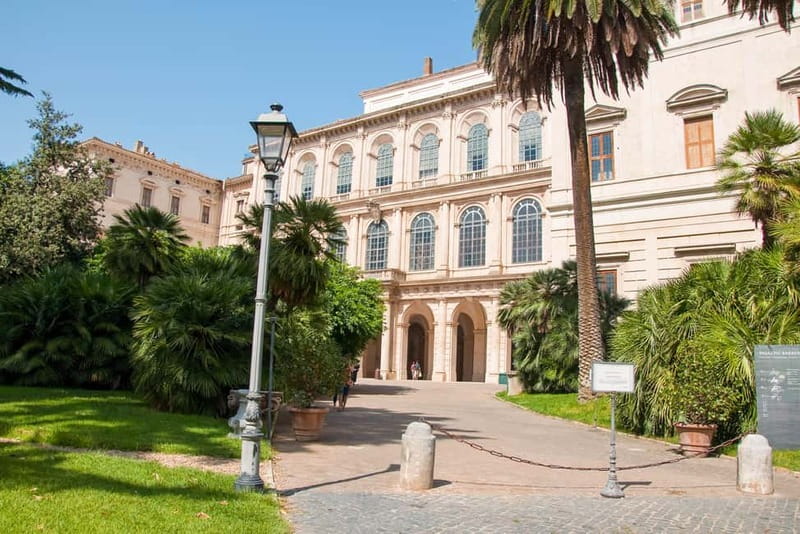
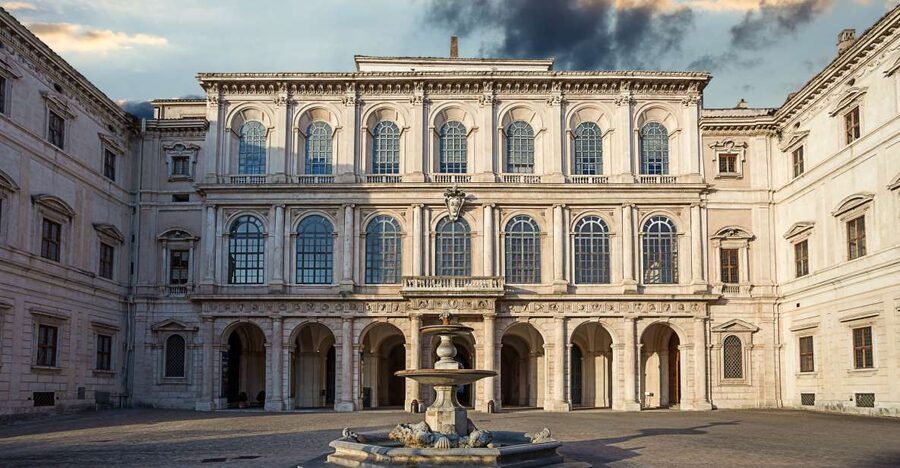
Palazzo Barberini gives you the big Roman art experience: a grand palace built for Pope Urban VIII, filled with Bernini, Caravaggio, Raphael, and other major European painters. Then the ticket adds the smaller Corsini Gallery, where the setting itself is part of the show. Two collections, one ticket makes this a useful pick for art lovers who want more than one museum without committing to a full-day tour.
I like the chance to see Bernini and Caravaggio in historic palaces, and I like the freedom to set your own pace with the digital audioguide. The $19 price is sensible for two admission tickets, especially if you want context without paying for a private guide. The main catch is that no guided tour is included, and some rooms can occasionally be closed for a conference or special event.
Key points at a glance
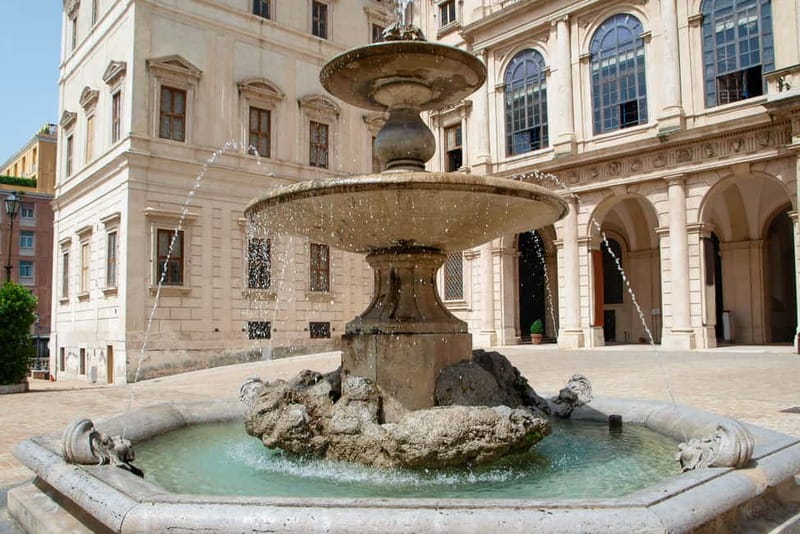
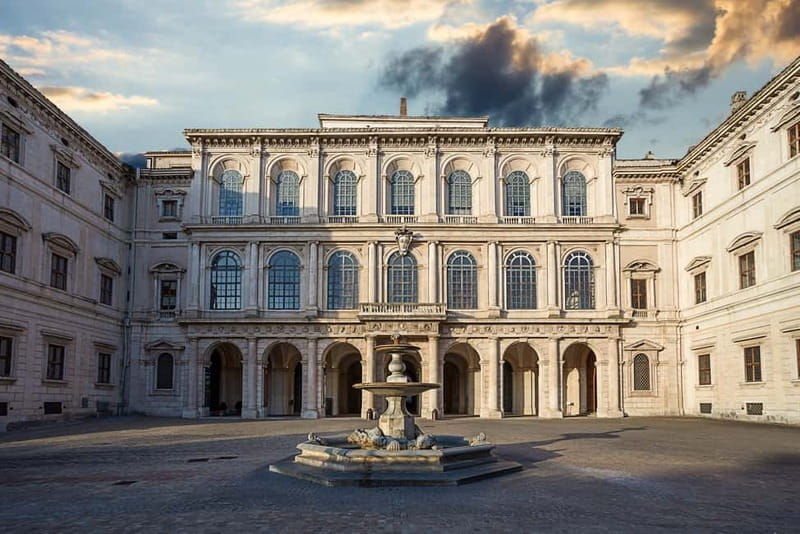
- Palazzo Barberini: Explore the former Barberini family palace, designed in the 16th century for Pope Urban VIII.
- Bernini and Caravaggio: See important works by two of Rome’s best-known artists, along with Raphael, Titian, Rubens, El Greco, and others.
- Palazzo Corsini: Visit a late-Baroque palace built for the Corsini family between 1730 and 1740.
- Digital audioguide: Download the app for extra art and building information as you explore.
- Flexible visit: Use the entrance tickets at your own pace rather than following a group schedule.
- Practical value: For $19, you receive admission to both galleries, with skip-the-ticket-line access and wheelchair accessibility.
Why these two Roman galleries work well together
This is not a single museum with a bonus room. You are getting two separate palaces and two different museum moods. Palazzo Barberini gives you the larger collection and the grander architectural setting. Palazzo Corsini offers a more intimate visit inside a late-Baroque residence.
That contrast matters. If you spend all your Roman museum time in enormous, crowded institutions, Corsini can feel like a welcome change of speed. If you want a stronger list of famous artists, Barberini carries most of the weight. Taken together, the pair gives you a broader picture of how wealthy and powerful Roman families displayed art in their homes.
You can admire the paintings, but you should also look up and around. The buildings are not plain containers for pictures. Their design, scale, and decorative details help explain how art functioned in Rome. These were homes and symbols of status as much as they were beautiful spaces.
The ticket includes an app audioguide rather than a live guide. That suits you if you like pausing in front of a painting, skipping works that do not interest you, or moving quickly through familiar material. It is less suitable if you want a person to answer questions or lead the group from one key work to the next.
More self-guided and audio tours in Rome:
- Rome: Colosseum & Forum with Audio Guide App -Optional Arena
★ 4.2 · 24,770 reviews - Rome: City Sightseeing Hop-on Hop-off Bus with Audioguide
★ 4.0 · 16,045 reviews - Rome: St. Peter’s Basilica & Dome Entry Ticket & Audio Tour
★ 4.2 · 7,537 reviews
Palazzo Barberini and the Barberini family connection
Your visit begins at Palazzo Barberini, where you exchange your smartphone voucher at the ticket office for the official entry ticket. The palace was designed for Pope Urban VIII, a member of the Barberini family, and occupies the former site of Villa Sforza.
The building began with architect Carlo Maderno. That family connection is worth keeping in mind as you walk through the galleries. This was not an ordinary home. The palace was created for a powerful papal family, so the scale and presentation were meant to impress.
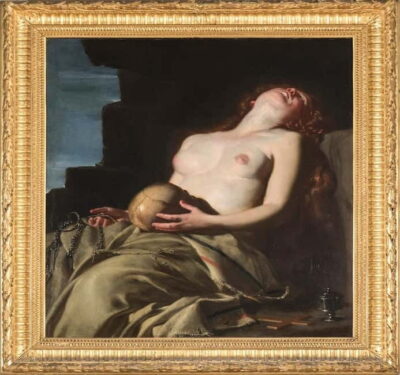
Inside, the collection covers a wide spread of Italian and European art. The headline names include Bernini and Caravaggio, but you can also find works connected with Beato Angelico, Lippi, Lotto, Preti, Poussin, El Greco, Raphael, Tiepolo, Tintoretto, Rubens, Murillo, Ribera, Titian, van Dyck, and Holbein.
That list gives you a sense of the museum’s range. You are not visiting a single-artist collection or a narrow period display. You can move from early Renaissance painting to Baroque drama and then compare Italian masters with artists from northern Europe and Spain.
I would allow enough time at Barberini to avoid treating it as a quick stop between other sights. The palace and collection deserve attention, particularly if you already know you want to see Caravaggio or Bernini. The audioguide can help you choose where to spend your time, but you are still in charge of the pace.
Bernini, Caravaggio, and the collection’s strongest draw
For many people, the best reason to book is the chance to see work by Bernini and Caravaggio in the same visit. Their names attract attention for good reason, but they offer very different experiences.
Bernini is closely tied to Rome’s grand Baroque style, where sculpture, architecture, movement, and theatrical effect often work together. Caravaggio is known for forceful scenes, strong contrasts, and figures that feel immediate rather than distant. Seeing their work within a palace built for a papal family gives the visit useful context.
Do not rush past the other artists simply because the two famous names are on your list. Raphael, Titian, Rubens, El Greco, and Tintoretto bring their own visual languages and periods. A museum visit becomes more rewarding when you compare the works instead of treating the collection as a checklist.
The app audioguide is particularly useful here. It gives you additional content without requiring a scheduled group tour. You can listen to an explanation, look closely at the painting, and then move on when you are ready.
Still, remember that an app is not the same as a live guide. The experience depends on your phone, the app, and your willingness to use the material. If you prefer detailed questions and conversation, you may find the format limited. The ticket is best understood as self-guided access with added information, not a guided art lesson.
Palazzo Corsini and the quieter second stop
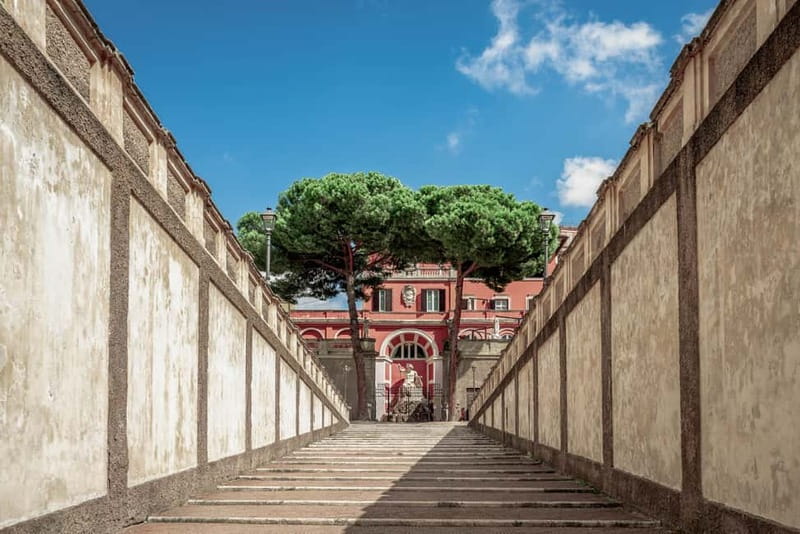
The Corsini Gallery is part of Palazzo Corsini, a late-Baroque palace built for the Corsini family between 1730 and 1740. Its design followed the plans of Ferdinando Fuga, so the building gives you another look at elite Roman architecture from a different family and period.
Corsini is valuable because it changes the rhythm of the day. After the larger Barberini setting, you can enter a palace with a different character and continue looking at art without repeating exactly the same museum experience.
The palace setting is central to the appeal. You are not simply walking into a modern gallery with neutral walls. The rooms and architectural details help you picture how a major Roman family lived with paintings around them.
The available information does not provide a detailed room-by-room route, so you should not expect a fixed itinerary. Instead, use the ticket to explore both sites at your own pace. The combination is strongest for visitors who enjoy looking at architecture as well as paintings.
One practical point matters here: the two galleries are separate attractions. Your ticket covers both, but you should check the selected availability and visit instructions before setting out. The booking information describes the activity as valid for one day, while also stating that the one-visit tickets are valid for 20 days after purchase. Confirm the exact timing attached to your booking so you know how the validity applies to your visit.
More palazzo tours in Rome:
- Rome: Opera Concert at Palazzo Poli – Fontana di Trevi
★ 4.7 · 1,026 reviews - The Great Opera Arias Concert at Palazzo Poli – Trevi Fountain
★ 5.0 · 533 reviews - Rome: Vittoriano with Rooftop & Palazzo Venezia Hosted Entry
★ 4.2 · 306 reviews - Rome: Palazzo Venezia Reserved Entrance with Museum
★ 4.2 · 52 reviews
What the audioguide changes
A digital audioguide can either improve a museum visit or become unused baggage. Here, you download the app and access extra content while exploring the two galleries.
I like this option for independent visitors. You can focus on the paintings that catch your eye, listen to selected explanations, and avoid standing with a group while a guide follows a set route. It also lets you pause for photographs or return to a work that deserves another look.
The weakness is just as clear. There is no live guide included, and the information supplied does not name a guide or promise a particular guided route. If you want a fully led experience, this is not that product.
Before entering, make sure you are comfortable using your smartphone for the audio content. The ticket exchange itself requires your phone voucher, and the audioguide is also digital. For many people that is convenient. For others, it means keeping an eye on battery life and managing one more app during a busy day in Rome.
Is $19 good value?
At $19 per person, the ticket offers solid value if you intend to visit both galleries. You are paying for admission to Palazzo Barberini and Palazzo Corsini, plus the digital audioguide. That is more useful than paying the same amount for a single small collection, provided you have time for both palaces.
The value drops if you only care about one artist or one building. If Caravaggio is your only goal, you may still enjoy Barberini, but the second ticket will matter less. The pair makes more financial sense when you want a broader art visit and appreciate the buildings as much as the famous names.
Skip-the-ticket-line access can also save time. It does not mean the museums are private or empty, and it does not remove the need to exchange your smartphone voucher at the Palazzo Barberini ticket office. It does mean the ticket is designed to reduce the usual admission wait.
A rating of 3.9 out of 5 from 322 ratings suggests a generally positive experience with some uneven moments. The collection, palace interiors, and helpful staff receive strong praise. The most important warning is that parts of the museum may occasionally be unavailable because of a conference. If a particular room or work is essential to your plans, keep that possibility in mind.
Who should book this experience?
I would recommend this ticket to an independent art lover, a first-time Rome visitor who wants a manageable museum pairing, or anyone who prefers a self-guided visit to a fixed tour. It also suits you if you want major artists without spending a full day in the Vatican Museums or another huge complex.
Families and mixed-interest groups may appreciate the flexibility. One person can linger over a favorite painting while another moves ahead. You are not locked into a guide’s pace.
This is less ideal for someone who wants a polished, guided art history experience. The audioguide adds information, but the experience remains self-directed. It is also not the best choice if your schedule is so tight that you can visit only one gallery.
Wheelchair access is available, which makes the ticket more useful for visitors who need an accessible museum option. The experience ends back at the meeting point, and no transportation or guided walking route is included.
Small details that can make the visit better
Start with a clear idea of what you want from the visit. If you love Caravaggio, Bernini, or Renaissance painting, use the audioguide to give those works your best attention instead of trying to absorb every room equally.
Give yourself time to notice the architecture. At Barberini, the family and papal connections explain why the building feels grand. At Corsini, the late-Baroque design by Ferdinando Fuga helps turn the second stop into more than an extra admission.
Keep your booking information easy to reach. You must exchange the smartphone voucher at the Palazzo Barberini ticket office for the official entry ticket, so do not assume the phone voucher alone is the final museum pass.
Also, allow for changing museum conditions. A conference can make some areas unavailable, and the supplied information does not promise that every room will always be open. The ticket remains worthwhile, but you should keep your expectations flexible.
Should you book these two galleries?
Book it if you want a reasonably priced, self-guided art outing with two historic Roman palaces and a strong list of artists. The Barberini and Corsini pairing is the real value, especially for visitors who enjoy both paintings and architecture.
Skip it if you need a live guide, have time for only one museum, or want a guaranteed full collection with no possible room closures. For everyone else, $19 buys a useful introduction to Rome’s grand Baroque world, with Caravaggio and Bernini providing the main draw and Corsini adding a quieter second act.
FAQ
What does this ticket include?
It includes admission to Galleria Barberini, admission to Galleria Corsini, and a digital app audioguide.
Is a guided tour included?
No. The ticket provides independent entry and a digital audioguide, but it does not include a live guided tour.
Where do I begin the visit?
You begin by exchanging your smartphone voucher at the Palazzo Barberini ticket office for the official entry ticket.
Can I visit both galleries with one ticket?
Yes. The booking includes entrance to both the Barberini Gallery and the Corsini Gallery.
How much does the experience cost?
The listed price is $19 per person.
How long is the ticket valid?
The activity is listed as valid for one day, with starting times checked through availability. The booking information also states that the one-visit tickets are valid for 20 days after purchase, so confirm the exact validity attached to your booking.
Is the experience wheelchair accessible?
Yes. The activity is listed as wheelchair accessible.
Newest Rome tours we have reviewed
- Private TikTok Video Making in Rome★ 5.0 · 7 reviews
- Assisi, Orvieto and Civita di Bagnoregio Full Day Tour from Rome★ 4.5 · 45 reviews
- Assisi & Saint Francis Path Tour from Rome★ 5.0 · 45 reviews
- Assisi and Cascia Private Day Tour from Rome with Lunch★ 5.0 · 10 reviews
- Art Class in the center of Rome!★ 4.0 · 4 reviews
- Art & Craft: Beer Tour with Street Art in Rome★ 4.5 · 6 reviews
- Arrival in Rome: Airport Transfer & Exclusive City Introduction★ 5.0 · 3 reviews
- From Rome: Private Day-Tour of Tuscany★ 5.0 · 16 reviews
Rome Palazzo Tours, compared.

Opera Concert at Palazzo Poli – Fontana di Trevi
Read our review →
The Great Opera Arias Concert at Palazzo Poli – Trevi Fountain
Read our review →
Vittoriano with Rooftop & Palazzo Venezia Hosted Entry
Read our review →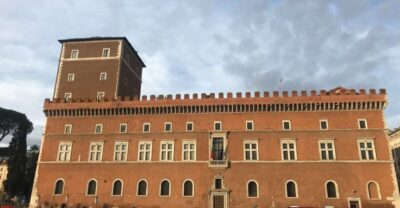
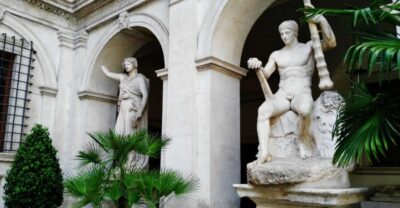

Palazzo Barberini (Caravaggio Exhibition Is Not Included)
Read our review →
Browse the lists this tour appears in