
Reviewed · ROME
Rome: Private Tour with a Local Guide
Rome is best understood on foot, one neighborhood at a time, and this private tour lets you shape the day around what matters most to you. You can pair famous sights such as the Colosseum and Roman Forum with less obvious stops such as Villa Torlonia or Doria Pamphilj Gallery. I like the freedom to choose the pace, and I like that a guide can point you toward coffee and lunch away from the busiest streets.
The main caution is guide quality. This is a local person or expat rather than a guide promised to have detailed historical training, and one recent rating praised Valario’s humor and local suggestions while another reported weak preparation and limited historical knowledge. You should confirm your language and expectations before paying.
Key points to know before booking
- You choose the route: Build a day around ancient Rome, Vatican City, neighborhoods, art, parks, or a mix.
- Private means flexible: Your group has the guide to itself, so you can slow down, skip a sight, or change the plan.
- The two-hour option is short: It works best for one area, not for the Colosseum, Vatican, and several distant neighborhoods.
- Public transport may save time: The tour is described as a walking experience, but Rome’s major sights are spread out.
- Entry fees are extra: Museums and other paid attractions are not included, so a museum-heavy plan costs more.
- Ask about guide ability: Italian, English, and Chinese are offered, but very late bookings may receive an English-speaking guide instead.
What this private Rome walk is really good at
This is not a fixed checklist tour. It is a chance to tell a local guide what kind of Rome you want and then shape the day around that request.
You might choose the classic route: Trevi Fountain, the Spanish Steps, the Pantheon area if agreed in advance, the Colosseum, Palatine Hill, and the Roman Forum. Or you might ask for a quieter Rome, with Tiber Island, Villa Torlonia, the Doria Pamphilj Gallery, and Villa Doria Pamphilj.
That freedom is the main reason to book. Rome has far too much to fit into one day, and a private guide can help you decide what deserves your limited time. The tradeoff is that the experience depends heavily on the individual guide. You are not guaranteed a specialist in Roman archaeology, art history, or Vatican history.
The available duration ranges from two to eight hours. That is a wide spread, and the choice matters. A two-hour walk can give you a useful introduction to one compact area. An eight-hour day can connect several parts of town, though you will probably need public transport between them.
More private tours in Rome:
- Rome by Golf Cart Private Tour: Beyond the Landmarks
★ 5.0 · 4,361 reviews - Early Morning Vatican, Sistine, St. Peter’s Semi or Private Tour
★ 5.0 · 3,779 reviews - Rome on a Golf Cart Semi-Private Tour Max 6 with Private Option
★ 5.0 · 2,502 reviews
Choosing the right length for your day
A two-hour booking is best treated as a focused introduction. Choose one main zone, such as ancient Rome, the Spanish Steps and Trevi Fountain, or Trastevere. Trying to cover the Colosseum, Vatican City, and several outlying villas in two hours would leave you with little more than quick photographs.
A four-hour tour gives you room to combine two nearby themes. You could spend the morning around the Colosseum, Roman Forum, and Palatine Hill, then continue toward the Capitoline Museums and Altar of the Fatherland. Another sensible plan would link Trevi Fountain, the Spanish Steps, and a walk through central Rome.
The eight-hour option is the most flexible, but it is also the most demanding. One person enjoyed a full eight hours with Valario, who added humor and suggested coffee and lunch away from the busiest parts of town. That same length will feel long if you prefer brief stops or already know Rome’s major sights.
I would not fill eight hours with one famous monument after another. A better plan mixes ancient ruins with a neighborhood, a gallery, a church, and a proper break. Confirm the route before the day begins, since the number of places depends on the time you book and how long you stay at each stop.
Trevi Fountain and the Spanish Steps
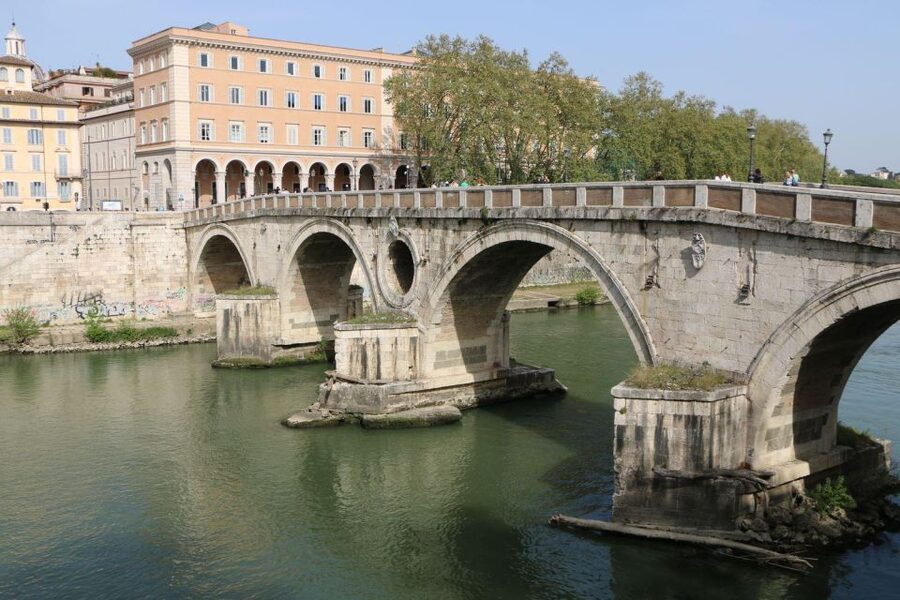
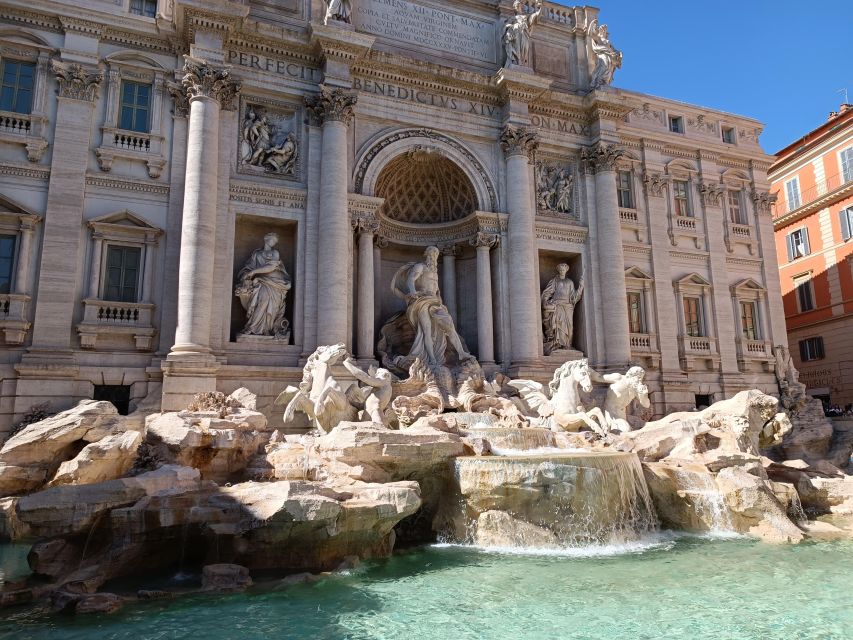
Trevi Fountain is an easy place to begin a central Rome walk. It is famous, heavily photographed, and tied to the familiar custom of tossing a coin into the water. Your guide can add context about the fountain’s design, its place in films, and the legends attached to it.
The practical issue is crowding. The fountain is not a quiet discovery, so your guide’s value here is less about finding solitude and more about helping you understand what you are seeing before moving on.
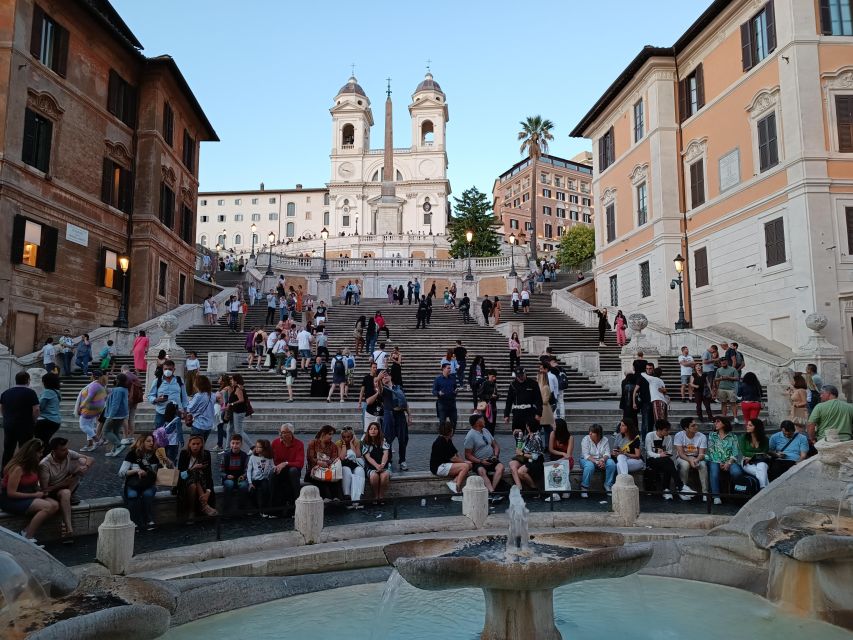
The Spanish Steps make a natural partner. They connect the Piazza di Spagna area with the higher streets near the Villa Medici. The steps are broad and impressive, but they are also a place where you should expect many people and limited time to sit. A guide can explain how this part of the city connects grand streets, churches, villas, and views toward central Rome.
These two stops suit a short booking, especially if you want an introduction to central Rome without committing to a full day of ruins and museums.
The Colosseum, Palatine Hill, and Roman Forum
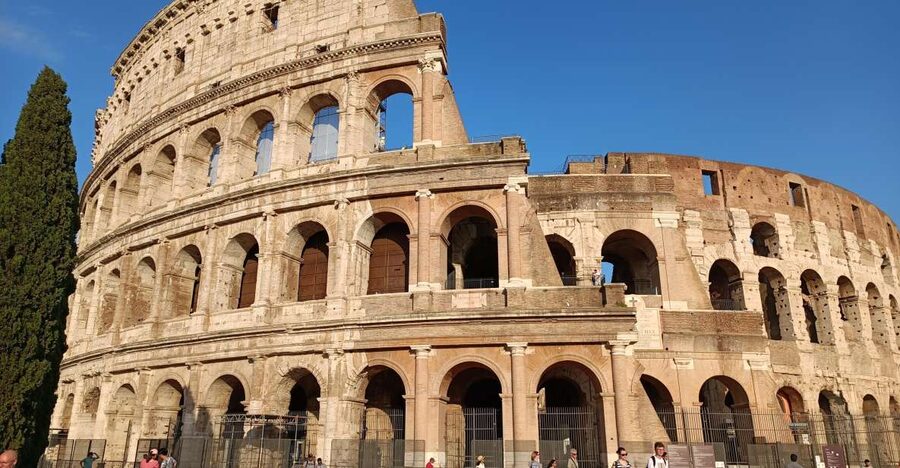
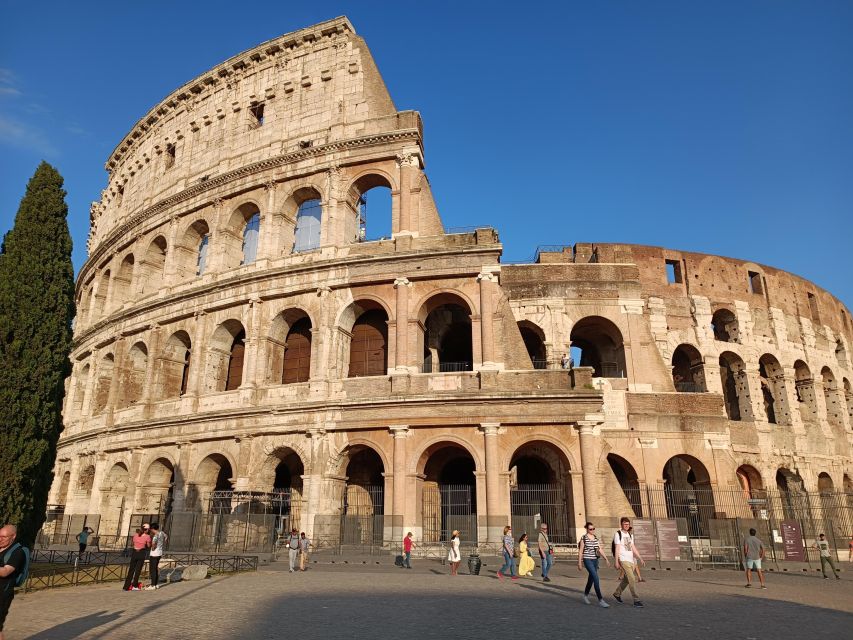
Ancient Rome needs time. The Colosseum is the obvious anchor, a huge amphitheater built for public spectacles including gladiatorial contests. Its age and scale are powerful, but the exterior alone gives you only part of the story.
The Roman Forum is where the city’s civic life took place. Processions, elections, public speeches, criminal trials, and gladiatorial marches all passed through this area. Without some explanation, the scattered columns and foundations can look like a field of stones. A guide can help you connect the remains to the public activities that once filled the space.
Palatine Hill adds views across the ruins and toward Circus Maximus. It also changes the pace of the visit, giving you a higher viewpoint after the crowded streets and enclosed archaeological areas.
There is an important cost issue here. Entry to paid attractions is not included, so tickets for the Colosseum, Roman Forum, Palatine Hill, museums, and other admission sites must be handled separately. The tour can guide you around these places, but it does not remove the need to pay for entry.
If ancient Rome is your priority, tell the guide that before you meet. A two-hour tour may only allow an outside look and a quick explanation. A longer booking gives you more time, but you still need to ask which sites will be entered and which will be viewed from outside.
More guided tours in Rome:
- Vatican Museums, Sistine Chapel & St Peter’s Basilica Guided Tour
★ 4.5 · 39,149 reviews - Rome: Colosseum, Palatine Hill and Roman Forum Guided Tour
★ 4.8 · 32,814 reviews - Rome: Guided Tour of Colosseum, Roman Forum & Palatine Hill
★ 4.7 · 27,897 reviews - Rome: Colosseum & Forum with Audio Guide App -Optional Arena
★ 4.2 · 24,770 reviews
Vatican City, St. Peter’s Basilica, and the museums
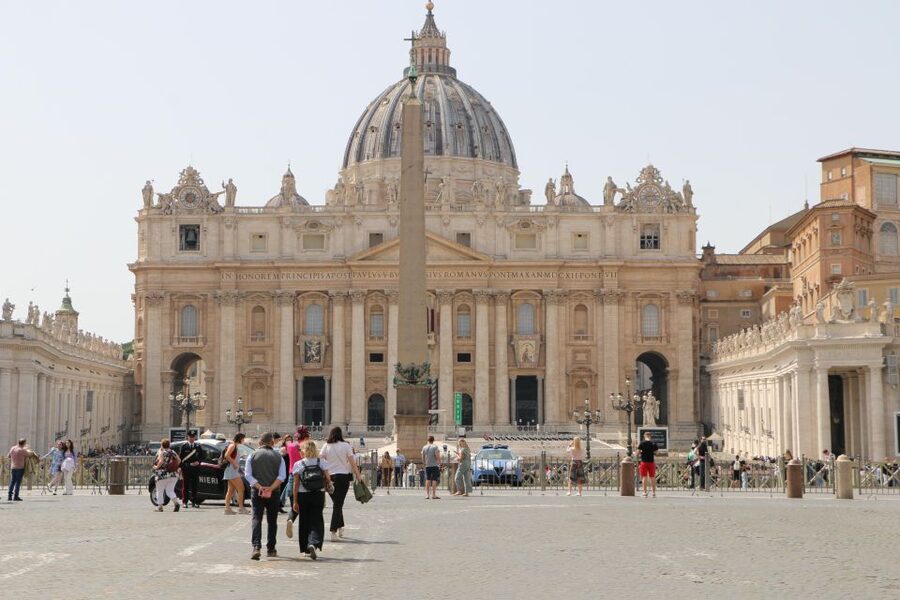
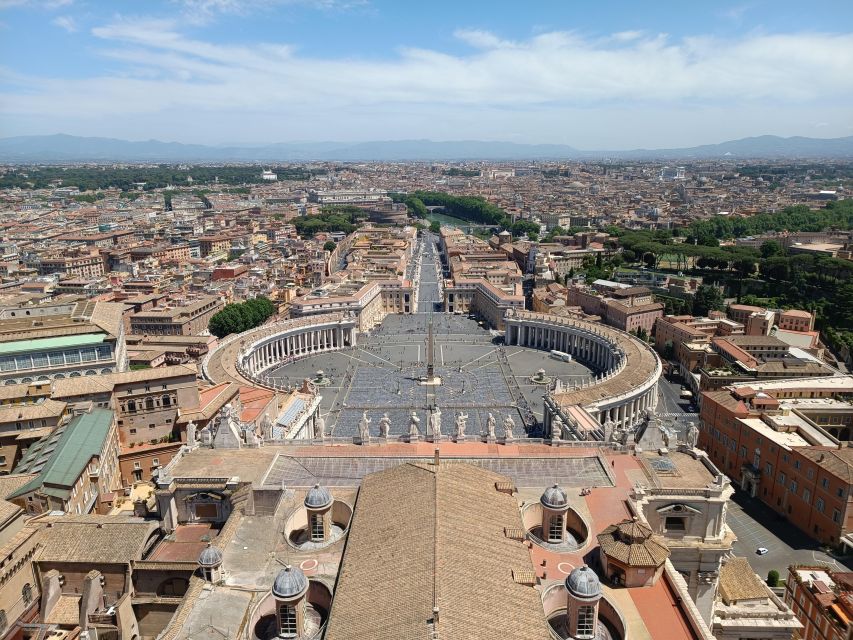
Vatican City brings together religion, art, archaeology, and politics in a very small area. St. Peter’s Basilica is one of Christianity’s most important churches and is known for major works including Michelangelo’s art.
The Vatican Museums contain an enormous collection connected to the papal world. This is an area where expectations matter. The tour includes a local guide, but museum entry is not included, and the guide is not specifically described as a trained museum specialist. If you want detailed explanations of individual works, ask about the guide’s background before booking.
You can also choose to focus on the outside of Vatican City and St. Peter’s Basilica, using the guide to understand the setting and the city’s place in Roman religious history. That may suit a shorter walk or a first visit when you are not ready to spend hours inside a museum.
Do not plan the Vatican and the Colosseum casually in the same short booking. They are separate areas, and time spent waiting, walking, and looking carefully at each site will quickly use the clock. A longer day may make the combination possible, but public transport will often be the sensible link.
Capitoline Hill, Circus Maximus, and the Altar of the Fatherland
The Capitoline Museums are a good choice if you want art and archaeology in one setting. The buildings and plans associated with Michelangelo add another layer, since you are seeing not only museum collections but also an important piece of Rome’s architectural story.
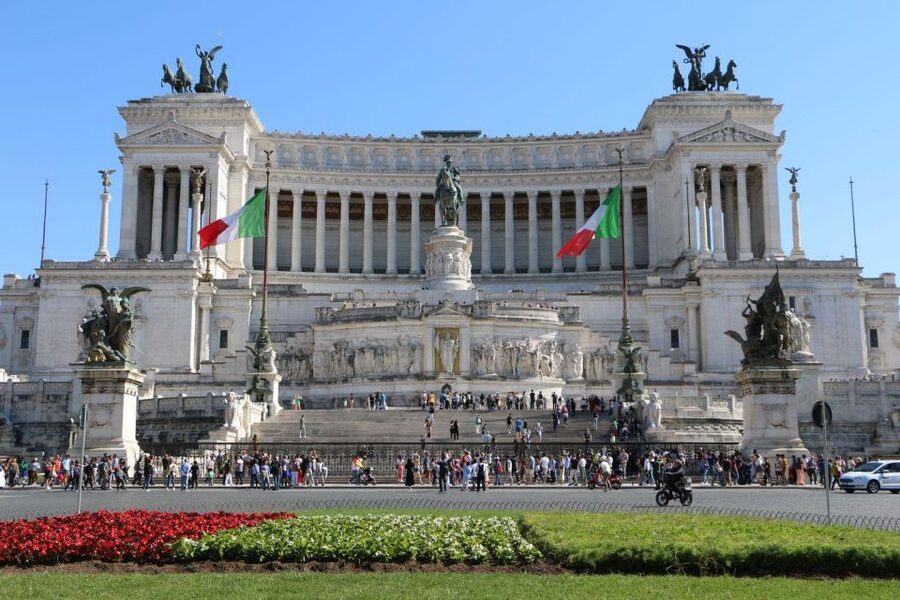
The Altar of the Fatherland is a large national monument honoring Italy’s first king. It is hard to miss, and it helps place modern Italian identity within the older Roman setting. It can fit well between the Capitoline area and the Roman Forum.
Circus Maximus offers a different kind of ancient site. It was built for chariot races and is described as Rome’s oldest and largest stadium. Much of the experience depends on your guide helping you imagine the scale and purpose of the space, since it does not present the same intact structure as the Colosseum.
These stops work well for a half-day focused on Rome’s public life, from imperial spectacles to modern national memory. They also show why a private route can be useful: you can ask the guide to explain how the sites relate instead of treating each one as a separate photograph.
Trastevere and Tiber Island
Trastevere is an old working-class neighborhood with narrow lanes and a more local feel than the monumental center. It is a sensible place to ask for a slower walk, especially if you want to see how Rome functions beyond its major archaeological sites.
The neighborhood can also be a good setting for a coffee or lunch stop. Valario received particular praise for suggesting places away from the busiest parts of Rome, a practical touch that can improve a long day more than another rushed monument.
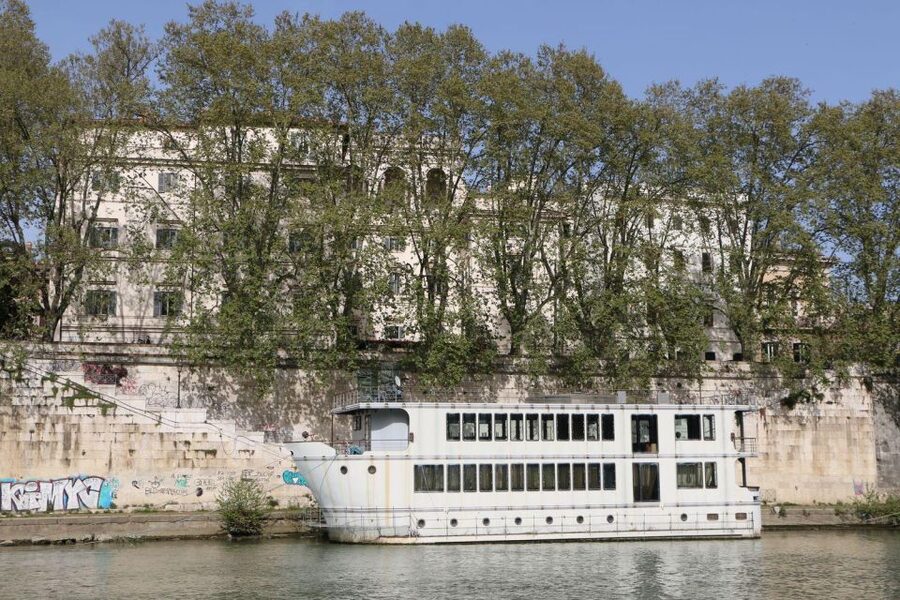
Nearby Tiber Island gives the walk a different theme. Known as the Sacred Island, it has associations with medicine and healing in both pagan and Christian traditions. It is a small but unusual stop, and it can connect a neighborhood walk with Rome’s older religious past.
I would choose Trastevere and Tiber Island for a two to four-hour route, unless you plan to add several churches or museums. The area is better enjoyed at a relaxed pace than squeezed between distant attractions.
Villa Torlonia and Villa Doria Pamphilj
Villa Torlonia offers green space, architecture, and museums in a former estate transformed into a public park. It is a strong choice if you need a break from ruins, traffic, and grand city streets.
Villa Doria Pamphilj is Rome’s largest landscaped park. It gives you open space and a calmer setting, though its size means it may take time to reach and explore. It is not the best addition to a short central Rome walk, but it can work well for a longer private day built around parks and villas.
These stops are valuable because they show a side of Rome that many first-time visitors miss. They also carry a practical warning: the more outlying places you add, the more carefully you need to plan transport. Ask your guide how much walking and public transport will be involved before settling on the route.
Doria Pamphilj Gallery, Villa Medici, and MAXXI
Doria Pamphilj Gallery is presented as one of Rome’s top art collections. It is a good pick if you prefer indoor art to archaeological ruins, especially during poor weather or a hot afternoon.
Villa Medici offers a connection between architecture, gardens, and the surrounding setting. It pairs naturally with the Spanish Steps and the higher part of central Rome, though admission arrangements should be confirmed because paid attractions are not included.
MAXXI shifts the focus to contemporary art and architecture. It gives you a modern counterpoint to the ancient city and can suit repeat visitors who have already seen the Colosseum and Forum.
These cultural stops make the most sense when you tell the guide what kind of art you like. Since the tour is led by a local person or expat rather than a promised specialist, do not assume the same level of detail at every gallery. A quick conversation before booking can prevent a mismatch.
Walking, transport, weather, and daily comfort
Hotel pickup and drop-off are included, and the activity is described as a walking tour. That does not mean every listed sight is comfortably walkable in one continuous route.
Rome’s major sights cover a large area. Public transport or taxis are not included, and tickets for public transport are also extra. In many cases, public transport will save enough time to justify using it, especially if you combine Vatican City with ancient Rome or a park outside the center. If you agree to use public transport, you are expected to pay for your guide’s ticket as well.
Wear comfortable shoes and plan for rain or sun. The tour runs in all weather, so a flexible plan matters. You should also be ready for uneven streets, long periods on your feet, and outdoor stops where shade may be limited, though specific accessibility details are not provided.
The private format helps here. You can ask for a slower pace, a meal break, or fewer stops. You can also change the emphasis if your group tires sooner than expected.
Price and overall value at $53 per person
At $53 per person, the tour can be good value for a private introduction, particularly if you are traveling with several people and split the cost across the group. You receive a local guide, hotel pickup and drop-off, and a route shaped around your interests.
The price is less attractive if you expect museum tickets, transport, food, or specialist historical instruction to be included. Those costs remain separate. The guide’s role is local orientation and flexible sightseeing, not guaranteed expert commentary at every ancient site or gallery.
The published score is 3.7 from four ratings, with a sharp difference in experience. Valario was praised for being friendly, humorous, and good at suggesting quieter food and coffee stops. Another rating described poor preparation, limited local knowledge, and a weak grasp of history. I would take that split seriously without treating it as a reason to reject the tour outright.
Before booking, ask three direct questions: Which guide language is available? What route can fit the chosen duration? Does the guide have useful experience with the sights you care about? Very late bookings may not secure your selected language, and an English-speaking guide may be offered instead.
Who should book this Rome experience?
This tour suits first-time visitors who want help getting oriented, families or friends who prefer a private pace, and repeat visitors looking for less familiar parts of Rome. It is also useful when your group has mixed interests, since one person can request churches, another art, and another neighborhood walks.
It is less suitable if you want a formal archaeological lecture, detailed Vatican art instruction, or a fixed schedule with attraction tickets already arranged. In that case, seek a specialist guide whose qualifications match your main site.
Should you book it?
Book this experience if flexibility matters more to you than a guaranteed academic tour. I would choose four hours for a balanced introduction, eight hours only if you enjoy long days, and two hours for one compact neighborhood or theme.
The safest approach is to agree on the route, transport, entry plans, and guide language before payment. If you do that, this private walk can give you both Rome’s famous monuments and a few places you would be unlikely to choose on your own.
FAQ
Where does the tour begin and end?
Pickup and drop-off are provided in Rome. The itinerary begins in Rome and returns to Rome.
How long does the tour last?
You can choose a duration from two to eight hours. Starting times depend on availability.
Is this a private tour?
Yes. It is offered for a private group.
Which languages are available?
Live guides are listed for Chinese, English, and Italian. For bookings made only one day in advance, your selected language may not always be available, and an English-speaking guide may be offered instead.
Is transportation included?
The experience is described as a walking tour, and public transport or taxis are not included. Public transport may be useful between distant sights, and you must pay for your guide’s ticket if you agree to use it.
Are museum and attraction tickets included?
No. Entry fees for museums and other paid attractions are separate. Food, drinks, and public transport tickets are also not included.
Can I choose the sights I visit?
Yes. You can discuss the places you want to see with the guide before the tour or when you meet. The full list of sights cannot be visited on every booking because the route depends on the tour length and time spent at each stop.
Does the tour run in bad weather?
Yes. The tour takes place rain or shine.
Newest Rome tours we have reviewed
- Private TikTok Video Making in Rome★ 5.0 · 7 reviews
- Assisi, Orvieto and Civita di Bagnoregio Full Day Tour from Rome★ 4.5 · 45 reviews
- Assisi & Saint Francis Path Tour from Rome★ 5.0 · 45 reviews
- Assisi and Cascia Private Day Tour from Rome with Lunch★ 5.0 · 10 reviews
- Art Class in the center of Rome!★ 4.0 · 4 reviews
- Art & Craft: Beer Tour with Street Art in Rome★ 4.5 · 6 reviews
- Arrival in Rome: Airport Transfer & Exclusive City Introduction★ 5.0 · 3 reviews
- From Rome: Private Day-Tour of Tuscany★ 5.0 · 16 reviews