
Reviewed · VATICAN MUSEUMS AND SISTINE CHAPEL TOURS
Rome: Vatican Museums and Sistine Chapel, Private Tour
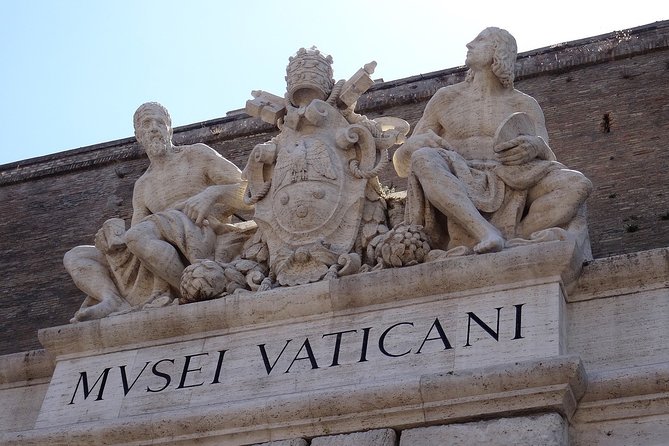
The real prize here is time. The Vatican Museums hold an almost absurd number of rooms and artworks, yet this private tour takes you straight toward the Gallery of Maps, Raphael Rooms, Sistine Chapel, and St. Peter’s Basilica instead of leaving you to wander without a plan. Michelangelo’s Creation of Adam is the headline act, but the route also brings you close to Botticelli, Perugino, Pinturicchio, and Raphael.
I like the private guide and the skip-the-ticket-line entry most. A guide can adjust the pace for a family, give a history fan finer details, or cut through the sheer size of the collection. The drawback is the price, $258.29 per person, and the three-hour schedule can feel brisk when the museums are crowded or very hot.
Key points at a glance
- Michelangelo’s Sistine Chapel: See the Creation of Adam and the chapel’s famous ceiling frescoes during a guided visit.
- Private three-hour format: Your guide can adapt explanations to your group, including children and adults with different interests.
- Gallery of Maps and Raphael Rooms: Two of the Vatican’s most rewarding stops receive dedicated time rather than a quick passing glance.
- St. Peter’s Basilica finish: See Michelangelo’s La Pieta, the basilica’s grand interior, and Bernini’s optical design in St. Peter’s Square.
- Languages and headsets: Tours are offered in English, Spanish, or French, with headsets included.
- Dress and mobility limits: Covered shoulders, suitable-length clothing, and comfortable shoes are essential. The tour is not suitable for wheelchair users or people with mobility impairments.
Why a private Vatican tour can be worth the price
At $258.29 per person, this is not a budget way to see the Vatican. You are paying for a private group, an expert guide for three hours, admission to the Vatican Museums and Sistine Chapel, and headsets. The value comes from direction and focus rather than from the ticket alone.
The Vatican Museums are famously large. The material for this visit describes about 1,400 rooms, while the wider complex is also presented as having around 2,000 rooms stretching for roughly nine miles. The exact count matters less than the lesson: you cannot sensibly see everything in one morning.
A useful comparison is this: if you spent only 60 seconds looking at every object, the full collection would take about 12 years. That makes a private route useful for a first visit. You will not see every gallery, but you can spend your limited time on the rooms and works that give you the clearest sense of the Vatican’s art.
The skip-the-line feature also matters. It does not make the museums quiet or empty, especially in July, but it removes one of the most wasteful parts of a Vatican visit: standing outside while your sightseeing time disappears. The tour begins at Via Santamaura, 60, and from there your guide leads the group into the museum complex.
More Vatican Museums and Sistine Chapel tours:
- Vatican Museums & Sistine Chapel Tour with Optional Basilica
★ 4.3 · 67,413 reviews - Vatican Museums, Sistine Chapel & St Peter’s Basilica Guided Tour
★ 4.5 · 39,149 reviews - Rome: Vatican Museums, Sistine Chapel & Basilica Tour
★ 4.3 · 13,872 reviews
From Via Santamaura to the Vatican Museums
The meeting point is Via Santamaura, 60. You should arrive ready to walk, with comfortable shoes and as little baggage as possible. Large bags and luggage are not allowed, and sunglasses are listed as useful to bring.
Once inside, the guide provides the framework that a map alone cannot. The Vatican’s rooms were created for papal use and display art collected over centuries. Without help, it is easy to spend too long on the first impressive corridor and reach the major rooms tired or rushed.
A private format gives you room to ask questions. Marissa is one named guide associated with the experience, and the guiding style can change with the group. A family with young children may need clear stories and shorter explanations, while someone who loves history may want more detail about the artists and the papal apartments.
One particularly useful point comes from a family-focused visit in July. The guide kept young children engaged while also adapting to an adult who wanted finer historical detail. That flexibility is one of the strongest reasons to choose private guiding over a large group.
The tradeoff is that the museum can be hot and crowded in summer. July is not a calm time to expect empty halls. The guide can help you use the time well, but the crowd level is outside the guide’s control.
The Vatican Museums: a focused route through a huge collection
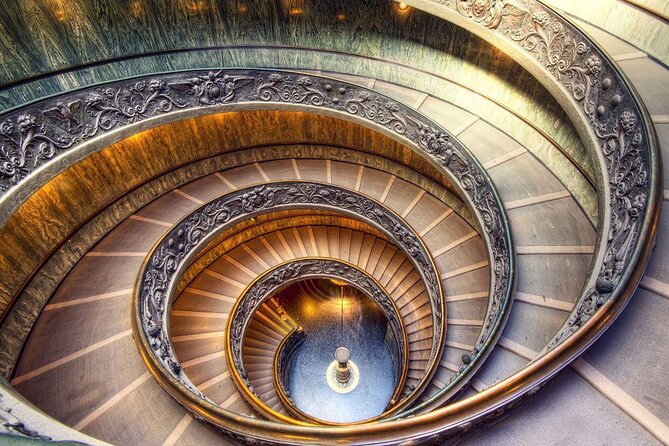
The main museum visit takes about two and a half hours of walking and guided viewing. That is the heart of the experience, and it demands steady attention. You will move through grand corridors and rooms filled with paintings, sculpture, maps, ceilings, and decorative details.
The museum’s scale can be exciting, but it can also overwhelm you. A private guide helps separate the essential works from the countless objects competing for your eyes. You can expect attention on artists such as Botticelli, Ghirlandaio, Pinturicchio, Perugino, Raphael, and Michelangelo.
The guide’s role is not just to point at famous names. The best part of this format is the chance to learn why a work matters, how it relates to the room around it, and what small details might be missed when you walk alone. The tour description also promises lesser-known details alongside major masterpieces.
You should still set realistic expectations. Three hours is enough for a strong introduction, not a full study of the Vatican Museums. If you want to examine every painting or spend long periods sketching, this route may feel too quick. If you want a clear first look at the major rooms, the pace makes sense.
The Gallery of Maps and its striking ceiling
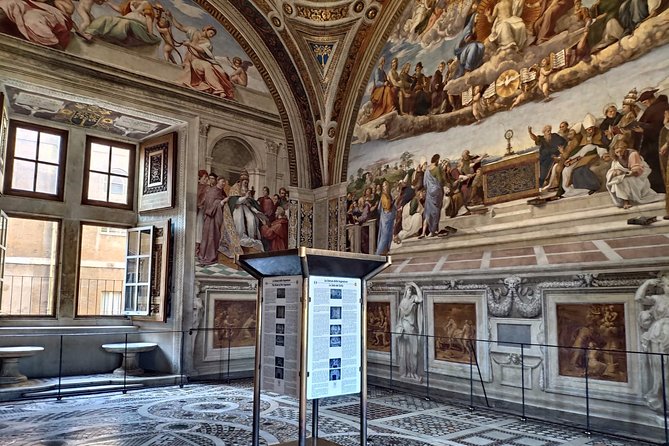
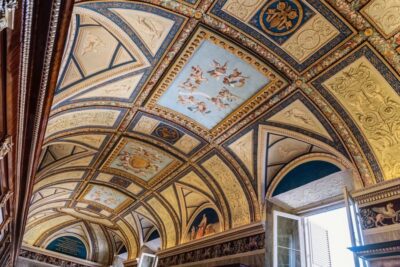
The Gallery of Maps receives about 20 minutes of guided attention. It is one of the most visually memorable corridors in the Vatican Museums, with maps lining the walls and elaborate decoration above.
This is a good example of why a guide helps. The room is easy to photograph, but the visual impact can distract you from its purpose and details. A guide can point out what you are looking at and help you understand why this long corridor belongs on the main route.
Twenty minutes is enough to admire the corridor and hear an explanation, but not enough for a slow inspection of every map. Keep your eyes moving upward as well as side to side. The ceilings are part of the experience, not background decoration.
More museums and galleries in Rome:
- Vatican Museums & Sistine Chapel Skip-the-Line Entry Ticket
★ 4.4 · 13,838 reviews - Rome: Vatican Museums, Sistine Chapel & Basilica Tour
★ 4.7 · 13,217 reviews - Rome: Vatican Museums & Sistine Chapel Guided Tour
★ 4.3 · 12,117 reviews - Vatican Museums & Sistine Chapel Skip-the-Ticket-Line Tour
★ 4.3 · 10,486 reviews
Raphael Rooms: papal apartments turned art lesson
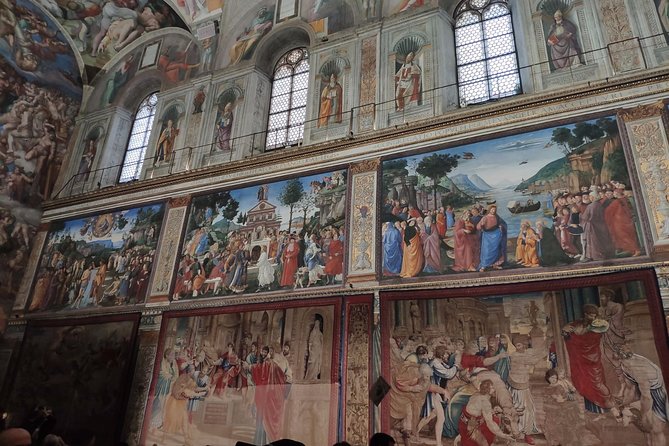
The Raphael Rooms also receive roughly 20 minutes. These former papal apartments contain some of Raphael’s best-known frescoes and offer a different experience from the long galleries.
Here, the emphasis is on painted walls and large visual scenes rather than a collection of separate objects. Raphael’s work rewards a guide who can explain the figures, themes, and connections between the scenes. You will likely get more from the rooms by listening first, then taking time to look back over the details.
The short schedule is again both useful and limiting. You will see the major rooms without getting stuck in one place, but art lovers may wish for more time. The private format helps because you can ask a question immediately instead of waiting for a large group to catch up.
The Sistine Chapel and Michelangelo’s ceiling
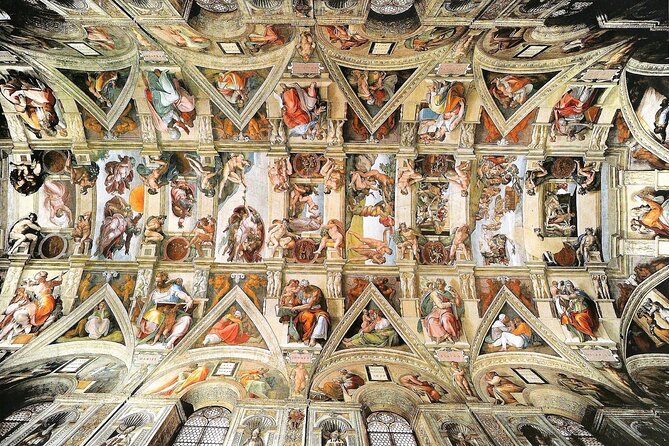
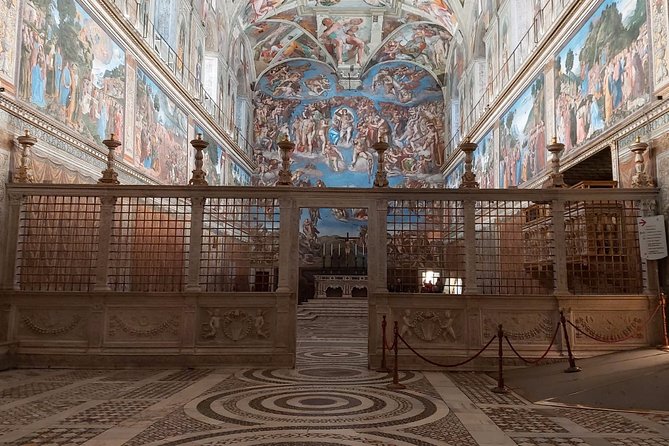
The Sistine Chapel is the emotional center of the visit. The tour allows about 15 minutes here, including guided attention to Michelangelo’s famous Creation of Adam and the other frescoes on the ceiling.
Fifteen minutes may sound short, but the chapel is visually intense. The ceiling is packed with figures, gestures, color, and movement. Your guide’s explanation before or during the visit can give you a way to read the scenes rather than simply crane your neck and search for the one image you already know.
The Creation of Adam is the obvious focal point, but do not treat it as the only reason to look up. Michelangelo’s ceiling works as a large sequence, and the scale becomes clearer when you take in the surrounding panels.
You should also expect strict behavior rules in the chapel and the Vatican complex. The supplied information does not list specific photography rules, so follow the instructions given on site. The important practical point is to listen carefully and avoid assuming that normal museum habits apply.
The Sistine Chapel can feel crowded, and the time may pass quickly. If Michelangelo is your main reason for coming, read a little about the ceiling before your visit. That preparation will help you use the short stop well.
St. Peter’s Basilica and Michelangelo’s La Pieta
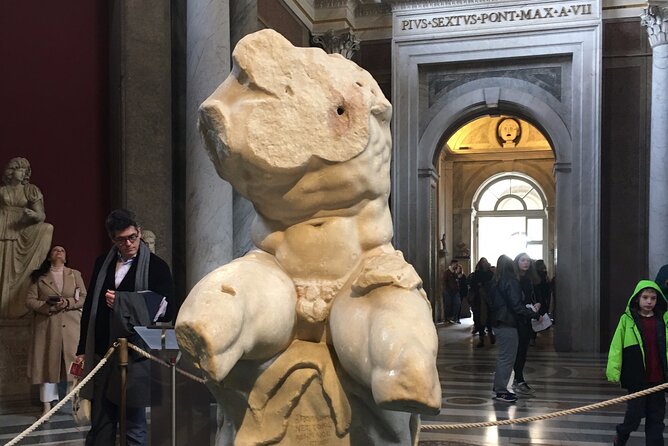
The tour ends at St. Peter’s Basilica, where you see Michelangelo’s La Pieta along with other major works. The basilica adds a powerful change of scale after the museum galleries and chapel. Vaults, domes, sculpture, and open interior space give the final section a grander architectural feel.
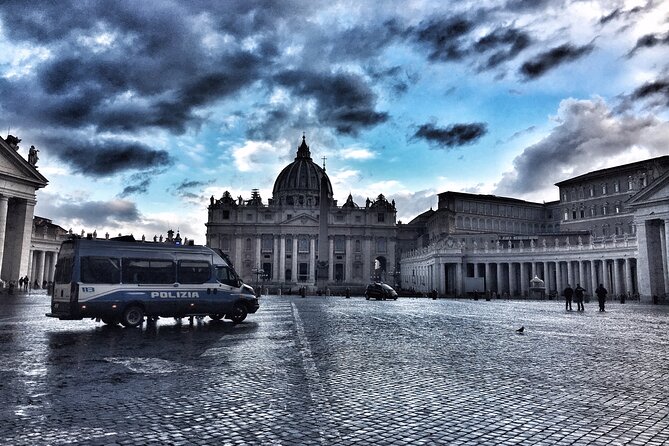
The route also points out Bernini’s optical design in St. Peter’s Square. The square’s curved colonnades are described as embracing visitors in the maternal arms of the Church. Your guide can show you how the design shapes the way the space feels, turning a large public area into something more carefully composed.
Ending here is practical. You finish near one of Rome’s great public spaces instead of returning to the museum entrance. The advertised finish is St. Peter’s Basilica, with the square included as part of the explanation.
There is one important exception. If the basilica is being used for a religious ceremony or another function, entry may be prohibited. In that case, the tour continues outside. This is not a flaw in the tour, but it is a possibility you should accept before booking. The guide can still explain the exterior and the square, but you may miss the interior and La Pieta.
A walking tour with real dress rules
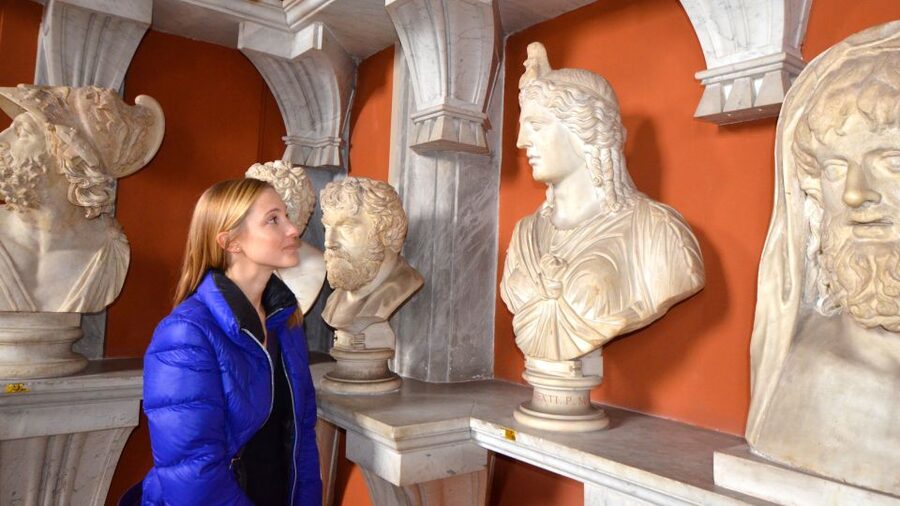
This is a walking-heavy experience. Comfortable shoes are not a polite suggestion, they are one of the smartest things you can bring. You will spend three hours moving through large museum spaces, corridors, rooms, and the basilica area.
The Vatican requires appropriate clothing. Shorts, miniskirts, sleeveless shirts, and uncovered shoulders are not allowed. Dress modestly from the start, since being turned away or delayed at the entrance would spoil the value of skip-the-line access.
Large bags and luggage are not allowed. Keep your belongings light and avoid arriving with suitcases. Sunglasses are listed as useful, though you will want to remove them indoors so you can see the art clearly.
The activity is not suitable for wheelchair users or people with mobility impairments. The supplied details do not give a route adjustment or accessible alternative, so you should not book this expecting an adapted museum visit.
Languages, headsets, and the private group setup
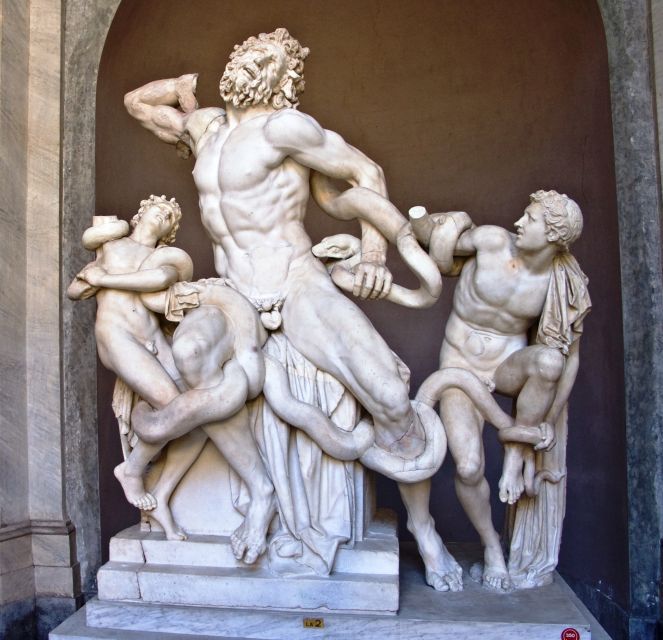
Guiding is available in English, Spanish, and French. Headsets are included, which helps when the rooms are crowded or when the guide needs to speak while the group is spread along a corridor.
The private group format is the main difference between this tour and a standard shared visit. You are not locked into a fixed public group, and the guide can respond to your questions or adjust the explanation for different ages.
That flexibility matters most for families. A guide successfully keeping young children involved while also giving a history-loving adult more detail is a strong sign of what the format can do. Still, the tour remains three hours long, so families should be ready for walking and sustained attention.
The experience is also a good fit if this is your first Vatican visit. You will get a usable overview of the main museums, the Sistine Chapel, St. Peter’s Basilica, and the square without trying to master the entire collection.
Cancellation and booking flexibility
You can cancel up to 24 hours before the scheduled experience for a full refund. The reserve-now-and-pay-later option lets you hold a place without paying immediately, which is useful when your Rome plans are still shifting.
The duration is three hours, but starting times depend on availability. Check the available time before you build the rest of your day around it. You should also allow enough time to reach Via Santamaura, 60, without arriving rushed.
Should you book this Vatican tour?
Book it if you want the Vatican’s major sights explained by one guide, prefer a private group, and value skipping the main ticket line. It is especially suited to first-time visitors, families, and couples who want a focused route through a collection too large to handle alone.
Think twice if $258.29 per person stretches your budget, if you want several hours for slow art study, or if you need wheelchair access. Also accept that St. Peter’s Basilica may be closed for a religious function and that summer crowds can make the visit hot and tiring.
For the right visitor, the price buys a clear plan through one of Rome’s most difficult sights to tackle independently. You will not see everything, but you will see the Vatican’s major artistic landmarks with context, structure, and much less time wasted in line.
FAQ
How long does the Vatican private tour last?
The tour lasts three hours.
What sites are included?
The experience includes the Vatican Museums, Gallery of Maps, Raphael Rooms, Sistine Chapel, St. Peter’s Basilica, and St. Peter’s Square.
Is entry to the Vatican Museums included?
Yes. Admission to the Vatican Museums and Sistine Chapel is included.
Does the tour skip the ticket line?
Yes. The tour includes skip-the-ticket-line entry to the Vatican Museums.
What languages are available?
The live guide service is available in English, Spanish, and French.
Is this a private group tour?
Yes. The activity is offered as a private group.
Are headsets included?
Yes. Headsets are included.
What should I wear?
You need appropriate clothing covering your shoulders, with no shorts or short skirts. Sleeveless shirts are not allowed, and comfortable shoes are recommended.
What happens if St. Peter’s Basilica is closed for a ceremony?
If a religious ceremony or another function prevents entry, the tour continues outside the basilica.
Newest Rome tours we have reviewed
- Private TikTok Video Making in Rome★ 5.0 · 7 reviews
- Assisi, Orvieto and Civita di Bagnoregio Full Day Tour from Rome★ 4.5 · 45 reviews
- Assisi & Saint Francis Path Tour from Rome★ 5.0 · 45 reviews
- Assisi and Cascia Private Day Tour from Rome with Lunch★ 5.0 · 10 reviews
- Art Class in the center of Rome!★ 4.0 · 4 reviews
- Art & Craft: Beer Tour with Street Art in Rome★ 4.5 · 6 reviews
- Arrival in Rome: Airport Transfer & Exclusive City Introduction★ 5.0 · 3 reviews
- From Rome: Private Day-Tour of Tuscany★ 5.0 · 16 reviews
Vatican Museums and Sistine Chapel Tours, compared.
Vatican Museums & Sistine Chapel Tour with Optional Basilica
Read our review →
Vatican Museums, Sistine Chapel & St Peter’s Basilica Guided Tour
Read our review →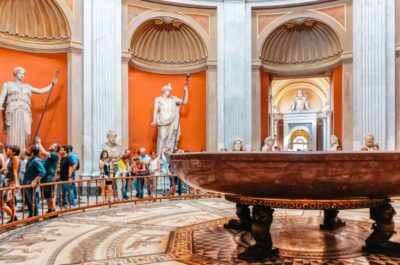
Vatican Museums, Sistine Chapel & Basilica Tour
Read our review →
Vatican Museums & Sistine Chapel Skip-the-Line Entry Ticket
Read our review →Vatican Museums, Sistine Chapel & Basilica Tour
Read our review →
Skip-the-Line Group Tour of the Vatican, Sistine Chapel & St. Peter’s Basilica
Read our review →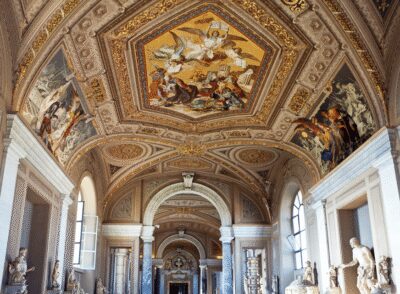
Vatican Museums & Sistine Chapel Guided Tour
Read our review →
Vatican Museums & Sistine Chapel Skip-the-Ticket-Line Tour
Read our review →Browse the lists this tour appears in