
Reviewed · VATICAN SKIP-THE-LINE TOURS
Skip the line Vatican Museum Sistine & St.Peter Private Tour
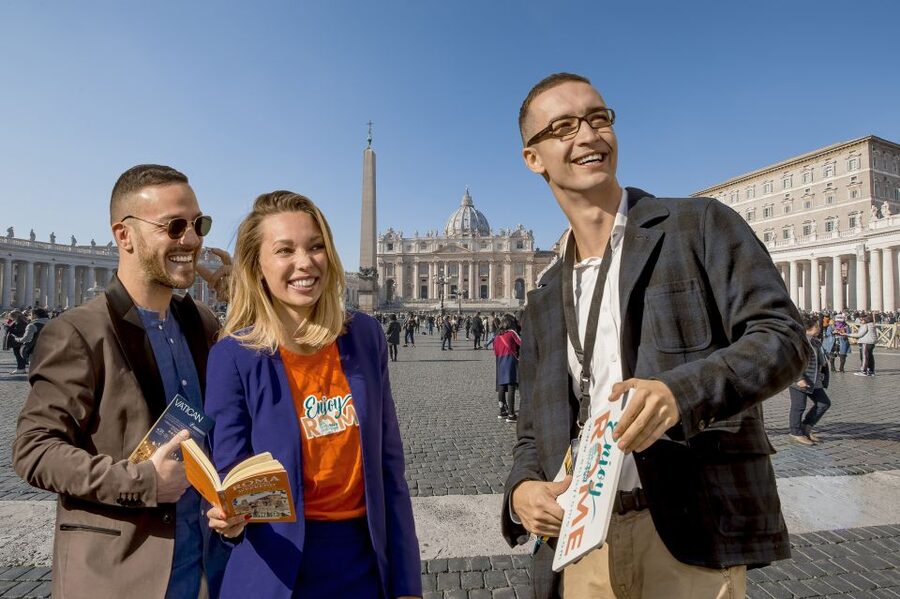
The real strength of this Vatican tour is its private guide. Instead of being moved through the museums in a large crowd, you can ask questions, slow down for the art you care about, and let the guide shape the visit around your interests. Davide, Veronica, and Pasquale have each been praised for clear explanations, lively storytelling, and strong language skills.
I like the skip-the-line access and the broad route, which reaches far beyond the Sistine Chapel. You see major works by Raphael, Bernini, Caravaggio, Leonardo, and Michelangelo, along with the Laocoön, the Raphael Rooms, the Borgia Apartments, and St. Peter’s Basilica. The drawback is the price: at $1,693.85 per person, this is a serious splurge, and the three-hour schedule can feel short for such a huge collection.
Key points at a glance
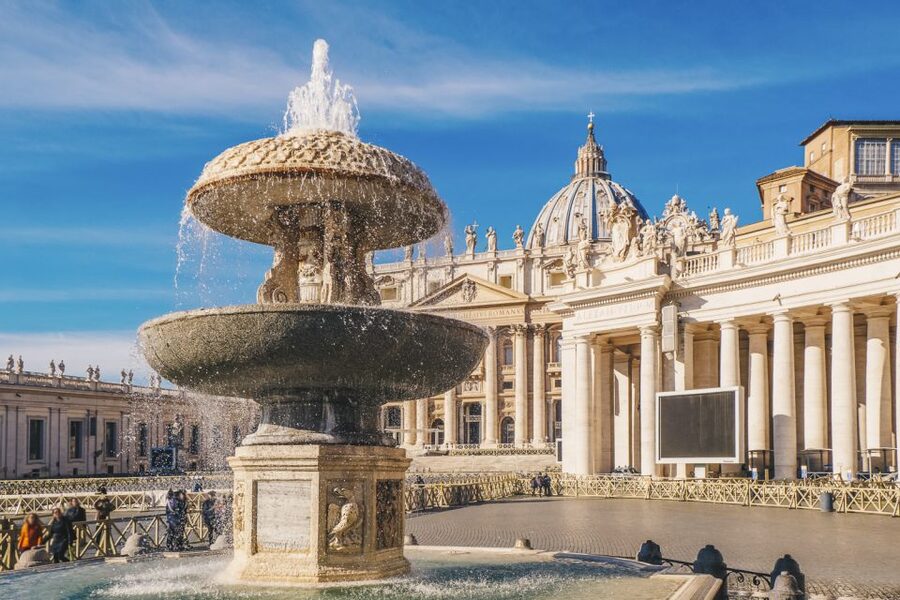
- Private attention from a licensed guide: Your guide can tailor the pace and answer questions instead of following a fixed group script.
- A wide Vatican route: The visit can include the Pinacoteca, Pio-Clementine Museum, Raphael Rooms, Carriage Museum, Borgia Apartments, Sistine Chapel, and St. Peter’s Basilica.
- Skip-the-line entry: You avoid the regular ticket line for the Vatican Museums and the Sistine Chapel, saving precious time in Rome.
- The dome is not included: You enter St. Peter’s Basilica, but climbing or visiting the dome requires a separate ticket and is not part of this tour.
- Strict dress rules apply: Cover your shoulders and knees, or the Vatican may refuse entry.
- Best for art-focused visitors: The tour suits people who want context and personal guidance more than a quick, independent walk through the museums.
Why a private Vatican tour can make sense
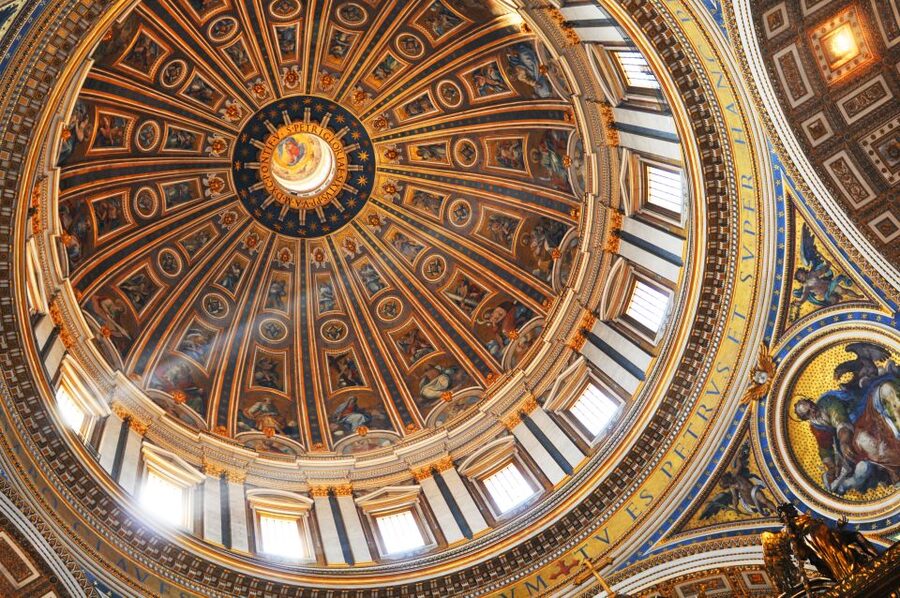
The Vatican Museums are not one small gallery. They are a sprawling collection of ancient sculpture, Renaissance painting, religious art, modern works, papal objects, and ceremonial rooms. Without some direction, it is easy to spend your energy simply finding the next corridor.
A private guide changes that. You can say that you care most about Renaissance painting, papal history, sculpture, or the Sistine Chapel, and your guide can give those subjects more attention. If one work catches your eye, you can ask why it matters rather than relying on a brief label.
I also like the fact that the route is not limited to the most famous rooms. The Sistine Chapel and St. Peter’s Basilica draw the headlines, but the less expected stops can give the visit shape. The Carriage Museum, for example, shows papal saddles, carriages, automobiles, and sedan chairs. The Borgia Apartments add a look at the rooms decorated by Pinturicchio and his assistants.
The private format is particularly useful for a family or small party with different interests. One person may want to study a Raphael fresco while another wants the story behind the Laocoön. A guide can respond to both. Still, the high per-person price means you should value personal attention enough to pay for it.
More Vatican Museums and Sistine Chapel tours:
- Vatican Museums & Sistine Chapel Tour with Optional Basilica
★ 4.3 · 67,413 reviews - Vatican Museums, Sistine Chapel & St Peter’s Basilica Guided Tour
★ 4.5 · 39,149 reviews - Rome: Vatican Museums, Sistine Chapel & Basilica Tour
★ 4.3 · 13,872 reviews
Starting at Tours About near Ottaviano
You meet the guide at Tours About, reached by taking Rome’s Line A metro to Ottaviano. Plan to arrive 25 minutes before departure. That early arrival matters because the Vatican is time-sensitive, and a late start can put pressure on the entire visit.
Transportation to the meeting point is not included. You make your own way there, so leave room for the metro ride, walking, and finding the office. Free Wi-Fi, bathrooms, and a device-recharging station are available at the meeting point, which is handy if your phone has been working hard with maps and tickets.
The activity lasts three hours. That is enough time for a well-planned introduction to the Vatican, but it is not enough to inspect every room in detail. You should expect a highlights visit with added stops, not a full scholarly survey of the entire museum complex.
Headsets are included. They help you follow the guide in crowded galleries, especially when other groups are moving through the same spaces. The tour is offered in English, French, German, Italian, and Spanish.
Pinacoteca and the Vatican’s painting collection
The Vatican Pinacoteca is a good early stop because it gives you a clear look at the collection’s paintings and religious themes. The gallery holds works and tapestries dating from the 11th through the 19th centuries.
Your guide can help connect the paintings to the artists and periods they represent. The stated highlights include work associated with Caravaggio and Leonardo, as well as major Renaissance figures such as Raphael. Those names can blur together after a long museum visit, so personal explanation is useful here.
I would pay attention to how the guide compares painting styles rather than trying to remember every title. A private visit gives you the chance to ask about technique, subject matter, and why a particular painting earned a place in the Vatican collection.
The Pinacoteca also provides a quieter counterpoint to the Sistine Chapel. It is easier to pause in front of a painting and take in the composition before the tour moves on.
Ancient sculpture at the Pio-Clementine Museum
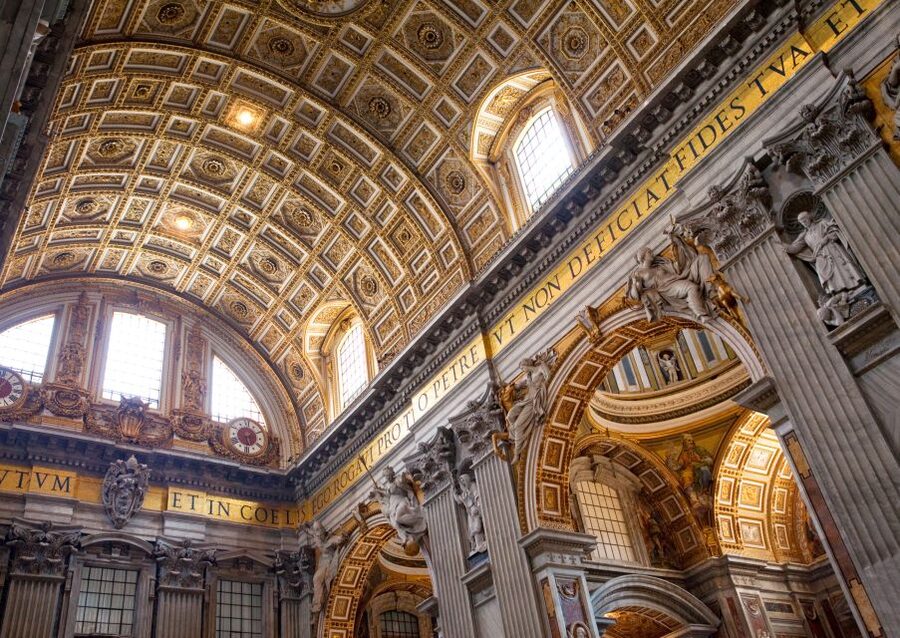
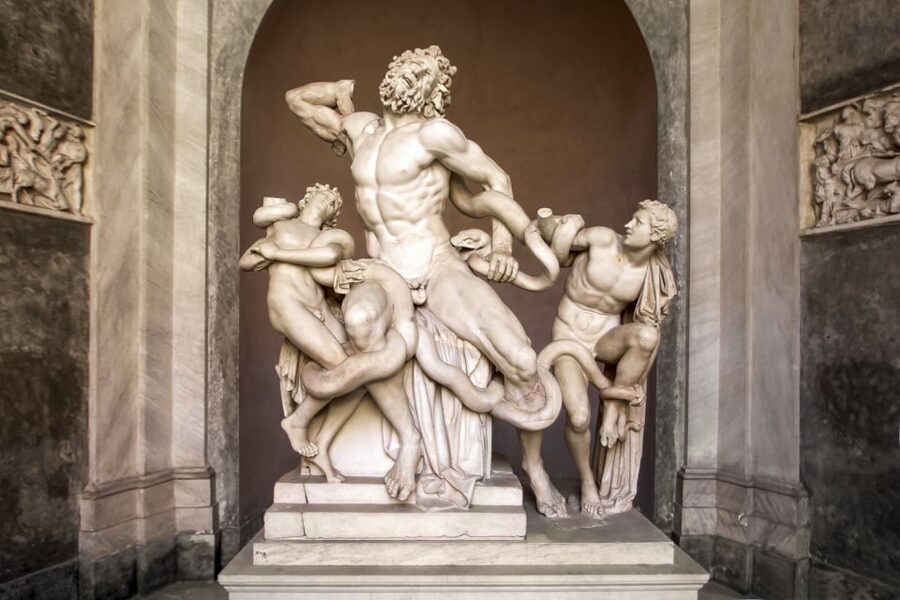
The Pio-Clementine Museum shifts the focus from painting to ancient sculpture. Its best-known work on this route is the colossal Laocoön, one of the Vatican’s essential stops.
The scale matters. A photograph cannot give you the same sense of how large the sculpture is, or how the figures twist together in a single dramatic scene. Your guide can explain its place in the Vatican collection and help you notice details that are easy to miss when a crowd gathers around it.
This stop also gives the tour a useful time range. You are not spending three hours only on Renaissance and Christian art. You move from ancient sculpture to papal rooms, modern religious art, and the great church at the end.
If you prefer paintings to sculpture, this may be a shorter stop than the Pinacoteca. That is one advantage of having a private guide: you can make your interests known instead of receiving exactly the same emphasis as every other group.
More skip-the-line tickets in Rome:
- Vatican Museums & Sistine Chapel Skip-the-Line Entry Ticket
★ 4.4 · 13,838 reviews - Skip-the-Line Group Tour of the Vatican, Sistine Chapel & St. Peter’s Basilica
★ 4.5 · 12,779 reviews - Vatican, Sistine Chapel & St. Peter’s Skip-the-Line Tour
★ 4.5 · 7,770 reviews - Skip-the-Line Vatican, Sistine Chapel & St. Peter’s | Small Group
★ 5.0 · 7,060 reviews
Raphael’s rooms and Julius II’s decisions
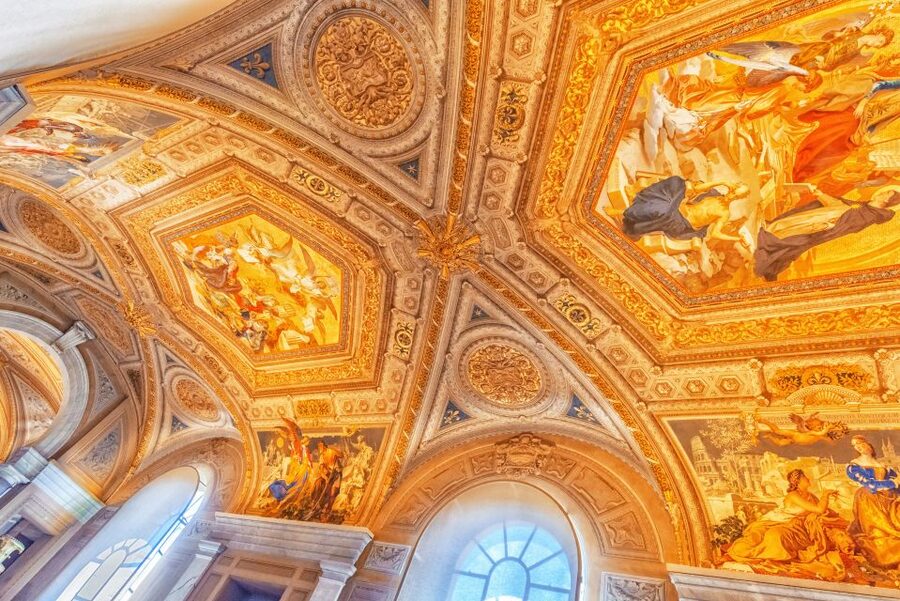
The route continues to the rooms connected with Julius II, where important political decisions were made. These rooms are not simply decorative galleries. They show how art, power, religion, and papal government worked together.
The Raphael Rooms are the main attraction here. Raphael and his pupils covered the spaces with frescoes, and the guide’s explanation can help you read the scenes rather than just admire their color and size.
I find these rooms especially useful for understanding Renaissance art as something made for a powerful setting, not just a museum wall. The paintings were part of a working papal environment, and that context gives them more force.
A private guide can also point out differences between Raphael’s hand and the work of his assistants. You may not be able to identify every contribution on your own, but hearing that distinction makes the rooms more interesting.
The Carriage Museum’s unexpected papal objects
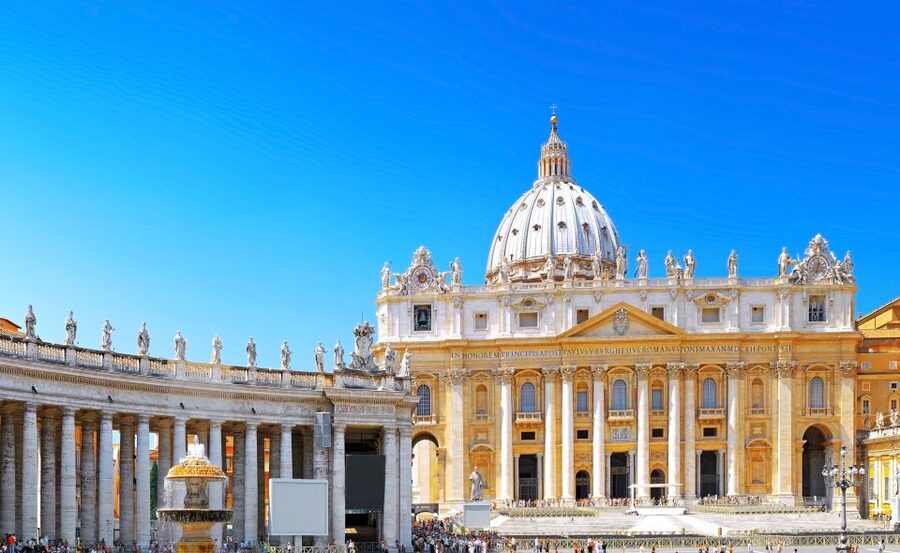
The Carriage Museum is an unusual inclusion in a Vatican highlights tour. It contains papal saddles, carriages, automobiles, and sedan chairs.
This is a welcome change of pace after rooms filled with frescoes and sculpture. The objects make papal travel and ceremony more concrete. You see how transportation changed over time, from traditional carriages to motor vehicles.
If your main goal is Michelangelo and Raphael, you may regard this as a quick side visit. If you enjoy social history and objects with a practical purpose, it may be one of the most memorable parts of the route.
The private format helps here because you can decide how much attention the collection deserves. Your guide can keep the stop brief or explain more about the objects if they fit your interests.
Borgia Apartments and modern religious art
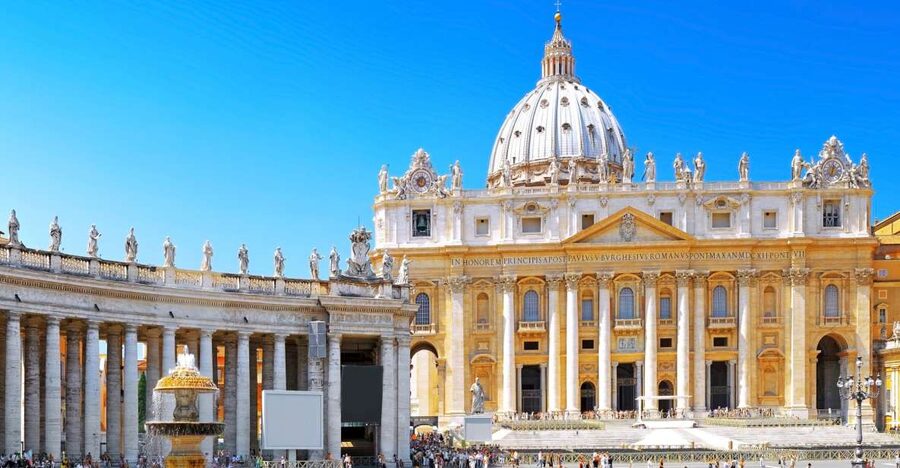
The Borgia Apartments add another layer to the Vatican experience. The rooms were decorated by Bernardo di Betto, known as Pinturicchio, and his assistants. They now house part of the Vatican’s modern religious art collection, established by Pope Paul VI in 1973.
That combination is unusual: historic decorated rooms used to display later religious art. It prevents the museum visit from becoming a simple march from one Renaissance masterpiece to the next.
This section may appeal most to people curious about how the Vatican presents its own past and its continuing artistic role. It also gives you a chance to see more than the famous names repeated in guidebooks.
Because the tour covers many sections, ask your guide to explain which works are original to the apartments and which belong to the later collection. A private conversation can make the arrangement easier to understand.
The Sistine Chapel and Michelangelo
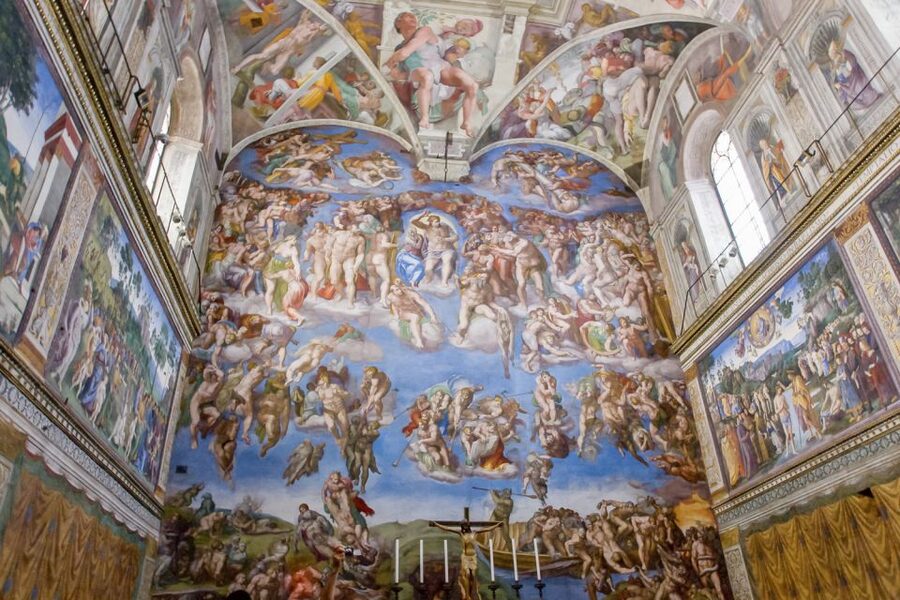
The Sistine Chapel is the emotional center of the visit. Michelangelo’s frescoes are the reason many people book a Vatican tour, and seeing them in person gives you a better sense of their scale than any screen can provide.
Your guide should prepare you before you enter, since the chapel itself has strict rules about behavior and conversation. Listen closely to the explanation beforehand, then look up and give the ceiling time to settle in.
The chapel is not just one famous image. Michelangelo’s work covers a large surface, and the guide can point out the main scenes, figures, and visual choices. You can also ask questions about how the frescoes fit into the wider Vatican program.
This is where the three-hour limit becomes noticeable. You will have time to see the chapel, but you may not get a long period of silent viewing if the group is keeping to schedule. Tell your guide if the Sistine Chapel is your top priority.
The Vatican enforces a dress code of covered shoulders and knees. Do not treat this as a minor suggestion. Shorts, short skirts, and sleeveless shirts are not allowed, and you may be refused entry if your clothing does not comply.
St. Peter’s Basilica and Michelangelo’s Pietà
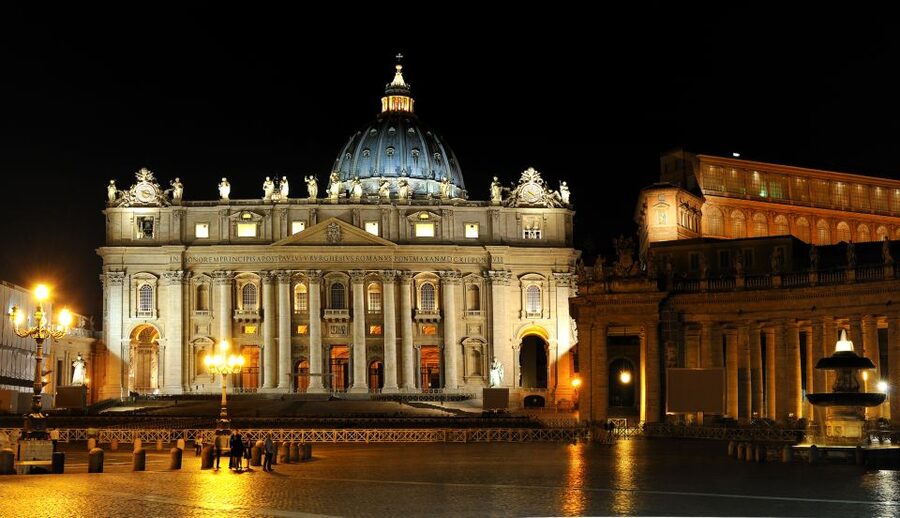
The final major stop is St. Peter’s Basilica. The tour includes access to the basilica and a look at Michelangelo’s Pietà, created when he was only 25.
The Pietà is one of the most important objects on the route because it combines artistic skill with a striking personal detail: Michelangelo made it at a remarkably young age. Your guide can place the sculpture within the story of the basilica and explain why it remains such a central work.
The basilica itself is vast, and the guide helps you understand its role as the world’s largest Catholic church. The visit is about more than checking off another famous building. It completes the movement from museum collections and papal rooms to a living place of worship.
The dome is not included. If climbing to the dome is important to you, you need to arrange that separately, and this tour does not visit it.
There is also a practical risk to keep in mind. St. Peter’s can close without notice. If that happens, the tour becomes a three-hour visit to the Vatican Museums and Sistine Chapel instead, with no refund offered. The basilica is also closed on December 24 and 31, when the tour visits other parts of the museums.
Price, pace, and overall value
At $1,693.85 per person, this is one of the most expensive ways to see the Vatican. The price is easier to justify if you place high value on a private guide, flexible attention, multilingual service, and skip-the-line access.
It is harder to justify if you mainly want fast entry and a few famous sights. You can find less costly Vatican visits, and a three-hour private tour still cannot cover every gallery in detail.
The strongest value comes from the guide. Davide has been praised for passionate storytelling, detailed answers, and useful suggestions for the rest of a Rome visit. Veronica has been described as lively, attentive, and informative, while Pasquale has received praise for his French and clear explanations. Ask at booking if a particular guide is available, but do not assume a named guide is guaranteed.
The tour has a 4.7 rating from 40 reviews, with especially strong praise for the guides’ ability to tailor the visit and answer questions. That matches what a private format should provide. The price is high, so the experience needs to feel personal, not like a standard group tour with only a higher bill.
Free cancellation is available up to 24 hours before the activity, and you can reserve now and pay later. Those policies help if your Rome schedule is still shifting, but they do not reduce the cost of the experience itself.
Who should book this Vatican experience
I would consider this tour for a small group that wants personal guidance and has a clear interest in art, papal history, or Renaissance culture. It also suits people visiting Rome for the first time who want the Vatican organized for them rather than pieced together on their own.
It is a good match if you want to ask many questions, need a guide in English, French, German, Italian, or Spanish, or have limited time in Rome and want skip-the-line access.
I would think twice if you are traveling on a tight budget, want to visit the dome, or prefer to explore museums at your own slow pace. The route covers a lot, but the schedule keeps moving.
The practical information is also important for mobility. Although the activity details mention wheelchair accessibility in one place, the additional information says the tour is not wheelchair-accessible and is not suitable for people with mobility impairments. Treat the latter warning as decisive and confirm before booking if mobility is a concern.
Should you book it?
Book this tour if the private format is the main reason you are going to the Vatican. The guide can connect ancient sculpture, Renaissance painting, papal rooms, the Sistine Chapel, and St. Peter’s Basilica in a way that a self-guided visit may not.
Skip it if $1,693.85 per person feels uncomfortable or if the dome is your main goal. For the right budget and interests, the strongest features are the skip-the-line entry, the broad route, and the chance to work with a guide such as Davide, Veronica, or Pasquale. Just dress correctly, arrive early, and remember that St. Peter’s can close without warning.
FAQ
How long does the Vatican private tour last?
The tour lasts three hours.
Where does the tour begin?
You meet your guide at Tours About. The meeting point is reached by taking Rome’s Line A metro to Ottaviano.
Where does the tour end?
The activity ends back at the meeting point.
Is skip-the-line entry included?
Yes. Skip-the-line access is included for the Vatican Museums and the Sistine Chapel.
Is entry to St. Peter’s Basilica included?
Yes. Access to St. Peter’s Basilica is included, but entry to St. Peter’s Dome is not.
Which languages are available?
The live guide service is available in English, French, German, Italian, and Spanish.
What should I wear?
The Vatican requires covered shoulders and knees. Shorts, short skirts, and sleeveless shirts are not allowed.
Is the tour wheelchair-accessible?
The additional activity information says it is not wheelchair-accessible and is not suitable for people with mobility impairments.
What happens if St. Peter’s Basilica closes?
If the basilica closes without notice, the tour includes a three-hour visit to the Vatican Museums and Sistine Chapel instead. No refund is offered in that situation.
More museums and galleries in Rome
- Rome: Vatican Museums, Sistine Chapel & Basilica Tour
★ 4.7 · 13,217 reviews - Rome: Vatican Museums & Sistine Chapel Guided Tour
★ 4.3 · 12,117 reviews - Vatican Museums & Sistine Chapel Skip-the-Ticket-Line Tour
★ 4.3 · 10,486 reviews - Vatican Museums, Sistine Chapel and St. Peter’s Basilica Tour
★ 4.0 · 8,768 reviews
Newest Rome tours we have reviewed
- Private TikTok Video Making in Rome★ 5.0 · 7 reviews
- Assisi, Orvieto and Civita di Bagnoregio Full Day Tour from Rome★ 4.5 · 45 reviews
- Assisi & Saint Francis Path Tour from Rome★ 5.0 · 45 reviews
- Assisi and Cascia Private Day Tour from Rome with Lunch★ 5.0 · 10 reviews
- Art Class in the center of Rome!★ 4.0 · 4 reviews
- Art & Craft: Beer Tour with Street Art in Rome★ 4.5 · 6 reviews
- Arrival in Rome: Airport Transfer & Exclusive City Introduction★ 5.0 · 3 reviews
- From Rome: Private Day-Tour of Tuscany★ 5.0 · 16 reviews
Vatican Skip-the-Line Tours, compared.
Vatican Museums & Sistine Chapel Skip-the-Line Entry Ticket
Read our review →
Skip-the-Line Group Tour of the Vatican, Sistine Chapel & St. Peter’s Basilica
Read our review →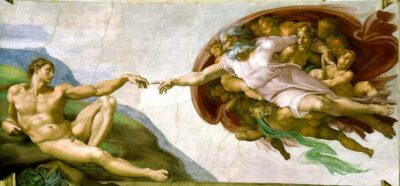
Vatican, Sistine Chapel & St. Peter’s Skip-the-Line Tour
Read our review →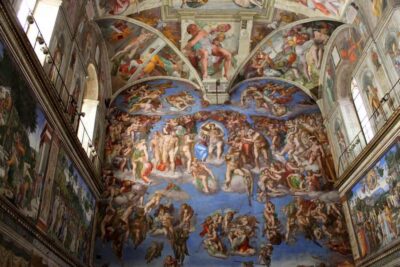
Vatican Museums Sistine Chapel Skip-the-Line Ticket
Read our review →
Skip the Line Vatican, Sistine Chapel and Basilica Guided Tour
Read our review →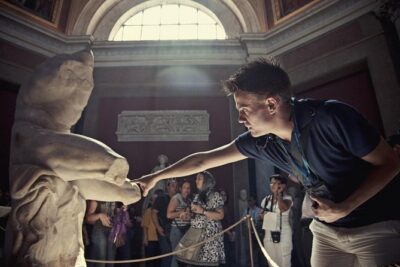
Skip the Line Vatican, Sistine Chapel, St Peter Small Group
Read our review →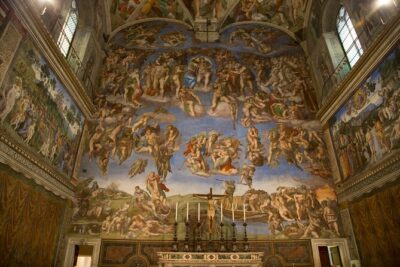
Skip the Line: Vatican & Sistine Chapel Ticket with Audio Guide
Read our review →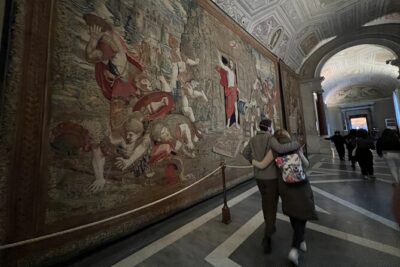
Skip the Line: Vatican Museum, Sistine Chapel & Optional Basilica
Read our review →Browse the lists this tour appears in