
Reviewed · ROME
The Vatican: Private VIP Experience Tour
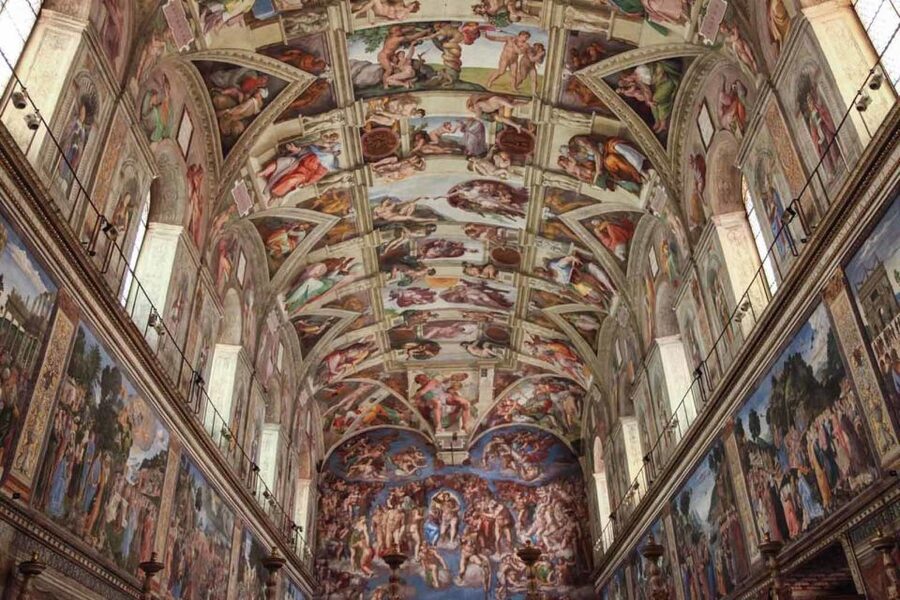
Michelangelo’s Sistine Chapel ceiling is the headline, but this five-hour private Vatican tour gives you much more than a quick look upward. You’ll move from ancient Greek sculpture to Renaissance frescoes, grand map galleries, the Pinacoteca, and finally St. Peter’s Basilica with a guide who can connect the art to the politics and faith of its time.
I like the private format, because you can shape the visit around art, architecture, religious history, or the works of Michelangelo and Raphael. I also like the special attention given to the Pinacoteca, a quieter collection that many hurried Vatican visits skip. The main drawback is the price: at $568 per person, this is a major splurge, and five hours of walking can be tiring.
Key points to know before booking
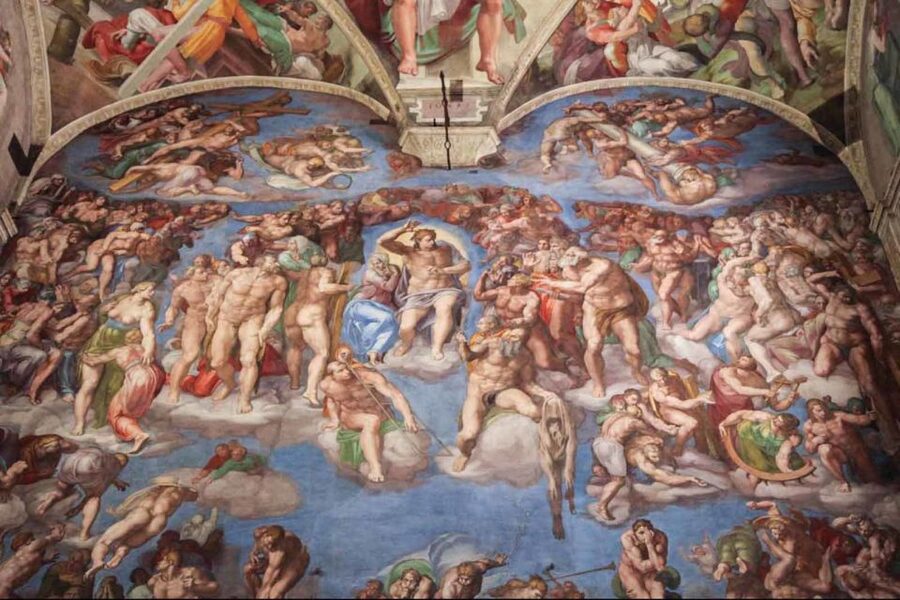
- Michelangelo’s Sistine Chapel: Spend about 20 minutes in the chapel, learning how the ceiling and Last Judgment changed Western art.
- A private art-historian guide: Ask questions, adjust the pace, and spend more time on the works that matter most to you.
- The Pinacoteca included: See paintings by Leonardo da Vinci, Caravaggio, and Raphael in the Vatican’s picture gallery.
- Ancient masterpieces: The Laocoön, Apollo Belvedere, and Belvedere Torso show the classical art that inspired Renaissance masters.
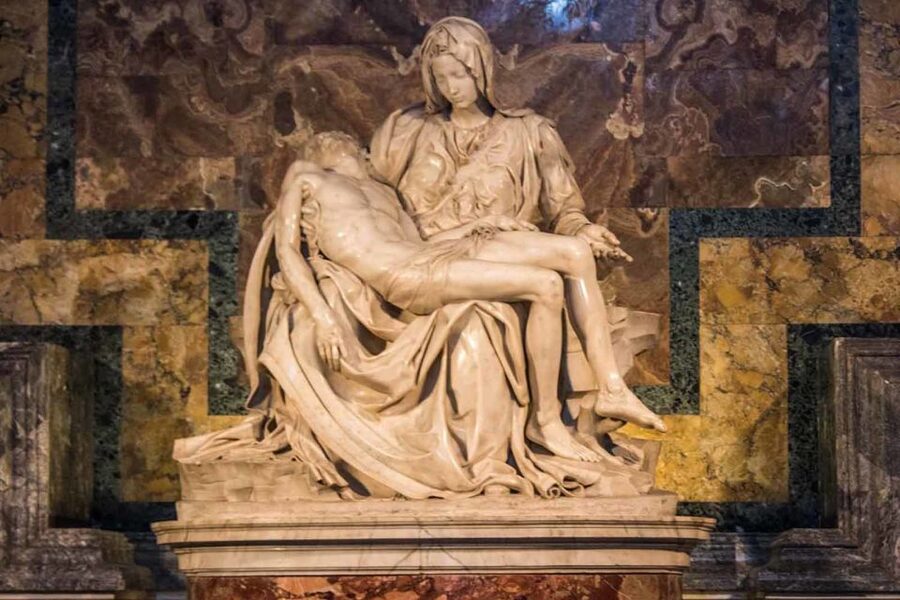
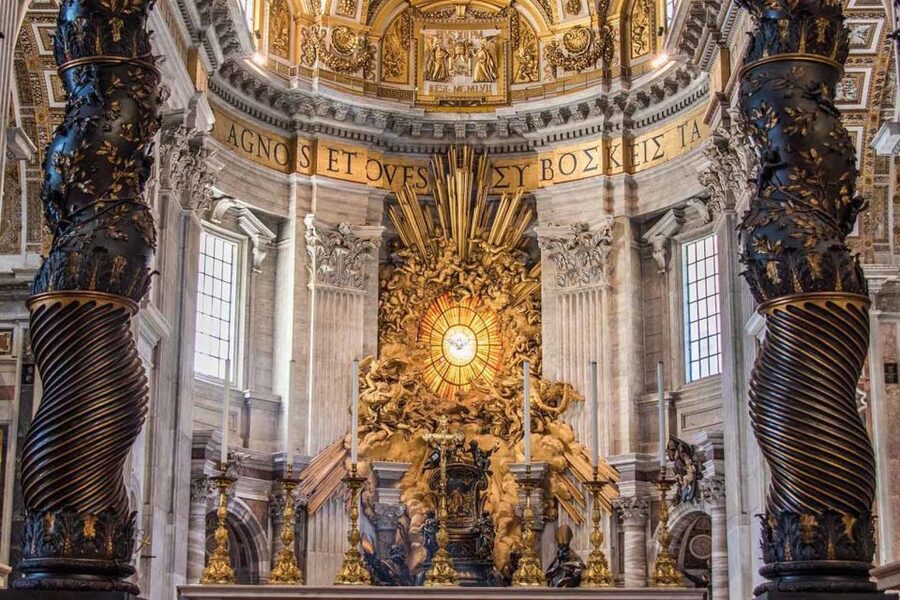
- St. Peter’s Basilica finale: End among Michelangelo’s Pietà, Bernini’s canopy, and centuries of Christian relics.
- Skip-the-line access: Separate entrance arrangements help you avoid the regular ticket queue, though the museums themselves can still be crowded.
What the $568 private Vatican tour really gives you
This is not a budget Vatican visit. At $568 per person, the cost makes sense mainly if you want a private guide, a tailored route, and a serious explanation of the art rather than a quick checklist of famous rooms.
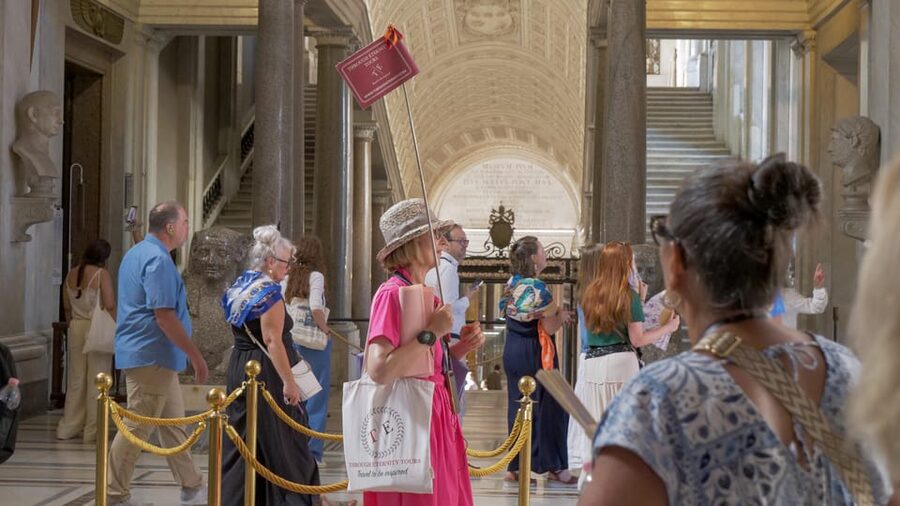
The price includes admission fees, skip-the-line access, fast-track entry to St. Peter’s Basilica, and an English- or Italian-speaking guide. Food, drinks, and transportation to the meeting point are not included. You meet in front of Café Vaticano on Viale Vaticano 100, where your guide will carry a Through Eternity sign or flag.
I would compare this price with the cost of a standard group tour before booking. If you are two or three people sharing a private guide, it can feel more reasonable than it first appears. If you are traveling alone, the cost is harder to justify unless the Vatican is one of the central reasons for your trip.
The strongest value comes from interpretation. The Vatican is so large that you can easily pass famous works without understanding why they matter. A good guide helps you see how ancient sculpture influenced Michelangelo, how Raphael worked within the papal court, and how the Vatican’s art served both religious and political purposes.
More private tours in Rome:
- Rome by Golf Cart Private Tour: Beyond the Landmarks
★ 5.0 · 4,361 reviews - Early Morning Vatican, Sistine, St. Peter’s Semi or Private Tour
★ 5.0 · 3,779 reviews - Rome on a Golf Cart Semi-Private Tour Max 6 with Private Option
★ 5.0 · 2,502 reviews
Beginning at the Vatican Museums
The tour starts at Viale Vaticano 100, with only a short walk from the meeting point to the museum entrance. Since you need to present a passport or government-issued photo ID matching the booking name, keep that document easy to reach.
Skip-the-line access is useful here. The Vatican Museums draw heavy demand, and a long wait outside can drain energy before you even reach the first gallery. Separate entrance access does not mean the halls will be empty, though. Expect a busy museum, especially near the Sistine Chapel and the main Renaissance rooms.
The tour is private, so you will not be tied to the pace of a large group. Tell your guide early if you care most about painting, sculpture, architecture, Christian history, or Michelangelo. That small conversation can make the difference between a generic tour and one that feels made for you.
The Pinacoteca and the Vatican’s paintings
The Pinacoteca Vaticana is one of the tour’s most useful inclusions. This picture gallery contains major works by Leonardo da Vinci, Caravaggio, and Raphael, along with paintings tied to the development of Italian religious art.
The Pinacoteca gives you a break from the vast corridors and crowded galleries. Instead of looking only at walls and ceilings, you can focus on individual paintings and the choices made by each artist. Ask your guide to compare Raphael’s balance and clarity with Caravaggio’s drama and use of light.
Leonardo’s work is especially important because so few paintings are securely connected to him. Caravaggio offers a very different mood, with figures that feel physically present and emotionally direct. Raphael helps complete the picture of the High Renaissance, where harmony, ideal beauty, and careful composition mattered greatly.
The gallery is not as instantly famous as the Sistine Chapel, but that is part of its value. If you want more than the Vatican’s greatest hits, this stop earns its place in the tour.
Ancient sculpture in the Chiaramonti Museum
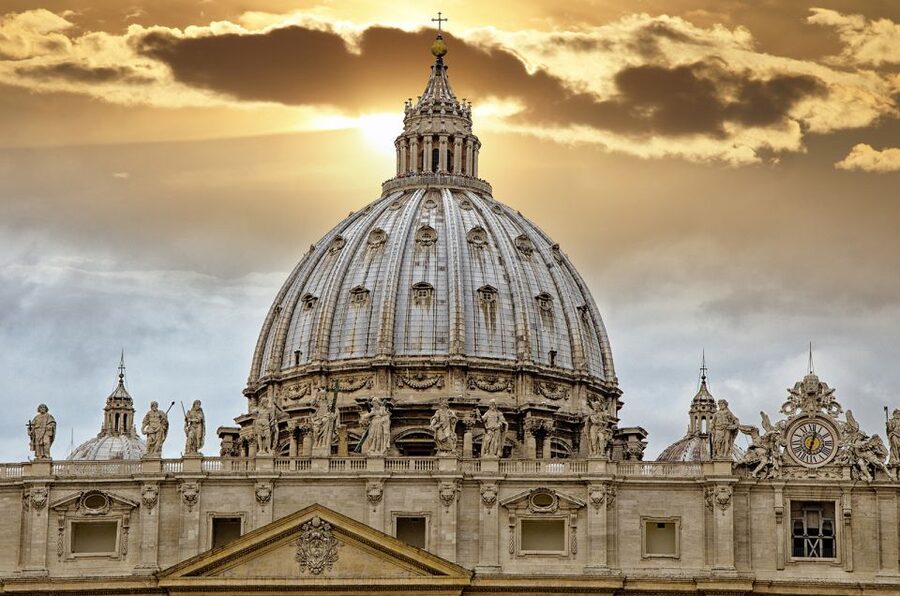
The Chiaramonti Museum brings you into the Vatican’s ancient sculpture collections. Here you encounter the Roman and Greek works that Renaissance artists studied with unusual care.
The most important pieces named for this visit are the Laocoön, the Belvedere Torso, and the Apollo Belvedere. These are not just old statues placed in elegant rooms. They help explain why Michelangelo and Raphael looked backward to Greece and Rome while creating something new.
The Laocoön is famous for its twisting bodies and intense struggle. The Belvedere Torso, although incomplete, had a major effect on artists because of its powerful anatomy. The Apollo Belvedere offered an idealized vision of the human body that shaped European art for centuries.
This is where a private guide can be particularly helpful. Ancient sculpture can seem remote if you only hear names and dates. Your guide can show you the poses, muscles, movement, and facial expressions that later artists borrowed, adapted, and challenged.
More VIP and luxury tours in Rome:
- VIP Vatican Breakfast and Guided Tour with Sistine Chapel Access
★ 4.5 · 1,796 reviews - VIP Vatican, Sistine Chapel & St. Peter’s Basilica Guided Tour
★ 4.5 · 1,128 reviews - Rome Catacombs & Capuchin Crypts VIP Group Tour with Transfers
★ 4.5 · 652 reviews - Exclusive Golf Tour Private VIP with Local & Gelato o Wine
★ 5.0 · 500 reviews
The Candelabra, Tapestries, and Maps
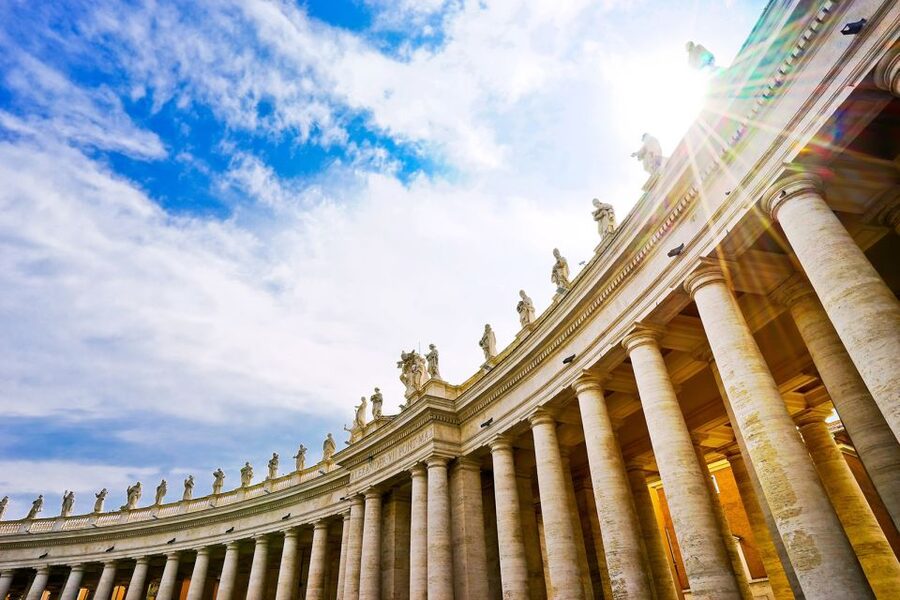
The Gallery of the Candelabra, Gallery of Tapestries, and Gallery of Maps form the long visual route toward the Raphael Rooms and Sistine Chapel. These corridors can feel like a lot to absorb, so listen for a few key ideas rather than trying to remember every detail.
The Gallery of the Candelabra contains ancient and decorative works arranged in grand surroundings. It helps show how the Vatican built its collections over time, mixing archaeology, religion, and the display habits of powerful popes.
The Gallery of Tapestries offers elaborate woven scenes. Look closely at how figures, architecture, and stories are arranged across the fabric. These works were expensive, portable signs of wealth and authority, not simple wall decorations.
The Gallery of Maps is one of the Vatican’s most memorable corridors. Its painted maps reflect how sixteenth-century Italy understood geography, borders, and regional identity. You will be looking at an artistic view of the world, not a modern atlas, so the guide’s explanation matters.
These galleries also reveal an important practical point: the Vatican is not a single museum room but a long sequence of collections. Wear comfortable shoes, drink water, and expect stairs and steady walking throughout the visit.
Raphael Rooms and the world of the papal court
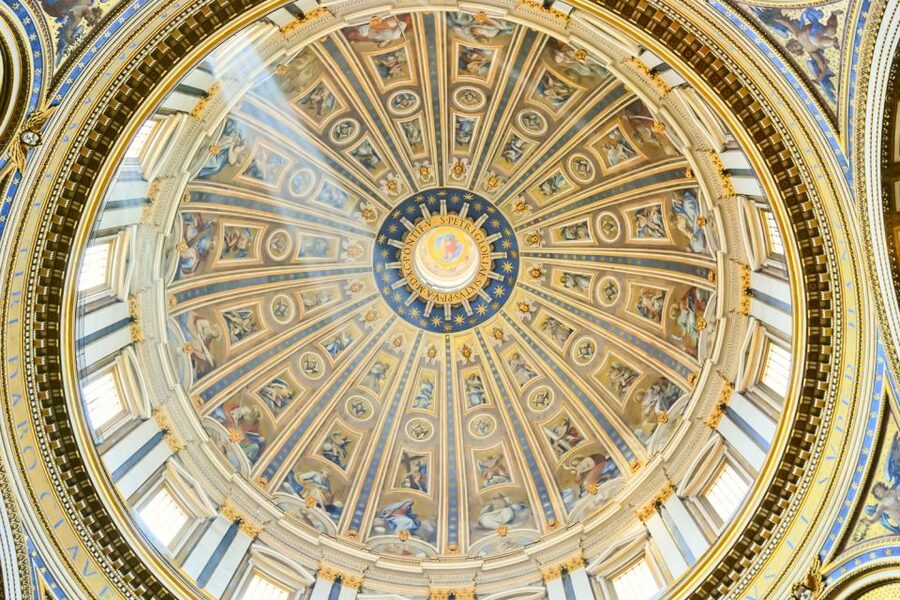
The Raphael Rooms place you inside the papal apartments decorated during the Renaissance. Raphael and his workshop created frescoes filled with philosophy, theology, history, and idealized human figures.
The value of seeing these rooms with context is that the paintings are not isolated pictures. They were part of a carefully planned environment for the papal court. The subjects helped present the Church as the heir to classical learning and a major force in European culture.
You may want to pause at The School of Athens, one of Raphael’s best-known frescoes, if it is included in the route as planned by your guide. The room’s figures represent philosophers and thinkers, and the arrangement turns a wall into a grand statement about knowledge and reason.
Raphael’s art offers a useful contrast with Michelangelo. Raphael’s compositions often feel calm, balanced, and orderly. Michelangelo’s figures tend to carry more physical strain and emotional force. Seeing both artists in the same visit lets you compare two different ideas of Renaissance greatness.
The Sistine Chapel and Michelangelo’s vision
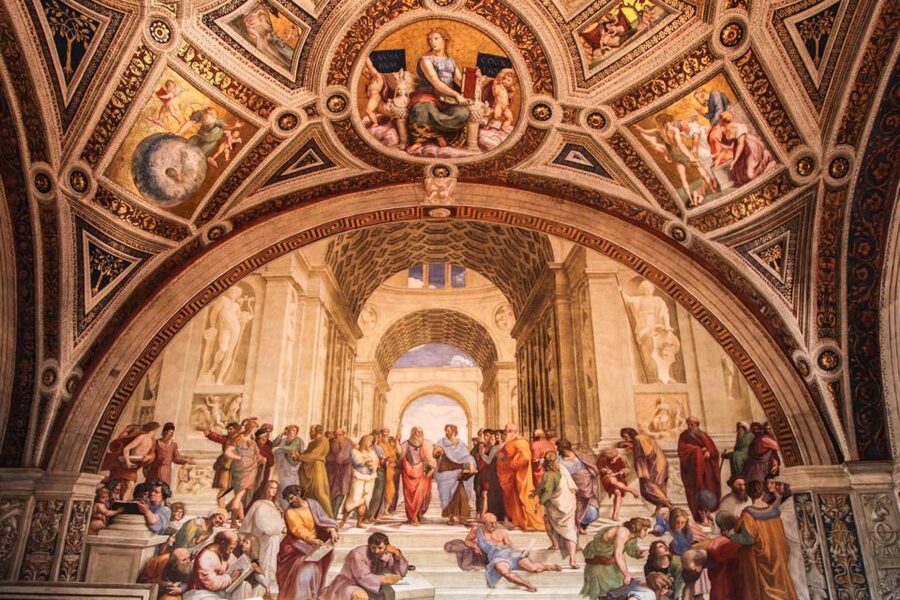
The Sistine Chapel is the emotional center of the tour. The guided portion is listed at about 20 minutes, so you should arrive ready to look carefully and listen closely.
The ceiling is not merely a collection of famous images. Its scenes from Genesis, including Adam, Eve, Noah, and Jonah, form a broad account of creation, human failure, and redemption. The Last Judgment adds a darker and more urgent vision to the altar wall.
Your guide can explain how the figures relate to Renaissance ideas about the human body, the Bible, and the role of the artist. Details that look decorative from the floor can carry theological meaning. The architecture also matters, because the painted surface had to work within the chapel’s existing shape.
There are strict rules in the Sistine Chapel. Knees and shoulders must be covered, and the chapel is a place for silence and worship as well as art. Photography rules may be enforced, so follow the staff instructions rather than trying to capture every ceiling panel.
The chapel can be crowded and the time can pass quickly. If Michelangelo is your main reason for booking, tell your guide before you enter so the visit can focus on the scenes and figures most important to you.
Entering St. Peter’s Basilica
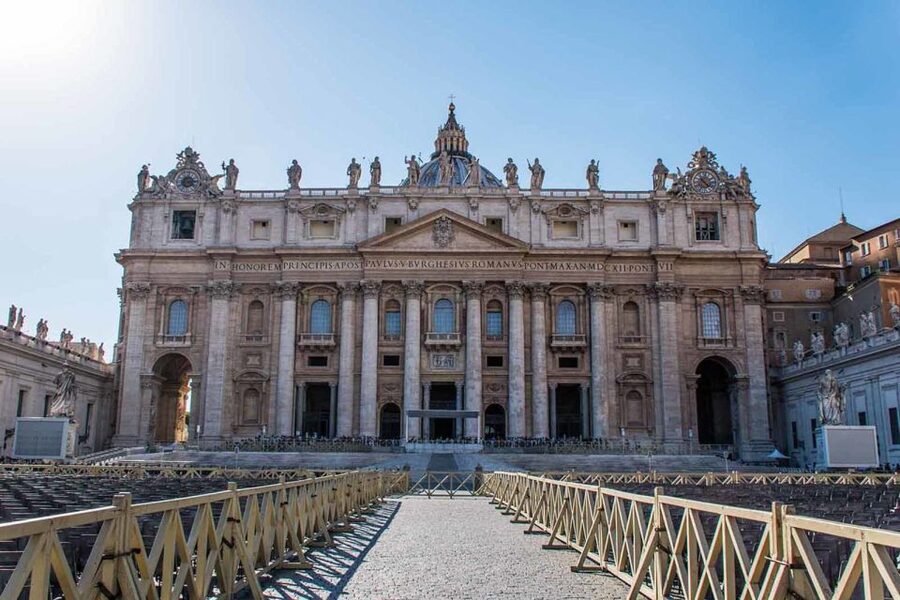
The tour ends at St. Peter’s Basilica after about an hour of guided exploration. Fast-track entry is a practical advantage, since the basilica can involve another security and ticket process when visited separately.
Inside, the scale is difficult to grasp at first. The building is both a church and a record of centuries of religious ambition, artistic skill, and papal patronage. Your guide will place the basilica’s major features in the story of the Christian faith and the site associated with St. Peter’s tomb.
Michelangelo’s Pietà is one of the essential stops. The sculpture shows Mary holding the body of Christ, combining grief with an unusually calm, polished beauty. It is a quieter work than the Sistine Chapel ceiling, and many people find its emotional restraint especially powerful.
Bernini’s canopy above the main altar is another highlight. Its height and movement help you understand how Baroque art uses space to direct attention. The canopy marks the heart of the church, while the surrounding architecture reinforces the importance of the altar and tomb below.
You will also encounter relics and religious objects collected over nearly 2,000 years. The experience is strongest if you approach the basilica not only as an art museum but as an active place of worship. Dress modestly, keep your shoulders and knees covered, and be prepared for a great deal of walking.
The guide makes or breaks the experience
The private guide is the reason to choose this tour over a simple ticket. Names such as Brandon, Guia, Tatiana, and Thomas have been associated with especially strong guiding on this experience, with praise focused on clear explanations, personal attention, and the ability to connect art with Italian history.
Do not expect the same guide on every departure, so the best practical move is to explain your interests at the start. You can ask for more time with sculpture, more attention to the Renaissance, or a clearer explanation of the basilica’s religious meaning.
A private setting also gives you room to ask basic questions without holding up a group. That matters in a place filled with unfamiliar names, religious symbols, and layers of artistic language.
The tour is conducted in English or Italian. It is wheelchair accessible, but the route includes stairs and staircases, so tell the provider about mobility concerns when booking. Large bags, tripods, and large umbrellas must go to the museum coat check.
Who should book this Vatican tour?
I would choose this tour if you want a serious art and history visit, dislike standing in ticket lines, and prefer to ask questions as you go. It is also a strong fit for a first Vatican visit when you want the major works explained rather than simply pointed out.
Families with older children may appreciate the private format, especially if a guide can adapt the explanations and pace. Art students, museum fans, and anyone especially interested in Michelangelo, Raphael, or ancient sculpture will get the most from the five-hour route.
I would hesitate if you have limited stamina, little interest in art, or only want to see the Sistine Chapel. The tour covers a lot of ground, and the price is difficult to defend for a short highlight visit.
Book only if the private guide and long route match what you want. At $568 per person, this is an expensive choice, but it combines the Vatican Museums, special Pinacoteca access, the Sistine Chapel, and St. Peter’s Basilica in one carefully explained visit. For a major Rome trip, that depth can be worth the cost.
FAQ
How long does the private Vatican tour last?
The tour lasts about five hours. The Vatican Museums portion takes roughly 3 hours and 40 minutes, the Sistine Chapel visit is listed at about 20 minutes, and St. Peter’s Basilica takes about one hour.
Where does the tour begin?
You meet your guide in front of Café Vaticano at Viale Vaticano 100. The guide will carry a Through Eternity sign or flag.
Where does the tour end?
The guided visit ends at St. Peter’s Basilica, also called the Basilica di San Pietro.
Is skip-the-line entry included?
Yes. The tour includes skip-the-line access to the Vatican Museums and fast-track entrance to St. Peter’s Basilica.
What should I wear?
Your knees and shoulders must be covered to enter places of worship. Wear comfortable shoes because the route includes substantial walking, steps, and staircases.
Do I need identification?
Yes. Each person must present a valid passport or government-issued photo ID matching the name used for the booking.
Newest Rome tours we have reviewed
- Private TikTok Video Making in Rome★ 5.0 · 7 reviews
- Assisi, Orvieto and Civita di Bagnoregio Full Day Tour from Rome★ 4.5 · 45 reviews
- Assisi & Saint Francis Path Tour from Rome★ 5.0 · 45 reviews
- Assisi and Cascia Private Day Tour from Rome with Lunch★ 5.0 · 10 reviews
- Art Class in the center of Rome!★ 4.0 · 4 reviews
- Art & Craft: Beer Tour with Street Art in Rome★ 4.5 · 6 reviews
- Arrival in Rome: Airport Transfer & Exclusive City Introduction★ 5.0 · 3 reviews
- From Rome: Private Day-Tour of Tuscany★ 5.0 · 16 reviews