
Reviewed · CAPUCHIN CRYPT TOURS
Rome: Capuchin Crypt to Pantheon Tour
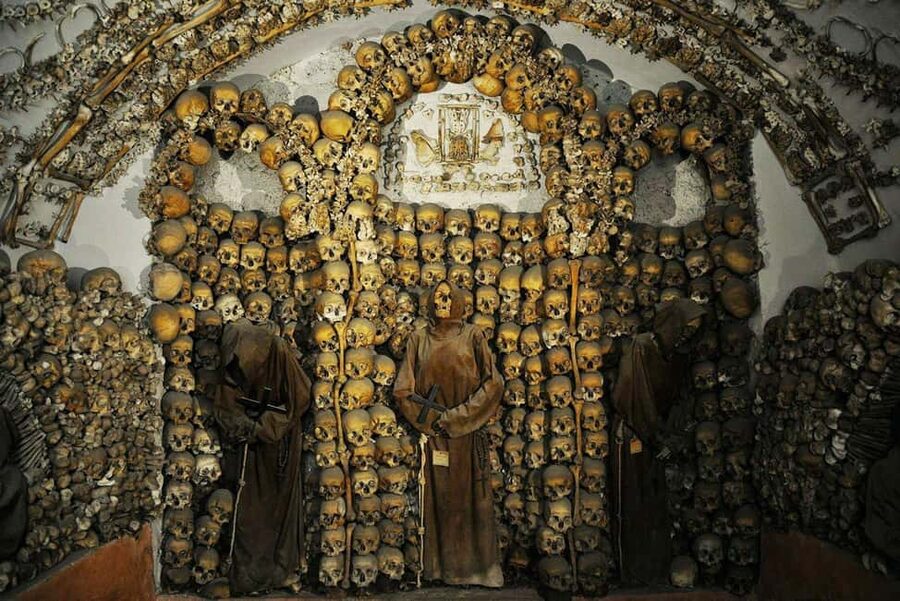
Rome’s strangest sightseeing stop comes first: the Capuchin Crypt, where human bones are arranged into solemn decorative displays. From there, this two-hour walk moves through central Rome to the Trevi Fountain and finishes beneath the Pantheon’s famous dome, giving you three very different views of the city in a compact outing.
I like the route for two clear reasons. It links unusual and famous sights rather than spending the whole tour at one monument, and the guide adds legends and historical context that can make familiar places feel less familiar. The main drawback is that the guide may not be allowed inside the Capuchin Crypt, so part of that visit can be self-guided, and one guide has been described as moving too quickly.
Key points at a glance
- The Capuchin Crypt opens with a macabre surprise: Bone displays and religious artistry create an unusual start to a Rome walk.
- The Trevi Fountain adds a classic Rome moment: You have time to admire the fountain and toss in a coin for a hoped-for return.
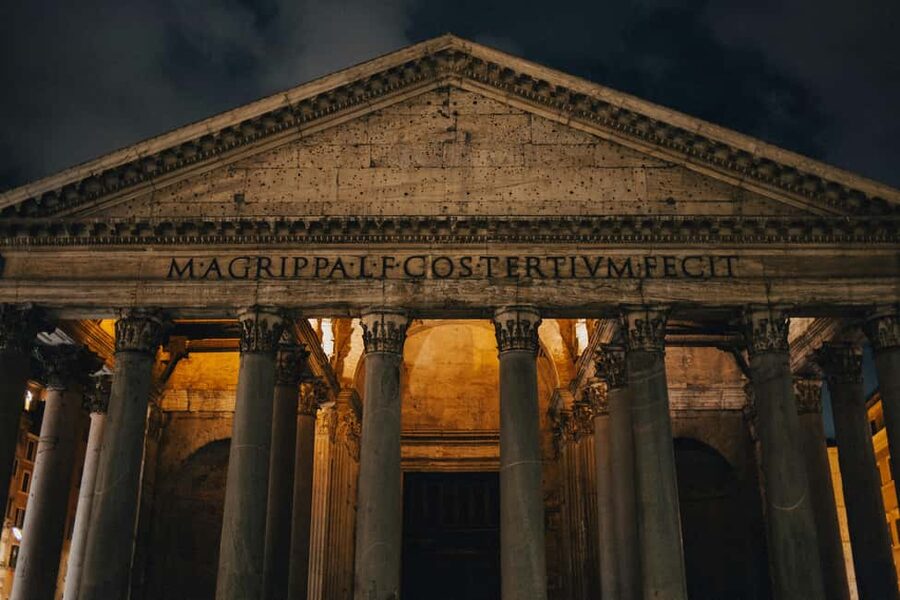
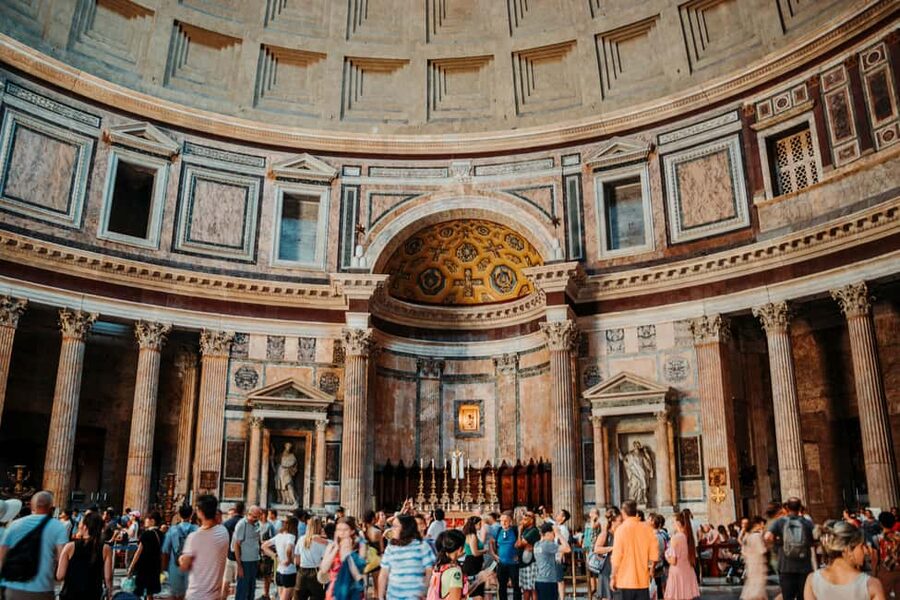
- The Pantheon gives the tour a grand finish: This ancient building began as a pagan temple and later became a church and mausoleum.
- Sarah, Fabiana, and Estefania are named guides: Sarah received praise for her friendly approach, Fabiana for clear explanations, and Estefania for attentive Spanish-language guiding.
- The route lasts two hours: That makes it useful for a first look at central Rome, but the pace may feel brisk if you want long stops.
- Access requires care: Large bags are not allowed, and the tour is not suitable for wheelchair users or people with mobility impairments.
Why this short Rome walk works
At $82 per person, this is not the cheapest way to see three Roman sights on your own. You are paying for the guide, the Capuchin Crypt entry, the Pantheon entry, and a tightly arranged route through central Rome.
The value depends on what you want. If you prefer to read plaques and make your own way between monuments, you can likely spend less by arranging separate visits. If you want one person to connect the sites with stories, explain the political and religious changes behind them, and handle the main admissions, the price is easier to justify.
I see this as a good choice for someone with only a short window in Rome. In two hours, you move from a quiet and unsettling crypt to one of the city’s most photographed fountains and then to one of its oldest major monuments. The contrast gives the walk a clear shape.
The tour is offered in English, Spanish, and French. Named guides include Sarah, Fabiana, and Estefania. The strongest feedback points to guides who explain a great deal, answer questions, and help you feel comfortable during the walk. Still, guide quality can vary. One French-language participant found the explanations hard to follow, while another said the guide moved too fast and ended the Pantheon visit abruptly.
That makes the guide an important part of the experience. If you book, pay attention to the language option and arrive ready to ask questions early. A small group or private option may suit you if you want more control over the pace.
More Capuchin Crypt visits:
- Rome: Catacombs and Capuchin Crypt Guided Tour with Transfer
★ 4.6 · 1,606 reviews - Rome: Capuchin Crypts Skip-the-Line Ticket and Tour
★ 4.7 · 1,162 reviews - Catacombs Tour with Transfer – Optional Capuchin Crypt or Trevi
★ 4.5 · 694 reviews
The Capuchin Crypt: Rome’s most unsettling opening
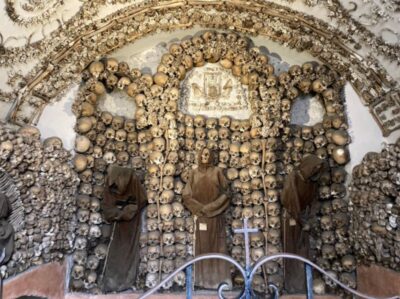
The first stop is the Capuchin Crypt, a place where death is not hidden away. Bones and artistic arrangements create a macabre display tied to the Capuchin religious tradition. It is not a light sightseeing stop, but it is memorable and unlike the usual Rome checklist.
I like the way this beginning puts Rome’s grand monuments into a human frame. Before you see the Pantheon’s enormous dome or the Trevi Fountain’s theatrical stonework, you are confronted with mortality, devotion, and the passage of time. The crypt asks you to think about how religious communities treated death and remembrance.
Do not expect a long lecture inside the crypt itself. A guide may not be permitted to accompany the group through the rooms. One participant specifically noted that the guide was not accepted inside and that an audio guide was used instead.
That arrangement has two sides. The audio guide lets you look around at your own pace, but it also means the live guide cannot point out details or answer questions as you go. You should be comfortable reading or listening independently for this portion.
Dress matters here. Short skirts and sleeveless shirts are not allowed, so choose respectful clothing from the start. Comfortable shoes are also important, since the tour is a walking experience and the crypt is only the first stop.
The crypt may not suit everyone. Its bone displays can feel disturbing, and people who dislike macabre religious settings may prefer a different introduction to Rome. For others, it is the most distinctive part of the route.
Walking toward the Trevi Fountain
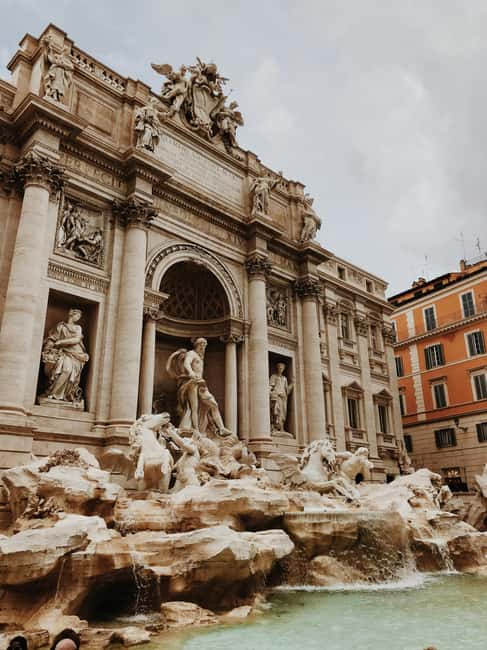
After the crypt, the tour continues through Rome’s historic streets toward the Trevi Fountain. The walk connects the stops rather than treating each monument as an isolated photo opportunity. Your guide can use the route to explain legends, changing eras, and the layers of daily life around these major sights.
The Trevi Fountain is the most instantly familiar stop. Its scale and decoration make it easy to understand why it has become a symbol of Rome, even if you have seen photographs many times before. The tour gives you a chance to pause, take in the setting, and toss a coin into the fountain if you want to follow the familiar custom of hoping to return to Rome.
I like this middle stop because it changes the mood. The crypt is quiet and somber. The fountain is theatrical, public, and full of energy. That shift helps the tour avoid feeling like a single long history lecture.
The information provided does not promise a set amount of free time at the fountain, so keep your expectations sensible. With only two hours for three locations, the stop is likely focused rather than leisurely. If you want extended photographs from several angles, you may need to return on your own.
This is also where pace can matter most. One participant felt the guide moved rapidly from one display to another at the crypt, which suggests that you should speak up if you need a moment to look, take a photograph, or catch an explanation. A good walking tour is easier to enjoy when the guide knows when to pause.
The Pantheon gives the route its strongest finish
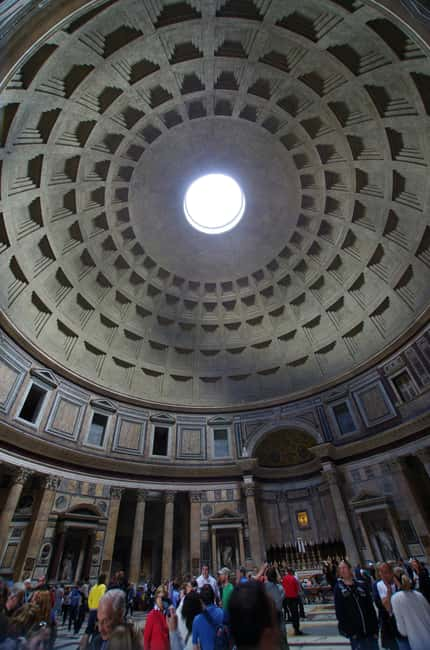
The Pantheon is the final stop, and it is the grandest building on the route. Its origins reach back to 25 to 27 B.C., when it was built as a temple for the gods of pagan Rome. Later, it became a church and a mausoleum, giving the building several distinct chapters rather than one fixed purpose.
That change is what makes the Pantheon especially useful with a guide. You are not just looking at an old façade. You are seeing a building that survived because its role changed over time. The tour’s stories can help you connect the ancient temple with its later Christian use and funerary function.
The Pantheon also provides a strong visual finish after the smaller, darker crypt. Its scale and age make the final stop feel important. I would save a little attention for the interior rather than treating it as a quick entrance and exit.
The entry ticket is included, and the tour advertises skip-the-ticket-line access. That can be useful in Rome, where waiting time can eat into a short day. It does not mean the visit will be empty or quiet, but it should reduce one common hassle.
There is one practical warning. A participant reported being left abruptly at the Pantheon when a new pope was elected, with the guide apparently heading toward Saint Peter’s Square. That may have been an unusual event, but it is a reminder to confirm where the tour ends and what support remains after you enter the Pantheon.
The guide may explain the building outside or inside, but the provided details do not guarantee how long the group stays within the monument. If the Pantheon is your main reason for booking, ask questions during the visit and make sure you understand the meeting and end point.
More Pantheon tours and tickets:
- Rome: Pantheon Timeless Marvel Guided Tour with Entry Ticket
★ 4.9 · 4,002 reviews - Rome: Pantheon Priority Entry Ticket & Audio Guide App
★ 4.1 · 3,234 reviews - Pantheon Elite Guided Tour – Rome’s Iconic Ancient Temple
★ 5.0 · 1,447 reviews - Rome’s Iconic Temple: Pantheon Audio Guided Tour with Fast Access
★ 4.0 · 1,188 reviews
What the named guides suggest about the experience
The strongest guide feedback is specific. Sarah was described as friendly and helpful, with clear information during the visits. Fabiana received praise for instructive explanations. Estefania, guiding in Spanish, was especially attentive to questions and helped create a comfortable atmosphere.
Those details matter because this tour depends heavily on spoken explanation. The crypt may use an audio guide, and the short schedule leaves little time to decode every site alone. A guide who speaks clearly and keeps the group together can make the difference between a connected story and three disconnected stops.
The experience is not perfectly consistent. One French-language participant understood only part of the explanation and felt the guide seemed unenthusiastic. Another person felt abandoned at the Pantheon. The overall score is 4.7 from 10 ratings, which is strong, but the small number of ratings means you should not treat that figure as a guarantee.
I would choose this tour when the guide’s language and storytelling matter to you, but I would also keep a little flexibility in your expectations. Guides Sarah, Fabiana, and Estefania have all been associated with positive experiences, while the less favorable feedback points to language clarity and pacing as the main risks.
How much walking and what to wear
The tour lasts two hours and takes place on foot. No transportation is included, and hotel pickup and drop-off are not provided. You should meet the group ready to walk through central Rome rather than expecting a vehicle between stops.
Comfortable shoes are essential. The route includes historic streets and several stops, and standing for explanations can be tiring in poor footwear. Choose shoes that you can wear for the full two hours without a problem.
The clothing rules are firm: no short skirts and no sleeveless shirts. Large bags and luggage are also not allowed. Pack light, and do not arrive with a suitcase or oversized day bag.
The tour is not suitable for wheelchair users or people with mobility impairments. If you need step-free access, frequent rest points, or a slower pace, this is not the right booking based on the stated restrictions.
Food and drinks are not included. Since the tour is only two hours, this is not a major concern, but you may want to eat before or after rather than expecting a refreshment stop.
Who will get the most from this tour
I would recommend it to first-time visitors who want a quick orientation around central Rome and enjoy a mix of famous sights and something unusual. The Capuchin Crypt gives the tour a point of difference, while the Trevi Fountain and Pantheon cover two classic Roman stops.
It also suits people who prefer context over isolated sightseeing. The guide can connect pagan worship, Christian use, burial customs, Roman legends, and modern traditions within one short walk.
This is less suitable for you if you need a slow photographic tour. Two hours is enough for an overview, not for extended time at every location. It is also a poor fit if you dislike bone displays, cannot walk comfortably, need accessible facilities, or want a fully guide-led explanation inside the crypt.
Families should think about the tone of the first stop. The crypt is not presented as a playful attraction, and some children may find the bone displays upsetting. The Pantheon and fountain are easier crowd-pleasers, but the route begins with the most serious material.
Private groups are available. That option may be worth considering if you have a family, a small party with different walking speeds, or a strong preference for asking questions. It may also help if you want a more personal explanation in your chosen language, although the guide’s access restrictions at the crypt still apply.
Booking flexibility and practical value
You can cancel up to 24 hours before the activity for a full refund. You can also reserve now and pay later, which is useful if your Rome plans are still shifting.
The $82 price needs to be judged against the included admissions and the convenience of one organized route. The two entry tickets are included, as is the live guide and the Trevi Fountain visit. Food, drinks, transport, and hotel transfers are not part of the package.
I would not book this simply to avoid walking between nearby sights. The real reason to choose it is the narrative link between places that can otherwise feel separate. You are paying for interpretation, timing, and a compact plan.
Should you book the Capuchin Crypt to Pantheon tour?
Book it if you want a short, story-led introduction to Rome that combines a strange religious site, the Trevi Fountain, and the Pantheon. The route has a pleasing change of mood, and the best guide experiences, especially with Sarah, Fabiana, and Estefania, suggest that the explanations can add real value.
Think twice if you need a slow pace, guaranteed live commentary inside the crypt, or a fully reliable ending at the Pantheon. Wear respectful clothes, bring only a small bag, and choose the language carefully.
For an active visitor with two hours to spare, this is a smart Rome sampler. Just treat the crypt as partly self-guided and keep your expectations realistic about pace and guide consistency.
FAQ
How long does the tour last?
The tour lasts two hours.
Which sites are included?
The tour includes the Capuchin Crypt, the Trevi Fountain, and the Pantheon.
Are entrance tickets included?
Yes. Entry to the Capuchin Crypt and the Pantheon is included.
What languages are available?
The live tour guide is available in English, Spanish, and French.
Can the guide enter the Capuchin Crypt?
The guide may not be accepted inside the crypt. An audio guide may be used for that part of the visit.
Is the tour suitable for wheelchair users?
No. The activity is not suitable for wheelchair users or people with mobility impairments.
What should I wear and bring?
Wear comfortable walking shoes and respectful clothing. Short skirts and sleeveless shirts are not allowed, and luggage or large bags are prohibited.
Can I cancel or pay later?
You can cancel up to 24 hours in advance for a full refund. You can also reserve now and pay later.
Newest Rome tours we have reviewed
- Private TikTok Video Making in Rome★ 5.0 · 7 reviews
- Assisi, Orvieto and Civita di Bagnoregio Full Day Tour from Rome★ 4.5 · 45 reviews
- Assisi & Saint Francis Path Tour from Rome★ 5.0 · 45 reviews
- Assisi and Cascia Private Day Tour from Rome with Lunch★ 5.0 · 10 reviews
- Art Class in the center of Rome!★ 4.0 · 4 reviews
- Art & Craft: Beer Tour with Street Art in Rome★ 4.5 · 6 reviews
- From Rome: Private Day-Tour of Tuscany★ 5.0 · 16 reviews
- Arrival in Rome: Airport Transfer & Exclusive City Introduction★ 5.0 · 3 reviews
Capuchin Crypt Tours, compared.
Catacombs and Capuchin Crypt Guided Tour with Transfer
Read our review →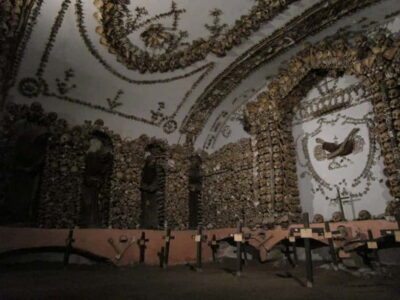
Capuchin Crypts Skip-the-Line Ticket and Tour
Read our review →
Catacombs Tour with Transfer – Optional Capuchin Crypt or Trevi
Read our review →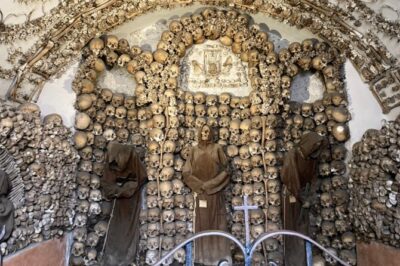
Rome Catacombs & Capuchin Crypts VIP Group Tour with Transfers
Read our review →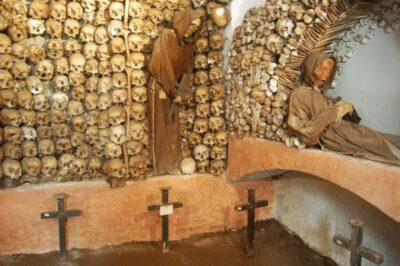
Guided Catacombs Tour & Capuchin Crypt (Audio Guide)
Read our review →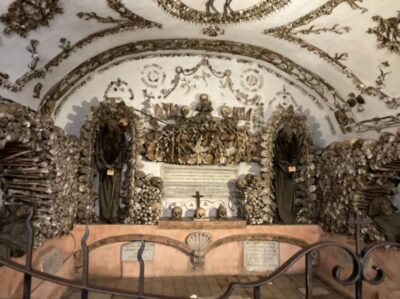
Crypts & Catacombs After Hours Tour with Bone Chapel
Read our review →
Dark Past Walking Tour with Capuchin Crypt Ticket
Read our review →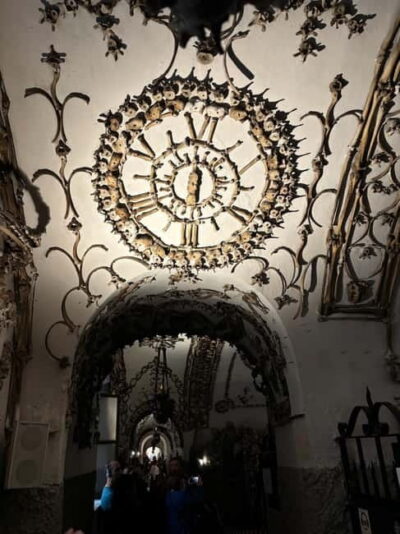
Capuchin Crypt & Rome’s Dark Secrets Small Group Tour
Read our review →Browse the lists this tour appears in