
Reviewed · ROME PASTA AND PIZZA MAKING CLASSES
Rome: Homemade Pasta and Tiramisu Cooking Class
Making pasta by hand is the heart of this Rome experience. At Osteria San Giorgio, you mix flour and water, knead the dough, roll it thin, and cut it into Roman pasta shapes before sitting down to eat what you made. I like the hands-on work and the chance to learn why pappardelle, tagliatelle, and tonnarelli are not simply different names for the same noodle.
I also like the generous teaching style. Christian, Kristian, Luca, and Elisabetta have all led sessions, and the class includes practical advice on ingredients, recipes, food customs, and wine. The main drawback is dietary: this is not suitable for vegans or anyone with gluten or lactose intolerance.
Key points at a glance
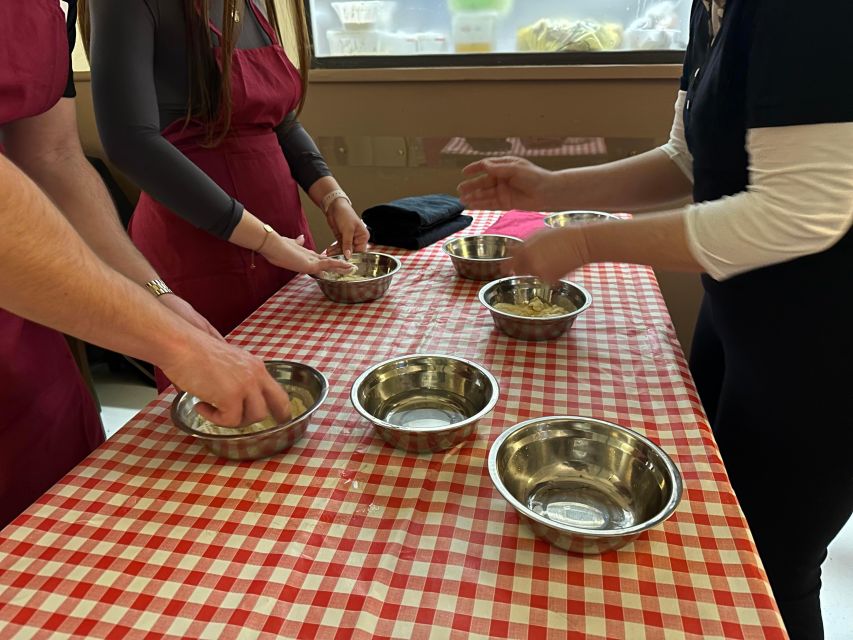
- Fresh pasta from flour and water: Knead, roll, and hand-cut your dough rather than watching a chef do all the work.
- Three Roman pasta shapes: Learn the differences among broad pappardelle, narrower tagliatelle, and square-edged tonnarelli.
- Tiramisu made from scratch: Prepare the espresso-dipped dessert as part of the same class.
- A meal at Osteria San Giorgio: Eat your pasta and tiramisu at the restaurant with a glass of wine and water.
- English-speaking instruction: Instructors such as Christian, Kristian, Luca, and Elisabetta explain both technique and Italian food culture.
- A useful Rome pause: The 2.5-hour class gives you a seated meal and a creative break from sightseeing.
Why homemade pasta is the main event
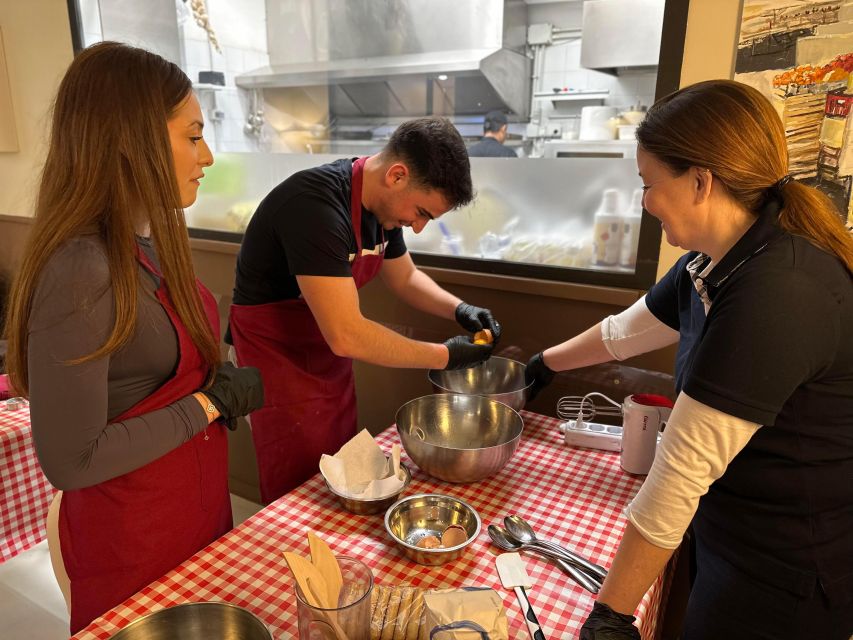
Rome is full of grand sights, but a cooking class gives you a different way to understand the city. Instead of only looking at old buildings, you spend time with ingredients, tools, and the everyday food traditions that shape Italian life.
This class keeps you working. You are not simply watching a demonstration while a chef handles the difficult parts. You mix flour and water, work the dough, roll it, and cut it by hand. That matters because fresh pasta looks simple, but the feel of the dough is part of the lesson. You learn by touch, not just by taking notes.
The class also gives you a useful vocabulary for pasta. Pappardelle is broad, tagliatelle is narrower, and tonnarelli has its own shape and texture. The exact preparation and cut affect how the pasta feels and how it carries sauce. You leave with a better sense of why an Italian menu offers several pasta shapes rather than one all-purpose noodle.
You also get guidance on choosing good ingredients. That is one of the most useful parts for your kitchen back home. A recipe is only part of the result. Flour, eggs or other basic ingredients, coffee, and dairy products all affect the finished dish, so advice on quality helps you repeat the experience with more confidence.
More cooking classes in Rome:
- 3 in 1 Cooking Class near Navona: Fettuccine, Ravioli & Tiramisu
★ 5.0 · 7,376 reviews - Rome: 3-in-1 Fettuccine, Ravioli, and Tiramisu Cooking Class
★ 4.9 · 2,704 reviews - Rome: Fettuccine Pasta Cooking Class in Rome’s City Center
★ 4.8 · 2,414 reviews
Mixing, kneading, rolling, and cutting the dough
The pasta portion begins with basic ingredients and a simple question: how do flour and water become pasta? Your instructor takes you through the process step by step, explaining what to look for as the dough changes.
You should expect to use your hands. Mixing is not a polished showpiece, and that is the point. You get a feel for the dough as it comes together, then knead it until it becomes workable. The instructor can show you how the dough should respond, which is more useful than being handed a fixed cooking time that may not work in every home kitchen.
Rolling comes next. This is where patience helps. The dough needs to become thin enough for the chosen pasta, but you are still learning how much pressure to use and how to handle the sheet. The work is physical but manageable, and the instructor’s corrections can save you from ending up with pasta that is too thick or uneven.
Then you cut the dough by hand. The class uses pappardelle, tagliatelle, and tonnarelli to show how pasta shape changes the finished dish. Families and first-time cooks can get a lot from this section because the method is clear enough to repeat at home. One first-time cook even found the process approachable despite making something far more complex than usual.
The class is not designed to turn you into a professional pasta maker in one afternoon. You will not master every regional shape or every sauce. What you do get is a solid starting method and the confidence to try again.
Tiramisu with espresso and a creamy finish
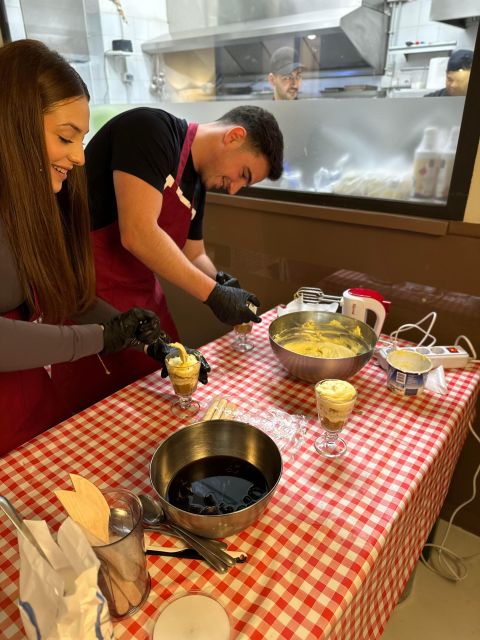
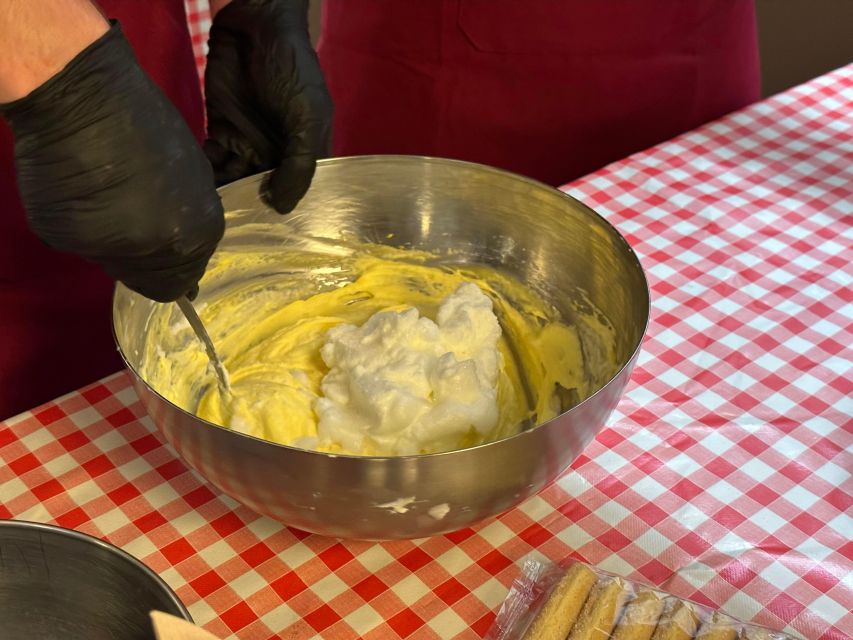
The dessert lesson shifts from dough to tiramisu, one of Italy’s best-known sweets. You learn how to prepare the creamy mixture and work with espresso-dipped components to create the final dessert.
This is a good pairing with the pasta lesson. Pasta requires touch and patience, while tiramisu teaches you how several simple parts combine into a finished dish. The dessert may look elaborate when it arrives in a restaurant, but the class breaks it into steps you can repeat.
The tiramisu section is also friendly for beginners. The method is not presented as a secret reserved for pastry chefs. You learn the process, see how the components fit together, and then taste the result with the rest of your meal.
You should note the dairy issue before booking. The experience is not suitable for anyone with lactose intolerance, and the same applies to gluten intolerance and vegan diets. The menu is built around traditional pasta and classic tiramisu, not alternate versions.
Eating your work at Osteria San Giorgio
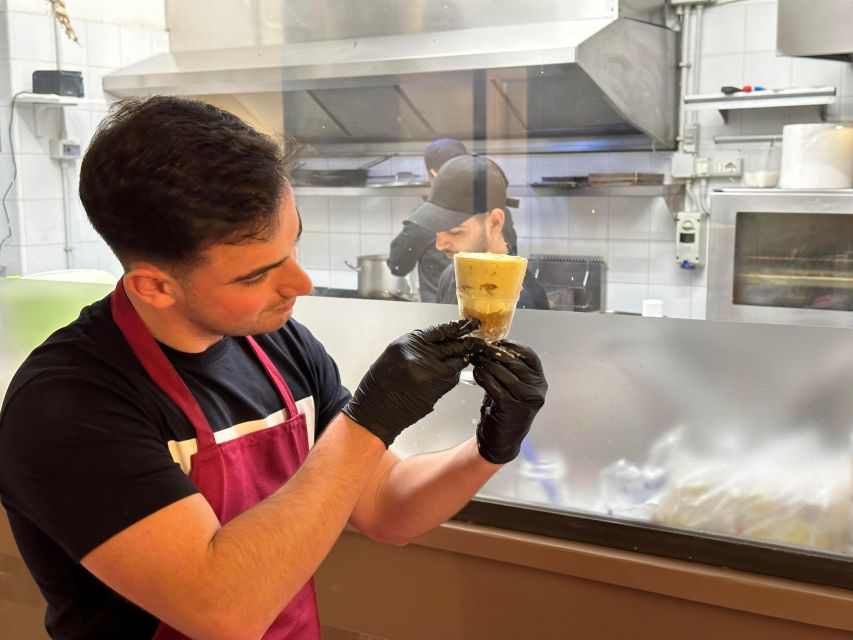
After the preparation, you eat the pasta and tiramisu at Osteria San Giorgio. This is important: you are not leaving with uncooked dough or a recipe card as your only reward. The class finishes with a meal made from the work you did during the session.
A glass of wine is included, along with water. The wine gives the meal a proper restaurant feel, while the food lets you judge the results of your own pasta making. You may notice that the dish tastes different from something cooked by a restaurant chef, but that is part of the pleasure. You can connect the finished plate with every earlier step.
The restaurant setting also adds context. This is not a class in an anonymous room with a snack at the end. You work in a traditional restaurant and then sit down to eat there. Staff members help with the meal, and the setting gives you a chance to talk about Rome, local food, and places to visit.
One useful point from the class experience is that the instructor may offer more than recipe instructions. Christian and Kristian, for example, have been praised for discussing Italian culture, food history, wine, and local recommendations. Elisabetta has been described as patient and detailed, while Luca has brought strong food knowledge to his teaching. Your instructor can vary, but the format supports questions.
More gelato and tiramisu classes in Rome:
- Rome: Pasta & Tiramisu Class with Fine Wine by the Vatican
★ 4.9 · 4,852 reviews - Learn to Make Pasta & Tiramisu with Wine and Limoncello Included
★ 5.0 · 2,345 reviews - Become a Masterchef in Rome: Pasta, Ravioli and Tiramisù Class
★ 5.0 · 2,156 reviews - Rome: Fettuccine and Tiramisu Cooking Class with Wine
★ 4.8 · 2,013 reviews
The instructors and the feel of the class
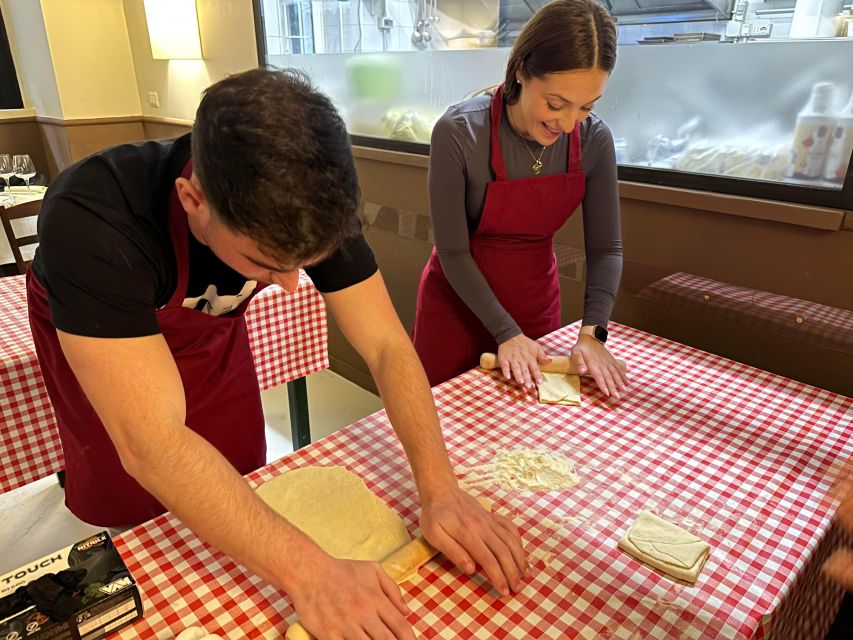
The instructor can make or break a hands-on class. Here, the teaching style appears to be a major strength. The named instructors include Christian, Kristian, Luca, and Elisabetta, and the class is conducted in English.
You can expect a personal, involved lesson rather than a lecture. The instructor explains how the food is made, helps with each stage, and answers questions. That matters for pasta because small corrections can change the final result. A little help with kneading or cutting can prevent frustration.
The class also suits people who want cultural conversation. You can ask about Italian food habits, Rome, recipes, and the instructor’s own life in the city. That makes the experience feel less like a technical workshop and more like a meal shared around food.
Group size can vary. One couple found themselves as the only two people booked and received what felt like a private lesson. You should not assume every date will be private, but a smaller group can give you more direct attention. In a larger class, you may have more company and a livelier exchange, while individual instruction could be less constant.
There is one small comfort point worth mentioning. A pair of young women found that kitchen staff watched the cooking more than they expected, which made them slightly uncomfortable. That does not describe the whole experience, but if you prefer a very private class, it is worth keeping in mind that you are working in an active restaurant environment.
What the $65 price includes
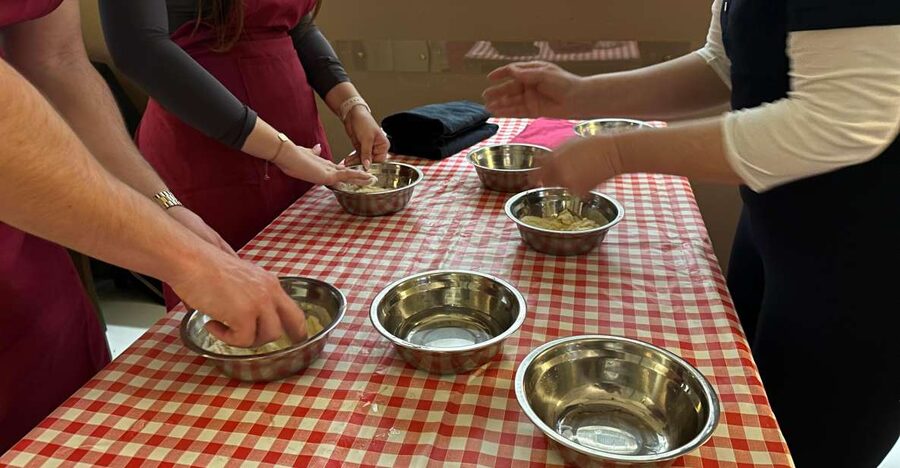
At $65 per person, the value depends on what you want from a food activity. You receive 2.5 hours of instruction, all ingredients, utensils, water, a glass of wine, and the meal made during the class. That is a stronger package than a short demonstration followed by a small tasting.
The real value is the participation. If you only want to eat pasta in Rome, you can find a restaurant meal without paying for a class. If you want to understand how the pasta is made and carry the skill home, the price makes more sense.
You also avoid having to buy ingredients or equipment for the lesson. Everything needed for the pasta and tiramisu is provided. Since you eat the finished food at the restaurant, the activity combines a cooking lesson and a meal in one booking.
The price is less appealing if you do not enjoy cooking or if you are mainly looking for a fast meal. Two and a half hours is enough time for a relaxed lesson, but it is still a substantial part of your day. I would schedule it when you want a slower break, not when you are trying to fit three museums around a timed entry.
Who will enjoy this class most
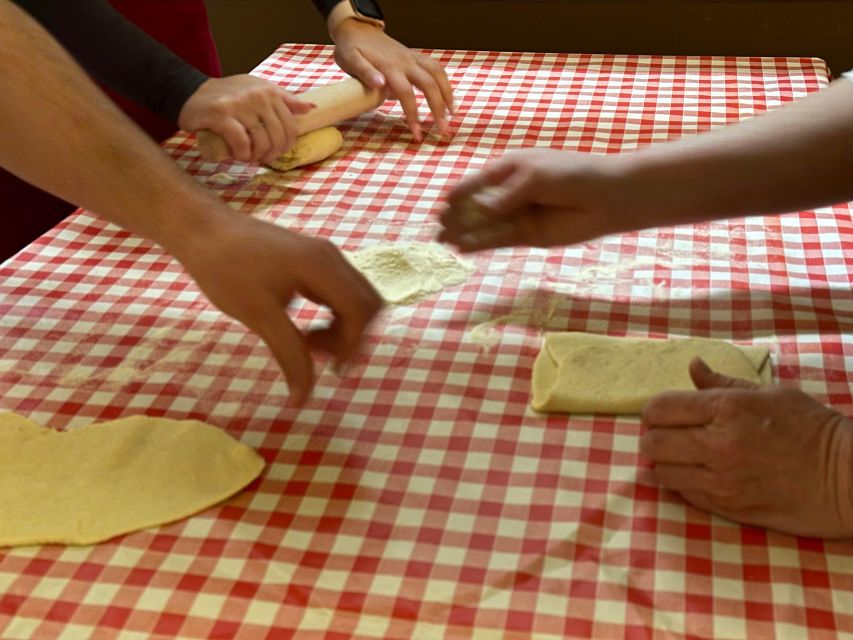
I would recommend this class to couples, families, and first-time cooks. Children can take part with adults, and one family found the detailed teaching worked well for two children. The tactile work gives younger participants something to do, though the class still requires attention and patience.
It also suits anyone who wants a food memory they can recreate. You may forget one restaurant lunch from a busy Rome trip, but learning to make pasta and tiramisu gives you a skill connected to the city. You can use it later for friends and family at home.
The class is especially useful for people who want cultural context without signing up for a long food tour. You learn about ingredients, pasta shapes, recipes, wine, and Italian food customs in one setting.
I would not choose it if you dislike group activities, cannot eat gluten or dairy, or want a highly specialized culinary course. It is an approachable introduction, not advanced chef training. Vegans are also not suitable for this experience.
Timing, access, and practical planning
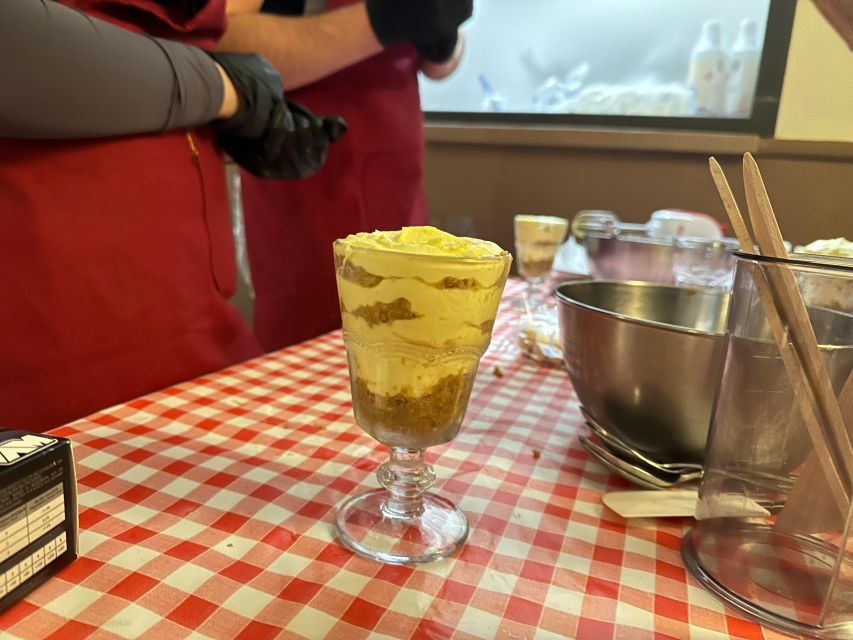
The class lasts 2.5 hours, and you need to check the available starting times when booking. Since the meal comes at the end, allow enough time afterward rather than rushing straight to another reservation.
The meeting point is Osteria San Giorgio. Go directly to the restaurant, and allow yourself enough time to find it before the start. The provided information does not include a hotel pickup or transportation service, so plan to reach the meeting point on your own.
Instruction is in English. This makes the class practical for English-speaking visitors who want clear explanations during the kneading, rolling, and dessert stages.
The activity is wheelchair accessible. If you have other mobility needs, confirm the details at booking, but the stated accessibility is a helpful point for anyone planning a more comfortable Rome schedule.
Cancellation is flexible up to 24 hours in advance for a full refund. You can also reserve and pay later, which helps if your Rome plans are still shifting.
A relaxed break from Rome sightseeing
The best place for this class in your itinerary is often between major sightseeing days or during an afternoon when you want to slow down. Rome can make you walk farther than planned, and a seated meal after hands-on work gives your day a different rhythm.
I would not treat the class as a replacement for exploring Roman food on your own. You still need to eat at local restaurants, visit markets if they fit your plans, and try dishes you did not learn to make. Instead, use the class as a personal introduction to the cooking behind the plate.
The food lesson also gives you a better eye for menus afterward. When you see pappardelle, tagliatelle, or tonnarelli, you will understand that the shape is part of the dish. That small piece of knowledge can make later meals more interesting.
Should you book the Rome pasta and tiramisu class?
Book it if you want an active food experience, a full meal, and recipes you can repeat at home. The strongest reasons are the hands-on pasta work, the included tiramisu lesson, the English instruction, and the chance to eat your finished food with wine at Osteria San Giorgio.
I would be especially comfortable recommending it to couples, families with older children, and visitors who have never made pasta before. The teaching is patient and practical, and the class has earned a perfect 5 rating from 57 submitted ratings.
Skip it if you have dietary restrictions involving gluten, dairy, or animal products, or if two and a half hours of cooking sounds like too much work. For everyone else, $65 buys more than dinner. It buys a useful Roman food lesson and a story you can bring back to your own kitchen.
FAQ
How long does the cooking class last?
The class lasts 2.5 hours.
Where does the class meet?
Meet at Osteria San Giorgio in Rome.
What language is the class taught in?
The instructor teaches in English.
What food will I make?
You will make homemade pasta and tiramisu. The pasta lesson covers pappardelle, tagliatelle, and tonnarelli.
Is food and drink included?
Yes. All ingredients and utensils, water, and one glass of wine are included. You also eat the pasta and tiramisu you prepare.
Is the class suitable for vegans?
No. The activity is not suitable for vegans.
Can I take the class with a gluten or lactose intolerance?
No. The activity is not suitable for people with gluten intolerance or lactose intolerance.
Is the experience wheelchair accessible?
Yes, the activity is listed as wheelchair accessible.
More pasta and pizza making classes in Rome
- Rome: Pasta Making Class with Wine, Limoncello, and Dessert
★ 4.9 · 3,177 reviews - Enjoy Spritz and Pasta Making in Piazza Navona
★ 5.0 · 1,681 reviews - Rome Tipsy Cooking Class: Make Pasta and Mix 3 Spritz Cocktails
★ 5.0 · 1,357 reviews - Cooking Class in the Heart of Rome: Pizza and Tiramisu Making
★ 5.0 · 1,330 reviews
Newest Rome tours we have reviewed
- Private TikTok Video Making in Rome★ 5.0 · 7 reviews
- Assisi, Orvieto and Civita di Bagnoregio Full Day Tour from Rome★ 4.5 · 45 reviews
- Assisi & Saint Francis Path Tour from Rome★ 5.0 · 45 reviews
- Assisi and Cascia Private Day Tour from Rome with Lunch★ 5.0 · 10 reviews
- Art Class in the center of Rome!★ 4.0 · 4 reviews
- Art & Craft: Beer Tour with Street Art in Rome★ 4.5 · 6 reviews
- Arrival in Rome: Airport Transfer & Exclusive City Introduction★ 5.0 · 3 reviews
- From Rome: Private Day-Tour of Tuscany★ 5.0 · 16 reviews
Rome Pasta and Pizza Making Classes, compared.
3 in 1 Cooking Class near Navona: Fettuccine, Ravioli & Tiramisu
Read our review →
Pasta Making Class with Wine, Limoncello, and Dessert
Read our review →
3-in-1 Fettuccine, Ravioli, and Tiramisu Cooking Class
Read our review →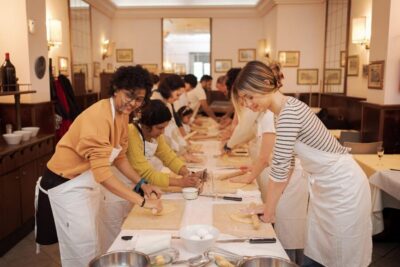
Fettuccine Pasta Cooking Class in Rome’s City Center
Read our review →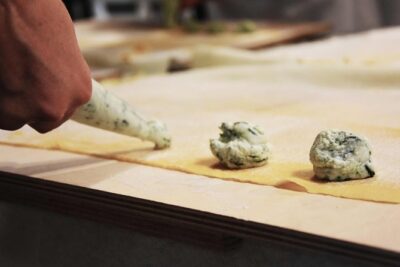
Become a Masterchef in Rome: Pasta, Ravioli and Tiramisù Class
Read our review →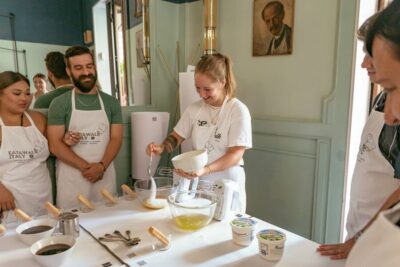
Fettuccine and Tiramisu Cooking Class with Wine
Read our review →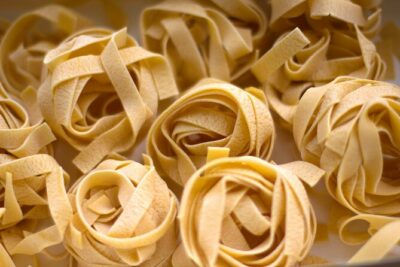
Enjoy Spritz and Pasta Making in Piazza Navona
Read our review →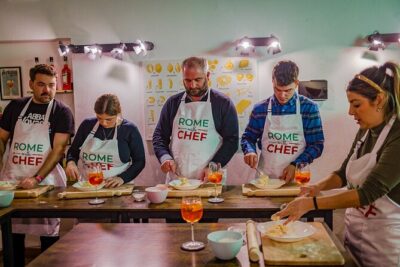
Rome Tipsy Cooking Class: Make Pasta and Mix 3 Spritz Cocktails
Read our review →Browse the lists this tour appears in