
Reviewed · ROME PASTA AND PIZZA MAKING CLASSES
Rome: Pasta Making Class with Wine, Limoncello, and Dessert
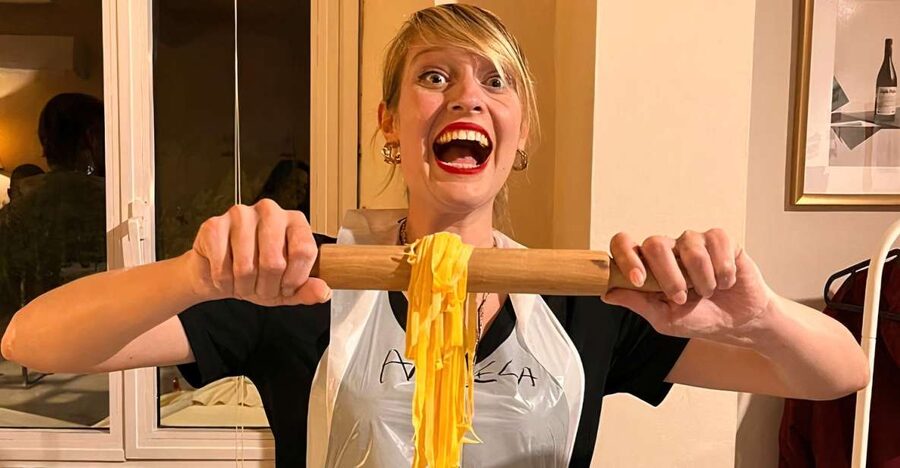
The best part of this Rome experience is that you do not simply watch someone prepare pasta. You make three kinds yourself, including filled pasta, then sit down to eat what you shaped only minutes earlier. The class takes place in Palazzo Grazioli, a short walk from the Pantheon and Piazza Venezia, with the marble cat on Via della Gatta waiting outside.
I like the small groups of up to 10 and the lively, social format. Instructors such as Fabrizio, Olga, Giorgio, Christian, and Marco give hands-on help, while the communal meal makes it easy to chat with people from other countries. The main consideration is dietary: this class cannot accommodate vegan, gluten-free, lactose-free, or nut-free diets.
Key points to know
- Three fresh pasta shapes: Make ravioli, tortelli, and fettuccine with eggs, flour, a rolling pin, and your own hands.
- A central Roman setting: The school is at Via della Gatta 14, inside historic Palazzo Grazioli, near major sights.
- Chefs who work the room: Instructors including Olga, Fabrizio, Giorgio, and Christian are praised for patient, funny, practical teaching.
- Dinner is part of the lesson: Your pasta is cooked after shaping, then served with tomato sauce and butter and sage sauce.
- Wine and dessert are included: Enjoy organic Tuscan Dalle Nostre Mani wine, cake, and a shot of limoncello.
- Good value at $48: Three hours of instruction, a full meal, drinks, and English recipe booklets make this more than a quick demonstration.
Making Three Pastas in the Heart of Rome
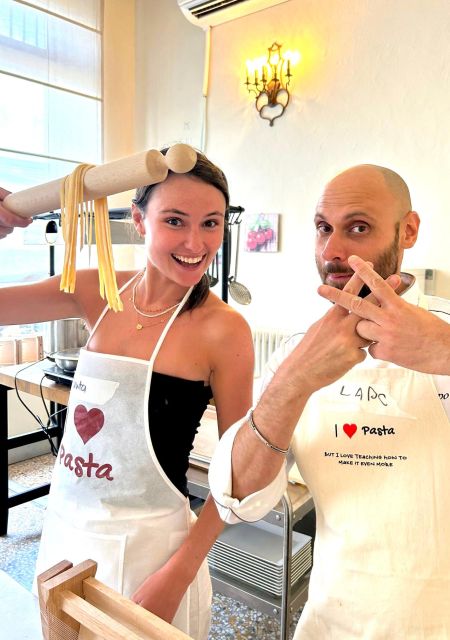
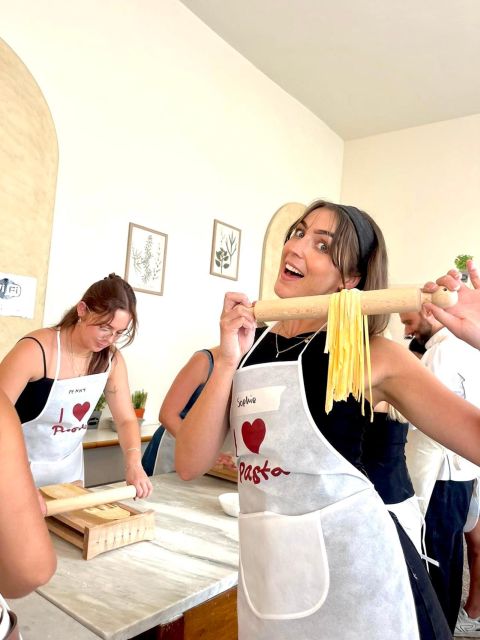
This is a hands-on cooking class rather than a polished restaurant show. You put on an apron, work with flour and eggs, and learn how dough changes as you knead, roll, cut, and shape it.
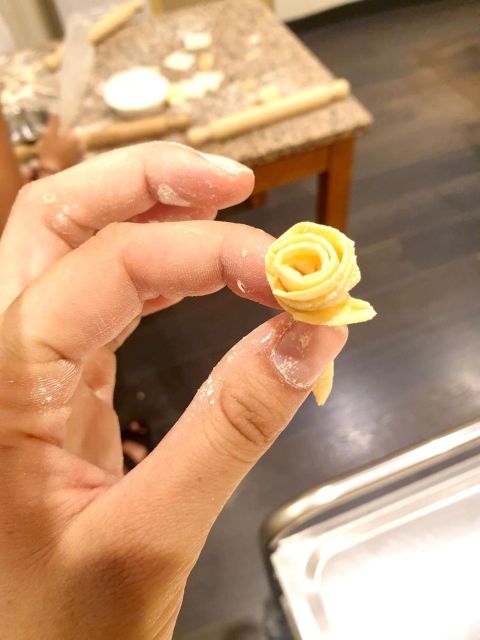
The class covers ravioli, tortelli, and fettuccine. The first two are filled pastas, so you get practice with both the dough and the more delicate job of sealing portions around their filling. Fettuccine gives you a simpler, long-cut pasta to finish the session.
That mix is useful for beginners. You are not repeating one shape for three hours. Each pasta calls for a slightly different motion, and the instructor can correct your technique as you go. If your dough is too thick, your filling is uneven, or your pieces need a firmer seal, the chef works through the problem with you.
The cooking school limits the class to 10 people. That matters. A large demonstration can leave you watching from the back, but this format gives the instructor time to check each work area. Fabrizio, Olga, Giorgio, Christian, and Marco are among the chefs who lead sessions, and the strongest pattern in the feedback is their patience, humor, and attention to individual students.
You do not need previous cooking experience. One participant described arriving with almost no cooking background and still learning to make pasta successfully. The class is also suitable for families with older children, since the minimum age is eight. Comfortable clothes are a good idea, and cooking is easier in sleeves that can be pushed back.
More pasta and pizza making classes in Rome:
- 3 in 1 Cooking Class near Navona: Fettuccine, Ravioli & Tiramisu
★ 5.0 · 7,376 reviews - Rome: 3-in-1 Fettuccine, Ravioli, and Tiramisu Cooking Class
★ 4.9 · 2,704 reviews - Rome: Fettuccine Pasta Cooking Class in Rome’s City Center
★ 4.8 · 2,414 reviews
What Happens Before the Meal
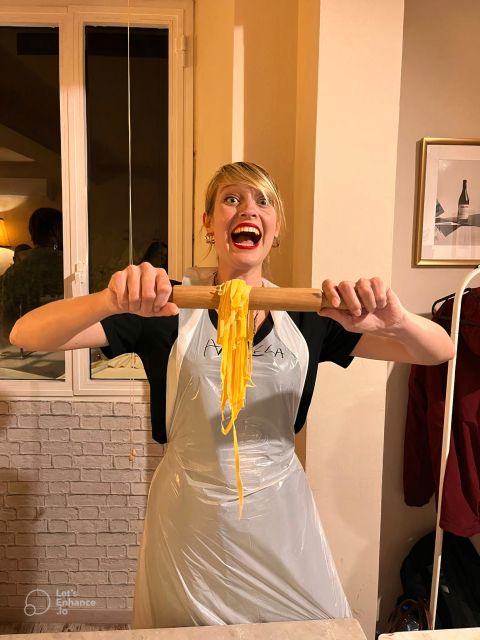
The session begins with an introduction to pasta making, followed by the dough preparation. You will handle the flour and eggs directly rather than receiving a pre-made ball of dough. That gives you a better sense of the basic Italian method and helps you understand why texture matters.
Next comes rolling and shaping. A rolling pin replaces the speed and convenience of a machine, which makes the process slower but more tactile. You can feel the dough becoming thinner, and the instructor can show you how thin it needs to be for each style.
The filled pastas require the most care. Ravioli and tortelli need enough filling to taste satisfying, but not so much that the edges refuse to close. You will also need to press out excess air and seal the borders. These are the small details that rarely make sense in a recipe until you try them.
Fettuccine is more forgiving. Once your sheet is ready, cutting it into strips gives you a quick result and a useful skill to repeat at home. The class keeps the pace moving, but the chefs make room for questions. That balance is important because three pasta styles in one session could otherwise feel rushed.
The aim is not to produce identical pieces. Your pasta may look a little uneven, especially on a first attempt. That is part of the appeal. You learn what fresh pasta feels like, and you leave with skills that are easier to remember because your hands did the work.
The Sauces Make the Lesson More Complete
The pasta is served with two sauces. The tomato sauce is prepared in advance and simmers for hours, giving the meal a developed flavor without using class time for a long cooking process.
The instructor prepares the butter and sage sauce for the ravioli and tortelli during the class. Watching that step helps connect the shaping lesson with the way delicate filled pasta is served. Butter and sage are simple ingredients, but they suit filled pasta because they do not overpower it.
Your pasta is cooked after you finish making it. It is then served for the group to eat together. This timing is one of the strongest features of the experience: you are not taking a packet of pasta home and wondering how it turned out. You taste the result while the process is still fresh in your mind.
The meal includes the pasta you made, but you should still arrive ready to eat. The combination of three shapes, sauces, wine, dessert, and limoncello makes this a substantial three-hour activity rather than a short lesson followed by a token snack.
A Communal Roman Meal, Not Just a Class
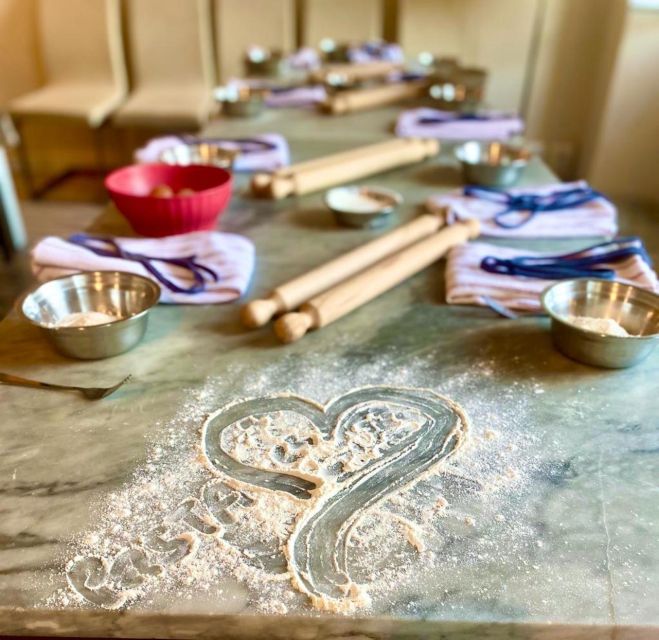
After the cooking, everyone gathers around a large shared table. This changes the mood from instruction to dinner. You can compare shapes, talk about the process, and meet the other people in the group.
The social side is especially useful for solo visitors and couples who want an evening activity with some human contact. It also works well for families, groups of friends, students, and corporate teams. The class has enough structure to keep things organized, but the shared table leaves room for conversation.
You will be served organic Tuscan wine made on the provider’s own farm, Dalle Nostre Mani. Wine is included, though only adults of legal drinking age receive it. If you do not drink alcohol, one session included alternatives, but you should tell the provider about your preference when booking rather than assume every substitute is available.
Dessert and limoncello finish the meal. The dessert varies in the information available, but chocolate salami and cake are among the sweets served in recent sessions. The limoncello is a traditional final touch, though it is an alcoholic drink and should be treated accordingly.
This final hour is not about learning another recipe. It is about enjoying the food, asking follow-up questions, and letting the class feel like a shared Italian dinner. Giorgio is often praised for his humor, while Christian is noted for keeping the room relaxed and interactive. The exact instructor depends on the session, but the teaching style is clearly central to the experience.
More cooking classes in Rome:
- Rome: Traditional Pasta with Cocktails Cooking Class
★ 5.0 · 2,374 reviews - Rome: Fettuccine and Tiramisu Cooking Class with Wine
★ 4.8 · 2,013 reviews - Pasta Cooking Class Near the Colosseum with 3 Spritz Cocktails
★ 5.0 · 1,686 reviews - Enjoy Spritz and Pasta Making in Piazza Navona
★ 5.0 · 1,681 reviews
Why Palazzo Grazioli Adds Something Special
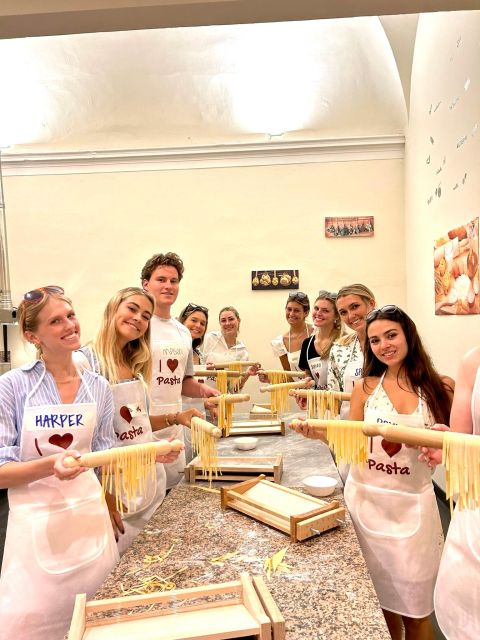
The location is practical as well as atmospheric. The school is only a few minutes from the Pantheon and Piazza Venezia, so you can fit the class between sightseeing stops or schedule it as an evening meal.
The entrance is on Via della Gatta 14, at the back corner of Palazzo Grazioli. Ring the bell marked Pastamania. Outside, look for the marble cat statue that gives the street its name. It is a small detail, but it gives you something specific to notice while finding the entrance.
You are cooking inside a historic Roman building rather than heading to a suburban kitchen or a distant farm. That makes the class easy to add to a city itinerary. There is no hotel pickup or drop-off, so you need to make your own way there. Because the meeting point is central, walking or public transport will generally be more useful than arranging a private transfer.
The building and street add a sense of place, but this is not a sightseeing tour of the palazzo. The real focus remains the kitchen table. Choose it for the food and the setting, not for a guided architectural visit.
Price, Time, and What You Receive
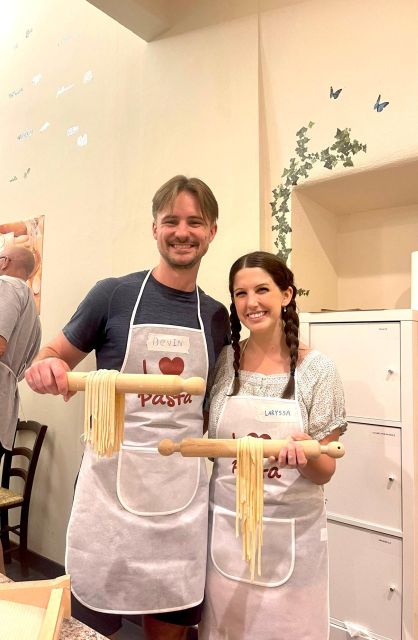
At $48 per person, the value is strong if you want more than a demonstration. The three-hour price includes instruction, the meal, Tuscan wine, dessert, limoncello, and English recipe booklets. You also get the practical benefit of learning several techniques in one sitting.
A restaurant meal in central Rome could cost a similar amount, especially once drinks and dessert are added. The class gives you dinner plus an activity and recipes you can use later. That makes it a sensible choice for an afternoon or evening when you want to replace another meal with something more memorable.
There are limits. You do not get hotel transport, extra food, or additional drinks. The format is also not designed for people with serious dietary restrictions. Vegetarian options are available, but the school cannot accommodate vegan diets, gluten sensitivity, lactose intolerance, or nut allergies. Tell the provider about dietary needs when booking, and do not rely on last-minute changes.
The activity lasts three hours. That is long enough to learn, eat, and socialize without turning into a full-day commitment. Check the available start times before booking, especially if you are fitting it around timed visits to the Pantheon, Colosseum, or Vatican Museums.
Free cancellation is available up to 24 hours before the activity for a full refund, and you can reserve now and pay later. The school requires a minimum number of participants, so a session could be changed or refunded if that minimum is not reached.
Who Will Enjoy This Pasta Class Most
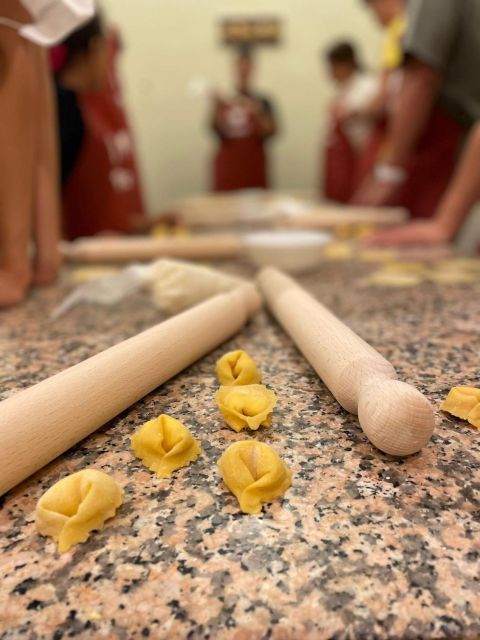
I would recommend this class to first-time pasta makers, food-focused visitors, couples, families with children aged eight and older, and anyone who enjoys meeting people around a table. You do not need to be a confident cook. The class is built for beginners, and the instructors keep checking that everyone is ready for the next step.
It is also a good choice if you have already seen Rome’s major monuments and want an activity that uses a different sense of the city. Monuments explain Rome’s past. Pasta shows you a part of its everyday culture, even if the class includes dishes from across Italy rather than only Roman specialties.
Families can work well here, but younger children may need close supervision around flour, knives, hot water, and the working table. The minimum age is eight, and the activity is not suitable for wheelchair users or people with mobility impairments.
People who want a quiet, private cooking lesson should think twice. The class is social and communal, and the group can include people with different cooking speeds. That is part of the fun for many people, but it is not the right format if you want a private chef or a highly specialized culinary course.
Useful Tips Before You Go
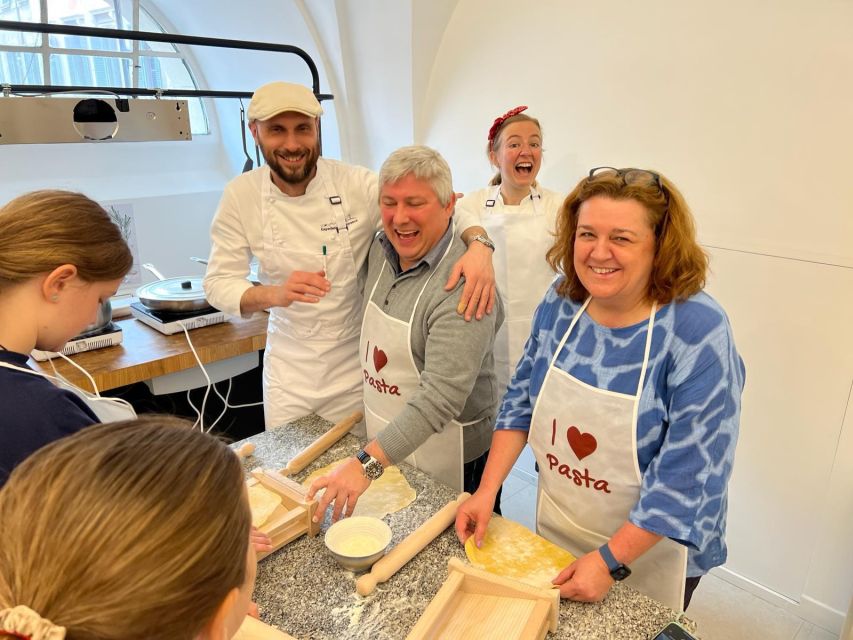
Arrive ready to cook, not dressed for a formal dinner. Wear comfortable clothing that can handle flour and a little mess. Since you eat after preparing the pasta, there is no need to arrange a separate dinner reservation immediately afterward.
Tell the provider about food allergies and dietary restrictions in advance. The listed limits are serious: vegan, gluten-free, lactose-free, and nut-free requirements cannot be accommodated. Alcohol is served, so non-drinkers should ask about alternatives when booking.
Bring your appetite. The food is made during the class and served afterward, and the session includes dessert as well as drinks. The pasta is fresh and filling, so a large meal beforehand would work against the experience.
Keep the recipe booklet. It is written in English and gives you a way to repeat the dough, shaping, and sauce lessons at home. If you enjoy kitchen souvenirs, the Pastamania shop is nearby, and one participant bought a ravioli cutter and truffle oil after the class.
Finally, allow time to find the entrance. Go to Via della Gatta 14 and ring the bell marked Pastamania. The marble cat is a useful landmark, but the entrance is at the back corner of the palazzo rather than on a grand main frontage.
Should You Book It?
Book this class if you want an affordable Rome activity that combines food, instruction, and conversation. The strongest reasons are the three pasta shapes, the small group, the capable English-speaking chefs, and the fact that you eat your own work with sauces, wine, dessert, and limoncello.
Skip it if you need vegan, gluten-free, lactose-free, or nut-free food, or if mobility limitations make a hands-on kitchen difficult. Also skip it if you want a private lesson with no group interaction.
For most food-loving visitors, $48 is a fair price for three hours in central Rome. You leave with a full meal, a few new kitchen skills, and recipes that can bring a little of the experience back home.
FAQ
Where does the pasta-making class take place?
The class takes place at the activity provider’s cooking school at Via della Gatta 14, 00186 Roma, inside Palazzo Grazioli. The entrance is at the back corner of the building. Ring the bell marked Pastamania.
How long does the class last?
The experience lasts three hours. Starting times vary, so check availability for the date you want.
Which types of pasta will I make?
You will make three fresh pasta types: ravioli, tortelli, and fettuccine. You will work with eggs and flour, then knead, roll, shape, and cut the pasta.
Is the meal included?
Yes. The pasta you make is cooked and served during the class with tomato sauce and butter and sage sauce. Tuscan wine, dessert, and a shot of limoncello are also included.
Is the class suitable for children?
Participants must be at least eight years old. The class is suitable for families, but children should be comfortable taking part in a hands-on cooking activity.
Can the class accommodate dietary restrictions?
Vegetarian options are available, but the provider cannot accommodate vegan diets, gluten sensitivity, lactose intolerance, or nut allergies. Share your dietary needs when booking.
What happens if I need to cancel?
You can cancel up to 24 hours in advance for a full refund. The provider also offers reserve now and pay later booking.
More wine tastings in Rome
- Rome: Tuscany & Montepulciano Day Trip with Lunch & Wine Tasting
★ 4.5 · 5,232 reviews - Rome: Pasta & Tiramisu Class with Fine Wine by the Vatican
★ 4.9 · 4,852 reviews - Rome Food Tour: Unlimited Tastings with Fine Wine & Barolo
★ 5.0 · 3,365 reviews - Rome: Trastevere Food tour with Free-Flowing Fine Wine
★ 5.0 · 2,853 reviews
More dessert tastings in Rome
- Rome Cooking Class: Make Pizza and Pasta with Wine & Dessert
★ 4.5 · 651 reviews - Rome: Trevi Fountain District Underground Tour and Ice Cream
★ 4.5 · 356 reviews - Rome: City Tour by Vespa with Pictures and Sweets Tastings
★ 5.0 · 180 reviews - Rome: Fresh Pasta Making and Tiramisu Dessert Master Class
★ 4.8 · 11 reviews
Newest Rome tours we have reviewed
- Private TikTok Video Making in Rome★ 5.0 · 7 reviews
- Assisi, Orvieto and Civita di Bagnoregio Full Day Tour from Rome★ 4.5 · 45 reviews
- Assisi & Saint Francis Path Tour from Rome★ 5.0 · 45 reviews
- Assisi and Cascia Private Day Tour from Rome with Lunch★ 5.0 · 10 reviews
- Art Class in the center of Rome!★ 4.0 · 4 reviews
- Art & Craft: Beer Tour with Street Art in Rome★ 4.5 · 6 reviews
- Arrival in Rome: Airport Transfer & Exclusive City Introduction★ 5.0 · 3 reviews
- From Rome: Private Day-Tour of Tuscany★ 5.0 · 16 reviews
Rome Pasta and Pizza Making Classes, compared.
3 in 1 Cooking Class near Navona: Fettuccine, Ravioli & Tiramisu
Read our review →
3-in-1 Fettuccine, Ravioli, and Tiramisu Cooking Class
Read our review →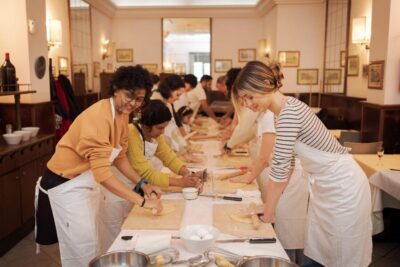
Fettuccine Pasta Cooking Class in Rome’s City Center
Read our review →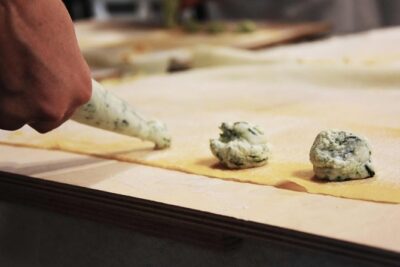
Become a Masterchef in Rome: Pasta, Ravioli and Tiramisù Class
Read our review →
Fettuccine and Tiramisu Cooking Class with Wine
Read our review →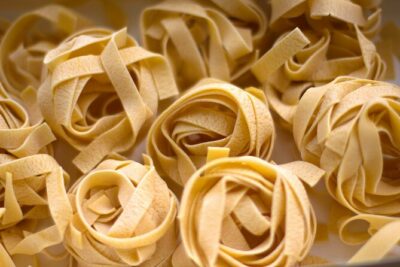
Enjoy Spritz and Pasta Making in Piazza Navona
Read our review →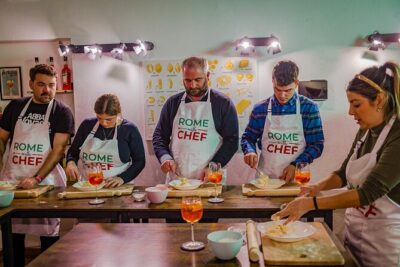
Rome Tipsy Cooking Class: Make Pasta and Mix 3 Spritz Cocktails
Read our review →
Cooking Class in the Heart of Rome: Pizza and Tiramisu Making
Read our review →Browse the lists this tour appears in