
Reviewed · DOMUS AUREA TOURS
Rome: Domus Aurea Guided Tour and Virtual Reality Experience
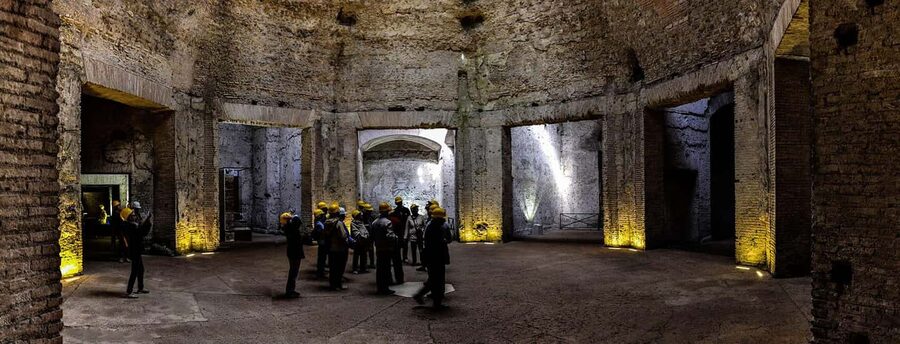
Nero’s Domus Aurea is one of Rome’s strangest archaeological visits: you walk through dark, unfinished ruins while a virtual reality presentation shows the glittering palace that once covered this hill. The contrast between bare brick and reconstructed splendor gives you a sharper sense of what time, politics, and later building projects did to Nero’s Golden House.
I like the way the tour combines a live explanation with the Oculus experience, rather than asking you to study ruins with no visual help. I also like the focus on Roman painting, concrete construction, and the palace’s grand plan. The main drawback is practical: the site is cool, dim, and not suitable for wheelchair users, people with mobility limits, or anyone uneasy in confined spaces.
- VR in the Golden Vault: See a digital reconstruction of one of the palace’s most striking rooms.
- Nero’s huge plan: Learn how the emperor wanted to link the Palatine residences with gardens on the Esquiline.
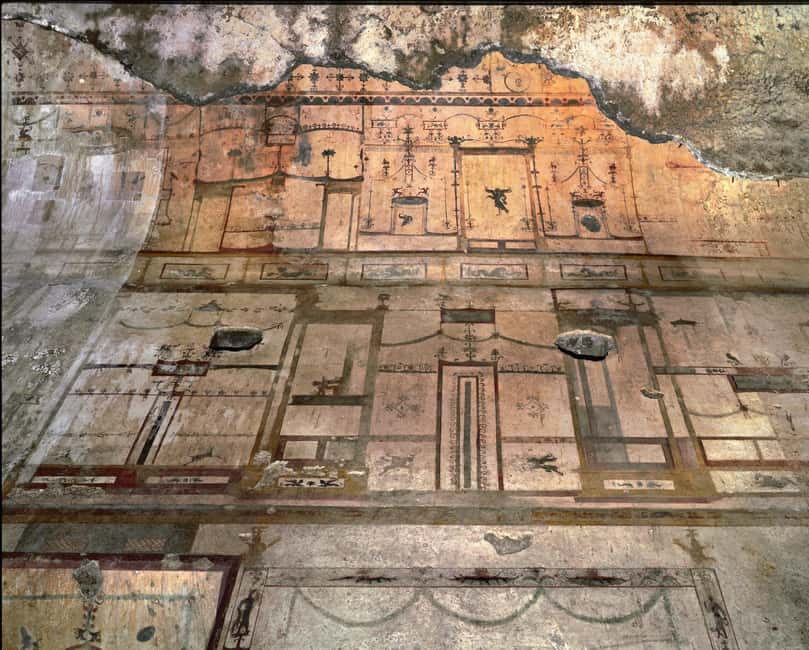
- Roman decoration: Examine surviving paintings in rooms such as the Octagonal Hall and Hall of Birds.
- A cool underground visit: The temperature inside is around 10 degrees Celsius, so bring a jacket.
- Guide and audio options: Live commentary and audio support are offered in Italian, English, French, and Spanish.
- A compact format: The guided portion lasts about 70 minutes, with the full activity taking roughly 1.5 hours.
Why the Domus Aurea feels unlike other Roman ruins
Most Roman sites ask you to picture a vanished world from foundations, columns, and fragments. At the Domus Aurea, the virtual reality segment gives you a more direct visual aid. You see how the Golden Vault may have looked in Nero’s time, then return to the actual room and compare the polished reconstruction with the surviving structure.
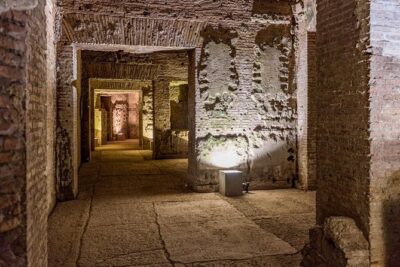
That contrast is the heart of the visit. The palace is not a bright, open villa waiting for you in perfect condition. It is an archaeological complex with shadowy corridors, exposed surfaces, and rooms shaped by centuries of burial and restoration. The digital scenes help fill in the missing color and decoration without pretending that the ruins are untouched.
I find this especially useful if you do not already know much about Roman architecture. The guide explains why the building mattered, while the VR sequence gives you a quick visual reference. You are not left trying to imagine every wall, vault, and decorative surface from a floor plan.
Meeting near the Colosseum
The meeting point is in front of the Colosseum metro station, at the lower floor or street level, near the green kiosk. Look for staff carrying a C.I.S. Tours sign.
Arrive 20 minutes before your booked time. This matters because the group must gather before entering, and one reported problem involved a participant arriving close to the scheduled time, then having to wait for a later entry. The directions are simple, but the Colosseum area is busy and the station has several levels, so allow time to find the correct spot.
Bring the identification details used when booking. Tickets are nominative, and the names of all participants are required. You should also carry a passport or identity card, including for children.
The booking includes the admission ticket, guided tour, VR presentation, taxes, and fees. You do not need to arrange a separate entrance ticket for the Domus Aurea.
More Domus Aurea tours:
- Rome: Domus Aurea Guided Group Tour
★ 4.6 · 697 reviews - Rome: Domus Aurea, Nero’s Golden House guide tour
★ 4.6 · 449 reviews - Rome: Domus Aurea Tour with Virtual Reality Experience
★ 4.5 · 222 reviews
The 70-minute route through Nero’s palace
The guided visit lasts about 70 minutes, and the total activity takes around 1.5 hours. That makes it easy to fit into a day built around the Colosseum, Roman Forum, or nearby archaeological sites.
The route introduces the archaeological complex and Nero’s plan for a vast dynastic residence. He wanted to join the Palatine homes with the broad gardens of the Esquiline area, creating a royal compound on the scale of Hellenistic palaces. The goal was not simply a private house. It was a large courtly residence with gardens, reception areas, and productive functions.
That ambition helps explain why the Domus Aurea is so important. You are not seeing one ordinary Roman mansion. You are seeing part of an imperial scheme that reshaped a large section of the city.
The guide also discusses concrete, a building material that allowed Roman architects to create unusual forms and large interior spaces. This is one of the more useful parts of the tour because concrete can seem invisible beside marble and painted plaster. Here, it becomes part of the story of how the palace was made.
The Golden Vault and the virtual reality presentation
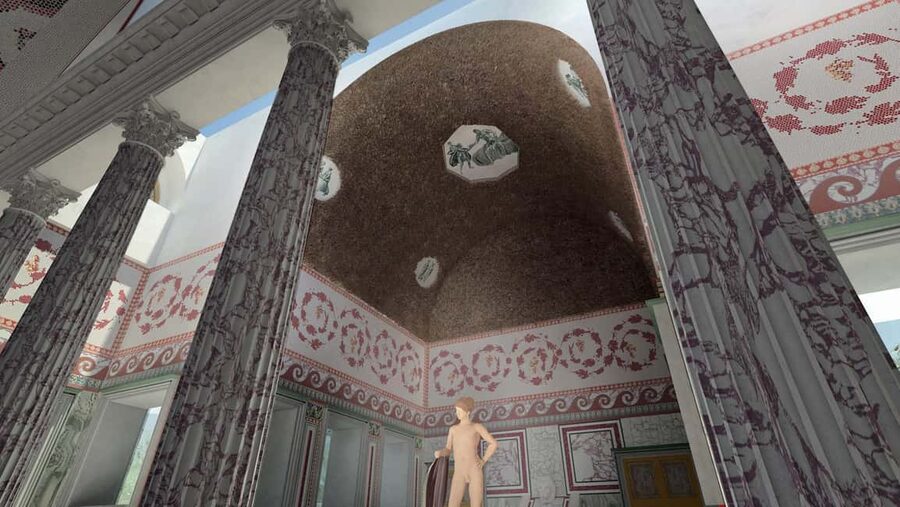
The VR experience focuses on the Room of the Golden Vault. With the Oculus headset, you see a digital version of the room as it may have appeared in Nero’s time.
The reconstruction is not a guarantee of every original detail. It is an interpretation based on archaeological and historical evidence. That distinction matters, and the presentation works best when you treat it as a well-informed visual proposal rather than a perfect recording of the past.
Still, the technology has a clear purpose. It shows the scale, decoration, and visual impact that the surviving ruins cannot fully convey. The short film has been praised for its striking images and for showing what archaeologists and historians believe the complex looked like. You can then connect those images with the real walls around you.
The experience is also multisensory in design, using video storytelling to make the palace easier to understand. If you prefer traditional guiding only, the VR element may feel like a break from the archaeological visit. For most people, though, it adds context without taking over the tour.
The Octagonal Hall, Cryptoporticus, and Hall of Birds
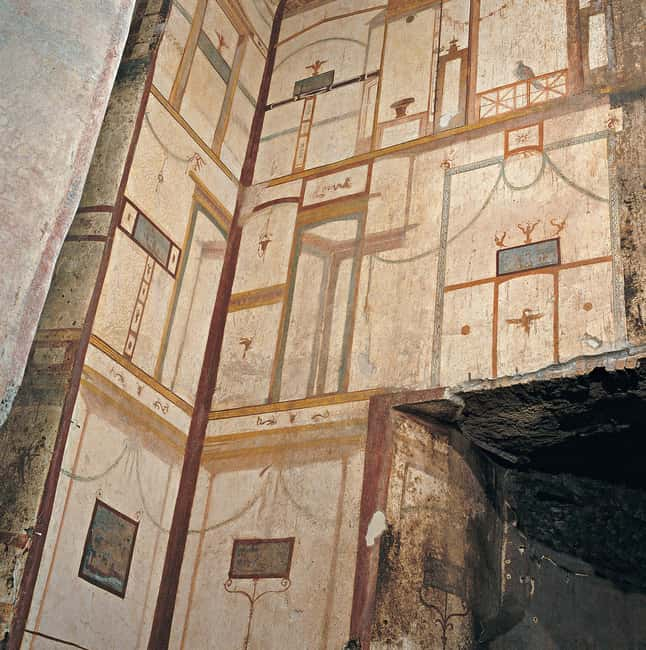
Several named spaces give the tour its shape.
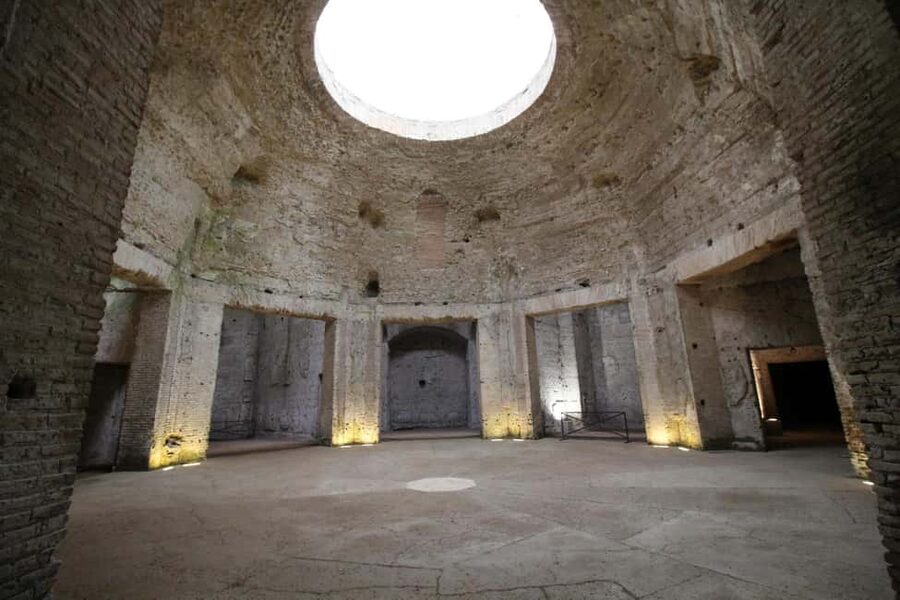
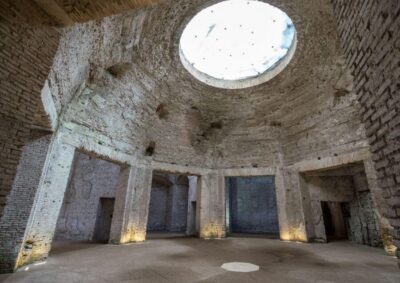
The Octagonal Hall is one of the best places to understand Nero’s taste for unusual architecture. Its geometry and central design show how Roman builders used concrete to create rooms that were more ambitious than a simple rectangular hall.
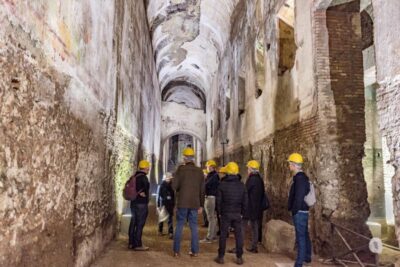
The Cryptoporticus brings you into the palace’s passageways and interior circulation. These spaces help you picture how a large imperial residence functioned behind its grand reception rooms. They also add to the enclosed feeling of the visit, which is one reason the site is unsuitable for people with claustrophobia.
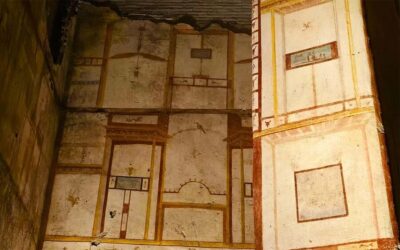
The Hall of Birds highlights the decorative program. The Domus Aurea is valued not just for its size but also for its Roman wall paintings. Even when the original palace is incomplete, the surviving decoration gives you a direct connection to Roman artistic choices, patterns, and imagery.
The route may feel less visually immediate than the Colosseum. You will not spend the visit looking across a huge open arena. Instead, you move through rooms and passages where details appear gradually. I would choose this tour for close attention and atmosphere, not for panoramic views.
More guided tours in Rome:
- Vatican Museums, Sistine Chapel & St Peter’s Basilica Guided Tour
★ 4.5 · 39,149 reviews - Rome: Colosseum, Palatine Hill and Roman Forum Guided Tour
★ 4.8 · 32,814 reviews - Rome: Guided Tour of Colosseum, Roman Forum & Palatine Hill
★ 4.7 · 27,897 reviews - Rome: Colosseum & Forum with Audio Guide App -Optional Arena
★ 4.2 · 24,770 reviews
Nero’s parties and the palace’s difficult reputation
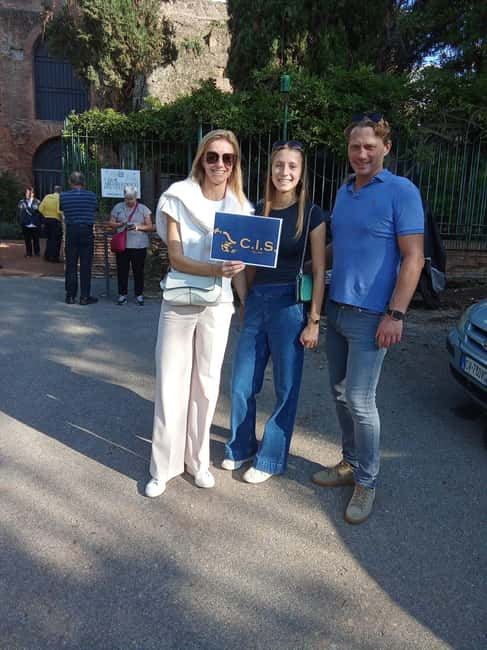
Nero remains one of Rome’s most notorious emperors, and the Domus Aurea is tied closely to his public image. The palace became a symbol of excess because of its size, decoration, and place in the center of Rome.
The tour addresses the imperial setting where Nero hosted lavish events and parties. That story is interesting, but the site offers more than a scandalous tale about an emperor. Its real value is the chance to see how power was expressed through architecture, gardens, painted rooms, and controlled movement through space.
The guide places Nero’s project in a wider setting. His desire to unite existing Palatine residences with the Esquiline gardens points to an attempt to create a single grand court. The palace was part of a political statement as much as a place to live.
This context keeps the visit from becoming a simple Nero story. You learn how construction, decoration, imperial ambition, and later changes all shaped what remains.
What the ruins tell you about Roman painting
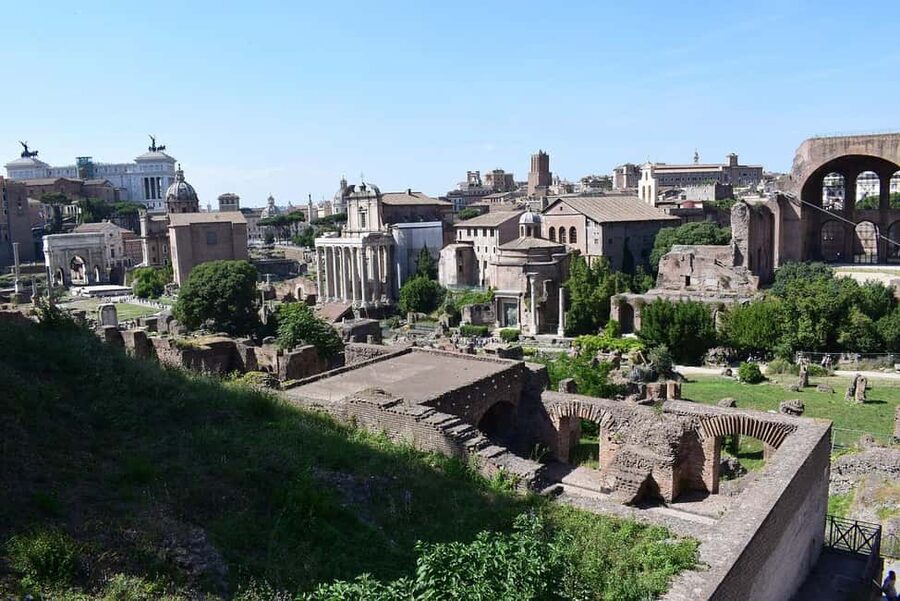
The Domus Aurea is especially important for its decorative work. The paintings are among the most interesting examples of Roman wall decoration, and the tour gives you a chance to look at them as part of the architecture rather than as isolated museum pieces.
Pay attention to how the painted surfaces relate to the rooms. Decoration was not an afterthought. It helped create the mood and status of each space, working with vaults, openings, light, and movement.
The low light and unfinished condition can make details difficult to catch. A guide is valuable here because an explanation can direct your eyes to features you might otherwise pass without noticing. One guide, Claudia, was specifically praised for giving clear, passionate explanations and taking time with questions.
Sound can be another issue. The Domus Aurea’s acoustics are not ideal, and you may find it difficult to hear every word in a larger group. Audio support is available in Italian, English, French, and Spanish, but ask staff how it is being used for your particular departure. If you have trouble hearing, stand close to the guide whenever possible.
Is the $67 price fair?
At $67 per person, this is not a budget stop, but the price includes the Domus Aurea admission, a live guide, the VR experience, and taxes and fees. You are paying for a focused archaeological visit with an interpretation layer that would be difficult to reproduce on your own.
The value depends on your interests. If you are happy to walk around ruins with a standard guidebook, the cost may feel high for a 1.5-hour activity. If you want help understanding what has disappeared, the VR reconstruction earns its place in the price.
I would rate it as better value for first-time visitors who want structure and explanation. The guide connects the palace’s political story with its architecture and decoration, while the digital presentation makes the reconstruction easier to grasp. You are also skipping the ticket line, which saves some uncertainty in a busy part of Rome.
The short duration is both an advantage and a limit. You can add the visit to a full sightseeing day, but you should not expect a long, leisurely archaeological study. This is a compact introduction with enough substance to make the remains meaningful.
Temperature, clothing, and site limits
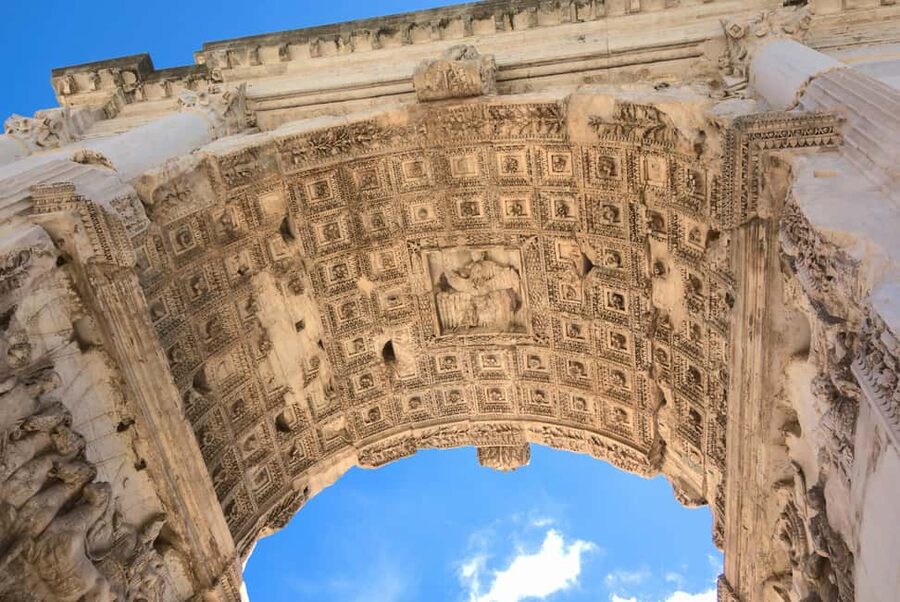
The temperature inside is around 10 degrees Celsius. Bring a jacket even in warm weather. One useful approach is to wear comfortable shoes and carry a light layer that you can remove later in the day.
Food and drinks are not allowed inside. Large bags and luggage are also prohibited, so do not arrive with suitcases or bulky day packs.
The site is not suitable for wheelchair users or people with mobility impairments. You should also avoid booking if confined spaces make you uncomfortable. The cool, enclosed setting is part of the character of the Domus Aurea, but it is not comfortable for everyone.
Unaccompanied minors are not permitted. Children should have identification with them, and all participant names must match the nominative tickets.
Cancellation is allowed up to three days in advance for a 60 percent refund. Check the available departure times before booking, since the activity runs at scheduled times rather than whenever you happen to arrive.
Which language and guide option should you choose?
Live guiding is offered in Italian, English, French, and Spanish. An audio guide is also included in those four languages.
A live guide is the better choice if you want to ask about Nero’s building program, the paintings, or the meaning of particular rooms. The guide can also point out how concrete shaped the structure. The audio option gives you a fallback if the acoustics make the spoken explanation hard to follow.
The quality of a group visit depends partly on where you stand. Stay near the guide in the rooms and passages, especially if the group is large. The enclosed spaces can make voices echo, and one otherwise very positive account specifically noted that the acoustics made some information hard to hear.
Who should book the Domus Aurea?
I would recommend this experience to you if you enjoy archaeology but want help picturing vanished buildings. It suits visitors who have already seen the Colosseum and want something less familiar, as well as anyone interested in Roman painting, imperial politics, or ancient construction.
It is a good choice for a short Rome schedule because the visit lasts only 1.5 hours. It also works well if you like technology used for a clear purpose. The VR sequence is not just decoration. It answers the basic question every ruin raises: what did this place look like when it was new?
You should think twice if you need step-free access, dislike enclosed spaces, or expect a bright outdoor monument. The Domus Aurea is cool, shadowy, and incomplete. Its rewards come from details, explanation, and reconstruction rather than grand open views.
Should you book this tour?
Book it if you want to see Rome’s imperial past from inside a palace that is usually hard to imagine from ruins alone. The strongest parts are the VR reconstruction of the Golden Vault, the explanation of Nero’s enormous residential plan, and the chance to study Roman paintings in their original architectural setting.
The tour is particularly good value when you want a guide to connect the archaeology with the politics and building methods. Bring a jacket, arrive early at the Colosseum metro meeting point, and do not expect an accessible route or a wide-open monument.
For visitors who can manage the enclosed setting, this is one of the more distinctive ways to add context to ancient Rome. For those who prefer easy walking, open air, and self-guided flexibility, spend the $67 elsewhere.
FAQ
Where does the Domus Aurea tour meet?
Meet in front of the Colosseum metro station, at the lower floor or street level, near the green kiosk. Look for staff with a C.I.S. Tours sign.
How early should I arrive?
Arrive 20 minutes before the scheduled activity. This gives you time to find the staff and join the group before entry.
How long does the tour last?
The total activity lasts about 1.5 hours. The guided visit inside the Domus Aurea lasts about 70 minutes.
What does the price include?
The $67 price includes the Domus Aurea ticket, guided tour, virtual reality experience, taxes, and fees.
What languages are available?
Live tours and audio guides are available in Italian, English, French, and Spanish.
Is the virtual reality experience included?
Yes. The Oculus virtual reality experience is included and shows a reconstruction of the Golden Vault as it may have appeared in Nero’s time.
What should I bring?
Bring a passport or identity card, comfortable shoes, and a jacket. The temperature inside the Domus Aurea is around 10 degrees Celsius.
Can I bring food, drinks, luggage, or a large bag?
Food and drinks are not allowed. Luggage and large bags are also not allowed inside.
Is the tour suitable for wheelchair users or people with claustrophobia?
No. The experience is not suitable for wheelchair users, people with mobility impairments, or people with claustrophobia.
Newest Rome tours we have reviewed
- Private TikTok Video Making in Rome★ 5.0 · 7 reviews
- Assisi, Orvieto and Civita di Bagnoregio Full Day Tour from Rome★ 4.5 · 45 reviews
- Assisi & Saint Francis Path Tour from Rome★ 5.0 · 45 reviews
- Assisi and Cascia Private Day Tour from Rome with Lunch★ 5.0 · 10 reviews
- Art Class in the center of Rome!★ 4.0 · 4 reviews
- Art & Craft: Beer Tour with Street Art in Rome★ 4.5 · 6 reviews
- Arrival in Rome: Airport Transfer & Exclusive City Introduction★ 5.0 · 3 reviews
- From Rome: Private Day-Tour of Tuscany★ 5.0 · 16 reviews
Domus Aurea Tours, compared.
Domus Aurea Guided Tour: The Golden House of Nero
Read our review →Browse the lists this tour appears in