
Reviewed · DOMUS AUREA TOURS
Rome: Domus Aurea Guided Group Tour
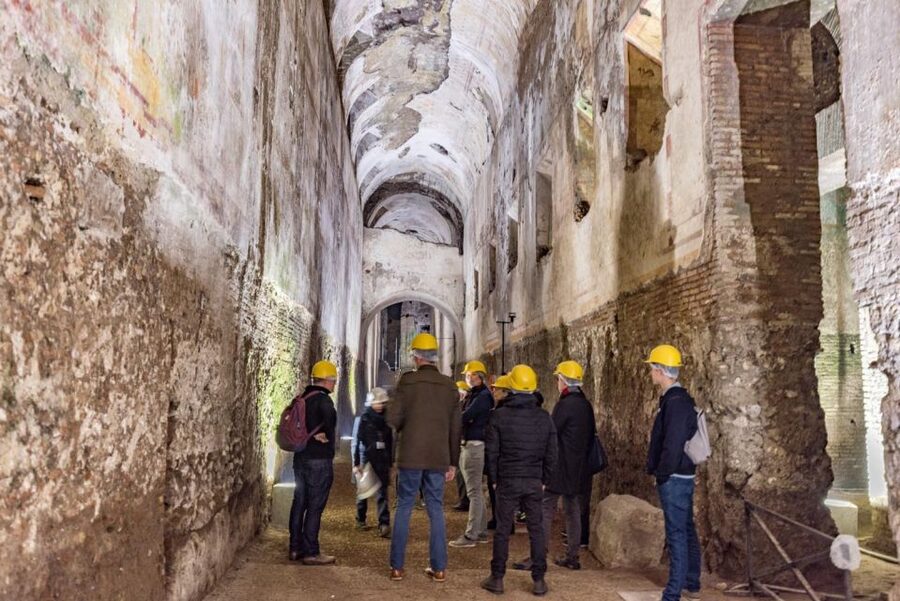
Nero’s Golden House is one of Rome’s most unusual ancient sites: a vast palace buried beneath the modern city, reached by descending into cool, dim rooms where frescoes still cling to the walls. The virtual reality experience helps you picture the lost palace, including the scale and extravagance that the bare ruins cannot fully show.
I like the access to an active archaeological site, and I like the way an archaeologist or specialist guide can connect Nero’s palace to the Colosseum, the Renaissance, and Rome’s long habit of building over its past. The main drawback is that this is a dark, uneven underground walk with steps, and the exact quality of the guiding can vary. Some groups have found the escort hard to hear before the official site guide takes over.
Key points to know before booking
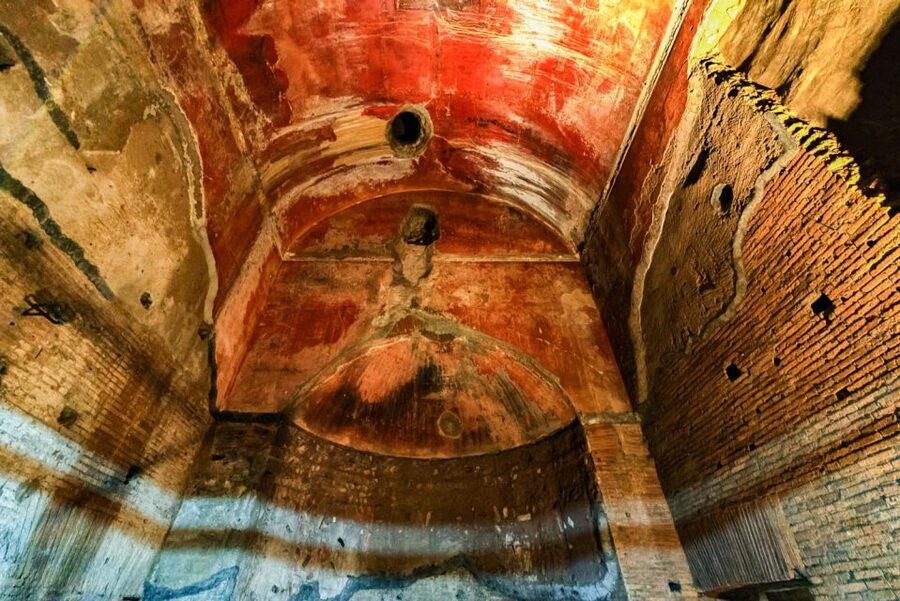
- Nero’s palace is underground: You walk through surviving rooms, vaulted halls, frescoed walls, and sections of an enormous complex buried by later Roman construction.
- The VR section matters: It reconstructs the palace and surrounding grounds, giving you a much clearer idea of the original Domus Aurea than the ruins alone can provide.
- The site feels special because it is still being studied: This is not a polished museum filled with complete objects. It is a working archaeological area with conservation concerns.
- Guides are the tour’s strongest feature: Guides named Marco, Valentina, Thomas, Brandon, Elena, Monica, and others have been praised for clear storytelling and strong subject knowledge.
- Expect a physical visit: Wear comfortable shoes, bring water and a warm layer, and leave large bags behind.
- The $55 price is reasonable for a specialist visit: Tickets, reservation fees, exclusive access, and the English-speaking guide are included, but transport is not.
Why Nero’s Golden House is worth your time
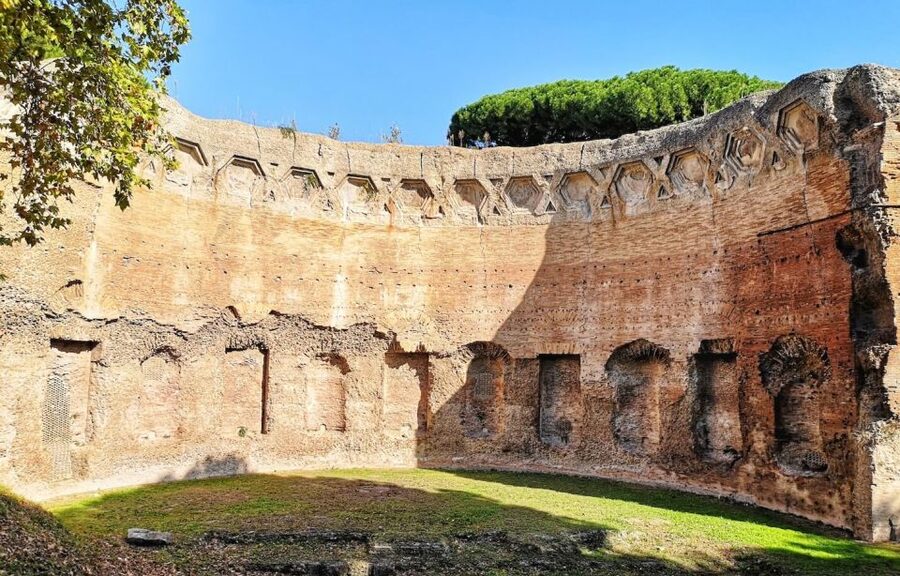
Rome has famous ancient sites in abundance, but the Domus Aurea gives you something different. The Colosseum is a monumental shell in open air. Nero’s palace is a secretive world below ground, where you pass through rooms that once formed part of an enormous imperial residence.
The story begins after the fire of Rome in AD 64. Nero used the destruction as an opportunity to create a private palace complex on an astonishing scale. The Domus Aurea, or Golden House, spread across a large part of central Rome. It included gardens, richly decorated rooms, a huge artificial lake, and extravagant architectural features such as a rotating dining room open to the sky.
The palace was not simply a home. It was a public statement about imperial power and Nero’s own importance. The lavish building program helped feed the anger that eventually turned against him. After Nero’s death in AD 68, his successors worked to erase his memory. The lake was filled in, and the Colosseum was built over part of the former palace grounds.
That destruction is one reason the site feels so strange today. You are not walking through a complete palace. You are walking through what survived after the building was stripped, buried, built over, and forgotten.
More Domus Aurea tours:
- Rome: Domus Aurea, Nero’s Golden House guide tour
★ 4.6 · 449 reviews - Rome: Domus Aurea Tour with Virtual Reality Experience
★ 4.5 · 222 reviews - Domus Aurea Guided Tour: The Golden House of Nero
★ 4.5 · 199 reviews
Meeting at Oppio Caffè near the Colosseum
The tour begins at Oppio Caffè, on the corner of Via Nicola Salvi and Via delle Terme di Tito. The listed address is Via delle Terme di Tito 72. Look for a guide holding a Through Eternity sign or flag.
This location is close to the Colosseum, but allow enough time to find the exact corner. The nearby streets can be confusing, especially if you are coming from the Colosseum or the Oppian Hill. The tour does not include transport, so you make your own way to the café and finish at the Domus Aurea.
The opening meeting is not the most important part of the experience, but it matters. One group found the initial escort difficult to locate and hard to hear. Arrive early, keep your booking details ready, and stay alert for the sign or flag rather than waiting inside the café.
Descending into the buried palace
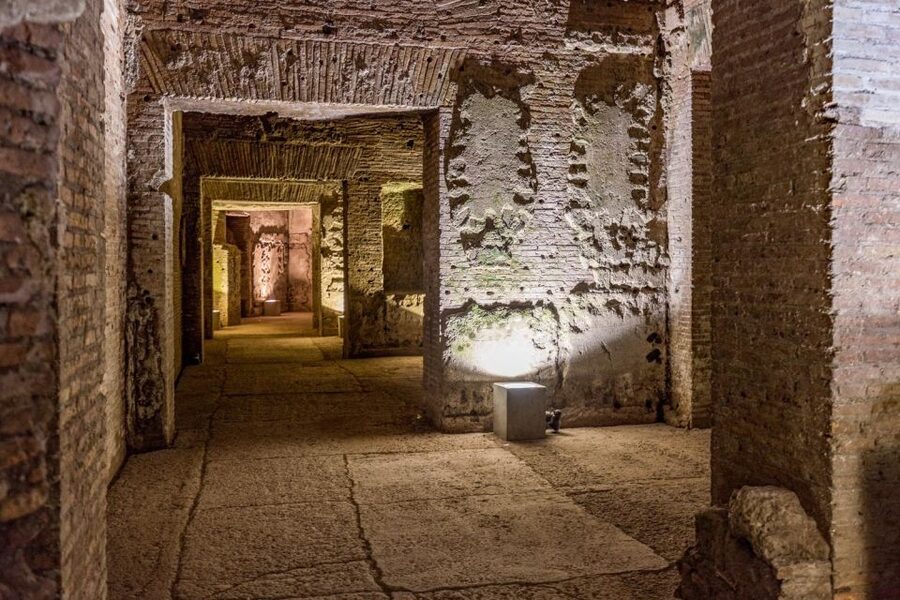
From the meeting point, you enter the Domus Aurea for a two-hour guided visit. The descent changes the mood at once. Instead of Rome’s bright streets and crowded ancient monuments, you move into a cooler, darker setting made up of brickwork, vaulted ceilings, narrow passages, and spacious rooms.
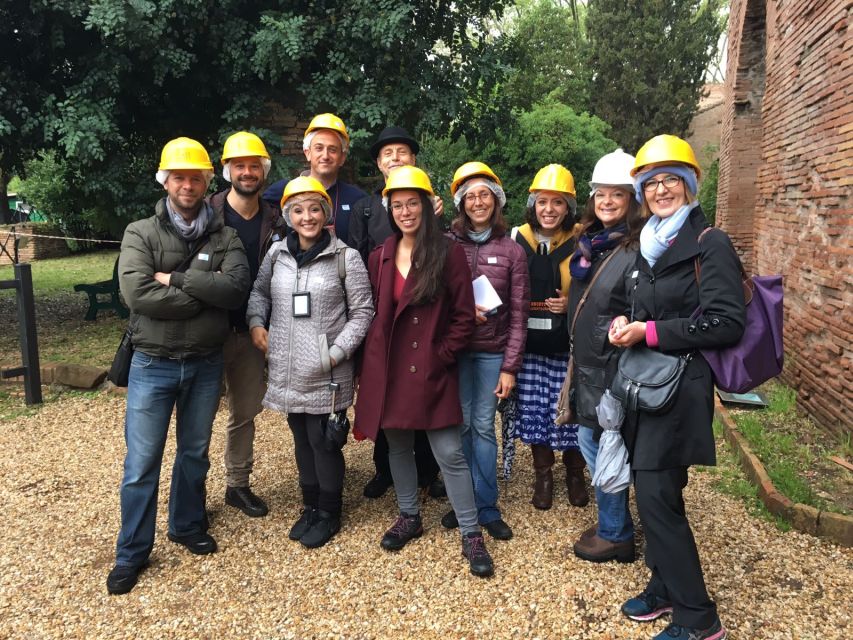
Bring a warm layer even on a hot Roman day. The underground setting can feel chilly, and you will not be walking at street level. Comfortable shoes are essential because the route includes steps, staircases, and uneven surfaces.
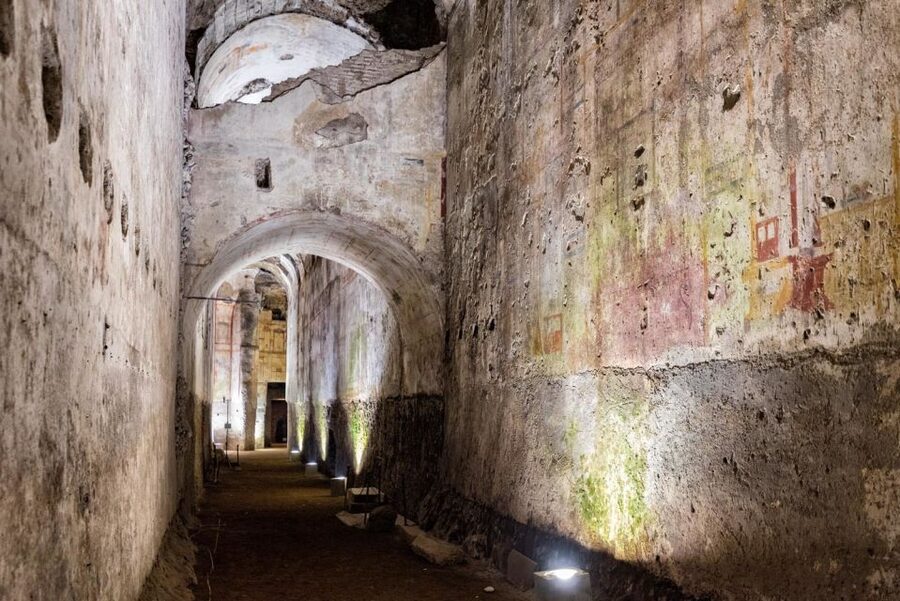
The physical condition of the site is part of its appeal. This is not a reconstructed palace with fresh paint and tidy floors. Conservation work continues, and the surviving sections show both the ambition of the original building and the damage caused by centuries underground.
You may notice the scale first. The rooms are larger and more carefully planned than you might expect from a buried ruin. Then the decoration begins to register: remnants of wall frescoes, traces of colored surfaces, tiled floors, and architectural details that hint at the original luxury.
Frescoes, vaults, and Roman extravagance
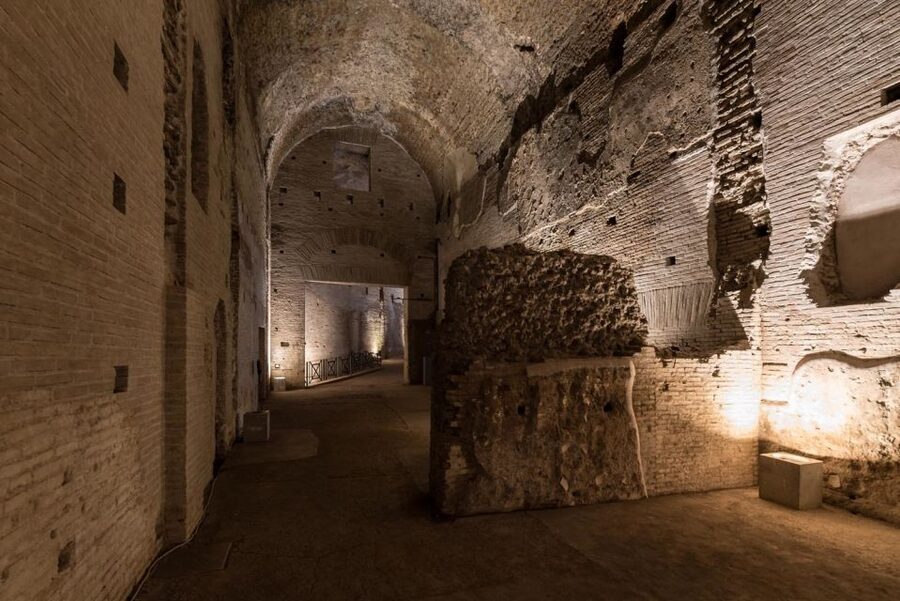
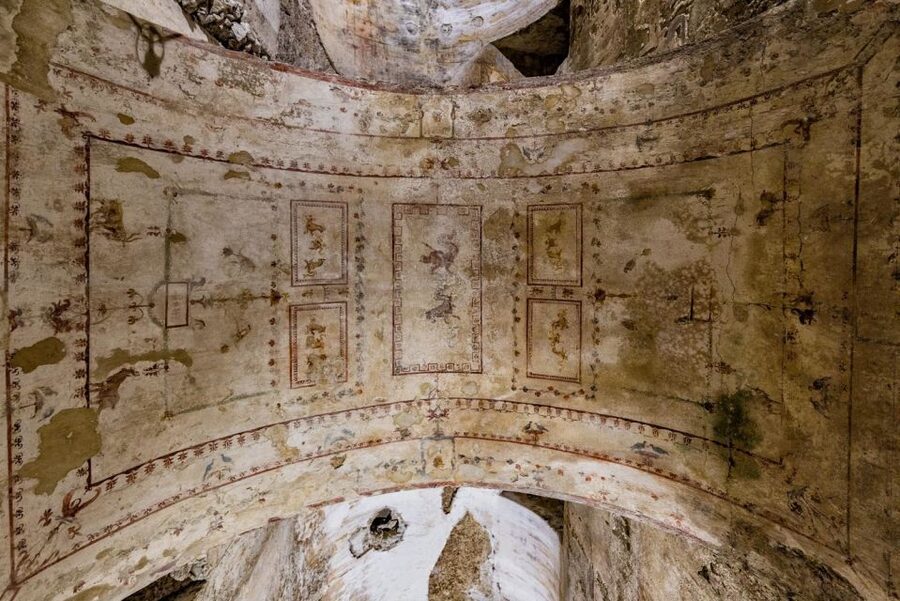
The surviving frescoes are among the visit’s best features. They are not preserved in the manner of a fully restored gallery, so you need to look closely. Some images and decorative patterns remain clear, while others appear as fragments on walls darkened by age and conservation work.
The guide helps you understand what those fragments mean. Without explanation, a faded wall can be easy to pass by. With context, you begin to see how rooms once worked together and how decoration was used to make the palace feel theatrical.
The architecture is just as important as the paintings. Soaring vaults, spacious chambers, and carefully arranged passages show that Nero’s architects were not merely adding rooms to a house. They were designing an experience built around surprise, luxury, and imperial display.
I especially like the contrast between the surviving structure and the palace’s reputation. Ancient writers describe a residence covered in gold, marble, ivory, and precious decoration. What you see now is much barer, but that makes the remaining details more valuable. A fragment of fresco or a section of floor becomes evidence of an entire decorative scheme that has vanished.
More guided tours in Rome:
- Vatican Museums, Sistine Chapel & St Peter’s Basilica Guided Tour
★ 4.5 · 39,149 reviews - Rome: Colosseum, Palatine Hill and Roman Forum Guided Tour
★ 4.8 · 32,814 reviews - Rome: Guided Tour of Colosseum, Roman Forum & Palatine Hill
★ 4.7 · 27,897 reviews - Rome: Colosseum & Forum with Audio Guide App -Optional Arena
★ 4.2 · 24,770 reviews
The guide makes the ruins readable
The best guides turn a difficult archaeological site into a clear story. The strongest guiding reported for this tour has come from people with archaeological training or a serious background in Roman history. Marco was praised for explaining the political intrigue of Nero’s period, while Valentina was noted for combining archaeological knowledge with lively presentation.
Thomas, Brandon, Elena, Monica, Renata, and Federico were also singled out for being engaging, friendly, and well informed. That matters here because the ruins do not explain themselves. You need someone to point out what is visible, what has been lost, and how the Domus Aurea fits into the larger history of Rome.
There is one practical qualification. The guide from the booking company may escort the group to the site while an official Domus Aurea guide leads the main visit. That arrangement has produced mixed results. Some people found the official guide excellent, while others struggled with volume or accents, particularly during the first part of the visit.
If hearing every word is important to you, stay close to the guide and mention the issue early. The tour does not appear to provide audio enhancement devices, and one group found that older members missed parts of the explanation. Small groups help, but they do not solve every sound problem in a cavernous underground room.
The virtual reality reconstruction earns its place
The virtual reality portion is not a disposable add-on. It is one of the clearest ways to understand what the Domus Aurea once looked like.
The ruins give you walls, vaults, fragments of decoration, and a sense of scale. The VR reconstruction supplies the missing surfaces. It shows the palace and its surrounding terrain as they may have appeared in Nero’s time, helping you connect the remaining archaeological evidence to the original imperial complex.
This is particularly useful for first-time visitors who find Roman ruins hard to visualize. The technology can show how a bare room may have been decorated and how the palace related to its gardens, water features, and wider grounds.
Several people have described this part as the emotional high point of the visit. That makes sense. You move from the dark remains of a damaged building to a vivid reconstruction of the palace at the height of its power, then return to the physical evidence with a better eye for what you are seeing.
The VR experience does not replace the ruins. It works because it comes after you have seen the actual rooms. Treat it as an interpretive tool, not as proof that every detail of the digital reconstruction is certain.
How the Domus Aurea connects to the Colosseum
The Domus Aurea becomes more meaningful when you understand its relationship with the Colosseum. Nero’s artificial lake was filled after his death, and the Flavian emperors later built the amphitheater on the site.
That change was practical, political, and symbolic. The Flavian dynasty could present the Colosseum as a public gift built on land that an unpopular emperor had claimed for himself. The palace’s private excess was replaced by a venue for mass entertainment.
A visit to the Domus Aurea can therefore add context to your Colosseum visit. You begin to see the amphitheater not only as an engineering achievement, but also as part of a deliberate change in Rome’s political message.
The tour does not take you through the Colosseum, and it does not include transport between sites. Still, the proximity makes it easy to plan both into the same day if your schedule allows. The Domus Aurea is close enough to pair with the Colosseum area, but the underground visit deserves your full attention rather than being squeezed into a rushed gap.
Value at $55 per person
At $55, this is not a cheap stop, especially if you are traveling with a family. The value comes from the access and interpretation rather than the size of the attraction. You get entry, reservation fees, an English-speaking guide, and the virtual reality presentation in a two-hour visit.
The Domus Aurea is not a site I would choose for a casual walk-by. Its buried rooms are difficult to understand without an explanation, and access is more controlled than at many open Roman ruins. Paying for a reserved guided visit saves you from trying to make sense of the site alone.
I think the price works best for visitors who already care about ancient Rome, architecture, archaeology, or Nero’s unusual story. If you only want Rome’s largest and most famous monuments, the Colosseum and Roman Forum may give you more obvious visual impact for your money.
For someone making a repeat visit to Rome, the value is stronger. The Domus Aurea offers a different setting and a different story, and several experienced Rome visitors have considered it one of the most interesting additions to their trip.
Who should book this experience
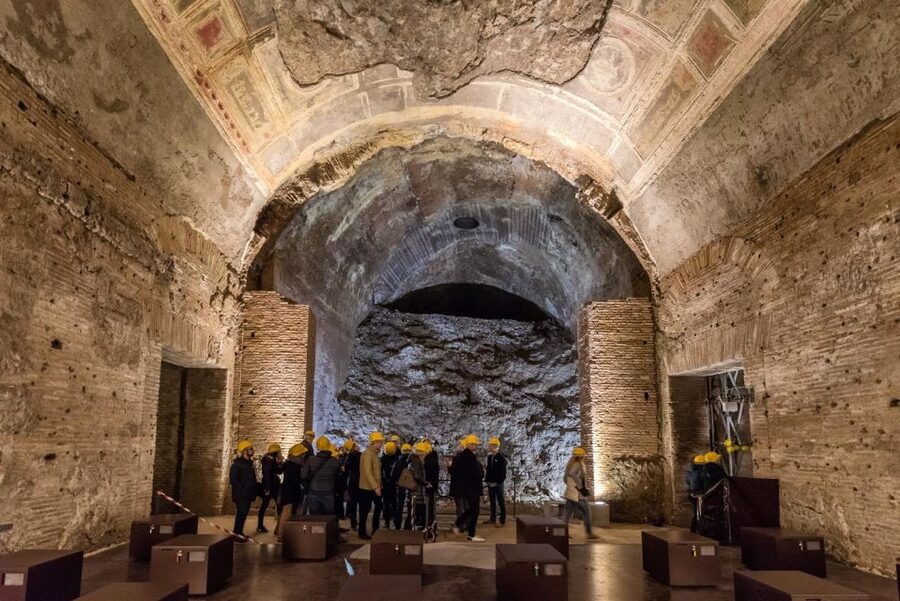
I would choose this tour for anyone fascinated by Roman emperors, ancient construction, conservation, or the way modern Rome is built on top of older cities. It is also a good choice if you want a quieter and less familiar ancient site near the Colosseum.
Families can enjoy it, especially if children are curious about palaces, hidden rooms, or virtual reality. Guides have handled children’s questions well, but parents should prepare them for darkness, stairs, uneven flooring, and a fairly concentrated history lesson.
It is less suitable if you use a wheelchair. The site is not suitable for wheelchair users, and the route includes steps and uneven surfaces. If you have other mobility concerns, tell the provider during booking so possible accommodations can be discussed.
Leave large bags and luggage behind. Bring water, comfortable shoes, and a warm layer. The activity is non-refundable, so check your schedule carefully before paying.
Should you book the Domus Aurea tour?
Book it if you want to see a side of Rome that most visitors miss and you enjoy having a specialist guide make archaeological remains understandable. The frescoes, vaults, tiled floors, and underground setting are memorable, while the VR presentation gives the lost palace a convincing sense of scale.
Think twice if you dislike enclosed spaces, stairs, uneven ground, or tours that depend heavily on spoken explanation. Also remember that guiding arrangements can vary, and some people have found the first escort difficult to hear.
For the right visitor, this is a strong two-hour use of your Rome schedule. Pair it with the Colosseum for the historical connection, arrive early at Oppio Caffè, stay near the guide, and do not skip the virtual reconstruction.
FAQ
How long does the Domus Aurea tour last?
The guided visit lasts two hours.
Where does the tour meet?
Meet your guide at Oppio Caffè, on the corner of Via Nicola Salvi and Via delle Terme di Tito. The listed address is Via delle Terme di Tito 72. Look for a Through Eternity sign or flag.
Where does the tour finish?
The visit finishes at the Domus Aurea.
Is the tour conducted in English?
Yes. The activity includes an English-speaking guide.
Is virtual reality included?
Yes. A virtual reality experience is included and helps show how the palace and surrounding area may have looked in Nero’s time.
What should I bring?
Bring comfortable walking shoes, water, and a warm layer. Large bags and luggage are not allowed.
Is the Domus Aurea suitable for wheelchair users?
No. The site is not suitable for wheelchair users because the route includes steps, staircases, and uneven surfaces. Inform the provider during booking if you have other mobility concerns.
Newest Rome tours we have reviewed
- Private TikTok Video Making in Rome★ 5.0 · 7 reviews
- Assisi, Orvieto and Civita di Bagnoregio Full Day Tour from Rome★ 4.5 · 45 reviews
- Assisi & Saint Francis Path Tour from Rome★ 5.0 · 45 reviews
- Assisi and Cascia Private Day Tour from Rome with Lunch★ 5.0 · 10 reviews
- Art Class in the center of Rome!★ 4.0 · 4 reviews
- Art & Craft: Beer Tour with Street Art in Rome★ 4.5 · 6 reviews
- Arrival in Rome: Airport Transfer & Exclusive City Introduction★ 5.0 · 3 reviews
- From Rome: Private Day-Tour of Tuscany★ 5.0 · 16 reviews
Domus Aurea Tours, compared.
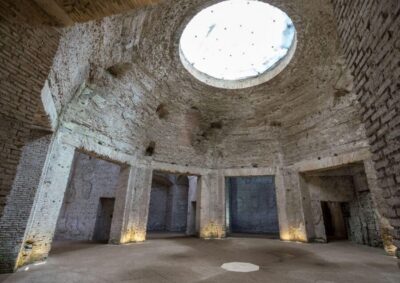
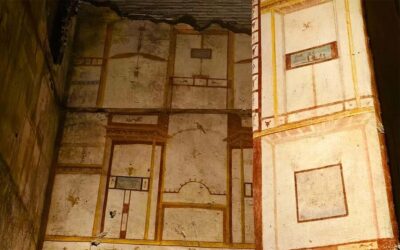
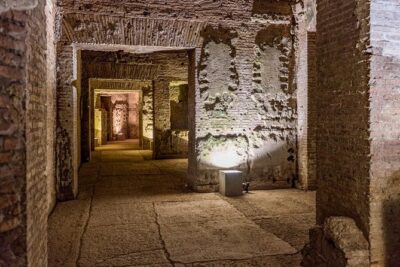
Domus Aurea Guided Tour: The Golden House of Nero
Read our review →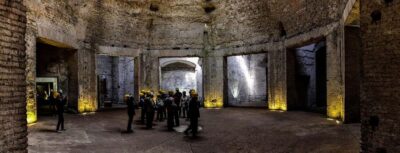
Domus Aurea Guided Tour and Virtual Reality Experience
Read our review →Browse the lists this tour appears in