
Reviewed · ROME PALAZZO TOURS
Rome: Doria Pamphilj Gallery Guided Tours
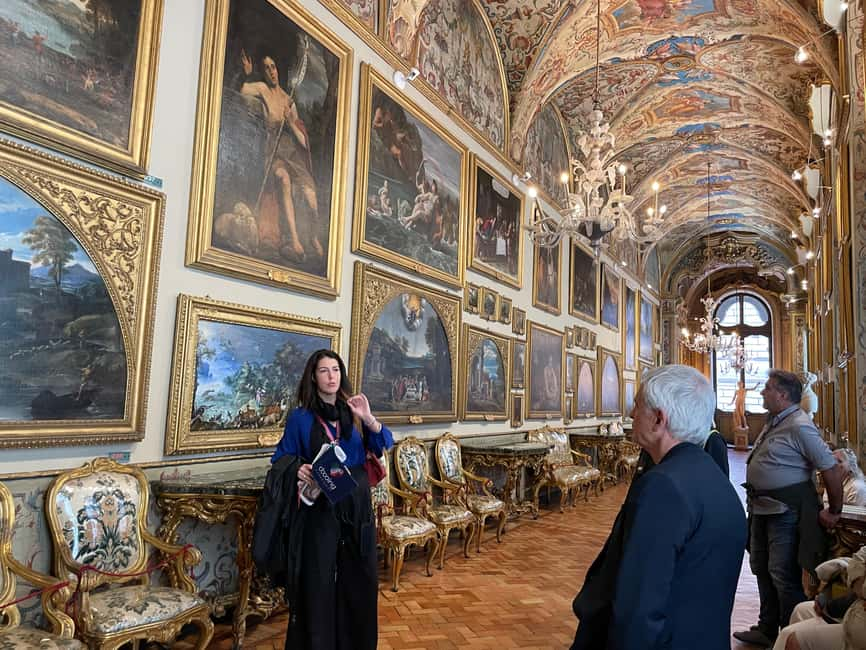
Rome’s Doria Pamphilj Gallery gives you something many museum visits do not: great paintings inside the actual palace of the family that collected them. You move through gilded halls, silk-lined rooms, frescoed passages, and galleries still owned by the noble Doria Pamphilj family.
I like the small-group format, which makes it easier to follow an art-focused guide and ask questions. I also like the chance to see Caravaggio’s Rest on the Flight into Egypt, Velázquez’s portrait of Pope Innocent X, and works linked to Raphael, Titian, Bernini, and Flemish painters in one setting.
The main drawback is access. The tour is not suitable for wheelchair users or people with mobility impairments, and backpacks, food, drinks, and flash photography are not allowed. You also meet outside at the Facchino Fountain, so allow time to find the blue Doooing Experience flag.
Key points to know before you go
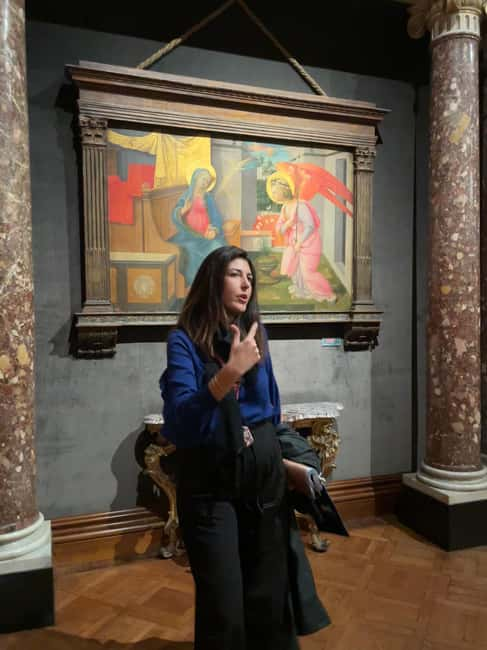
- Caravaggio and Velázquez are the artistic highlights: See Rest on the Flight into Egypt, Penitent Magdalen, and Velázquez’s famous portrait of Pope Innocent X.
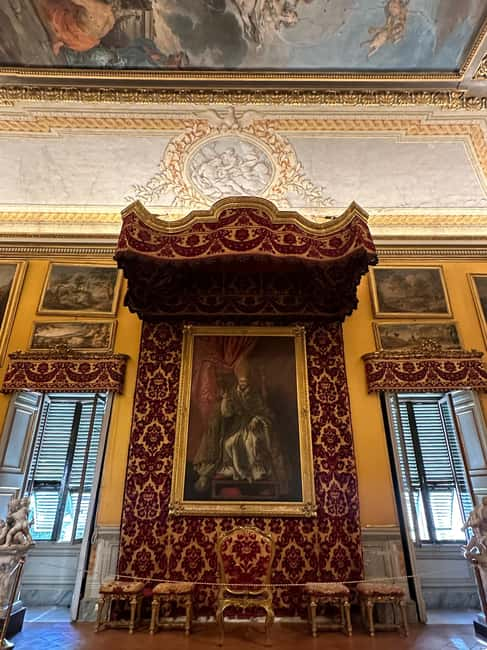
- The palace is part of the experience: Gilded ceilings, chandeliers, frescoes, silk-draped rooms, and period furnishings frame the collection.
- A two-hour guided visit adds useful context: Guides connect the paintings to popes, princes, Rome, and the Doria Pamphilj family.
- Several guides receive special praise: Martina, Silvia, and Zenda are noted for clear explanations, art expertise, and lively storytelling.
- The meeting point is central but easy to miss: Look for staff with a blue flag by the Fontana del Facchino on Via Lata.
- The visit suits art lovers who prefer a focused group: Private groups are available, and tours run daily at several start times.
Why the Doria Pamphilj Palace feels different from a normal museum
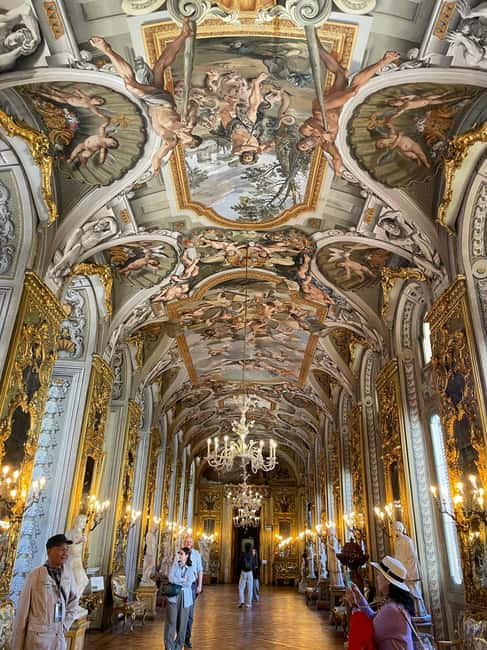
The Doria Pamphilj Gallery is not simply a white-walled exhibition space filled with paintings. You enter an aristocratic Roman palace, where art, furniture, architecture, and family memory occupy the same rooms.
That matters because the paintings were collected for private enjoyment and status, not arranged by a modern museum department. The gilded ceilings and frescoed corridors can be as striking as the canvases. Silk-covered walls, chandeliers, and period furnishings help you picture the world of popes and princes who once used these rooms.
The palace dates back to the 1500s and remains connected to the Doria Pamphilj family. During the two-hour visit, your guide explains how this influential family fit into Rome’s political and religious life. That context gives the collection more weight than a quick walk past famous names.
I find this sort of setting especially useful if you have already visited Rome’s major public museums. The Doria Pamphilj Gallery offers a quieter, more domestic view of power. You are not only looking at what the family owned. You are seeing the kind of rooms in which such works were displayed and admired.
More palazzo tours in Rome:
- Rome: Opera Concert at Palazzo Poli – Fontana di Trevi
★ 4.7 · 1,026 reviews - The Great Opera Arias Concert at Palazzo Poli – Trevi Fountain
★ 5.0 · 533 reviews - Rome: Palazzo Barberini Galleria Corsini Ticket & Audioguide
★ 3.9 · 322 reviews
Meeting at the Facchino Fountain on Via Lata
The tour begins outside the Fontana del Facchino at Via Lata, 00186 Rome. The listed coordinates are 41.898311614990234, 12.481409072875977, and staff wait nearby with a blue flag marked Doooing Experience.
This is a practical detail worth taking seriously. Rome’s historic center has many small streets, fountains, churches, and palace entrances, and the gallery’s meeting point is not described as the gallery entrance itself. Give yourself extra time, then look for the blue flag rather than wandering around the block searching for a grand museum doorway.
The meeting point is in a central part of Rome, making it possible to pair the tour with other sights in the historic center. Still, plan your day around the fixed start time you select. Tours run daily at multiple times, but the exact departure options depend on availability.
Once you find the staff, the skip-the-line arrangement should make the arrival process simpler than buying access and waiting on your own. The practical benefit is greatest during busy periods, when time saved at the entrance can be used inside the palace instead.
Entering the private galleries and palace rooms
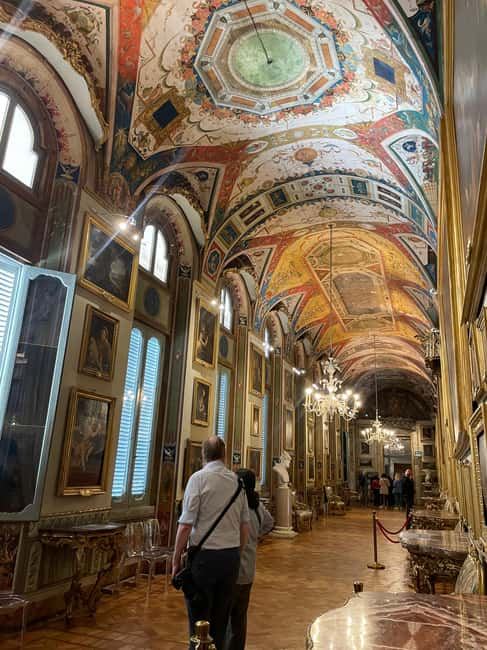
The first part of the visit introduces you to the building and its atmosphere. Expect ornate rooms rather than a bare sequence of picture galleries. The route includes gilded ceilings, frescoed corridors, silk-draped drawing rooms, chandeliers, and period furnishings.
These details are not decoration around the collection. They show how art functioned in an aristocratic home. A portrait could reinforce family prestige. A religious painting could reflect patronage and devotion. A grand ceiling could tell you just as much about wealth and ambition as the objects below it.
Your guide’s job is especially useful here. Without context, it is easy to spend the entire visit staring at individual paintings while missing the social world of the palace. The guides connect artistic choices with the people who commissioned, collected, and displayed the works.
The experience is designed as an intimate tour, not a free-roaming visit with an audio device. That means the pace and emphasis come from the guide. If you prefer to linger silently over every picture, a guided group may feel a little brisk. If you want a clear route and explanations that link the rooms together, the format is a good fit.
Caravaggio’s paintings provide the emotional center
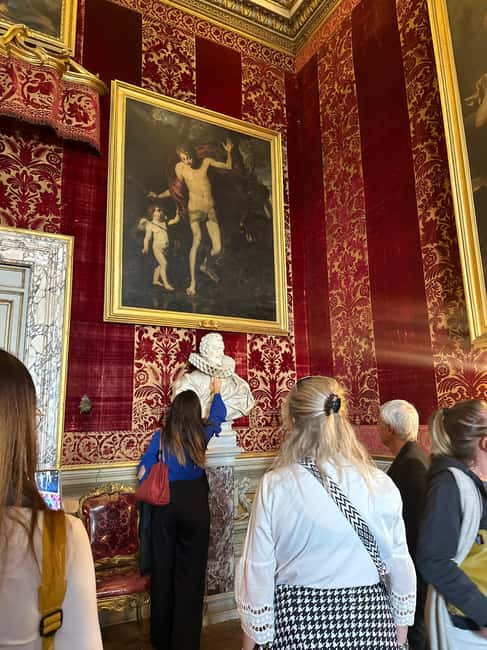
Caravaggio is one of the strongest reasons to choose this tour. The collection includes Rest on the Flight into Egypt and Penitent Magdalen, two works that show why his paintings still command attention.
Caravaggio’s figures feel close and human. His use of light pulls your eye toward faces, gestures, and small moments of emotion. In a palace room rather than a huge public gallery, these paintings can feel particularly direct.
Your guide can help you look beyond the famous name. Notice how the composition guides your attention, how ordinary human detail carries religious meaning, and how light creates drama without needing a crowded scene. This is where a live art specialist can add real value.
One guide, Martina, receives especially warm praise for her art expertise and her ability to connect sculpture and painting with the wider story of Rome. If she is leading your departure, you can expect a strongly art-focused visit based on the available comments, though guides are assigned according to the tour schedule.
The collection also includes major works connected with Raphael, Titian, Bernini, and Flemish masters. You will not be seeing just one painter’s specialty. Instead, the gallery gives you a broad look at Renaissance and Baroque art within one family collection.
More museums and galleries in Rome:
- Vatican Museums & Sistine Chapel Tour with Optional Basilica
★ 4.3 · 67,413 reviews - Vatican Museums, Sistine Chapel & St Peter’s Basilica Guided Tour
★ 4.5 · 39,149 reviews - Rome: Vatican Museums, Sistine Chapel & Basilica Tour
★ 4.3 · 13,872 reviews - Vatican Museums & Sistine Chapel Skip-the-Line Entry Ticket
★ 4.4 · 13,838 reviews
Velázquez’s Pope Innocent X is a major stop
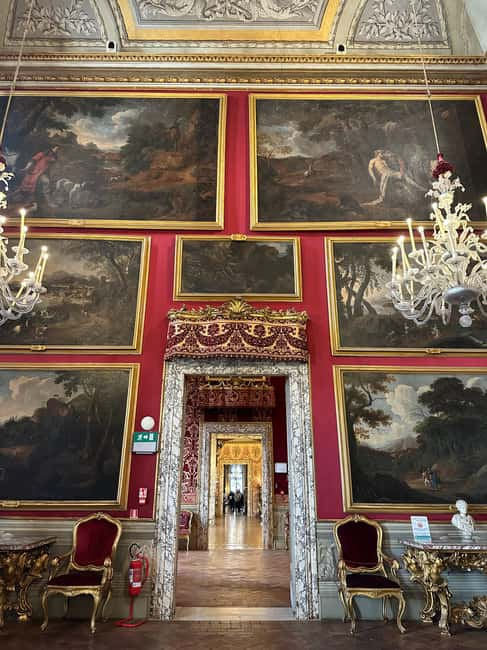
Velázquez’s portrait of Pope Innocent X is another essential moment. It is often regarded as one of the great oil portraits, and its power comes from more than the sitter’s rank.
The pope’s expression, posture, and clothing create a complicated impression of authority and alertness. A guide can point out how Velázquez avoids making the portrait feel like a simple official image. You get a sense of a person who is powerful, watchful, and not easy to flatter.
This is also a good place to connect art with the palace’s political setting. Portraits of popes and princes were not merely personal keepsakes. They helped shape public identity, record alliances, and display access to elite artistic talent.
Silvia is praised for being precise, approachable, and well prepared, with an ability to explain both paintings and the gallery itself. Another guide, Zenda, is described as a strong Spanish-speaking guide with clear subject knowledge. The tour is offered in Italian, English, and Spanish, so check your selected language before booking.
Renaissance and Baroque works beyond the headline names
The best reason to take a guided tour is that the gallery includes more than its two most famous names. Works by Raphael and Titian broaden the Renaissance portion of the visit, while Bernini and other artists help show the dramatic shifts that came with the Baroque period.
The collection also includes Flemish masters, giving you a chance to compare different artistic traditions. Northern European painters often reward close attention to surface, detail, and texture, while Italian Renaissance and Baroque works may place more focus on religious drama, gesture, and controlled composition.
I would not try to memorize every painter before you arrive. Instead, use the guide to understand how the collection was formed and how artistic styles changed across generations. The value is in the connections: a painting’s subject, the family that acquired it, the room where it hangs, and the wider Roman setting.
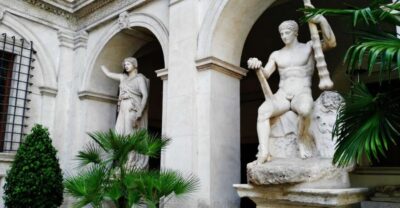
The visit also includes sculpture, according to the tour descriptions and guide feedback. That adds variety during two hours and gives the guide a chance to compare three-dimensional works with the paintings around them.
What the two-hour pace is like
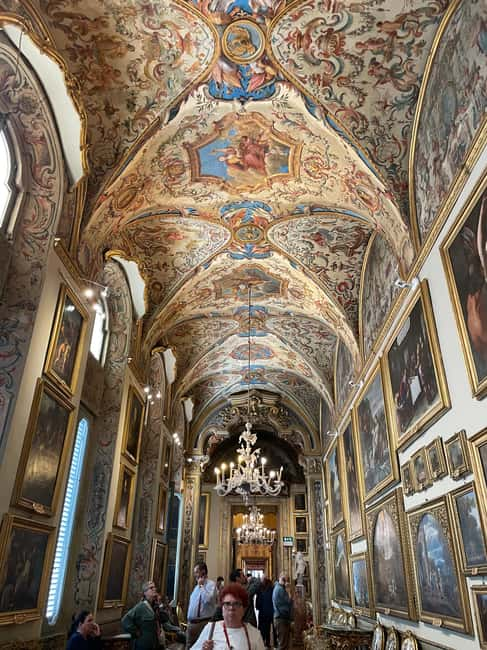
Two hours is enough time for a focused introduction, but not enough for every work in a large collection. You should expect the guide to select key rooms and major pieces rather than explain every painting in equal detail.
That is a sensible approach. A long palace collection can become tiring if every label receives the same treatment. The strongest guides use the major works as anchors, then add stories about the family, popes, princes, artistic methods, and Roman life.
The guide feedback points to storytelling as a major strength. Fernanda describes Silvia’s approach as a blend of art, history, and legends. Mircea says Martina covered many facts about Rome while keeping the visit moving. Those comments suggest that the tour is not limited to dry technical analysis.
You should wear comfortable shoes. The tour takes place in an old palace setting, and the information provided specifically advises comfortable footwear. Mobility access is limited, so this is not the right choice if you need wheelchair access or have significant mobility restrictions.
The courtyard, café, and bookshop at the end
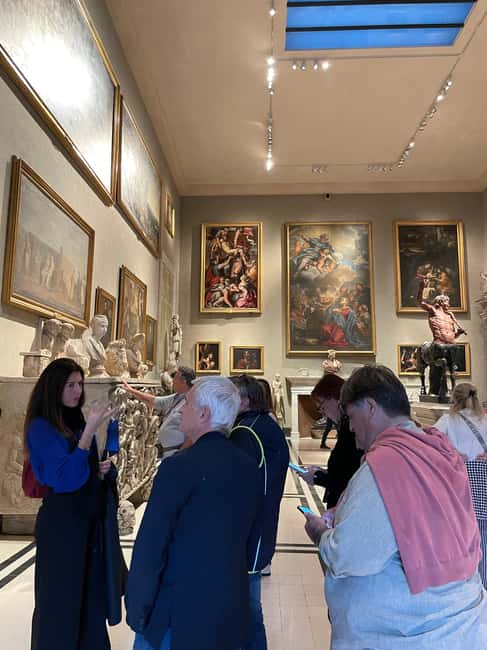
The tour ends in a charming courtyard with a café and bookshop. This gives you a natural pause after the galleries and a place to think over what you have seen.
The courtyard is also useful for extending the experience without adding another formal sightseeing stop. You can browse books related to art and Rome, or simply take a quiet break before returning to the city streets.
Do not treat the café and bookshop as the main reason to book. They are a pleasant finishing touch, not a substitute for the gallery visit. The real value lies in the palace rooms, the private collection, and the guide’s explanations.
Food and drinks are not allowed during the tour itself, so save any coffee or snack for the courtyard or later. Backpacks are also prohibited, and flash photography is not allowed. Pack lightly and keep your camera use respectful.
Is the guided format worth choosing?
The tour price is not provided here, so I cannot judge it against a specific ticket cost. I can judge the value of the format. You are paying for more than entry: the visit includes skip-the-line access, a live guide, a planned route, and explanations in one of three languages.
That added guidance matters most if you do not already know much about Renaissance and Baroque art. Caravaggio, Velázquez, Raphael, Titian, and Bernini can blur into a list of famous names when you move too quickly. A good guide gives you a way to tell them apart and understand why each work matters.
The value is less clear if you prefer to explore entirely alone or spend a long time with a small number of paintings. An entry ticket with an audio guide may give you more control over your pace. A private group option is available if you want a more personal visit and are willing to choose that format.
The score for this experience is 4.9 from 18 reviews, and the strongest praise focuses on the guides. Martina is singled out for her art expertise and ability to make time pass quickly. Silvia is praised for precise explanations and a friendly manner, while Zenda receives praise as a strong Spanish-speaking guide. Those details point to the guide as the part of the experience most likely to shape your day.
Who should book this Doria Pamphilj tour?
I would recommend it to you if you enjoy art but do not want to spend an entire day in a large public museum. The two-hour length fits neatly into a Rome itinerary, and the palace setting adds an experience you cannot get from a standard gallery room.
It is also a good choice if you want help reading paintings. You will see major artists, but the guide’s explanations connect them to the family, the building, and Rome’s papal world.
Families with older children and adults with an interest in architecture may also enjoy the mix of rooms and art. The setting gives you something to look at even when a particular painting is not your favorite.
I would hesitate if you need wheelchair access, have mobility limitations, or strongly dislike guided pacing. I would also compare this with an entry ticket and audio guide if you want to wander alone. For most people who value context and a clear route, the live tour is the better use of two hours.
FAQ
How long is the Doria Pamphilj Gallery guided tour?
The tour lasts two hours.
Where does the tour meet?
Meet staff in front of the Fontana del Facchino on Via Lata, 00186 Rome. Staff carry a blue flag with the Doooing Experience logo.
What languages are available?
The live tour is available in Italian, English, and Spanish.
Does the tour include skip-the-line access?
Yes. Skip-the-ticket-line access is included.
Which artists can I see?
The collection includes works by Caravaggio, Velázquez, Raphael, Titian, Bernini, and Flemish masters.
Which Caravaggio paintings are included?
The tour description specifically names Rest on the Flight into Egypt and Penitent Magdalen.
Can I see Velázquez’s portrait of Pope Innocent X?
Yes. Velázquez’s portrait of Pope Innocent X is one of the main works highlighted during the visit.
Are private groups available?
Yes. A private group option is available.
Is the tour accessible to wheelchair users?
No. The activity is not suitable for wheelchair users or people with mobility impairments.
What should I bring, and what is not allowed?
Wear comfortable shoes. Food, drinks, flash photography, and backpacks are not allowed inside the experience.
Can I cancel for a refund?
You can cancel up to 24 hours in advance for a full refund.
Do I have to pay at the time of booking?
A reserve-now-and-pay-later option is available, allowing you to hold a place without paying immediately.
Should you book the Doria Pamphilj Gallery tour?
Book this tour if you want Caravaggio and Velázquez paired with the atmosphere of an aristocratic Roman palace. The gilded rooms, private family collection, and live art commentary make it more personal than a quick ticket-only visit.
Choose a different option if you need wheelchair access or want complete control over your pace. For everyone else, especially first-time art visitors and travelers who want the stories behind the paintings, this two-hour guided visit offers a focused and worthwhile look at one of Rome’s most unusual collections.
Newest Rome tours we have reviewed
- Private TikTok Video Making in Rome★ 5.0 · 7 reviews
- Assisi, Orvieto and Civita di Bagnoregio Full Day Tour from Rome★ 4.5 · 45 reviews
- Assisi & Saint Francis Path Tour from Rome★ 5.0 · 45 reviews
- Assisi and Cascia Private Day Tour from Rome with Lunch★ 5.0 · 10 reviews
- Art Class in the center of Rome!★ 4.0 · 4 reviews
- Art & Craft: Beer Tour with Street Art in Rome★ 4.5 · 6 reviews
- Arrival in Rome: Airport Transfer & Exclusive City Introduction★ 5.0 · 3 reviews
- From Rome: Private Day-Tour of Tuscany★ 5.0 · 16 reviews
Rome Palazzo Tours, compared.

Opera Concert at Palazzo Poli – Fontana di Trevi
Read our review →
The Great Opera Arias Concert at Palazzo Poli – Trevi Fountain
Read our review →
Palazzo Barberini Galleria Corsini Ticket & Audioguide
Read our review →
Vittoriano with Rooftop & Palazzo Venezia Hosted Entry
Read our review →
Palazzo Barberini (Caravaggio Exhibition Is Not Included)
Read our review →Browse the lists this tour appears in