
Reviewed · ROME COOKING CLASSES
Rome: Five Shapes of Pasta Cooking Class in Ancient Tavern
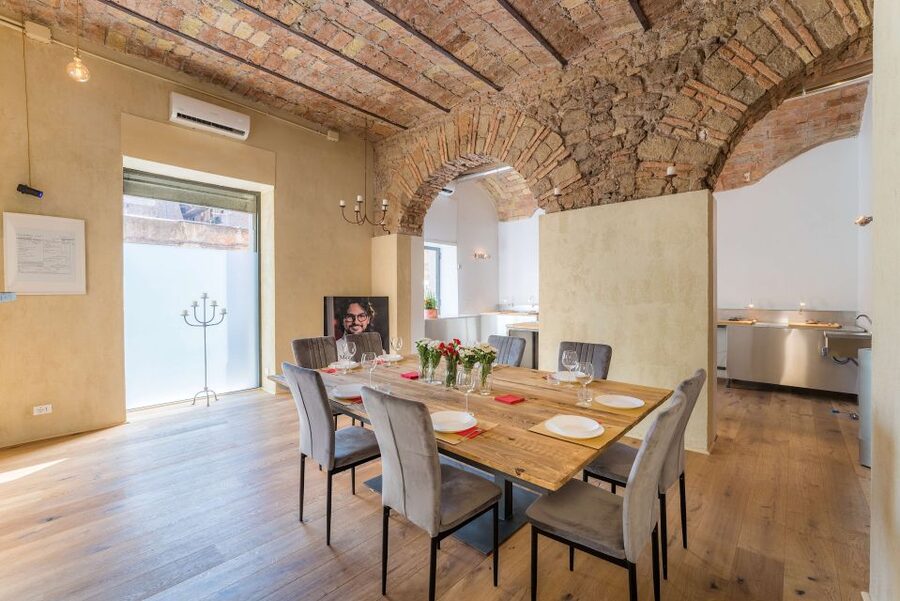
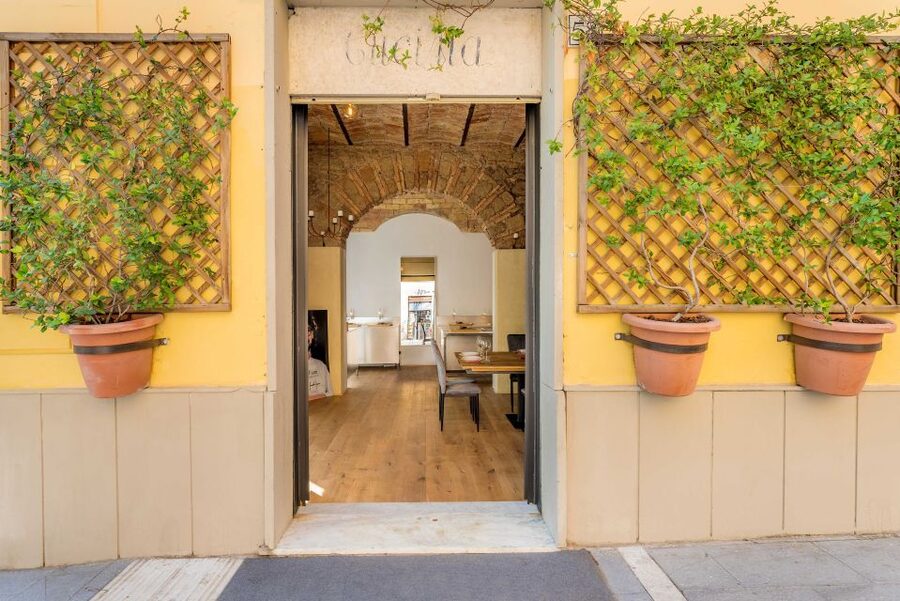
Making five kinds of pasta by hand is the main event here, but the setting gives the class its character. You work inside a late-1800s Antica Osteria, now a cooking school, with its old marble Cucina sign still marking the entrance. Emanuele and Angelo lead the session in English or Italian, with plenty of hands-on help.
I like the strong value: the $67.19 price covers the class, prosecco and cheese, two pasta dishes, wine, and dessert. I also like the practical method, especially rolling the dough with a wooden pin and learning shapes you can repeat at home. The one drawback is that this is not ideal for anyone with mobility limitations, and three hours of standing and handwork may feel long for some people.
Key points to know before booking
- Five classic pasta shapes: Make ravioli, agnolotti del plin, tortellini, cappelletti, and fettuccine from scratch.
- A real hands-on class: Roll thin sheets with a wooden pin, cut dough safely, fill pasta, and shape each piece yourself.
- A full meal is included: Enjoy local cheese and prosecco, two pasta preparations, Italian wine, and express tiramisu.
- A small teaching group: The class is limited to 10 participants, giving the chefs room to help with rolling and shaping.
- A memorable old tavern setting: The school occupies an Antica Osteria founded in the late 1800s.
- Useful for home cooks: The class focuses on basic techniques rather than a quick demonstration you only watch.
Five pasta shapes in one Rome evening
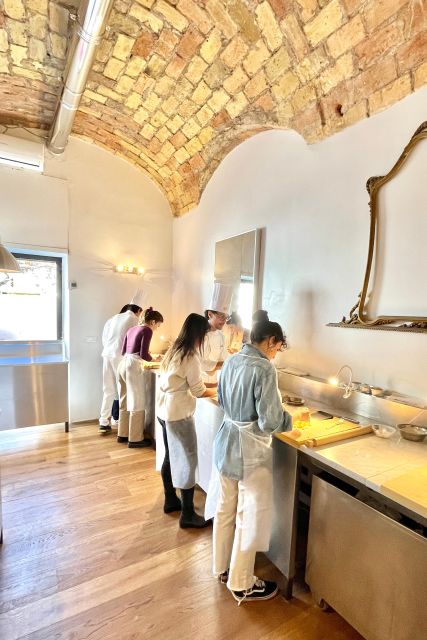
This class is built around variety. Instead of spending the whole session on one recipe, you learn five well-known fresh pasta forms, each with its own folding or cutting method.
You begin with the dough, working toward a thin sheet with a professional rolling-pin technique. That detail matters. Many short cooking classes rely on machines or prepare the dough in advance. Here, you get a better feel for texture, pressure, and thickness, which are the skills that decide if fresh pasta turns out delicate or heavy.
The five shapes are ravioli, agnolotti del plin, tortellini, cappelletti, and fettuccine. Ravioli gives you the basics of filling and sealing. Agnolotti del plin adds a smaller, pinched form. Tortellini and cappelletti require more folding, while fettuccine shows how to cut a flat sheet into long ribbons.
That mix keeps the class moving. You are not simply repeating one shape until the end of the evening. Each new form introduces a small challenge, and the chefs can correct your hands before a minor mistake becomes a full plate of stuck-together pasta.
The class also covers safe food cutting procedures. This is useful if you cook at home and want more than a souvenir recipe. You leave with a clearer sense of how to handle a knife and how to work with dough without rushing.
More cooking classes in Rome:
- 3 in 1 Cooking Class near Navona: Fettuccine, Ravioli & Tiramisu
★ 5.0 · 7,376 reviews - Rome: 3-in-1 Fettuccine, Ravioli, and Tiramisu Cooking Class
★ 4.9 · 2,704 reviews - Rome: Fettuccine Pasta Cooking Class in Rome’s City Center
★ 4.8 · 2,414 reviews
Rolling dough the old-fashioned way
The wooden pin is one of the best parts of the class. It gives you direct control over the dough, unlike an electric mixer or pasta machine. You feel where the sheet is thick, where it needs more pressure, and when it is thin enough to fold or cut.
For beginners, this can be the point where the class becomes practical rather than decorative. Fresh pasta looks simple, but dough can tear, dry out, or become too thick. The instructors move around the table to help, and the small group size makes that personal correction possible.
I would book this with the expectation that you will work. Your hands may get floury, and shaping small pasta takes patience. That is also why the class is more useful than a standard cooking demonstration. You practice the movements instead of watching someone else do them perfectly.
The class is designed for beginners. The teaching style is relaxed and playful, with music, humor, and encouragement built into the session. That helps if you are nervous about producing neat tortellini on your first try.
Two sauces, two pasta courses
After the shapes are made, the chefs explain and prepare two different Italian sauces. The sauces are matched with the handmade pasta, so you taste how different cuts and fillings work with different textures.
This is an important part of the experience. Pasta making can become a craft exercise if you never learn how to serve the result. Here, you see the link between shape, thickness, filling, and sauce. Long fettuccine behaves differently from stuffed ravioli, and the meal lets you taste that difference.
The included meal consists of two handmade pasta preparations. You do not simply pack your pasta away or watch the chefs cook it. The pasta you make becomes the central part of lunch or dinner.
The available information does not list the exact sauces or fillings for every session, so do not book this expecting a specific recipe. The emphasis is on learning several traditional shapes and enjoying the finished dishes.
Prosecco, cheese, wine, and tiramisu
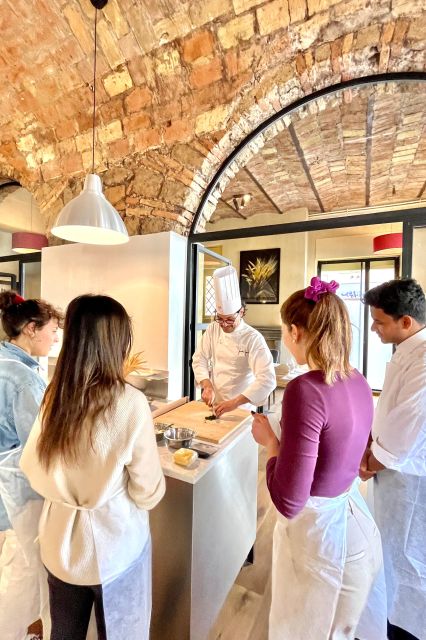
The food begins before the pasta is served. You receive an appetizer of local Italian cheese with fresh prosecco, which gives the group time to settle in and meet one another.
The cheese and prosecco are more than a small extra. They help turn the lesson into a shared meal rather than a strictly timed workshop. The class has a social side, and the chefs use that easy start to make the table feel friendly.
Wine accompanies the pasta meal. The listing does not specify the wine selection, so you should think of it as a pleasant part of the dinner rather than a formal tasting. The focus remains the cooking.
Dessert is an express tiramisu preparation. It is a short final lesson, not a separate pastry course, but it gives the evening a proper Italian finish. You prepare the dessert at the end, then complete the meal with what you have made.
For a three-hour activity, the food included is generous. At $67.19 per person, the price covers instruction, ingredients, drinks, a full meal, and dessert. In central Rome, that makes the class a good value for anyone who wants dinner and an activity in the same booking.
Same city, a completely different half-day:
- Vatican Museums & Sistine Chapel Tour with Optional Basilica
★ 4.3 · 67,413 reviews - Vatican Museums, Sistine Chapel & St Peter’s Basilica Guided Tour
★ 4.5 · 39,149 reviews - Rome: Colosseum, Palatine Hill and Roman Forum Guided Tour
★ 4.8 · 32,814 reviews - Rome: Guided Tour of Colosseum, Roman Forum & Palatine Hill
★ 4.7 · 27,897 reviews
The old Antica Osteria setting
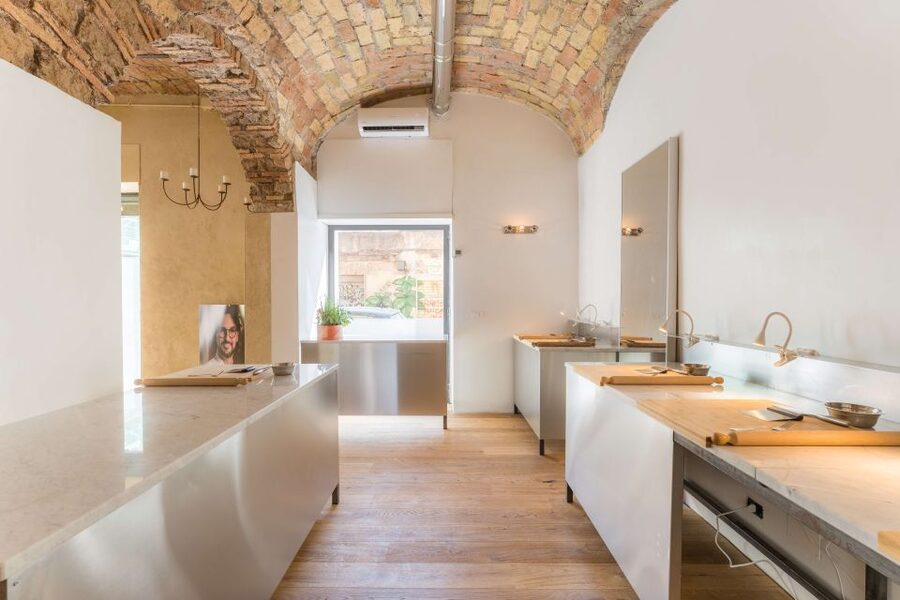
The location adds atmosphere without requiring a separate sightseeing stop. The cooking school occupies an old tavern founded in the late 1800s, and the original marble Cucina sign remains above the entrance.
That detail gives the class a sense of place. You are not cooking in a generic conference room with stainless steel counters and no connection to Rome. The space carries the look of an old neighborhood eating place, while the cooking school provides the equipment and organization needed for a class.
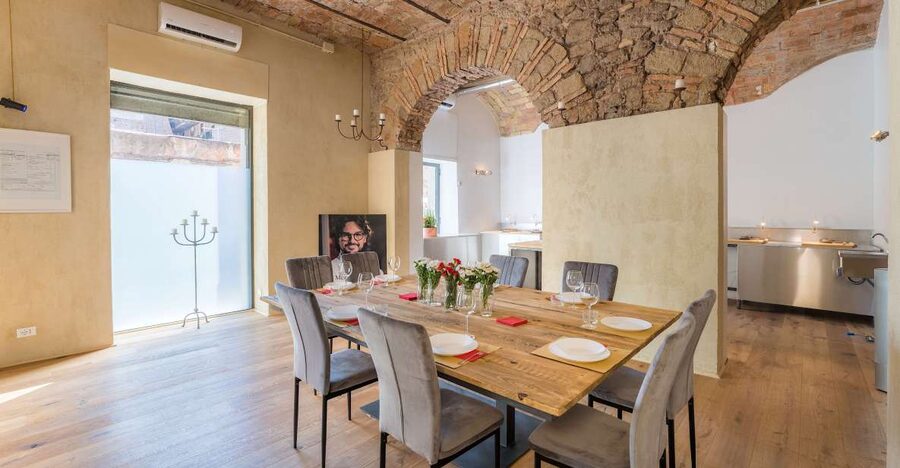
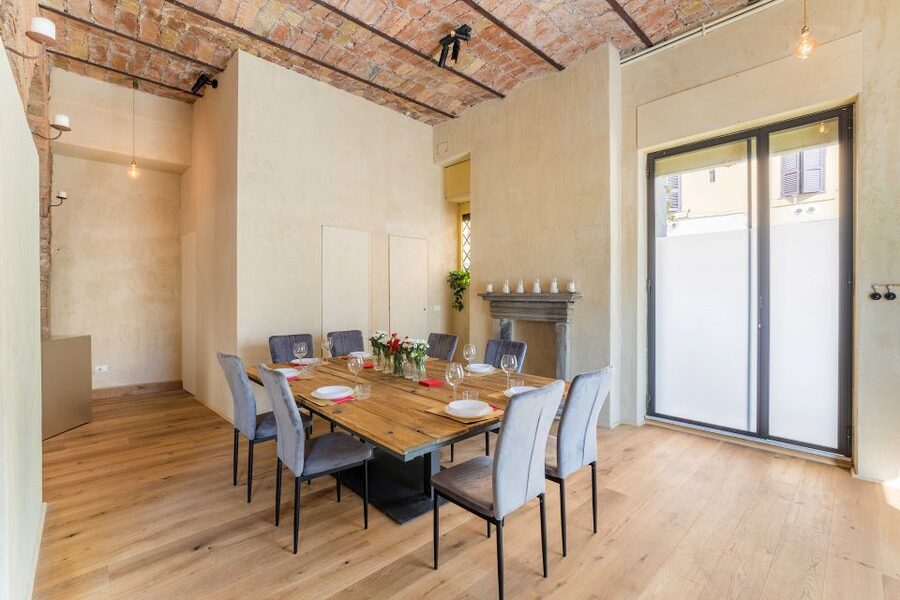
The dining area is arranged for a shared meal, and the decoration has a warm, traditional feel. Several parts of the teaching team’s style are intentionally lively, with music and humor adding energy to the room. If you prefer a quiet, formal cooking lesson, this may feel more animated than expected.
For most people, that energy is a strength. The class suits couples, families, and solo visitors who enjoy meeting people around a table. It also works well for a break from churches, museums, and long walks through Rome.
Emanuele and Angelo as hosts
Emanuele is repeatedly singled out for his teaching style, humor, and ability to make beginners feel at ease. Angelo also leads classes and is praised for his warm, attentive approach. The staff includes supporting chefs who help participants at the table.
The best feature of the teaching is the balance between demonstration and correction. The chefs show you the movement, then let you try. If your dough is too thick or a fold is going wrong, they step in with practical guidance rather than taking over the task.
That matters in a group cooking class. You want enough instruction to avoid confusion, but you also want to do the work yourself. With a stated limit of 10 participants, there is a better chance of getting help with rolling, cutting, and shaping.
The teaching is also flexible around food needs. One participant with a garlic allergy received adjusted ingredients and a separate sauce. You should still tell the provider about allergies before booking or at the start of the class, since the available information does not promise every possible dietary change.
The class has worked well for mixed ages, including teenagers and children around 10 years old. Younger children may need close adult help with cutting and shaping, but the upbeat format can keep families engaged.
What the three hours feel like
Expect a gradual sequence rather than a rushed recipe. The class begins with dough work and the first pasta forms, then moves through the different shapes and cutting methods. The chefs explain the technique while you repeat it at your own station.
As the dough work continues, the group pauses for cheese and prosecco. The cooking then moves toward the two pasta dishes, followed by the shared meal, wine, and express tiramisu.
Three hours is long enough to learn something useful and eat a full dinner, but it is not a quick drop-in activity. Plan to give the evening your full attention. If you have a packed schedule of timed sights, place this class on a lighter day.
Starting times vary, so check the available sessions when you book. The activity ends back at the same meeting point, which keeps the evening simple.
You receive a complimentary professional chef hat with the Pastificio Faini logo. It is a light souvenir, but it adds a fun touch, especially for families or couples who want a small reminder of the evening.
Who will get the most from this class
I would recommend it to first-time pasta makers who want clear instruction and a meal afterward. It is also a good choice if you have made pasta before but want to learn more shapes and improve your hand-rolling technique.
Couples will find it a relaxed evening activity, especially for an anniversary or honeymoon. Families with older children and teenagers can use it as a shared project, with enough food and movement to keep the experience from feeling like a lecture.
Solo visitors can also fit in easily because the format encourages conversation at the table. The small group makes it easier to meet people without the class feeling like a large production.
This is less suited to anyone seeking a quiet, private lesson or a highly technical culinary course. It is social, lively, and designed to make cooking enjoyable. The class is also not suitable for people with mobility impairments, and pets are not allowed.
Is the $67.19 price fair?
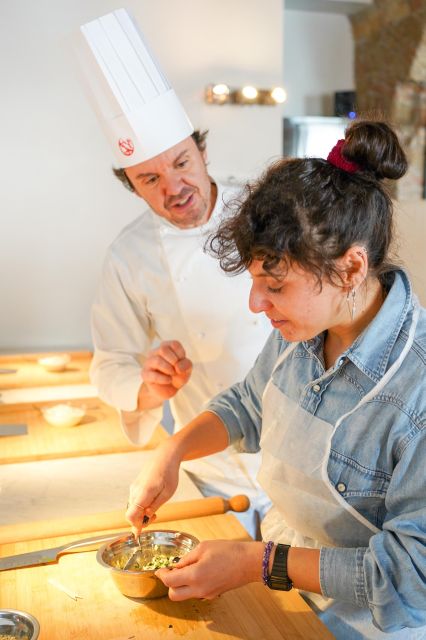
The cost is easy to judge because so much is included. You receive the lesson, ingredients, an appetizer, prosecco, two pasta dishes, wine, dessert, and the tiramisu preparation. There are no extra fees requested during the class.
A comparable Rome evening might involve paying separately for dinner and an activity. Here, the class combines both, and you gain a skill you can use at home. The value is strongest if you would otherwise book a restaurant meal plus another short experience.
The class is not the cheapest way to eat pasta in Rome. If your only goal is a plate of fettuccine, a trattoria will cost less and require less time. You are paying for instruction, participation, and the setting as much as for the food.
The five shapes improve the value. You get more than one recipe and more than one folding method, so the lesson has lasting use after your holiday.
Booking and practical details
The class lasts three hours and is offered in English and Italian. The group is limited to 10 participants, although the exact session size can depend on the date you choose.
Meet at the old Osteria named Cucina. Look for the original marble osteria sign above the entrance. The activity finishes at the same location.
You can cancel up to 24 hours before the class for a full refund, and you can reserve now and pay later. Check the time options carefully, since starting times are not fixed in the general description.
The experience has HACCP food hygiene and safety certification from 2020. That is useful reassurance in a hands-on food class, particularly when knives, shared work surfaces, and many participants are involved.
Should you book it?
Book this class if you want a lively Rome evening that mixes food, local atmosphere, and a real skill. The strongest reasons are the five pasta shapes, the wooden-pin technique, the generous meal, and the personal teaching from Emanuele, Angelo, and their team.
Skip it if you have limited mobility, dislike group activities, or want a quiet restaurant dinner with no cooking. Otherwise, the $67.19 cost is fair for three hours of instruction, drinks, food, and dessert. I would schedule it on a day when you can slow down, arrive ready to work with your hands, and enjoy the meal you helped make.
FAQ
How long does the pasta class last?
The class lasts three hours. Starting times vary, so check the available options when booking.
Which pasta shapes will I make?
You will make ravioli, agnolotti del plin, tortellini, cappelletti, and fettuccine.
Is food and drink included?
Yes. The class includes an appetizer with Italian cheese and prosecco, a full meal with two handmade pasta dishes, wine, and dessert with express tiramisu preparation.
What languages are available?
The class is offered in English and Italian.
Where does the class meet?
Meet at the old Osteria named Cucina. The original marble osteria sign is above the entrance, and the activity ends back at the same meeting point.
Can I cancel the booking?
You can cancel up to 24 hours in advance for a full refund. You can also reserve now and pay later.
More pasta and pizza making classes in Rome
- Rome: Pasta & Tiramisu Class with Fine Wine by the Vatican
★ 4.9 · 4,852 reviews - Rome: Pasta Making Class with Wine, Limoncello, and Dessert
★ 4.9 · 3,177 reviews - Rome: Traditional Pasta with Cocktails Cooking Class
★ 5.0 · 2,374 reviews - Learn to Make Pasta & Tiramisu with Wine and Limoncello Included
★ 5.0 · 2,345 reviews
Newest Rome tours we have reviewed
- Private TikTok Video Making in Rome★ 5.0 · 7 reviews
- Assisi, Orvieto and Civita di Bagnoregio Full Day Tour from Rome★ 4.5 · 45 reviews
- Assisi & Saint Francis Path Tour from Rome★ 5.0 · 45 reviews
- Assisi and Cascia Private Day Tour from Rome with Lunch★ 5.0 · 10 reviews
- Art Class in the center of Rome!★ 4.0 · 4 reviews
- Art & Craft: Beer Tour with Street Art in Rome★ 4.5 · 6 reviews
- Arrival in Rome: Airport Transfer & Exclusive City Introduction★ 5.0 · 3 reviews
- From Rome: Private Day-Tour of Tuscany★ 5.0 · 16 reviews
Rome Cooking Classes, compared.
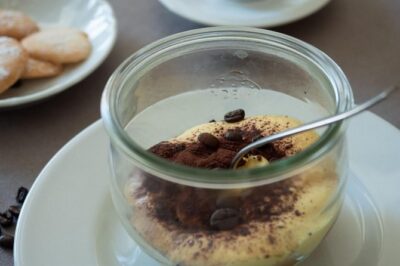
3 in 1 Cooking Class near Navona: Fettuccine, Ravioli & Tiramisu
Read our review →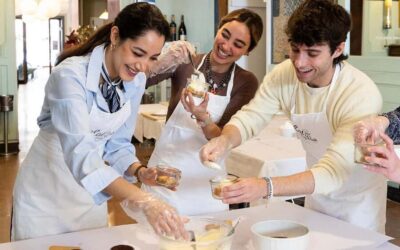
3-in-1 Fettuccine, Ravioli, and Tiramisu Cooking Class
Read our review →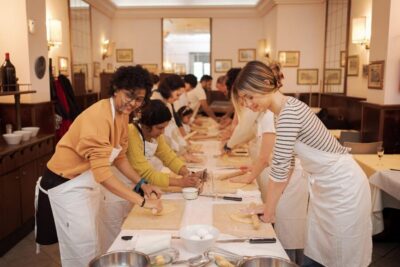
Fettuccine Pasta Cooking Class in Rome’s City Center
Read our review →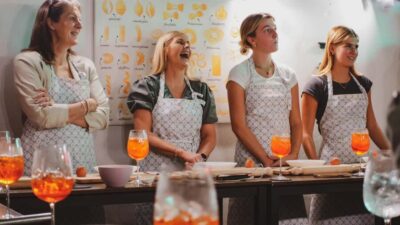
Traditional Pasta with Cocktails Cooking Class
Read our review →
Fettuccine and Tiramisu Cooking Class with Wine
Read our review →
Pasta Cooking Class Near the Colosseum with 3 Spritz Cocktails
Read our review →
Pasta & Tiramisu Cooking Class near the Spanish Steps
Read our review →
Rome Tipsy Cooking Class: Make Pasta and Mix 3 Spritz Cocktails
Read our review →Browse the lists this tour appears in