
Reviewed · ROME GELATO AND TIRAMISU CLASSES
Rome: Pizza & Tiramisu Making Class
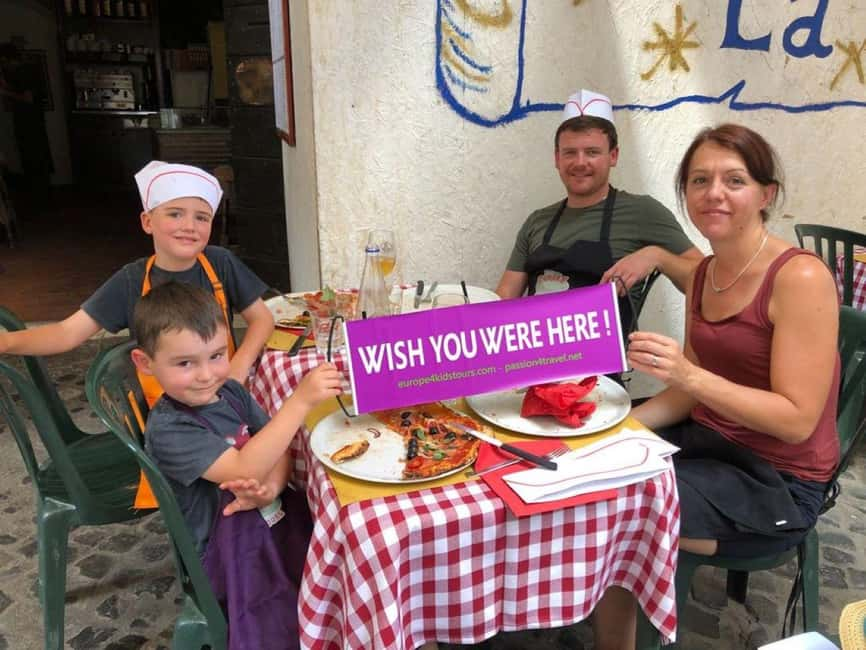
Rome’s best food lesson may be the one you can eat for lunch or dinner. Near Piazza Navona, you’ll make two Italian favorites from scratch: pizza and tiramisu. The class is small, with no more than seven participants, so you get a proper workstation rather than standing at the back of a crowded demonstration.
I like the simple pairing of a savory main course and a sweet finish. I also like the practical setup: you make your own food, then eat it, with a glass of wine or limoncello, water, and coffee included. The main thing to watch is the timing. The activity is advertised as two hours, but the course and meal are described as taking about two and a half hours.
The English-speaking chef sets the tone, and one verified booking praised the kind, expert chef and pleasant atmosphere. The chef’s name is not provided, so you should not book this expecting a celebrity-led lesson. This is a shared class, and arriving late can interrupt the group.
Key points to know before booking
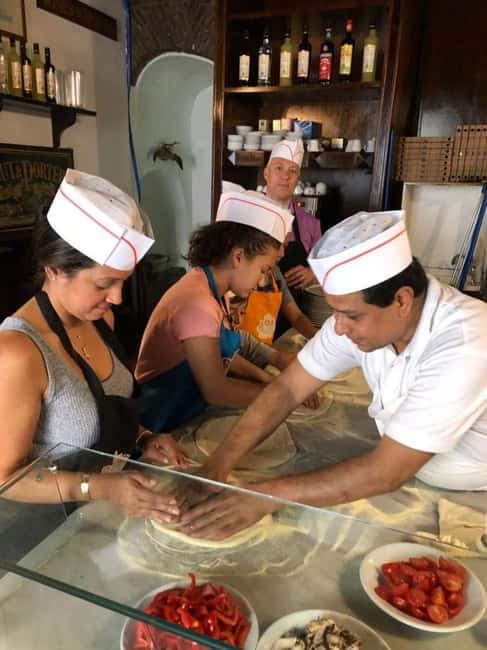
- Make both pizza and tiramisu: You prepare a full savory and sweet Italian pairing in one class.
- Work at your own station: Each participant has a personal workstation for the lesson.
- Small group of seven: The limited group size should give you a more hands-on format than a large cooking demonstration.
- Central meeting point: The class begins near Piazza Navona, but pickup and drop-off are not included.
- Drinks come with the meal: You receive wine or limoncello, water, and coffee.
- Plan for up to 2.5 hours: The listed duration is two hours, while the full class and eating time are stated as two and a half hours.
A Roman food lesson near Piazza Navona
Location matters in Rome, and this class starts near Piazza Navona. That makes it easy to pair with a day of sightseeing in the historic center, although you are responsible for reaching the meeting point yourself.
The meeting location is not a hotel pickup point. You need to make your own way there and arrive on time. That is a small detail, but it matters in central Rome, where a short distance can take longer than expected on foot or by public transport. Give yourself extra time to find the exact meeting point.
The class is shared rather than private. With a maximum of seven participants, it is still a small setting, but you will be cooking alongside other people. If you want a private family lesson or a completely personal schedule, this may not be the right format.
For most people, though, the shared setup is part of the appeal. You are not just watching a chef work. You have a station, a task, and a meal to look forward to. The experience is built around doing rather than observing.
More gelato and tiramisu classes in Rome:
- 3 in 1 Cooking Class near Navona: Fettuccine, Ravioli & Tiramisu
★ 5.0 · 7,376 reviews - Rome: Pasta & Tiramisu Class with Fine Wine by the Vatican
★ 4.9 · 4,852 reviews - Rome: 3-in-1 Fettuccine, Ravioli, and Tiramisu Cooking Class
★ 4.9 · 2,704 reviews
Starting with pizza, Italy’s great hands-on dish
The pizza lesson is the main event for many people. Pizza is familiar around the world, but making your own in Italy gives the dish a more useful context. You get to handle the process yourself instead of treating pizza as something that simply arrives at the table.
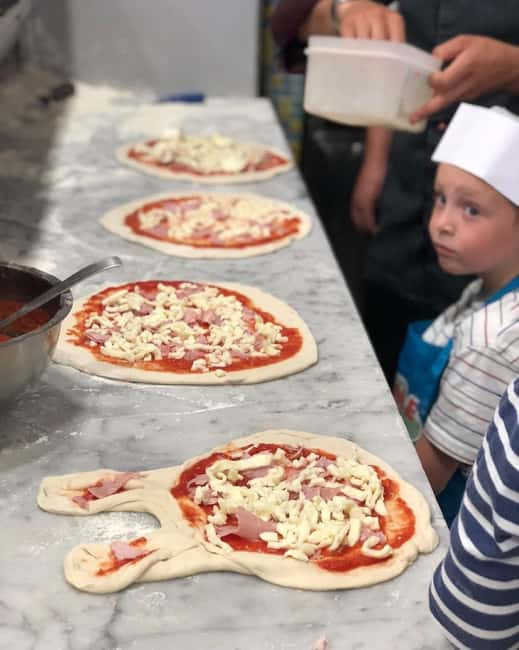
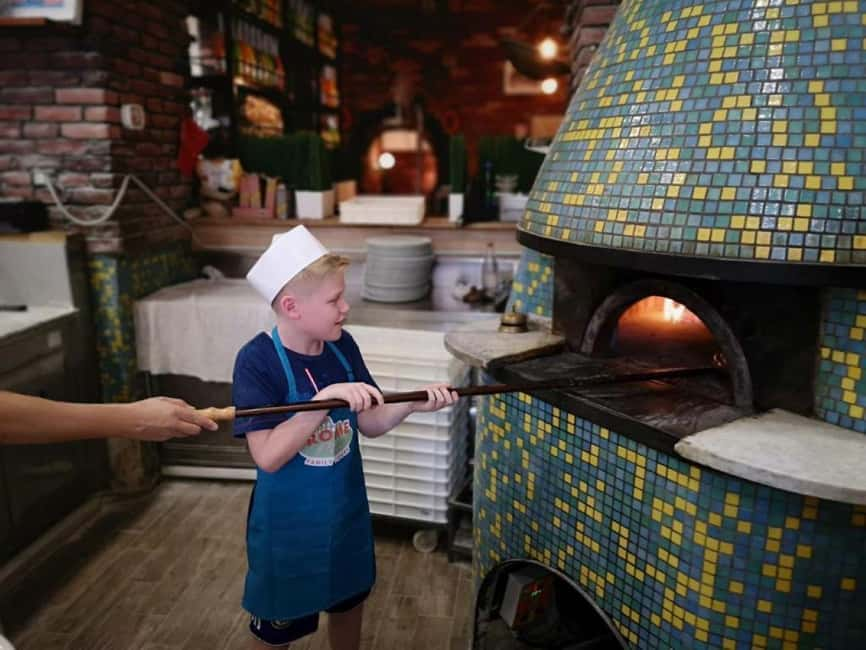
The precise recipe and cooking method are not specified, so I would avoid booking this with a fixed expectation about the style of crust, toppings, or oven. What is clear is that the class includes a pizza-making lesson and that each participant prepares a personal pizza.
That individual station is important. It means you are not merely helping one person mix dough while everyone else watches. You should expect direct participation, with the chef guiding the class through the work. The format is especially well suited to families with older children, couples, and small groups of friends who want a shared activity with an edible result.
The class also gives you a chance to see how much work sits behind a food that often looks simple. Pizza is not just a plate with toppings. The preparation, shaping, and cooking all affect what reaches the table. Even without a long lecture, working through the steps can make your next Roman pizzeria visit more interesting.
Do not expect a full culinary school course in two hours. This is a short introduction, not professional training. The value comes from taking part, asking questions, and eating what you make.
Tiramisu adds the sweet finish
Tiramisu is a smart partner for the pizza lesson. You move from a familiar savory dish to one of Italy’s most loved desserts, and the two parts make the class feel like a complete meal rather than a single food demonstration.
You will prepare your own tiramisu during the lesson, then have time to enjoy it after the work is finished. The exact ingredients and preparation steps are not supplied, so I cannot promise a particular recipe or presentation. Still, the basic appeal is clear: you get to make the dessert yourself instead of simply being handed a portion at the end.
This second recipe also helps families and mixed-interest groups. One person may care more about pizza, while another is excited about dessert. Including both means the class has two distinct parts and gives you more to do than a single-recipe workshop.
The tiramisu is also a practical souvenir of sorts. You will not take a box home, but you will leave with a better sense of how the dessert is put together. The lesson is useful for anyone who wants to repeat the experience in their own kitchen, although the exact recipe should be confirmed during the class if that matters to you.
What the two-hour class feels like in practice
The experience is described as lasting two hours, while the full course and eating time are listed as two and a half hours. I would plan your schedule around the longer figure. That gives you room for the lesson, the cooking, and the meal without having to rush away.
The likely flow is straightforward:
- You meet near Piazza Navona and join the shared group.
- The chef introduces the pizza and tiramisu activities.
- You work at your individual station.
- You prepare your pizza and dessert with guidance.
- You sit down to eat what you made.
- Wine or limoncello, water, and coffee are included.
The exact order of the recipes is not specified, so the chef may organize the class around preparation and cooking time. You should expect a lesson that moves between instruction and hands-on work, rather than a long period of sitting quietly.
Punctuality is requested because late arrivals can interrupt the other participants. This is not just a formal rule. In a small class, one late person can pull the chef’s attention away from everyone else. Arrive early enough to find the meeting point and settle in before the lesson begins.
More cooking classes in Rome:
- Rome: Pasta Making Class with Wine, Limoncello, and Dessert
★ 4.9 · 3,177 reviews - Rome: Fettuccine Pasta Cooking Class in Rome’s City Center
★ 4.8 · 2,414 reviews - Rome: Traditional Pasta with Cocktails Cooking Class
★ 5.0 · 2,374 reviews - Become a Masterchef in Rome: Pasta, Ravioli and Tiramisù Class
★ 5.0 · 2,156 reviews
A small group with an English-speaking host
The class is conducted in English, and the host or greeter speaks English. That makes the activity accessible to people who do not speak Italian, especially when the work involves following several steps at once.
The group is limited to seven participants. That is small enough to feel personal without making the session private. You should have a better chance of seeing demonstrations and getting help than you would in a large cooking class.
The experience provider is Cavason Ltd. The individual chef’s name is not given in the available information. One verified booking from April 2025 praised the expert and kind chef and the pleasant atmosphere. That is the clearest indication of the teaching style: expect a friendly, capable host rather than a formal lecture.
Still, keep the praise in proportion. There are only three ratings listed, all giving the experience five stars. That is a very positive early signal, but it is a small sample. I would view the class as a promising, focused food activity, not as a heavily tested Rome institution.
What is included at the table
The class includes a glass of wine or limoncello, water, and coffee. These drinks help turn the cooking lesson into a meal and reduce the need to arrange a separate lunch or dinner afterward.
The alcohol option is useful for adults, but families should note that the experience is not built around children’s drinks. The supplied information does not specify a separate nonalcoholic alternative beyond water, so ask the host if that matters to your group.
You also get time to eat your pizza and tiramisu after the hard work. That is one of the strongest parts of the format. Some cooking activities end as soon as the last ingredient is prepared. Here, the meal is part of the experience, so you can sit down and enjoy the result rather than leaving with only instructions.
The listing does not provide a price, so I cannot judge the exact cost or compare it fairly with other Rome food classes. A useful way to assess the value is to count what you receive: two recipes, an individual workstation, instruction in English, a small group, a prepared meal, dessert, and included drinks. If the price is close to other two-hour classes, that combination should make it competitive.
Who will enjoy this Rome cooking class?
I would recommend this activity most strongly to people who want a participatory break from museums and monuments. Rome can involve a lot of walking, queuing, and looking upward. A seated meal that you helped prepare gives your day a different rhythm.
It is also a good family choice, and the description specifically presents it as suitable for the whole family. Keep in mind that babies under one year are not accepted, and people over 95 are listed as unable to take part. The data does not give a detailed accessibility statement, so anyone with mobility, dietary, or other needs should check directly before booking.
Couples may like the class because it offers more to talk about than a standard restaurant meal. Friends can split their attention between learning, cooking, and eating. Solo participants may also find the small group comfortable, but the shared format means you should be happy working around other people.
This is less suitable for anyone seeking a private chef, a long technical course, or a carefully tailored menu. It is also not ideal if your Rome schedule is packed tightly around timed museum tickets. The meeting point, class, and meal need breathing room.
Planning the experience around your Rome day
Because the meeting point is near Piazza Navona, you can place the class into a sightseeing day in central Rome. The best plan depends on the start time, which varies by availability. Check the current time options before arranging other activities.
Do not schedule a major attraction immediately afterward if you are using the full two-and-a-half-hour estimate. The meal may finish sooner, but building in extra time is the sensible choice. You also need to account for your walk to and from the meeting point because pickup and drop-off are not included.
The class can work as lunch or dinner. That flexibility is useful in Rome, where sightseeing plans often change. If you choose a lunch session, you can spend the evening at a restaurant or continue exploring. If you choose dinner, the class becomes both an activity and your evening meal.
The cancellation terms are traveler-friendly: you can cancel up to 24 hours in advance for a full refund, and you can reserve now and pay later. Those options help if your Rome plans are still shifting. They do not remove the need to arrive on time on the day itself.
The main strengths and limitations
The strongest feature is the combination of two recipes in one compact session. You get a full meal and dessert, rather than a narrow lesson focused only on dough or only on sweets.
The individual workstation is another clear advantage. It gives the experience a practical purpose and lets you take part at every stage. The group cap of seven supports that hands-on approach.
The expert, kind chef and pleasant atmosphere are also worth noting. Since the chef’s name is not available, I cannot offer a personal profile, but the available feedback points to a host who can teach with both skill and warmth.
The limitations are just as clear. The class is shared, pickup is not included, the exact recipe details are not provided, and the duration information is inconsistent between two hours and two and a half hours. The price is also not supplied, so value depends on the rate shown when you book.
None of these points ruins the experience. They simply tell you what kind of booking this is: a compact, friendly, central cooking activity with a clear menu and limited customization.
Should you book the pizza and tiramisu class?
Book it if you want to make your own meal in Rome, prefer a small group, and like the idea of pairing pizza with tiramisu. The location near Piazza Navona, included drinks, English instruction, and individual workstations make it easy to fit into a sightseeing day.
I would be especially inclined to choose it for a family, couple, or small group that wants an activity everyone can share. Just allow up to two and a half hours, arrive early, and confirm any dietary or access needs before paying.
Skip it if you want a private class, a named celebrity chef, a detailed professional course, or a precisely timed one-hour activity. For a hands-on introduction to two famous Italian foods, though, this is a sensible and enjoyable choice.
FAQ
Where does the cooking class meet?
The meeting point is near Piazza Navona, also known as Navona Square.
How long does the experience last?
The activity is listed as two hours, while the course and eating time are described as taking about two and a half hours. Plan around the longer estimate.
What food will I make?
You will make pizza and tiramisu during the class.
Do I get my own cooking area?
Yes. Each participant has an individual workstation.
How many people are in the group?
The class is limited to seven participants.
Is the class taught in English?
Yes. The listed language is English, and the host or greeter speaks English.
Are drinks included?
Yes. A glass of wine or limoncello, water, and coffee are included.
Is pickup or drop-off provided?
No. Pickup and drop-off are not included, so you must make your own way to the meeting point.
Can I cancel for a full refund?
Yes. You can cancel up to 24 hours in advance for a full refund.
Are babies and older people allowed to join?
Babies under one year and people over 95 are listed as not suitable for this activity.
Newest Rome tours we have reviewed
- Private TikTok Video Making in Rome★ 5.0 · 7 reviews
- Assisi, Orvieto and Civita di Bagnoregio Full Day Tour from Rome★ 4.5 · 45 reviews
- Assisi & Saint Francis Path Tour from Rome★ 5.0 · 45 reviews
- Assisi and Cascia Private Day Tour from Rome with Lunch★ 5.0 · 10 reviews
- Art Class in the center of Rome!★ 4.0 · 4 reviews
- Art & Craft: Beer Tour with Street Art in Rome★ 4.5 · 6 reviews
- Arrival in Rome: Airport Transfer & Exclusive City Introduction★ 5.0 · 3 reviews
- From Rome: Private Day-Tour of Tuscany★ 5.0 · 16 reviews
Rome Gelato and Tiramisu Classes, compared.
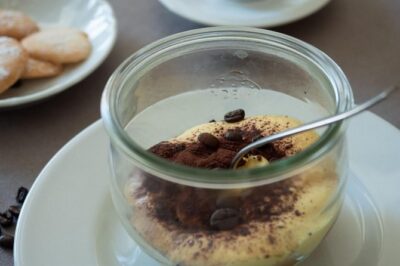
3 in 1 Cooking Class near Navona: Fettuccine, Ravioli & Tiramisu
Read our review →
Pasta & Tiramisu Class with Fine Wine by the Vatican
Read our review →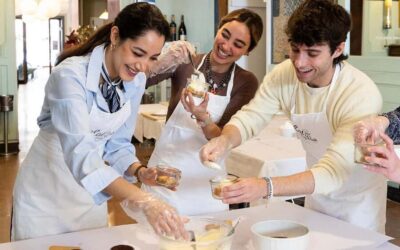
3-in-1 Fettuccine, Ravioli, and Tiramisu Cooking Class
Read our review →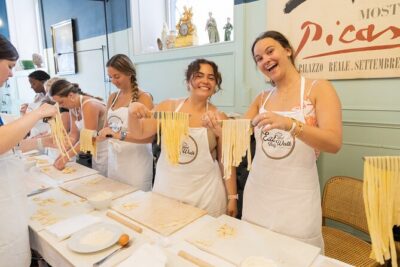
Learn to Make Pasta & Tiramisu with Wine and Limoncello Included
Read our review →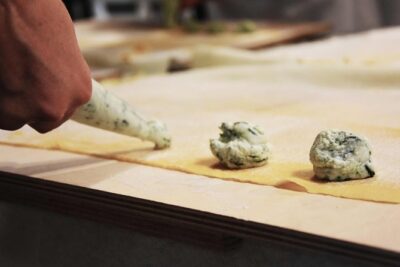
Become a Masterchef in Rome: Pasta, Ravioli and Tiramisù Class
Read our review →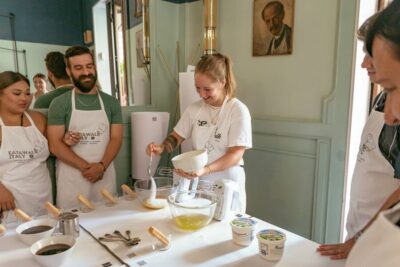
Fettuccine and Tiramisu Cooking Class with Wine
Read our review →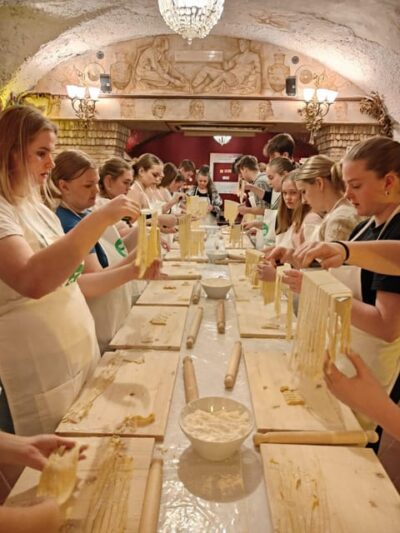
Pasta & Tiramisu Cooking Class near the Spanish Steps
Read our review →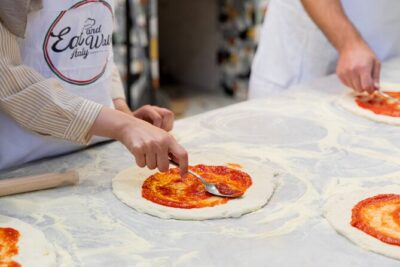
Cooking Class in the Heart of Rome: Pizza and Tiramisu Making
Read our review →Browse the lists this tour appears in