
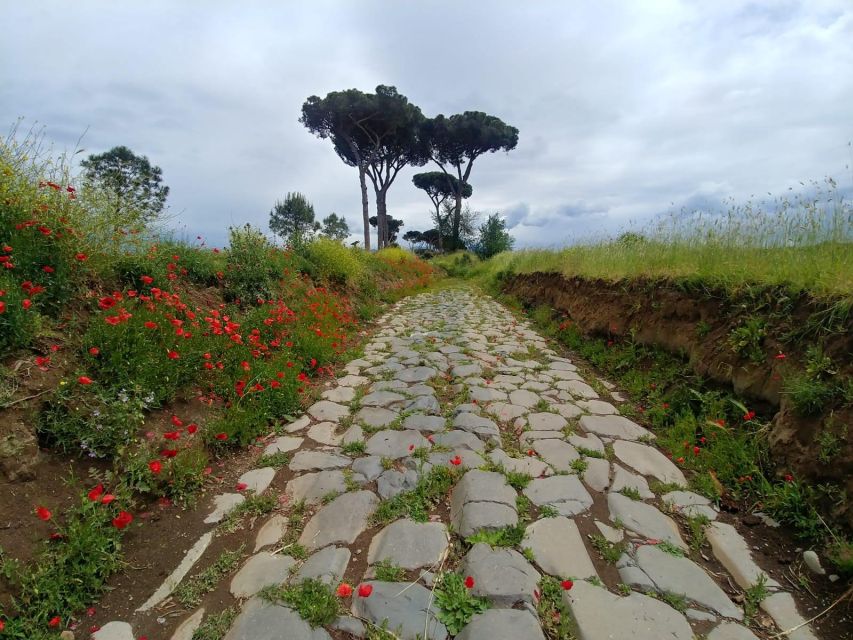
Reviewed · APPIAN WAY AND AQUEDUCTS TOURS
Rome: The Ancient Aqueducts of Rome Guided Tour
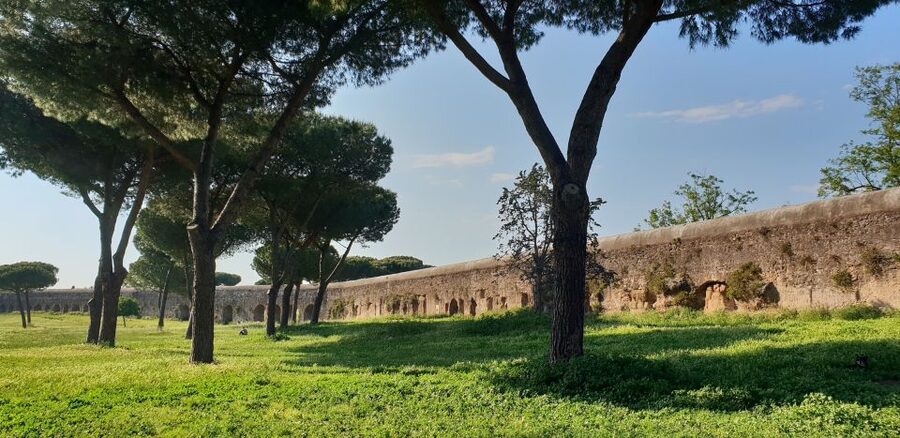
Rome’s ancient aqueducts offer a rare look at Rome beyond the Colosseum and Trevi Fountain. This two-hour walk takes you through a local park where four monumental water structures stretch across open ground, including the Claudio Aqueduct and the Marcio Aqueduct. The guide explains how water reached the city and why cutting that supply could cripple Rome.
I like the small-group format, which gives you room to ask questions, and I like the chance to see an area where everyday Roman life continues around ancient ruins. Guides Ricardo and Giuseppe have earned especially warm praise for their clear explanations, friendly manner, and easy pace. The main drawback is the price: $147.27 per person is a lot for a two-hour walk, especially since food and drinks are extra.
Key points at a glance
- Aqueduct Park: Walk among four ancient aqueducts in a park mainly used by locals.
- Three major aqueducts: See the Marcio, Claudio, and Anio Vetus structures up close.
- A working lesson in Roman engineering: Learn how long channels carried water into ancient Rome.
- A quiet side of the city: This route avoids the crowded center and major ticket lines.
- Three to four kilometers on foot: Wear comfortable shoes and dress for the weather.
- Strong guide reports: Ricardo and Giuseppe are praised for clear explanations and a relaxed pace.
Why Rome’s aqueducts are worth your time
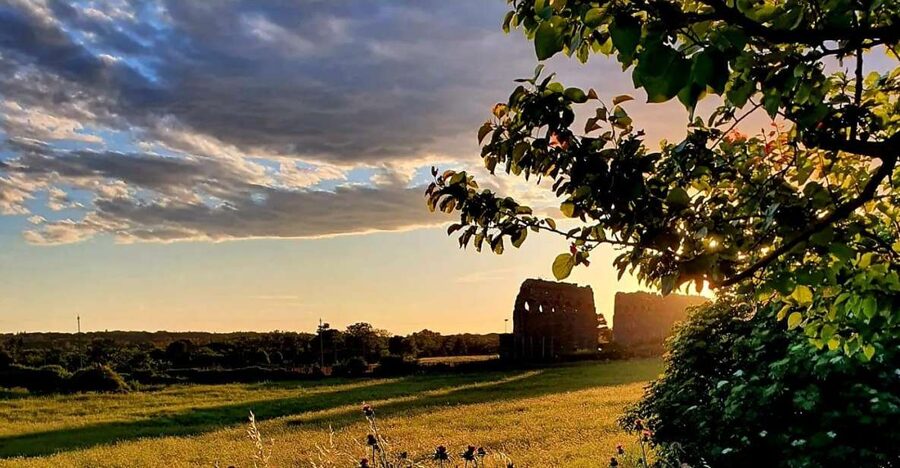
Rome is packed with famous ruins, but the aqueducts explain something basic about how the city worked. Temples and arenas made Rome impressive. Water made it livable.
The aqueducts carried water over long channels, often supported by rows of arches, from sources outside the city. That supply fed public fountains, baths, and other parts of daily life. On this tour, you do not just look at old stone. You learn why the system mattered so much that invading forces could weaken Rome by cutting the water routes.
That context gives the walk more weight. An aqueduct is easy to admire as a grand photo backdrop. It becomes more interesting when you understand it as part of a vast public network that allowed ancient Rome to grow.
I also like the setting. Instead of spending two hours in the packed historic center, you head to a park where four aqueducts cross the countryside-like edge of the city. The area offers a calmer view of Rome, with ancient construction and local surroundings sharing the same space.
More Appian Way and aqueduct tours:
- Rome EBike Tour: Appian Way, Catacombs & Roman Aqueducts
★ 5.0 · 1,766 reviews - Rome: Appian Way, Catacombs, & Roman Aqueducts E-bike Tour
★ 4.9 · 1,421 reviews - Rome:Appian Way E-bike Tour with Catacombs, Aqueducts & Food
★ 4.9 · 1,210 reviews
Meeting at Giulio Agricola and reaching the park
The tour begins at the Giulio Agricola stop on Metro Line A. Meet immediately outside the subway exit, at the corner of Via Tuscolana, in front of the ODS store.
That meeting point is useful if you are staying near a Metro A station, though you should allow enough time to find the correct exit. The tour does not include hotel pickup or drop-off, so you handle your own transportation to and from Giulio Agricola.
The activity ends back at the same meeting point. That makes planning easier, since you will not need to arrange a second pickup across town. It also lets you continue your day from the Metro A line after the walk.
The tour lasts two hours, but the walking distance is roughly three to four kilometers. That is not an extreme distance, yet the route is still a proper walk rather than a short stroll between monuments. Comfortable shoes matter, and weather-appropriate clothing is essential because much of the experience takes place outdoors.
Aqueduct Park and Rome’s quieter side
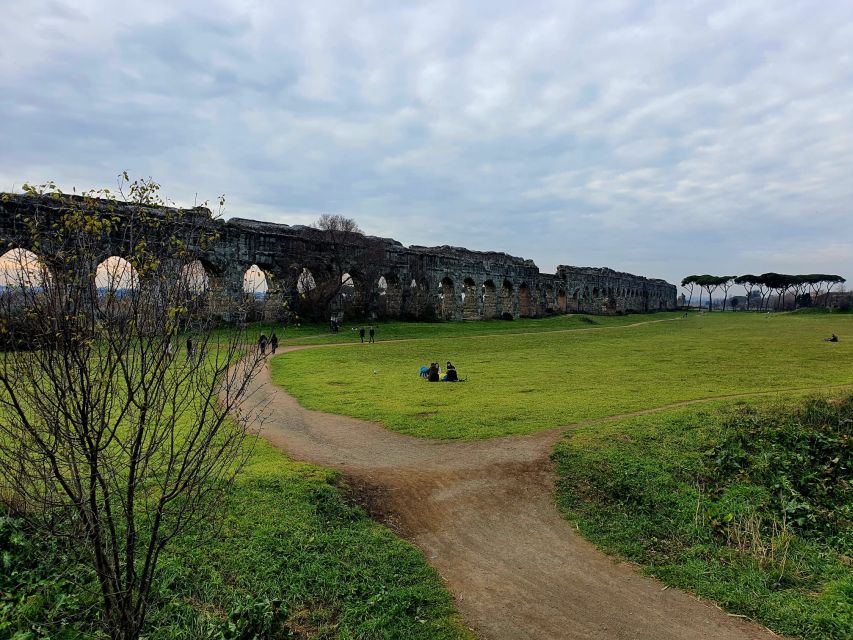
Aqueduct Park is the heart of the experience. The park contains four ancient aqueducts and is described as a place used mostly by locals rather than by the crowds who fill Rome’s central sights.
That setting changes the rhythm of your visit. You have space to look along the arches, take photographs, and hear the guide without the constant pressure of a busy piazza. You also get a better sense of the scale of the structures. Aqueducts were not small utility projects. They ran across long distances and required careful construction to maintain a steady flow of water.
The park is especially appealing if you have already seen Rome’s main monuments and want a different view of the city. It is also a good choice if your favorite part of sightseeing is understanding how ordinary life depended on major engineering projects.
Do not expect a polished museum setting. The appeal is the open-air atmosphere and the chance to see ancient structures in a less formal environment. You may find the surroundings more peaceful than central Rome, but the trade-off is that the experience relies heavily on the guide’s explanations.
The Marcio Aqueduct and the basics of Roman water
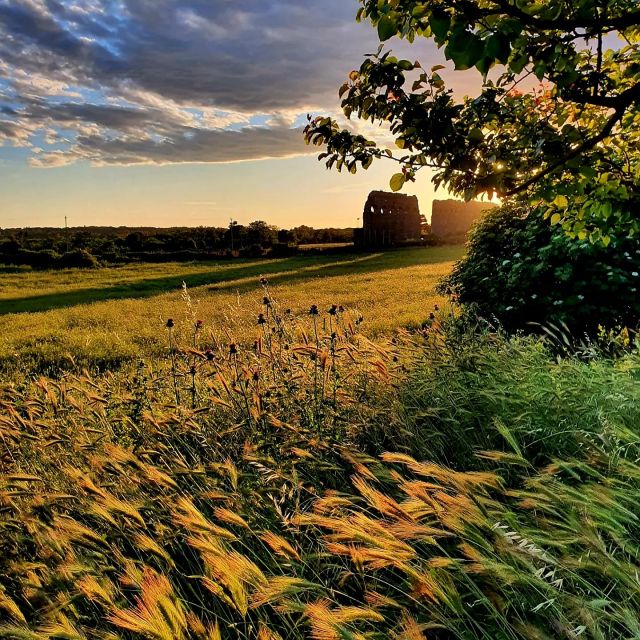
One of the main structures on the route is the Marcio Aqueduct. Here, the guide explains how Rome’s water channels were built and how they carried water toward the city.
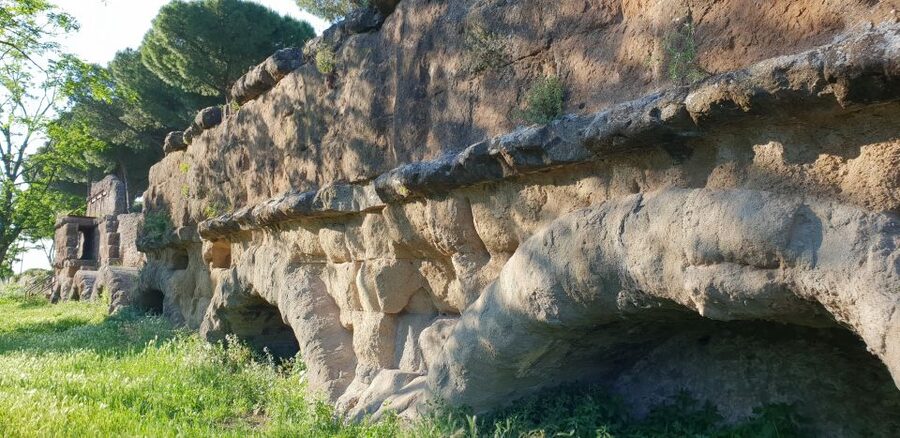
The important lesson is that Roman engineering depended on careful planning. Water had to travel through long channels, often supported by arches, while maintaining the flow needed to reach the city. The aqueducts were not simply walls with water running on top. They were part of a system designed to supply a growing population.
A good guide helps you read what you are seeing. You can look at the surviving stonework while learning about the structure’s practical role. That makes the stop more useful than a quick photograph with no context.
The guide also shares facts and small curiosities about ancient Rome. The information is presented in English, and the best feedback about Ricardo and Giuseppe focuses on their ability to answer questions, keep a sensible pace, and make the subject accessible to both adults and children.
For families, that pace may be important. One family with two adults, two teenagers, and a ten-year-old found the tour especially enjoyable because of Ricardo’s friendly approach and clear explanations. The route still involves several kilometers of walking, so younger children need to be comfortable on foot.
More guided tours in Rome:
- Vatican Museums, Sistine Chapel & St Peter’s Basilica Guided Tour
★ 4.5 · 39,149 reviews - Rome: Colosseum, Palatine Hill and Roman Forum Guided Tour
★ 4.8 · 32,814 reviews - Rome: Guided Tour of Colosseum, Roman Forum & Palatine Hill
★ 4.7 · 27,897 reviews - Rome: Colosseum & Forum with Audio Guide App -Optional Arena
★ 4.2 · 24,770 reviews
The Claudio Aqueduct and the grandest views
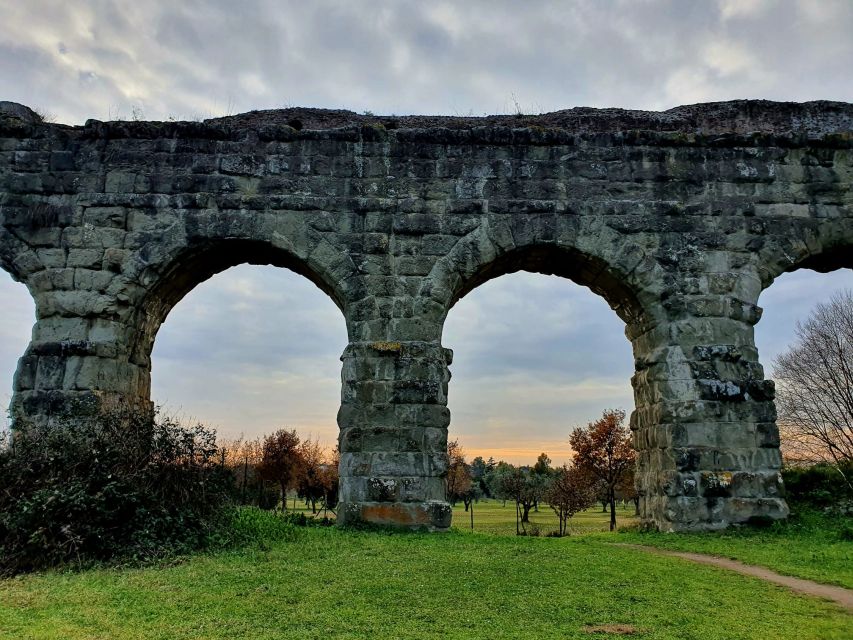
The Claudio Aqueduct provides some of the most striking sights on the route. Its large arches show why aqueducts remain such powerful symbols of Roman engineering.
This is the part of the tour where you will likely want to pause for photographs. The structures have survived for centuries, and their long lines create a strong sense of scale. You can see how the aqueducts shaped the area rather than existing as isolated ruins.
The guide uses the Claudio Aqueduct to explain construction and function. You learn how water entered the system, how the channels were supported, and how the aqueducts helped supply ancient Rome. The details are useful because they connect the visible arches with the less visible flow of water that once passed through them.
The route also lets you get close to the remains. The description of the experience emphasizes seeing and touching preserved structures, but you should still follow the guide’s instructions and treat the ruins with care. Ancient stone can look solid while remaining vulnerable after centuries of exposure.
The Anio Vetus Aqueduct and the city’s dependence on water
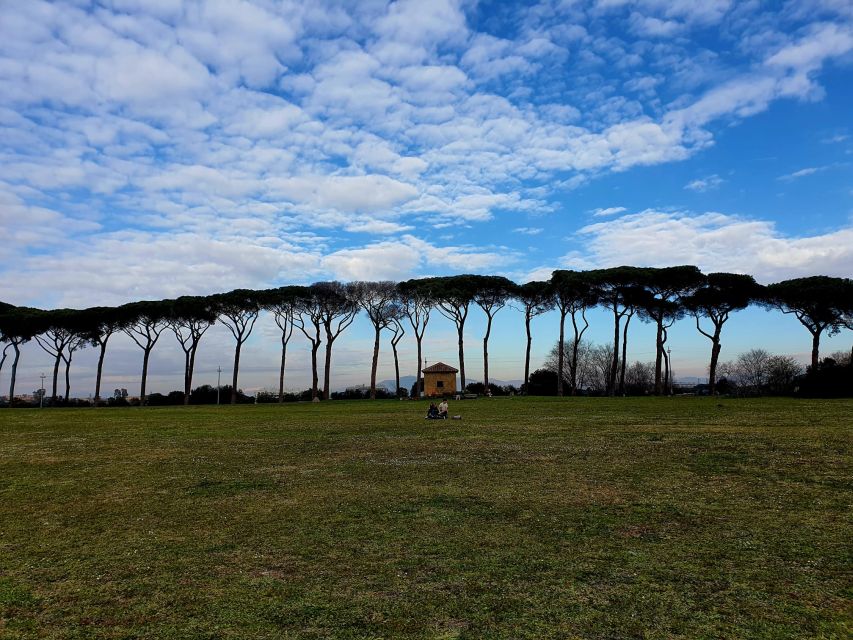
The Anio Vetus Aqueduct is another key stop. Together with the Marcio and Claudio aqueducts, it helps show that Rome depended on more than one water route.
The guide explains how the aqueduct network served the ancient city and why that supply was so important. One striking point is the story of invading Barbarians cutting the water supply when they attacked Rome. The detail makes the city’s dependence plain: control the aqueducts, and you could disrupt one of Rome’s most basic needs.
This is where the tour moves beyond architecture. The aqueducts were part of Rome’s power, public health, and daily routine. They supplied water for public use and helped support the enormous urban population that made the city so important.
I find this kind of explanation more useful than a list of dates. You leave with a simple idea you can remember: Rome’s success depended not only on armies and roads, but also on reliable water.
The Mariana Canal and a later chapter of Rome
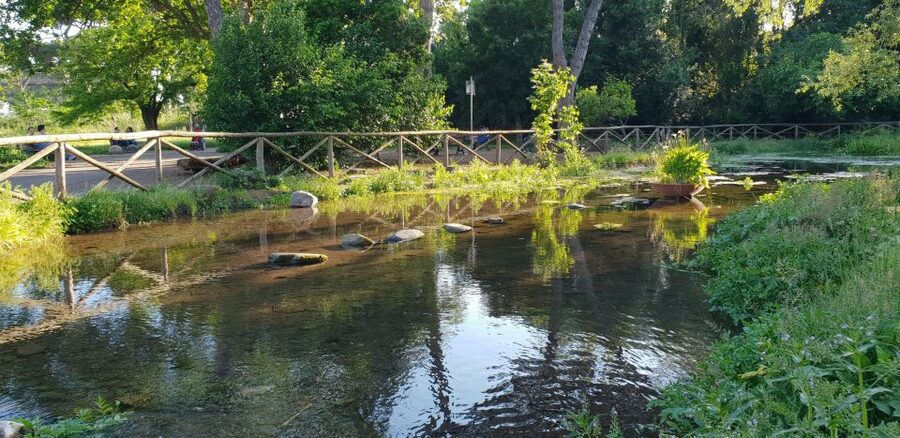
The route also passes the Mariana Canal, an ancient canal whose construction was ordered by Pope Sixtus V.
This stop adds a later layer to the story. Rome’s water infrastructure did not end with the ancient emperors. Later leaders continued to shape and adapt the city’s channels, roads, and water routes.
The canal gives the guide a chance to connect ancient engineering with the changing city. You see how different periods left their mark in the same area. That layered history is one of Rome’s great pleasures, especially when it appears outside the usual museum route.
The canal is not presented as a separate long visit. It forms part of the walking route, giving you another structure to look at while the guide explains its place in Rome’s development.
What the guide adds to the walk
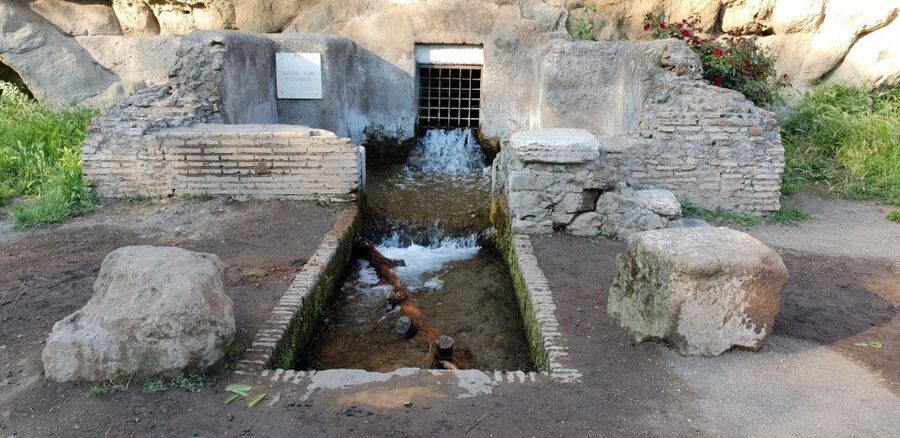
This experience depends on the guide more than a ticketed monument visit does. The aqueducts are impressive, but without explanation you might miss how the channels worked or why their location mattered.
Ricardo is praised for an entertaining approach, a helpful pace, and a genuine manner. Giuseppe is praised for answering questions, explaining the subject clearly, and keeping the group moving at a comfortable speed. Those details matter because a two-hour walking tour can feel rushed if the guide pushes ahead, or dull if the information is too dry.
The strongest part of the experience is likely to be the conversation. You can ask about construction, water flow, Rome’s dependence on the system, and the curious details that are harder to pick up from a guidebook.
The tour is offered in English and includes a local guide in a small group. That setup should suit you if you prefer direct contact with the guide instead of listening to a recorded device or walking alone with a map.
Is $147.27 good value for two hours?
At $147.27 per person, this is an expensive short tour. The price includes the guide, a small group, and admission fees, but it does not include food, drinks, or hotel transportation.
The value depends on what you want from your Rome visit. If you are looking for the cheapest way to see aqueducts, this is unlikely to be it. You are paying for access to a less familiar part of Rome, a live English-speaking guide, and the interpretation that turns old stone into a readable story.
The cost is easier to justify if you care about Roman engineering, prefer quieter areas, or want a guide who can answer questions. It is harder to justify if you have a tight budget, prefer major central monuments, or expect a full-day experience for the price.
The tour finishes with an opportunity to stop for local Roman food, but that meal is not included. Treat it as an optional way to continue the outing, not part of what you have already paid for.
Free cancellation is available up to 24 hours before the tour for a full refund, and you can reserve now and pay later. Those policies give you some flexibility, but they do not change the basic price comparison.
Who should book this aqueduct walk?
I would suggest this tour to travelers who have already seen the main center of Rome and want a different side of the city. It also suits anyone fascinated by ancient infrastructure, public water systems, or the practical reasons Rome became such a powerful city.
Families can enjoy it, especially with a guide who keeps children involved, but remember the three to four kilometers of walking. It is not suitable for pregnant women, people with mobility impairments, or wheelchair users.
You should also choose your clothing with care. Wear comfortable shoes and dress for the weather. There is no hotel pickup, so plan your route to the Giulio Agricola Metro A station before the start time.
The experience is less suitable if you want a quick photo stop or a fully indoor activity. It is a guided outdoor walk, and the quality of your visit will depend partly on the weather and partly on how much you enjoy listening and walking.
My verdict on the Roman Aqueducts Guided Tour
Book it if you want to understand Rome’s water system and see ancient structures away from the city center. The route covers Aqueduct Park, the Marcio, Claudio, and Anio Vetus aqueducts, plus the Mariana Canal, giving you a clear story across two hours.
The biggest strengths are the unusual setting, the small-group format, and the guides’ reported ability to explain the subject with warmth and patience. Ricardo and Giuseppe are names worth noting when you choose a date, since their strong personal approach has made the walk especially successful.
The main question is value. At $147.27, this is not a bargain. But if the aqueducts are high on your list, the cost buys more than a view. You get context, questions answered, and a chance to see how Rome’s water supply shaped the ancient city.
FAQ
Where does the Roman Aqueducts tour begin?
It begins at the exit of the Giulio Agricola Metro A stop, at the corner with Via Tuscolana, in front of the ODS store.
Where does the tour end?
The tour ends back at the original meeting point at Giulio Agricola.
How long is the tour?
The tour lasts two hours. The walking distance is roughly three to four kilometers.
What language is the tour offered in?
The tour is offered in English with a live local guide.
Are food and drinks included?
No. Food and drinks are not included, although you have the opportunity to stop for local Roman food after the tour.
Is the tour suitable for wheelchair users?
No. The activity is not suitable for wheelchair users, people with mobility impairments, or pregnant women.
Newest Rome tours we have reviewed
- Private TikTok Video Making in Rome★ 5.0 · 7 reviews
- Assisi, Orvieto and Civita di Bagnoregio Full Day Tour from Rome★ 4.5 · 45 reviews
- Assisi & Saint Francis Path Tour from Rome★ 5.0 · 45 reviews
- Art Class in the center of Rome!★ 4.0 · 4 reviews
- Art & Craft: Beer Tour with Street Art in Rome★ 4.5 · 6 reviews
- Assisi and Cascia Private Day Tour from Rome with Lunch★ 5.0 · 10 reviews
- Arrival in Rome: Airport Transfer & Exclusive City Introduction★ 5.0 · 3 reviews
- From Rome: Private Day-Tour of Tuscany★ 5.0 · 16 reviews
Appian Way and Aqueducts Tours, compared.
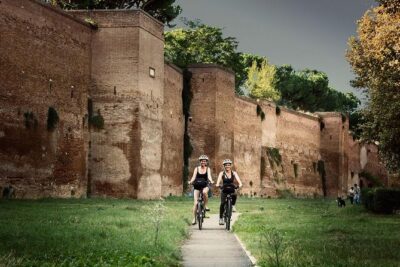
Rome EBike Tour: Appian Way, Catacombs & Roman Aqueducts
Read our review →
Appian Way, Catacombs, & Roman Aqueducts E-bike Tour
Read our review →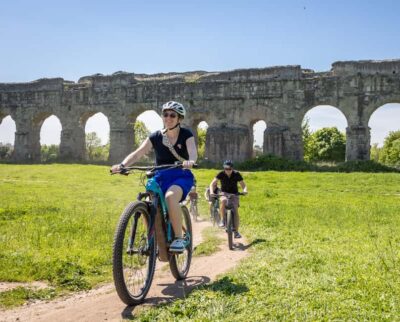
Appian Way E-bike Tour with Catacombs, Aqueducts & Food
Read our review →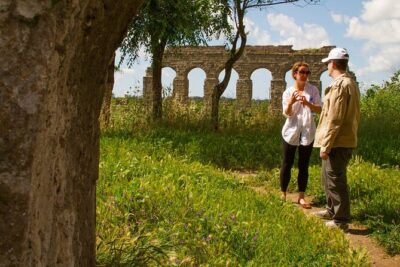
Rome Underground: Catacombs Tour, Aqueducts and Appian Way
Read our review →
Appian Way Aqueducts Bike Tour (Catacombs & Lunch Option)
Read our review →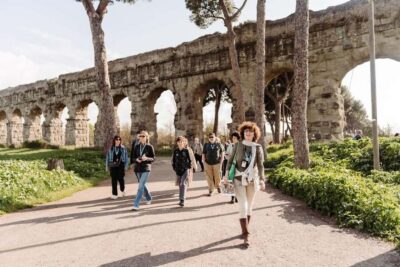
Appian Way, Catacombs and Aqueducts Park Tour with Top E-Bike
Read our review →
Appian Way E-Bike Tour Catacombs, Aqueducts & Picnic
Read our review →Browse the lists this tour appears in