
Reviewed · JEWISH GHETTO TOURS
Rome: Traditional Cooking Class in the Jewish Ghetto
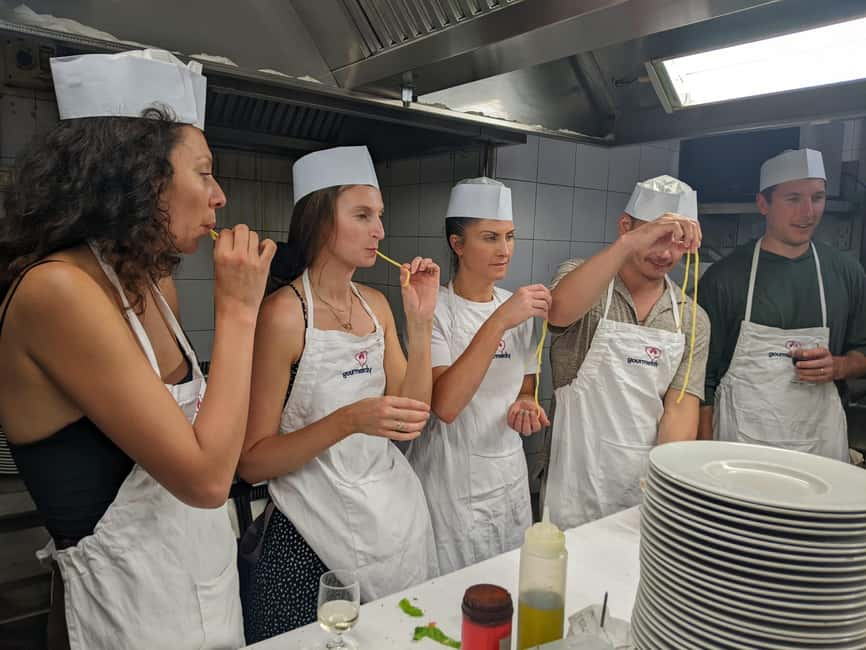
Rome’s Jewish Ghetto is the setting for a cooking class that puts you at a restaurant table, in a working kitchen, and at the pasta board. You’ll make fresh pasta from scratch, prepare a seasonal Roman dish, and finish with traditional dessert and wine.
I like the small group of up to 10 and the mix of food with local stories about the Ghetto. I also like that the class is relaxed enough for children, vegetarians, and vegans, with guides such as Lilli, Lisa, Asia, and Eleonora helping translate the chef’s Italian.
The main drawback is that the hands-on work centers heavily on pasta. If you want to cook every course yourself, this may feel lighter than expected, and some participants have found the price high for the amount of active cooking.
Key points at a glance
- Meet at Taverna del Ghetto: The restaurant is in the heart of Rome’s Jewish Quarter, and you meet your guide outside the door.
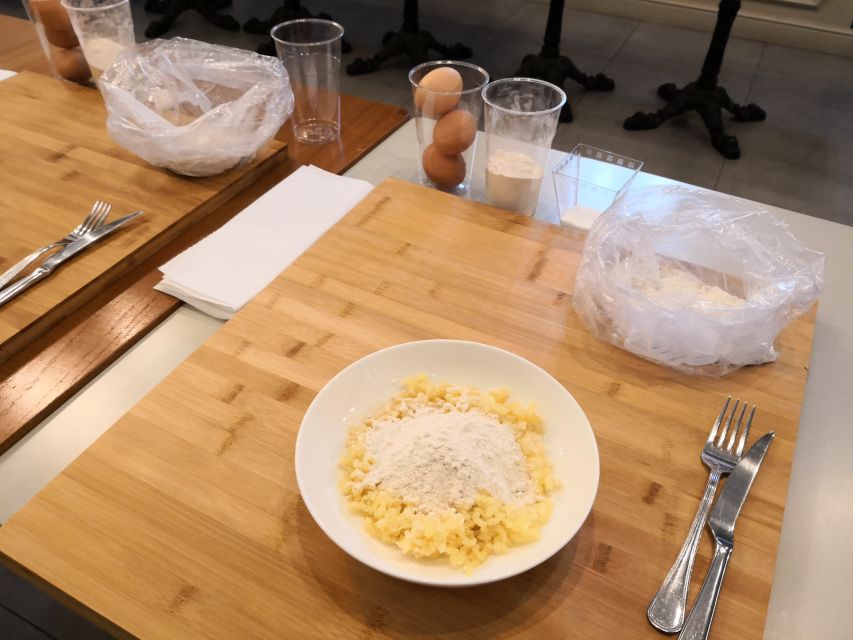
- Make pasta the Roman way: You work with flour and dough, using traditional methods that are simple to repeat at home.
- Seasonal food changes with the calendar: Winter may bring Jewish-style artichokes, while summer can feature zucchini flowers and other vegetables for fritto romano.
- A chef opens the kitchen: Chef Gabriel and other restaurant chefs offer practical tips, including the secrets behind dishes such as cacio e pepe.
- Eat what you help prepare: The class ends with a three-course meal, Italian wine, bottled water, and traditional dessert.
- Expect an easy-going class, not culinary school: You can take part fully or watch with a glass of wine, but the cooking has a social, informal feel.
A cooking class in the heart of the Jewish Ghetto
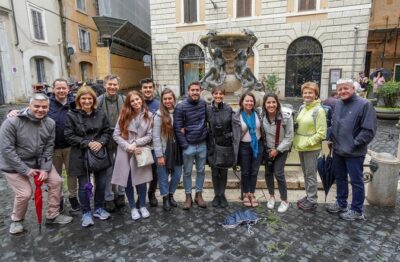
The location does much of the work. Rome’s Jewish Ghetto is compact, atmospheric, and closely tied to some of the city’s most distinctive food traditions. You meet your English-speaking guide outside Taverna del Ghetto, then settle in for a class that connects the neighborhood’s story with its cooking.
Some sessions begin with a short walk or introduction to the district. Guides such as Lili, Clelia, and Asia have explained local history, food customs, and the particular character of Roman Jewish cuisine. This is useful context because the menu is not just generic Italian food. Artichokes prepared in the Jewish style, fried seasonal vegetables, ricotta desserts, and Roman pasta all belong to the food culture you are learning about.
You should not expect a formal lecture. The tone is friendly and conversational, with plenty of room for questions, laughter, and help at the work surface. That makes it a good break from museums and monuments, especially if you are traveling with children or teenagers who need an activity with a clear result.
More Jewish Ghetto tours:
- Rome: Trastevere or Jewish Quarter Street Food Tour
★ 4.8 · 3,839 reviews - Jewish Ghetto and Trastevere Tour Rome
★ 4.5 · 1,729 reviews - Jewish Ghetto and Synagogues with Jewish Roman Guide 3 Hours
★ 5.0 · 907 reviews
What happens during the three-hour class
The class lasts about three hours, and the pace is built around eating as much as cooking. You begin by meeting the guide and chef, then move into the hands-on portion of the lesson.
The exact menu changes with the season, but the plan is a traditional three-course Roman meal:
- Fresh homemade pasta or gnocchi
- A seasonal main course or vegetable dish
- A traditional dessert
You may help clean and prepare vegetables, shape pasta, and watch the chef finish dishes in the restaurant kitchen. The order and amount of hands-on work can vary. One session may give you more time at the pasta table, while another may include a closer look at frying or sauce preparation.
That variation is worth understanding before you book. The class is not designed as a strict recipe laboratory where every person cooks every course from start to finish. It is a shared meal with practical instruction, demonstrations, kitchen access, and a chance to eat the finished food.
Making pasta from flour and dough
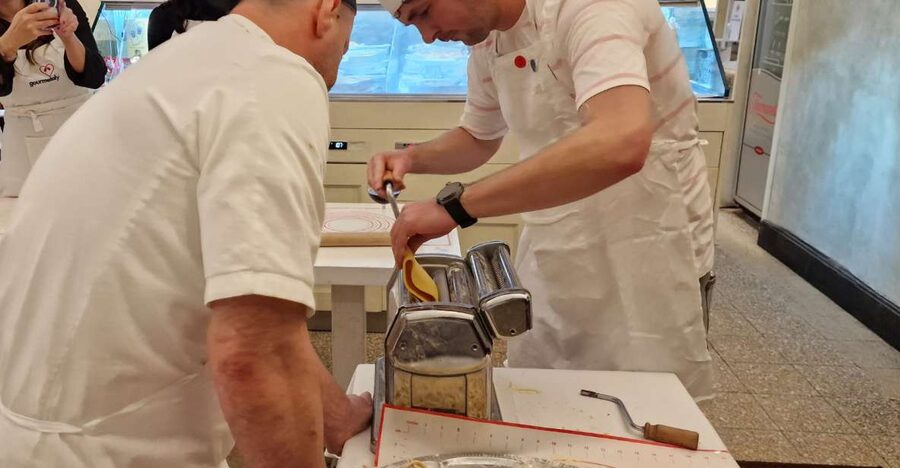
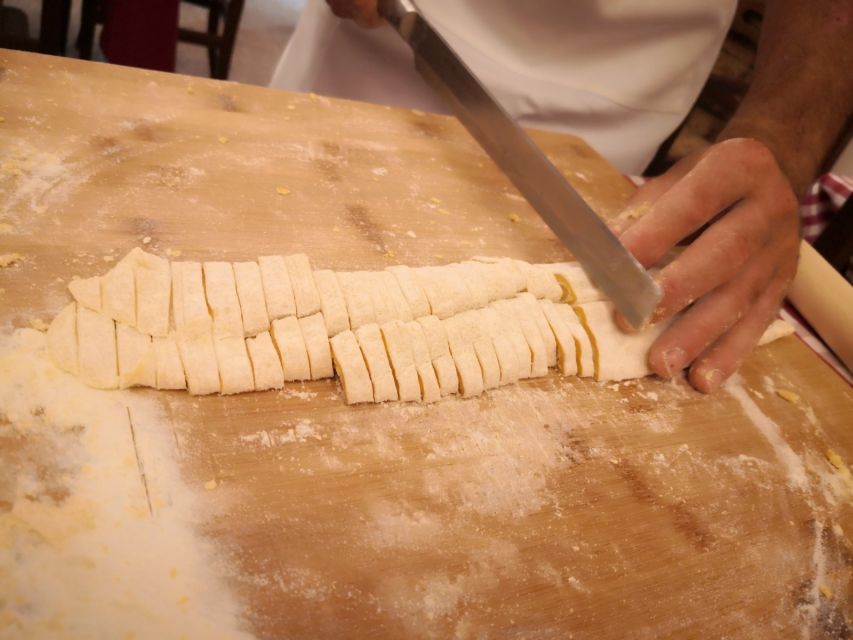
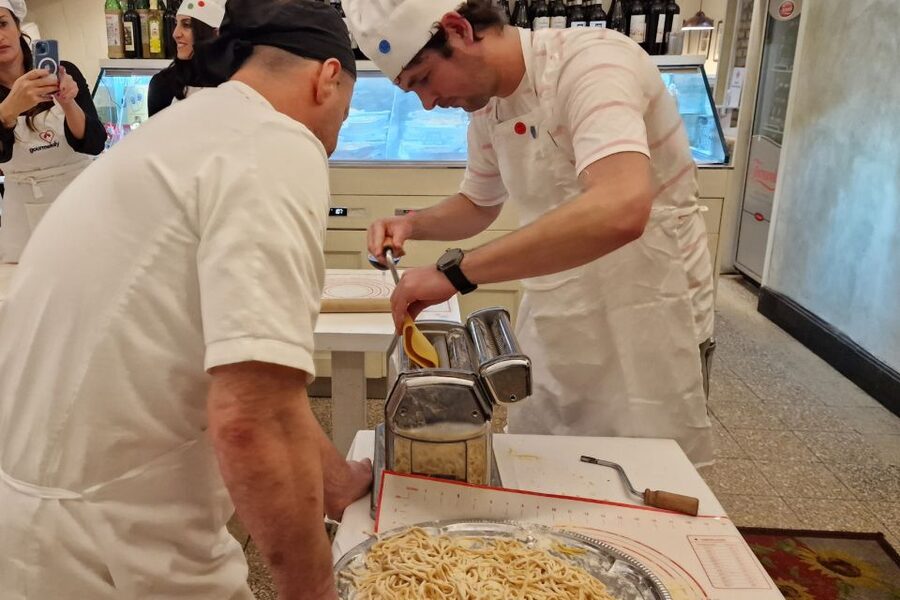
Fresh pasta is the central skill here. The guide and chef show you how to work the dough in the traditional grandmother-style manner, rather than relying only on a machine or premeasured packet.
You learn about flour, the feel of the dough, and the basic process of turning simple ingredients into pasta. A hand-cranked pasta machine may be used, adding a pleasantly old-fashioned touch. The method is approachable, and you receive recipes afterward so you can try the dishes in your own kitchen.
This is one of the strongest reasons to choose the experience. Pasta looks impressive on the plate, but the basic method is not out of reach for a home cook. You leave with a skill you can repeat, not just a photograph of a meal.
Still, keep your expectations in check. The class may produce one main type of pasta, and the work can be shared among the group. If you want every person in your party to make several shapes, sauces, and fillings, you may prefer a longer or more technical cooking course.
Seasonal Roman cooking changes through the year
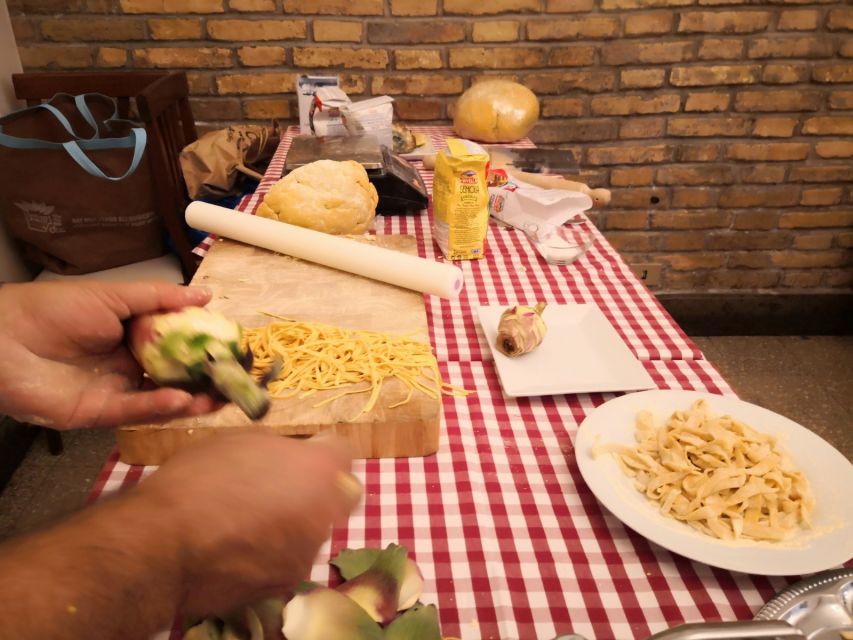
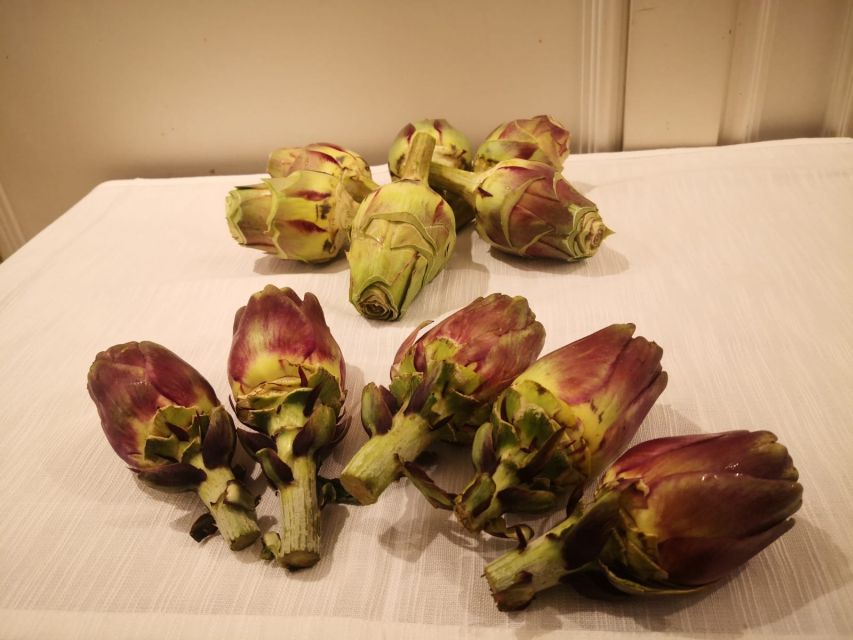
The menu follows the season, which is a good sign in a city where food traditions depend on the calendar. In winter, you may learn how to peel and prepare artichokes in the Jewish style. Artichokes take patience, and the preparation gives you a close look at a vegetable that has a special place in Roman cooking.
In summer, the class may turn to zucchini flowers or another fresh vegetable for fritto romano. Preparing and frying seasonal produce gives the lesson a different feel from the pasta work. It also shows why a Roman menu is not only about noodles and tomato sauce.
The menu is not fixed, so you should book this for the cooking format and setting rather than for one guaranteed dish. If artichokes, zucchini flowers, or a certain dessert are especially important to you, confirm what is planned for your date.
More cooking classes in Rome:
- 3 in 1 Cooking Class near Navona: Fettuccine, Ravioli & Tiramisu
★ 5.0 · 7,376 reviews - Rome: 3-in-1 Fettuccine, Ravioli, and Tiramisu Cooking Class
★ 4.9 · 2,704 reviews - Rome: Fettuccine Pasta Cooking Class in Rome’s City Center
★ 4.8 · 2,414 reviews - Rome: Traditional Pasta with Cocktails Cooking Class
★ 5.0 · 2,374 reviews
Inside the restaurant kitchen with the chef
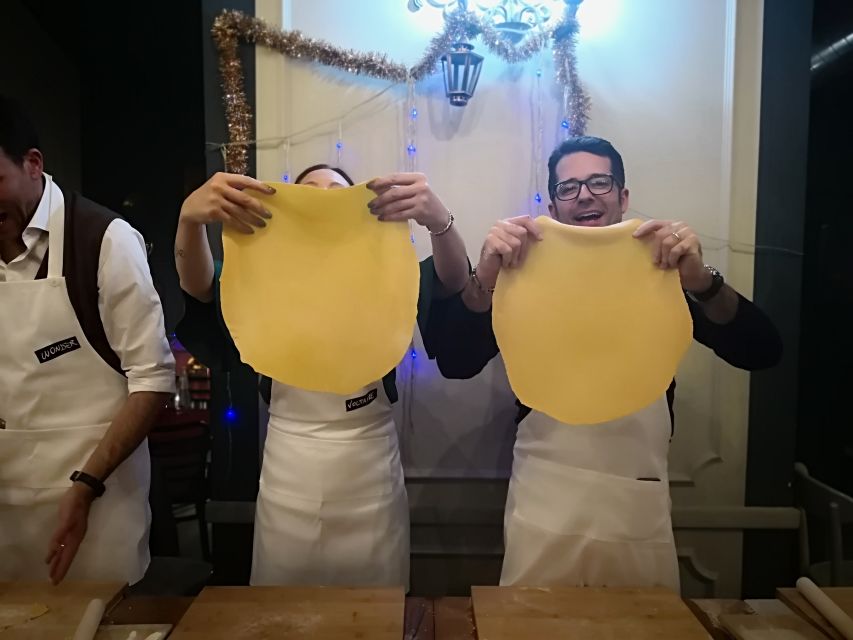
One of the more unusual parts of the experience is the chance to enter the restaurant kitchen after the main service. You are not simply seated at a classroom counter with a distant instructor. You may watch the chef cook, stir pasta, and explain how the restaurant handles a Roman dish.
Chef Gabriel has been a memorable part of several sessions, with a lively manner and plenty of patience. Other classes have included chefs such as Yura, who demonstrated each step and offered corrections as people worked. When the chef speaks mainly Italian, the guide acts as interpreter, keeping the instructions clear in English.
That arrangement gives the class its local feel. You see how a professional kitchen handles the food, but the atmosphere stays informal. You can take part or watch with wine if you prefer a quieter evening.
The trade-off is that not every step will be equally hands-on. Frying, sauce work, and final cooking may remain in the chef’s hands for safety and timing. If your main goal is to cook independently for three hours, ask yourself if watching part of the meal being finished will bother you.
The meal: pasta, vegetables, wine, and dessert
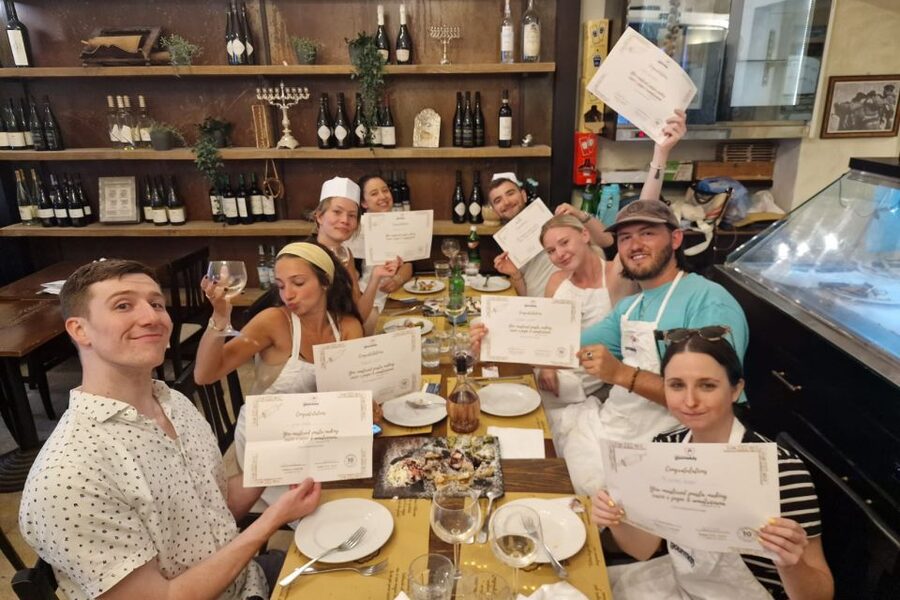
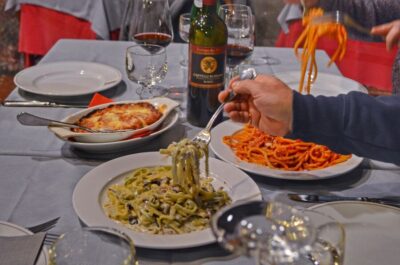
At the end, you sit down to eat the food prepared during the class. The meal includes fresh homemade pasta, a seasonal course, and a special dessert, along with Italian wine and bottled water.
The portions can be generous. A class may include pasta served in two forms or enough pasta for more than one course, followed by appetizers, vegetables, and dessert. One session included Roman artichokes, zucchini flowers, cacio e pepe, and a selection of desserts. The exact combination depends on the season and the restaurant’s plan.
Dessert is a pleasant Roman finish. The listed specialty is torta di ricotta e visciola, a ricotta cheesecake made with sour cherries. Some sessions include a flight of desserts rather than just one slice, so you may get a broader taste of traditional sweets.
Wine is part of the social rhythm, not an optional extra you must purchase at the table. If you do not drink, bottled water is included, and the class still works as a food experience. If you are traveling with children, the relaxed meal format helps, although parents should consider the three-hour length.
How good is the value at $94?
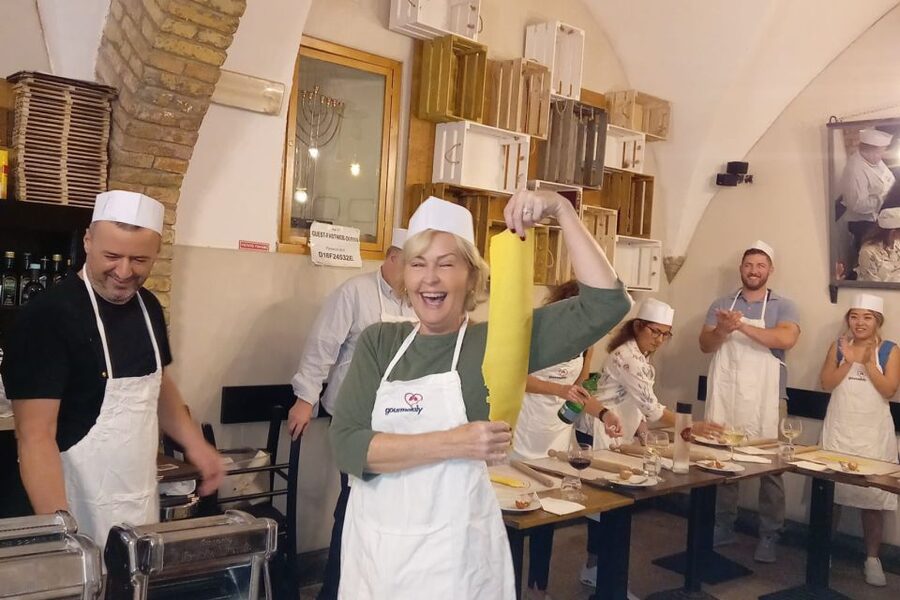
At $94 per person, this is not a bargain meal. You are paying for instruction, a small group, kitchen equipment, a three-course dinner, wine, a guide, and the location in one of Rome’s most distinctive districts.
The value is strongest if you want several parts in one evening: neighborhood context, pasta instruction, a restaurant meal, and conversation with a local host. A standard dinner in Rome will cost less, but it will not give you recipes, a chef-led lesson, or the chance to work with the dough.
The value is weaker if you mainly want a large cooking project. Some people have found that the active cooking was limited, especially beyond pasta. You may spend part of the evening watching the chef or sharing tasks with the group.
I would view the price as reasonable for a social food experience rather than as a strict cooking-school fee. Couples, families, and solo diners who enjoy meeting people will likely get more from it than experienced cooks seeking advanced technique.
A good fit for families and mixed-interest groups
The class is suitable for children, vegetarians, and vegans, but dietary needs need to be discussed clearly. The menu can be adjusted in some cases, and a vegetarian or vegan participant may be accommodated, as happened in earlier sessions. The standard pasta is not gluten-free, though packaged gluten-free pasta can be served if you can handle flour without a problem.
The group size is limited to 10, which matters. A smaller class gives the guide more room to translate, correct your dough, and answer questions. It also keeps the final meal from feeling like a large tour group dinner.
The activity is not suitable for wheelchair users according to the available information. The restaurant is not kosher, even though the class takes place in the Jewish Ghetto and includes Jewish Roman food traditions.
Common allergens include milk, eggs, soya, mustard, nuts, and gluten. Tell the operator about allergies before the class, and do not treat a vegetarian or vegan request as an allergy-free guarantee.
Guides, translation, and the mood of the evening
The guide is important because the chef may speak Italian while the lesson runs in English. Guides including Lisa, Lilli, Livia, Elisa, Clelia, Asia, and Eleonora have served as hosts or interpreters at different times. Their role is more than translation. They explain the neighborhood, keep the class moving, and help turn a restaurant kitchen into a comfortable learning space.
The best sessions have a warm, low-pressure mood. You can ask about flour, cheese, Roman customs, and the stories behind the dishes. You also receive recipes and a list of tips and recommendations for the rest of your time in Rome, which adds practical value beyond the meal itself.
Do not come expecting an academic course on Italian cuisine. The class is social, hands-on in parts, and informal. That is exactly its strength for many people, but it may frustrate you if you want exact measurements, advanced pasta shapes, or uninterrupted practice.
Practical details before you book
The meeting point is outside Taverna del Ghetto. There is no hotel pickup or drop-off, so you need to make your own way to the restaurant.
The activity is offered in English and operates with a small group of up to 10 people. Starting times vary, so check the available slot when booking. The three-hour length makes it an evening-friendly choice, though the class itself is also a useful midday break from sightseeing.
You can cancel up to 24 hours before the start time for a full refund, and the reserve-now, pay-later option can help if your Rome schedule is still changing. Pets are not allowed.
Wear something comfortable and practical. You will be handling flour and food, and you may move between the dining area and kitchen. The supplied information does not promise aprons or clothing protection, so avoid bringing your best white shirt.
Who should book this Roman cooking class?
I would choose this class if you want to meet local hosts, learn one practical pasta method, eat a full meal, and hear about the Jewish Ghetto while you cook. It is especially suitable for families, couples, first-time Rome visitors, and people who prefer food experiences to another guided monument tour.
I would think twice if you want a highly technical course or if your party expects to cook every dish individually. The pasta work is the main event, while the chef handles some of the more complex or time-sensitive steps.
For most people, the strongest reason to book is the combination of restaurant kitchen access and neighborhood food culture. You are not just rolling dough in a generic studio. You are learning in a Roman restaurant, eating seasonal food, and taking home recipes that have a fair chance of being used.
FAQ
Where does the cooking class meet?
You meet your English-speaking foodie guide outside Taverna del Ghetto in Rome’s Jewish Ghetto.
How long does the experience last?
The cooking class lasts three hours.
How many people are in the group?
The group is limited to 10 participants.
What food will I prepare?
You will make fresh homemade pasta or gnocchi and help prepare seasonal Roman food. The menu includes a pasta course, a seasonal main course, and a traditional dessert.
Is wine included?
Yes. Italian wine and bottled water are included with the meal.
Is the class taught in English?
Yes. The live tour guide and class language are English. The chef may speak Italian, with the guide helping translate.
Can vegetarians and vegans join?
Yes. Vegetarians and vegans are welcome, and accommodations may be possible. You should provide your dietary requirements when booking.
Is the pasta gluten-free?
No. The pasta made during the class is not gluten-free. Packaged gluten-free pasta can be provided if you can touch flour without a problem.
Is the restaurant kosher or wheelchair accessible?
The restaurant is not kosher, and the activity is not suitable for wheelchair users.
Should I book the Rome Jewish Ghetto cooking class?
Book it if you want a friendly, food-centered evening with pasta making, seasonal Roman dishes, wine, neighborhood stories, and a meal in a real restaurant. Skip it if your priority is advanced technique or nonstop hands-on cooking. At $94, it earns its price through the full evening experience, not through the amount of pasta alone.
Newest Rome tours we have reviewed
- Private TikTok Video Making in Rome★ 5.0 · 7 reviews
- Assisi, Orvieto and Civita di Bagnoregio Full Day Tour from Rome★ 4.5 · 45 reviews
- Assisi & Saint Francis Path Tour from Rome★ 5.0 · 45 reviews
- Assisi and Cascia Private Day Tour from Rome with Lunch★ 5.0 · 10 reviews
- Art Class in the center of Rome!★ 4.0 · 4 reviews
- Art & Craft: Beer Tour with Street Art in Rome★ 4.5 · 6 reviews
- Arrival in Rome: Airport Transfer & Exclusive City Introduction★ 5.0 · 3 reviews
- From Rome: Private Day-Tour of Tuscany★ 5.0 · 16 reviews
Jewish Ghetto Tours, compared.
Trastevere or Jewish Quarter Street Food Tour
Read our review →
Jewish Ghetto and Synagogues with Jewish Roman Guide 3 Hours
Read our review →
Jewish Ghetto & Piazza Navona: Food, Wine & Sightseeing Rome Tour
Read our review →
Jewish Ghetto & Campo de Fiori by Night Food Wine Tour
Read our review →
Jewish Quarter and Campo de’ Fiori Street Food Tour
Read our review →Browse the lists this tour appears in