
Reviewed · ROME PASTA AND PIZZA MAKING CLASSES
Rome: Traditional Pasta Making Class with Wine & Gelato
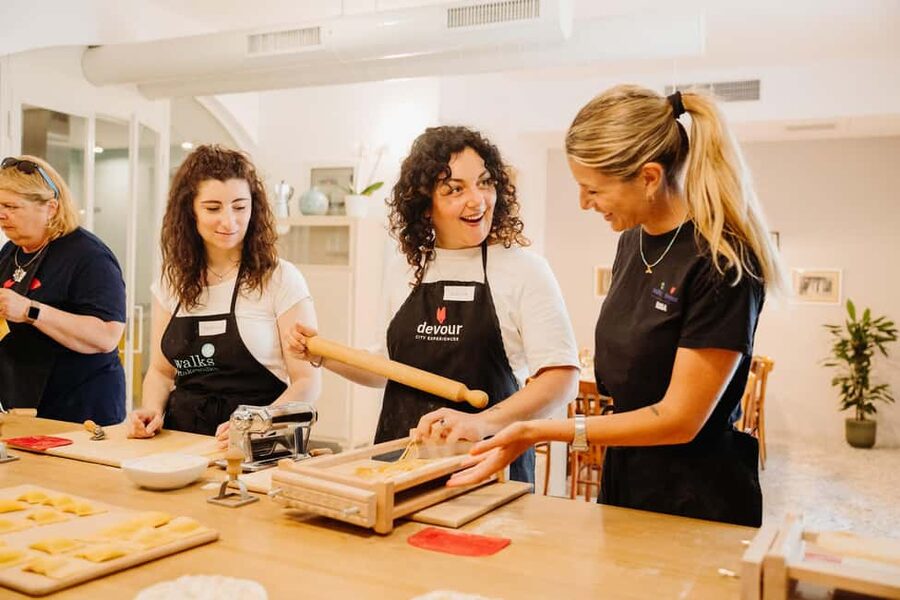
Fresh pasta is the heart of this three-hour Trastevere cooking class. You start with prosecco, cured meats, and cheese, then work beside an English-speaking chef to make fettuccine and ravioli from scratch before eating your meal with wine and homemade gelato.
I like the balance of hands-on work and relaxed Roman hospitality. I also like that the sauce changes with seasonal ingredients, so you may learn amatriciana, gricia, cacio e pepe, or another classic rather than follow a fixed tourist menu. The main drawback is that the class is not suitable for wheelchairs or strollers, and celiac diners cannot be accommodated.
Key points to know before booking
- Two pastas, not just one: You make both fettuccine and ravioli, then pair them with traditional red and white sauces.
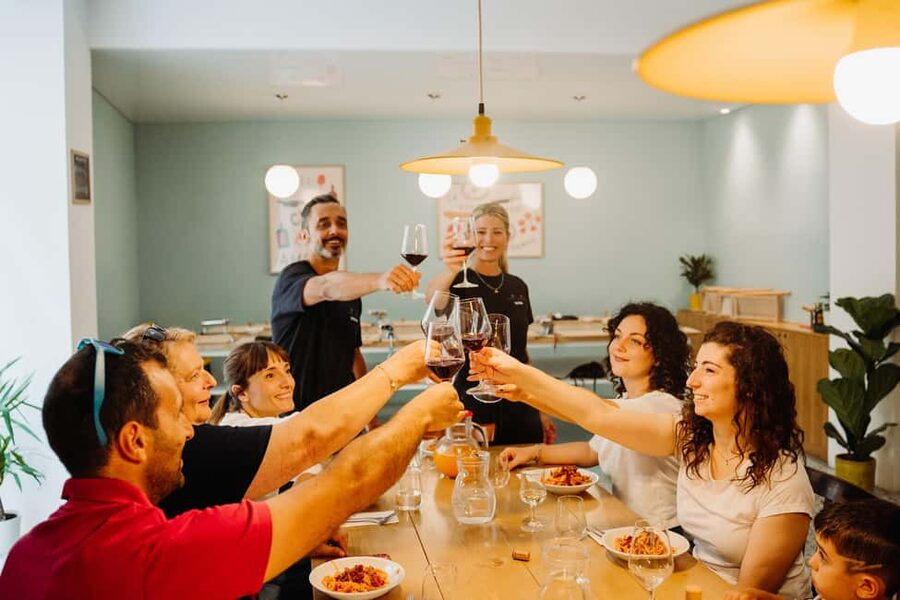
- A proper Roman welcome: Prosecco, cured meats, and cheese turn the opening aperitivo into part of the experience, not a quick snack.
- Seasonal cooking: Your chef chooses sauces according to ingredients available at local markets.
- Good for families and solo visitors: Children, teenagers, couples, and solo participants can all take part in the hands-on format.
- Private or shared options: You can choose a private class or join a small group, depending on the option available when you book.
- A useful location: Meet at Piazza di San Giovanni della Malva, in front of the San Giovanni della Malva church, and finish at the same place.
Why this pasta class feels more personal than a restaurant meal
Rome has no shortage of pasta restaurants. A cooking class earns its place in your schedule only if it gives you something a meal cannot: a useful skill, a little local context, and time to talk with someone who cooks for a living.
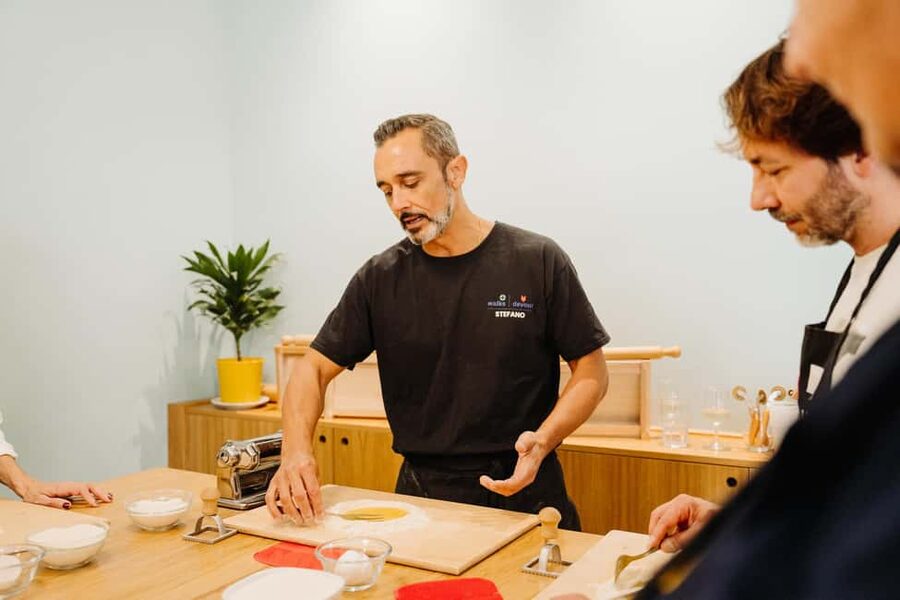
This class does all three. You are not simply watching a chef toss pasta into boiling water. You handle the dough, shape the pasta, help make the sauces, and then sit down to eat what you prepared. The setting is a charming cooking school in the heart of Trastevere, reserved for your private group or shared class.
That location matters. Trastevere is one of Rome’s most enjoyable neighborhoods for a food-focused evening, with narrow streets and plenty of places to eat before or after your class. The meeting point is easy to identify: Piazza di San Giovanni della Malva, in front of the church. Arrive 15 minutes early and look for a guide with a red bag or a Devour Tours sign.
The experience has a 4.9 rating from 677 ratings, and the strongest praise centers on the same things I would care about: friendly chefs, clear instruction, good food, and a relaxed group mood. Names connected with particularly memorable classes include Luca, Federica, Elisa, Stefano, Manuela, Asia, Giulia, Jamila, Jeanmarie, Fernanda, and Alessandro. Your chef depends on the date and group, so do not book expecting one specific instructor unless the provider confirms it.
More gelato and tiramisu classes in Rome:
- 3 in 1 Cooking Class near Navona: Fettuccine, Ravioli & Tiramisu
★ 5.0 · 7,376 reviews - Rome: Pasta & Tiramisu Class with Fine Wine by the Vatican
★ 4.9 · 4,852 reviews - Rome: 3-in-1 Fettuccine, Ravioli, and Tiramisu Cooking Class
★ 4.9 · 2,704 reviews
Starting with prosecco and a Roman aperitivo
The class begins with a glass of prosecco and an aperitivo platter of cured meats and cheese. This is more than a pleasant extra. In Italy, the aperitivo is a social pause before dinner, and it gives you time to settle in, meet the chef, and get comfortable with the other people at your worktable.
In a shared class, introductions are part of the opening. That can be a plus if you like swapping holiday stories and cooking with new people. It also helps solo visitors feel included quickly. If you prefer a quieter evening or want the chef’s full attention, choose the private option when available.
The opening food is simple by design. It gives you something to enjoy with your prosecco without filling you up before the pasta work begins. Since the class includes a full meal, pace yourself. The wine comes later, and gelato finishes the evening.
The chefs are a major part of the experience. Their role is not limited to giving instructions. You can ask about Roman food, local restaurants, Italian cooking habits, and the reason behind each step. Several of the instructors are described as funny, patient, and encouraging, which is useful when your first sheet of pasta looks less than perfect.
Making fettuccine and ravioli from scratch
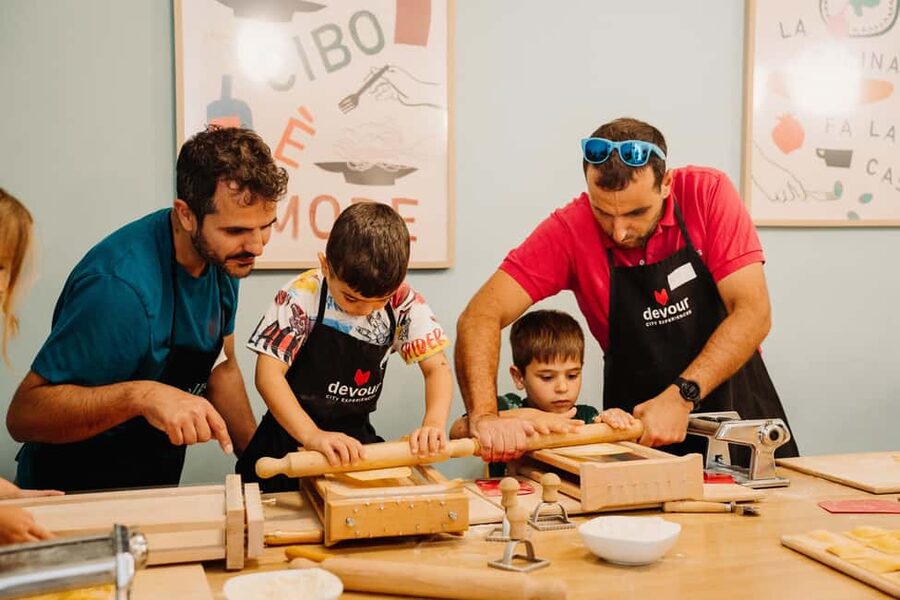
The main lesson covers two fresh pastas: fettuccine and ravioli. This is a smart pairing. Fettuccine teaches you how to make and cut a long pasta, while ravioli introduces filled pasta and the care needed to seal it properly.
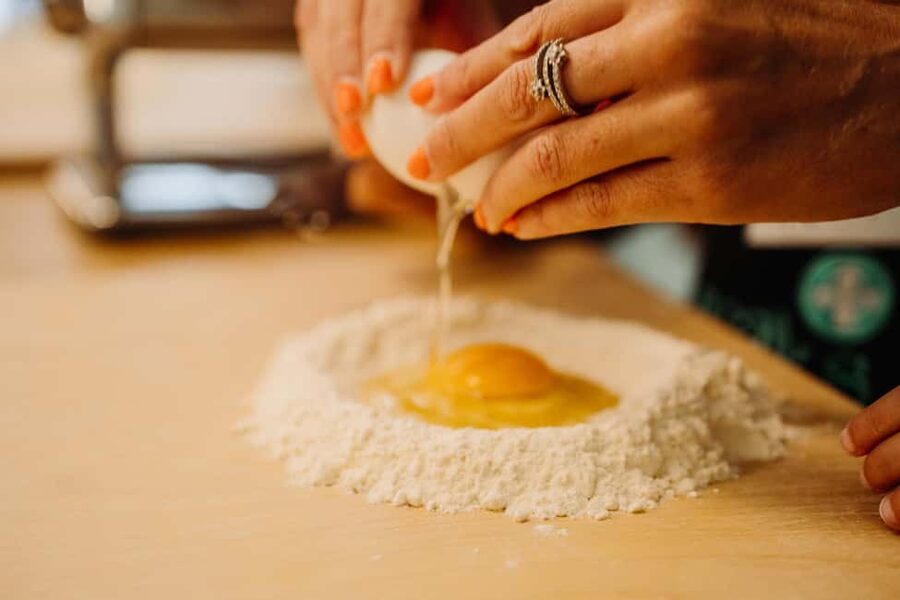
You work through the process with an expert chef rather than receiving a demonstration and then being left alone. That makes the class approachable for first-timers. You do not need prior kitchen experience, and the format works for adults and children. One family included children aged nine and eleven, while another parent attended with a six-year-old. The class is structured enough to keep younger cooks involved, though you should still consider your child’s patience and comfort with a three-hour activity.
The useful lesson is not just the recipe. A good chef explains why the dough should feel a certain way, how to work with it, and how to avoid common problems. You can ask questions as you go, which is where much of the value lies. The instruction gives you a better chance of repeating the meal at home than a quick restaurant demonstration would.
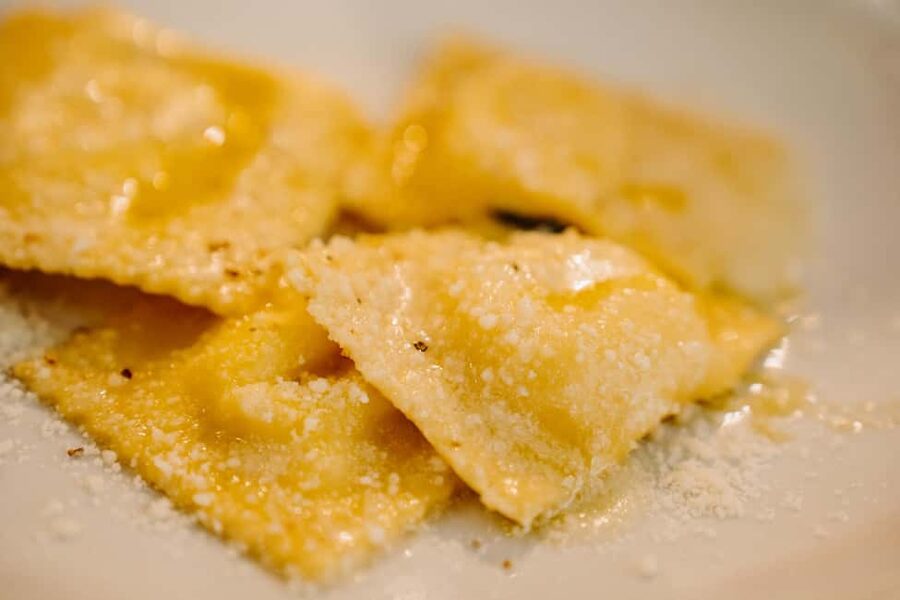
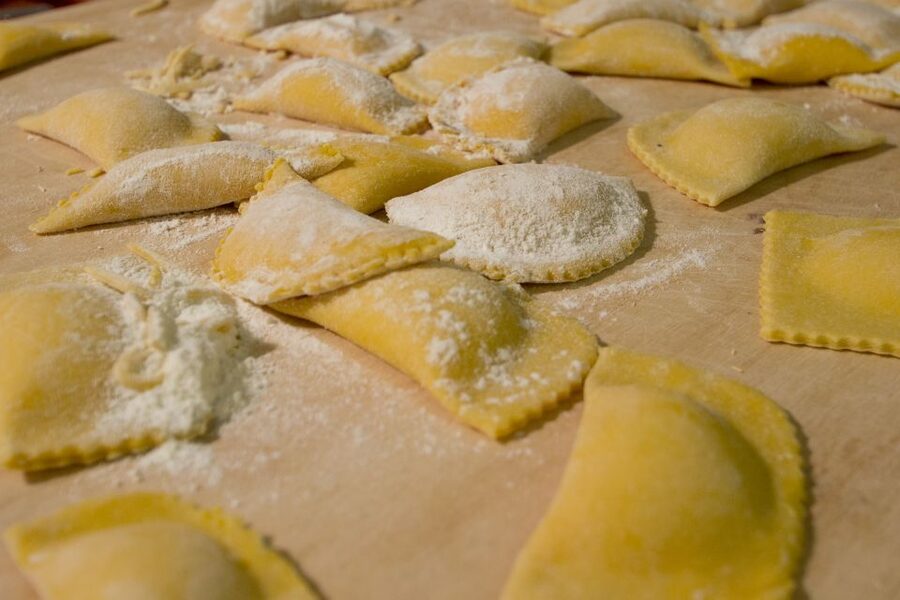
Ravioli can be especially satisfying because you see the whole process from dough to finished dish. You cut, fill, and seal the pieces, then watch them become a proper meal. The exact filling is not fixed in the information provided, so do not assume it will always be spinach and cheese. Seasonal choices and the chef’s menu can affect the final dish.
This flexibility is a strength, but it also means your class may not match a particular pasta photo or expectation. If you have your heart set on one filling or sauce, ask before booking.
Learning Roman sauces that change with the market
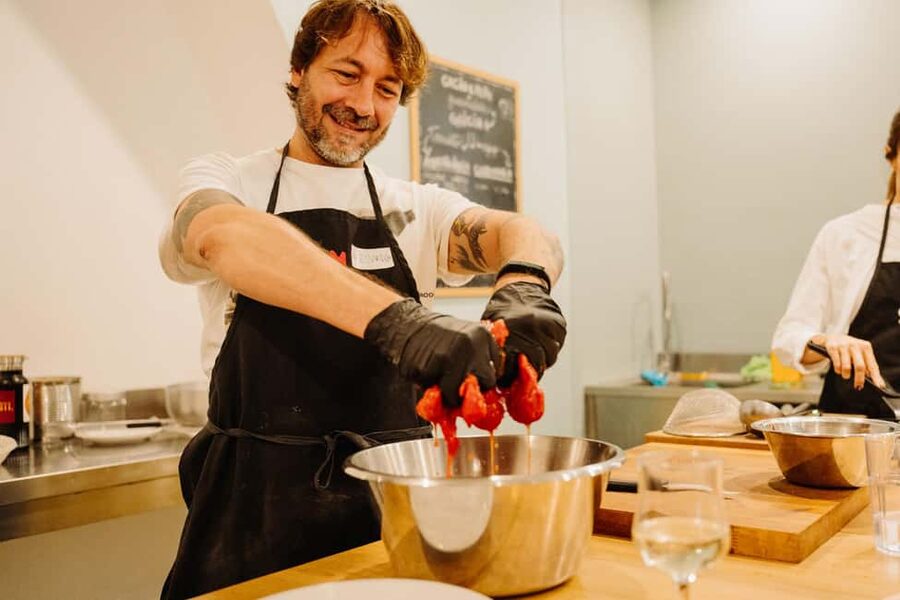
The pasta is only half the lesson. You also prepare two sauces, with choices drawn from Roman traditions and related Italian favorites. Possible sauces include amatriciana, puttanesca, gricia, and cacio e pepe.
These cover a useful range. Amatriciana brings tomato, while gricia shows how much flavor can come from a small number of ingredients. Cacio e pepe teaches the careful mixing of cheese, pepper, and pasta water. Puttanesca offers a stronger, savory profile. Your chef chooses according to seasonal ingredients and what is available at local markets.
That seasonal approach makes the class feel less like a cooking show with a rigid script. It also means the dishes may vary. You might get a red sauce and a white sauce, but the exact pairing is not guaranteed. One person found a ravioli filling a little plain, so it is fair to say that the food will suit most tastes, but not every dish will be equally exciting for every palate.
I especially like the promise of learning the sauce as well as the pasta. Many cooking classes focus on shaping noodles, then serve them with something prepared in advance. Here, you get a better sense of how Roman food gets its character from technique, timing, and a few well-used ingredients.
The chefs also explain the culture behind the food. You can ask why certain sauces are linked with Rome, how Italians think about pasta, and what makes a gelateria worth choosing. That kind of conversation gives the class value beyond the meal itself.
More pasta and pizza making classes in Rome:
- Rome: Pasta Making Class with Wine, Limoncello, and Dessert
★ 4.9 · 3,177 reviews - Rome: Fettuccine Pasta Cooking Class in Rome’s City Center
★ 4.8 · 2,414 reviews - Become a Masterchef in Rome: Pasta, Ravioli and Tiramisù Class
★ 5.0 · 2,156 reviews - Rome: Fettuccine and Tiramisu Cooking Class with Wine
★ 4.8 · 2,013 reviews
Sitting down to eat what you made
After the hands-on work, you sit down with the fettuccine and ravioli. The meal includes your homemade sauces, wine, and homemade gelato for dessert. This is the point when the class becomes a relaxed dinner rather than a lesson that ends at the kitchen counter.
The wine is included, as is the prosecco at the start. Additional food and drinks may be available after the class if you want to stay, but those extras are not part of the stated price. You do not need to plan another dinner immediately afterward. The pasta course and gelato are intended to make up a complete meal.
One practical benefit of eating at the cooking school is that the chef can still answer questions while the meal is fresh in your mind. You can ask about substitutions, sauce texture, or how to repeat the recipe at home. Some participants received recipes after class and went on to buy a pasta maker. That is a good sign that the class aims to send you home with usable skills, not just photographs.
The homemade gelato is a fitting finish. It keeps the focus on food made at the school rather than adding a separate commercial dessert stop. Since the class already includes aperitivo, pasta, wine, and gelato, the $66.84 price represents a fairly full three-hour food experience.
Is the $66.84 price good value?
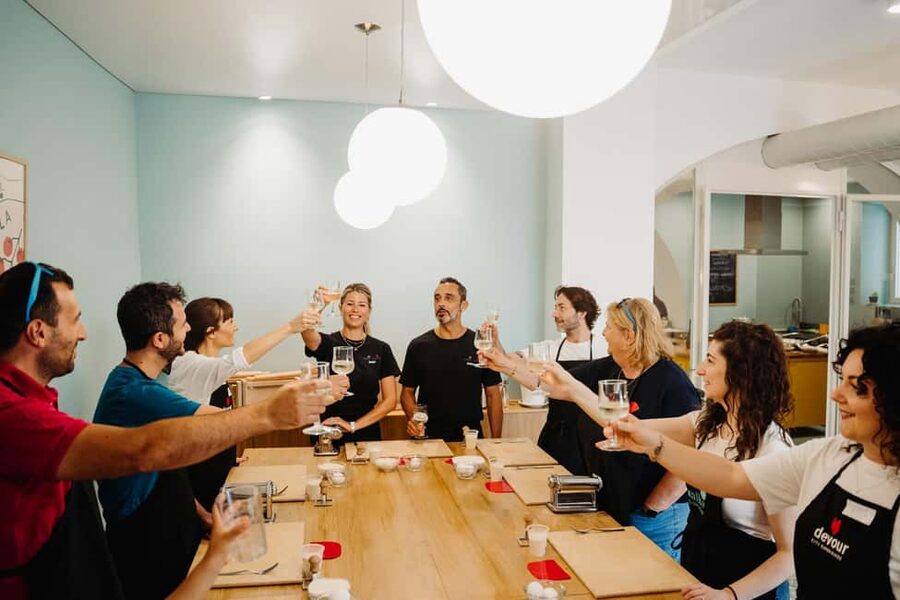
At $66.84 per person, this is not the cheapest meal you can buy in Rome. You can find a plate of pasta for far less. But the price includes a professional chef, all ingredients, an aperitivo, two homemade pasta dishes, two sauces, prosecco, wine, and gelato.
The stronger comparison is with other cooking classes. You are paying for instruction, kitchen space, food, and a social evening. The class also removes the guesswork from shopping and preparation. You arrive at the meeting point, cook with guidance, and eat the results without needing to arrange anything else.
The private option will appeal to families, couples, and small groups celebrating a special occasion. The shared class is likely the better value if you enjoy meeting people and want a more social evening. Solo participants are also welcome in the shared format, and the instructors make an effort to keep people involved.
The value is highest if you want to cook pasta again at home. If you only want dinner, a trattoria will be simpler and cheaper. If you want to understand the food and leave with techniques you can reuse, the class earns its price.
Who will enjoy this three-hour class most?
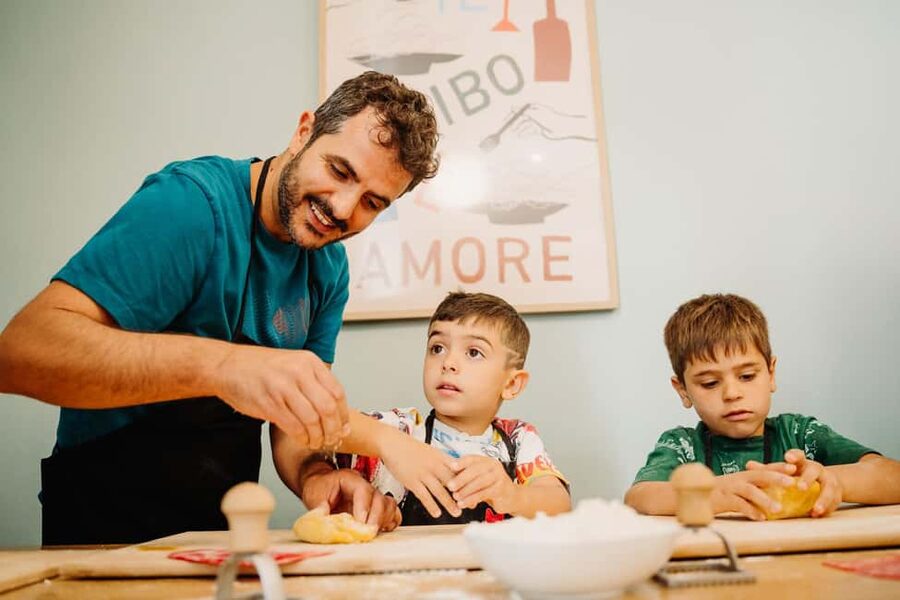
I would put this near the top of the list for:
- Families with children who enjoy practical activities
- Couples looking for a meal with more personality than a restaurant reservation
- Solo visitors who like meeting people in a relaxed setting
- First-time pasta makers
- Food lovers who want to learn Roman sauces
- Anyone planning several days in Rome and looking for an evening away from sightseeing
It is also a good rainy-day plan because the core activity takes place indoors at the cooking school. The class does not require you to move between several city sights, and it ends where it begins.
The format is less suitable if you dislike group activities, cannot stand for or participate in a kitchen class, or need wheelchair or stroller access. It is not suitable for celiac diners. Other dietary needs can be accommodated, but you must contact the provider before the class so the food can be arranged.
The instruction is in English. If you need another language, this is not the right choice based on the available information.
Practical details that affect your evening
The class lasts three hours, though the starting time changes by date. Check availability before building the rest of your Rome itinerary around it. A morning class can work well before an afternoon in Trastevere, while an evening class functions as dinner and an activity in one.
There is no pickup or drop-off. You make your own way to Piazza di San Giovanni della Malva and return to the same meeting point at the end. Arriving 15 minutes early is important, since the guide needs to gather the group before heading into the cooking space.
Choose private or shared carefully. A shared class brings more social energy and can be comfortable for solo participants. A private class gives your own group more space for questions and conversation, but the price and availability may differ by option.
Dietary needs should be handled before arrival, not at the door. The class can adapt to most restrictions except celiac requirements, but the staff needs advance notice. Also remember that this is a hands-on cooking activity, not a demonstration where you simply watch.
Cancellation is flexible up to 24 hours before the start time for a full refund, and you can reserve now and pay later. Those policies are useful if your Rome schedule is still moving around.
Should you book the Trastevere pasta class?
Book it if you want more than a plate of pasta. The class gives you a welcoming aperitivo, direct instruction, two types of fresh pasta, Roman sauces, wine, gelato, and plenty of room to ask questions. The strongest part is the combination of practical cooking and easy conversation with chefs such as Luca, Elisa, Stefano, or Manuela, depending on your session.
Skip it if you have serious mobility limits, need a celiac-safe menu, or would rather spend the evening at a quiet trattoria. For most families, couples, solo visitors, and first-time cooks, the $66.84 cost is reasonable for a full three-hour food experience with skills you can take home.
FAQ
How long does the Rome pasta-making class last?
The activity lasts three hours. Starting times vary, so check availability for the date you want.
Where does the class meet?
Meet at Piazza di San Giovanni della Malva, 00153 Roma RM, in the square in front of the San Giovanni della Malva church.
How early should I arrive?
Arrive 15 minutes before the scheduled starting time. Your guide will have a red bag or a Devour Tours sign.
What pasta will I make?
You will make fresh fettuccine and ravioli from scratch.
Which sauces are included?
Possible sauces include amatriciana, puttanesca, gricia, and cacio e pepe. The chef chooses the sauces based on seasonal ingredients and local market availability.
Is wine included?
Yes. The experience includes prosecco at the start and wine with the meal.
Is gelato included?
Yes. Homemade gelato is served at the end of the meal.
Is the class offered privately?
Yes. Private and shared class options are available, depending on the option you select.
Can dietary restrictions be accommodated?
The class can adapt to dietary needs except for celiac requirements. Contact the provider before joining so the food can be arranged.
Is the activity wheelchair accessible?
No. The class is not suitable for wheelchair users, people with mobility impairments, or strollers.
More wine tastings in Rome
- Rome: Tuscany & Montepulciano Day Trip with Lunch & Wine Tasting
★ 4.5 · 5,232 reviews - Rome Food Tour: Unlimited Tastings with Fine Wine & Barolo
★ 5.0 · 3,365 reviews - Rome: Trastevere Food tour with Free-Flowing Fine Wine
★ 5.0 · 2,853 reviews - Learn to Make Pasta & Tiramisu with Wine and Limoncello Included
★ 5.0 · 2,345 reviews
More cooking classes in Rome
- Rome: Traditional Pasta with Cocktails Cooking Class
★ 5.0 · 2,374 reviews - Pasta Cooking Class Near the Colosseum with 3 Spritz Cocktails
★ 5.0 · 1,686 reviews - Enjoy Spritz and Pasta Making in Piazza Navona
★ 5.0 · 1,681 reviews - Rome: Pasta & Tiramisu Cooking Class near the Spanish Steps
★ 4.8 · 1,395 reviews
Newest Rome tours we have reviewed
- Private TikTok Video Making in Rome★ 5.0 · 7 reviews
- Assisi, Orvieto and Civita di Bagnoregio Full Day Tour from Rome★ 4.5 · 45 reviews
- Assisi & Saint Francis Path Tour from Rome★ 5.0 · 45 reviews
- Assisi and Cascia Private Day Tour from Rome with Lunch★ 5.0 · 10 reviews
- Art Class in the center of Rome!★ 4.0 · 4 reviews
- Art & Craft: Beer Tour with Street Art in Rome★ 4.5 · 6 reviews
- Arrival in Rome: Airport Transfer & Exclusive City Introduction★ 5.0 · 3 reviews
- From Rome: Private Day-Tour of Tuscany★ 5.0 · 16 reviews
Rome Pasta and Pizza Making Classes, compared.
3 in 1 Cooking Class near Navona: Fettuccine, Ravioli & Tiramisu
Read our review →
Pasta Making Class with Wine, Limoncello, and Dessert
Read our review →
3-in-1 Fettuccine, Ravioli, and Tiramisu Cooking Class
Read our review →
Fettuccine Pasta Cooking Class in Rome’s City Center
Read our review →
Become a Masterchef in Rome: Pasta, Ravioli and Tiramisù Class
Read our review →
Fettuccine and Tiramisu Cooking Class with Wine
Read our review →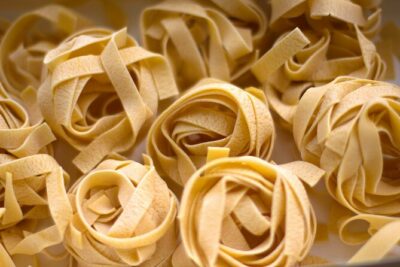
Enjoy Spritz and Pasta Making in Piazza Navona
Read our review →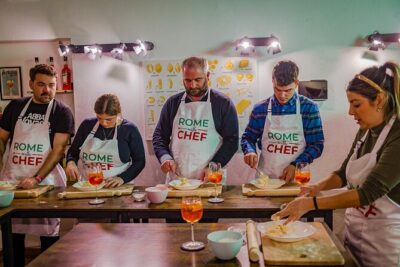
Rome Tipsy Cooking Class: Make Pasta and Mix 3 Spritz Cocktails
Read our review →Browse the lists this tour appears in