
Reviewed · APPIAN WAY AND AQUEDUCTS TOURS
Ancient Appian Way and Roman Countryside E-Bike Tour
The best part of this tour is the sudden change from central Rome to open countryside. You begin near the Circus Maximus, then pedal past ancient tombs, catacombs, and Roman aqueducts along the old Appian Way. The e-bike helps on rough ground, but this is not a gentle city ride.
I like the route’s sense of discovery and the chance to connect Rome’s famous ruins with quieter rural scenery. I also like the small group, capped at 10 people, and the fact that guides such as Marta and Martin have earned warm praise for bringing the old stones to life. The main caution is the ride itself: rough surfaces, narrow sections, and a distance reported at about 20 miles can make four hours feel long.
Key points to know before you book
- The Appian Way is rough under your wheels: Expect uneven, rocky ground and some uphill sections rather than smooth pavement.
- The e-bike matters: It keeps you moving when the surface makes ordinary pedaling and steering tiring.
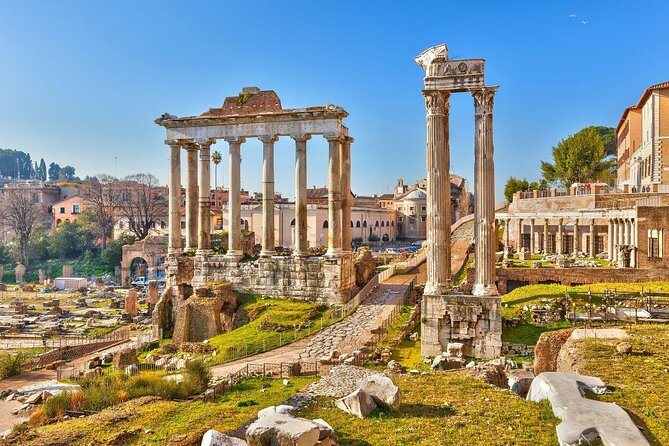
- You see Rome beyond the center: The route links Circus Maximus and Palatine Hill with tombs, catacombs, parks, and aqueducts.
- The catacombs are viewed from outside: The stop includes an explanation at the entrance, not a confirmed underground visit.
- Guides make a big difference: Marta and Martin are named in especially positive comments, though guide language and speaking speed can vary.
- Plan for a long half-day: Bring water and a snack, wear practical clothes, and be ready to ride in changing weather.
Why the Appian Way makes a good Rome escape
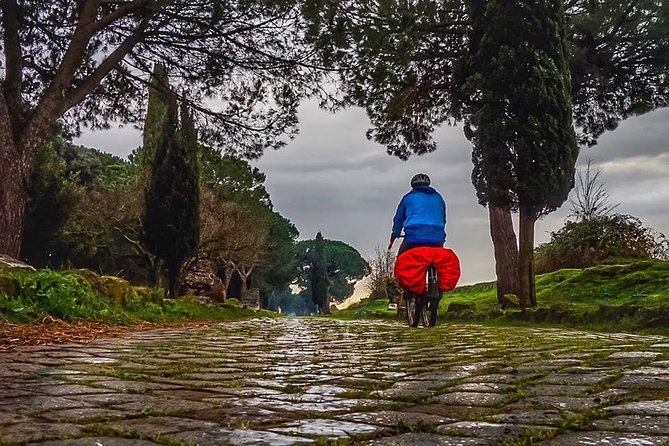
Rome can wear you down. After days of museums, piazzas, traffic, and hard pavement, the Appian Way offers a different view of the city. You still see Roman remains, but you reach them by bicycle, with open ground and quieter roads between the sights.
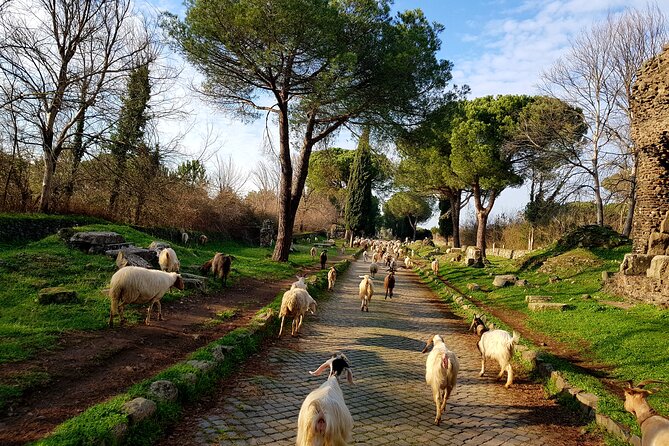
The old road is the star. It was built in the fourth century BC and runs through the Roman countryside. Instead of looking at Roman history from behind a barrier, you move along the route itself. That physical connection is what gives the tour its appeal.
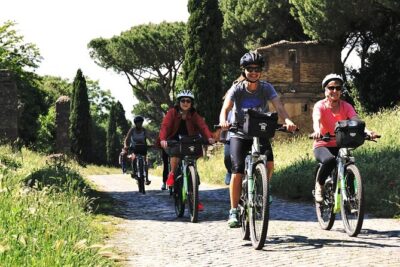
The setting also explains the ride’s roughness. The Appian Way is not presented as a modern bike path. Some parts are rocky, uneven, or hilly. One rider found that the e-bike helped maintain forward motion because steering and pedaling over the rough ground could be awkward at the same time.
I would not book this expecting a polished cycle lane or a short spin through a park. Think of it as an active sightseeing tour with a long ride built in. The scenery is peaceful, but your legs and hands will still know you have been cycling.
More Appian Way and aqueduct tours:
- Rome EBike Tour: Appian Way, Catacombs & Roman Aqueducts
★ 5.0 · 1,766 reviews - Rome: Appian Way, Catacombs, & Roman Aqueducts E-bike Tour
★ 4.9 · 1,421 reviews - Rome:Appian Way E-bike Tour with Catacombs, Aqueducts & Food
★ 4.9 · 1,210 reviews
Starting at Circus Maximus and Palatine Hill
The meeting point is BigaBike, at Via di S. Calisto 9. The tour then begins with stops near Circus Maximus and Palatine Hill. At each, your guide explains what you are seeing from in front of the monument. The listed time is about 10 minutes at each site.
Circus Maximus was Rome’s huge ancient racing arena. Even when little of the original structure is visible, its broad open shape helps you understand the scale of Roman public entertainment. A guide’s explanation is useful here because the site can otherwise look like a large grassy valley.
Palatine Hill brings the story closer to Rome’s political and imperial center. You do not have a scheduled full visit inside the archaeological area on this tour. Instead, the guide provides orientation from outside before the group continues by bike.
These first stops are brief, so you should not expect a detailed archaeological tour of either site. Their value is context. You begin with two major Roman landmarks, then follow the story outward toward the roads and countryside that supported the ancient city.
Riding beside tombs and the Caecilia Metella monument
The route’s historical focus becomes stronger at the Mausoleum of Cecilia Metella and Castrum Caetani. The stop lasts about 15 minutes, with your guide explaining the monument and its setting.
A roadside tomb may sound less dramatic than the Colosseum, but it makes an important point about the Appian Way. This was not only a route for moving armies and goods. It was also lined with memorials for prominent Romans, placed where people could see them as they entered and left the city.
The nearby Castrum Caetani adds another layer to the site. You get a compact lesson in how the road continued to matter long after the Roman period. The stop is short, but it helps turn the ride into a connected story rather than a string of unrelated ruins.
Give yourself time to look around before getting back on the bike. On a moving tour, it is easy to focus on keeping up with the group and miss the details along the roadside. The guide’s explanation should help, but your own attention matters too.
What to expect at Saint Callixtus
The Catacombs of Saint Callixtus are another 15-minute stop. The important detail is that the guide explains what you can see from outside. The supplied tour information does not promise an underground catacomb visit, so do not book this ride expecting a guided descent into the tunnels.
That limitation is not necessarily a problem. The stop adds useful background to the Appian Way, a road linked with burial sites and early Christian history. You get a short pause and an explanation before continuing.
If entering the catacombs is a priority, you should arrange a separate visit rather than assume this tour includes it. This cycling route is designed to show you several important places in one outing, not to provide long indoor visits at each one.
The stop also gives you a natural break from the bicycle. The route can be tiring, and the tour includes several pauses for water. Still, food and drinks are not included, so carry what you need.
More e-bike tours in Rome:
- Rome: Top Highlights & Hidden Gems Tour by Cannondale E-Bike
★ 4.9 · 1,760 reviews - Rome City Small Group Bike Tour with quality Cannondale EBike
★ 5.0 · 1,380 reviews - Rome by Night – Ebike Small Group Tour – Food and Wine (Option)
★ 5.0 · 1,275 reviews - Rome: E-Bike Night Tour with Food and Wine Tasting
★ 4.9 · 1,131 reviews
The Aqueduct Park and the countryside ride
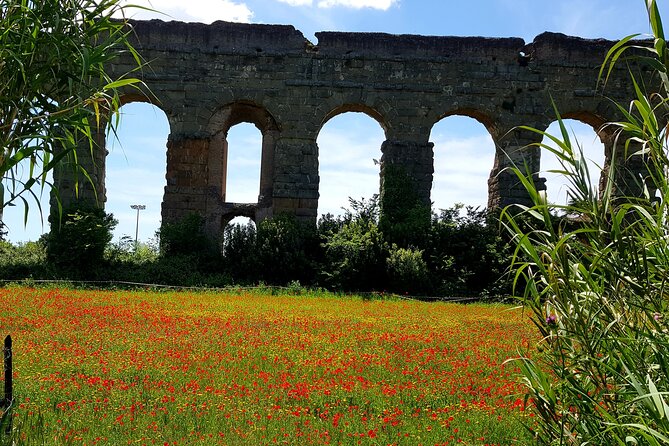
Parco degli Acquedotti is one of the most rewarding parts of the outing. The guide leads you through the park for about 20 minutes and explains the remains around you. The enormous arches give you a clear sense of the engineering that carried water toward Rome.
This is where the tour feels furthest from the city center. You have Roman structures overhead or nearby, but the surroundings are open and calm. One of the strongest features of the experience is this change of pace. You can spend the morning among Rome’s dense monuments and then find yourself pedaling through broad green space and quiet back roads.
A natural spring is also mentioned in the experience feedback as part of the countryside route, still supplying water to Romans. Since the precise stop is not listed in the timed itinerary, treat it as a possible feature rather than a guaranteed scheduled visit.
The aqueduct park is more than a photo stop. It shows how Rome’s ancient infrastructure shaped the countryside. The Appian Way carried people and goods, while the aqueducts carried water. Seeing both systems on the same ride gives you a better sense of how large Roman power was beyond the city walls.
Is the e-bike really needed?
The tour includes an e-bike and helmet according to the supplied details. That is important because the route is not fully smooth. The electric assistance can help you keep going over rocky ground and up modest rises.
You still need to ride actively. An e-bike does not remove the need to steer, balance, brake, or handle uneven surfaces. One rider found the rough terrain made it hard to steer and pedal at the same time, even with electric assistance. That is a fair warning for anyone who rarely cycles.
There is also an operational point to check before departure. The published details say bicycle use is included, while one booking involved an extra charge for an e-bike and confusion over where to collect it. Confirm exactly what your reservation includes, especially the electric bicycle, before you arrive.
Bike condition has also varied. A long route is much more comfortable when the bicycle is well maintained, so check the brakes, tires, saddle, and electric assistance before setting off. If something feels wrong at the start, speak up immediately rather than hoping it will improve later.
The ride length, pace, and road conditions
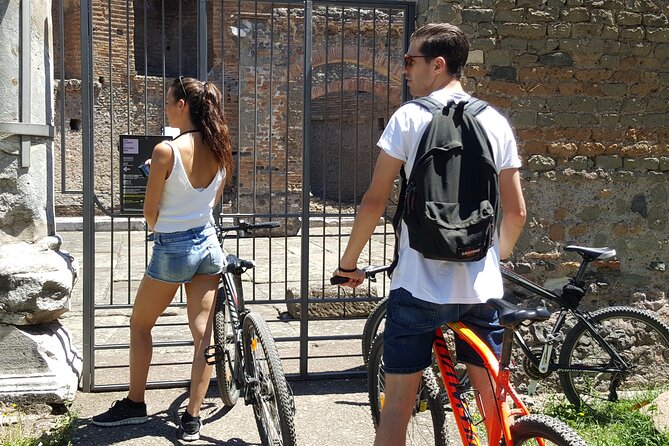
The official duration is about four hours. One account described the ride as roughly 20 miles, which gives you a better idea of the physical commitment than the time alone. The exact distance and pace may vary, but you should prepare for a serious half-day outing.
The tour is not described as a difficult mountain route. Still, rough surfaces can make a moderate ride feel harder than a longer trip on smooth asphalt. You may need to handle rocky patches, narrow paths, and sections near traffic. A rider who is comfortable on a bicycle will likely find it manageable, while someone with little riding confidence may find it stressful.
The group size is limited to 10 people. That is a useful balance. You are not lost in a large crowd, and the guide can keep an eye on the group. Smaller groups may also move more smoothly through uneven sections.
Children must be with an adult, and the minimum age is 8. A child rate applies only when the child shares with two paying adults. Since the terrain is rough, I would judge suitability by cycling ability and comfort, not just age.
Guides, explanations, and communication
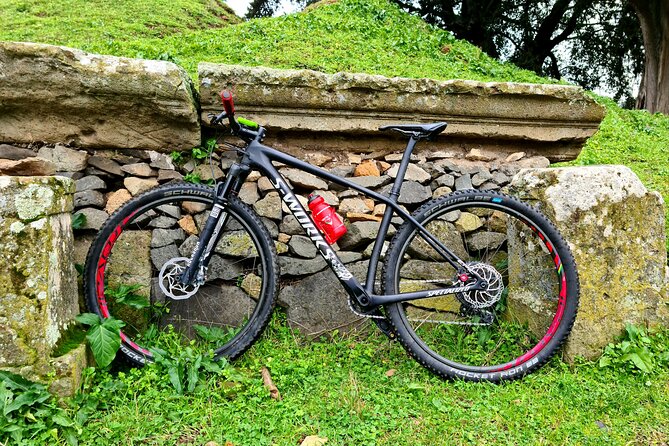
A good guide can make this route work. The ride passes many places where a short explanation adds meaning. Marta and Martin are two named guides associated with especially strong experiences, and both are described as making the countryside ride worthwhile.
The guide leads the group at each stop and explains what you are seeing along the way. Expect interpretation rather than long formal lectures. The timed stops are fairly short, so listen closely and ask questions when you have the chance.
Communication has not been equally easy with every guide. One rider found a thick accent and fast speech difficult to follow, while another raised concern about inappropriate political comments. That does not define every departure, but it is worth remembering that guide quality includes tone and clarity, not only historical facts.
If you cannot hear or understand an explanation, ask the guide to slow down or repeat it. You are spending four hours with this person, and clear communication is central to the experience.
Price and overall value at $90.22
At $90.22 per person, the tour is not the cheapest way to see Roman ruins. It includes a local guide, e-bike, and helmet, but not food, drinks, or hotel transport. You must reach the meeting point yourself and return there at the end.
The value comes from combining several hard-to-link places in one outing. You get central Roman landmarks, the Appian Way, a mausoleum, the exterior of the Saint Callixtus catacombs, and the Aqueduct Park without arranging separate transport to each area.
I think the price makes sense if you want an active day and would otherwise need taxis or public transport to reach the outer sites. It makes less sense if your main goal is a relaxed countryside outing or a detailed visit inside one archaeological monument.
Group discounts may be available, and confirmation is provided at booking. Since one booking had confusion over the e-bike charge, check the final price and inclusions carefully before paying. That small bit of planning can prevent an unpleasant surprise.
What to wear and bring
The required dress code is smart casual, but practical cycling clothes matter more. Wear secure shoes and clothing that allows easy movement. The tour operates in all weather conditions, so check the forecast and dress accordingly.
Bring water and a snack. Water breaks are included during the ride, but food and drinks are not. Four hours on a bicycle, especially over rough ground, is a long stretch without something to eat.
A helmet is included, and you should use it. The route can include narrow paths and roads where traffic may be present. You should also bring a current valid passport, which is required on the day of the tour.
Hotel pickup and drop-off are not included. The meeting point is near public transportation, but you need to make your own way to Via di S. Calisto 9.
Who should book this ride?
I would recommend it to an active visitor who has already seen some of central Rome and wants a different side of the city. It suits you if you enjoy Roman archaeology, can ride for several hours, and do not mind uneven ground.
It is also a good choice for families with older children who are comfortable on bicycles. The minimum age is 8, but the rough route means age alone is not enough. Confidence, balance, and stamina matter more.
I would hesitate if you want a leisurely bike ride, have limited cycling experience, or need frequent indoor stops. The route is long, the ground can be awkward, and the catacombs are viewed from outside. Anyone expecting a smooth ride through a quiet park could be disappointed.
The experience requires at least two people per booking and accepts up to 10. It returns to the original meeting point, which makes the end of the day simple. Free cancellation is available up to 24 hours before the start time, while poor weather may lead to a different date or a full refund.
My verdict on the Appian Way e-bike tour
Book this tour if you want Rome’s ancient roads under your own wheels, not only behind a museum railing. The best parts are the Appian Way, the open countryside, the aqueducts, and the way a guide connects ordinary-looking stretches of road with major Roman stories.
Go in with clear expectations. This is an active four-hour ride over uneven ground, not a slow bicycle stroll. Confirm the e-bike inclusion, bring food and water, and ask about the route and bike condition at the start. If you can handle that, the tour offers a memorable break from Rome’s crowded center and a useful look at the city’s older roads, tombs, and waterworks.
FAQ
How long is the Ancient Appian Way and Roman Countryside E-Bike Tour?
The tour lasts approximately four hours.
What is the price of the tour?
The listed price is $90.22 per person. Group discounts may be available.
Is an e-bike included?
The supplied tour details include use of an e-bike. Because one booking involved an extra e-bike charge, confirm the current inclusions and final price before departure.
Is a helmet provided?
Yes. Helmet use is included.
Where does the tour start?
It starts at BigaBike, Via di S. Calisto 9, 00153 Rome, Italy.
Where does the tour end?
The activity ends back at the original meeting point.
Does the tour include hotel pickup and drop-off?
No. Hotel pickup and hotel drop-off are not included.
Will I go inside the Catacombs of Saint Callixtus?
The scheduled stop explains the catacombs from outside. An underground visit is not included in the supplied tour details.
What is the minimum age?
The minimum age is 8. Children must be accompanied by an adult, and the child rate applies only when sharing with two paying adults.
Can I cancel the tour for a full refund?
Yes, if you cancel at least 24 hours before the experience start time. Changes or cancellations made less than 24 hours before the start are not accepted for a refund. If poor weather causes the tour to be canceled, you are offered another date or a full refund.
Newest Rome tours we have reviewed
- Private TikTok Video Making in Rome★ 5.0 · 7 reviews
- Assisi, Orvieto and Civita di Bagnoregio Full Day Tour from Rome★ 4.5 · 45 reviews
- Assisi & Saint Francis Path Tour from Rome★ 5.0 · 45 reviews
- Assisi and Cascia Private Day Tour from Rome with Lunch★ 5.0 · 10 reviews
- Art Class in the center of Rome!★ 4.0 · 4 reviews
- Art & Craft: Beer Tour with Street Art in Rome★ 4.5 · 6 reviews
- Arrival in Rome: Airport Transfer & Exclusive City Introduction★ 5.0 · 3 reviews
- From Rome: Private Day-Tour of Tuscany★ 5.0 · 16 reviews
Appian Way and Aqueducts Tours, compared.
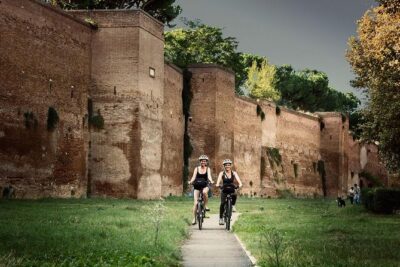
Rome EBike Tour: Appian Way, Catacombs & Roman Aqueducts
Read our review →
Appian Way, Catacombs, & Roman Aqueducts E-bike Tour
Read our review →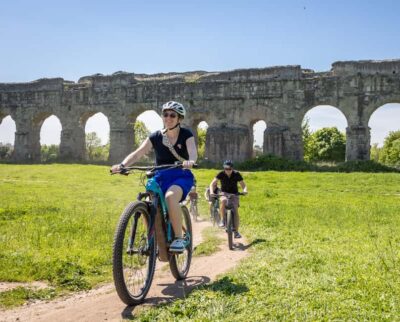
Appian Way E-bike Tour with Catacombs, Aqueducts & Food
Read our review →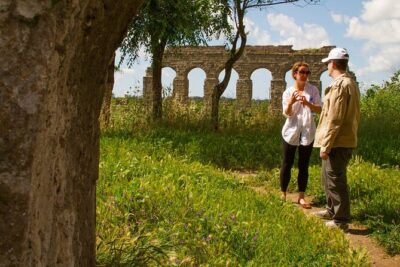
Rome Underground: Catacombs Tour, Aqueducts and Appian Way
Read our review →
Appian Way Aqueducts Bike Tour (Catacombs & Lunch Option)
Read our review →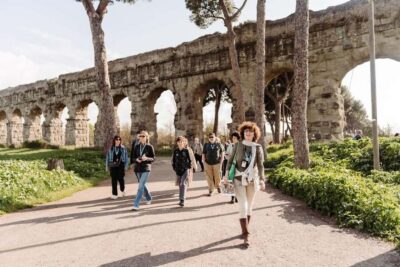
Appian Way, Catacombs and Aqueducts Park Tour with Top E-Bike
Read our review →
Appian Way E-Bike Tour Catacombs, Aqueducts & Picnic
Read our review →Browse the lists this tour appears in