
Reviewed · ANCIENT ROME TOURS
Ancient Rome Half-Day Segway Tour
Ancient Rome is spread across a wide patch of the city, and a Segway tour lets you cover far more ground than a walking tour. In about three hours, you move from Palatine Hill to the Circus Maximus, Aventine Hill, Capitoline Hill, the Imperial Forum, and the Colosseum without wearing out your feet.
I like the short training session and the small group of no more than eight people. Guides such as Nico and Julio have earned strong praise for clear history talks, patient instruction, and careful attention to safety. The main drawback is that a Segway is not for everyone, and the tour is best for people comfortable learning a new vehicle in busy Rome.
I also like the mix of famous ruins and less expected stops, including the Orange Grove and Santa Maria in Cosmedin. The $100 price is not cheap, but it can be good value if you want broad coverage, live commentary, and a personal guide in a single half-day outing.
Key points to know before you book
- A short training session comes first: You learn the self-balancing Segway before setting off, which helps first-time riders feel more at ease.
- The route covers Rome’s major ancient sights: Expect Palatine Hill, Circus Maximus, Aventine Hill, the Imperial Forum, and the Colosseum.
- The views are a major part of the tour: Palatine Hill and the Orange Grove give you a different look at the city than street-level sightseeing.
- Capitoline Hill adds Renaissance Rome: Michelangelo’s work provides a striking change from the ancient ruins.
- The group is limited to eight: That gives the guide more room to help with riding and answer questions.
- The itinerary can change: Closures, religious events, or street restrictions may require the guides to adjust the route.
Why a Segway works well for Ancient Rome
Rome’s historic center rewards slow looking, but its sights are not all packed into one neat museum complex. The Colosseum, Palatine Hill, Circus Maximus, Aventine Hill, Capitoline Hill, and Imperial Forum spread across the old city. A walking route can cover them, but it takes time and energy.
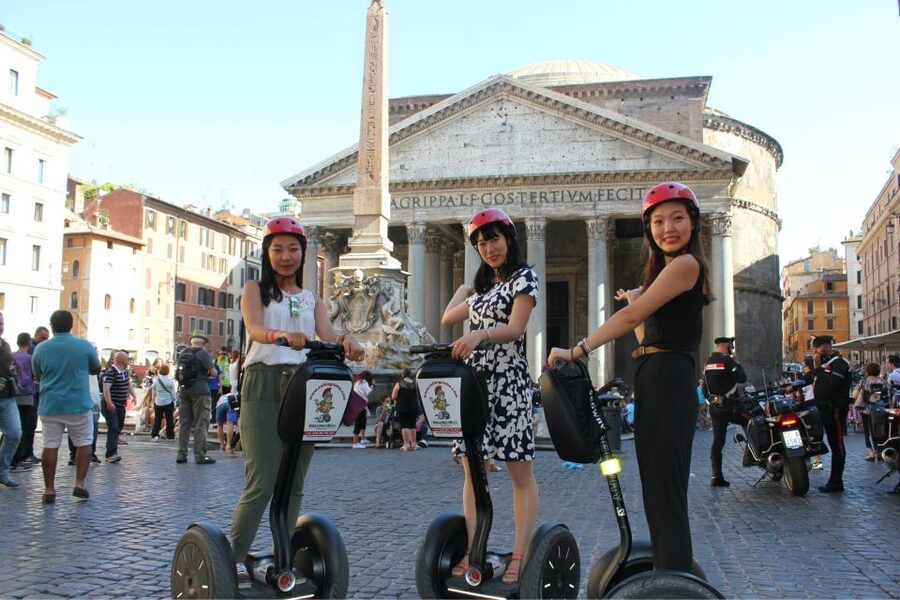
A Segway gives you a practical middle ground. You still travel at street level, unlike on a bus, but you cover more distance than you would on foot. You can glide between landmarks, stop for explanations, and keep your attention on the ruins instead of your tired legs.
The vehicle also gives the outing a playful feel. It is futuristic against a backdrop of ancient stone, which makes the experience different from a standard history walk. Still, the Segway is not the reason to book this tour by itself. The real value comes from combining it with a guide who can explain what you are seeing.
The tour begins with instruction. This matters because many people will be riding a Segway for the first time. The training is designed to help you become comfortable with the controls before entering the main route. Nico has been especially praised for patience with first-time riders and for keeping an eye on safety throughout the outing.
More ancient Rome tours:
- Colosseum: Underground and Ancient Rome Tour
★ 4.7 · 12,691 reviews - Colosseum & Ancient Rome with Arena Floor Option I Max 6 People
★ 5.0 · 3,306 reviews - Rome: Colosseum, Ancient Rome Tour or Self AudioGuided Tour
★ 4.4 · 2,866 reviews
Palatine Hill and Rome’s founding story
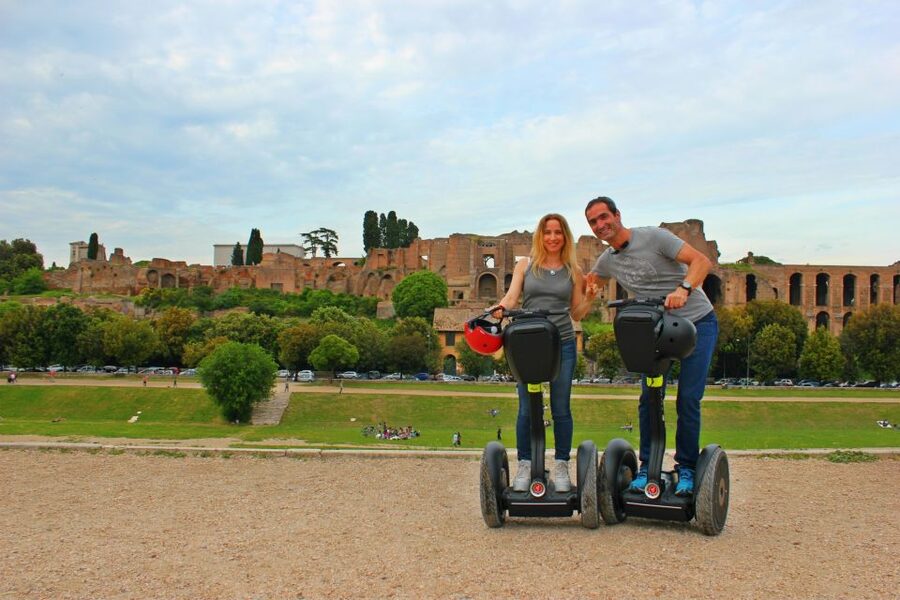
Palatine Hill is one of the best early stops because it gives the ancient city a sense of place. From here, you look across Rome while hearing the story of Romulus and Remus, the legendary founders of the city. The hill connects the familiar myth with the physical ground where Rome grew.
I like this stop because it is not just a photo break. The views help you understand why the hills mattered. Instead of seeing ruins as scattered walls, you begin to read the city as a series of heights, valleys, roads, and public spaces.
The route explores the area around the Seven Hills of Rome, giving you a broad look at the old city rather than focusing on one monument. Palatine Hill can also help you orient yourself before the later stops at the Forum and Colosseum.
The tradeoff is that a panoramic stop is not the same as a full archaeological visit. You should book this experience for an overview and live explanation, not as a substitute for spending several hours inside every ancient site. If you want detailed excavation work, inscriptions, and museum collections, plan a separate visit.
Circus Maximus and Aventine Hill
From Palatine Hill, the route passes the Circus Maximus. This enormous ancient arena once hosted public spectacles, and its scale is easier to appreciate from the open space than from a tight street or crowded museum room.
You get a useful contrast here. The Colosseum is famous for its surviving structure, while Circus Maximus is mainly experienced through its broad footprint and the story attached to it. A guide can help you picture how the site functioned when the Roman Empire was at its height.
The route then continues toward Aventine Hill and the Orange Grove. This part gives you a break from the most crowded ancient landmarks. The Orange Grove is known for its city views, and it adds a quieter, greener pause to a route otherwise filled with monuments and traffic.
The practical value is pace. You are not stopping at every location for a long formal lecture. Instead, you move through several connected parts of the city, with the guide explaining the history as the route unfolds. That makes the tour a good choice for a first day in Rome, when you want to learn the layout before deciding where to return.
Santa Maria in Cosmedin and the Mouth of Truth
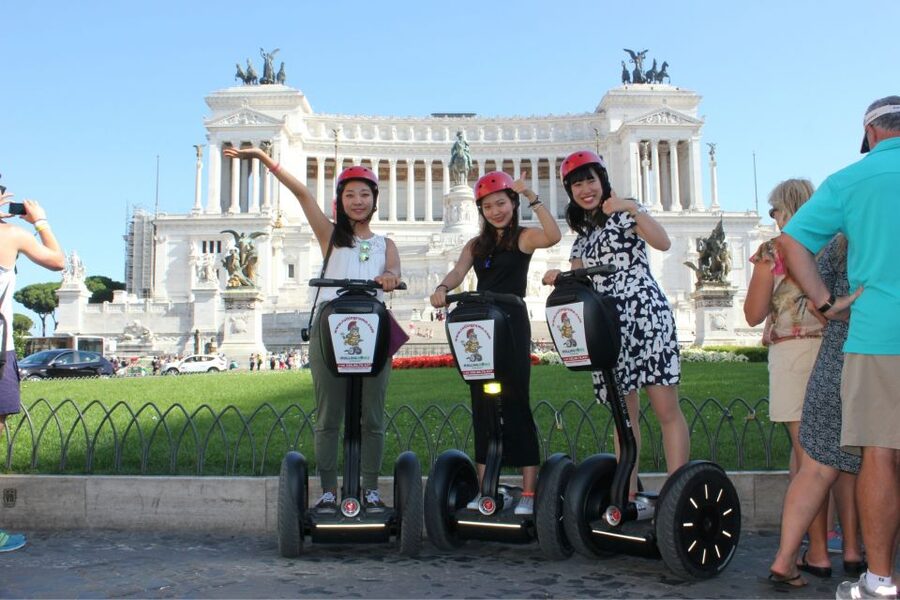
Santa Maria in Cosmedin brings a different kind of Roman story into the route. The church is associated with the remains of San Valentino, the figure connected with Valentine’s Day, and it is also home to the marble mask called the Mouth of Truth.
The mask is famous for its old lie-detector legend. According to the popular story, someone who placed a hand inside the mouth while lying risked losing it. You get a memorable piece of Roman folklore here, not just another column or fragment of masonry.
This stop is useful because Rome is more than imperial ruins. Churches, legends, medieval traditions, and Renaissance changes all sit beside the ancient city. The Mouth of Truth is also the sort of detail you might miss if you only follow the main road from the Forum to the Colosseum.
Keep your expectations in check. The stop is part of a larger moving tour, not a dedicated church visit. The value is in seeing the site and understanding its place in Rome’s stories, then continuing to the next hill.
More segway tours in Rome:
- Rome Sights by Segway Tour
★ 5.0 · 1,543 reviews - Rome: Sights by Segway Tour
★ 4.9 · 536 reviews - Rome at Night Segway Small Group Tour
★ 5.0 · 220 reviews - Rome: Night Segway Tour
★ 4.8 · 178 reviews
Capitoline Hill and Michelangelo’s Rome
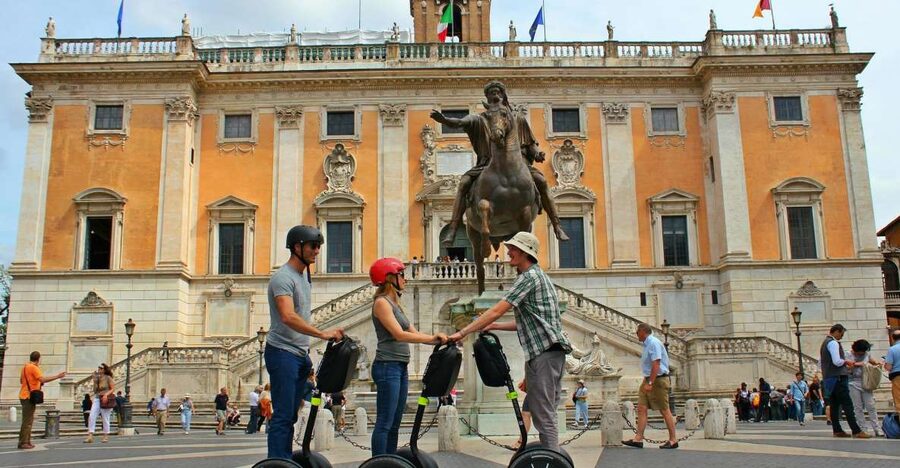
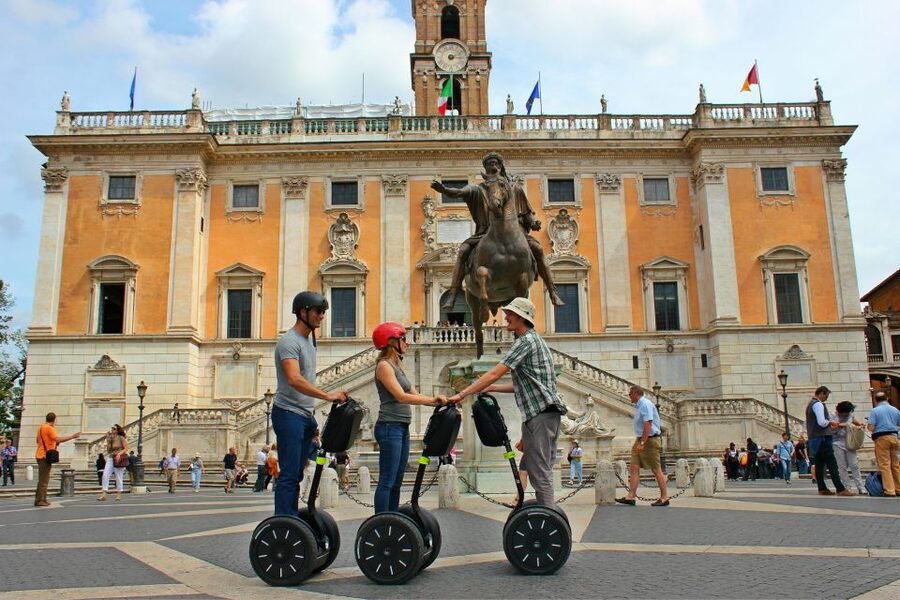
Capitoline Hill is one of the strongest parts of the itinerary because it adds Renaissance Rome to the ancient route. The hill was redesigned by Michelangelo, giving you a chance to see how later architects reshaped the heart of the old imperial city.
This change of period keeps the tour from becoming a long string of ruins. You move from Roman emperors and legendary founders to Renaissance design, civic space, and Michelangelo’s work. The result is a broader look at how Rome kept rebuilding itself across many centuries.
Capitoline Hill is also described as the most important of the hills of imperial Rome. Its position and architecture make it a meaningful place for the guide to explain Rome’s political and artistic power.
I would pay close attention here if you enjoy architecture. A Segway tour is not only about speed. At this stop, the guide’s commentary helps you notice the relationship between the hill, its buildings, and the city below. The tour has been praised for explanations that are easy to follow, which is especially useful when a site contains several layers of history at once.
The Imperial Forum and Colosseum finish
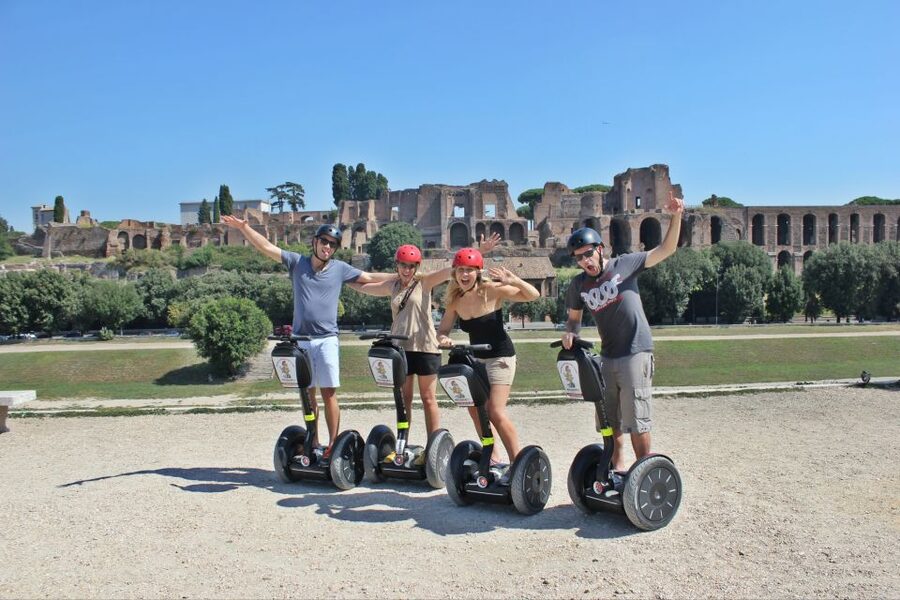
The Imperial Forum brings you close to the heart of ancient political Rome. Riding through this area, you follow routes associated with emperors and see the remains of public buildings that once shaped the empire.
The Forum can be hard to understand on your own. Broken columns and partial walls do not always reveal what stood there or how the spaces connected. A guide gives the ruins a human scale by explaining their role in public life and the power of the emperors who built them.
The final major sight is the Colosseum, one of Rome’s most recognizable monuments. Seeing it after the Forum and Palatine Hill helps place it in the wider ancient city. You have already seen the hills, public spaces, and imperial center, so the amphitheater feels less like an isolated attraction.
This tour is focused on viewing and explaining the monument from the route. The provided details do not promise entry into the Colosseum, so do not book it expecting an interior visit or reserved admission. If going inside is important to you, arrange a separate ticket and allow extra time.
Ending at the Colosseum is a smart choice for a first look at Rome. You finish with the city’s most famous ancient symbol, while the earlier stops give you enough context to understand why it mattered.
What the guide adds to the ride
The guide can make or break a Segway tour. Here, the strongest praise has centered on clear commentary, patience, friendliness, and safety. Nico has been singled out for easy-to-understand explanations, careful riding instruction, and a helpful approach with beginners.
Julio has also led tours praised for strong stories about Rome’s architecture and history. Jean Paul has been described as welcoming and polite, while Nico and Alex have shown they can adjust the route when Holy Week closures affect the streets.
Those names do not guarantee who will lead your departure, but they give you a sense of the guiding style you can expect from the company. The English-language tour is built around live explanation rather than an audio recording. That lets you ask questions and receive help during the training session and route.
The small group matters here. With a maximum of eight participants, the guide can keep an eye on riders and adapt explanations more easily than on a large coach tour. A few people have specifically appreciated the patience shown to those learning the Segway.
Price, timing, and practical value
The listed price is $100 per person. That is a serious cost for a three-hour activity, but Rome tours can become expensive once you add transport, admission, and private guiding. This experience includes the guide, Segway training, and the Segway tour itself.
The best value comes if you want to see many major areas in one outing. You get movement between the hills, commentary at the monuments, and a small group instead of a large crowd. If you already know Rome well or prefer long museum visits, the price may feel less attractive.
The duration is listed as three hours, while the detailed description refers to three and a half hours. Check the current start time and duration when booking so you can plan meals, museum reservations, and transport around it.
Tours begin at Piazza del Gesù, 47. The tour is offered in English, and availability depends on the starting time you select. Since Rome’s heat can be strong, a morning or later afternoon departure may be worth considering if those times are available. One guide has been praised for finding shade when needed, but shade cannot be guaranteed along the route.
You can cancel up to 24 hours before the activity for a full refund. The reserve-now, pay-later option also helps if your Rome schedule is still changing.
Who will enjoy this Rome tour most
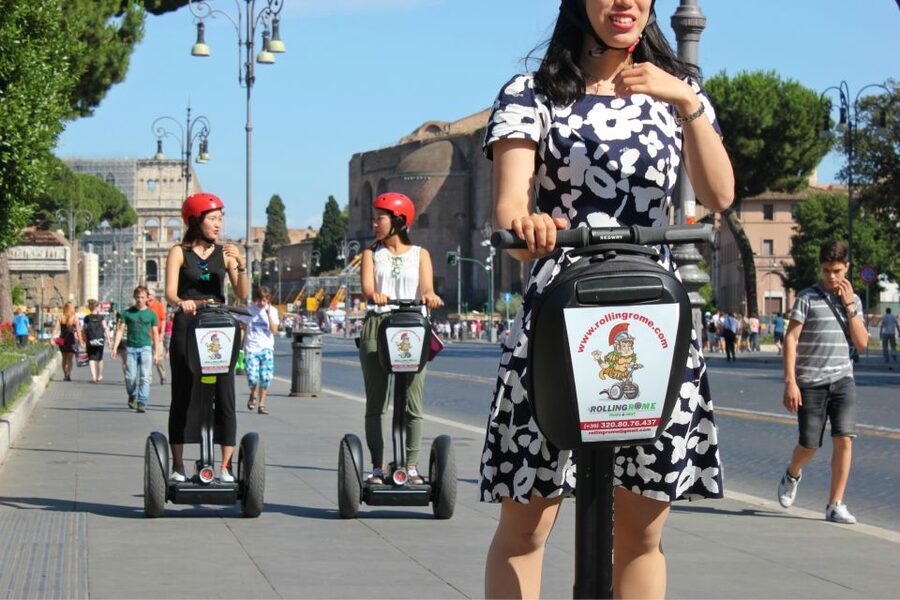
I would recommend it to first-time visitors who want a fast but meaningful introduction to Ancient Rome. It suits couples, families, and small groups who like an active outing and do not want to spend the entire day walking between far-apart sights.
It is also a good choice if you have only a few days in Rome. The route gives you a broad view of the city in one half-day, and the guide can point out places worth revisiting later.
You should think twice if you dislike balancing vehicles, need a very slow pace, or want long, detailed time at each monument. A walking tour or private guide may be better for those needs. The tour also does not appear to include interior access to the Colosseum, so pair it with a separate archaeological visit if that is high on your list.
The strongest reason to book is the combination of coverage and personal guidance. The strongest reason not to book is the price if you only want a quick ride past the sights.
Should you book the Ancient Rome Half-Day Segway Tour?
Book it if you want to cover Rome’s ancient hills, major ruins, viewpoints, and a few unusual stops without committing to a full day on foot. The route is varied, the group is small, and the training helps beginners get started.
I would especially choose it early in a Rome visit. You will gain a useful map of the city, hear the founding legends and imperial stories, and see which places deserve a longer return visit.
Skip it if your priority is entering the Colosseum, studying archaeological details at length, or avoiding any learning curve with a vehicle. For everyone else, $100 buys a lively overview with real historical context and a practical way to get across a large part of ancient Rome.
FAQ
Where does the Ancient Rome Segway Tour begin?
The tour starts at Piazza del Gesù, 47, in Rome.
How long does the tour last?
The activity is listed as three hours. The detailed tour description refers to three and a half hours, so check the current timing when selecting your departure.
What language is the tour offered in?
The live tour guide speaks English, and the activity is offered in English.
How many people are in the group?
The group is limited to eight participants.
Is Segway training included?
Yes. A training session is included before the main ride so you can learn to use the self-balancing vehicle.
Which Ancient Rome sights are included?
The route includes Palatine Hill, Circus Maximus, Aventine Hill, the Orange Grove, Santa Maria in Cosmedin, the Mouth of Truth, Capitoline Hill, the Imperial Forum, and the Colosseum.
Does the tour include Colosseum entry?
The provided tour details include viewing the Colosseum, but they do not state that interior admission is included.
Can I cancel for a refund?
Yes. You can cancel up to 24 hours in advance for a full refund. You can also reserve now and pay later.
More half-day trips in Rome
- Hadrian’s Villa and Villa d’Este Half-Day Trip from Rome
★ 3.5 · 808 reviews - Rome Golf Cart Tour : Half-Day Private or Small Group Sightseeing
★ 5.0 · 528 reviews - From Rome: Ostia Antica Guided Half-Day Trip by Train
★ 4.8 · 486 reviews - Catacombs and Roman Countryside Half-Day Walking Tour
★ 4.5 · 411 reviews
Newest Rome tours we have reviewed
- Private TikTok Video Making in Rome★ 5.0 · 7 reviews
- Assisi, Orvieto and Civita di Bagnoregio Full Day Tour from Rome★ 4.5 · 45 reviews
- Assisi & Saint Francis Path Tour from Rome★ 5.0 · 45 reviews
- Assisi and Cascia Private Day Tour from Rome with Lunch★ 5.0 · 10 reviews
- Art Class in the center of Rome!★ 4.0 · 4 reviews
- Art & Craft: Beer Tour with Street Art in Rome★ 4.5 · 6 reviews
- Arrival in Rome: Airport Transfer & Exclusive City Introduction★ 5.0 · 3 reviews
- From Rome: Private Day-Tour of Tuscany★ 5.0 · 16 reviews
Ancient Rome Tours, compared.
Colosseum: Underground and Ancient Rome Tour
Read our review →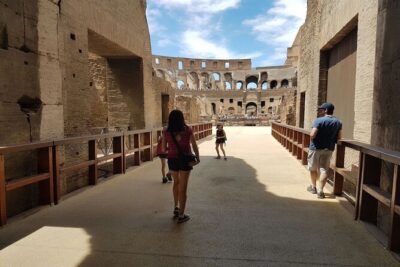
Colosseum & Ancient Rome with Arena Floor Option I Max 6 People
Read our review →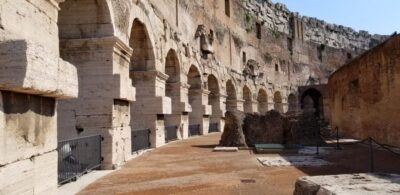
Colosseum, Ancient Rome Tour or Self AudioGuided Tour
Read our review →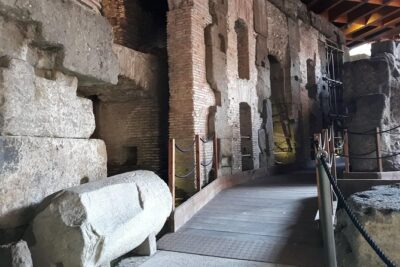
Colosseum Underground & Ancient Rome Guided Tour
Read our review →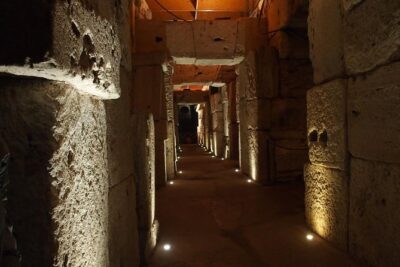
Ancient Rome: Colosseum Underground Group Tour
Read our review →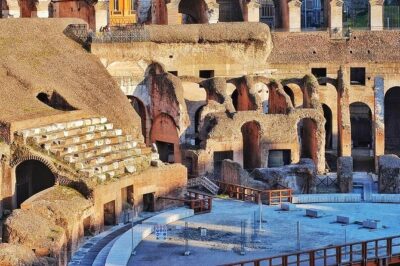
Colosseum Express Guided Tour and Ancient Rome Admission Included
Read our review →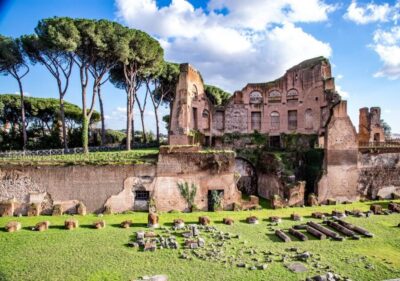
Colosseum Arena Access and Ancient Rome Guided Tour
Read our review →
Ancient Rome Discovery: Colosseum, Forum, Palatine Guided Tour
Read our review →Browse the lists this tour appears in